作者: admin

  • Marriage registrations surge in Shanghai following nationwide policy change

    Marriage registrations surge in Shanghai following nationwide policy change

    Shanghai witnessed a remarkable upswing in matrimonial registrations throughout 2025, with official data revealing approximately 125,000 couples formalizing their unions. This represents a substantial 39% increase from the previous year’s figure of around 90,000 marriages, according to Monday’s announcement from the Shanghai Civil Affairs Bureau.

    The significant surge is directly linked to China’s groundbreaking nationwide marriage registration policy implemented in May 2025. This revolutionary reform eliminated previous geographic restrictions, enabling couples to complete marriage and divorce procedures at any registration center across the country, regardless of their permanent household registration status.

    Shanghai’s implementation of this national initiative proved particularly impactful, with the city processing over 41,300 total registrations under the new framework. Among these, marriage applications dominated with more than 34,000 filings, demonstrating how policy accessibility directly influenced personal decisions.

    Concurrent with the registration boom, demographic trends showed remarkable stability. The average age for first-time marriages maintained consistency at 29.7 years overall, with men averaging 30.3 years and women at 29.1 years. These figures have remained virtually unchanged throughout the past five-year period, indicating that while policy changes affected registration timing, they didn’t alter fundamental societal patterns regarding marriage timing.

    The comprehensive data suggests that administrative convenience rather than shifting social attitudes primarily drove the registration increase, making matrimonial legal processes more accessible to mobile urban populations.

  • DP World Tour and Dubai Creek join forces for eco clean-up ahead of Dubai Invitational

    DP World Tour and Dubai Creek join forces for eco clean-up ahead of Dubai Invitational

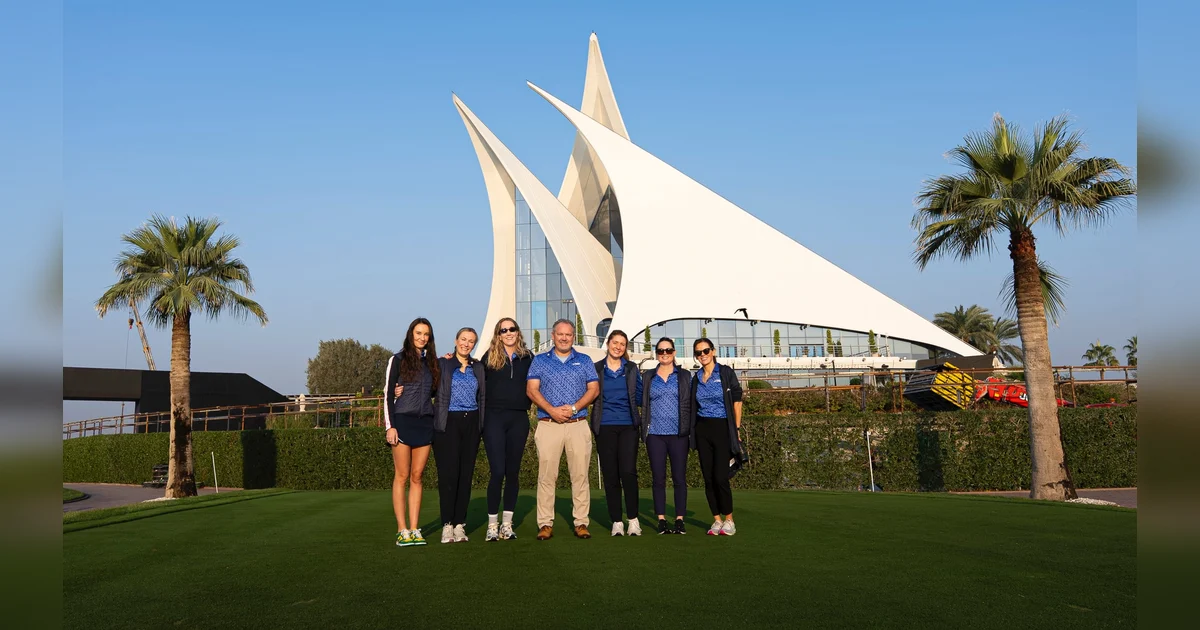
    In a powerful demonstration of environmental stewardship, the DP World Tour has partnered with Dubai Creek Resort to execute a significant ecological clean-up operation along the iconic waterway. This initiative, conducted as a quarterly sustainability effort, mobilized volunteers from both organizations to cleanse the shoreline between the Floating and Garhoud Bridges in Dubai.

    The environmental action strategically precedes the second edition of the Dubai Invitational tournament, where defending champion Tommy Fleetwood will compete alongside golf luminaries including Rory McIlroy, Shane Lowry, and Francesco Molinari. The clean-up effort ensures that the championship’s natural surroundings reflect the same excellence as the world-class competition.

    This ecological initiative represents a core component of the DP World Tour’s ‘Golf for Good’ program, which underscores the organization’s dedication to creating meaningful environmental and social benefits across all tournament locations. The program aims to generate lasting positive impacts on golf courses, local communities, and host nations throughout the Tour’s international circuit.

    The Dubai Invitational marks the inaugural event of the Race to Dubai’s International Swing, featuring a unique format with 60 professional golfers and 60 amateur participants. The tournament schedule includes a three-day Pro-Am team competition, culminating in a professionals-only final round on Sunday.

    Tournament organizers have announced complimentary general admission, while offering premium hospitality experiences through the Championship Chalet, Clubhouse Ticket+, and Creek View Terrace options. These elevated viewing packages provide exclusive amenities and superior vantage points for spectators.

    The ongoing collaboration between DP World Tour and Dubai Creek Resort exemplifies how major sporting events can successfully integrate environmental consciousness with athletic excellence, setting a new standard for sustainable tournament management in professional golf.

  • FACT FOCUS: Trump repeats false claims when discussing Greenland’s security in the Arctic

    FACT FOCUS: Trump repeats false claims when discussing Greenland’s security in the Arctic

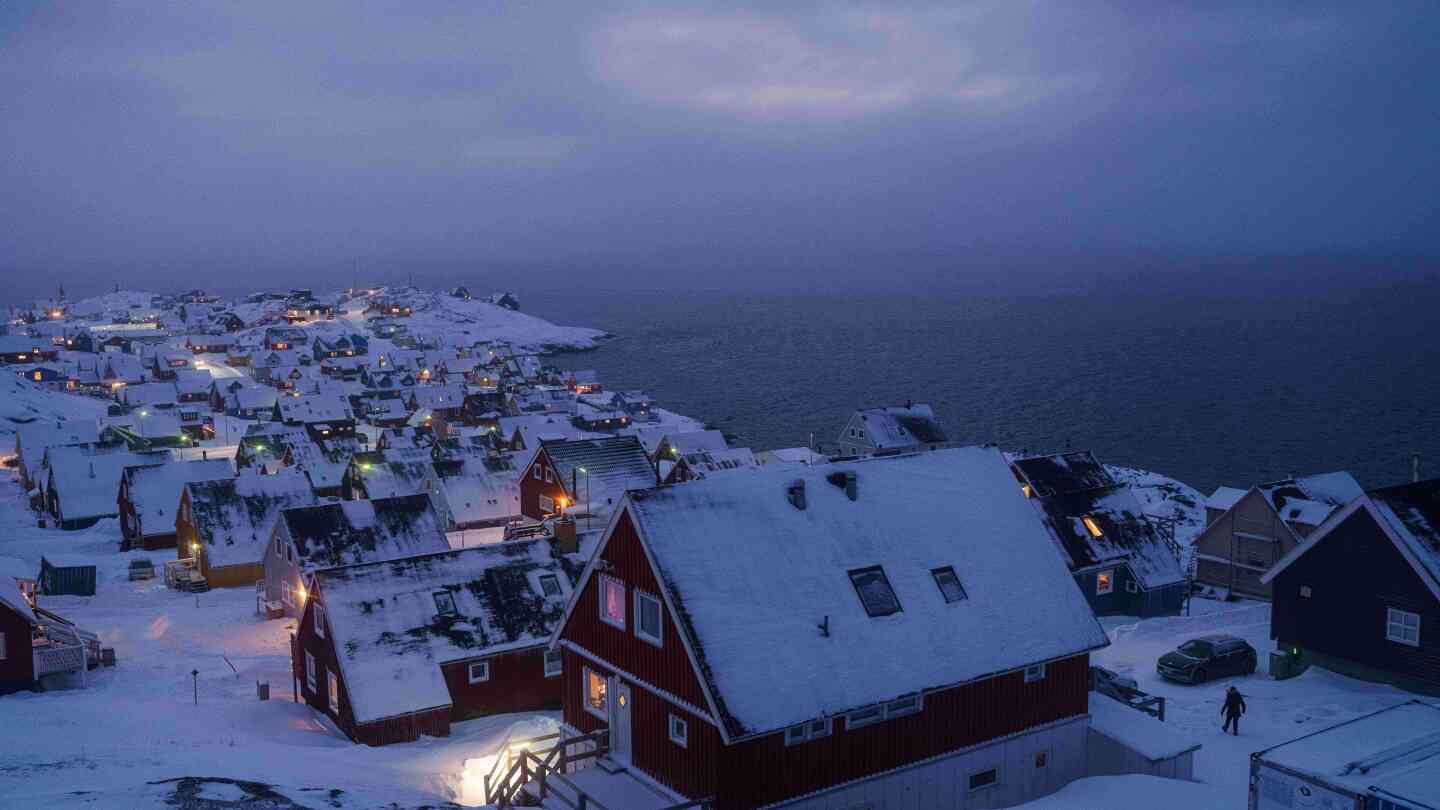
    NUUK, Greenland — Former U.S. President Donald Trump’s persistent campaign to acquire Greenland as a national security priority during his second term has been systematically dismantled by Arctic security specialists and factual analysis. His assertions regarding Russian and Chinese military presence near the autonomous Danish territory have been categorically refuted by international experts.

    Trump repeatedly characterized Greenland’s acquisition as crucial to preventing Russian or Chinese domination, even suggesting military force as a potential option. He claimed without evidence that “Russian destroyers, Chinese destroyers, and Russian submarines” were operating en masse around Greenland’s coastline.

    Arctic security researchers from multiple institutions have contradicted these statements. Andreas Østhagen of Oslo’s Fridtjof Nansen Institute stated the claims “make no sense in terms of facts,” noting that Russia primarily operates in the Barents Sea while both nations focus activities in the Bering Sea south of Alaska. Danish researcher Lin Mortensgaard acknowledged possible Russian submarine presence—common throughout the Arctic—but confirmed no surface vessels near Greenland.

    Greenland’s own Business Minister Naaja Nathanielsen responded to inquiries about foreign vessels by stating “Not that we are aware of,” adding that while Arctic interest exists from Russia and China, “we don’t detect an actual threat.”

    Trump’s derisive comments about Denmark’s Greenland defenses—referencing “two dog sleds”—also misrepresent reality. The Sirius Dog Sled Patrol constitutes an elite Danish naval unit performing long-range reconnaissance and sovereignty enforcement. Denmark maintains substantial military infrastructure including patrol ships, surveillance aircraft, and is investing $2.3 billion in enhanced capabilities including new Arctic vessels and surveillance drones. The U.S. Department of Defense itself operates the strategic Pituffik Space Base in northwestern Greenland under a 1951 treaty.

    Historical claims about Danish sovereignty were equally flawed. Greenland’s indigenous population arrived circa 2,500 B.C., with modern Danish colonization beginning in the 18th century. International law has evolved from colonial land grabs to respecting post-WWII borders and self-determination principles. Greenland achieved self-governing status within the Danish kingdom in 2009 with rights to pursue independence through democratic processes.

    Experts emphasize that contemporary geopolitics operates under frameworks prohibiting territorial acquisition by force, making Trump’s proposals both factually unsupported and legally untenable under modern international norms.

  • Rising Czech star Louis Klein back in Dubai to defend Junior Desert Classic Crown

    Rising Czech star Louis Klein back in Dubai to defend Junior Desert Classic Crown

    Dubai prepares to host the 2026 Junior Desert Classic from January 16-18 at the renowned Emirates Golf Club, where defending champion Louis Klein aims to retain his crown against elite international competition. The 16-year-old Czech sensation, who dominated last year’s tournament with an impressive eight-stroke victory, returns fully recovered from previous injuries and confident in his current form.

    Organized by Falcon Golf and the Emirates Golf Federation, this 54-hole championship serves as an official World Amateur Golf Ranking (WAGR) qualifier for the second consecutive year. The event features 64 top-tier junior golfers under age 18, including notable participants such as Sri Lankan Ladies Amateur Champion Kaya Dalawatte and American standout Alexandra Phung (+5.3 handicap).

    Klein, who now regularly trains at The Els Club in Dubai during winter months, expressed enthusiasm about competing on both the Faldo and Majlis courses: “I want to test myself against both a strong field and the challenges of these championship courses. This tournament provides perfect preparation for my upcoming season in Europe and beyond.”

    The competition format includes: Round 1 on the Faldo Course under floodlights, Round 2 with afternoon tee times on the same course, and a final round on the prestigious Majlis Course. The field will be reduced to the top 30 gross scores after 36 holes, with yardages set at 6,500 for boys and 5,700 for girls.

    Simon Corkill, Executive Tournament Director of the HERO Dubai Desert Classic, emphasized the event’s significance: “This championship creates genuine opportunities for young golfers through WAGR points, world-class facilities, and increasingly international competition.”

    Successful competitors will earn invitations to prestigious events including the Faldo Series Grand Final, Shubhankar Sharma Series Grand Final, and Clutch Tour starts, establishing crucial pathways to professional golf careers.

  • Last year was Ukraine’s deadliest for civilians since 2022, UN says

    Last year was Ukraine’s deadliest for civilians since 2022, UN says

    The United Nations Human Rights Monitoring Mission in Ukraine has declared 2025 the most lethal year for civilians since the escalation of hostilities in 2022. According to their latest report, conflict-related violence claimed at least 2,514 civilian lives last year—marking a significant escalation from 2,088 fatalities in 2024 and 1,974 in 2023. The number of injured civilians demonstrated a similar upward trajectory, increasing substantially each consecutive year.

    The most devastating single incident occurred in November 2025, when an attack on the western city of Ternopil resulted in at least 38 civilian casualties, including eight children. The UN mission’s data reveals that the total civilian casualties (killed and injured) in 2025 represented a 31% increase from 2024 figures and a staggering 70% surge compared to 2023.

    Danielle Bell, head of the monitoring mission, characterized these statistics as evidence of “a marked deterioration in the protection of civilians.” She elaborated that “this rise was driven not only by intensified hostilities along the frontline, but also by the expanded use of long-range weapons, which exposed civilians across the country to heightened risk.”

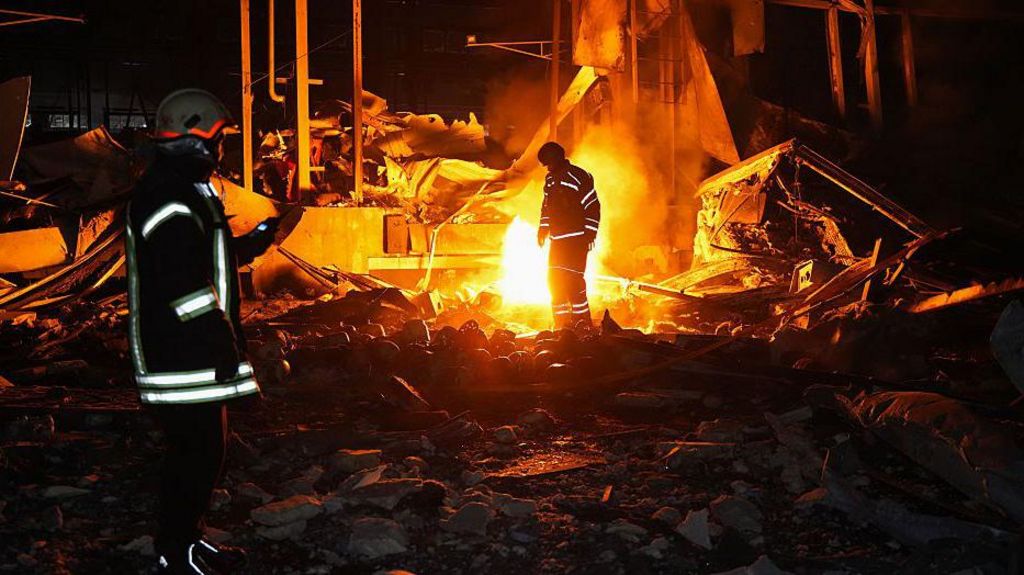
    Concurrent with these findings, President Volodymyr Zelensky reported that overnight Russian strikes on January 13th killed four people in Kharkiv and left “several hundred thousand households” without power in and around Kyiv amid subzero temperatures. The assault involved nearly 300 drones, 18 ballistic missiles, and seven cruise missiles targeting urban centers nationwide.

    Kyiv’s energy infrastructure suffered severe damage, with Yasno energy company CEO reporting citywide “emergency shutdowns” as emergency crews battled fires and worked to restore utilities in freezing conditions. Ukrainian officials accused Russia of deliberately targeting energy infrastructure to “deprive people of power, water and heating” during extreme cold weather.

    Additional casualties were reported across multiple regions: ten injured in a Kharkiv postal terminal strike, two killed in Donetsk region attacks, and six injured in Odesa where strikes damaged residential buildings, energy facilities, a hospital, and a kindergarten.

    The timing of these attacks carried historical significance, occurring on the 1,418th day of Russia’s full-scale invasion—equaling the duration of Soviet involvement in World War II. EU Ambassador to Ukraine Katarina Mathernova noted on social media: “Back then, the USSR was attacked, fought back, and—thanks to massive Western support—ended the war victorious… Today, Putin chose this war. Planned it. Launched it. Owns it.”

  • Will Iran’s crackdown playbook work this time?

    Will Iran’s crackdown playbook work this time?

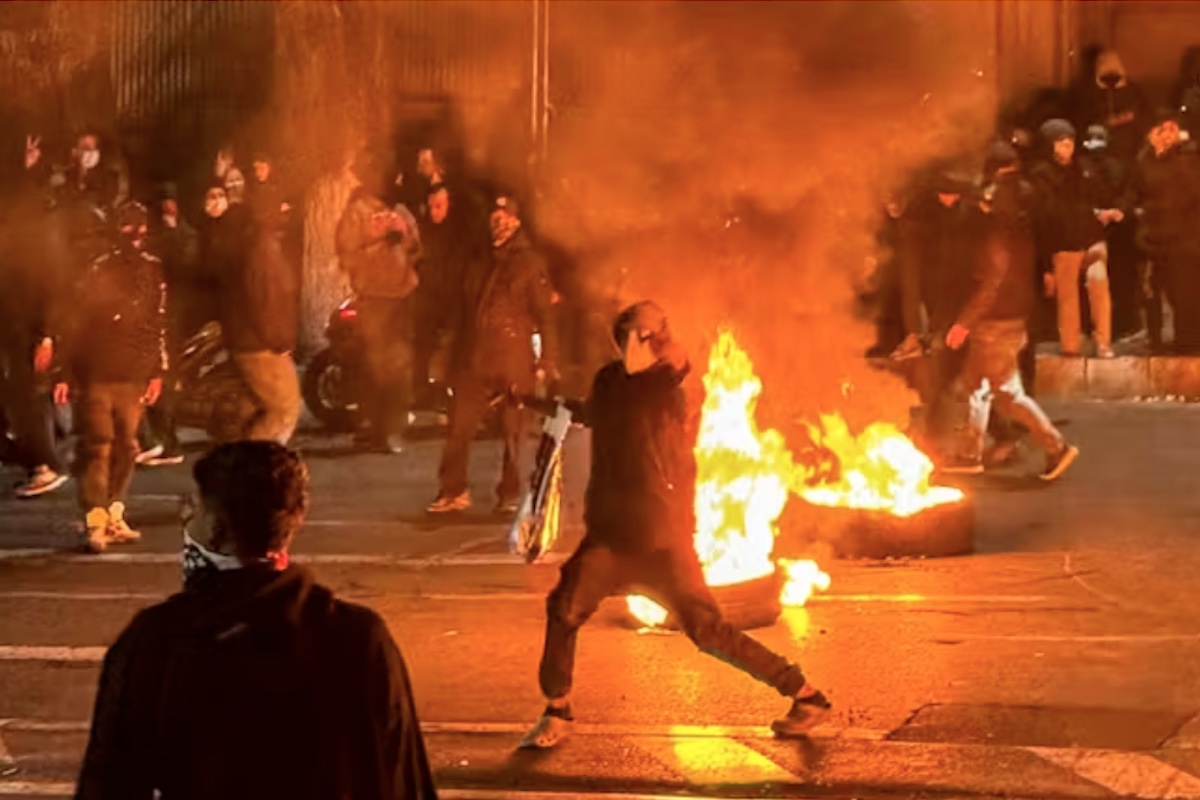
    Iran has plunged into a nationwide digital darkness as its government implements a complete internet shutdown in response to unprecedented anti-regime protests that have spread across all 31 provinces. The current wave of demonstrations marks a significant escalation in Iran’s long history of civil unrest, distinguished by its explicit calls for regime change and the emergence of clear leadership from exiled opposition figures.

    The catalyst for these events emerged in late December when Tehran’s bazaar merchants initiated protests against the country’s theocratic rulers following the Iranian currency’s sharp collapse. These demonstrations remained limited initially until Reza Pahlavi, the US-based son of Iran’s former shah, issued a public call for nationwide protests last Thursday and Friday. Despite initial dismissal from authorities who questioned Pahlavi’s influence, his Instagram video garnered over 90 million views and nearly 500,000 comments—unprecedented engagement for Persian-language social media content.

    This mobilization represents the first time since the 1979 Iranian Revolution that a political figure has successfully issued a protest call explicitly framed around regime change that garnered massive public response. Unlike the leaderless, social media-driven protests of 2017-2018, 2019-2020, and 2022, or the reform-seeking Green Movement of 2009, the current movement combines digital tools with identifiable leadership, significantly enhancing its potential reach and impact.

    In response, the regime has deployed its full arsenal of digital authoritarian strategies. On January 8, authorities imposed a complete internet blackout, simultaneously cutting telephone lines and SMS services. This drastic measure has isolated over 85 million Iranians, restricting information flow exclusively to state-run outlets like Tasnim and Fars News, both affiliated with the Islamic Revolutionary Guard Corps (IRGC).

    The internet shutdown represents just one component of Iran’s sophisticated digital repression apparatus. The regime has simultaneously activated its extensive network of facial recognition cameras, largely imported from China, to identify and arrest protesters. Additionally, state media has intensified propaganda efforts, constructing narratives that frame protesters as foreign-backed terrorists rather than legitimate dissenters.

    President Masoud Pezeshkian has characterized participants as ‘trained terrorists’ brought into the country by enemies, while parliamentary speaker Mohammad Bagher Ghalibaf alleges the nation faces ‘a phase of terrorist warfare.’ These narratives deliberately obscure the protests’ domestic origins and justify violent suppression.

    Despite the digital blackout, limited Starlink satellite internet access has allowed a small number of videos to reach the outside world, documenting a brutal crackdown that has reportedly resulted in hundreds—possibly thousands—of fatalities and over 10,000 arrests. In a countermove, protesters have attempted to disable the regime’s ubiquitous surveillance cameras.

    The current situation echoes the 2019 protests where approximately 1,500 people were killed under similar digital blackout conditions, though the explicit regime-change demands and leadership structure distinguish the current movement. As authorities work to disrupt remaining Starlink signals, protesters continue risking their lives to make their voices heard beyond Iran’s digital iron curtain.

  • Australia tightens visa rules for Indian students, moves nation to ‘high-risk category’

    Australia tightens visa rules for Indian students, moves nation to ‘high-risk category’

    In a significant policy shift, Australia has intensified visa requirements for students from India and several neighboring nations, reclassifying them under the highest-risk category within its immigration framework. Effective January 8, 2026, the Australian Department of Home Affairs confirmed the adjustment of Evidence Levels for India, Nepal, Bangladesh, and Bhutan from Level 2 to Level 3—the most stringent integrity setting in the Simplified Student Visa Framework (SSVF).

    The recalibration responds to emerging integrity concerns, including heightened risks of fraud, visa refusal, and non-compliance. Under Evidence Level 3, Indian students pursuing Australian education must now submit extensive documentation, including manually verified bank statements, additional English language proficiency proofs, and detailed background records. Visa processing durations are anticipated to extend from three to eight weeks due to enhanced verification protocols, which may involve direct inquiries to educational institutions or referees.

    The SSVF employs a weighted algorithm to determine Evidence Levels, incorporating metrics such as visa cancellation rates (25%), fraud-based refusals (40%), general refusal rates (10%), incidence of unlawful non-citizens (15%), and subsequent Protection Visa applications (10%). These indicators collectively assess the immigration risk profile of source countries and education providers, independent of academic quality.

    While the Department of Home Affairs does not publicly maintain a current list of countries assigned to specific Evidence Levels, the reclassification was confirmed through official statements and can be independently verified using the government’s Document Checklist Tool. Prospective applicants are advised to consult the tool for tailored requirements based on their chosen institution and nationality.

    This move aims to balance Australia’s commitment to hosting genuine international students with robust mechanisms to safeguard immigration integrity. The policy adjustment reflects ongoing efforts to address systemic vulnerabilities while maintaining the nation’s appeal as a premier education destination.

  • Trump’s foreign policy and what it might mean for the World Cup

    Trump’s foreign policy and what it might mean for the World Cup

    A coalition of British parliamentarians has launched an unprecedented challenge to the United States’ status as host of major international sporting events, urging FIFA to consider expulsion from the 2026 World Cup until the nation demonstrates compliance with international law and respect for national sovereignty.

    The political motion, signed by 23 MPs across Labour, Liberal Democrats, Green Party and Plaid Cymru, follows recent US military operations in Venezuela that resulted in the capture of President Nicolás Maduro, alongside explicit threats against several other nations including Mexico, Colombia, Iran, Cuba, and Greenland—the latter being territory of NATO ally Denmark.

    This diplomatic confrontation creates a complex dilemma for global sports organizations as the US prepares to host both the 2026 FIFA World Cup (jointly with Canada and Mexico) and the 2028 Los Angeles Olympics. The parliamentarians argue that major sporting events “should not be used to legitimize or normalize violations of international law by powerful states,” specifically referencing what they term the “kidnapping” of Maduro and “repeated veiled and overt threats” by US officials.

    The White House has defended its actions as legitimate law-enforcement operations against leaders allegedly involved in drug trafficking and terrorism. President Trump stated the US would now control Venezuela and its oil industry, while Maduro maintains he is a prisoner of war. UN Secretary-General António Guterres expressed deep concern that “rules of international law have not been respected” during US operations.

    This situation creates particular awkwardness for FIFA, which awarded President Trump its inaugural Peace Prize in December 2025 for his purported role in establishing ceasefires between Israel and Palestine. The organization now faces calls to demonstrate consistency after banning Russia from international competitions following its invasion of Ukraine.

    Sports governance experts warn that FIFA and the International Olympic Committee face a looming “stress-test for sporting institutions that pride themselves on neutrality.” Additional complications include Trump’s immigration policies that could affect fans from four qualified World Cup nations facing travel restrictions, plus potential ICE raids targeting undocumented immigrants at tournament venues.

    The European Democratic Party has raised safety concerns following recent immigration-related violence in Minneapolis, suggesting European federations might consider withdrawal if adequate guarantees aren’t provided. With the expanded 48-team tournament approaching, sports bodies must navigate an increasingly complex intersection of global sports diplomacy and international politics.

  • NYC Council employee’s arrest sparks protests and a dispute over his immigration status

    NYC Council employee’s arrest sparks protests and a dispute over his immigration status

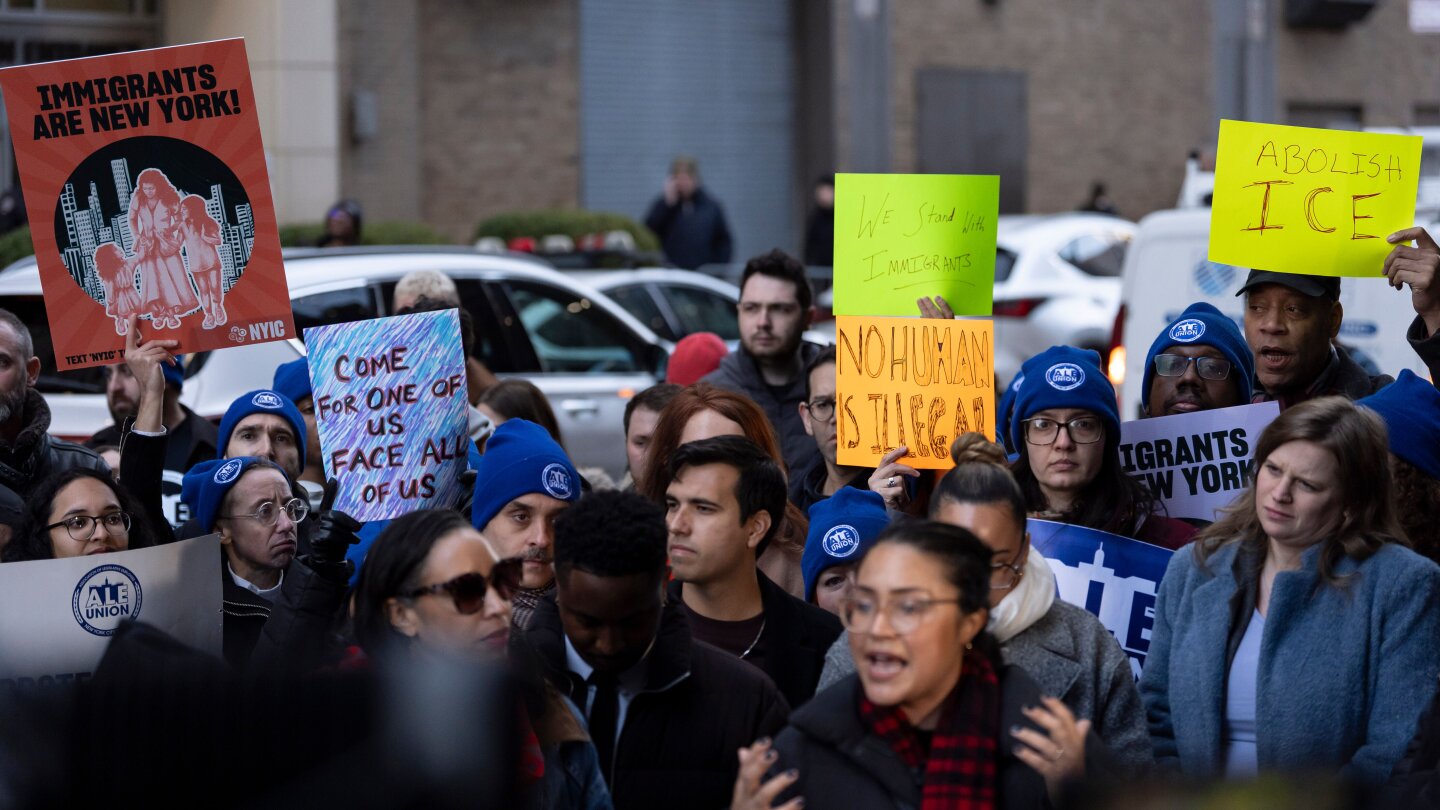
    A significant immigration controversy has erupted in New York City following the detention of Rafael Andres Rubio Bohorquez, a City Council data analyst and Venezuelan asylum-seeker, during what was described as a routine immigration check-in. The arrest occurred Monday at a U.S. Citizenship and Immigration Services office in Bethpage, Long Island, triggering widespread condemnation from city officials and protests outside Manhattan’s federal building.

    U.S. Immigration and Customs Enforcement maintains that Bohorquez had overstayed his 2017 B2 tourist visa and cited a prior assault arrest as justification for detention, stating he had ‘no legal right to be in the United States.’ However, City Council Speaker Julie Menin vehemently disputes these claims, asserting that the employee had proper work authorization until October and had cleared standard background checks that revealed no criminal record.

    The case has drawn responses from the highest levels of New York government, with Governor Kathy Hochul questioning the detention’s proportionality during her state of the state address: ‘Is this person really one of the baddest of the bad? Is this person really a threat?’

    Legal representatives from the New York Legal Assistance Group have filed a habeas corpus petition arguing unlawful detention, with a hearing scheduled for Friday. The organization’s CEO Lisa Rivera emphasized that Bohorquez ‘did everything right by appearing at a scheduled interview’ yet was detained regardless.

    The incident occurs against the backdrop of Venezuela’s ongoing political and economic crisis, which has prompted nearly 8 million citizens to flee since 2014. The case also highlights ongoing tensions between federal immigration enforcement and local governments, particularly regarding work authorization verification systems that don’t automatically update employers about status changes.

  • Scam alert: Abu Dhabi Police warn against fake ad links online

    Scam alert: Abu Dhabi Police warn against fake ad links online

    Abu Dhabi Police have escalated their cybersecurity warnings, alerting residents to an emerging wave of sophisticated online scams disguised as legitimate advertisements. These fraudulent schemes employ deceptive digital advertisements to lure unsuspecting users into clicking malicious links, subsequently harvesting sensitive personal and financial information.

    The sophisticated nature of these scams presents significant risks, including potential unauthorized access to banking systems and identity theft scenarios. Criminal entities meticulously craft counterfeit websites that mimic trusted platforms, offering products or services at unrealistically low prices to exploit consumer trust and curiosity.

    Authorities have outlined comprehensive protective measures for digital safety:
    – Rigorously verify the authenticity of all electronic links before engagement
    – Refrain from entering credit card details or passwords on unfamiliar websites
    – Conduct financial transactions exclusively through verified and trusted platforms
    – Utilize only government-approved applications or those from recognized app stores
    – Maintain strict confidentiality of personal identification numbers, security codes, and banking credentials

    The Abu Dhabi Police have established multiple reporting channels through their Aman e-reporting service, including a dedicated call center (8002626), text messaging service (2828), their official smart application, and direct email communication (aman@adpolice.gov.ae).

    This alert represents part of a broader initiative to enhance cybersecurity awareness and combat increasingly sophisticated digital crimes, reflecting the police force’s commitment to maintaining community safety in the evolving digital landscape.