作者: admin

  • Trump’s foreign policy and what it might mean for the World Cup

    Trump’s foreign policy and what it might mean for the World Cup

    A coalition of British parliamentarians has launched an unprecedented challenge to the United States’ status as host of major international sporting events, urging FIFA to consider expulsion from the 2026 World Cup until the nation demonstrates compliance with international law and respect for national sovereignty.

    The political motion, signed by 23 MPs across Labour, Liberal Democrats, Green Party and Plaid Cymru, follows recent US military operations in Venezuela that resulted in the capture of President Nicolás Maduro, alongside explicit threats against several other nations including Mexico, Colombia, Iran, Cuba, and Greenland—the latter being territory of NATO ally Denmark.

    This diplomatic confrontation creates a complex dilemma for global sports organizations as the US prepares to host both the 2026 FIFA World Cup (jointly with Canada and Mexico) and the 2028 Los Angeles Olympics. The parliamentarians argue that major sporting events “should not be used to legitimize or normalize violations of international law by powerful states,” specifically referencing what they term the “kidnapping” of Maduro and “repeated veiled and overt threats” by US officials.

    The White House has defended its actions as legitimate law-enforcement operations against leaders allegedly involved in drug trafficking and terrorism. President Trump stated the US would now control Venezuela and its oil industry, while Maduro maintains he is a prisoner of war. UN Secretary-General António Guterres expressed deep concern that “rules of international law have not been respected” during US operations.

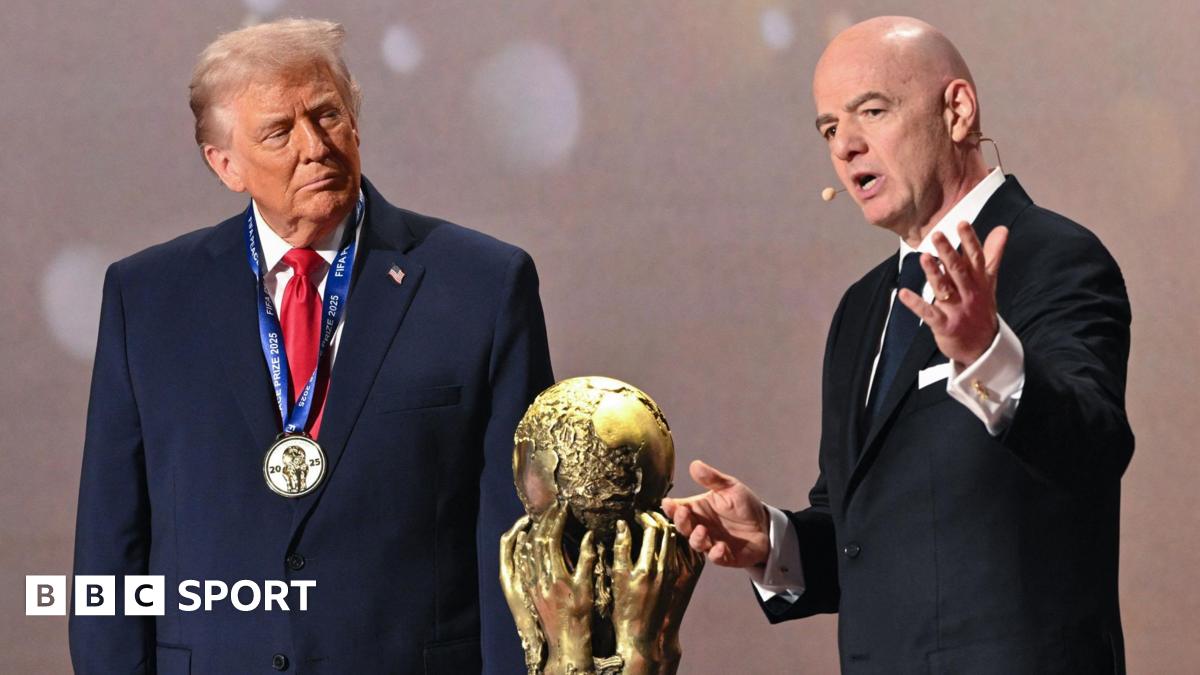
    This situation creates particular awkwardness for FIFA, which awarded President Trump its inaugural Peace Prize in December 2025 for his purported role in establishing ceasefires between Israel and Palestine. The organization now faces calls to demonstrate consistency after banning Russia from international competitions following its invasion of Ukraine.

    Sports governance experts warn that FIFA and the International Olympic Committee face a looming “stress-test for sporting institutions that pride themselves on neutrality.” Additional complications include Trump’s immigration policies that could affect fans from four qualified World Cup nations facing travel restrictions, plus potential ICE raids targeting undocumented immigrants at tournament venues.

    The European Democratic Party has raised safety concerns following recent immigration-related violence in Minneapolis, suggesting European federations might consider withdrawal if adequate guarantees aren’t provided. With the expanded 48-team tournament approaching, sports bodies must navigate an increasingly complex intersection of global sports diplomacy and international politics.

  • NYC Council employee’s arrest sparks protests and a dispute over his immigration status

    NYC Council employee’s arrest sparks protests and a dispute over his immigration status

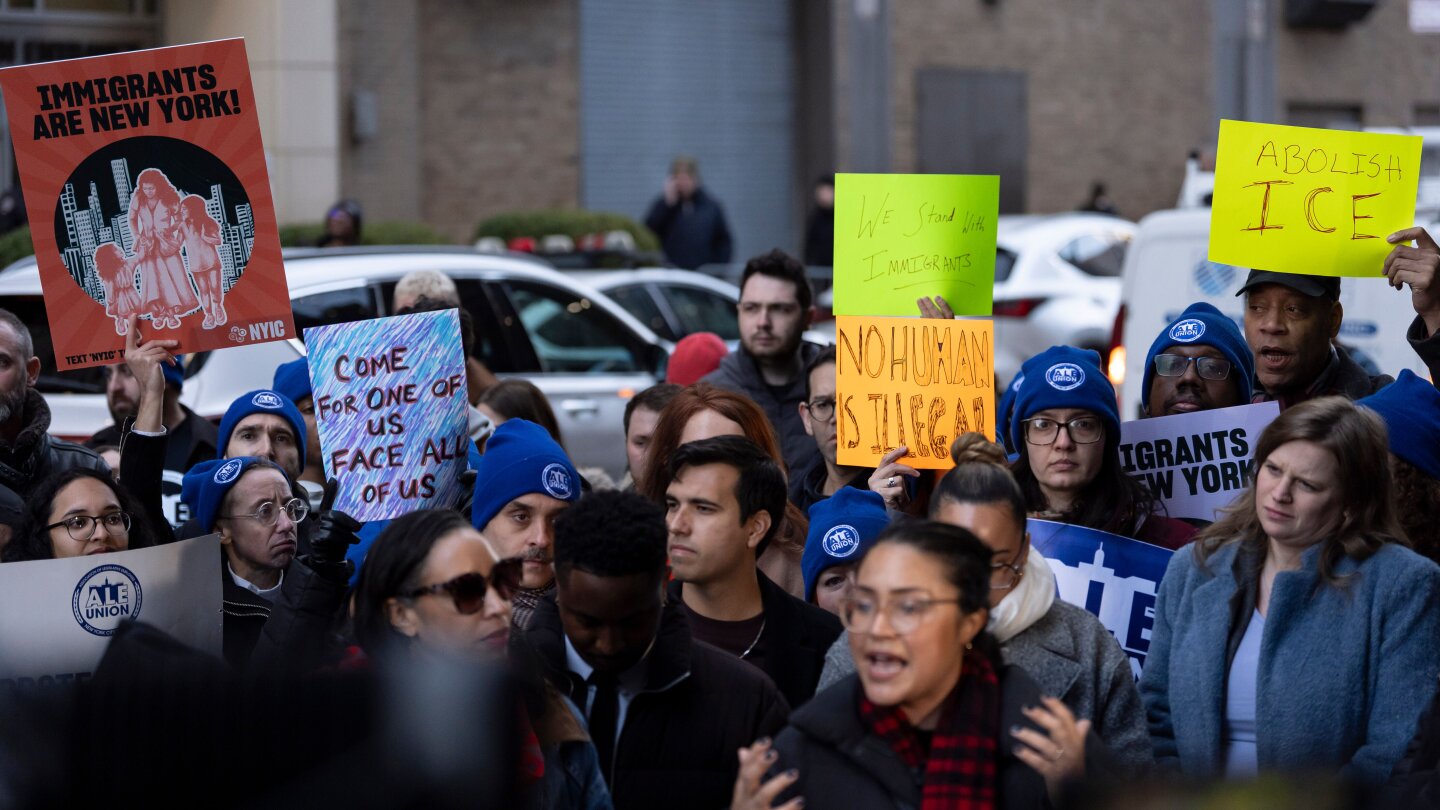
    A significant immigration controversy has erupted in New York City following the detention of Rafael Andres Rubio Bohorquez, a City Council data analyst and Venezuelan asylum-seeker, during what was described as a routine immigration check-in. The arrest occurred Monday at a U.S. Citizenship and Immigration Services office in Bethpage, Long Island, triggering widespread condemnation from city officials and protests outside Manhattan’s federal building.

    U.S. Immigration and Customs Enforcement maintains that Bohorquez had overstayed his 2017 B2 tourist visa and cited a prior assault arrest as justification for detention, stating he had ‘no legal right to be in the United States.’ However, City Council Speaker Julie Menin vehemently disputes these claims, asserting that the employee had proper work authorization until October and had cleared standard background checks that revealed no criminal record.

    The case has drawn responses from the highest levels of New York government, with Governor Kathy Hochul questioning the detention’s proportionality during her state of the state address: ‘Is this person really one of the baddest of the bad? Is this person really a threat?’

    Legal representatives from the New York Legal Assistance Group have filed a habeas corpus petition arguing unlawful detention, with a hearing scheduled for Friday. The organization’s CEO Lisa Rivera emphasized that Bohorquez ‘did everything right by appearing at a scheduled interview’ yet was detained regardless.

    The incident occurs against the backdrop of Venezuela’s ongoing political and economic crisis, which has prompted nearly 8 million citizens to flee since 2014. The case also highlights ongoing tensions between federal immigration enforcement and local governments, particularly regarding work authorization verification systems that don’t automatically update employers about status changes.

  • Scam alert: Abu Dhabi Police warn against fake ad links online

    Scam alert: Abu Dhabi Police warn against fake ad links online

    Abu Dhabi Police have escalated their cybersecurity warnings, alerting residents to an emerging wave of sophisticated online scams disguised as legitimate advertisements. These fraudulent schemes employ deceptive digital advertisements to lure unsuspecting users into clicking malicious links, subsequently harvesting sensitive personal and financial information.

    The sophisticated nature of these scams presents significant risks, including potential unauthorized access to banking systems and identity theft scenarios. Criminal entities meticulously craft counterfeit websites that mimic trusted platforms, offering products or services at unrealistically low prices to exploit consumer trust and curiosity.

    Authorities have outlined comprehensive protective measures for digital safety:
    – Rigorously verify the authenticity of all electronic links before engagement
    – Refrain from entering credit card details or passwords on unfamiliar websites
    – Conduct financial transactions exclusively through verified and trusted platforms
    – Utilize only government-approved applications or those from recognized app stores
    – Maintain strict confidentiality of personal identification numbers, security codes, and banking credentials

    The Abu Dhabi Police have established multiple reporting channels through their Aman e-reporting service, including a dedicated call center (8002626), text messaging service (2828), their official smart application, and direct email communication (aman@adpolice.gov.ae).

    This alert represents part of a broader initiative to enhance cybersecurity awareness and combat increasingly sophisticated digital crimes, reflecting the police force’s commitment to maintaining community safety in the evolving digital landscape.

  • Iranian protesters reject US and Israeli interference

    Iranian protesters reject US and Israeli interference

    Former U.S. Secretary of State Mike Pompeo’s New Year greeting to Iranian protesters has ignited controversy and intensified speculation about foreign involvement in Iran’s ongoing civil unrest. Pompeo’s message, which specifically addressed “every Mossad agent walking beside” demonstrators, has been interpreted by many as validating the Islamic Republic’s claims that Israeli operatives have infiltrated the protest movement.

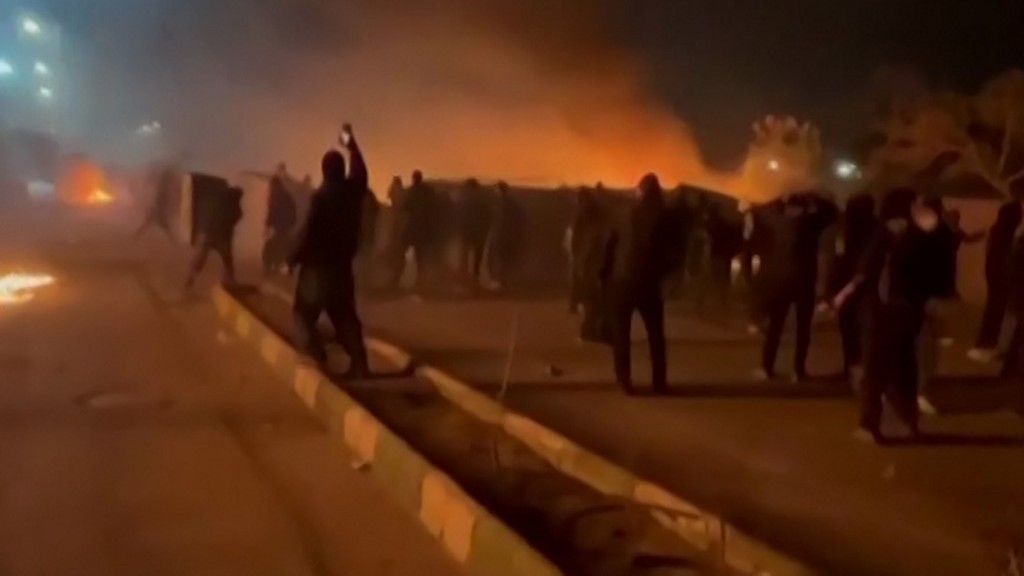
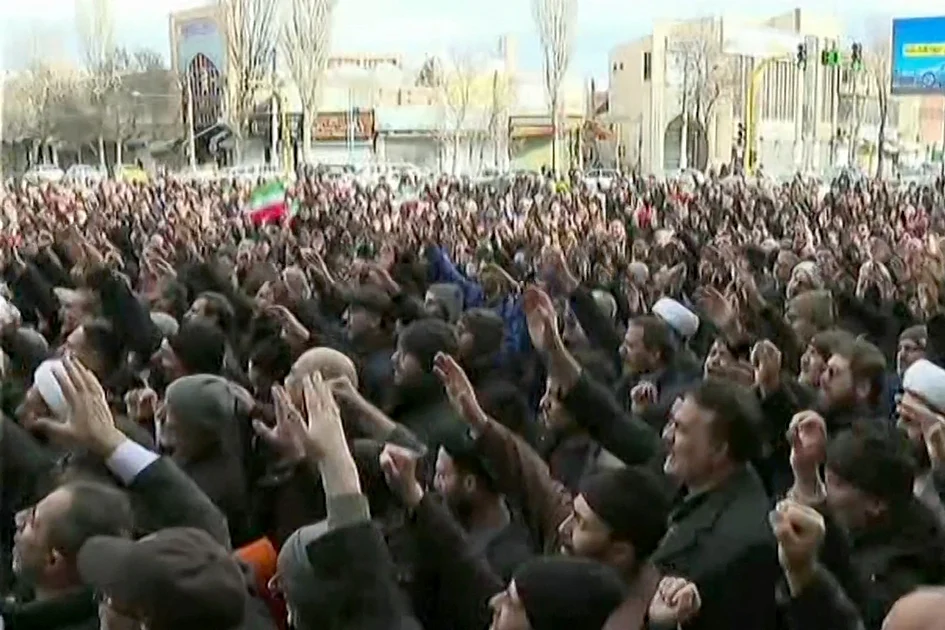
    The demonstrations, which began on December 28th and have spread across all 31 Iranian provinces, were initially triggered by spiraling living costs and state repression. However, the situation has been compounded by regional tensions following Israel’s June 2025 airstrikes that killed approximately 1,000 people and the recent U.S. kidnapping of Iran ally Nicolas Maduro in Venezuela.

    According to Iran Human Rights (IHR), at least 648 protesters have been killed and approximately 10,000 arrested, though an Iranian security official suggested the death toll might be as high as 2,000, including security personnel.

    The international response has been markedly different from previous protest cycles. U.S. President Donald Trump has openly encouraged protesters, promising that “help is on the way,” while former Israeli Defense Minister Yoav Gallant stated that “the regime in Iran must fall” and advocated steering events with “an invisible hand.”

    Within Iran, opinions are divided regarding foreign intervention. Some protesters, like 17-year-old Artin from Karaj, welcome potential U.S. and Israeli involvement, viewing these countries as “friends of the Iranian people.” Others express deep skepticism about foreign motives. Sara, a 39-year-old demonstrator from Tehran, questioned whether Israel genuinely seeks democracy in Iran, noting that “Israel wants a weak Iran.”

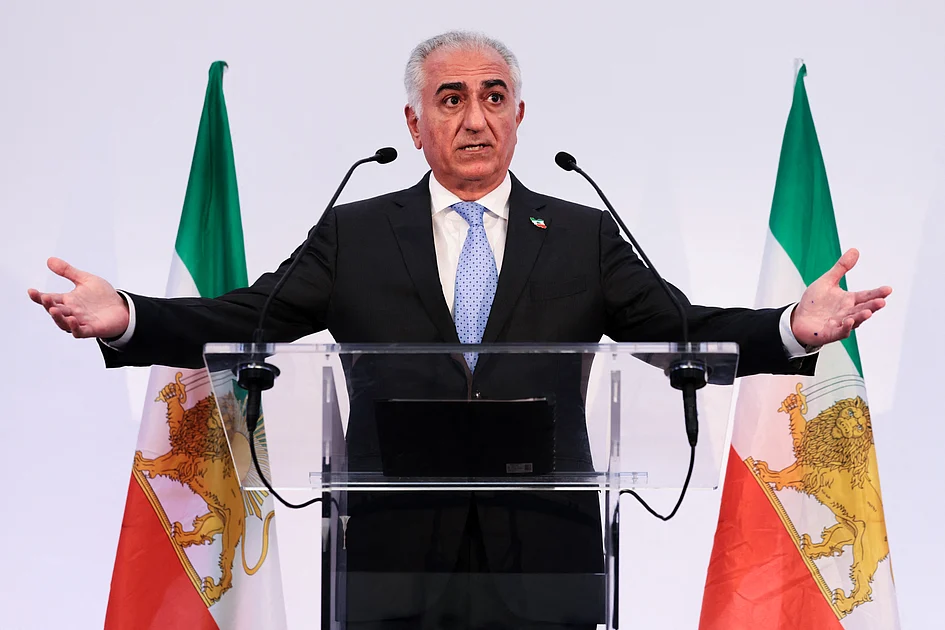
    Reza Pahlavi, son of Iran’s former ruler, has positioned himself as a potential alternative leader, having cultivated relationships with American and Israeli officials. His mother, Farah Pahlavi, has publicly supported the protesters and called for security forces to join them.

    The European Commission has promised new sanctions against Tehran in response to the “horrifying” death toll, while the U.S. has warned its citizens to leave Iran and imposed tariffs on Iran’s trading partners as the situation continues to deteriorate.

  • French museum fare hikes for non-European tourists spark outcry

    French museum fare hikes for non-European tourists spark outcry

    France has ignited a heated international controversy by implementing a two-tier pricing system at its most prestigious cultural institutions, including the Louvre Museum and Palace of Versailles. Effective this week, non-European visitors now face significantly increased admission fees—a 45% surge at the Louvre bringing tickets to €32 ($37)—while European Union citizens continue to pay lower rates.

    The policy particularly affects visitors from the United States, United Kingdom, and China, who constitute substantial portions of foreign tourism. The French government justifies the measure as necessary to generate €20-30 million annually for critical renovations, including a billion-euro overhaul of the Louvre announced by President Emmanuel Macron. Culture Minister Rachida Dati asserted that ‘the French are not meant to pay for everything all by themselves.’

    However, the move has drawn sharp criticism from multiple quarters. Louvre staff unions have denounced the policy as ‘shocking philosophically, socially and on a human level,’ organizing strikes in protest. They argue that the museum’s extensive collections—including numerous artifacts from Egypt, the Middle East, and Africa—hold universal human value beyond national boundaries.

    Academic Patrick Poncet drew parallels between France’s approach and Trump-era policies, describing it as ‘symptomatic of the return of unabashed nationalism’ in a Le Monde editorial. The policy places France as a European outlier, contrasting sharply with Britain’s long-standing tradition of free access to national museums and galleries for all visitors.

    Practical implementation challenges also emerge, as museum staff must now verify visitors’ nationalities through identity documents. While minors remain exempt regardless of origin and Europeans under 26 enjoy free access, the policy raises fundamental questions about cultural accessibility, economic discrimination, and the responsibility of nations to preserve globally significant heritage.

  • Singer Julio Iglesias faces Spanish inquiry into sexual assault allegations

    Singer Julio Iglesias faces Spanish inquiry into sexual assault allegations

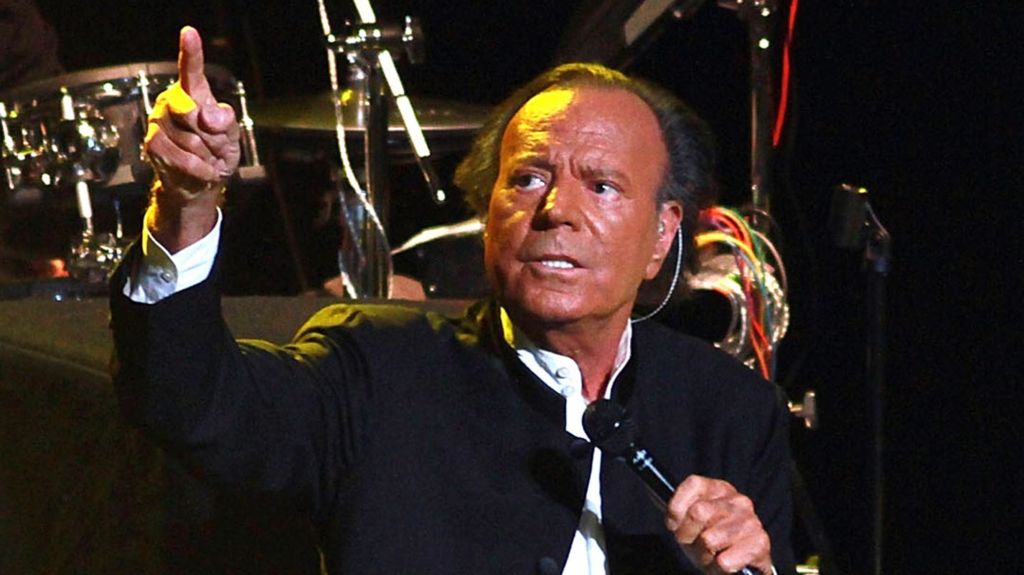
    Legendary Spanish singer Julio Iglesias, an 82-year-old international music phenomenon, stands accused of sexual assault by two former employees in a developing scandal that has captivated Spain and the Latin music world. The allegations, meticulously investigated over three years by Spanish outlet elDiario.es and US-based Univision, depict a pattern of coercive behavior and normalized abuse within the singer’s Caribbean households.

    According to detailed testimonies, the incidents occurred in 2021 at Iglesias’s properties in Punta Cana, Dominican Republic, and Lyford Cay, Bahamas. One accuser, identified pseudonymously as Rebeca, was a 22-year-old domestic worker who described being regularly summoned to the singer’s bedroom where she experienced non-consensual digital penetration. ‘He used me almost every night,’ she stated in emotional testimony. ‘I felt like an object, like a slave.’ Rebeca further alleges forced participation in threesomes with another staff member, physical violence including face-slapping, and genital grabbing.

    The second complainant, a Venezuelan physical therapist referred to as Laura, reported similar experiences of unwanted sexual contact including breast touching and forced kissing. She described a controlling environment where Iglesias monitored her food intake, inquired about her menstrual cycle, and consistently threatened termination. ‘He always said I was fat and had to lose weight,’ Laura recalled, characterizing the workplace atmosphere as one of ‘normalized abuse.’

    The investigative reports cite substantial supporting evidence including photographs, communication records, text messages, and medical documentation. Additional former employees corroborated descriptions of a threatening, high-stress working environment under Iglesias’s employment.

    On January 5th, both women formally filed a legal complaint with Spain’s national court alleging sexual assault and human trafficking offenses—a significant development as this judicial body handles crimes allegedly committed beyond Spanish borders. The singer and his legal representatives have maintained silence despite repeated requests for comment from multiple news organizations. A property manager in the Caribbean dismissed the claims as ‘nonsense,’ while longtime associates including friend Jaime Peñafiel denounced the accusations as ‘absolute lies.’

    The case has ignited political reactions across Spain’s ideological spectrum. Equality Minister Ana Redondo emphasized the importance of thorough investigation, stating on social media: ‘When there is no consent there is assault.’ Conversely, Madrid Regional President Isabel Díaz Ayuso declared her support for Iglesias, asserting that the Madrid region ‘will never contribute to the vilifying of artists.’

    In a notable response, Iglesias’s biographer and publishing house announced plans to update his recently published biography to include the allegations while expressing ‘support and solidarity for the victims.’ This case emerges amidst heightened awareness of sexual misconduct allegations against powerful figures in Spain, following last month’s complaint against late former Prime Minister Adolfo Suárez.

  • Iran nationwide internet shutdown has now lasted over 108 hours, monitor says

    Iran nationwide internet shutdown has now lasted over 108 hours, monitor says

    Iran has entered its fifth consecutive day of a complete nationwide internet blackout, with digital rights monitor Netblocks confirming the disruption has surpassed 108 hours as of Tuesday. The unprecedented telecommunications shutdown has effectively severed Iran’s population of over 87 million people from global digital networks and internal communication channels.

    According to Netblocks’ latest assessment via social media platform X, the comprehensive internet blackout has left Iranian citizens completely isolated from international connectivity and from each other. Digital activists and human rights organizations express grave concerns that the extended communications blackout serves as a deliberate measure to conceal the government’s aggressive suppression of widespread civil protests.

    The prolonged disruption represents one of the most severe digital censorship measures implemented by Iranian authorities in recent years, exceeding previous intermittent shutdowns during periods of civil unrest. Internet monitoring organizations report near-total disruption across mobile data networks, broadband services, and even virtual private networks (VPNs) that citizens typically use to bypass government restrictions.

    This extended digital isolation occurs amid reports of significant public demonstrations across multiple Iranian provinces. The complete information blackout prevents independent verification of events on the ground, including potential casualties, arrests, or the scale of military and security force deployments. International human rights watchdogs have condemned the shutdown as a violation of fundamental rights to information and communication.

    The Iranian government has historically implemented temporary internet restrictions during periods of social unrest, though rarely maintaining them for such an extended duration. Telecommunications experts note that sustained nationwide blackouts require sophisticated technical capabilities and represent significant economic costs, estimated at millions of dollars in daily economic losses across various sectors.

  • Dubai: Filipino pop band Ben&Ben to perform at Global Village on February 7

    Dubai: Filipino pop band Ben&Ben to perform at Global Village on February 7

    Dubai’s iconic Global Village prepares to host an extraordinary musical event as Filipino pop-rock phenomenon Ben&Ben takes center stage on February 7. The nine-member ensemble, renowned for their captivating live performances and soul-stirring discography, will showcase their greatest hits at the venue’s main stage at 9 PM.

    Originally formed as The Benjamins by twin brothers Paolo and Miguel Benjamin Guico, the band has evolved into one of the Philippines’ most celebrated musical exports. Their current lineup features Poch Barretto (electric guitar), Keifer Cabugao (violin), Patricia Lasaten (keyboards), Toni Muñoz (percussion), Andrew de Pano (percussion), Agnes Reoma (bass guitar), and Jam Villanueva (drums), creating a rich tapestry of sound that blends folk, pop, and emotionally charged lyrics.

    The band has achieved remarkable commercial success with triple platinum albums including ‘Limasawa Street’ and ‘Pebble House Volume 1: Kuwaderno,’ establishing themselves among the most streamed artists in the Philippines. Their musical repertoire, featuring hit singles such as ‘Saranggola,’ ‘Kathang Isip,’ and ‘Langyang Pag-Ibig,’ explores profound themes of human connection, vulnerability, and social consciousness.

    In a revealing interview with The Philippine Star, band members emphasized their unique collaborative dynamic: ‘We have so many experiences that are intertwined, and it’s been the greatest honor to witness each other grow. We are able to create freely and make music that speaks to who we are now. There are no limits as long as we make it together.’

    Drawing inspiration from global acts like Coldplay, Ben&Ben has developed a distinctive sound that resonates with international audiences. Their Dubai performance marks another milestone in their expanding global footprint, offering Middle Eastern fans an opportunity to experience their electrifying stage presence and musical craftsmanship firsthand.

  • Trump is ending protected immigration status for Somalis, long a target of his anti-immigrant barbs

    Trump is ending protected immigration status for Somalis, long a target of his anti-immigrant barbs

    The Trump administration announced Tuesday it would terminate Temporary Protected Status (TPS) for Somali nationals, marking another significant development in the president’s comprehensive immigration enforcement agenda. This decision directly impacts hundreds of Somali immigrants who have resided legally in the United States under humanitarian protections initially established during President George H.W. Bush’s administration in 1991.

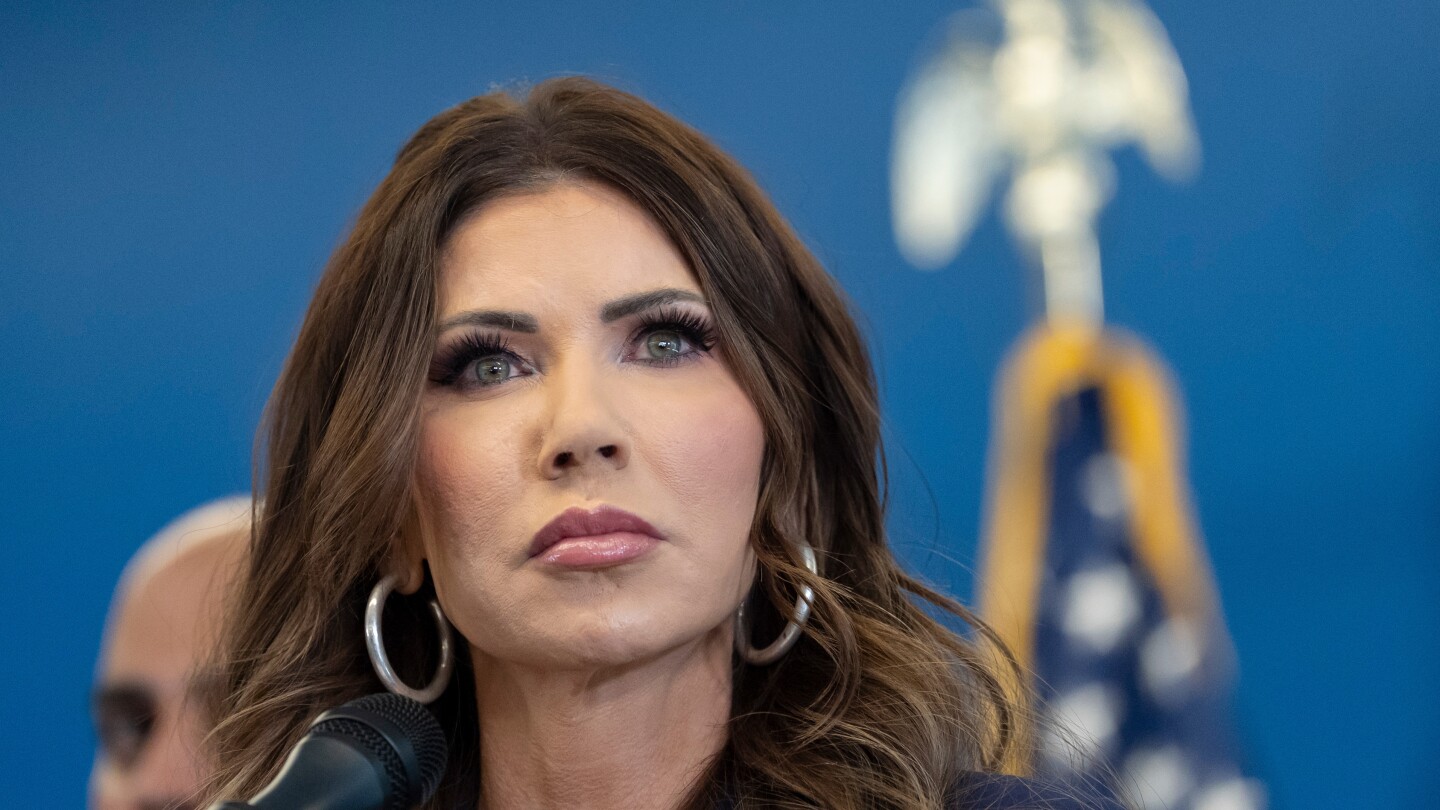
    Homeland Security Secretary Kristi Noem justified the move by asserting that conditions in Somalia have “improved to the point that it no longer meets the law’s requirement for Temporary Protected Status.” Affected individuals must now depart the United States by March 17, when existing protections—previously extended by the Biden administration—are set to expire. “Temporary means temporary,” Noem emphasized, adding that the decision prioritizes “Americans first.”

    This policy shift occurs against a backdrop of heightened tensions in Minneapolis, home to a substantial Somali-American community. Recent protests have intensified following the fatal shooting of a U.S. citizen by an Immigration and Customs Enforcement agent during demonstrations against federal presence in the city.

    According to Congressional Research Service data, Somali TPS recipients number approximately 705 individuals—a small fraction within the nearly 1.3 million immigrants benefiting from such protections nationwide. The TPS program, created by Congress in 1990, provides temporary sanctuary for foreign nationals fleeing unstable or dangerous conditions in their home countries.

    Despite administration claims of improved conditions, Somalia remains one of the world’s poorest nations, grappling with decades of chronic conflict exacerbated by severe natural disasters. A 2025 congressional report documented more than two dozen extensions for Somali TPS recipients due to persistent “insecurity and ongoing armed conflict that present serious threats to the safety of returnees.”

    The decision aligns with President Trump’s pattern of targeting Somali immigrants through both policy and rhetoric. In December, Trump declared he “did not want Somalis” in the U.S., alleging they “come from hell” and “contribute nothing”—comments that made no distinction between citizens and non-citizens. The president has particularly focused his criticism on Representative Ilhan Omar (D-MN), a Somali-American congresswoman and U.S. citizen whom he has repeatedly suggested should be deported, once referring to her as “garbage.”

    Omar, an outspoken critic of ICE operations in Minneapolis, has characterized Trump’s “obsession” with her and Somali-Americans as “creepy and unhealthy.” This latest immigration policy change reinforces the administration’s broader pattern of rolling back humanitarian protections across multiple nations during Trump’s second term.

  • Reza Pahlavi: Iran’s ex-crown prince dreaming of homecoming

    Reza Pahlavi: Iran’s ex-crown prince dreaming of homecoming

    Reza Pahlavi, the former crown prince of Iran who has lived in exile for nearly five decades, has unexpectedly become a central figure in the anti-government protests shaking the Islamic Republic. The 65-year-old US-based royal has leveraged social media to encourage nightly demonstrations, with his name becoming a rallying cry for many protesters despite his long absence from Iranian soil.

    Pahlavi’s sudden prominence comes as surprise to many observers. According to Jason Brodsky of United Against Nuclear Iran, the exiled prince has demonstrated a remarkable “ability to turn out Iranians in the streets,” with distinct pro-Pahlavi chants emerging during demonstrations. Brodsky notes this reflects “a nostalgia for the Pahlavi era that has been building for some time,” though not necessarily indicating universal support for monarchical restoration.

    The son of the last Shah left Iran in 1978 at age 17 for military pilot training in the United States, narrowly missing the 1979 Islamic Revolution that overthrew his father and ended millennia of Persian monarchy. This timing, according to analyst Clement Therme, has spared him association with the excesses of imperial rule, allowing him to emerge as the “main popular opposition figure” both within and outside Iran.

    Pahlavi maintains he seeks not restoration of the throne but leadership of a transition to democracy, telling AFP during a Paris visit: “I don’t believe I need a title to play that role. The important thing is to be someone who can galvanize a nation.” He has called for a secular Iran with greater social freedoms, particularly for women, while allowing space for supporters of the current regime.

    Yet significant challenges remain. Pahlavi remains a polarizing figure even within Iran’s fractured opposition. His 2023 visit to Israel without coordinating with allied groups created immediate tensions, while pro-monarchy social media accounts frequently attack other opposition figures, including imprisoned Nobel Peace Prize winner Narges Mohammadi.

    International recognition has also proven elusive. When asked about meeting Pahlavi, former US President Donald Trump responded: “I’ve watched him, and he seems like a nice person, but I’m not sure it would be appropriate at this point to do that as president.”

    The royal has endured profound personal tragedies during his exile, including the drug-related death of his sister Leila in 2001 and the suicide of his brother Ali Reza in 2011, which the family attributed to his sorrow over “the loss of his homeland, father and sister.”

    Despite these obstacles, academic Arash Azizi of Yale University notes Pahlavi’s support has grown as he’s perceived as “the only nationally known opposition leader with something of a plan to confront the regime.” However, Azizi cautions that his supporters “are still a minority in a highly divided country,” with his camp often alienating potential allies rather than unifying opposition forces.