作者: admin

  • Trump pressures Iran with tariffs that could raise prices in the US

    Trump pressures Iran with tariffs that could raise prices in the US

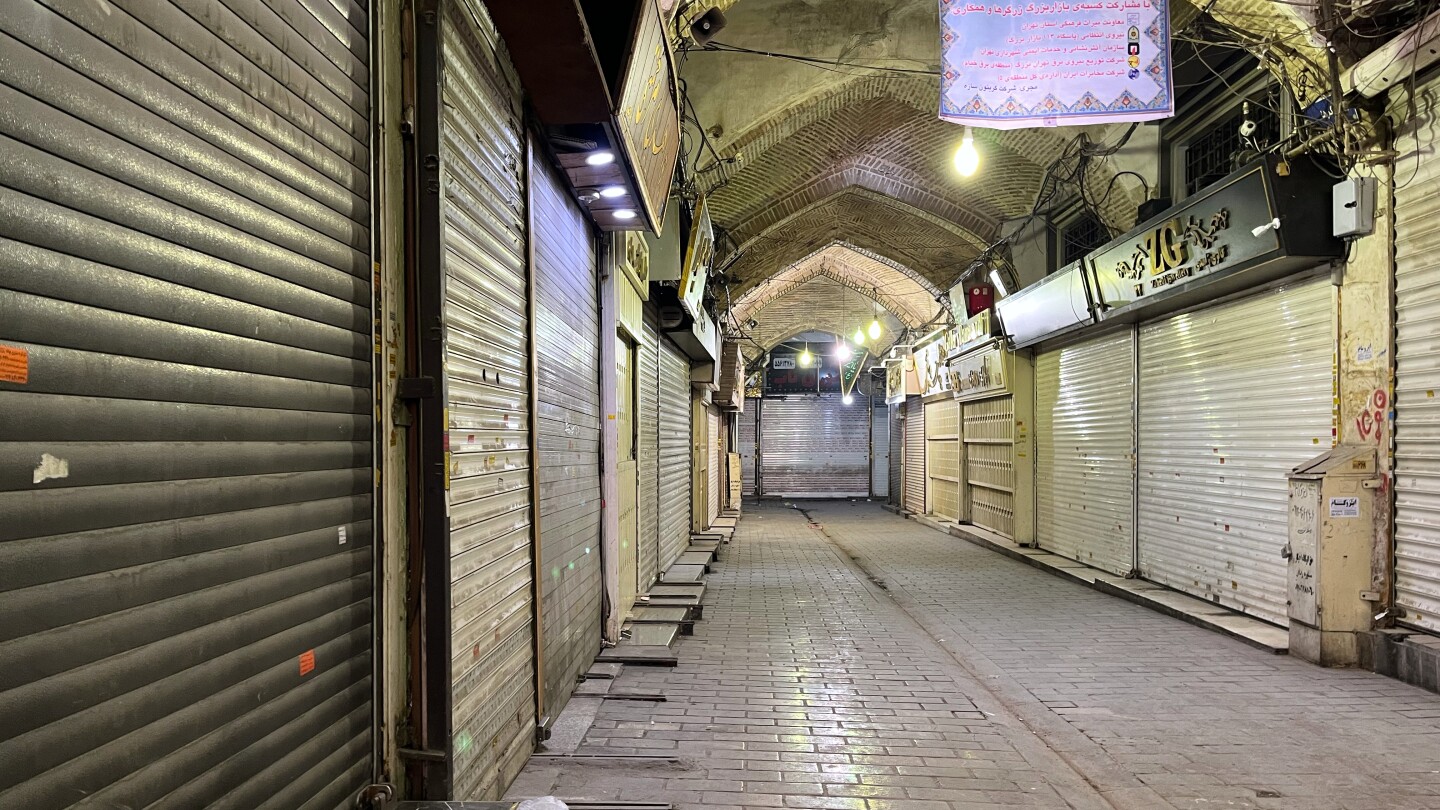
    In a significant escalation of economic pressure, former President Donald Trump has announced sweeping tariff measures targeting nations maintaining trade relations with Iran. The proposed 25% import tax aims to compel Tehran to cease its violent suppression of nationwide protests that have reportedly claimed over 2,000 lives according to activist accounts.

    The administration provided limited operational details regarding the implementation framework, including whether these new levies would compound existing tariffs imposed globally last year. Legal authority for the measures remains ambiguous, potentially relying on the 1977 International Emergency Economic Powers Act—the same statute currently under Supreme Court review for previous tariff implementations.

    Iran maintains substantial trade relationships despite years of nuclear-related sanctions, recording nearly $125 billion in international commerce during 2024. Primary trade partners include China ($32 billion), United Arab Emirates ($28 billion), and Turkey ($17 billion), with energy exports dominating Iranian sales while imports focus on gold, grain, and technology products.

    Economic analysts warn of potential collateral damage, particularly to the fragile U.S.-China trade truce established in October. The agreement had previously eased triple-digit tariffs, restored agricultural exports, and reduced technology restrictions. Former U.S. trade negotiator Wendy Cutler noted the announcement ‘underscores just how fragile the U.S.-China trade truce is’ and risks further eroding already diminished trust between the economic powers.

    Policy experts express skepticism regarding the tariffs’ effectiveness in altering Iranian behavior. Adnan Mazarei of the Peterson Institute for International Economics, drawing on Middle East crisis experience, stated: ‘They will not for this alone change their views or their practices. It is a repressive regime willing to pay a high cost in terms of people’s blood to stay in power.’
  • CEO Masters 2026: Golf and networking event marked by Shing and Ramdiane victory

    CEO Masters 2026: Golf and networking event marked by Shing and Ramdiane victory

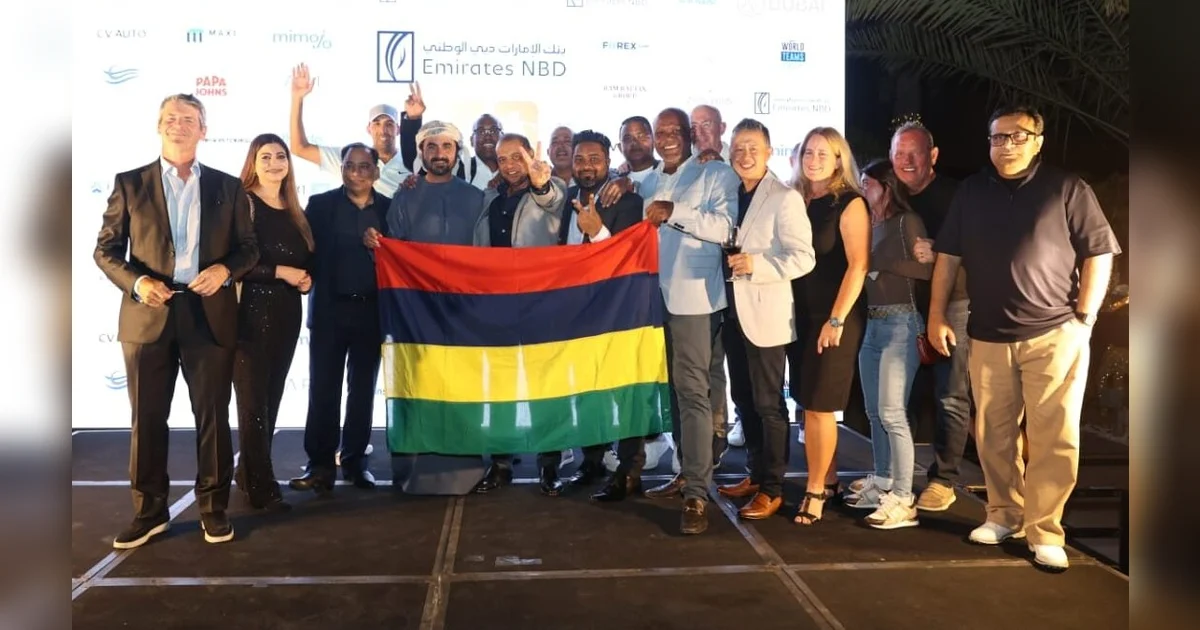
    The Emirates NBD CEO Masters 2026 concluded with outstanding success as Anthony Leung Shing and Christophe Ramdiane emerged victorious in the exclusive executive golf championship. Held at the prestigious Montgomerie Golf Club in Dubai, the tournament attracted 108 top-tier business leaders from across the globe for a day of competitive golf and high-level networking.

    Organized by WPSL Services and officially sanctioned by both the Dubai Sports Council and Emirates Golf Federation, the event demonstrated remarkable demand with over 20 executives remaining on a waitlist due to limited availability. The tournament format featured a Texas Scramble competition that combined sporting excellence with strategic business relationship building.

    Participants enjoyed immersive sponsor activations at every hole, including premium hole-in-one prizes offering luxury trips to Mauritius courtesy of REDLAC Real Estate LLC, Thailand experiences provided by Fore Management Group, and Tanzanian safari adventures from Msangai Adventure Safaris Group.

    The international gathering included past champions from the CEO Masters Mauritius edition alongside business leaders from India, the UK, and the United Arab Emirates, highlighting the event’s growing global prominence within executive sports circles.

    Victorious duo Shing and Ramdiane, representing CEO Masters Mauritius, secured an impressive trophy alongside premium prizes including state-of-the-art golf drivers from eGolf Megastore. Their achievement also grants them automatic qualification for the inaugural India CEO Masters scheduled for 2027 at Zion Hills Golf Club.

    The tournament successfully merged competitive sportsmanship with executive networking opportunities, creating a unique environment for business leaders to demonstrate their golfing prowess while establishing valuable professional connections. WPSL Services extended gratitude to numerous sponsors and partners including Emirates NBD, Thriwe, Zion Hills Golf Course, The Ultimate Foundation, and several other prominent organizations that contributed to the event’s resounding success.

  • Plane used in boat strike off Venezuela was painted to look like a civilian aircraft, AP sources say

    Plane used in boat strike off Venezuela was painted to look like a civilian aircraft, AP sources say

    A controversial U.S. military operation targeting drug smuggling vessels off Venezuela’s coast has triggered significant legal and political scrutiny after revelations that aircraft involved were disguised as civilian planes. The operation, which occurred last September, employed surveillance planes repainted to mimic non-military aircraft while carrying munitions within their fuselages rather than standard external mounts—a practice that appears to contradict Pentagon guidelines governing the laws of armed conflict.

    The disclosure, initially reported by The New York Times and confirmed by anonymous sources familiar with the operation, emerges amid escalating tensions between the Trump administration and Congress over military authority. The Senate is preparing to vote on a war powers resolution that would prohibit further unauthorized military action in Venezuela, following a series of strikes that resulted in numerous casualties and culminated in the capture of Venezuelan President Nicolás Maduro.

    President Trump has aggressively lobbied Republican senators to oppose the resolution, expressing particular frustration over challenges to his war powers authority. The administration has justified its actions by characterizing the campaign against drug cartels as an ‘armed conflict’ and labeling boat operators as unlawful combatants.

    Legal experts and military manuals, however, raise serious concerns about the tactics employed. The Defense Department’s extensive guidelines explicitly prohibit ‘perfidy’—the act of feigning civilian status during combat operations—warning that such practices endanger civilian populations and violate military honor codes. Pentagon press secretary Kingsley Wilson maintained that all aircraft undergo ‘rigorous procurement processes’ to ensure compliance with domestic and international laws.

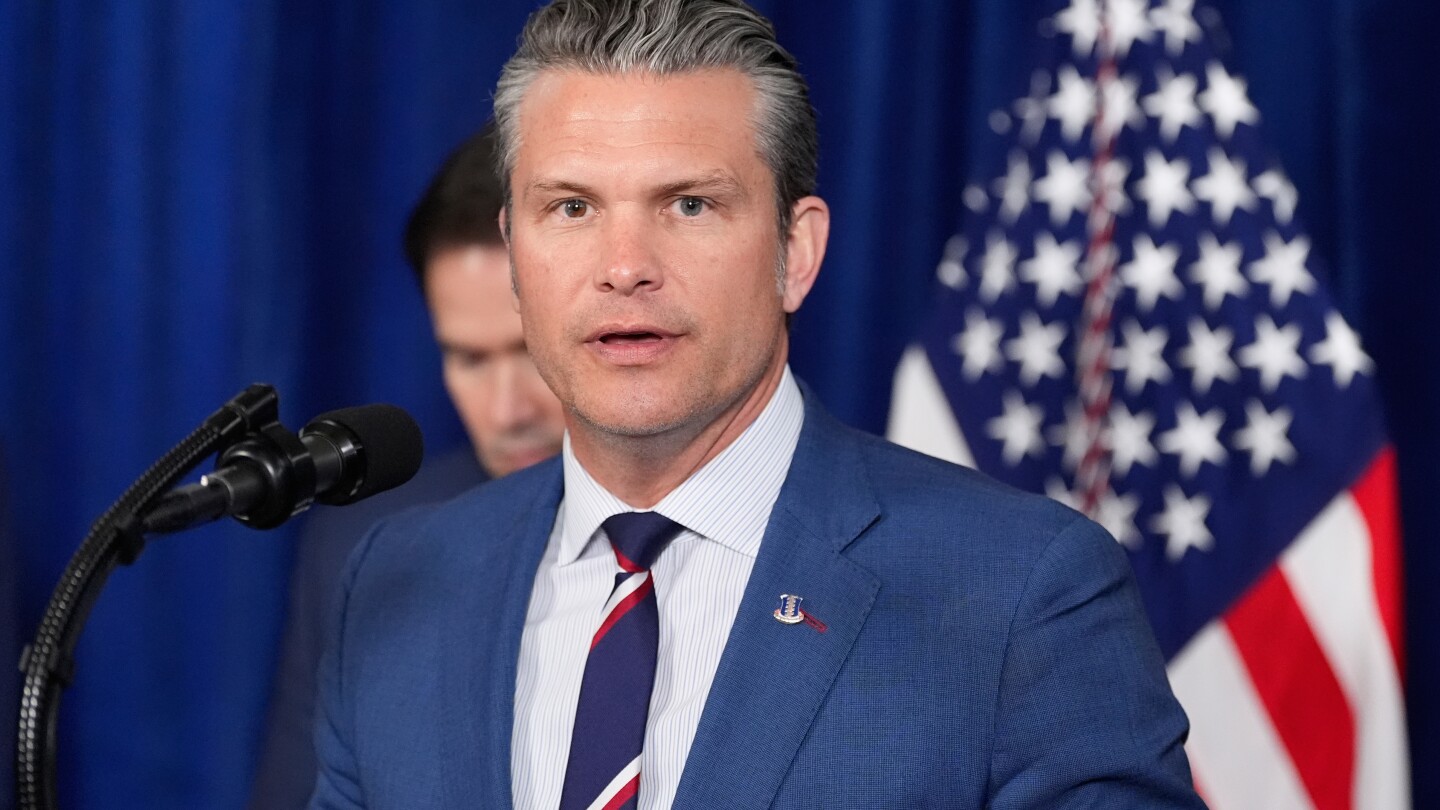
    The initial September strike, which involved the disguised aircraft, was followed by a secondary attack that killed two survivors clinging to wreckage—an action that legal experts suggest may have violated international laws of war. Defense Secretary Pete Hegseth acknowledged observing the first strike live but denied witnessing the follow-up attack.

    Congressional scrutiny intensifies as lawmakers review classified legal justifications for Maduro’s ouster. Senators from both parties have expressed skepticism about the operation’s legality and the administration’s long-term plans for Venezuela, with some arguing that legal rationales should be publicly disclosed rather than kept secret.

    The unfolding controversy highlights broader tensions between executive military authority and congressional oversight, with significant implications for future U.S. military operations and adherence to international legal standards.

  • Investigation into school uniforms confirms safety of waterproof layer

    Investigation into school uniforms confirms safety of waterproof layer

    Authorities in Inner Mongolia Autonomous Region have concluded a comprehensive investigation into viral school uniform concerns, confirming the safety of materials used in winter attire for primary students. The probe was initiated after a parent from Jinshan Third Primary School in Kharchin Banner posted online footage showing a thin film lining inside trousers while performing repairs.

    The joint task force examination revealed the material in question to be thermoplastic polyurethane (TPU) film, a nationally compliant component specifically designed for breathable waterproof functionality in apparel. Officials confirmed the school’s uniform procurement process followed all regulated procedures, with documentation showing 98% parental approval prior to implementation.

    The delivered uniforms, received in July 2025, underwent mandatory double inspection protocols with test results verifying full compliance with national children’s textile safety standards. Additional laboratory testing conducted by accredited Beijing facilities on retained samples confirmed the absence of formaldehyde and carcinogenic dyes, neutral pH levels, and 100% polyester fiber construction.

    Educational authorities emphasized the TPU film constitutes part of a specialized polyester composite fabric engineered for weather protection in northern China’s harsh winter conditions. The local government has committed to enhancing ongoing quality assurance measures and improving school-family communication channels to maintain student safety and public confidence.

  • South Korea prosecutors demand death penalty for ex-president Yoon over martial law: Media reports

    South Korea prosecutors demand death penalty for ex-president Yoon over martial law: Media reports

    In an unprecedented legal development that has gripped South Korea, state prosecutors have formally demanded the death penalty for former President Yoon Suk Yeol during the conclusive hearing of his insurrection trial in Seoul. The prosecution team characterized Yoon as the principal architect and ringleader of an unlawful martial law declaration that threatened constitutional order.

    The landmark case, prosecuted under the nation’s special judicial framework, represents the most severe criminal proceedings ever brought against a former South Korean head of state. The prosecution’s closing arguments presented a comprehensive narrative depicting a calculated attempt to subvert democratic governance through military force.

    Yonhap News Agency, providing extensive courtroom coverage, reported that special prosecutors meticulously outlined evidence showing systematic coordination between the former president’s office and military command structures. The prosecution’s final appeal to the court emphasized the exceptional gravity of crimes against constitutional authority, warranting the ultimate punishment under South Korean law.

    The judicial proceedings have unfolded against a backdrop of intense national scrutiny, reflecting South Korea’s ongoing reckoning with executive power boundaries and military-civilian relations. This case establishes a significant precedent for accountability mechanisms within the nation’s democratic framework, potentially influencing future constitutional interpretations regarding emergency powers and civilian oversight of military institutions.

    Legal experts note the trial’s proceedings have illuminated complex jurisdictional questions surrounding presidential authority during perceived national crises. The court’s eventual verdict, expected in coming months, will likely resonate throughout East Asian diplomatic circles where regional stability remains a paramount concern.

  • UAE passport ranks 5th strongest globally in Henley index

    UAE passport ranks 5th strongest globally in Henley index

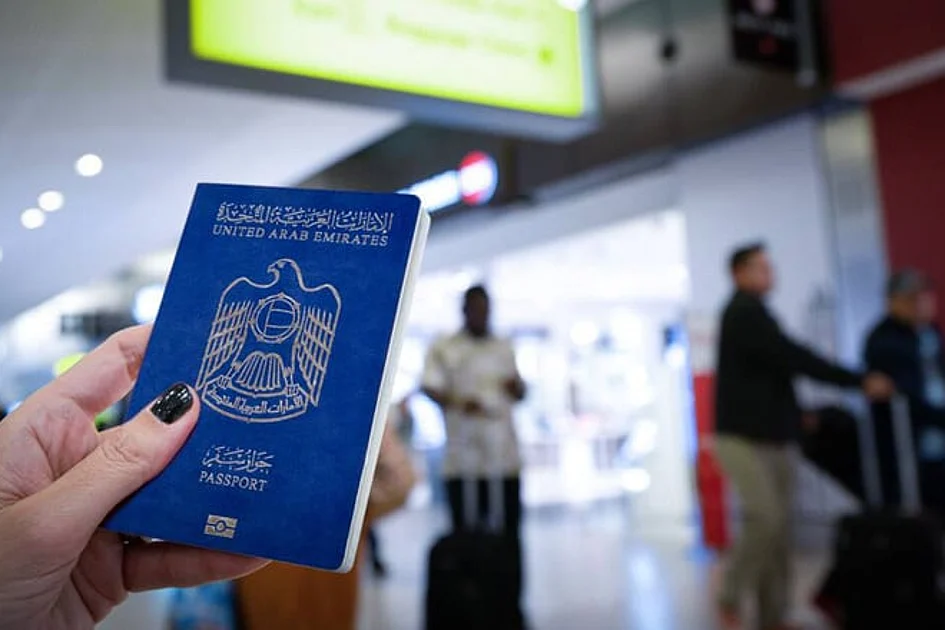
    The United Arab Emirates has achieved a landmark position in global mobility rankings, with its passport now ranked as the world’s fifth most powerful according to the 2026 Henley Passport Index. This represents a significant five-spot climb from the previous year, continuing the nation’s remarkable ascent in global passport rankings.

    The Emirates passport now provides visa-free or visa-on-arrival access to 184 destinations worldwide, placing it alongside European nations Hungary, Portugal, Slovakia, and Slovenia in the fifth position. Notably, the UAE passport now surpasses those of traditional Western powerhouses including the United States, United Kingdom, Canada, Australia, and New Zealand in terms of global access.

    Singapore maintained its top position with access to 192 countries, followed by Japan and South Korea in second place. The third position was shared by Denmark, Luxembourg, Spain, and Sweden.

    The UAE’s transformation represents the most dramatic success story in the index’s two-decade history. Since 2006, the Emirates has added an unprecedented 149 visa-free destinations to its passport privileges, climbing 57 positions from its 62nd place ranking twenty years ago. This extraordinary ascent is attributed to sustained diplomatic engagement and strategic visa liberalization policies.

    Despite this expanded access, UAE passport holders still require visas for 42 global destinations.

    Historical ranking data reveals the consistent upward trajectory:
    – 2016: 38th
    – 2020: 18th
    – 2024: 11th
    – 2025: 10th
    – 2026: 5th

    Industry experts highlight the broader implications of these shifts. Dr. Juerg Steffen, CEO of Henley & Partners, noted: “We’re witnessing a fundamental transformation in how globally mobile individuals perceive access and security. In an era of geopolitical uncertainty, residence and citizenship planning has evolved into an essential strategy for building resilience across multiple jurisdictions.”

    Misha Glenny, Rector of the Institute for Human Sciences in Vienna, emphasized the diplomatic significance: “Passport power ultimately reflects political stability, diplomatic credibility, and the ability to shape international rules. The erosion of mobility rights for countries like the US and UK signals deeper geopolitical recalibration.”

    The trend has sparked increased interest in alternative residence options, particularly among Americans. Professor Peter J. Spiro of Temple University Law School observed: “What was once seen as an extreme contingency has become mainstream risk management—a durable Plan B that offers security and peace of mind in an increasingly unpredictable world.”

  • Taiwan students join winter sports exchange in Tianjin

    Taiwan students join winter sports exchange in Tianjin

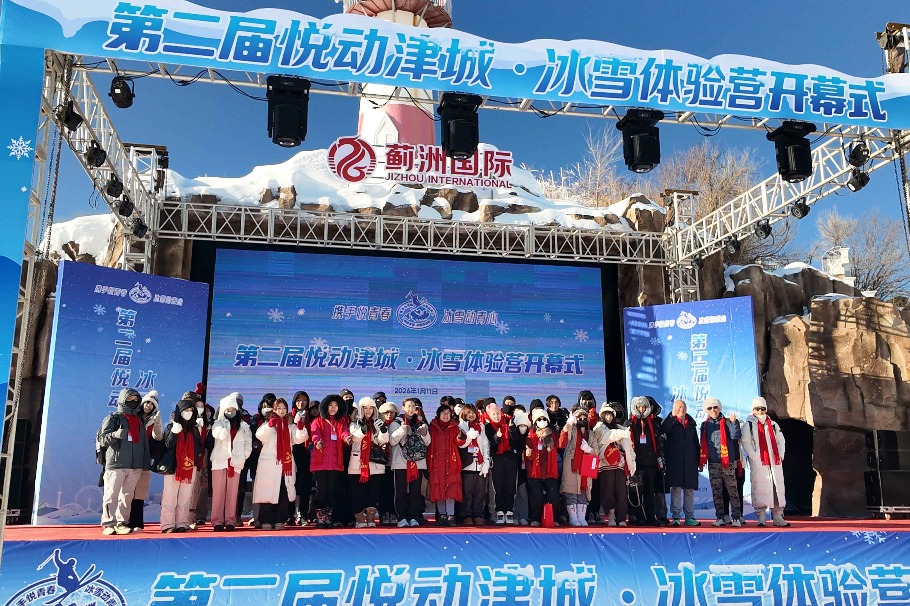
    A delegation of 350 Taiwanese students spanning middle school, high school, and university levels has commenced a significant winter sports and cultural exchange program in Tianjin. This initiative, which launched recently, brings together young participants from across Taiwan and mainland China for nearly two weeks of collaborative activities.

    The comprehensive program extends beyond athletic competition to include specialized science and technology site visits and deep cultural exploration opportunities. Organizers have designed the itinerary to create meaningful interaction platforms between Tianjin and Taiwanese youth through shared experiential learning. The exchange represents one of the substantial youth-focused programs between the two regions, emphasizing person-to-person connections through winter sports as a unifying medium.

    This initiative occurs within the broader context of ongoing cultural and educational exchanges across the Taiwan Strait, highlighting the continuing people-to-people connections despite political complexities. The program’s design reflects a strategic approach to fostering mutual understanding and friendship through the universal language of sports and educational collaboration, potentially creating lasting impressions on the participating youth from both sides.

  • S. Korean special counsel seeks death penalty for ex-president Yoon on insurrection charge: media

    S. Korean special counsel seeks death penalty for ex-president Yoon on insurrection charge: media

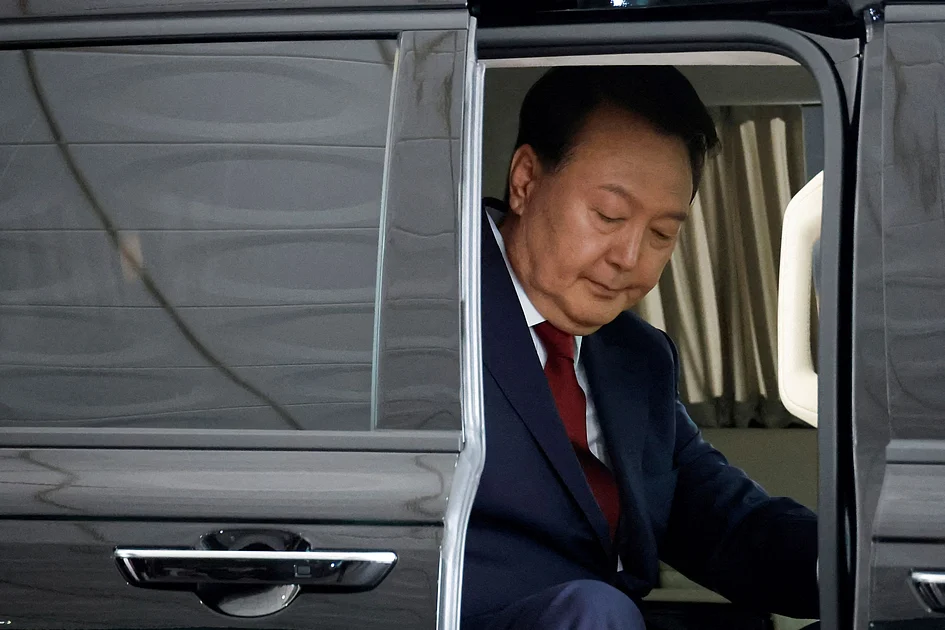
    In an unprecedented legal development that has captivated South Korea, special prosecutors have formally requested the death penalty for former President Yoon Suk-yeol on charges of insurrection. The dramatic courtroom proceedings reached their climax on January 13, 2026, as Yoon arrived at a Seoul courthouse for final arguments in what has become one of the most significant political trials in the nation’s modern history.

    The case, prosecuted by an independent counsel team, represents the first time in South Korea’s democratic era that a former head of state faces capital punishment allegations for insurrection-related offenses. The prosecution’s final arguments characterized Yoon’s alleged actions as a grave threat to constitutional order and national security.

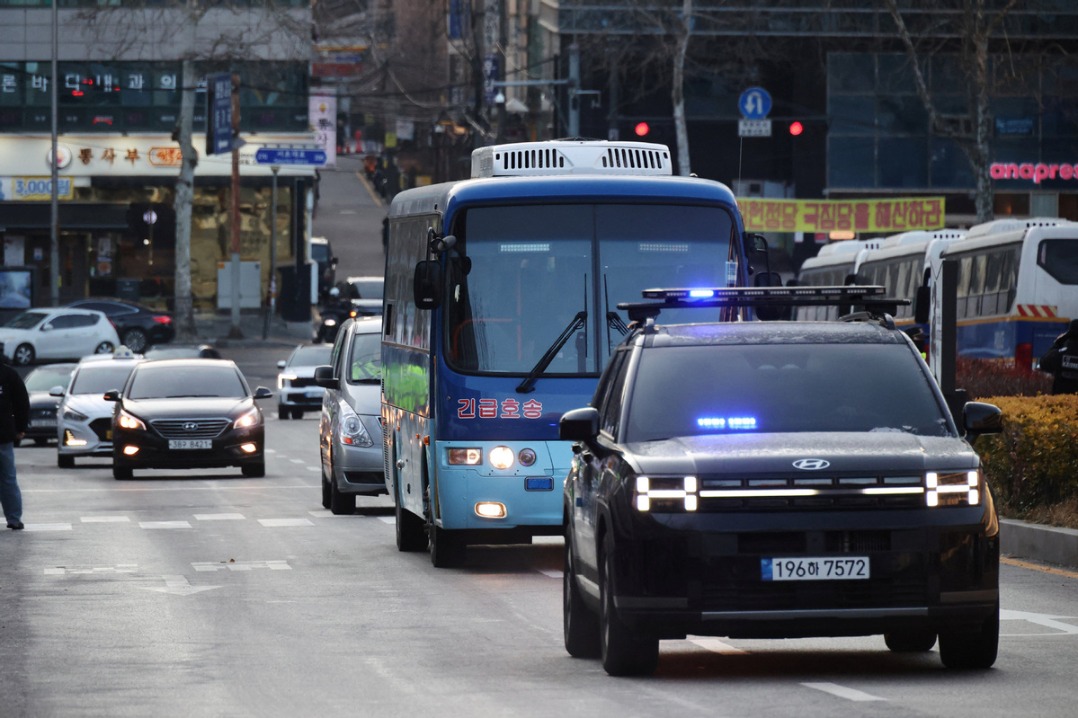
    Yoon, who arrived by bus under heavy security, maintained his plea of not guilty throughout the proceedings. His defense team has consistently denounced the charges as politically motivated, arguing that the prosecution’s demand for extreme punishment represents a dangerous politicization of the judicial system.

    The trial has unfolded against a backdrop of intense public scrutiny and deep political divisions within South Korean society. Legal experts note that while South Korea retains the death penalty in statute, the country has maintained an unofficial moratorium on executions since 1997, making the prosecution’s demand particularly striking.

    International observers have been closely monitoring the case, which could establish significant precedents for how democratic nations address allegations of insurrection against former leaders. The verdict, expected in the coming weeks, will undoubtedly shape South Korea’s political landscape for years to come and may influence global norms regarding accountability for former heads of state.

  • Yoav Gallant says Israel should steer Iran protests ‘with an invisible hand’

    Yoav Gallant says Israel should steer Iran protests ‘with an invisible hand’

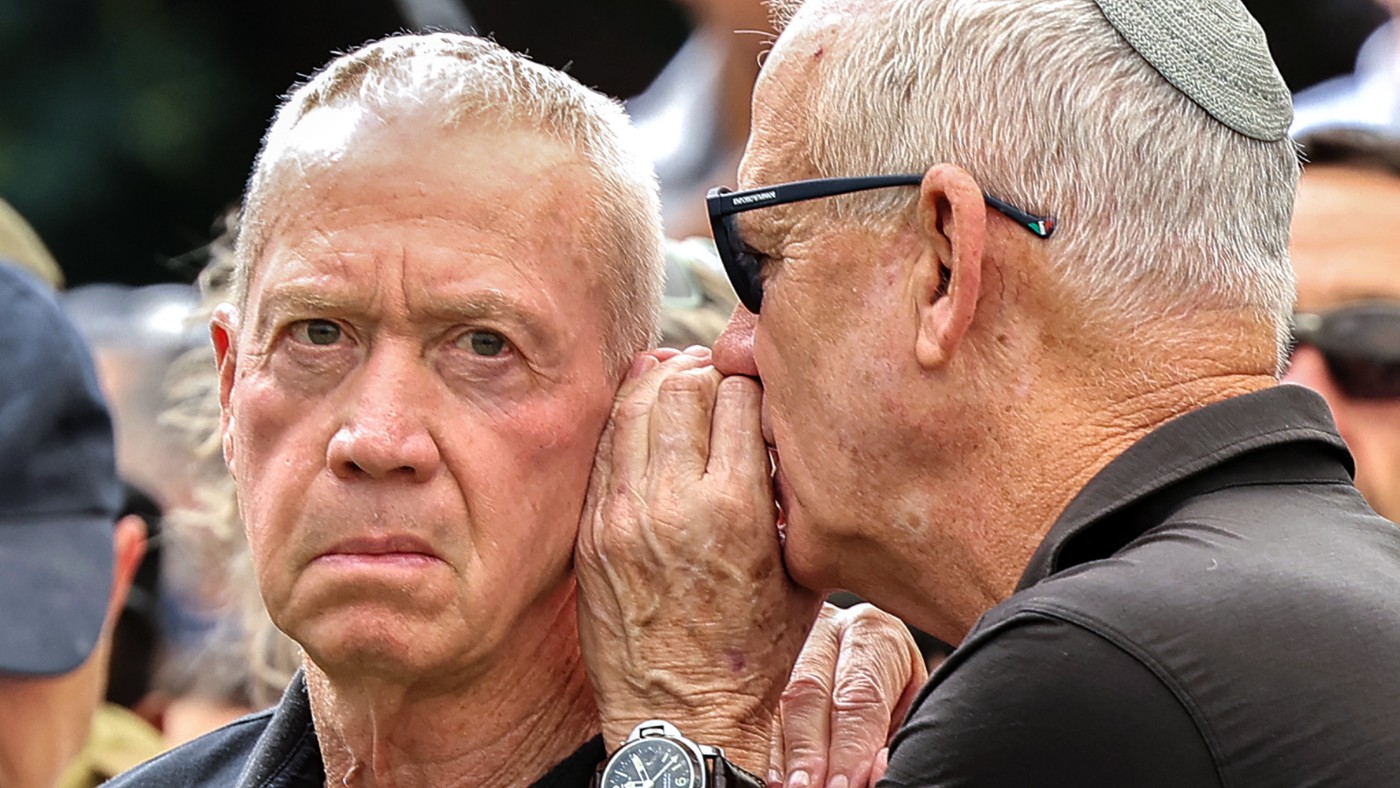
    Amid ongoing protests in Iran, senior Israeli figures have articulated a strategy of covert influence while publicly advocating for regime change. Former Defense Minister Yoav Gallant, speaking to Israeli Army Radio, emphasized the need for strategic patience and operating with an “invisible hand” to steer developments. Despite an International Criminal Court arrest warrant against him, Gallant asserted that the Iranian regime “must fall,” but that the primary energy for change should come from the Iranian people themselves, not foreign military strikes.

    The Israeli government has maintained relative public silence regarding the protests that began on December 28th, following reported advice from security officials that commentary could cause “great damage.” However, this week witnessed several Israeli politicians breaking this silence. Prime Minister Benjamin Netanyahu expressed support for Iranian citizens’ “extraordinary courage” while condemning the “mass slaughter of innocent civilians” – despite facing his own ICC warrant for alleged crimes against humanity.

    Reports suggest sophisticated Israeli intelligence operations targeting Iranian society. According to Haaretz journalist Nir Gontarz, Mossad-connected figures are briefing Israeli media personalities on messaging regarding Iran, effectively turning them into instruments of psychological warfare. Gontarz highlighted this as either conscious participation in state apparatus or “extreme professional negligence,” drawing parallels to the recent “Qatargate” misinformation scandal involving Netanyahu’s aides.

    The situation is further complicated by diplomatic engagements between Iranian and US officials. Israeli media outlet i24news reported concerns within Netanyahu’s security establishment that talks between Iranian Foreign Minister Abbas Araghchi and White House envoy Steve Witkoff might focus exclusively on nuclear negotiations, potentially allowing the Iranian government to suppress protests.

    Iranian officials have accused the US and Israel of fomenting unrest, with Araghchi specifically alleging foreign encouragement of protests to destabilize the Islamic Republic. These allegations are reinforced by statements from figures like former US Secretary of State Mike Pompeo, who openly referenced Mossad operations alongside Iranian protesters. However, Iranian demonstrators have rejected these characterizations, with one protester telling Middle East Eye that they are unfairly labeled as foreign agents whenever they protest economic conditions.

    The human cost continues to mount, with an Iranian official telling Reuters that approximately 2,000 people have been killed, blaming “terrorists” for civilian and security personnel deaths.

  • World’s largest vertical shaft boring machine deployed for cross-river railway tunnel

    World’s largest vertical shaft boring machine deployed for cross-river railway tunnel

    China has commenced operations of Qiming, the world’s largest automated vertical shaft boring machine, marking a significant technological milestone in underground construction engineering. The massive apparatus was deployed Tuesday in Taicang, Jiangsu province, for the critical No. 2 vertical shaft of the Chongming-Taicang Yangtze River tunnel project.

    Standing 13 meters tall with an unprecedented cutting diameter of 24 meters, Qiming represents cutting-edge engineering innovation. The machine is designed to operate at depths reaching 75 meters while withstanding extreme water pressure of up to eight bar. Its deployment comes as the Linghang shield tunneling machine has already completed over 10,000 meters of tunneling progress from Chongming’s No. 3 shaft.

    The Chongming-Taicang tunnel spans 14.25 kilometers and features three vertical shafts, connecting Shanghai’s Chongming district with Jiangsu’s Taicang city. The No. 2 shaft, positioned merely 200 meters from the Yangtze River’s south embankment, presents exceptional construction challenges due to high groundwater levels and complex geological conditions. With a diameter matching Qiming’s cutting capacity and a depth of 56.08 meters, this shaft serves as a crucial reception and relaunch point for the ongoing tunneling operations.

    Fu Bowei, deputy project manager from China Railway Tunnel Group Co, emphasized the time-sensitive nature of the shaft construction, noting that any delays could potentially halt the entire tunneling process as the Linghang machine approaches completion.

    Qiming incorporates advanced intelligent systems capable of autonomous sinking, precision directional control, and real-time environmental monitoring. The machine’s supervised unmanned operation capability represents a paradigm shift in vertical shaft construction methodology, transitioning from conventional techniques to a fully intelligent construction model that significantly reduces human presence both above and below ground.

    This technological innovation addresses longstanding challenges in deep shaft construction, particularly in areas of visual inspection, physical access, and precise measurement. Upon project completion, the tunnel will enable high-speed trains to maintain optimal speeds while crossing the Yangtze River, providing Chongming Island—China’s third-largest island—with its first high-speed rail connectivity.

    The infrastructure project constitutes a vital component in enhancing the Yangtze River Delta region’s integrated transportation network, supporting both the Yangtze River Economic Belt development strategy and broader regional integration initiatives.