作者: admin

  • S&P Global warns Australian states’ credit ratings are at a 25-year low

    S&P Global warns Australian states’ credit ratings are at a 25-year low

    A stark financial warning has been issued for Australian state governments as they continue COVID-level expenditure patterns, accumulating unprecedented public debt levels. According to a recent analysis by credit rating agency S&P Global, state governments have amassed approximately $660 billion in collective debt, representing 24% of state GDP.

    Martin Foo, a leading analyst at S&P Global, characterized the situation as governments “spending like they’re still in pandemic lockdown,” despite the end of COVID restrictions. The agency reports that combined state cash deficits have ballooned to approximately 16% of revenue in 2025, matching the pandemic lows of 2021.

    The debt trajectory shows alarming growth, with projections indicating state government debt will have roughly tripled between 2019 and 2027. Credit ratings have deteriorated to their lowest point in 25 years, with both New South Wales and Queensland receiving negative outlooks for 2026. The Australian Capital Territory and Tasmania have already been downgraded to AA’ in 2025.

    Foo identified several structural challenges contributing to the fiscal crisis, including contentious public-sector wage negotiations, increasing community demands for entitlement spending, and political resistance to tax increases or economic reforms. While the average state government rating remains at AA+, S&P Global warns of continuing decline without significant fiscal policy adjustments.

    The Northern Territory was notably excluded from these calculations, suggesting the overall Australian state debt situation might be even more substantial than reported. This developing fiscal crisis poses significant challenges for economic stability and future governance across Australia’s states and territories.
  • Zelensky declares energy emergency as biting cold persists

    Zelensky declares energy emergency as biting cold persists

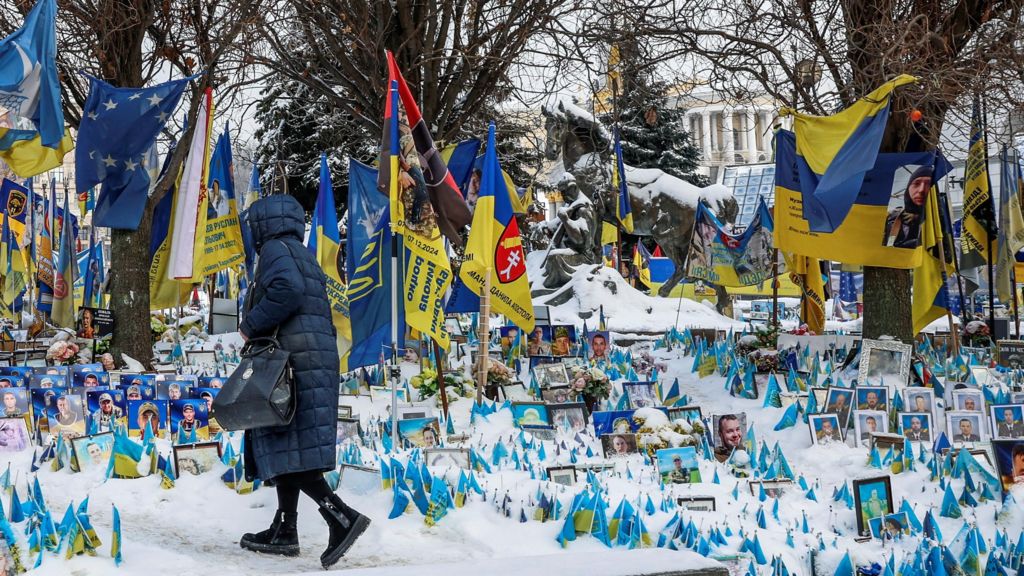
    The Ukrainian government has officially declared a state of emergency within its energy sector as relentless Russian strikes continue to cripple critical infrastructure, leaving thousands of residents in the capital Kyiv without electricity, heating, or running water during dangerously frigid winter conditions. President Volodymyr Zelensky has accused Moscow of weaponizing winter temperatures, which have recently plunged to -20°C (-4°F), as a deliberate strategy in the ongoing conflict.

    The emergency declaration coincided with controversial remarks from former U.S. President Donald Trump, who identified President Zelensky as the primary obstacle to peace negotiations. In an interview with Reuters, Trump claimed Ukraine appears ‘less ready to make a deal’ than Russian President Vladimir Putin, suggesting diplomatic efforts remain stalled primarily due to Zelensky’s position.

    With both leaders scheduled to attend the World Economic Forum in Switzerland next week, Trump indicated no formal bilateral meeting has been arranged. The geopolitical tensions unfold against a backdrop of severe humanitarian challenges in Ukraine, where recent missile and drone attacks left 70% of Kyiv without power for extended periods.

    In response to the crisis, President Zelensky announced the establishment of a 24/7 task force dedicated to repairing energy infrastructure damaged by both military strikes and deteriorating weather conditions. The government’s emergency measures include international procurement of vital energy equipment, increased humanitarian aid points providing heat and power throughout Kyiv, and potential adjustments to the capital’s midnight curfew to facilitate access to these facilities.

    Beyond the capital, the energy crisis extends nationwide. Ukrainian officials report over one million residents in southeastern regions experienced prolonged outages last week. Maxim Timchenko, CEO of DTEK—Ukraine’s largest private energy provider serving 5.6 million customers—described operating in ‘permanent crisis mode’ due to relentless attacks employing ‘waves of drones, cruise and ballistic missiles’ that outpace recovery efforts.

    As the four-year anniversary of Russia’s full-scale invasion approaches, the systematic targeting of energy infrastructure has created a compounded humanitarian emergency, testing Ukraine’s resilience during the harshest winter months.

  • Qatar says taking precautionary measures in light of regional developments

    Qatar says taking precautionary measures in light of regional developments

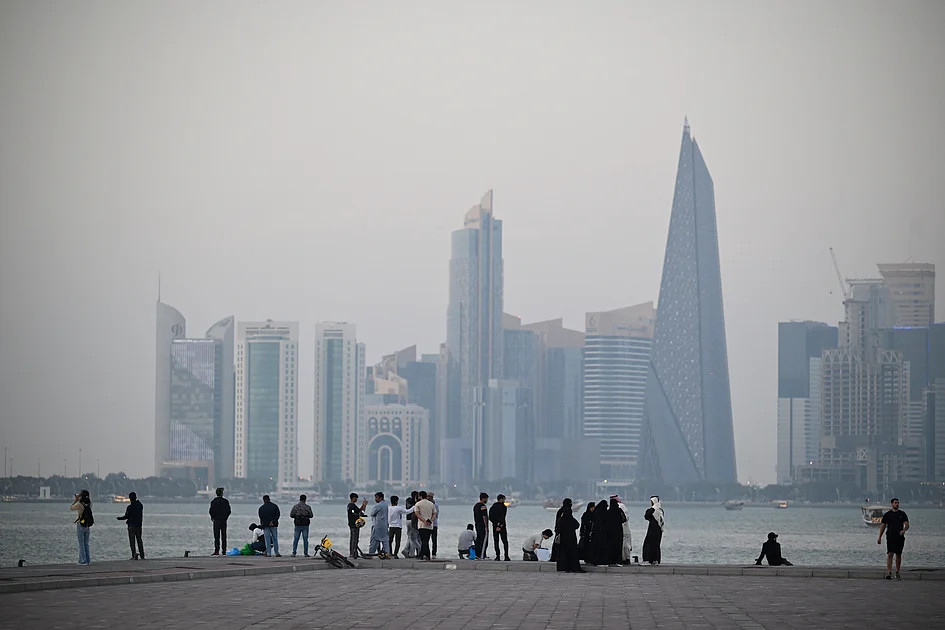
    Qatar has announced the implementation of comprehensive precautionary security measures in response to escalating regional developments, prioritizing the protection of citizens, residents, and visitors within its borders. The Ministry of Interior confirmed Wednesday that safeguarding all individuals remains the nation’s utmost concern, with additional information and specific protocols to be communicated through official channels as situations evolve.

    The Gulf nation disclosed earlier that certain personnel had been withdrawn from Al Udeid Air Base, a critical U.S. military installation situated in Qatar. This facility previously came under Iranian attack in June following American strikes on Iranian nuclear facilities during the twelve-day conflict between Israel and Iran.

    Current regional tensions have intensified following Iran’s threats to target U.S. assets in the area should Washington initiate strikes against the Islamic Republic. These threats coincide with widespread anti-government protests that emerged in Iran in late December, prompting U.S. President Donald Trump to pledge support for Iranian demonstrators.

    Qatar’s Ministry of Foreign Affairs reinforced the government’s commitment to implementing all necessary protocols to ensure national security, including enhanced protection for critical infrastructure and military installations. Authorities additionally emphasized the importance of obtaining information exclusively from officially approved sources, warning that legal action will be taken against those disseminating false information that compromises public safety.

  • Lionsoul Global announces strategic partnership with ALTNovel

    Lionsoul Global announces strategic partnership with ALTNovel

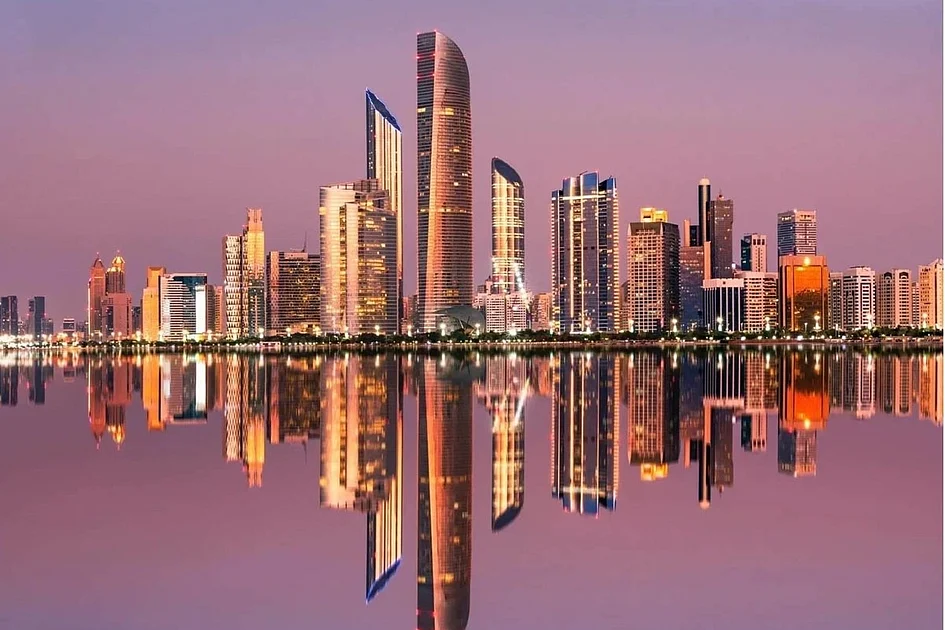
    In a significant development for the Middle Eastern financial sector, investment firm Lionsoul Global has entered into a strategic partnership with Abu Dhabi-based ALTNovel Capital Ltd. The collaboration, announced on January 14, 2026, establishes a new framework for sophisticated wealth management that integrates digital assets with traditional investment vehicles.

    The alliance brings together Lionsoul’s digital asset expertise with ALTNovel’s specialized platform focusing on private capital opportunities, data-driven research, and ethical impact investing. This synergy creates a comprehensive ecosystem designed for high-net-worth investors seeking diversified strategies that combine technological innovation with responsible capital deployment.

    George Mouawad, Middle East General Manager at Lionsoul, emphasized Abu Dhabi’s growing prominence as a hub for financial innovation. “This partnership completes our geographic footprint in the UAE and advances our mission to redefine how high-value investors access and manage digital wealth,” Mouawad stated. He highlighted the alignment between both organizations’ commitment to transparency, research excellence, and global impact.

    ALTNovel Founder & CEO Stergios Voskopoulos described the collaboration as a milestone in creating “one of the most advanced platforms for alternative wealth.” The partnership will expand ALTNovel’s digital-asset architecture while reinforcing its institutional-grade infrastructure that connects private markets with digital assets within a globally connected ecosystem.

    The combined offering will provide investors in Abu Dhabi with tailored digital asset strategies, exclusive access to private capital flows, and technology-enabled portfolio tools designed to enhance long-term performance. Notably, the partnership leverages ALTNovel’s global impact network that aligns financial ambition with sustainability and social responsibility principles.

    This strategic move responds to increasing demand among sophisticated investors for integrated approaches that bridge conventional finance with emerging digital asset classes while maintaining ethical investment standards. The collaboration represents the evolving landscape of wealth management in the UAE, where traditional financial structures increasingly incorporate blockchain-based assets and impact-focused investment methodologies.

  • What’s driving marketing capability across the GCC

    What’s driving marketing capability across the GCC

    The Gulf Cooperation Council (GCC) region is undergoing unprecedented economic metamorphosis, with marketing capability emerging as the critical differentiator between ambitious national visions and their practical realization. As nations pursue aggressive diversification strategies beyond hydrocarbon dependence, organizations face mounting pressure to develop marketing functions capable of delivering measurable commercial impact on the global stage.

    Marketing has evolved from its traditional communications role to become the central nervous system of business strategy, directly influencing revenue generation, competitive positioning, and international brand recognition. This paradigm shift demands marketing teams equipped with globally relevant skills, ethical frameworks, and data-driven execution capabilities. The consequence of inadequate marketing investment is clear: ambitious growth strategies falter at implementation.

    Three fundamental drivers underscore the GCC’s marketing capability imperative. First, organizations require demonstrable commercial outcomes aligned with broader business objectives. Second, they must anticipate evolving consumer expectations in increasingly crowded markets. Third, they need to bridge the widening chasm between strategic vision and practical execution through outcomes-focused learning methodologies.

    Tailored development approaches have proven most effective across the region’s diverse organizational landscape. Customized training programs, cross-functional capability initiatives, and long-term learning partnerships enable government entities, SMEs, and multinational corporations to address specific competency gaps while building sustainable marketing excellence roadmaps.

    Strategic partnerships between professional bodies, academic institutions, and government entities are accelerating regional capability development. Programs like the CIM Impact Development Programme, delivered through local partners such as Meirc Training & Consulting, combine global best practices with regional market nuances. These collaborations provide professionals with practical frameworks and continuous development pathways essential in fast-evolving markets.

    The adoption of globally recognized professional standards ensures marketing teams operate with consistent ethical and competency benchmarks while maintaining local market relevance. This balanced approach enables organizations to build confidence in their marketing functions across international operations while navigating the unique challenges of rapidly growing economies.

    Collective capability development represents the most effective approach, with team-based learning fostering collaboration, strengthening strategic alignment, and embedding knowledge organization-wide. This methodology delivers improved efficiency, stronger results, and positive cultural transformation alongside performance enhancements.

    As GCC nations continue their economic transformation journeys, marketing capability investment emerges as the crucial enabler for unlocking growth, strengthening global competitiveness, and delivering lasting value in alignment with both national visions and commercial objectives.

  • Trump administration expands immigrant visa ban to 75 countries

    Trump administration expands immigrant visa ban to 75 countries

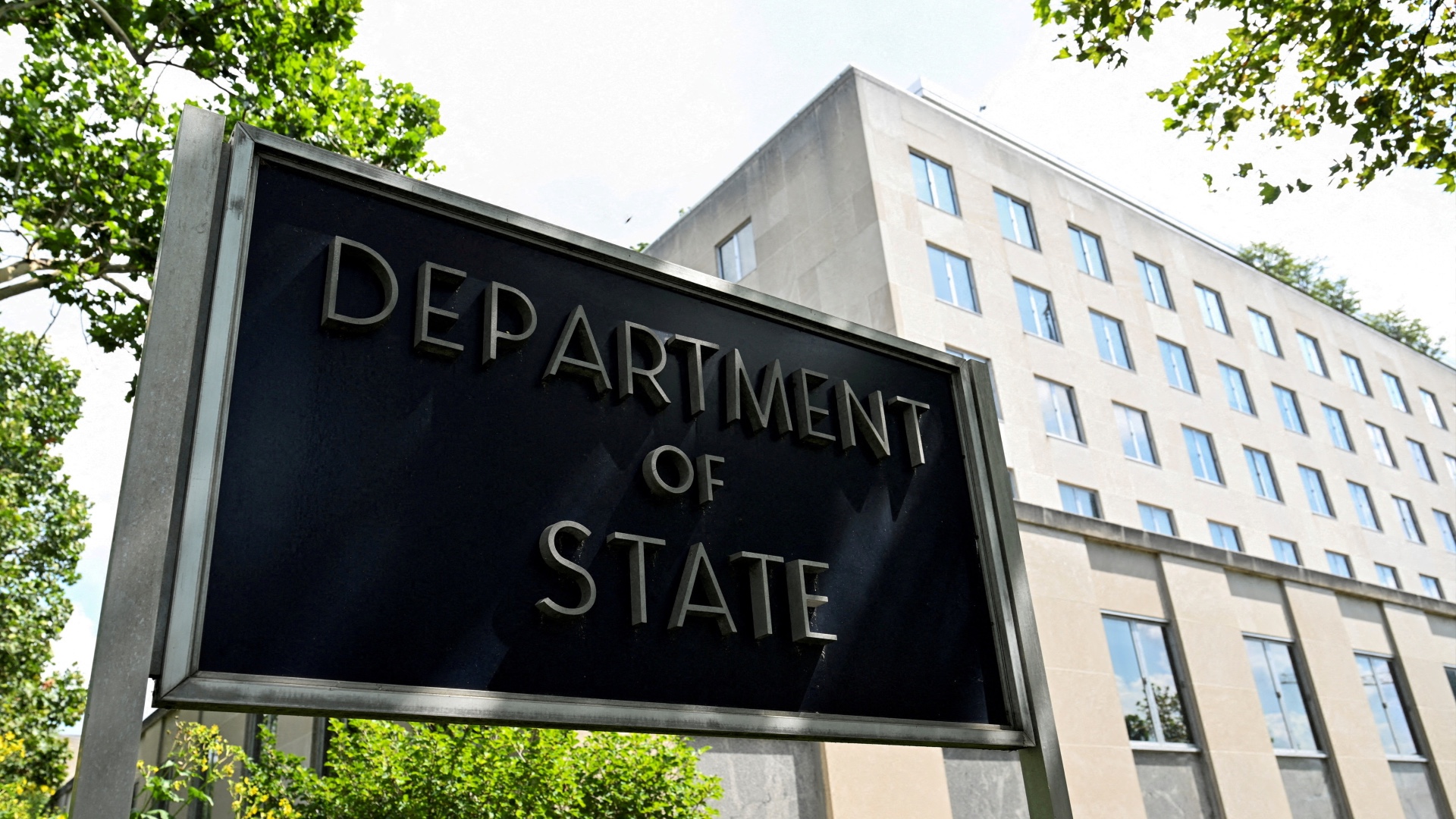
    In a significant immigration policy shift, the Trump administration declared on Wednesday a comprehensive suspension of immigrant visa issuances for nationals from 75 countries, effective January 21. The State Department announced the measure via social media, justifying it as necessary to prevent migrants from allegedly exploiting U.S. welfare systems.

    The policy specifically targets countries including Brazil, Iran, Russia, Somalia, Haiti, and Eritrea, which administration officials claim produce immigrants who ‘often become public charges.’ The suspension will remain indefinitely until the United States can implement mechanisms to ensure new immigrants won’t ‘extract wealth from the American people,’ according to the official statement.

    While non-immigrant, business, and tourist visas remain unaffected, all incoming travelers will face intensified screening procedures. The affected nations span multiple continents, including Afghanistan, Cuba, Egypt, Iraq, Jamaica, Libya, Nigeria, Pakistan, Syria, and Yemen, among others.

    This decision occurs amidst historically low immigration levels attributed to the administration’s aggressive enforcement measures, which have included revoking approximately 100,000 visas and deporting nearly half-million immigrants. The policy implementation raises concerns about its impact on international events, including the upcoming 2026 FIFA World Cup, which the U.S. is scheduled to co-host with Canada and Mexico.

    The administration has simultaneously terminated Temporary Protected Status for nationals from Afghanistan, Syria, Somalia, and Venezuela, while effectively dismantling the U.S. asylum program. Immigration enforcement tactics have intensified, featuring heavily armed officers conducting arrests that have generated widespread fear within immigrant communities, including among naturalized citizens.

  • Dubai-based fashion designer to take over Dubai Mall Festival Of Fashion

    Dubai-based fashion designer to take over Dubai Mall Festival Of Fashion

    Emerging fashion visionary Sara Charif has been selected as a featured speaker for the prestigious Dubai Mall Festival of Fashion, marking a significant milestone in her design career. The Dubai-based creative will take the stage on January 30, 2026, to present her compelling narrative “From Vision to Brand,” detailing her transformative journey within the competitive fashion industry.

    Charif’s presentation will offer audiences an insider’s perspective on converting creative concepts into globally recognized fashion phenomena. Her design philosophy, characterized as both provocatively respectful and timeless, seeks to redefine contemporary beauty standards while maintaining artistic integrity. The event provides a platform for the designer to share the experiences that shaped her development as both a creative force and business leader.

    Beyond her scheduled presentation, Charif will participate in an exclusive VIP dinner alongside established designers and influential figures within Dubai’s fashion elite. This networking opportunity facilitates the exchange of industry insights and best practices among the personalities driving the region’s dynamic fashion landscape. The festival serves as a powerful launchpad for Sara Charif Designs, promoting her distinctive approach to women’s luxury wear and sartorial artistry.

    This recognition positions Charif as an innovative pioneer within Dubai’s fashion scene, offering her brand unprecedented exposure to billionaires, decision-makers, and style authorities. The event represents a definitive moment in the designer’s career, establishing her presence in an exclusive industry where few achieve lasting recognition.

  • Australian Open to inject $600m into Melbourne economy amid record crowds

    Australian Open to inject $600m into Melbourne economy amid record crowds

    Melbourne’s economy is poised for a monumental boost as the Australian Open tennis tournament is projected to deliver an unprecedented $600 million windfall to local businesses. According to newly released data from the National Australia Bank (NAB), this year’s event is expected to surpass last year’s economic impact by a significant 7 to 10 percent margin, establishing new benchmarks for sporting event revenue generation.

    The comprehensive analysis reveals particularly dramatic gains in Richmond’s hospitality sector, where accommodation providers experienced a remarkable 90 percent surge in turnover while restaurant revenues climbed by 18 percent. Similarly, South Yarra witnessed a 50 percent increase in accommodation business and a 17 percent rise in dining establishments’ revenue during the tournament period.

    NAB Executive for Metro Specialized Business Julie Rynski emphasized the event’s evolution beyond tennis, noting that ‘The Australian Open has truly become the ‘Happy Slam’ and is no longer just purely a tennis tournament – it’s a full-blown summer festival.’ The tournament now features world-class matches alongside children’s zones, immersive activations, an extensive live music program, and pop-up restaurants from Melbourne’s premier dining establishments.

    The 2025 tournament already demonstrated massive growth with 1,218,831 attendees throughout the three-week event, substantially exceeding the 2024 attendance of 1,110,657. Preliminary data for the current season shows even more promising numbers, with opening day attendance reaching 29,261 spectators—nearly quadruple last year’s figures—followed by 34,209 and 36,973 attendees on subsequent days.

    Despite the overwhelming positive economic indicators, NAB officials issued warnings about ticket scams targeting enthusiastic fans. ‘Unfortunately, criminals will target tennis fans desperate for tickets. If you see tickets for sale on social media, that’s a major red flag – only buy from authorized resellers,’ Rynski cautioned.

    The Australian Open has now achieved parity with other major Australian sporting events including the Australian Grand Prix and AFL Grand Final in terms of economic impact and cultural significance, cementing its status as a cornerstone of Melbourne’s summer economy.

  • US: Proposal to restrict protests shields ‘unlawful’ sales of Palestinian land, rights groups say

    US: Proposal to restrict protests shields ‘unlawful’ sales of Palestinian land, rights groups say

    New York Governor Kathy Hochul has ignited a constitutional controversy by proposing legislation that would establish 25-foot buffer zones prohibiting protests outside religious institutions. The initiative, announced during her State of the State address, directly referenced a January 8th protest in Queens where the Palestinian Assembly for Liberation-Awda (PAL-Awda) demonstrated against a real estate exposition promoting sales of occupied Palestinian land.

    Hochul framed the proposal as necessary protection for worshippers, stating it would safeguard “those who simply want to pray.” However, civil rights organizations immediately condemned the measure as a severe infringement on First Amendment rights. The Center for Constitutional Rights and Palestine Legal issued a joint statement warning the proposal “poses a serious threat to New Yorkers’ First Amendment rights and sends a dangerous message that silences dissent.”

    The context involves ongoing tensions surrounding Israeli real estate companies conducting expos in the United States marketing properties in the occupied West Bank—activities considered illegal under international law. These events frequently attract both pro-Palestinian protesters and pro-Israeli counter-protesters, sometimes escalating into physical confrontations.

    PAL-Awda denounced the proposed ban as “a blatant violation” of constitutional rights and accused the state of shielding real estate companies that “use religious institutions as shields, behind which they conduct discriminatory business.” The organization specifically rejected Hochul’s characterization that the measure protects religious freedom, arguing instead that it protects “Zionist real estate companies and settler agencies.”

    Adding complexity to the debate, Jewish members of PAL-Awda and the advocacy group Jewish Voice for Peace have criticized the use of synagogues for illegal land sales, calling it a “moral failure of epic proportions.” Meanwhile, the announcement came alongside news that far-right Zionist organization Betar USA is winding down operations following a settlement with the New York attorney general’s office after investigations found the group incited violence against pro-Palestinian protesters.

    The proposal emerges amid increasing violence at protests since Israel’s war on Gaza, including a February incident where pro-Palestinian demonstrators were allegedly assaulted, spat on, and subjected to religious harassment, resulting in hospitalizations.

  • Uganda votes under internet blackout and police crackdown

    Uganda votes under internet blackout and police crackdown

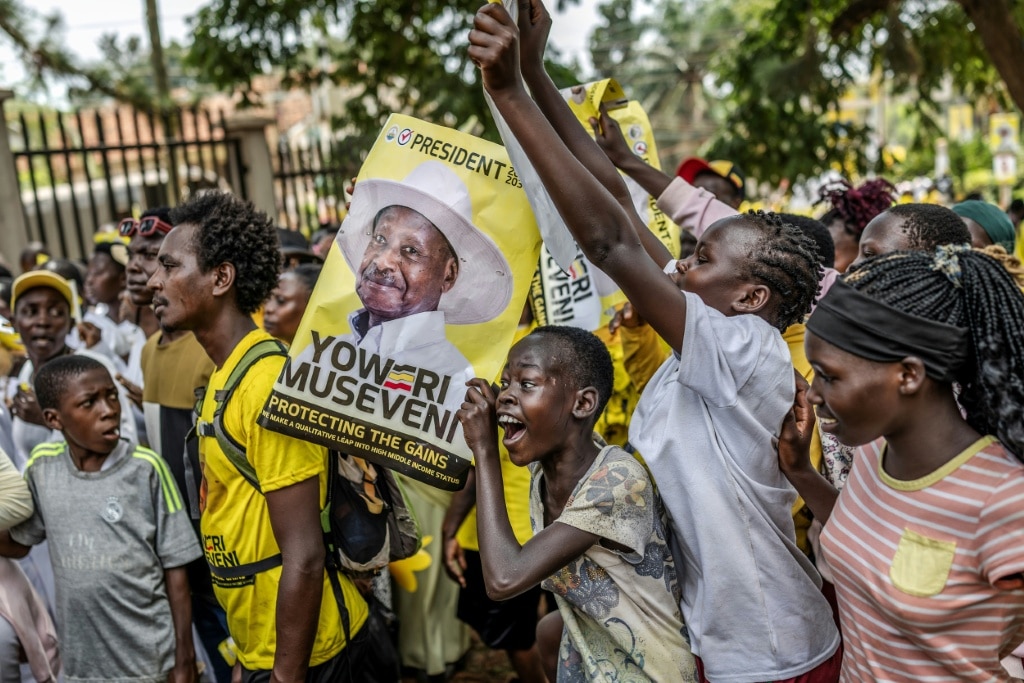
    Uganda conducted a highly charged presidential election on Thursday under a government-imposed internet blackout and heightened security presence, creating an atmosphere of apprehension across the nation. President Yoweri Museveni, who has held power for four decades, faced his most significant challenge from opposition leader Bobi Wine, a former musician turned politician.

    The government implemented a complete internet shutdown indefinitely on Tuesday, citing concerns about ‘misinformation’ and ‘potential incitement to violence,’ despite previous assurances that such measures would not be taken. This move drew sharp criticism from the United Nations, which characterized the blackout as ‘deeply worrying.’

    Security forces maintained a visible presence throughout the capital city of Kampala, where residents expressed nervousness about potential unrest. The Daily Monitor, a local newspaper, published extensive guidance on how to ‘election-proof’ homes, recommending citizens reinforce entry points and designate safe rooms in case of violence.

    Bobi Wine, whose real name is Robert Kyagulanyi, has accused the government of planning to rig the election and has vowed to organize protests if the voting process proves fraudulent. His campaign has been marred by the arrest of hundreds of supporters, prompting him to wear protective gear during rallies and describe the electoral process as a ‘war’ against a ‘military dictatorship.’

    The political climate has drawn international concern, with Human Rights Watch documenting the suspension of ten non-governmental organizations, including election monitoring groups, and noting ‘brutal repression’ against opposition figures. Another prominent opposition leader, Kizza Besigye, currently faces treason charges in a military court after being reportedly abducted from Kenya in 2024.

    Despite these challenges, President Museveni remains popular among certain segments of the population, who credit him with ending post-independence chaos and overseeing economic growth. At his final rally in Kampala, the 81-year-old leader struck a defiant tone, warning that he would ‘crush’ anyone attempting to interfere with the electoral process.