作者: admin

  • Trump administration says phase two of Gaza ceasefire has begun

    Trump administration says phase two of Gaza ceasefire has begun

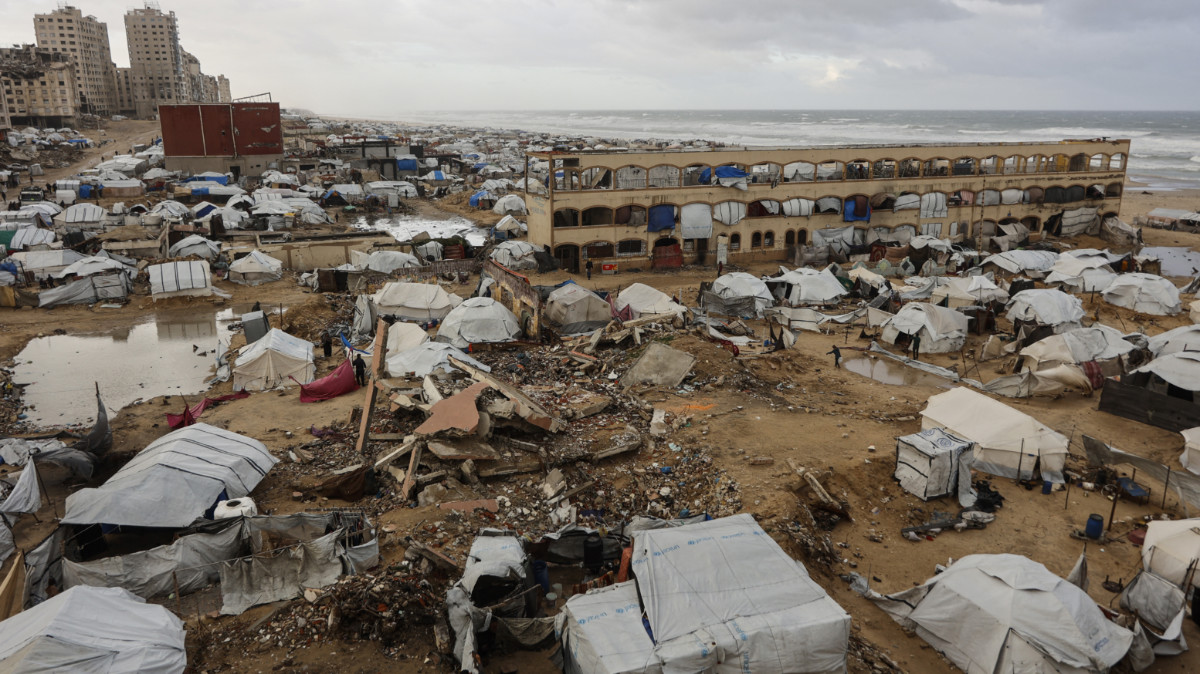
    The United States has officially declared the commencement of the second phase of its Gaza ceasefire initiative, following a breakthrough agreement among Palestinian factions to establish a technocratic governing body for the embattled enclave. This development marks a critical transition from temporary truce to long-term demilitarization and reconstruction efforts.

    US Special Envoy to the Middle East Steve Witkoff confirmed the advancement via social media, stating the move implements President Trump’s 20-Point Plan to resolve the Gaza conflict. The announcement came after Egyptian mediators secured consensus from majority Palestinian groups, including Hamas and Islamic Jihad, to back a Palestinian National Transitional Committee tasked with administrative control of Gaza.

    The 15-member committee will be led by Ali Shaath, former Palestinian deputy minister for planning, with oversight from former UN Middle East peace coordinator Nickolay Mladenov. The Bulgarian diplomat recently convened with US officials, Palestinian Authority representatives, and Israeli Prime Minister Benjamin Netanyahu to coordinate the transition.

    Phase two objectives include comprehensive demilitarization through disarmament of unauthorized personnel and launching reconstruction programs. Witkoff emphasized expectations for Hamas’s full compliance, including returning the final deceased hostage remains, warning of serious consequences for non-cooperation.

    While Hamas has expressed willingness to transfer governing authority, it maintains its stance on retaining arms, citing Israel’s ongoing occupation of approximately 53% of Gaza territory. Negotiations have explored weapon decommissioning options, including storage arrangements and transfer of heavier arms to Arab and Muslim mediators, though Hamas insists on preserving personal weapons for its fighters.

    Implementation challenges remain substantial. Potential UN-mandated peacekeeping forces from Arab and Muslim-majority nations have been hesitant to deploy, with Turkey’s proposed involvement rejected by Israel. Gulf states remain reluctant to fund reconstruction without guarantees against future Israeli military actions that could destroy rebuilt infrastructure.

    The Trump administration’s reconstruction financing proposals include leveraging Gaza’s offshore gas reserves through partnerships with Israel and the UAE, though this would cover only a fraction of the estimated $70 billion required for full reconstruction.

    Postwar planning, directed from Tel Aviv by appointees close to Jared Kushner, includes controversial proposals such as dividing Gaza with screened Palestinian communities in Israeli-occupied zones and developing luxury AI-industry linked properties. The new governance committee’s establishment may intensify scrutiny of Israel’s military presence, which under Trump’s plan should withdraw except for a buffer zone as Palestinian and international security forces assume control.

    The conflict originated from Israel’s response to the October 7, 2023, Hamas-led attack, resulting in what UN experts describe as genocidal violence claiming over 71,400 Palestinian lives. Despite the US-brokered ceasefire establishing Israeli withdrawal to the ‘yellow line,’ violations have persisted with 439 Palestinian fatalities recorded in nearly 1,200 incidents involving airstrikes, shelling, and demolitions.

  • Degrees issued by 34 UAE-based universities get automatic recognition in pilot phase

    Degrees issued by 34 UAE-based universities get automatic recognition in pilot phase

    In a transformative move for higher education, the UAE Ministry of Higher Education and Scientific Research (MoHESR) has initiated an automatic degree recognition system encompassing 34 accredited universities across the nation. This pioneering program, currently in its pilot phase, eliminates traditional bureaucratic hurdles by providing immediate authentication of qualifications for graduates from participating institutions.

    The groundbreaking initiative represents a significant stride toward achieving zero government bureaucracy objectives while simultaneously enhancing operational efficiency within the national education framework. Since its implementation, the system has already facilitated seamless qualification recognition for over 25,000 graduates, demonstrating its substantial impact on the educational landscape.

    Ahmad Yousuf Al Nasser, Acting Assistant Under-Secretary for Higher Education Operations Sector at MoHESR, emphasized the strategic importance of this development: ‘Integrating 34 higher education institutions into this initial phase underscores our commitment to building a robust national recognition system through efficient, adaptable services that simultaneously support students, academic institutions, and align with evolving labor market requirements.’

    The technologically advanced system incorporates QR code verification technology, allowing instant authentication of qualifications from MoHESR-accredited institutions. This digital approach ensures compliance with established regulations while providing reliable, easily accessible confirmation of academic credentials.

    Future expansion plans include extending automatic recognition benefits to Emirati students pursuing education abroad through Ministry-supervised scholarship programs, thereby guaranteeing uninterrupted access to government services regardless of geographical location. This comprehensive approach accelerates graduates’ transitions into postgraduate studies or employment markets while facilitating compliance with government, residency, and visa requirements.

    The initiative forms part of MoHESR’s broader digital transformation strategy, which includes electronic tools for verifying qualifications obtained both within and outside the UAE, ensuring data integrity and usability for all relevant authorities.

  • Mitchell ton helps New Zealand level ODI series with India

    Mitchell ton helps New Zealand level ODI series with India

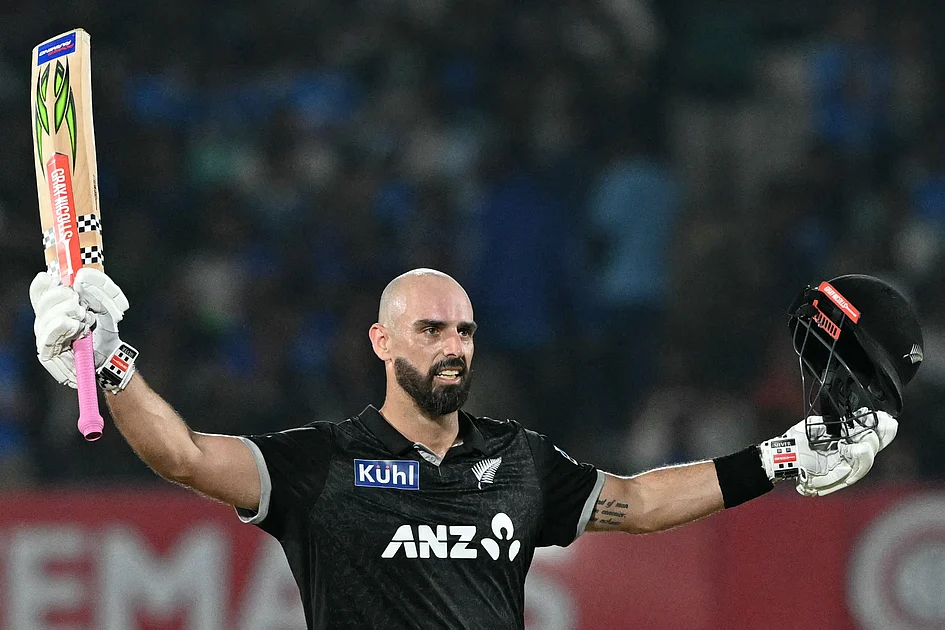
    Daryl Mitchell delivered a spectacular batting performance to steer New Zealand to a commanding seven-wicket triumph over India in the second ODI at Rajkot on Wednesday. The victory levels the three-match series at 1-1, setting up a decisive final encounter.

    New Zealand’s clinical chase of India’s 284/7 marked their highest-ever successful run pursuit on Indian soil. Mitchell’s unbeaten 131 from 117 balls proved instrumental after the visitors found themselves in early trouble at 46-2. The 34-year-old batsman showcased exceptional form, building a crucial 162-run partnership with Will Young (87) that effectively dismantled India’s bowling attack.

    India’s innings had been anchored by KL Rahul’s magnificent unbeaten 112 from 92 deliveries, his highest score in ODI cricket and eighth century in the format. Despite Rahul’s heroics, New Zealand’s Kristian Clarke made significant early breakthroughs by dismissing top-order stalwarts Rohit Sharma, Shreyas Iyer, and Virat Kohli.

    Mitchell’s innings wasn’t without fortune—he received a reprieve on 80 when Prasidh Krishna dropped a difficult chance. The batsman capitalized fully on this opportunity, registering his eighth ODI century while demonstrating why he accumulated 761 runs in 2025 at an impressive average of 54.35.

    Post-match, Mitchell expressed satisfaction with the team’s performance: ‘We haven’t won here for a couple of years. Nice to get a win. I’m just enjoying doing the job for the country.’ He particularly praised his partnership with Young, noting ‘He’s a class player, I love batting with him, we also have fun batting together.’

    Indian captain Shubman Gill acknowledged his team’s shortcomings: ‘We did get a decent start with the ball, but they batted very well in the middle overs. We could have been more brave, and taken more chances.’

    The series now moves to Indore for the final ODI, after which both teams will contest a five-match T20I series as preparation for next month’s Twenty20 World Cup.

  • Virgin Mary procession draws thousands as Venezuela faces uncertain future

    Virgin Mary procession draws thousands as Venezuela faces uncertain future

    BARQUISIMETO, Venezuela — In a profound display of faith amid national turmoil, thousands of Venezuelans participated in the annual Divina Pastora pilgrimage on Wednesday, offering prayers for their country’s stability and prosperity. The massive Catholic procession in Barquisimeto, located approximately 170 miles west of Caracas, unfolded against a backdrop of political uncertainty following the recent capture of President Nicolás Maduro.

    The event, which occurs every January 14th, represents one of Venezuela’s most significant religious gatherings. Local authorities estimate approximately 2 million participants dressed predominantly in white, creating a solemn river of faithful stretching nearly 4 miles. The pilgrimage route begins at the Santa Rosa sanctuary and progresses through twelve stations before concluding at Barquisimeto’s cathedral.

    This year’s procession carried heightened significance as Venezuela faces unprecedented political changes. Following a military operation that resulted in Maduro’s transfer to the United States, President Donald Trump announced interim American administration of Venezuela with plans to utilize the country’s substantial oil reserves. Trump has endorsed Delcy Rodríguez as Venezuela’s acting president during this transitional period.

    Attendees expressed deep concerns about their nation’s future. ‘We pray for our country, because our country truly needs God,’ stated Miriam Espinoza, a housewife participating in the procession. ‘May we have peace and may our country return to normalcy.’

    The event represents more than religious observance—it serves as a cultural cornerstone for Barquisimeto residents. ‘For us in Barquisimeto, it means everything,’ explained Johenny Hernández, a civilian engineer attending with family members. ‘The Virgin walks with us as we make our way toward Jesus Christ.’

    Many participants reported attending despite personal challenges. Hernández noted that health concerns prevented completing the entire route but emphasized the importance of participating regardless. Another devotee, Clara Castillo, revealed her 39-year connection to the pilgrimage beginning when her son was diagnosed with hemophilia as an infant. ‘My faith has been there ever since, and for the rest of my days I will ask God to give me the health I need,’ Castillo shared. ‘And today I pray for my beloved Venezuela.’

  • In his own words: Stephen Miller’s arguments for White House actions in US cities and abroad

    In his own words: Stephen Miller’s arguments for White House actions in US cities and abroad

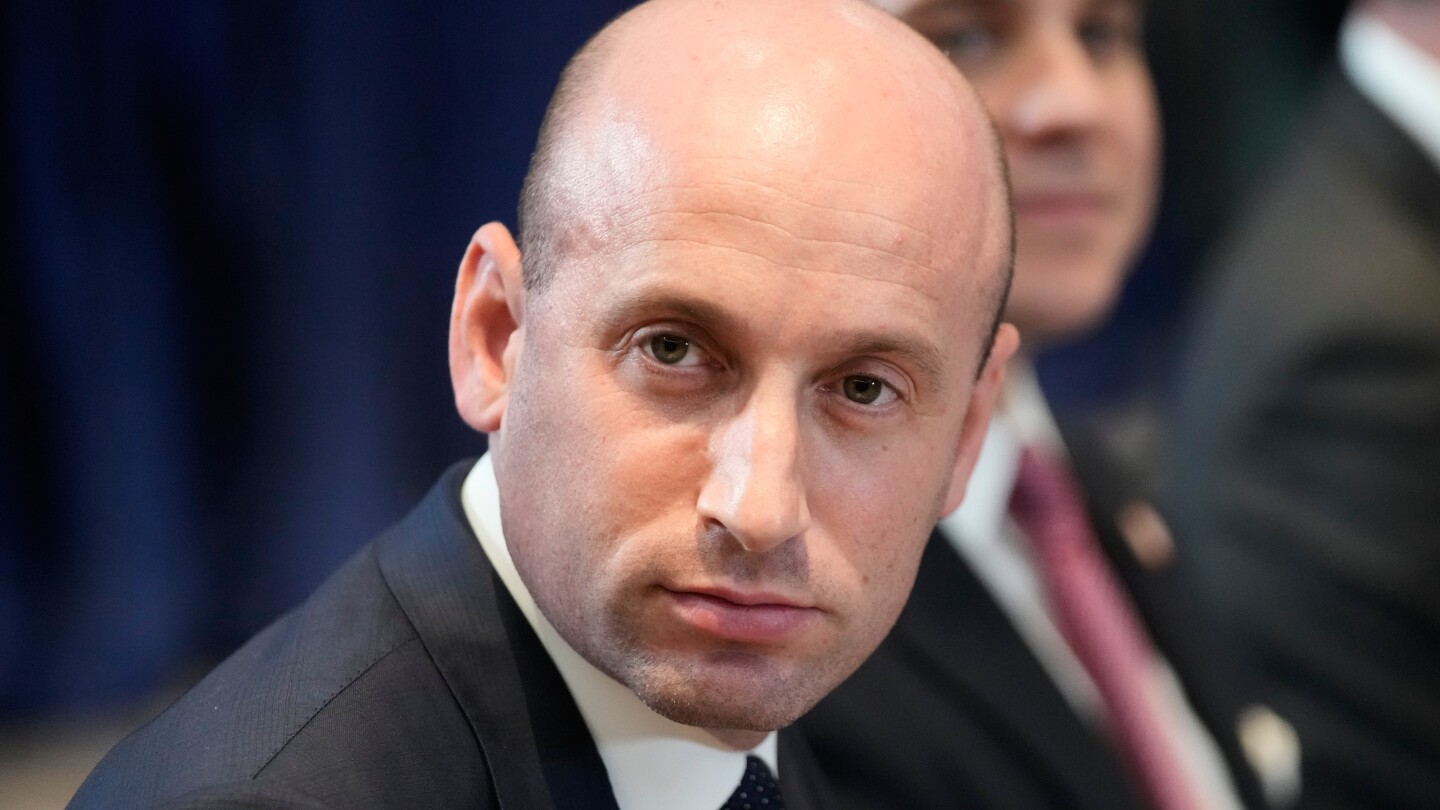
    WASHINGTON — Senior Trump administration official Stephen Miller articulated a controversial worldview that laid the ideological groundwork for the recent military operation that deposed Venezuelan leader Nicolás Maduro. More than a year before the intervention, Miller asserted that Maduro had been systematically dispatching gang members across the U.S. border, framing the situation as a national security crisis.

    As White House chief of staff for policy, Miller’s influence on the administration’s foreign policy approach has been substantial. His assertions that Western aid to developing nations constitutes ‘reverse colonization’ and that Venezuela’s oil industry was ‘stolen from American companies’ have drawn sharp criticism from international observers and political opponents.

    The administration’s actions have prompted a strong response from regional powers. A joint statement from Spain and five Latin American nations called for adherence to principles of “mutual respect, peaceful dispute resolution, and nonintervention.” Senator Bernie Sanders (I-Vt.) characterized the Venezuela policy as “old-fashioned imperialism.”

    Miller defended his position in multiple media appearances, arguing that “the iron laws of the world” are governed by strength and power rather than international norms. He dismissed concerns about sovereignty, stating that the United States as a superpower would “unapologetically secure our interests in our hemisphere.” The policy aide also controversially suggested that U.S. military occupation of Greenland would face no significant opposition.

    White House spokesperson Abigail Jackson countered criticism, stating: “Advocating for policies that put American citizens first isn’t racist. Anyone who says so is either intentionally lying or just plain stupid.”

    Miller has since shifted focus to domestic immigration enforcement, recently condemning anti-ICE protests following a controversial operation in Minneapolis. His social media statements characterized Democratic opposition as support for “violent resistance against federal law enforcement,” claiming alternative policies would turn American cities into equivalents of Mogadishu or Kabul.

  • Race to Dubai leader Schaper eyes hat-trick of DP World Tour wins at Dubai Invitational

    Race to Dubai leader Schaper eyes hat-trick of DP World Tour wins at Dubai Invitational

    Golf sensation Jayden Schaper arrives in Dubai with an extraordinary momentum, aiming to secure an unprecedented third straight DP World Tour title at the prestigious Dubai Invitational. The tournament, boasting a $2.75 million purse, commences on January 15th at the renowned Dubai Creek Resort.

    The 24-year-old South African prodigy has dominated the early season, seizing back-to-back victories that have propelled him to the summit of the 2026 Race to Dubai Rankings. Schaper’s remarkable journey began with a dramatic maiden triumph at the Alfred Dunhill Championship on home soil, where a spectacular chip-in birdie and a playoff eagle clinched the title. He immediately followed this breakthrough by capturing the AfrAsia Bank Mauritius Open with another eagle in extra holes to defeat American contender Ryan Gerard.

    Schaper’s dominant Opening Swing performance—yielding two victories and one runner-up finish at the Nedbank Golf Challenge—has earned him 1,348 ranking points, a $200,000 bonus, and automatic qualification for all Back 9 events plus the coveted Hero Dubai Desert Classic.

    Meanwhile, local favorite and former champion Tommy Fleetwood returns to Dubai Creek determined to reclaim the title he won two years ago. The Dubai resident expressed confidence in both the course conditions and his equipment setup, noting the advantage of competing while sleeping in his own bed. Fleetwood has maintained his previous season’s club specifications while incorporating a new TaylorMade driver and a fresh set of irons with identical specs.

    The stage is set for an electrifying showdown as Schaper’s meteoric rise meets Fleetwood’s home-course expertise. Tee times are scheduled from 8:30 AM to 11:09 AM off two starting tees on Thursday.

  • Young Australians costing themselves in retirement with one superannuation mistake

    Young Australians costing themselves in retirement with one superannuation mistake

    A concerning trend of financial disengagement among young Australians threatens to diminish retirement savings by hundreds of thousands of dollars, according to new research from AMP. The study reveals that approximately 25% of Australians have never actively managed their superannuation, while nearly half only review their retirement funds once or twice annually.

    AMP’s Super Director of Growth and Customer Solutions, Julie Slapp, emphasizes that this passive approach represents a significant missed opportunity. “Simple actions like verifying fund details or consulting with providers can substantially enhance financial confidence and maximize the powerful effects of compound returns,” Slapp noted. Research demonstrates that contributing an additional $20 weekly could accumulate to approximately $98,000 over three decades through compounding—a concept that remains misunderstood by more than half of Australians under 40.

    Financial experts warn that this hands-off mentality often results in individuals being placed into default superannuation funds that may not align with their long-term financial objectives. Terry Vogiatzis, Director of Omura Wealth Advisers, explains that default funds typically maintain conservative investment strategies that might inadequately leverage the advantage of extended investment horizons. “While counterintuitive to some, appropriate risk exposure becomes advantageous when investors have decades until retirement. Extended timeframes reduce the probability of negative returns while enhancing predictability of long-term gains,” Vogiatzis elaborated.

    Default superannuation options typically balance growth assets (including shares and property) with defensive instruments (such as cash and bonds). However, younger investors with higher risk tolerance could potentially achieve superior returns through more aggressive growth strategies. Vogiatzis illustrated this using a scenario where a 35-year-old with $75,000 in superannuation contributing $12,000 annually would accumulate $2.4 million at a 7% annual return, but $4.1 million at a 9% return—a difference of $1.7 million.

    The Association of Superannuation Funds of Australia recommends retirement savings targets of $690,000 for couples and $595,000 for singles to maintain comfortable living standards, assuming home ownership. These figures highlight the critical importance of early and engaged superannuation management for long-term financial security.

  • Why the UAE has incurred the wrath of Somalia

    Why the UAE has incurred the wrath of Somalia

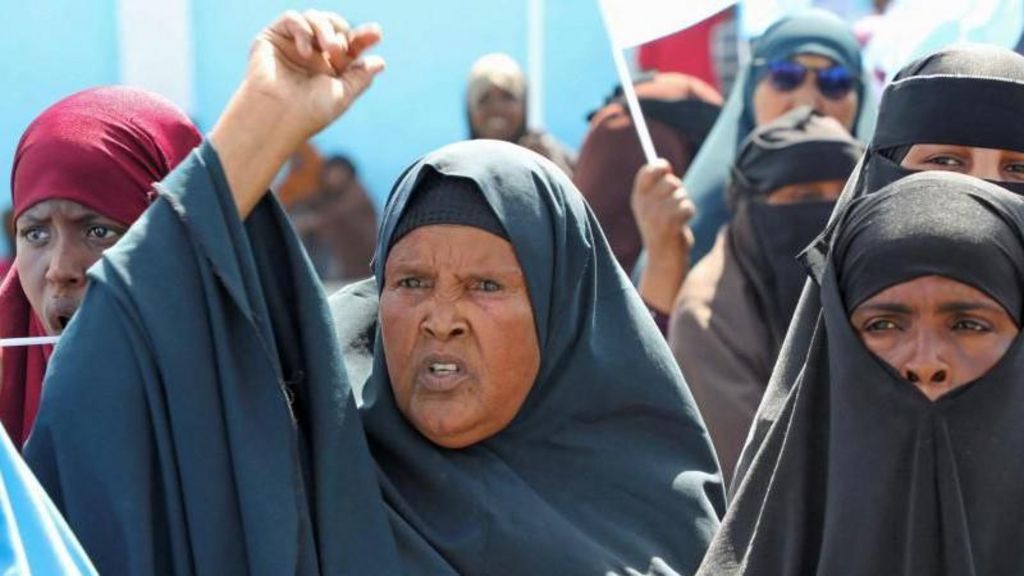
    Somalia has dramatically terminated all port management and security cooperation agreements with the United Arab Emirates, marking a critical deterioration in their longstanding partnership. The decision follows Israel’s unprecedented recognition of Somaliland as an independent state in late December—a move Somalia condemns as a violation of its territorial integrity.

    President Hassan Sheikh Mohamud declared the termination after an extraordinary cabinet meeting, stating that while Somalia valued its relationship with the UAE, the Gulf nation failed to engage with Somalia as a sovereign equal. “After careful assessment, we were forced to take this decision,” Mohamud emphasized in a televised address.

    The UAE, a major investor in Somali infrastructure and security, has not publicly responded to these developments. However, regional analysts identify Israel’s recognition of Somaliland as the catalyst for the diplomatic rupture. Omar Mahmoud of the International Crisis Group notes that Somalia perceives the UAE as having played a behind-the-scenes role in facilitating this outcome.

    Complicating matters further, Somalia has accused the UAE of orchestrating the unauthorized transport of Yemeni separatist leader Aidarous al-Zubaidi through Somali airspace—an allegation the UAE denies. This incident, coupled with growing suspicions about Emirati support for Somaliland’s recognition, appears to have been the final straw in deteriorating relations.

    The practical implications remain uncertain. While Somalia’s federal government has annulled the agreements, its authority over semi-autonomous regions like Somaliland, Puntland, and Jubaland—where UAE-operated ports are located—is limited. DP World, the Dubai-based logistics giant operating Berbera port, has indicated business will continue unchanged, citing existing agreements with Somaliland authorities.

    Regional experts suggest this confrontation reflects broader geopolitical realignments, with the UAE and Israel on one side and powers like Turkey and Saudi Arabia on the other. Somalia is now leveraging diplomatic channels to rally international support for its position, though repairing relations with the UAE will require significant diplomacy amid eroded trust.

  • Ugandans choose between pop star and veteran leader in presidential poll

    Ugandans choose between pop star and veteran leader in presidential poll

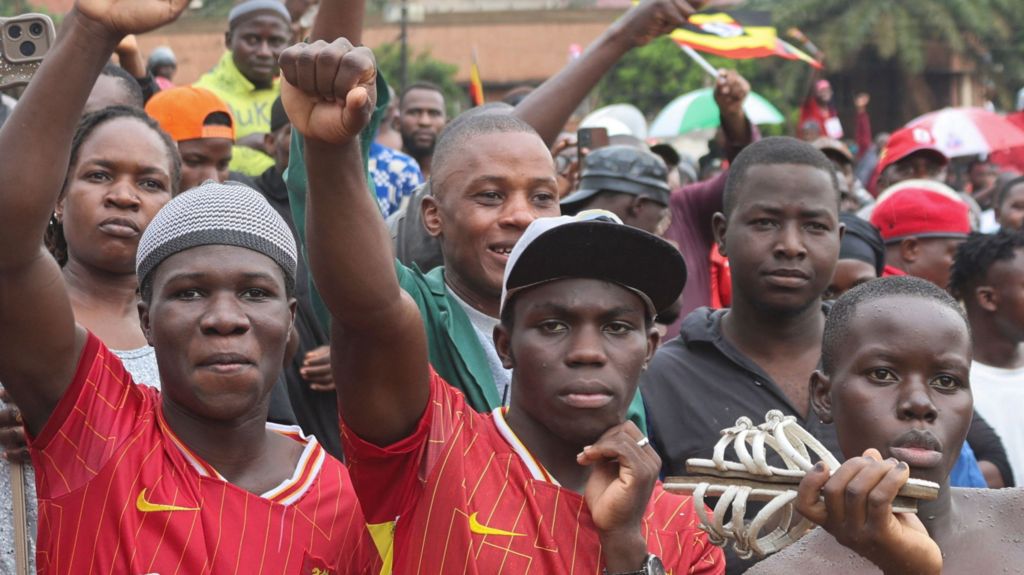
    Uganda stands at a critical democratic crossroads as over 21 million registered voters participate in a presidential election pitting long-serving leader Yoweri Museveni against the formidable challenge of pop star-turned-politician Bobi Wine.

    The electoral contest represents a classic power struggle between continuity and change. President Museveni, who seized power through guerrilla warfare four decades ago, positions himself as the indispensable guardian of stability and progress. His opponent, 43-year-old Robert Kyagulanyi (known professionally as Bobi Wine), campaigns on an ambitious platform of anti-corruption measures and comprehensive governmental reforms.

    This election occurs against a backdrop of significant constitutional modifications that removed presidential age and term limits, enabling Museveni’s continued candidacy. The incumbent previously secured victory in the 2021 polls with 59% of votes against Wine’s 35%—results the opposition leader dismissed as fraudulent.

    Pre-election conditions have drawn international concern. A government-imposed internet blackout, justified by authorities as necessary to prevent misinformation and electoral violence, has been condemned by the United Nations human rights office as “deeply worrying.” Opposition groups allege the digital shutdown aims to prevent documentation and sharing of electoral misconduct.

    Security forces face accusations of systematically suppressing opposition activities through violent disruption of rallies, arbitrary detentions, and physical assaults on supporters. Amnesty International characterizes these tactics as “a brutal campaign of repression” involving tear gas, pepper spray, and beatings.

    Electoral Commission Chair Simon Byabakama reported receiving direct threats warning against declaring certain results, though he maintains the commission will uphold electoral integrity. “I am not in the business of donating votes,” Byabakama stated, emphasizing that voters alone will determine the outcome.

    The electoral process recalls the violent 2012 elections where dozens perished during protests, with security forces implicated in numerous casualties according to BBC investigations.

    Beyond the presidential race, voters will determine the composition of parliament with 353 legislative seats contested. Economic concerns dominate voter priorities, particularly among Uganda’s youth-majority population where unemployment persists despite gradual income growth. Additional voter concerns include infrastructure deficiencies and unequal access to quality education and healthcare.

    Security presence has intensified throughout the capital Kampala, with armored vehicles deployed and enhanced police patrols. Many residents have relocated to rural areas anticipating election-related violence, with one anonymous voter explaining his decision to re-register in his home village due to the “heavy and intimidating security presence in the city.

    Polls are scheduled to close at 16:00 local time (13:00 GMT) on Thursday, with results anticipated by Saturday. The election’s outcome will significantly influence Uganda’s democratic trajectory and its relationship with the international community.

  • US embassy in Saudi Arabia urges personnel to exercise ‘increased caution’

    US embassy in Saudi Arabia urges personnel to exercise ‘increased caution’

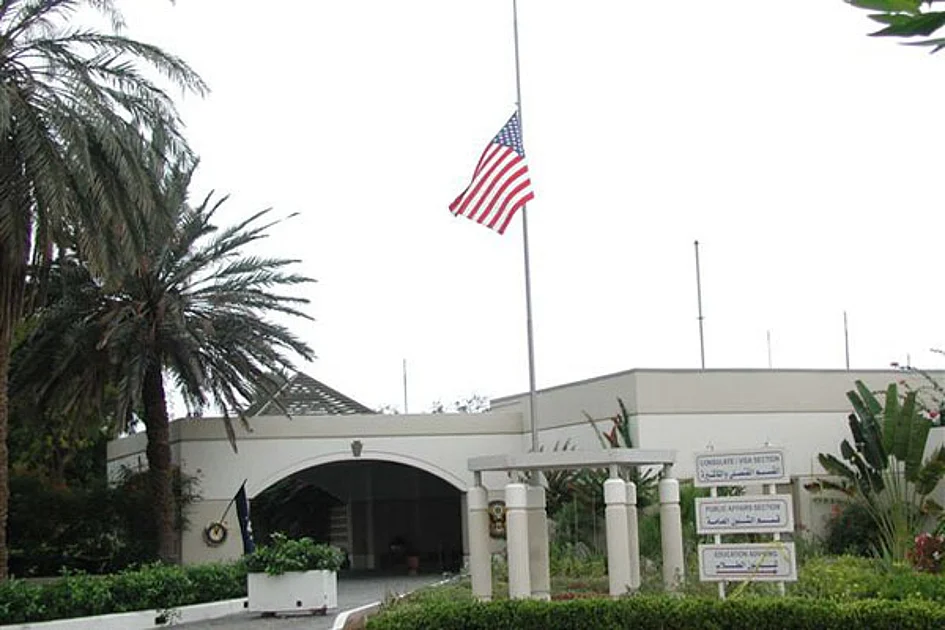
    The United States Embassy in Riyadh has issued a formal security advisory urging its personnel and American citizens throughout Saudi Arabia to exercise heightened vigilance due to escalating regional tensions. The alert, published on the embassy’s official website on Wednesday, specifically recommends avoiding non-essential travel near military installations and maintaining increased situational awareness.

    Citing ongoing geopolitical instability, the embassy emphasized that while mission operations and consular services continue normally, all individuals should review personal safety plans and prepare for potential disruptions. The advisory coincides with Washington’s stated intentions to respond to Iran’s government crackdown on protests, creating a climate of heightened security concern throughout the Gulf region.

    The embassy provided comprehensive safety guidelines, including enrollment in the State Department’s Smart Traveler Enrollment Program (STEP) for real-time security updates, ensuring passport validity for emergency travel, and avoiding demonstrations or large gatherings. Officials confirmed they are continuously monitoring the regional situation and encouraged travelers to consult official information sources while following instructions from local authorities.

    Despite the elevated alert status, embassy staffing remains unchanged, and all consular services continue operating without interruption. The security notice concludes by emphasizing the importance of maintaining personal safety protocols, as crises can develop unexpectedly while residing or traveling abroad.