作者: admin

  • At Detroit auto show, spotlight dims for EVs

    At Detroit auto show, spotlight dims for EVs

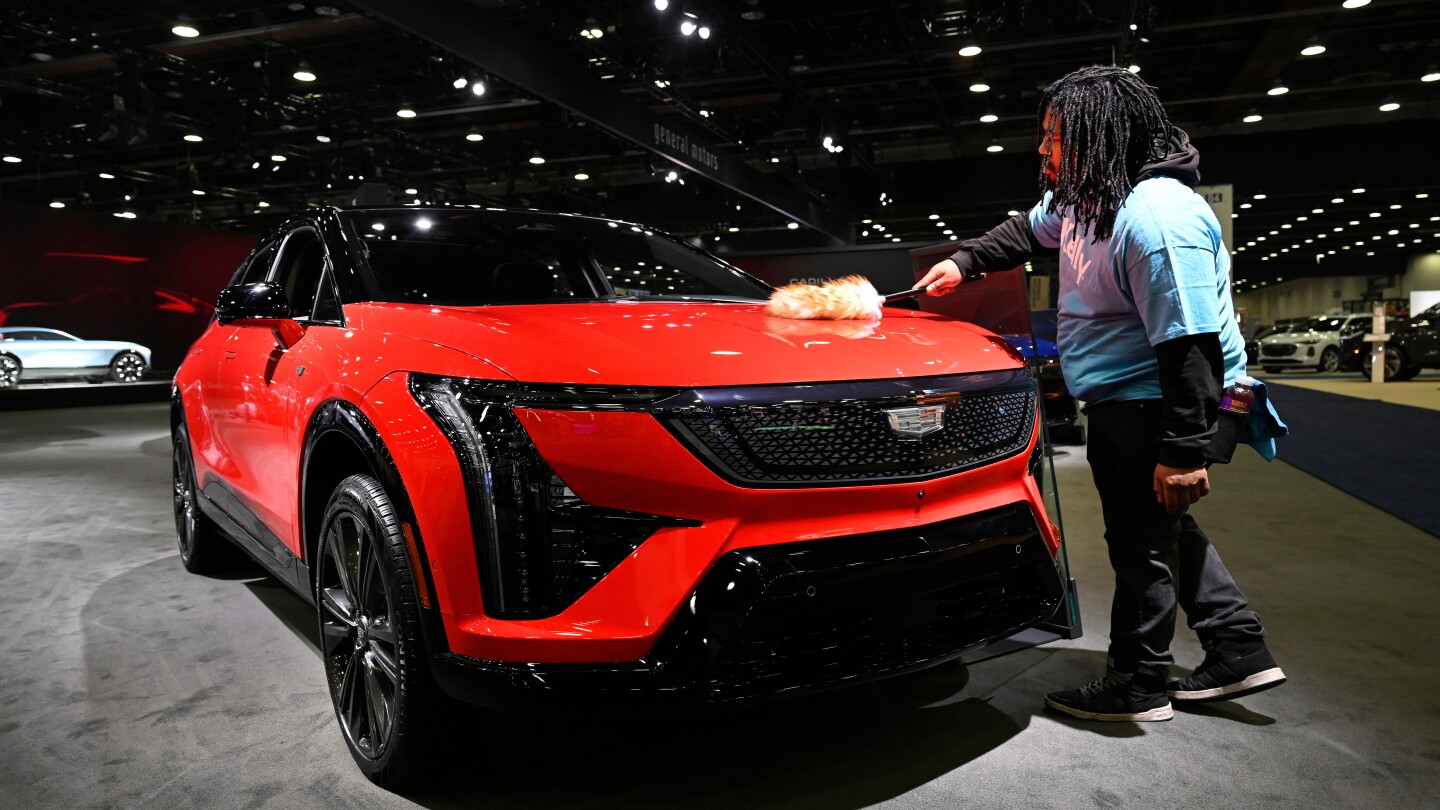
    DETROIT — The roar of combustion engines and squeal of tires once again dominated the indoor test tracks at the North American International Auto Show, marking a symbolic departure from recent years when one track was reserved exclusively for electric vehicles. This year’s exhibition reflects a significant industry pivot as U.S. automakers scale back their electric ambitions in response to shifting political winds and market realities.

    The change comes amid President Donald Trump’s pro-fossil fuels agenda that has reshaped America’s automotive landscape. Trump’s administration has revoked Biden-era electric vehicle sales targets, cut tax incentives for EV purchases, weakened fuel economy standards, and blocked funding for charging infrastructure nationwide. During a recent visit to Ford’s River Rouge Complex, Trump celebrated these policy changes, stating he had “ended the radical left war on oil and gas” while maintaining he still believes electric vehicles “are great.”

    Industry data reveals concerning trends beneath the surface. U.S. sales of electrified vehicles grew just 1% in 2025, compared to 17% growth in China and 33% in Europe. Pure-electric market share remained under 8% with 1.23 million units sold—a slight decline from the previous year.

    The policy shift has come at considerable cost to automakers. Ford announced $19.5 billion in charges related to electrification efforts, including ending production of its all-electric F-150 Lightning. General Motors recorded $6 billion in EV-related charges, while even market pioneer Tesla faced a challenging year.

    Industry leaders expressed deep concern about America’s competitive position. “We have to look at what we’re up against. In a word—China,” Michigan Governor Gretchen Whitmer stated during her address at the show. “China wants to dominate every part of auto manufacturing. They’ve captured major market share almost everywhere except the U.S. and Canada.”

    Michael Robinet, Vice President of Forecast Strategy at S&P Global Mobility, echoed these concerns: “What we worry about is how competitive will we be on the global stage as the market continues to advance around us.”

    Former Transportation Secretary Pete Buttigieg warned that while Trump cannot prevent the eventual dominance of electric vehicles, he “can stop America from being the leader in that technology.” Industry experts suggested that automakers should maintain development of “compelling EV offerings” despite the current policy environment to avoid falling permanently behind global competitors.
  • New Czech government of populist leader Andrej Babiš wins a mandatory confidence vote

    New Czech government of populist leader Andrej Babiš wins a mandatory confidence vote

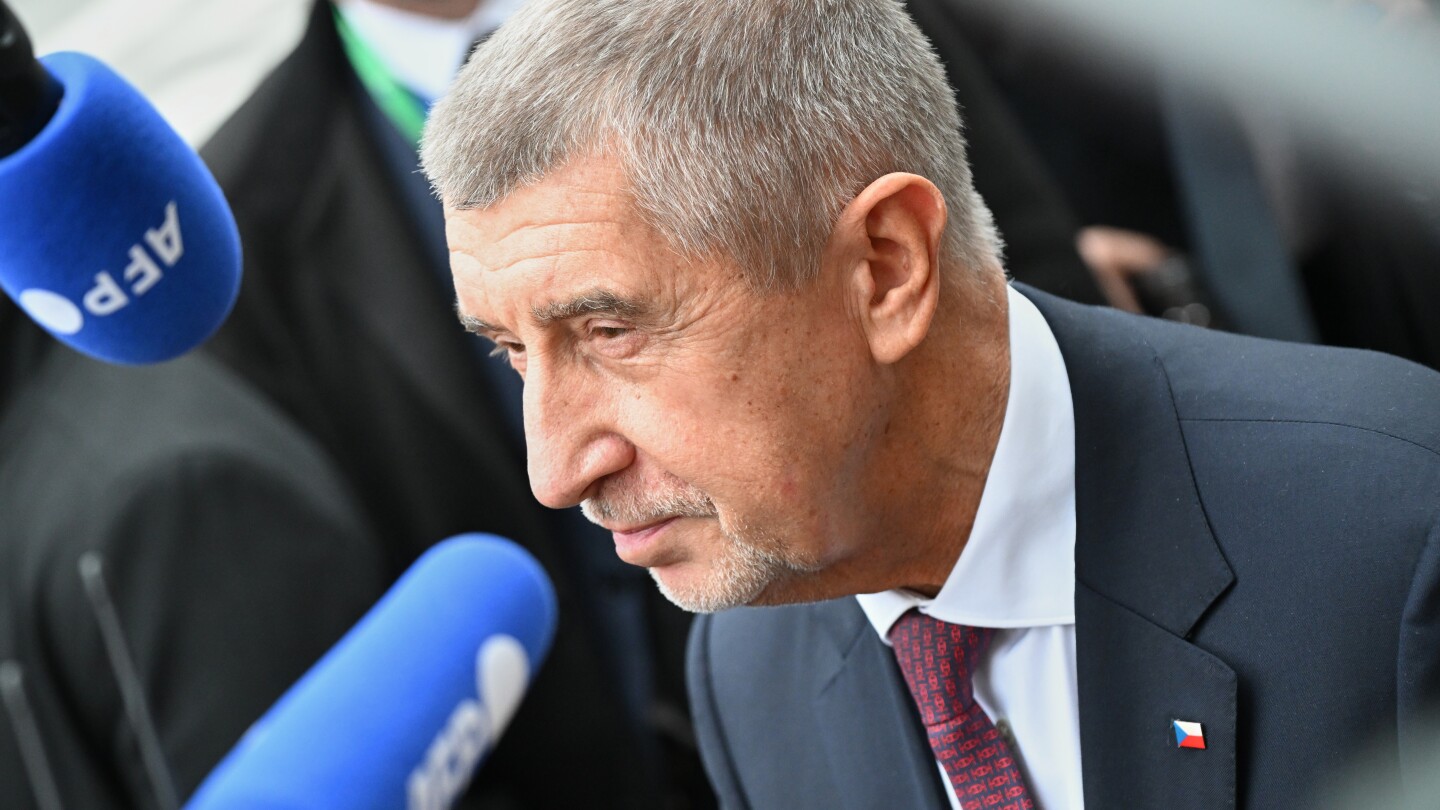
    PRAGUE — The Czech Republic’s newly formed populist government under Prime Minister Andrej Babiš has successfully secured a mandatory parliamentary confidence vote, marking a significant geopolitical reorientation for the Central European nation. The lower house of Parliament endorsed the coalition government with a 108-91 vote on Thursday, granting formal approval to an agenda that diverges from previous Western-aligned policies.

    The administration, emerging from October’s electoral victory by Babiš’s ANO (YES) movement, represents an unconventional alliance with two minority parties: the anti-immigrant Freedom and Direct Democracy party and the right-wing Motorists for Themselves. This 16-member Cabinet coalition shares notable admiration for former U.S. President Donald Trump and signals substantial policy transformations both domestically and internationally.

    Foreign policy shifts include terminating financial assistance to Ukraine and rejecting European Union loan guarantees for the war-torn nation, aligning the Czech Republic with the positions of Hungarian Prime Minister Viktor Orbán and Slovak leader Robert Fico. Notably, the government will maintain administrative oversight of a previous Czech initiative that secured 1.8 million artillery shells for Ukraine from non-EU markets, though without financial contributions.

    Domestically, the coalition partners advocate controversial measures including the potential expulsion of approximately 380,000 Ukrainian refugees and rejection of the EU Green Deal environmental framework. The Motorists party, now controlling environment and foreign ministries, has proposed reviving the nation’s coal industry while the Freedom party questions Czech membership in both the EU and NATO.

  • Tunisia: Families of political detainees form collective to unite opposition to Saied

    Tunisia: Families of political detainees form collective to unite opposition to Saied

    In a significant political development, relatives of incarcerated dissidents across Tunisia’s ideological spectrum have established a unified front demanding the release of political prisoners detained under President Kais Saied’s administration. The newly formed National Coordination for the Liberation of Political Prisoners represents an unprecedented consolidation of opposition forces that previously struggled to overcome internal divisions.\n\nThe coalition’s public announcement on January 14th carried profound symbolic weight, coinciding with the fifteenth anniversary of the revolution that ousted autocrat Zine el Abidine Ben Ali and ignited the Arab Spring movement. Organizers emphasized the continued relevance of revolutionary ideals, stating the date reflects how \”the Revolution is still present in our hearts, in our minds, and in our collective consciousness.\”\n\nProminent lawyer and activist Sana Ben Achour articulated the strategic imperative behind the coordination effort: \”Whether the detainees are left-wing or right-wing, secular or Islamist, injustice inflicts the same suffering.\” She stressed the necessity of synchronized field operations to enhance effectiveness in securing prisoner releases.\n\nSince President Saied’s 2021 power consolidation, which granted him extensive authority, Tunisia has witnessed a systematic crackdown on dissent. Numerous opposition figures, legal professionals, activists, humanitarian workers, and journalists have faced severe prison sentences through proceedings widely criticized by international human rights organizations as politically motivated.\n\nThe legal apparatus employed against dissidents includes broad interpretations of the 2015 counter-terrorism and anti-money laundering legislation, Decree 54 targeting so-called \”fake news,\” and the 2004 law on foreigners and passports—all weaponized to criminalize humanitarian assistance and suppress free expression.\n\nNotable cases include left-wing activist Ayachi Hammami, currently enduring a 43-day hunger strike following his December conviction for \”conspiracy against the state.\” Amnesty International has condemned these prosecutions as \”often based on flimsy or unsubstantiated evidence,\\” warning of the systematic erosion of revolutionary achievements.\n\nThe coalition’s formation marks a pivotal moment in Tunisia’s political landscape, bringing together diverse entities including the National Salvation Front (associated with the pre-coup Ennahda government), the Free Destourian Party, and the Tunisian Network for Rights and Freedoms. Their collective mission encompasses amplifying prisoners’ voices, providing familial support, raising public awareness, and countering state narratives that portray activism as threatening national security.\n\nOrganizers concluded with a defiant message: \”Rescuing vulnerable people, defending rights, expressing an opinion are not crimes,\” assuring detainees that the current injustice \”will not last.\”

  • ‘The Lincoln Lawyer’ Season 4 trailer: Mickey Haller faces his toughest courtroom battle

    ‘The Lincoln Lawyer’ Season 4 trailer: Mickey Haller faces his toughest courtroom battle

    Netflix has unveiled the official trailer for the highly anticipated fourth season of ‘The Lincoln Lawyer,’ setting the stage for protagonist Mickey Haller’s most formidable legal challenge to date. Based on Michael Connelly’s sixth series novel ‘The Law of Innocence,’ the upcoming season premieres on February 5, 2026, and finds defense attorney Mickey Haller (Manuel Garcia-Rulfo) transitioning from advocate to defendant.

    The narrative thrust emerges from Season 3’s cliffhanger, where authorities discovered the corpse of Haller’s former client, con artist Sam Scales (Christopher Thornton), in the trunk of Haller’s iconic Lincoln vehicle. Wrongfully accused of murder, Haller must deploy his legal expertise to prove his own innocence in a high-stakes courtroom battle.

    Haller and his legal team embark on a complex investigation to dismantle the prosecution’s case, which requires unraveling Scales’ final elaborate scam. Their pursuit of justice pits them against formidable adversaries including the District Attorney’s office and the Federal Bureau of Investigation, while simultaneously forcing confrontations with lingering ghosts from Haller’s past.

    The trailer introduces prosecutor Dana Berg (Constance Zimmer) as Haller’s primary antagonist in the courtroom. Berg’s established connections to Haller’s ex-wife, Maggie (Neve Campbell), add personal stakes to the professional rivalry. The dynamic suggests Maggie’s familiarity with Berg might provide Haller with the strategic advantage needed to counter the prosecution’s case.

    The ensemble cast returns with Becki Newton, Jazz Raycole, and Angus Sampson, joined by newcomers including Cobie Smulders, Sasha Alexander, and Jason O’Mara. The series is created for television by David E. Kelley and developed by Ted Humphrey, who serves as co-showrunner alongside Dailyn Rodriguez. Executive producers include Michael Connelly, Ross Fineman, and Barry Jossen, with production handled by A+E Studios.

  • Portugal temporarily closes Iran embassy, advises citizens not to travel to the country

    Portugal temporarily closes Iran embassy, advises citizens not to travel to the country

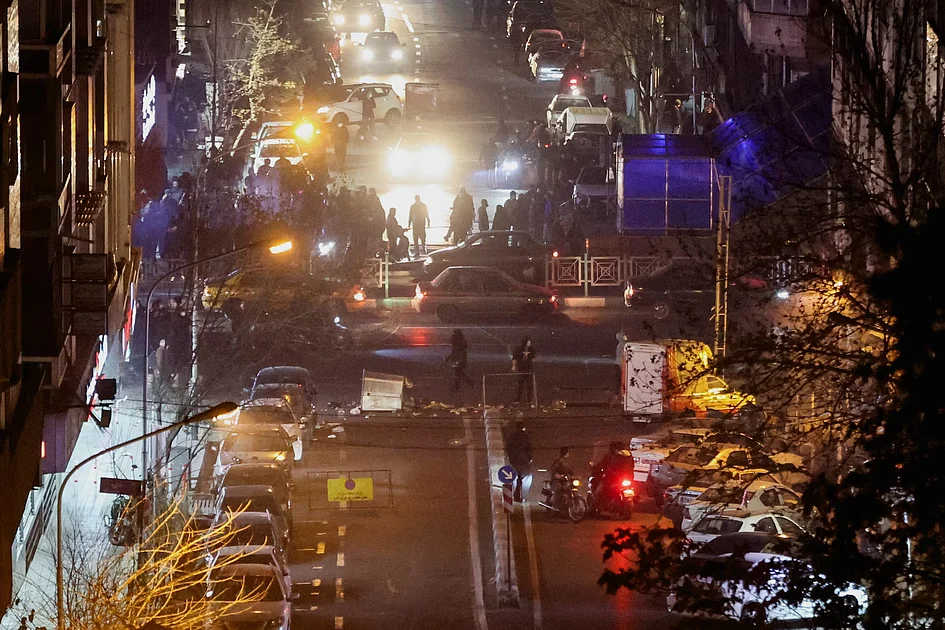
    In a significant diplomatic move reflecting escalating regional tensions, Portugal has announced the temporary closure of its embassy in Tehran. The Portuguese Ministry of Foreign Affairs issued an official statement on Thursday, January 15, 2026, citing a “context of tension” as the primary reason for this decisive action.

    The government has concurrently issued a travel advisory strongly recommending that Portuguese nationals avoid all travel to Iranian territory. This precautionary measure comes amidst growing international concerns about stability in the region.

    According to the ministry’s disclosure, eight Portuguese citizens have already been evacuated from Iran, with additional nationals making preparations to depart. However, the statement also noted that ten other passport holders, including seven dual nationals, have chosen to remain in the country despite the advisory.

    This embassy closure, finalized on Wednesday, follows diplomatic protests lodged by Lisbon. Just a day prior, the Portuguese government had summoned Iran’s ambassador to express formal condemnation against what it described as the “violent repression of demonstrations” against the Tehran regime. During this diplomatic confrontation, Portuguese officials urged Iranian authorities to respect the fundamental rights of its citizens.

    Further amplifying Portugal’s stance, Foreign Minister Paulo Rangel utilized social media platform X to declare the nation’s readiness to support and join any European Union initiative to strengthen sanctions against Iran. This position aligns Portugal with potential coordinated international action aimed at pressuring the Iranian government.

  • Song banned from Swedish charts for being AI creation

    Song banned from Swedish charts for being AI creation

    Sweden’s music industry has drawn a definitive line in the digital sand by banning an artificially generated folk-pop ballad from its official charts, despite the track achieving unprecedented streaming success. The controversial song, titled “I Know, You’re Not Mine – Jag vet, du är inte min,” had rapidly ascended to become Sweden’s most-streamed song of 2026 with over five million Spotify plays before facing exclusion.

    The melancholic composition, featuring haunting vocals and acoustic guitar melodies, tells a poignant story of lost love and broken promises through lyrics such as “Your steps in the night, I hear them go” and “Now I know you are not mine, your promises came to nothing.” The artist credited as ‘Jacub’ was revealed to be a digital creation after investigative journalists discovered the absence of social media presence, media appearances, or tour dates.

    Further investigation by journalist Emanuel Karlsten uncovered that the song was registered to executives connected to Stellar Music, a Danish music publishing and marketing firm, with two individuals specifically working in the company’s AI department. The production team, identifying themselves as ‘Team Jacub,’ defended their creative process in a detailed statement, emphasizing that experienced music creators had invested substantial time, emotions, and financial resources into the project.

    Team Jacub characterized AI as merely “a tool” or “assisting instrument” within a “human-controlled creative process,” arguing that the five million streams demonstrated the song’s “long-term artistic value.” When questioned about Jacub’s reality, they responded philosophically: “That depends on how you define the term. Jacub is an artistic project developed and carried by a team of human songwriters, producers, and creators. The feelings, stories, and experiences in the music are real, because they come from real people.

    IFPI Sweden, the country’s music industry organization, remained unimpressed by these explanations. Ludvig Werner, head of IFPI, stated unequivocally: “Our rule is that if it is a song that is mainly AI-generated, it does not have the right to be on the top list.” This stance positions Sweden at the forefront of the AI music regulation debate, even as the country establishes itself as a global laboratory for the AI economy.

    The Swedish approach contrasts sharply with international organizations like Billboard, which considers AI-generated tracks eligible for its specialty charts based on commercial performance metrics alone. Meanwhile, platforms like Bandcamp have implemented even stricter prohibitions against music “generated wholly or in substantial part by AI.”

    This controversy emerges against a backdrop of significant industry developments, including the September launch of a pioneering licensing system by Sweden’s music rights society STIM, described as “the world’s first collective AI licence.” The system allows tech companies to legally train AI models on copyrighted works in exchange for royalty payments, attempting to balance innovation with creator protection.

    As AI-generated music projects toward a billion-pound industry in coming years, the Jacub case illustrates the ongoing tension between technological advancement and traditional creative values, suggesting that for now, human musicians still ultimately control the narrative in music’s evolving digital landscape.

  • India court rules against Tiger Global in 2018 Walmart deal tax case

    India court rules against Tiger Global in 2018 Walmart deal tax case

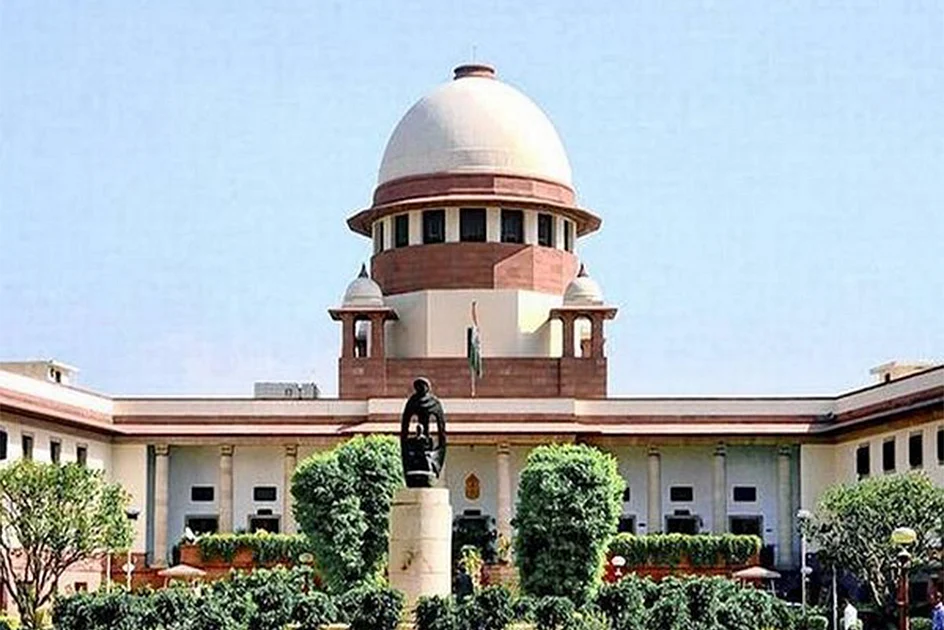
    In a significant escalation of geopolitical tensions, the United States and Israel have simultaneously taken decisive military and economic actions targeting Iranian leadership and Lebanese militant groups. The Biden administration has formally imposed stringent sanctions on senior Iranian officials directly implicated in the violent suppression of civilian protests. Concurrently, the Israeli Defense Forces (IDF) launched precision airstrikes against multiple Hezbollah operational sites across southern Lebanon, citing imminent security threats.

    The U.S. Treasury Department’s sanctions specifically target high-ranking members of Iran’s security apparatus and morality police, freezing their U.S. assets and prohibiting American entities from engaging with them financially. This move represents Washington’s strongest response yet to Tehran’s harsh crackdown on widespread demonstrations triggered by Mahsa Amini’s death in custody.

    Meanwhile, the IDF confirmed conducting ‘preemptive defensive operations’ against Hezbollah’s military infrastructure near the Lebanese-Israeli border. Military analysts indicate these strikes targeted weapons depots and observation posts believed to be preparing for cross-border attacks. The strikes mark the most serious escalation along Israel’s northern frontier since the 2006 Lebanon War, raising concerns about potential regional conflict expansion.

    Both actions reflect deteriorating security dynamics in the Middle East, with Western powers increasingly taking direct measures against Iranian influence operations and proxy networks. The coordinated timing suggests possible intelligence sharing between allied nations, though officials from both countries maintain the operations were independently justified based on immediate threat assessments.

  • Morocco celebrates Afcon win: ‘Today is about couscous not jollof’

    Morocco celebrates Afcon win: ‘Today is about couscous not jollof’

    Morocco erupted in a night of unbridled jubilation following the national football team’s decisive victory over Nigeria, securing their place in the highly anticipated Africa Cup of Nations (AFCON) final. The triumph of the Atlas Lions, as the team is affectionately known, transformed city streets into vibrant seas of red and green, with ecstatic fans chanting, dancing, and sharing in a collective national pride that lasted well into the night.

    The semi-final match, a tense and closely watched contest, culminated in a celebration that transcended mere sport. The win is seen not just as an athletic achievement but as a moment of profound national unity. In a lighthearted nod to the continent’s friendly culinary rivalries, the phrase ‘Today is about couscous not jollof’ trended, symbolizing Morocco’s ascendancy over West African competitors and highlighting the cultural dimensions intertwined with the tournament.

    This victory marks a significant milestone for Moroccan football, positioning the team for a potential continental championship. The atmosphere across the country is one of immense optimism and anticipation as the nation now turns its focus to the final match, where the Atlas Lions will compete for the coveted title.

  • General tapped to lead US operations in Latin America grilled over presence in region

    General tapped to lead US operations in Latin America grilled over presence in region

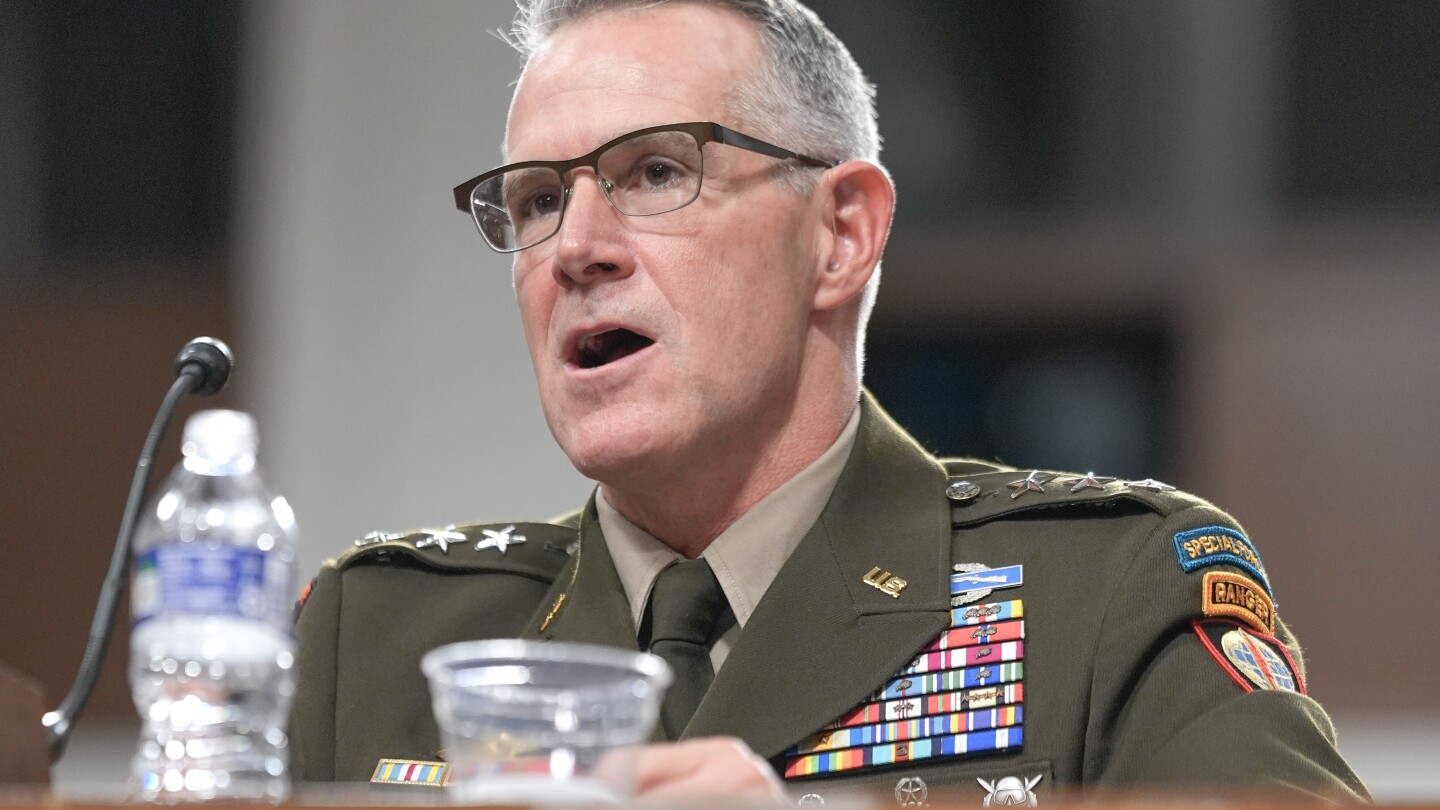
    During his Senate confirmation hearing on Thursday, Lieutenant General Francis Donovan, the nominee to lead U.S. Southern Command, expressed readiness to oversee expanded military operations in Latin America while acknowledging significant uncertainties about the mission’s duration and strategic objectives. The hearing before the Senate Armed Services Committee revealed substantial questions about the Trump administration’s long-term plans for the region.

    If confirmed, Donovan would assume command of U.S. military operations across Latin America, replacing Navy Admiral Alvin Holsey who retired amid controversy over deadly strikes against alleged drug smuggling vessels. This military expansion represents one of the most substantial U.S. deployments in the region in generations, culminating in the recent deposition and apprehension of Venezuelan leader Nicolás Maduro.

    Lawmakers from both parties pressed Donovan for specifics about the administration’s strategic vision. Senator Angus King (I-Maine) expressed astonishment when Donovan admitted he lacked details about why substantial military assets remained deployed throughout the region. ‘So you don’t know what the plan is now? You don’t know why all those ships and aircraft and soldiers are there?’ King inquired. Donovan attributed his limited knowledge to his current position as vice commander of U.S. Special Operations Command, which excludes him from regional military planning.

    Despite this uncertainty, Donovan acknowledged that the renewed focus on Latin America would fundamentally transform Southern Command’s operations. When asked by Senator Mark Kelly (D-Arizona) whether the command would operate significantly differently due to this strategic pivot, Donovan responded affirmatively.

    The hearing also addressed concerns about international law violations stemming from the administration’s boat strike policies and featured questioning of Lieutenant General Joshua Rudd, nominee to lead the National Security Agency. Senator Elissa Slotkin (D-Michigan) raised alarms about potential political targeting of Americans through surveillance capabilities, to which Rudd committed to operating within constitutional and legal boundaries. Both nominations are expected to receive approval despite these concerns.

  • Tanzania president remorseful over internet shutdown on election day

    Tanzania president remorseful over internet shutdown on election day

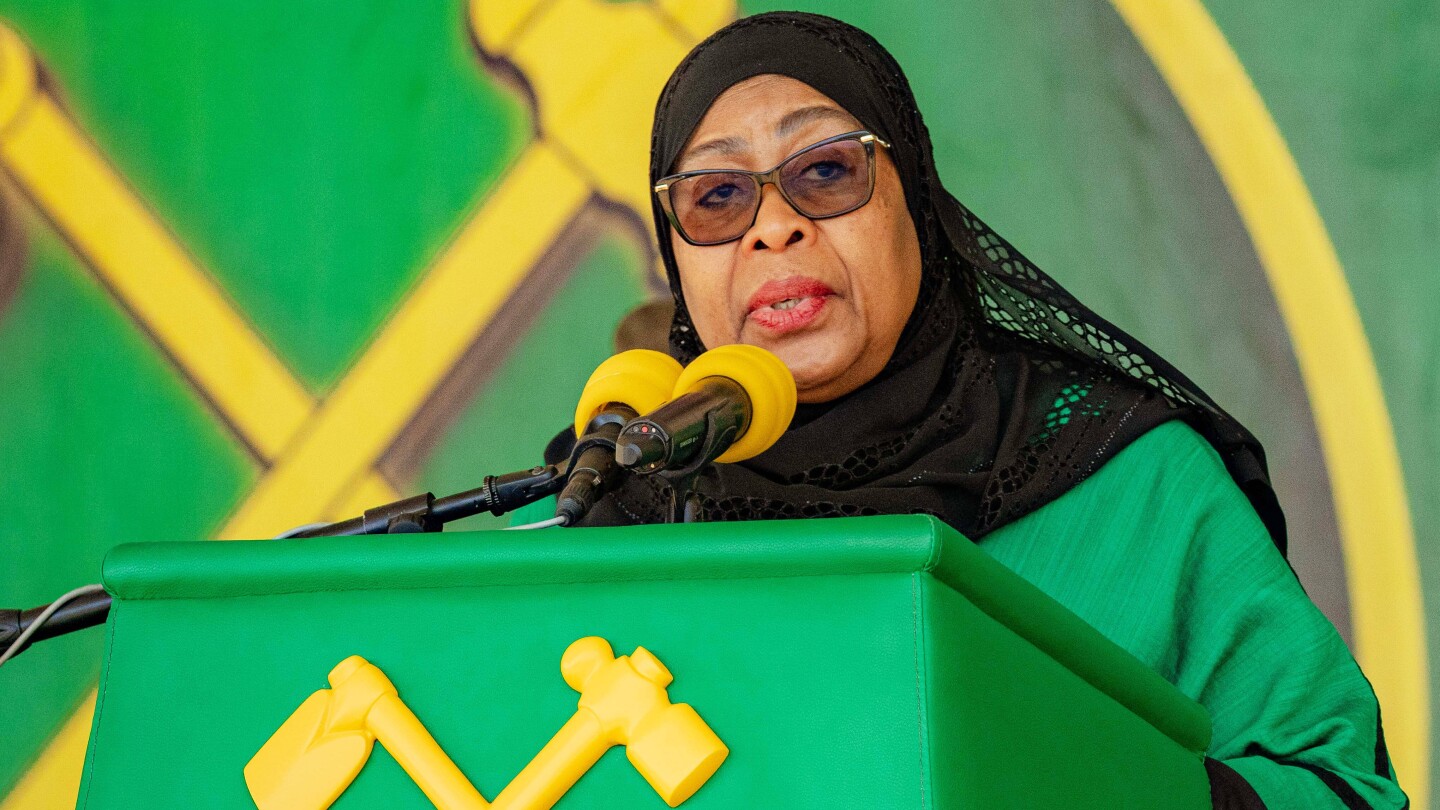
    In an unprecedented address to the diplomatic community, Tanzanian President Samia Suluhu Hassan has broken her silence regarding the controversial internet blackout and violent unrest that followed the country’s October elections. Speaking before ambassadors, high commissioners, and international organization representatives in the capital city of Dodoma on Thursday, Hassan extended formal apologies for the six-day digital shutdown and service disruptions that coincided with the nation’s most severe post-election turmoil in decades.

    The President expressed particular sympathy toward foreign nationals and diplomatic personnel affected by the government’s drastic measures, which included a complete internet blackout and widespread service restrictions. While defending these actions as necessary for preserving constitutional order and citizen protection, Hassan simultaneously pledged enhanced vigilance to prevent recurrence of such disruptive events.

    This diplomatic outreach follows an election that international observers have widely criticized for failing to meet democratic standards. Hassan secured victory with an overwhelming 97% of votes after authorities barred candidates from the two primary opposition parties from participation. The country’s main opposition leader remains incarcerated on treason charges.

    The post-election period witnessed significant violence beginning on election day and continuing for several days amid heavy police crackdowns. According to human rights organizations, these clashes resulted in hundreds of fatalities and substantial property damage worth millions of Tanzanian shillings. In a controversial attribution, President Hassan blamed foreign elements for instigating the violence while simultaneously pardoning hundreds of arrested youths whom she claimed acted under peer pressure.

    In response to the crisis, Tanzania has established an official commission of inquiry to investigate the violence that disrupted the nation’s decades-long record of relative political stability.