作者: admin

  • At Saudi’s Six Flags, world’s tallest roller coaster travels length of 5 Burj Khalifas

    At Saudi’s Six Flags, world’s tallest roller coaster travels length of 5 Burj Khalifas

    The United States and Israel have initiated significant military and economic actions targeting Iranian interests and its regional proxies. In a decisive move, the U.S. Treasury Department has imposed comprehensive sanctions on a cohort of senior Iranian leaders directly implicated in the violent suppression of domestic protests. This sanctions package targets key figures within Iran’s security apparatus and morality police, freezing U.S.-based assets and prohibiting American entities from engaging in any transactions with them.

    Concurrently, the Israeli Defense Forces (IDF) launched precision airstrikes against multiple Hezbollah operational sites across southern Lebanon. Military officials confirmed the strikes targeted weapons depots, observation posts, and command centers belonging to the Iran-backed militant group. This military action is described as a direct response to recent cross-border provocations and attempted infiltrations, underscoring the escalating tensions along the Israel-Lebanon frontier.

    The dual developments highlight a concerted effort to challenge Iranian influence on multiple fronts. The U.S. sanctions aim to impose tangible costs on Tehran for its human rights abuses, while Israel’s military strikes seek to degrade the capabilities of Hezbollah, Iran’s primary proxy force in the region. These actions occur amidst stalled negotiations to revive the 2015 nuclear agreement, signaling a potential shift towards a more confrontational approach by the Western and Israeli alliance.

  • South Korea’s impeached leader faces first of several verdicts. Here’s what you need to know

    South Korea’s impeached leader faces first of several verdicts. Here’s what you need to know

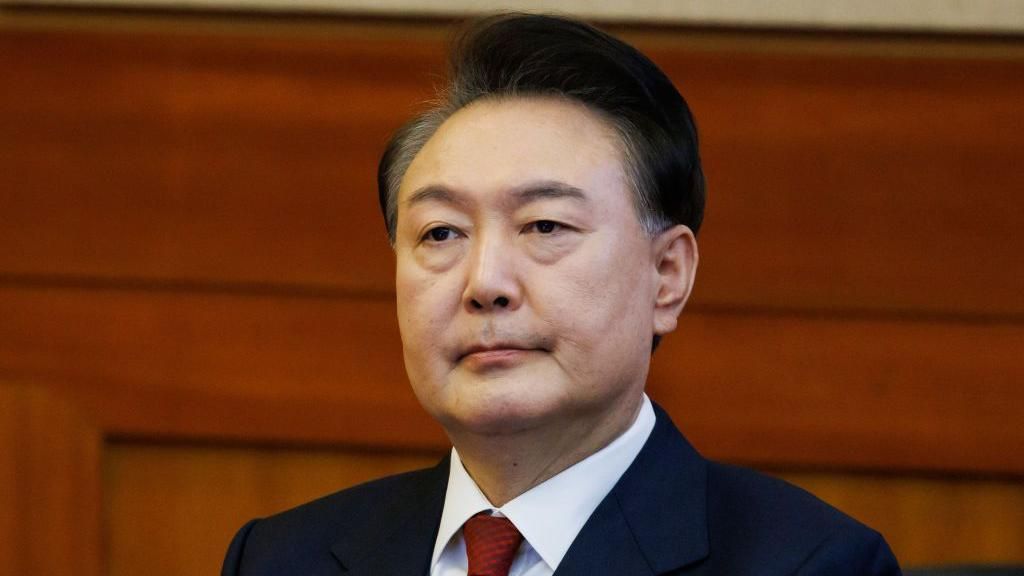
    South Korea’s former President Yoon Suk Yeol awaits a landmark judicial ruling on Friday regarding his controversial 2024 martial law declaration that plunged the nation into political crisis. The embattled ex-leader faces eight distinct charges including insurrection, abuse of power, and campaign law violations in what legal experts describe as one of the most consequential trials in modern Korean history.

    Prosecutors have presented a case alleging Yoon systematically attempted to subvert constitutional order by declaring martial law without legitimate justification. Central to the allegations is his mobilization of military and police forces to blockade the National Assembly compound, preventing lawmakers from challenging his decree, and his authorization of arrests targeting political opponents including the Assembly speaker and party leaders.

    While Yoon initially justified his actions as necessary to counter pro-North Korean elements, evidence suggests the move was primarily motivated by mounting political vulnerabilities. The prosecution has sought capital punishment, characterizing Yoon as remorseless and noting the severity of his actions exceeded even the 1979 military coup led by former dictators Chun Doo-hwan and Roh Tae-woo.

    Legal analysts anticipate a life imprisonment sentence rather than execution, considering both the political implications of martyrdom and South Korea’s 27-year moratorium on capital punishments. Additional charges include obstruction of justice for evading arrest with unprecedented security barricades, abuse of power for bypassing cabinet procedures, and document falsification.

    A separate trial examines allegations that Yoon attempted to provoke military conflict with North Korea through unauthorized drone incursions, potentially to justify his martial law declaration. Former intelligence chief Yeo In-hyung and ex-defense minister Kim Yong-hyun face related indictments.

    Despite the gravity of charges, some experts predict eventual presidential pardon based on Korea’s political traditions, though any sentence would serve as symbolic condemnation of constitutional violations. The proceedings have exposed deep societal divisions, with both supporters and opponents regularly demonstrating outside courtrooms.

  • Israeli military strikes Hezbollah targets in several areas in Lebanon

    Israeli military strikes Hezbollah targets in several areas in Lebanon

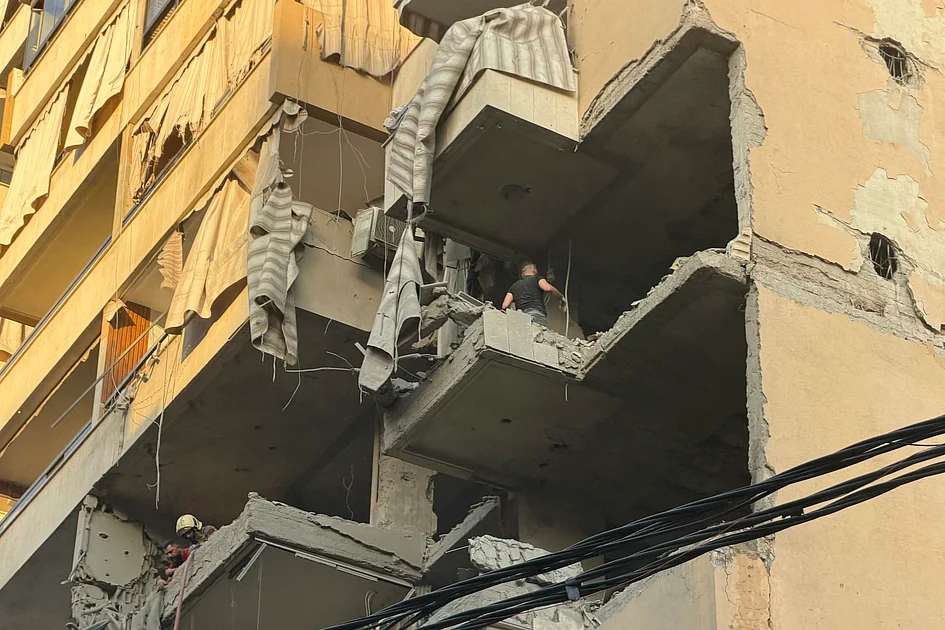
    The Israeli Defense Forces launched targeted operations against Hezbollah positions across multiple locations in southern Lebanon on Thursday, January 15, 2026, marking a significant escalation in regional tensions despite an existing ceasefire arrangement. The military actions were preceded by formal evacuation warnings issued to residents of Sohmor village through official channels, including social media announcements from Colonel Avichay Adraee, the military’s Arabic-language spokesperson.

    The strategic strikes targeted what Israeli authorities described as ‘terrorist military infrastructure’ allegedly being reconstructed by Hezbollah in violation of the November 2024 ceasefire terms. This development comes precisely one week after Lebanese military forces reported completing the initial phase of disarming Hezbollah operations south of the Litani River, a claim that Israeli officials have publicly dismissed as inadequate.

    Prime Minister Benjamin Netanyahu’s administration reiterated its firm position that the ceasefire agreement explicitly requires complete disarmament of Hezbollah forces. The ongoing military operations demonstrate Israel’s continued commitment to unilateral action when deemed necessary for national security purposes, regardless of diplomatic arrangements.

    According to Lebanon’s National News Agency, the region has experienced intensified violence in recent days, with reports of ‘violent Israeli strikes’ affecting multiple southern towns including Jezzine, Mahmudiyeh, Al-Dimasqiyeh, and Al-Bureij, where over ten separate strikes were recorded just days prior to Thursday’s operations. The persistent hostilities suggest a deteriorating security situation along the Lebanon-Israel border despite theoretical peace agreements.

  • Public pay their respects to Cubans killed in Venezuela during US raid

    Public pay their respects to Cubans killed in Venezuela during US raid

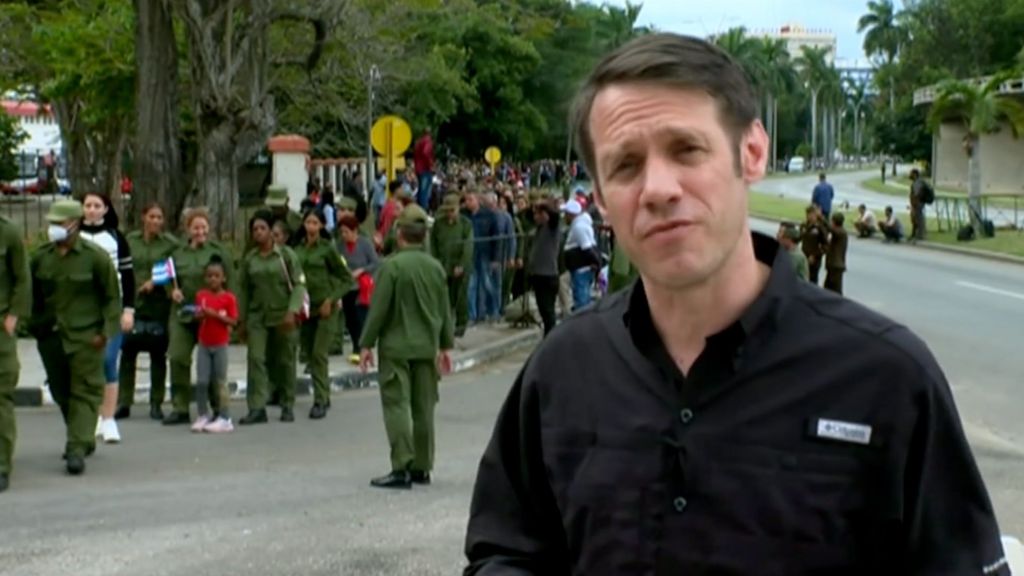
    The streets of Havana witnessed a profound display of collective mourning as citizens gathered to honor the memory of their compatriots killed during a recent cross-border security operation in Venezuela. The incident, which involved a US-led raid, has sparked significant emotional outpouring and diplomatic tensions. In the Cuban capital, residents formed solemn processions, demonstrating a powerful sense of national solidarity. The fatalities, reported to be Cuban nationals, occurred during a contentious military action on Venezuelan soil, further complicating the already strained relations between Havana and Washington. This public demonstration serves not only as a memorial but also as a silent protest against foreign intervention, highlighting the deep-seated grievances and the human cost of international geopolitical conflicts. Local authorities observed the gatherings, which remained peaceful yet charged with emotion, reflecting the community’s call for justice and sovereignty.

  • Dubai: Persian restaurant Anar reopens with a fresh take at Souk Madinat

    Dubai: Persian restaurant Anar reopens with a fresh take at Souk Madinat

    Dubai’s culinary landscape welcomes the revitalized return of Anar, a distinguished Persian dining establishment that has unveiled its reimagined presence at Souk Madinat Jumeirah. This reopening marks a significant evolution for one of the city’s most cherished culinary destinations, blending traditional Persian heritage with modern aesthetic sensibilities.

    The restaurant’s transformation extends beyond mere renovation, presenting a thoughtfully curated atmosphere that harmonizes traditional elements with contemporary design. Architectural features include clay-washed walls, artisanal hand-textured plaster finishes, distressed dark wood accents, and glazed tiles inspired by classical Persian courtyard designs. This carefully crafted environment creates an intimate, timeless ambiance suitable for extended dining experiences from afternoon through evening.

    Culinary philosophy centers on the ‘Neo Persian Soul’ concept, which reinterprets centuries-old Persian gastronomic traditions through a refined, modern lens. The menu presents an array of authentic dishes including soulful stews, saffron-infused creations, and charcoal-grilled specialties. Signature offerings feature Kebab Kubideh, Ghormeh Sabzi, Joojeh Masti, slow-braised Gardan, and the refreshing Faloodeh dessert—all maintaining traditional flavors while embracing contemporary presentation techniques.

    Notable additions include an entirely new courtyard bar concept, designed as an alfresco space for sunset beverages and evening social gatherings beneath the open sky. The restaurant further enhances its cultural offering through the Anar Bazaar, featuring curated artisanal pieces crafted by Persian artisans, allowing guests to acquire tangible memories of their dining experience.

    Strategically positioned along Souk Madinat’s tranquil waterways, the establishment offers uninterrupted views of the iconic Burj Al Arab, complementing its sophisticated culinary journey with one of Dubai’s most picturesque settings.

  • Social media sites block 4.7 million underage accounts in Australia

    Social media sites block 4.7 million underage accounts in Australia

    In a groundbreaking enforcement of digital age restrictions, Australian regulatory authorities have revealed that technology giants have disabled approximately 4.7 million accounts belonging to underage users. This massive account removal initiative comes as a direct result of Australia’s pioneering legislation mandating social media platforms to prevent users under 16 from maintaining accounts, which took effect on December 10 last year.

    The country’s online safety watchdog, led by eSafety Commissioner Julie Inman Grant, reported that initial compliance data demonstrates substantial action from major platforms including Meta, TikTok, and YouTube. “Our regulatory guidance and ongoing engagement with platforms are already yielding significant outcomes,” Commissioner Inman Grant stated, highlighting the proactive measures taken by these companies.

    Meta, the parent company of Facebook, Instagram, and Threads, disclosed specific figures showing the removal of 331,000 underage accounts from Instagram, 173,000 from Facebook, and 40,000 from Threads during the critical implementation week ending December 11. Despite this compliance, Meta has reiterated its position that app stores should bear responsibility for age verification and obtaining parental consent before minors can download applications, arguing this approach would prevent a perpetual “whack-a-mole” scenario where teenagers migrate to alternative platforms to circumvent restrictions.

    The regulatory framework imposes severe financial penalties for non-compliance, with companies facing fines of up to AU$49.5 million (approximately US$33 million) if they fail to implement “reasonable steps” to adhere to the age restrictions. The eSafety Commission acknowledges that accurate age verification presents technical challenges but maintains expectations for continuous improvement in platform performance.

    Commissioner Inman Grant emphasized that while complete compliance assessment remains premature, early indicators are encouraging. She noted that some determined minors might find creative ways to maintain social media presence, but compared the situation to other safety regulations where success is measured through harm reduction and cultural norm transformation rather than perfect enforcement.

    The implementation has triggered interesting market dynamics, with lesser-known platforms like BlueSky and Lemon8 experiencing download surges ahead of the ban’s effective date. However, these platforms have recognized their obligation under the legislation and are cooperating with Australian regulators. The eSafety Commission acknowledges the practical challenges of regulating an evolving digital landscape with countless services but confirms its compliance focus will prioritize platforms with the highest Australian user concentrations.

  • Aid workers cleared of human trafficking charges in Greece

    Aid workers cleared of human trafficking charges in Greece

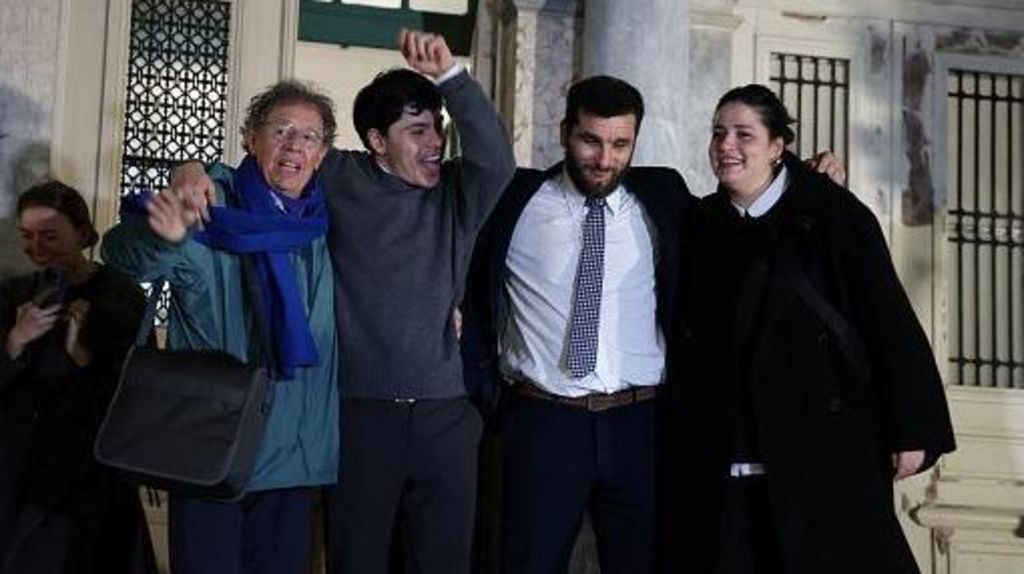
    In a landmark ruling with profound implications for humanitarian work across Europe, a Greek court has fully exonerated 24 volunteer aid workers who faced severe criminal charges for rescuing migrants at sea. The defendants, including prominent figures Sarah Mardini and Sean Binder, were cleared of all remaining accusations after a protracted legal battle spanning nearly seven years.

    The case originated in 2018 when Greek authorities arrested volunteers from Emergency Response Centre International (ERCI), a non-governmental organization operating on Lesbos during the peak of Europe’s migration crisis. Between 2015-2018, ERCI volunteers conducted search and rescue operations for asylum seekers crossing the treacherous waters between Turkey and Greece, saving countless lives during a period when hundreds of thousands attempted the dangerous passage.

    The defendants faced an array of serious charges including human trafficking, facilitating illegal entry, money laundering, and membership in a criminal organization—offenses carrying potential prison sentences of up to 20 years. While espionage charges were dismissed in 2023, the remaining accusations proceeded to trial last month, drawing international condemnation from human rights organizations.

    Presiding Judge Vassilis Papathanassiou delivered the decisive verdict on Thursday, stating that all defendants were acquitted because their actions were clearly intended ‘not to commit criminal acts but to provide humanitarian aid.’ The judgment emphasized that ‘waiting to rescue a human life cannot be considered facilitation of illegal entry,’ and that an online communication group cannot be classified as a criminal organization.

    The prosecution itself had recommended acquittal, with prosecutor Dimitris Smyrnis acknowledging that ‘no independent basis establishing the criminal liability of the defendants has been demonstrated.’ Testimony during the trial revealed that while volunteers used encrypted messaging services to coordinate rescues, they also maintained cooperation with Greek coast guard authorities.

    Defense lawyer Zacharias Kesses expressed frustration that ‘it took 2,889 days for the prosecutor to realise that the accusation made no sense whatsoever.’ Sean Binder, who endured three months of pre-trial detention, described mixed emotions of ‘relief and anger cocktail, equally balanced,’ noting how the seven-year legal limbo had derailed his career and personal life.

    Human rights advocates hailed the decision as a critical victory. Eve Geddie of Amnesty International stated: ‘We hope today’s decision sends a strong signal to Greece and other European countries that solidarity, compassion and defending human rights should be protected and celebrated, not punished.’

    The case has been widely viewed as a test of Europe’s approach to humanitarian assistance amid ongoing migration challenges, with implications for volunteer rescuers across the continent.

  • Trump aims to keep everyone guessing over Iran action

    Trump aims to keep everyone guessing over Iran action

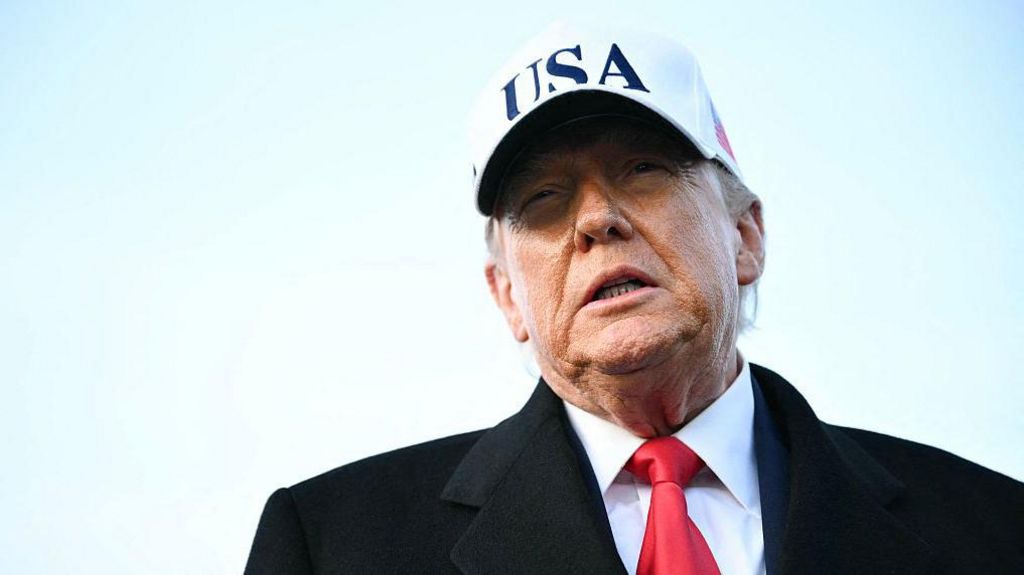
    A tense two-week period of escalating rhetoric between Washington and Tehran appears to have momentarily de-escalated following an unexpected presidential announcement. President Donald Trump, who had previously issued stark warnings to Iranian authorities regarding their treatment of protesters, declared on Wednesday that credible sources indicated a cessation of violence and planned executions within Iran.

    The situation had been building toward potential military confrontation since January 2nd, when Trump first threatened to intervene on behalf of Iranian protesters. Throughout the following days, the administration’s language grew increasingly confrontational, culminating with Trump’s Tuesday declaration that the United States would take “very strong action” if Iran carried out executions of detained demonstrators.

    Military indicators had suggested impending action: personnel at Al-Udeid air base in Qatar were being relocated, embassy staff in Saudi Arabia received vigilance alerts, and reports emerged of airspace closures and flight cancellations. These movements echoed similar patterns observed before previous strikes on Iranian nuclear facilities.

    However, the trajectory shifted dramatically during a White House press briefing when Trump revealed he had received assurances from “very important sources on the other side” that killings had stopped and no executions were planned. The president characterized these as “very good statements” from informed sources, though he provided no specific details about their origins or credibility.

    The apparent pause in hostilities comes amid significant caution from multiple quarters. Gregory Meeks, ranking Democrat on the House Foreign Affairs Committee, warned that military intervention could backfire by discrediting the organic protest movement and strengthening regime narratives. Gulf allies including Saudi Arabia, Qatar, and Oman have expressed reservations about potential regional destabilization—concerns grounded in historical experience with Iranian retaliation.

    Tehran has demonstrated both capability and willingness to respond to external pressure, as evidenced by the 2019 attack on Saudi oil facilities and last year’s missile strike on Al-Udeid base following U.S. actions against nuclear sites. These regional powers fear that significant U.S. military action could trigger widespread instability despite their efforts to improve relations with Iran.

    Analysts suggest Trump’s approach reflects his preference for dramatic gestures and unpredictable statecraft. Andrew Miller, former deputy assistant secretary of state, notes the president’s attraction to “evocative news stories, the use of raw power, and minimal casualties.” However, Miller and others caution against raising expectations without clear follow-through, particularly when protester lives hang in the balance.

    With unconfirmed reports indicating redeployment of the USS Abraham Lincoln carrier group from the South China Sea, the administration appears to be maintaining military options even as diplomatic channels show tentative signs of progress. The fundamental question of whether the United States will ultimately intervene militarily in Iran remains unanswered, leaving both allies and adversaries in a state of uncertain anticipation.

  • Brazil’s Supreme Court moves Bolsonaro to larger cell with outdoor area

    Brazil’s Supreme Court moves Bolsonaro to larger cell with outdoor area

    BRASILIA — Brazil’s Supreme Court has mandated the relocation of former President Jair Bolsonaro to significantly improved detention quarters within the Papuda Penitentiary Complex, marking a notable shift in his incarceration conditions. Justice Alexandre de Moraes issued the ruling on Thursday, transferring the far-right leader from the federal police headquarters to a spacious 54-square-meter cell featuring a 10-square-meter exterior area.

    The new facility, described as apartment-style accommodations, includes a double bed, kitchenette, laundry facilities, living area, and private outdoor space. The enhanced conditions also permit increased family visitation hours and installation of physiotherapy equipment including a treadmill and stationary bicycle. This transition responds to ongoing claims by Bolsonaro’s family regarding alleged inadequate treatment and medical neglect during his imprisonment.

    Justice de Moraes explicitly refuted these allegations in his decision, stating: ‘There has been a systematic attempt to delegitimize the regular and lawful execution of the custodial sentence, which has been carried out with full respect for human dignity.’ The justice emphasized that Bolsonaro’s conviction for ‘extremely serious crimes’ distinguished his sentence from ‘a hotel stay or vacation colony’ as allegedly characterized by the former president’s supporters.

    Notably, the court denied internet-capable smart television access, citing institutional security concerns and potential risks of improper external communication. Bolsonaro will instead receive medical services from an on-site health post staffed by dedicated medical professionals including physicians, nurses, and mental health specialists.

    The former president is serving a 27-year sentence for leading an armed criminal organization and orchestrating attempts to overthrow Brazil’s democratic institutions following his 2022 electoral defeat. Court documents reveal the plot included assassination plans targeting President Luiz Inácio Lula da Silva, Vice President Geraldo Alckmin, and Justice de Moraes himself, alongside incitement of insurrection.

    Bolsonaro’s legal team continues pursuing house arrest based on medical grounds, citing multiple hospitalizations since his 2018 campaign stabbing and recent head injury from a fall. The Supreme Court confirmed the transfer had been executed following the ruling.

  • Paid parking begins in Discovery Gardens; monthly membership fee costs Dh945

    Paid parking begins in Discovery Gardens; monthly membership fee costs Dh945

    In a significant escalation of international pressure, the United States and Israel have undertaken parallel military and economic actions targeting Iranian and Lebanese militant interests. The U.S. Treasury Department announced a new sanctions package directed at senior Iranian officials implicated in the violent suppression of domestic protests. Concurrently, the Israeli Defense Forces (IDF) launched targeted airstrikes against Hezbollah operational sites across multiple regions in southern Lebanon.

    The U.S. sanctions specifically name commanders within Iran’s Islamic Revolutionary Guard Corps (IRGC) and law enforcement leaders, freezing their U.S.-based assets and prohibiting American entities from engaging in any transactions with them. This move is designed to hold accountable those responsible for human rights abuses during the recent civil unrest. Secretary of State Antony Blinken stated the measures demonstrate a unwavering U.S. commitment to supporting the Iranian people’s fundamental freedoms and condemning the regime’s brutality.

    Simultaneously, the IDF reported conducting precision strikes on Hezbollah military infrastructure, including observation posts and weapon storage facilities. Israeli officials cited repeated cross-border attacks and an imminent threat from the Iran-backed group as the justification for the offensive. The strikes represent a continued effort to degrade Hezbollah’s capabilities and deter its aggression along Israel’s northern frontier. These coordinated actions underscore a deepening strategic alignment between Western diplomatic measures and Israeli military operations to counter Iranian influence in the region.