作者: admin

  • What could happen if the US strikes Iran? Here are seven scenarios

    What could happen if the US strikes Iran? Here are seven scenarios

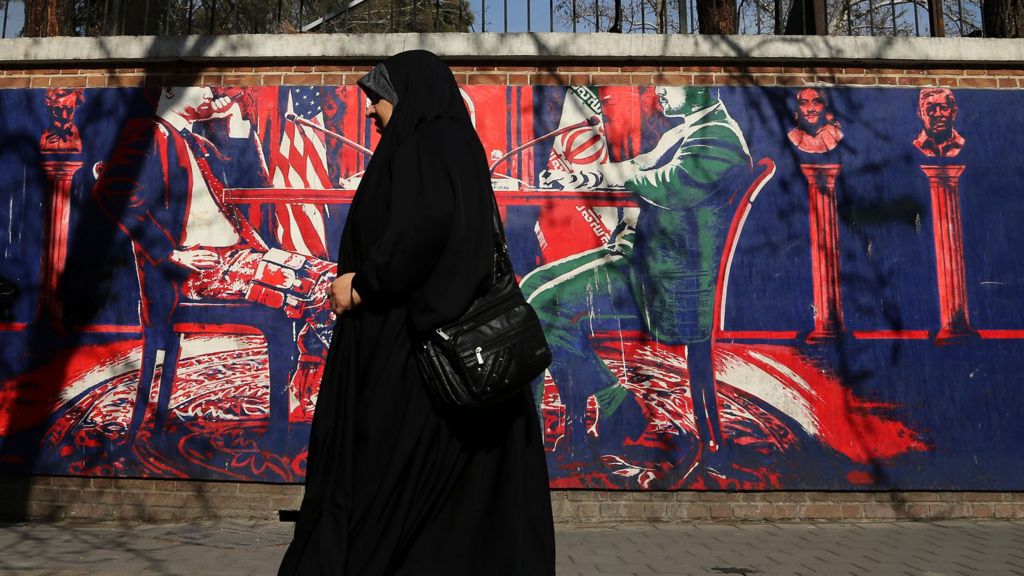
    The United States is reportedly preparing for potential military action against Iran within days, raising critical questions about possible outcomes and regional consequences. According to analysis of current geopolitical tensions, the Trump administration appears positioned to authorize targeted strikes against Iranian military infrastructure.

    Military strategists anticipate precision attacks focusing on key installations of Iran’s Islamic Revolutionary Guards Corps (IRGC) and associated Basij paramilitary units. Potential targets include ballistic missile facilities and nuclear program sites, though the ultimate political outcomes remain highly uncertain.

    Several scenarios could emerge from such military engagement. The most optimistic projection suggests the possible collapse of Iran’s already weakened regime, potentially leading to democratic transition and international reintegration. However, historical precedents in Iraq and Libya demonstrate that Western military intervention often brings chaos rather than smooth political transitions, despite removing oppressive regimes.

    An alternative ‘Venezuelan model’ scenario envisions the Islamic Republic remaining intact but compelled to moderate its policies. This would involve curtailing support for Middle Eastern militias, scaling back nuclear and missile programs, and reducing domestic suppression. Yet analysts consider this outcome unlikely given Tehran’s 47-year history of defiance and resistance to external pressure.

    The most probable outcome, according to regional experts, would see the current regime surviving through intensified repression. Iran’s extensive security apparatus has repeatedly demonstrated willingness to use unlimited force against dissent, and protest movements have historically failed to secure military defections.

    Iran has vowed severe retaliation against any U.S. attack, with officials stating their ‘finger is on the trigger.’ While outmatched by U.S. naval and air power, Iran could deploy its substantial arsenal of ballistic missiles and drones—many hidden in mountainous terrain and underground facilities—potentially targeting U.S. bases in Bahrain, Qatar, and Jordan.

    The 2019 attack on Saudi Aramco facilities, attributed to Iranian-backed militias, demonstrated Tehran’s capability to strike critical infrastructure. Gulf Arab allies remain particularly concerned about becoming collateral damage in any U.S.-Iran confrontation.

    Regional security experts highlight additional risks including possible disruption of the Strait of Hormuz, through which 20-25% of global oil exports pass. Iran has conducted mining exercises in these vital shipping lanes, and any interference could significantly impact world trade and energy markets.

    Naval warfare specialists note concerns about potential ‘swarm attacks’ using numerous drones and fast attack boats that could overwhelm even advanced U.S. naval defenses. Such scenarios, while considered unlikely, recall previous incidents like the USS Cole bombing that killed 17 sailors in 2000.

    The greatest danger identified by analysts is that military action could commence without clear objectives or exit strategy, potentially triggering widespread regional conflict, humanitarian crises, and unpredictable global repercussions as the Middle East’s most populous nation faces potential instability.
  • US appeals court says Noem’s decision to end protections for Venezuelans in US was illegal

    US appeals court says Noem’s decision to end protections for Venezuelans in US was illegal

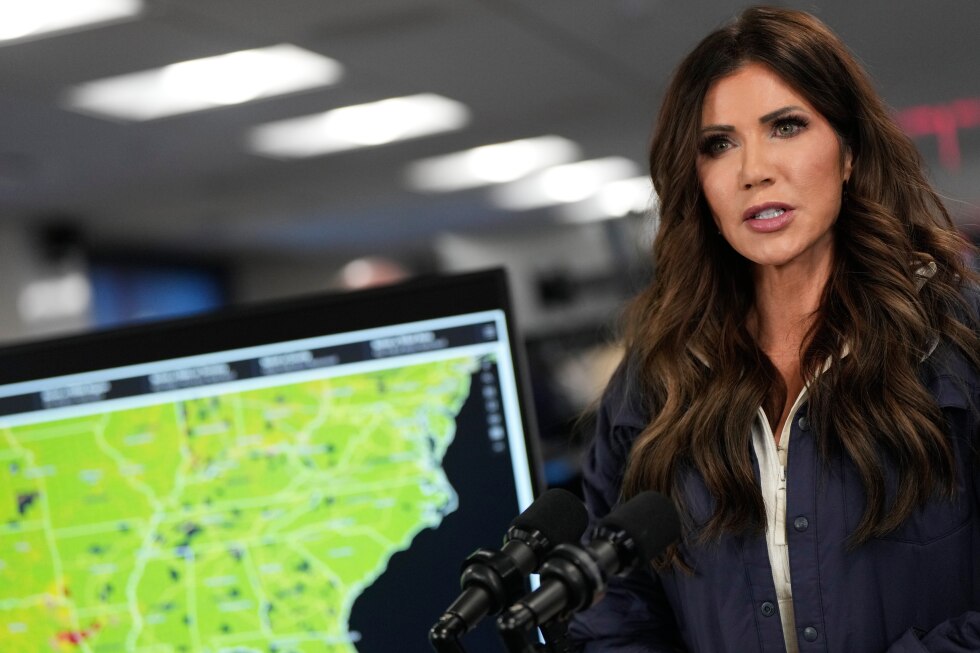
    A federal appeals court delivered a significant ruling Wednesday declaring the Trump administration’s termination of Temporary Protected Status (TPS) for Venezuelan and Haitian immigrants unlawful. The Ninth Circuit Court of Appeals determined that Homeland Security Secretary Kristi Noem exceeded her statutory authority when revoking legal protections that enabled hundreds of thousands of migrants to reside and work legally in the United States.

    The three-judge panel upheld a lower court’s finding that Noem lacked congressional authorization to vacate existing TPS designations. Judge Kim Wardlaw, writing for the panel, emphasized that TPS legislation contains “numerous procedural safeguards that ensure individuals with TPS enjoy predictability and stability during periods of extraordinary and temporary conditions in their home country.”

    Despite the landmark legal decision, practical implementation remains suspended pending a final Supreme Court ruling. The nation’s highest court previously allowed Noem’s termination decision to take effect in October while justices consider the case.

    The ruling highlighted severe consequences for affected communities, noting that “hard-working, contributing members of society” including “mothers, fathers, wives, husbands, and partners of U.S. citizens” faced deportation and detention after losing protected status. The court found substantial evidence that racial and national origin animus influenced the termination decisions, characterizing them as “preordained” with “pretextual” reasoning.

    TPS, established through the Immigration Act of 1990, grants temporary legal status to individuals fleeing countries experiencing civil strife, environmental disasters, or other extraordinary conditions. The program provides protection from deportation and work authorization but does not create a pathway to citizenship.

    The Department of Homeland Security maintained that improved conditions in Venezuela and Haiti justified the terminations, arguing the secretary possesses broad authority over TPS determinations. Government attorneys denied allegations of racial motivation behind the decisions.

  • Fears of new US-Iran conflict fuel record-breaking surge in gold price

    Fears of new US-Iran conflict fuel record-breaking surge in gold price

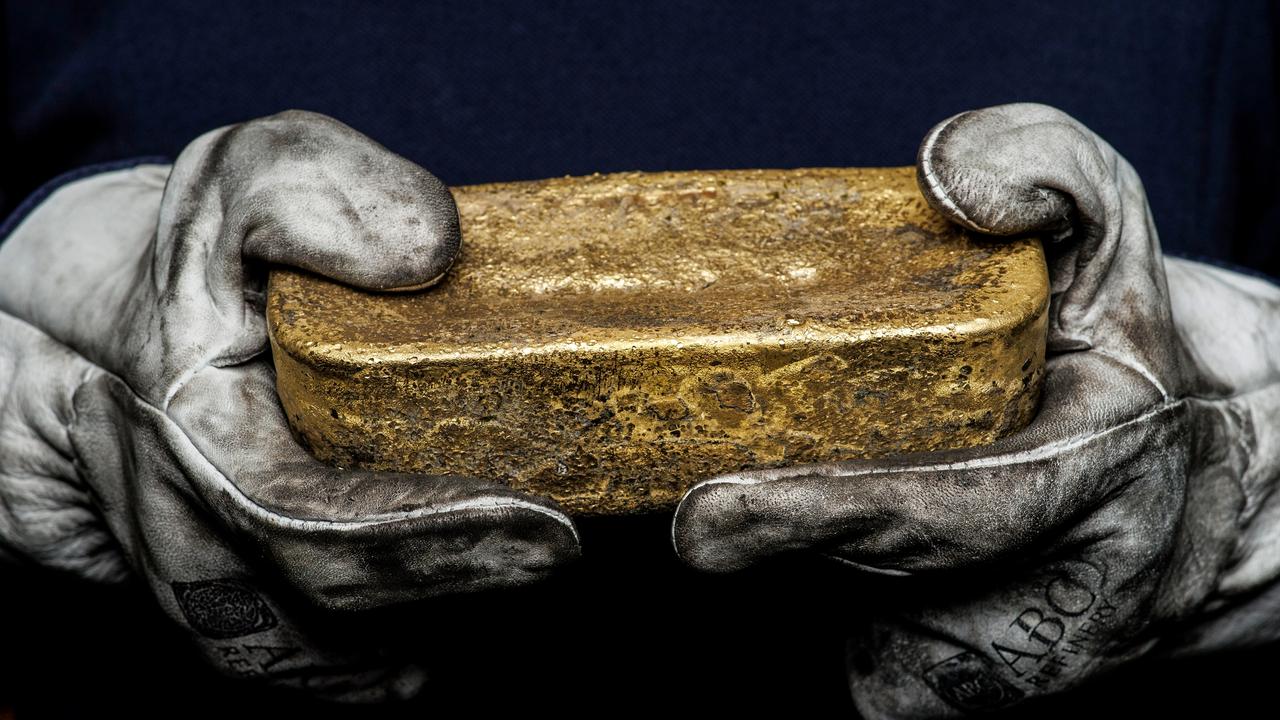
    Gold markets witnessed a historic surge on Wednesday as the precious metal shattered previous records, briefly touching an unprecedented $5,602 per ounce before settling at $5,542. This remarkable rally represents the second consecutive day of record-breaking performance, following Tuesday’s breakthrough of the $5,000 threshold.

    The dramatic price movement stems from escalating geopolitical tensions between the United States and Iran. Market analysts attribute the surge to reports that former President Trump is considering renewed military action against Iran following collapsed negotiations regarding Tehran’s nuclear program and ballistic capabilities. Trump amplified these concerns through his Truth Social platform, explicitly warning of potentially devastating consequences if Iran refuses to negotiate.

    Concurrently, monetary policy developments contributed to gold’s attractiveness. The US Federal Reserve’s decision to maintain current interest rates, combined with the US dollar hitting its weakest position in four years, created ideal conditions for gold’s ascent as a safe-haven asset.

    Investment strategist Justin Lin of GlobalX ETFs noted striking parallels between current market conditions and the 1970s gold boom, when prices exploded from $35 to $800 per ounce over a decade. While acknowledging differences in inflation volatility—particularly the absence of 1970s-level oil price shocks—Lin identified similar underlying drivers: heightened geopolitical uncertainty and declining confidence in currency stability. He characterized the current environment as reflecting a fundamental structural shift in the global order, driving sustained demand for portfolio diversification through gold ownership.

  • China executes 11 members of Myanmar-based syndicate in crackdown on scam operations

    China executes 11 members of Myanmar-based syndicate in crackdown on scam operations

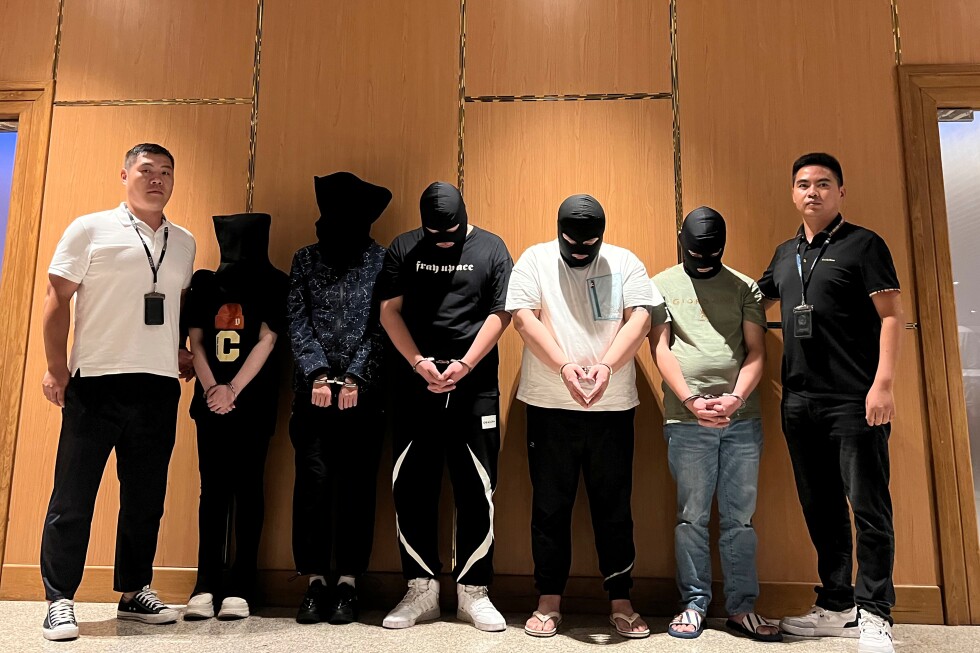
    Chinese authorities have carried out the execution of eleven individuals belonging to a transnational criminal organization based in Myanmar, marking a decisive conclusion to a major case involving extensive scam operations and multiple homicides. The Wenzhou Intermediate People’s Court confirmed the executions on Thursday, following the rejection of the defendants’ appeal in November.

    The convicted individuals, including ringleaders Ming Guoping and Ming Zhenzhen, were found guilty of operating sophisticated gambling and financial scam schemes that generated over $1 billion in illicit proceeds. The court identified Zhou Weichang, Wu Hongming, and Luao Jianzhang as key operatives within the criminal network.

    This criminal syndicate was responsible for the deaths of fourteen Chinese citizens, drawing intense scrutiny from Chinese law enforcement. The crackdown began in November 2023 when Chinese authorities coordinated with border security forces to detain the family-operated crime group.

    The case highlights the growing problem of industrial-scale scam operations throughout Southeast Asia, particularly in border regions of Myanmar, Cambodia, and Laos. These criminal enterprises employ both trafficked and voluntary labor to perpetrate digital fraud schemes targeting victims globally.

    International pressure has been mounting on regional governments to address the proliferation of cross-border criminal activities, with China, the United States, and other nations calling for coordinated action against these transnational networks.

  • Vietnam and the EU upgrade ties as Trump tariffs reshape global trade

    Vietnam and the EU upgrade ties as Trump tariffs reshape global trade

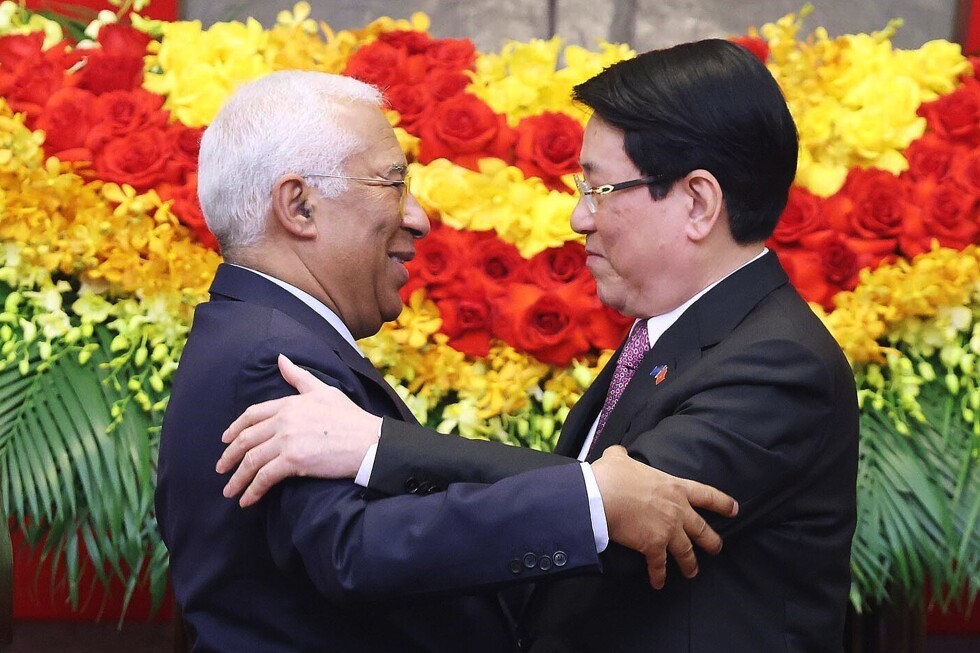
    HANOI, Vietnam — In a significant geopolitical realignment, Vietnam and the European Union formally elevated their bilateral relations to a Comprehensive Strategic Partnership on Thursday. This designation represents Vietnam’s highest tier of diplomatic engagement, placing the EU alongside major global powers including the United States, China, and Russia in terms of diplomatic priority.

    The announcement was made during an official visit to Hanoi by European Council President Antonio Costa, who emphasized the strategic importance of this strengthened alliance. “At a moment when the international rules-based order is under threat from multiple sides, we need to stand side by side as reliable and predictable partners,” Costa stated, characterizing the partnership as fundamentally about “developing spheres of shared prosperity.”

    Vietnamese President Luong Cuong hailed the diplomatic upgrade as a “historic milestone” for the Southeast Asian nation, signaling a deepened commitment to multilateral cooperation. The enhanced partnership comes as both entities seek to recalibrate their economic and trade relationships in response to ongoing disruptions in global finance and supply chains, partly driven by increasing U.S. tariff pressures.

    The agreement builds upon the foundation of the EU-Vietnam Free Trade Agreement (EVFTA) which came into force in 2020, one of the most comprehensive trade pacts between the EU and a developing country. This new strategic framework is expected to expand cooperation beyond trade into areas including security, digital innovation, climate action, and sustainable development, creating a more robust institutional framework for long-term collaboration.

  • Aussie council agrees to four day work week

    Aussie council agrees to four day work week

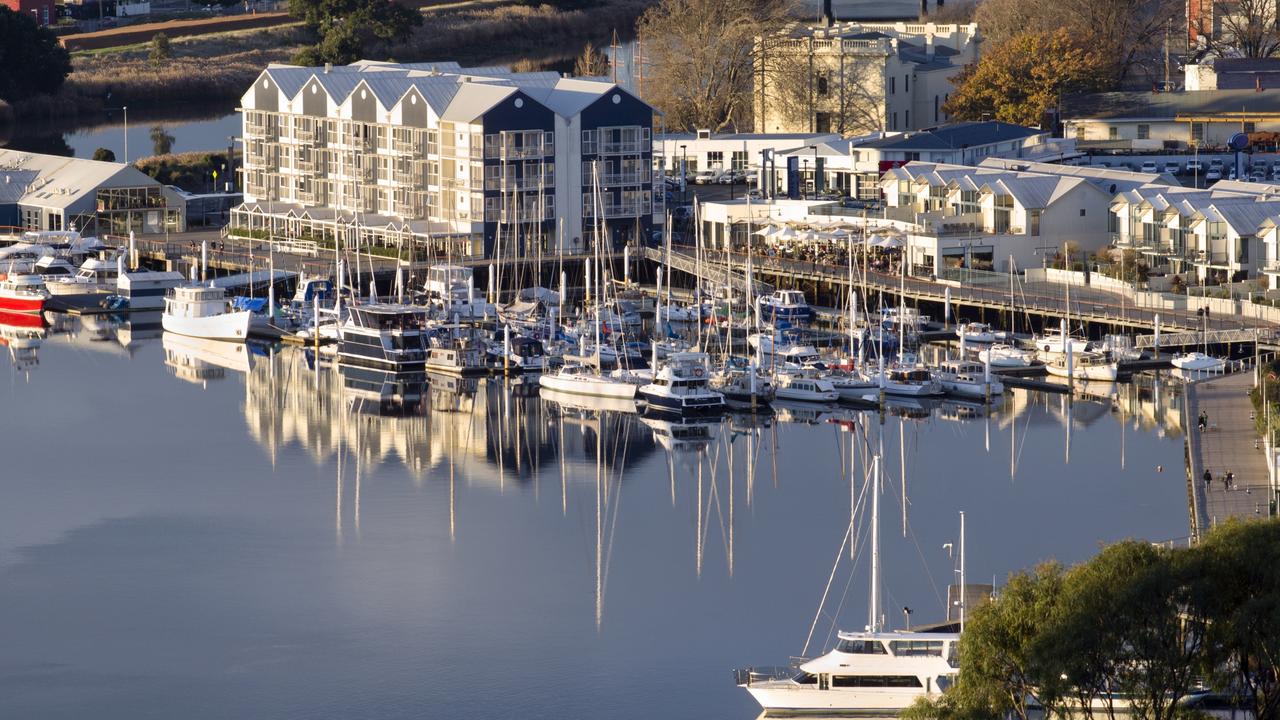
    The City of Launceston council in Tasmania has reached a provisional agreement to implement a revolutionary four-day work week for its employees while maintaining their full five-day salaries. This groundbreaking decision positions the council to become Australia’s first governmental body to adopt such a measure if approved through upcoming employee voting procedures.

    Approximately 600 eligible full-time municipal workers will participate in a decisive ballot next month to determine the fate of this pioneering enterprise agreement. Chief Executive Sam Johnson characterized the proposal as a bold advancement in contemporary workplace transformation, emphasizing its focus on employee welfare, productivity enhancement, and sustainable public service operations.

    The council administration has framed this initiative as potentially ‘game-changing’ for Australian labor standards, drawing parallels to the nation’s historic introduction of annual leave provisions a century ago. Johnson emphasized that the shortened workweek with maintained compensation would yield substantial benefits for both municipal staff and community service delivery.

    However, the proposal has encountered significant opposition from business representatives. Tasmania Chamber of Commerce and Industry CEO Michael Bailey expressed profound concerns regarding the economic implications, characterizing the arrangement as essentially a 20% reduction in working hours without corresponding salary adjustment. Bailey warned that taxpayers and local enterprises would ultimately bear the financial burden through increased rates and fees, potentially resulting in diminished service capacity for processing permits, approvals, and planning applications.

    Contrasting this perspective, Australian Services Union Tasmanian branch secretary Tash Wark reported strong membership support for the proposal, viewing it as a constructive approach to addressing recruitment and retention difficulties in the public sector. Should the agreement receive employee endorsement, it will advance to the Fair Work Commission for official ratification, with potential implementation scheduled for July 2026.

  • France backs IRGC terror designation after leak reveals Macron ‘in line’ with Trump

    France backs IRGC terror designation after leak reveals Macron ‘in line’ with Trump

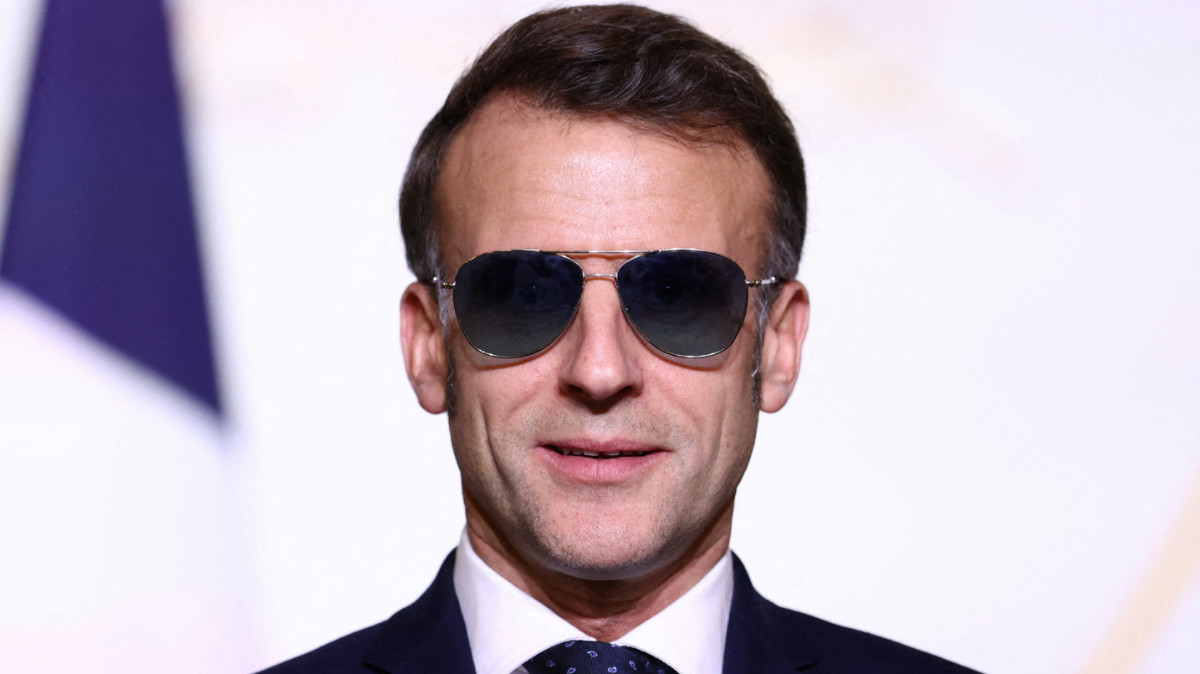
    The European Union is moving toward formally designating Iran’s Revolutionary Guard Corps (IRGC) as a terrorist organization, marking a significant policy realignment after France announced its support for the measure. French Foreign Minister Jean-Noel Barrot confirmed the position shift via social media, stating France would endorse the IRGC’s inclusion on the EU’s terrorist list.

    This development represents a notable departure from France’s traditionally independent Middle East policy, which frequently diverged from Washington’s approach. Historically, France opposed the 2003 Iraq invasion and championed the 2015 nuclear agreement, viewing it as a commercial opportunity for French energy giants including EDF, Framatome, and TotalEnergies.

    The French reversal signals strengthened alignment with United States and Israeli positions regarding Iran. This geopolitical shift was foreshadowed by leaked communications between French President Emmanuel Macron and former U.S. President Donald Trump indicating coordinated thinking on Iran policy.

    Current tensions have escalated dramatically following Trump’s social media threats of ‘precision strikes’ against Iranian officials and military infrastructure. Referencing previous operations against Iran, Trump warned that future actions would be ‘far worse’ if diplomatic demands remain unmet.

    European nations appear to be consolidating their stance alongside Washington amid growing regional instability. German Chancellor Friedrich Merz declared the Iranian government had ‘lost legitimacy’ and predicted its potential collapse within ‘a matter of weeks,’ citing the regime’s reliance on violence against protesters.

    The IRGC constitutes Iran’s elite military branch, operating separately from conventional armed forces while maintaining direct accountability to Supreme Leader Ali Khamenei. Beyond its military functions, the organization controls substantial economic interests throughout Iran.

    Regional analysts suggest that heightened pressure could potentially strengthen the IRGC’s political position. Former State Department intelligence analyst Joshua Yaphe indicated that escalated conflict might result in a ‘soft coup’ scenario where the Revolutionary Guard assumes greater governmental control.

    The United States previously designated the IRGC as a foreign terrorist organization in 2019, enabling financial sanctions against the group and its international affiliates. While Iran responded with symbolic designations against U.S. military figures, American sanctions maintain greater global impact due to the dollar’s dominance in international finance.

  • Exclusive: Inside the private Dubai party where Nigel Farage praised UAE minister

    Exclusive: Inside the private Dubai party where Nigel Farage praised UAE minister

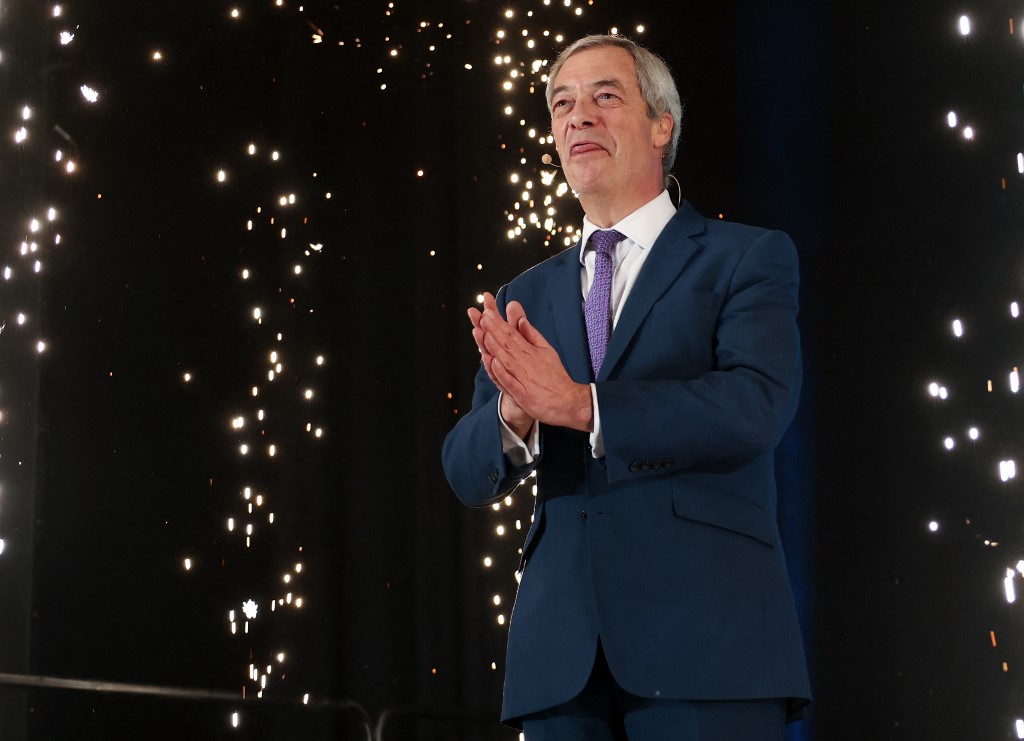
    Britain’s leading political party in recent polls, Reform UK, is actively cultivating a strategic partnership with the United Arab Emirates, a relationship that became prominently visible during leader Nigel Farage’s current visit to the Gulf state. The controversial MP, known for his hardline immigration policies and advocacy for mass deportations, delivered a keynote address at a private GB News event hosted at Dubai’s luxurious Ritz-Carlton hotel rooftop.

    The gathering, attended by approximately eighty guests, included prominent Emirati officials such as Sultan Ahmed Al Jaber, Minister of Industry and Advanced Technology. According to sources present, Farage expressed profound admiration for the UAE’s development, notably remarking that he wished his constituency of Clacton could emulate Dubai’s opulent landscape.

    Central to this emerging alliance is a mutual opposition to political Islam, particularly the Muslim Brotherhood. Farage explicitly praised the UAE’s prohibition of the organization and pledged that a future Reform government would implement similar measures. Addressing Emirati officials directly, he stated, ‘We have a lot to learn from you, my dear sirs. We recognize you are our friends. A Brexit London, a Reform London, will remember you.’

    The event also featured Reform’s London mayoral candidate Laila Cunningham and recent Conservative defector Nadhim Zahawi, who maintains significant residential ties to Dubai. This diplomatic courtship follows Farage’s previous visit to Abu Dhabi last month, reportedly funded by the UAE government, and a private donor lunch hosted by Dubai-based billionaire Sunny Varkey.

    This political alignment occurs against the backdrop of the UAE’s increasingly assertive stance against organizations linked to the Muslim Brotherhood. In January 2025, the Gulf nation designated eight British groups as terrorist entities despite their legal standing in the UK. Previous investigations have revealed Emirati efforts to discredit Britain’s largest Muslim charity through private intelligence operations seeking to establish connections with political Islamist movements.

  • ASEAN should adhere to rule of law in face of ‘unilateral actions,’ Philippines’ top diplomat says

    ASEAN should adhere to rule of law in face of ‘unilateral actions,’ Philippines’ top diplomat says

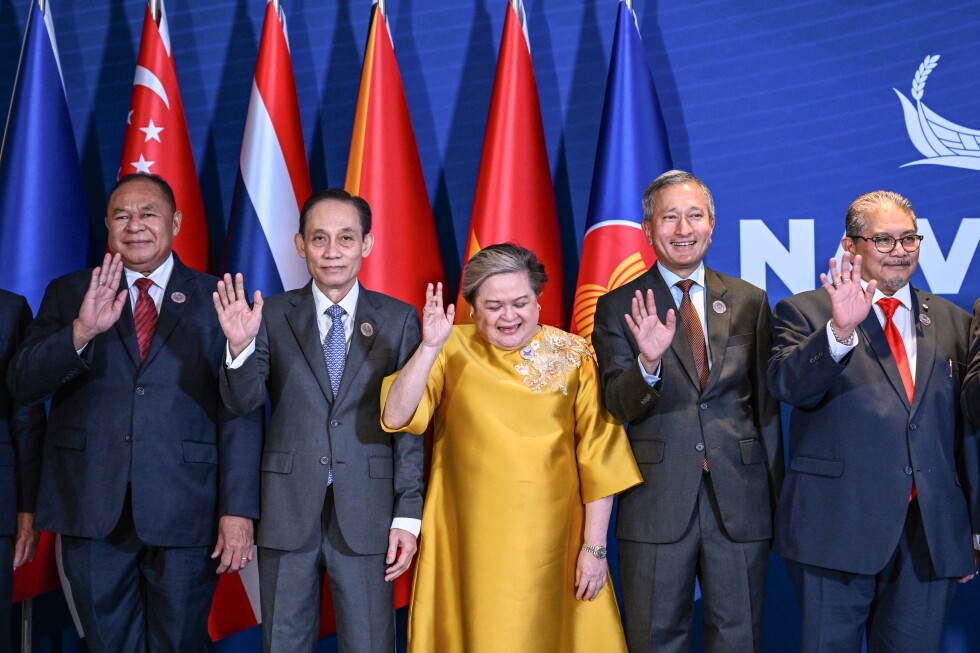
    CEBU, Philippines — Southeast Asian diplomats convened Thursday in the Philippine coastal city of Cebu for critical closed-door meetings, where Philippine Foreign Secretary Theresa Lazaro issued a stark warning about escalating threats to the rules-based international order. Addressing the 11-nation Association of Southeast Asian Nations (ASEAN), Lazaro emphasized that aggressive acts across Asia and unilateral actions globally are undermining multilateral institutions without specifying particular nations.

    The ministerial gathering occurs amid growing regional concerns over multiple flashpoints. Several ASEAN members have expressed unease about the U.S.-orchestrated arrest of Venezuelan leader Nicolás Maduro, while China’s increasingly assertive posture toward Taiwan and in the contested South China Sea continues to generate apprehension among member states. This places ASEAN in a delicate diplomatic position as both the United States and China represent significant trading and security partners for the bloc.

    Lazaro highlighted the persistent challenges facing the region, stating: ‘Across our region, we continue to see tensions at sea, protracted internal conflicts and unresolved border and humanitarian concerns.’ She further noted that developments beyond Southeast Asia ‘continue to affect regional stability and erode multilateral institutions and the rules-based international order.’

    The Philippines, currently holding ASEAN’s rotating chairmanship after Myanmar’s suspension following the 2021 military coup, faces the complex task of maintaining unity within the diverse bloc. Founded during the Cold War in 1967, ASEAN encompasses governments ranging from vibrant democracies to authoritarian states with varying international alignments.

    Additional agenda items include addressing last year’s deadly border clashes between Thailand and Cambodia, advancing a largely unsuccessful five-point peace plan for Myanmar, and concluding negotiations with China on a South China Sea code of conduct before year’s end. China’s expansive maritime claims overlap with those of four ASEAN members: the Philippines, Malaysia, Vietnam, and Brunei, making the waterway a persistent source of regional tension.

  • US: Dehumanising rhetoric against Somalis blamed for attack on Ilhan Omar

    US: Dehumanising rhetoric against Somalis blamed for attack on Ilhan Omar

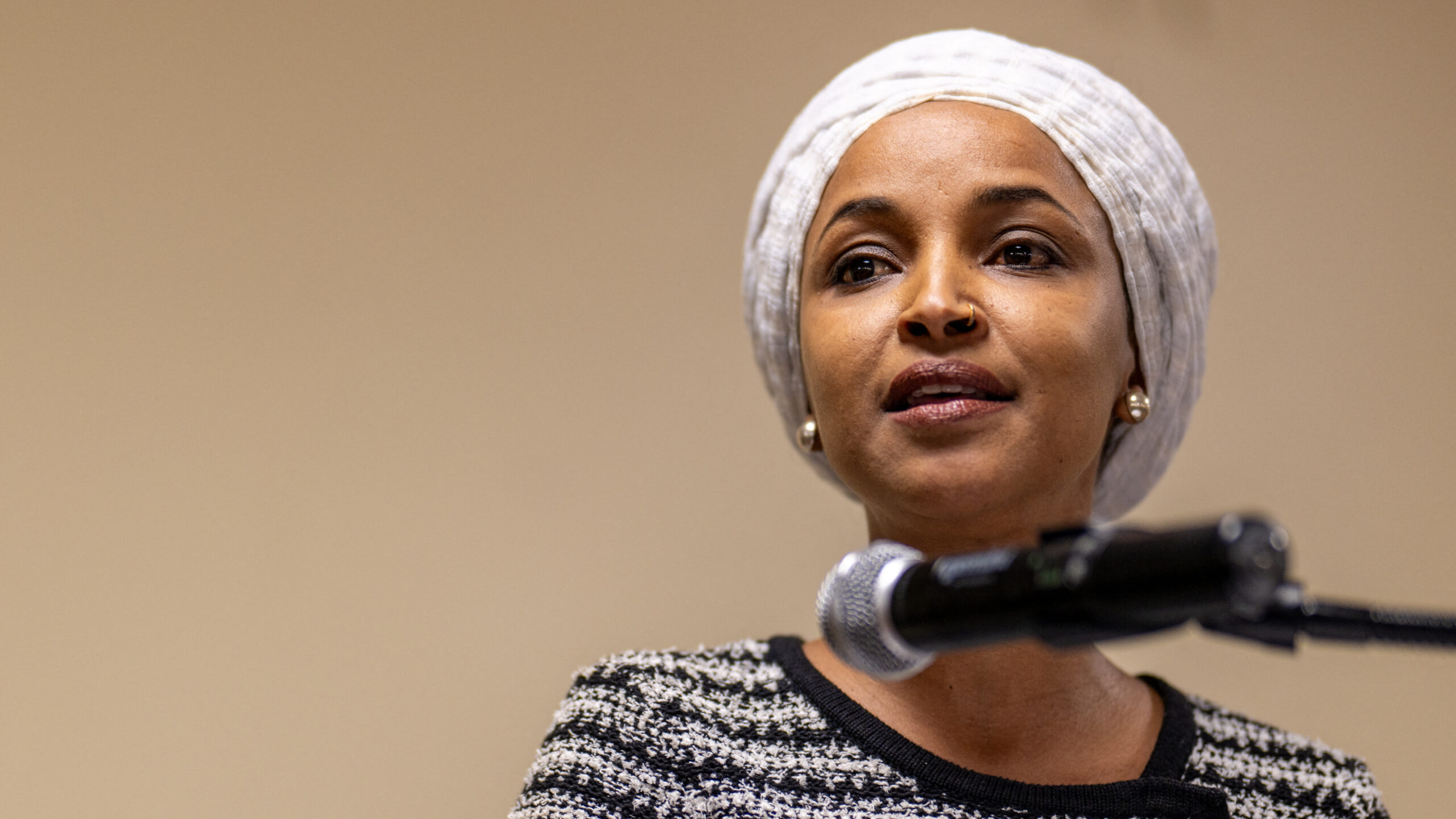
    A town hall meeting in Minneapolis, Minnesota, descended into chaos on Tuesday when an assailant sprayed Democratic Congresswoman Ilhan Omar with an unidentified chemical substance. Authorities have characterized the incident as a targeted attack occurring against a backdrop of intensifying political and social tensions in the region.

    The assailant, identified by police as 55-year-old Anthony Kazmierczak, rushed toward the stage moments after Representative Omar, who is of Somali origin, called for the abolition of Immigration and Customs Enforcement (ICE). Security personnel swiftly subdued the individual, and forensic analysis later revealed the syringe contained a light-brown liquid emitting a potent, vinegar-like odor, which remains under official identification.

    Despite the alarming assault, Congresswoman Omar demonstrated remarkable composure, continuing her address for approximately 25 minutes following the disruption. She later took to social media to declare, “This small agitator isn’t going to intimidate me from doing my work. I don’t let bullies win.”

    The attack occurs within a complex socio-political climate. Minnesota has experienced repeated clashes between ICE agents and the public following operations ordered by former President Donald Trump targeting immigrants. Trump has historically directed inflammatory rhetoric toward Somalis, once referring to them as “garbage” and suggesting they “go back to their country.” Following this incident, Trump further escalated tensions by suggesting to ABC News that Omar may have staged the attack herself, calling her “a fraud.”

    This event has ignited fierce debate regarding political violence and incendiary rhetoric. Journalist Mehdi Hasan and numerous online commentators have drawn direct connections between the violent act and the persistent anti-immigrant and anti-Somali discourse propagated by Trump and certain Republican figures. Data from the U.S. Capitol Police reveals a disturbing 57% increase in investigated threats against lawmakers between 2024 and 2025, with Omar consistently ranking among the most frequently targeted officials.

    The political landscape is further complicated by the Feeding Our Future scandal, a massive fraud case in which a Minnesota nonprofit misappropriated hundreds of millions from federal nutrition programs during the COVID-19 pandemic. While dozens have been indicted and over fifty convicted, some GOP figures have aggressively, and thus far without evidence, attempted to link Omar and Minnesota Governor Tim Walz to the controversy through community ties.

    In the aftermath, responses have been mixed. Governor Walz condemned the attack and called for an immediate end to “cruel, inflammatory, dehumanizing rhetoric.” Republican Congresswoman Nancy Mace expressed being “deeply disturbed” by the physical attack on a fellow legislator, despite her stated vehement disagreements with Omar, which have included past calls for her deportation. The incident has profoundly underscored the dangerous intersection of political polarization, violence, and the treatment of historically marginalized public officials.