作者: admin

  • Senegal boss Thiaw banned after Afcon final chaos

    Senegal boss Thiaw banned after Afcon final chaos

    The Confederation of African Football (CAF) has imposed severe disciplinary measures following the tumultuous conclusion to the 2025 Africa Cup of Nations final between Senegal and Morocco. Senegal’s head coach Pape Thiaw faces a five-match suspension and a substantial $100,000 fine for what governing bodies have deemed “unsporting conduct” and actions “bringing the game into disrepute.”

    The championship match in Rabat, ultimately secured by Senegal 1-0 in extra time, descended into chaos during stoppage time when Thiaw instructed his players to leave the field. This unprecedented move came in protest of a penalty awarded to Morocco, shortly after officials had disallowed a Senegalese goal for a foul on Moroccan captain Achraf Hakimi.

    The 17-minute interruption threatened to overshadow the sporting spectacle before Senegal forward Sadio Mane successfully persuaded his teammates to resume play. The dramatic conclusion saw Moroccan midfielder Brahim Diaz’s ‘Panenka’ penalty saved by goalkeeper Edouard Mendy, immediately followed by the final whistle that sent the match into extra time, where Pape Gueye secured victory for Senegal.

    Additional sanctions have been levied against multiple players from both finalists. Senegal forwards Iliman Ndiaye and Ismaila Sarr received two-match bans for misconduct toward match officials, while Morocco’s Ismael Saibari was handed a three-game suspension. Defender Achraf Hakimi received a two-match ban, with one game suspended for twelve months. The Senegal Football Federation also faces a significant $615,000 fine.

    These suspensions will apply exclusively to CAF-sanctioned matches, ensuring neither team’s preparation for the 2026 FIFA World Cup in North America will be affected by these disciplinary actions.

  • China issues 73 life bans, punishes top football clubs for match-fixing

    China issues 73 life bans, punishes top football clubs for match-fixing

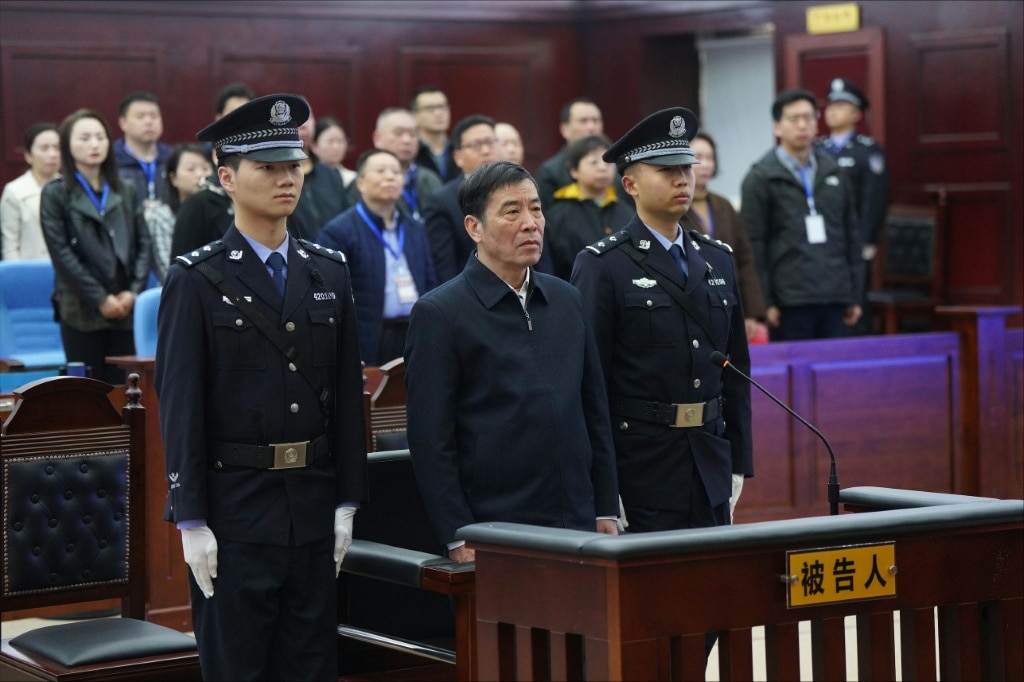
    In an unprecedented disciplinary action, Chinese football authorities have imposed lifetime bans on 73 individuals while penalizing 13 top-tier professional clubs for widespread corruption and match-fixing offenses. The Chinese Football Association (CFA) announced these sweeping sanctions on Thursday following a comprehensive systematic review of the sport’s integrity issues.

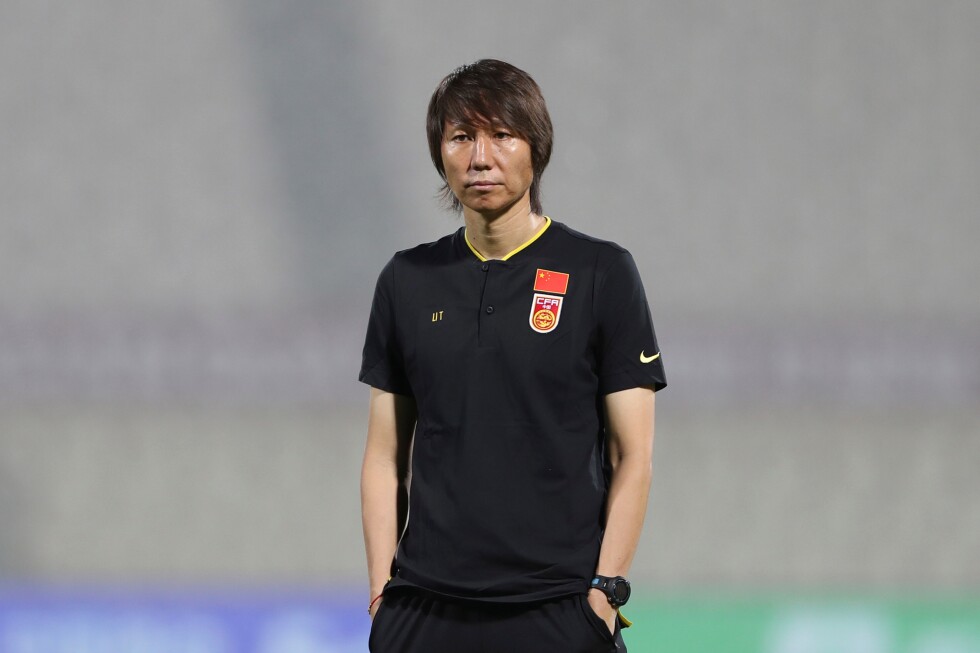
    The banned individuals include former national team head coach Li Tie, who is currently serving a 20-year prison sentence for bribery convictions handed down in December 2024. Also among the banned is Chen Xuyuan, the former CFA chairman imprisoned for life after accepting approximately $11 million in bribes.

    Competitive consequences will immediately affect the upcoming Chinese Super League (CSL) season, with nine of the sixteen teams starting the 2026 campaign with negative point deductions. Tianjin Jinmen Tiger and Shanghai Shenhua, last season’s runners-up, face the most severe penalties with 10-point deductions and fines of one million yuan ($144,000). Defending champions Shanghai Port and Beijing Guoan received five-point deductions and 400,000-yuan fines.

    The CFA stated these measures are necessary ‘to enforce industry discipline, purify the football environment, and maintain fair competition’ without specifying the exact timing or mechanics of the match-fixing incidents. The punishments were determined based on ‘the amount, circumstances, nature, and social impact of the improper transactions involved.’

    This crackdown occurs against a backdrop of financial instability within Chinese football, highlighted by the recent collapse of Guangzhou FC, the most successful club in CSL history, which folded in 2025 due to unresolved debts. The sport’s corruption crisis stands in stark contrast to President Xi Jinping’s expressed aspirations for China to eventually host and win the FIFA World Cup, ambitions that remain distant as the national team failed to qualify for the 2026 tournament.

  • Australian astronomers discover potentially habitable ‘Earth-like’ planet 150 light years away

    Australian astronomers discover potentially habitable ‘Earth-like’ planet 150 light years away

    An international research team spearheaded by Australian astronomers has announced the identification of a promising Earth-sized exoplanet candidate located approximately 150 light-years from our solar system. The discovery, detailed in a recent publication in The Astrophysical Journal Letters, marks a significant milestone in the ongoing search for habitable worlds beyond our own.

    Designated as candidate HD 137010 b, this celestial body exhibits remarkable similarities to Earth in both physical dimensions and orbital characteristics. It completes a revolution around its host star, which closely resembles our Sun, every 355 days—just 10 days shy of an Earth year. Despite occupying an orbital distance comparable to Earth’s position relative to the Sun, the exoplanet receives approximately 70% less stellar radiation, resulting in considerably cooler surface conditions.

    The research collaboration, led by Dr. Alexander Venner from the University of Southern Queensland, utilized observational data from NASA’s extended Kepler K2 mission conducted in 2017. While initial findings position HD 137010 b near the outer boundary of its star’s habitable zone—where liquid water could theoretically exist—preliminary temperature estimates suggest surface conditions may plummet to approximately -70°C in certain regions, creating a climate more analogous to Mars than Earth.

    Dr. Chelsea Huang, a co-researcher from the University of Southern Queensland, characterized the discovery as ‘genuinely thrilling’ in statements to the ABC, emphasizing that while this isn’t Earth’s identical twin, it represents meaningful progress toward that ultimate astronomical goal. The scientific team currently estimates a 50% probability that the candidate planet might support habitable conditions.

    As the celestial body has only been observed transiting its star on a single occasion, researchers have classified it as a ‘planet candidate’ pending verification through subsequent observational campaigns. The relative brightness of the host star enables comprehensive follow-up studies that could confirm the planet’s status and further elucidate its atmospheric properties and potential for hosting life.

  • ‘Extraordinary’ Williams refuses to rule out return

    ‘Extraordinary’ Williams refuses to rule out return

    Tennis legend Serena Williams has ignited widespread speculation about a potential return to professional competition after offering deliberately ambiguous responses during a national television appearance. The 44-year-old, who formally retired following the 2022 US Open, remains officially registered in the International Tennis Integrity Agency’s (ITIA) drug testing pool—a mandatory requirement for competitive eligibility.

    When directly questioned on NBC’s Today Show about a comeback, Williams artfully deflected. “I don’t know, I’m just going to see what happens,” she stated. After host Savannah Guthrie characterized this as a “maybe,” Williams intriguingly countered with “It’s not a maybe,” without providing further clarification. Regarding her testing pool status—a six-month prerequisite for returning athletes—Williams remarked, “I don’t know if I was out. Listen, I can’t discuss this.”

    The tennis world has responded with enthusiastic anticipation. Current world number one Aryna Sabalenka, speaking after her Australian Open semifinal victory, expressed support: “If she wants to come back, that’s her decision. It’s going to be fun to see her back on tour. She’s got the personality, and she’s a fun one.” Elina Svitolina, another top competitor, emphasized Williams’ inspirational legacy, noting a return would be “amazing for the sport.”

    Industry analysts suggest several motivating factors, including the potential for one final doubles campaign with her sister Venus Williams, who continues to compete at age 45. The Williams sisters last competed together at the 2022 US Open, creating sentimental appeal for another partnership. Former British number one Annabel Croft speculated on BBC Radio 5 Live that Venus’ potential retirement plans might influence Serena’s decision.

    While Williams currently identifies as a “stay-at-home mum and housewife” on official forms, her maintained presence in the testing pool since October 2025 and deliberately non-committal public statements have created compelling uncertainty about her future in the sport she dominated for decades.

  • South Africa drops ‘Melania’ just ahead of release

    South Africa drops ‘Melania’ just ahead of release

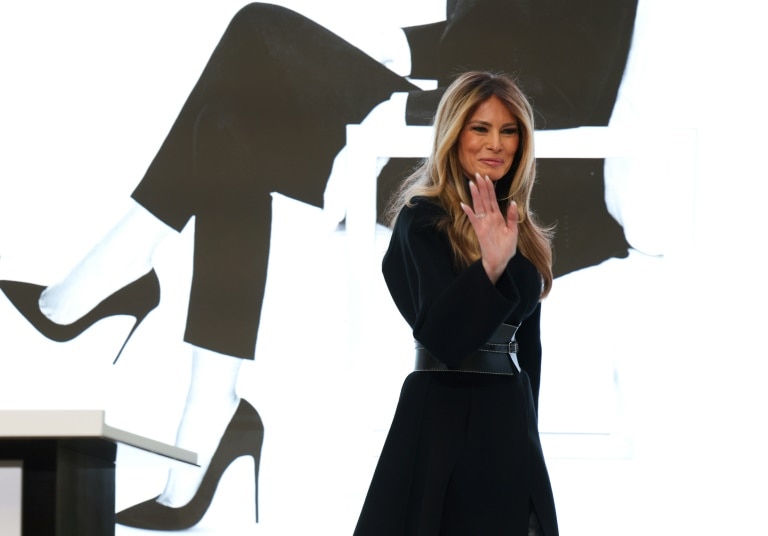
    Major South African cinema chains have made a last-minute decision to cancel the theatrical release of a documentary focusing on U.S. First Lady Melania Trump. The film, titled ‘Melania,’ was scheduled for international debut on January 30 but has been unexpectedly withdrawn from South African screens.

    Both Nu Metro and Ster Kinekor, the country’s leading theater chains, removed all listings for the documentary from their websites on Thursday, just one day before its planned release. The sudden cancellation was initiated by the local distributor Filmfinity, which holds the regional rights to the film.

    Thobashan Govindarajulu, Filmfinity’s Head of Marketing, cited ‘the current climate’ as the reason for pulling the documentary, though no specific details were provided regarding what this climate entails. Representatives from Nu Metro confirmed to AFP that they had complied with Filmfinity’s request to withdraw the film, stating ‘The rights sit with Filmfinity, and it’s at their request that we are not releasing it.’

    The decision comes against a backdrop of increasingly strained relations between the South African government and the Trump administration. President Donald Trump has repeatedly made controversial statements regarding South Africa’s domestic policies, including unfounded claims about ‘genocide’ against white Afrikaans farmers, whom he has invited to seek refuge in the United States. These diplomatic tensions appear to have influenced the commercial decision regarding the First Lady’s documentary, though no official connection has been confirmed.

  • China bans 73 people from soccer for life in latest anti-corruption controversy

    China bans 73 people from soccer for life in latest anti-corruption controversy

    In an unprecedented move to cleanse Chinese football of systemic corruption, authorities have issued lifetime bans to 73 individuals and imposed significant sporting penalties on nine top-flight clubs. The Chinese Football Association (CFA) announced these stringent measures on Thursday as part of its ongoing campaign against match-fixing and financial misconduct.

    Among the most prominent figures permanently barred from all football-related activities are Chen Xuyuan, former president of the CFA, and Li Tie, former national team manager and former Everton midfielder. Both officials were previously convicted in 2024 on corruption charges involving millions of dollars in bribery schemes. Li received a 20-year prison sentence while Chen was handed a life term for their roles in undermining the integrity of Chinese football.

    The disciplinary actions extend beyond individuals to club-level punishments. Shanghai Shenhua, last season’s runners-up, and Tianjin Jinmen Tigers face the most severe sanctions with 10-point deductions and fines of 1 million yuan ($143,788). Defending champions Shanghai Port will begin the 2026 season with a five-point deficit.

    CFA officials emphasized that the severity of punishments reflects ‘the amount, nature, seriousness and social impact of the improper transactions’ involved. This latest crackdown follows September’s disciplinary action that saw 43 officials and players receive lifetime bans, demonstrating the association’s commitment to its zero-tolerance policy against corruption.

    The sweeping measures represent the most comprehensive attempt to reform Chinese football since President Xi Jinping’s call to develop the sport nationwide, addressing deep-rooted issues that have plagued the country’s football development for years.

  • 2025 border crossings hit record high

    2025 border crossings hit record high

    China achieved an unprecedented milestone in cross-border mobility during 2025, with national immigration authorities processing a record-breaking 697 million border crossings—marking a substantial 14.2% increase from the previous year. This remarkable surge was primarily driven by the country’s expansive visa-free policies and enhanced immigration service efficiency.

    Foreign nationals accounted for over 82 million crossings, representing a 26% year-on-year increase, with more than 30 million entries occurring through visa-free channels. This visa-free segment witnessed nearly 50% growth compared to 2024, constituting 73% of all foreign entries into China.

    Domestic travel patterns showed equally impressive growth, with mainland residents making 335 million border crossings (up 15%) and residents from Hong Kong, Macao, and Taiwan accounting for nearly 280 million crossings (a 10% increase).

    The National Immigration Administration’s spokeswoman Lyu Ning attributed this historic movement to comprehensive policy reforms and innovative measures designed to support high-quality development and stimulate economic momentum. Administrative enhancements included expanding the online travel document application pilot to 50 cities, resulting in 457,000 successful digital applications.

    Significant policy expansions featured the inclusion of Indonesia in the 240-hour visa-free transit program and the designation of five additional ports in Guangdong province for the scheme, bringing the national total to 65 eligible ports. Additionally, China launched visa-free entry for tourist groups from ASEAN countries visiting Xishuangbanna Dai Autonomous Prefecture in Yunnan province.

    Through coordinated efforts with relevant departments, China increased its unilateral visa-free countries to 48 and mutual visa exemption partners to 29, with 28 countries now granting unilateral visa-free access to Chinese citizens.

    These initiatives have significantly boosted the ‘Travel in China’ and ‘Shop in China’ campaigns while enhancing China’s global image as an open, inclusive, and dynamic destination. Ministry of Commerce data revealed that expanded visa-free policies and optimized tax refund measures nearly doubled sales of tax-refundable goods.

    China Tourism Academy President Dai Bin characterized 2025 as a landmark year for China’s institutional opening-up in tourism, noting the country’s leadership in tourism exchanges with Belt and Road Initiative partners across Southeast Asia, West Asia, Africa, and Latin America. European tourism exchanges have nearly returned to 2019 levels.

    Looking ahead to 2026 and the 15th Five-Year Plan period (2026-30), China is positioned to assume a greater role in global tourism development. The National Immigration Administration has committed to continuing the expansion and deepening of high-level opening-up policies, optimizing immigration measures, and responding to public demands to further drive economic and social development through continuous reform and innovation.

  • Germany to harden critical infrastructure as Russia fears spike

    Germany to harden critical infrastructure as Russia fears spike

    In a decisive move to bolster national security, the German parliament is set to enact sweeping legislation on Thursday mandating enhanced protection for critical infrastructure. This action comes as escalating geopolitical tensions with Russia amplify fears of sabotage, hybrid attacks, and systemic vulnerabilities.

    The comprehensive security package, designed to align with EU directives, will impose stringent new requirements on approximately 1,700 essential service providers. These entities—spanning energy, water, food supply, healthcare, transport, IT, telecommunications, finance, and waste management—must now implement rigorous physical security upgrades, enhance alarm systems, conduct frequent risk analyses, and report incidents without delay. Facilities serving over 500,000 people fall under the new mandate.

    The impetus for this legislative overhaul was starkly illustrated by a recent far-left militant arson attack on a Berlin power cable. The assault, which plunged tens of thousands into darkness for nearly a week and crippled mobile networks, heating, and transit, exposed critical gaps in the nation’s defensive preparedness. In response, the government has issued a €1 million reward for information leading to the arrest of the perpetrators.

    Chancellor Friedrich Merz emphasized the necessity of shifting from transparency toward resilience, noting that sensitive data—such as publicly accessible grid maps—must be safeguarded to prevent exploitation by malicious actors.

    While many security experts endorse the bill in principle, opposition figures like Greens MP Konstantin von Notz criticize it as ‘wholly inadequate,’ ‘poorly crafted,’ and dangerously delayed. Business associations have also raised concerns over potentially burdensome compliance duties and significant financial penalties.

    Defence Minister Boris Pistorius highlighted the broader context of hybrid threats facing Europe, including cyberattacks, espionage, disinformation campaigns, and physical disruptions like the severing of Baltic Sea data cables. He warned that such threats directly impact private industry and supply chains, underscoring the need for robust civil defense.

    Experts like Daniel Hiller of the Fraunhofer Institute argue that complete invulnerability is unattainable; instead, redundancy, contingency planning, and system resilience are paramount. Sabrina Schulz of the European Initiative for Energy Security echoed this, stating that fortifying infrastructure is ‘at least as important as tanks and drones’ in contemporary defense strategy.

  • China executes 11 linked to Myanmar scam compounds

    China executes 11 linked to Myanmar scam compounds

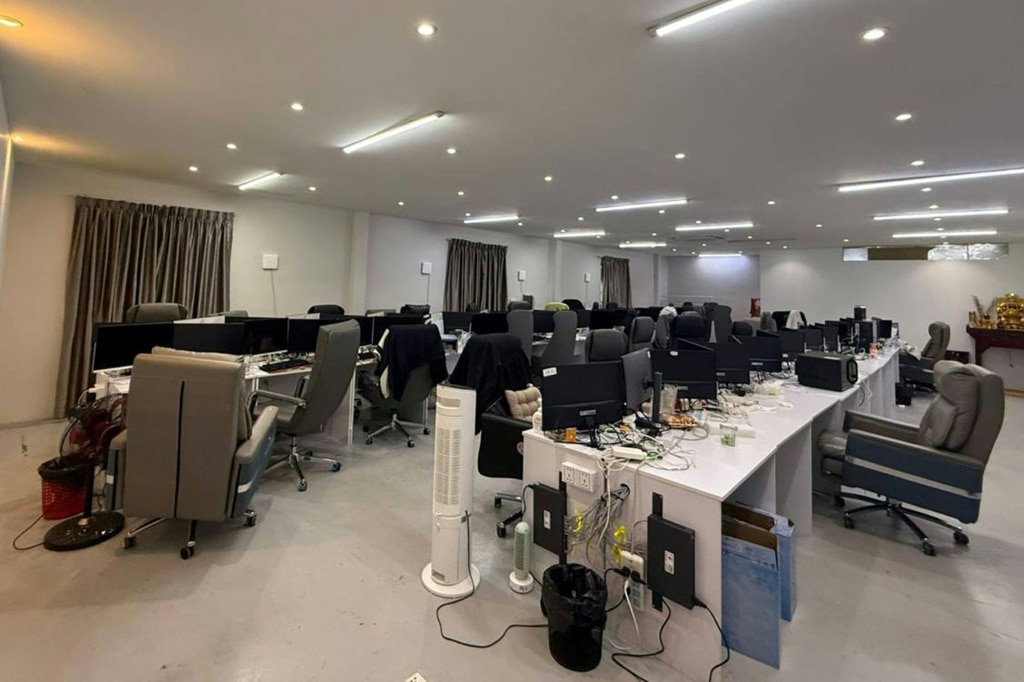
    In a decisive move against transnational organized crime, Chinese authorities have executed eleven individuals connected to extensive telecom fraud operations based in Myanmar. The executions, carried out on Thursday, represent Beijing’s most severe response to date in its ongoing campaign against criminal networks that have defrauded victims worldwide through sophisticated online scams.

    The executed individuals, identified as key operatives within these criminal organizations, received death sentences in September from a court in Wenzhou, eastern China. According to state media reports, their convictions included charges of intentional homicide, intentional injury, unlawful detention, fraud, and illegal casino operations. Among those executed were members of the notorious ‘Ming family criminal group,’ whose activities directly contributed to the deaths of 14 Chinese citizens and injuries to numerous others.

    These criminal enterprises, primarily operating from Myanmar’s lawless border regions, have developed into a multi-billion dollar industry targeting victims globally through romance scams and fraudulent cryptocurrency investment schemes. What began as operations focusing predominantly on Chinese-speaking targets has evolved into sophisticated multilingual fraud networks exploiting victims across continents.

    The Chinese Supreme People’s Court reviewed and approved all death sentences, confirming that evidence dating back to 2015 was ‘conclusive and sufficient’ for conviction. In addition to the executions, the September rulings included death sentences with two-year reprieves for five other individuals and prison terms ranging from five years to life imprisonment for 23 additional suspects.

    This crackdown forms part of Beijing’s broader strategy to combat transnational cybercrime through enhanced regional cooperation. Chinese authorities have intensified collaboration with Southeast Asian governments, resulting in the repatriation of thousands of suspected fraudsters to face China’s judicial system. The executions follow similar severe sentencing in November, when five individuals received death penalties for their involvement in scam operations that resulted in six Chinese fatalities.

    According to United Nations assessments, the global cyberscam industry has expanded dramatically, with hundreds of thousands of people now working in fraud centers worldwide. The UN Office on Drugs and Crime has documented the industry’s spread beyond Southeast Asia to South America, Africa, the Middle East, Europe, and various Pacific Islands, indicating the increasingly global nature of this criminal phenomenon.

  • Heavy gunfire and blasts heard near airport in Niger’s capital

    Heavy gunfire and blasts heard near airport in Niger’s capital

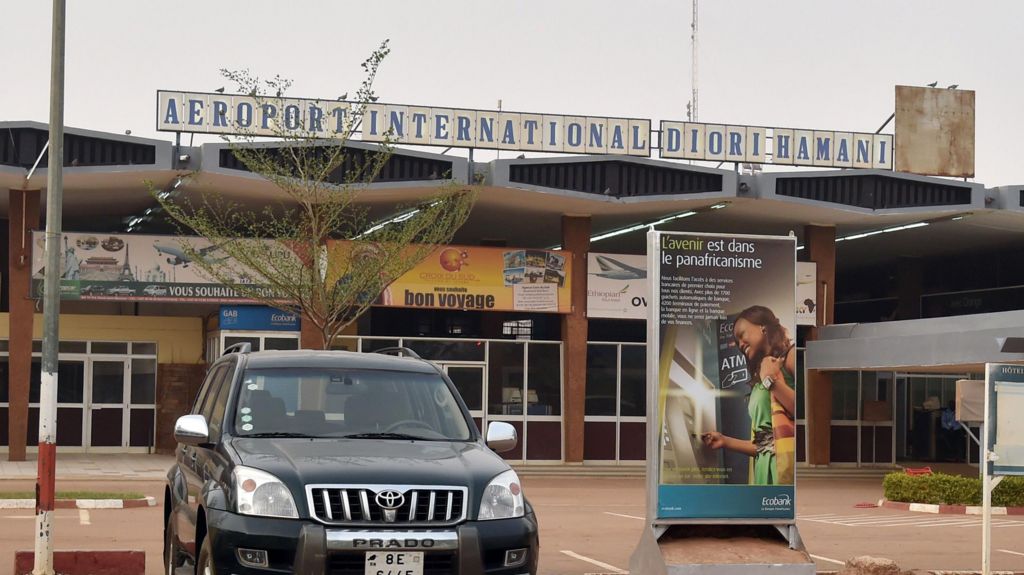
    Niamey, Niger – Heavy gunfire and powerful explosions rocked the vicinity of Diori Hamani International Airport in Niger’s capital during the early hours of Thursday, with air defense systems reportedly engaging unidentified projectiles. The sustained attack near the strategic aviation hub created panic among residents before subsiding approximately two hours after commencement.

    Multiple eyewitness accounts and verified video footage depicted anti-aircraft systems intercepting incoming threats in the night sky, though the origin and nature of the projectiles remain unconfirmed. While official casualty figures and damage assessments are pending, government sources indicate the situation has been stabilized without providing specific details.

    The airport complex, located merely 10 kilometers from the presidential palace, houses critical military infrastructure including an air force base. This incident occurs amid heightened tensions surrounding a substantial uranium shipment currently stranded at the facility due to ongoing legal and diplomatic disputes with France.

    A Foreign Affairs ministry official, speaking to Anadolu news agency on condition of anonymity, stated: ‘The situation is under control. There is no need to worry,’ while acknowledging investigations are underway to determine potential connections between the attack and the contested uranium cargo.

    This security breach unfolds under the military governance of General Abdourahamane Tiani, who assumed power through a 2023 coup that deposed the democratically elected government. Niger continues to confront significant security challenges, including jihadist insurgencies affecting the broader Sahel region alongside neighboring Mali and Burkina Faso.