作者: admin

  • Fujian strengthens cross-Strait ties

    Fujian strengthens cross-Strait ties

    Fujian Province has solidified its status as mainland China’s primary destination for Taiwanese investment for four consecutive years, according to Governor Zhao Long’s address at the Fujian Provincial People’s Congress. The eastern coastal region is accelerating its transformation into a demonstration zone for cross-Strait integrated development, implementing concrete measures to foster national reunification through economic collaboration and cultural connectivity.

    The province’s 2025 performance metrics reveal substantial progress, with 2,612 newly established Taiwan-funded enterprises and $724 million in actual utilized Taiwanese capital. A landmark achievement came with the introduction of China’s first local regulations on cross-Strait standard commonality, resulting in 41 new shared technical standards that facilitate smoother business operations.

    Infrastructure development features prominently in Fujian’s integration strategy. The province is advancing projects to supply water, electricity, and gas to Taiwan-administered islands of Jinmen and Matsu. Xiamen authorities aim to complete their section of the Xiamen-Jinmen Bridge this year while promoting shared usage of the newly constructed Xiamen Xiang’an International Airport as a regional hub for Jinmen residents.

    Economic integration efforts include creating a “common market” targeting electronic information, machinery, and biomedicine sectors, alongside expanded recognition of Taiwanese professional qualifications. The province plans to launch at least 30 new joint rural vitalization projects in 2026 to enhance Fujian’s appeal to Taiwanese compatriots.

    Cultural initiatives form a crucial component of the integration strategy. Governor Zhao emphasized ancestral connections through the “Taiwan Compatriots Root-seeking Platform” and proposed legislation for tracing cross-Strait family genealogies. The successful TV drama “Silent Honor,” filmed in Fujian and based on historical events, has resonated across the Strait by showcasing shared landscapes and historical bonds.

    Political advisers proposed additional measures including leveraging Mazu culture—worshiped on both sides—as a gateway for “emotional integration” and comprehensive tourism cooperation. Other recommendations focused on youth engagement through systematic support for Taiwanese participation in urban renewal and rural construction projects, alongside simplified financial services and optimized residency policies for Taiwanese professionals.

  • UN envoy sees potential turning point for Gaza, warns of uncertainties

    UN envoy sees potential turning point for Gaza, warns of uncertainties

    UN Deputy Special Coordinator for the Middle East Peace Process Ramiz Alakbarov presented a cautiously optimistic yet deeply concerning assessment of the Gaza situation during Wednesday’s UN Security Council open debate. Addressing the Middle East conflict and Palestinian question, Alakbarov characterized the current moment as both a potential turning point and a period of significant vulnerability.

    The diplomatic landscape shows promise with the announced implementation of the second phase of former US President Donald Trump’s 20-point comprehensive plan, which Alakbarov identified as a crucial development for cementing the fragile ceasefire. However, this political progress contrasts starkly with the devastating humanitarian reality on the ground.

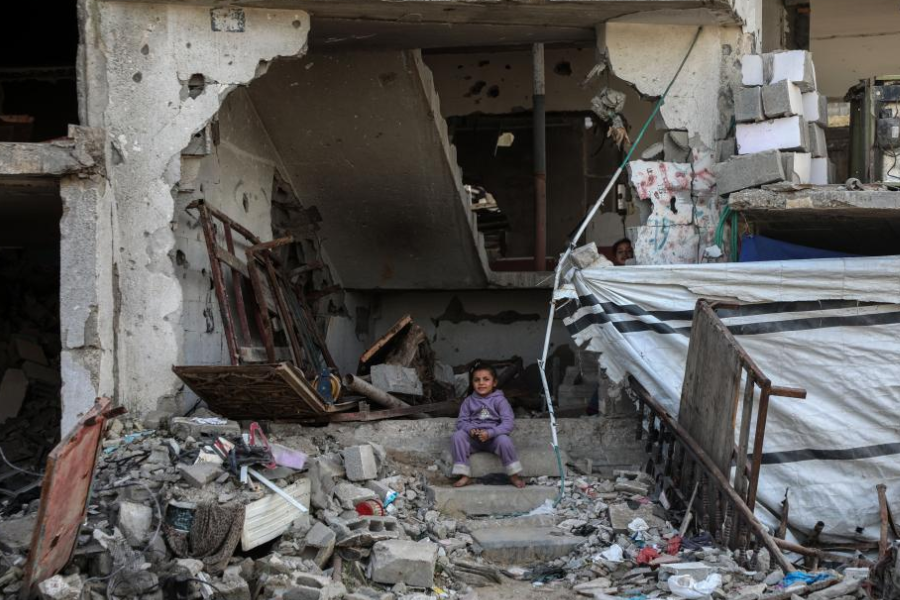
    Gaza’s entire population remains dependent on humanitarian assistance, with recent heavy rainfall and cold temperatures intensifying the suffering of over 1.5 million displaced Palestinians. Humanitarian operations face severe constraints including security concerns, customs clearance obstacles, Israeli restrictions on authorized partners, cargo delays at crossings, and limited internal transport routes.

    Despite the nominal ceasefire, Alakbarov reported continued Israeli military operations involving airstrikes, shelling, and gunfire across the territory. Hundreds of Palestinians, including numerous women and children, have been killed since the ceasefire began.

    The envoy also highlighted deteriorating conditions in the occupied West Bank, where September-December 2025 saw entrenched negative trends including extensive military operations, settlement expansion, settler violence, demolitions, and large-scale detentions.

    Amid these challenges, Alakbarov identified a genuine opportunity to establish foundations for regional stability, advance Palestinian governmental reunification of Gaza and the West Bank, and ultimately work toward ending the occupation through a renewed political process.

  • More foreign cases landing in IP Court

    More foreign cases landing in IP Court

    China is rapidly establishing itself as a premier global jurisdiction for international intellectual property litigation, with foreign entities increasingly opting for Chinese judicial channels to resolve complex IP disputes. Judicial authorities from China’s Supreme People’s Court have revealed significant growth in international cases, signaling growing international confidence in China’s legal framework for intellectual property protection.

    Since its inauguration in January 2019, the specialized Intellectual Property Court has adjudicated 2,546 foreign-related cases, demonstrating an impressive average annual growth rate of 18.7 percent. Deputy Chief Judge He Zhonglin disclosed these statistics during a recent press conference, highlighting that approximately 30 percent of these cases involved invention patent authorization and confirmation proceedings.

    The court’s foundational principle of equal protection for all litigants, regardless of nationality, has been instrumental in attracting international participation. “We’ve consistently upheld the equal protection of IP rights holders, regardless of their origin,” Judge He emphasized. This commitment to impartiality has significantly enhanced the credibility and global standing of China’s judicial system in intellectual property matters.

    Senior Judge Zhang Xinfeng elaborated on the court’s comprehensive approach, noting that judicial authorities remain dedicated to delivering “fair, just, convenient, efficient, and humanized legal services” to both domestic and international participants. The court adopts a global perspective while respecting litigants’ autonomy, striving to achieve substantive conflict resolution and foster mutually beneficial cooperation among parties.

    This judicial philosophy has garnered trust from international innovators, resulting in a increasing number of foreign-related cases being successfully resolved through mediation. The specialized court, which handles appeals concerning invention patents, plant varieties, integrated circuits, technical secrets, software, and monopolies, has implemented a streamlined appeals process that bypasses provincial high courts, enhancing both efficiency and consistency in complex technical hearings.

    Over its seven-year operation, the court has imposed punitive damages in 58 cases totaling 2.05 billion yuan ($295 million), while identifying monopolistic practices across multiple sectors including pharmaceuticals, telecommunications, e-commerce, and public welfare services. This robust enforcement mechanism has strengthened IP protection frameworks and stimulated innovation within China’s evolving knowledge economy.

  • Hundreds of Iraqis rally against US interference in gov’t formation

    Hundreds of Iraqis rally against US interference in gov’t formation

    Central Baghdad witnessed significant public unrest on Wednesday evening as hundreds of Iraqi citizens mobilized near the heavily secured Green Zone to voice strong opposition against perceived United States interference in their nation’s political sovereignty. The demonstration, organized in response to escalating diplomatic tensions between Washington and Baghdad, saw protesters congregating near the Suspension Bridge adjacent to routes leading toward the US Embassy.

    Participants chanted anti-American slogans while demanding complete preservation of Iraq’s autonomous decision-making capabilities regarding government formation. Although the protest remained predominantly peaceful, minor confrontations occurred when security personnel prevented demonstrators from advancing closer to embassy grounds. No casualties were reported during the event.

    The catalyst for these demonstrations emerged from recent statements by US President Donald Trump, who explicitly warned that America would withdraw support from Iraq should former Prime Minister Nouri al-Maliki return to power. Trump cited substantive concerns regarding al-Maliki’s previous governance approaches and ideological orientations during his tenure from 2006 to 2014.

    In a firm rebuttal, al-Maliki condemned what he characterized as ‘blatant US interference’ in Iraq’s domestic affairs, asserting that such actions violated national sovereignty and undermined democratic processes established post-2003. His comments came shortly after the Coordination Framework (CF) – an alliance of Shiite parties representing the largest parliamentary bloc – formally nominated him for a third premiership term last Saturday.

    Iraq operates under a unique power-sharing structure instituted following the 2003 regime change, which reserves governmental positions among major ethno-sectarian groups: the presidency for Kurds, parliamentary speakership for Sunni Muslims, and prime ministership for Shiite Muslims. This protest highlights deepening sensitivities surrounding foreign influence in Iraq’s delicate political equilibrium.

  • Starmer says ‘good progress’ on tariffs and visa-free travel in China talks

    Starmer says ‘good progress’ on tariffs and visa-free travel in China talks

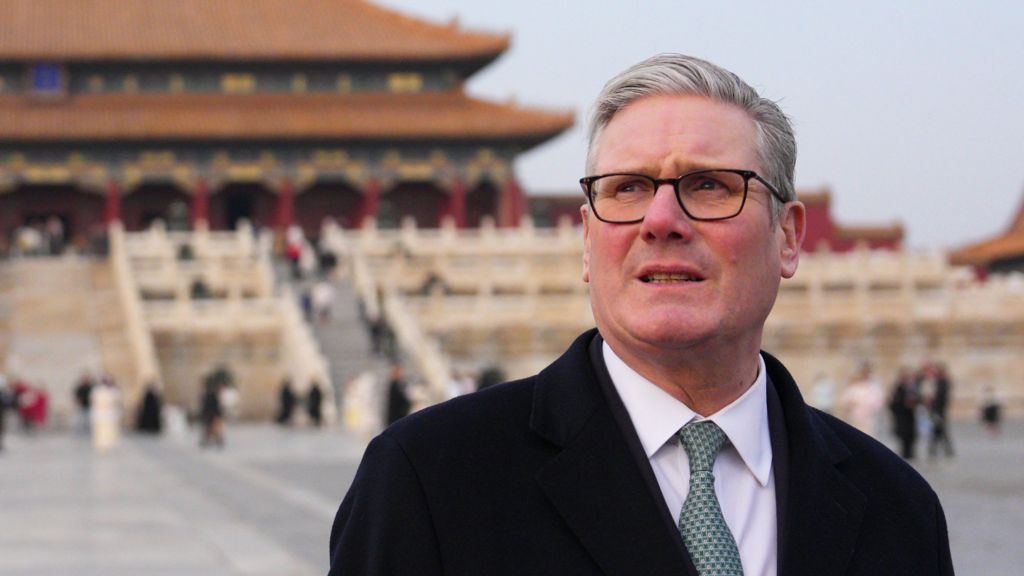
    In a landmark diplomatic engagement, British Prime Minister Sir Keir Starmer concluded a historically significant meeting with Chinese President Xi Jinping at Beijing’s Great Hall of the People, marking the first UK prime ministerial visit to China in eight years. The extensive 80-minute dialogue yielded substantial progress on multiple fronts while addressing contentious bilateral issues.

    The summit produced concrete agreements including reduced tariffs for British whisky exports, potential visa-free travel arrangements for UK citizens, and enhanced cooperation on combating irregular migration. A particularly significant outcome involves joint UK-China law enforcement efforts to disrupt criminal networks supplying small boat engines used for Channel crossings, with over 60% of these engines previously identified as Chinese-manufactured.

    President Xi characterized the relationship as having endured ‘necessary twists and turns’ while emphasizing the imperative of dialogue in today’s ‘turbulent and fluid’ global landscape. He acknowledged previous Labour governments’ contributions to Sino-British relations and invoked Chinese philosophical wisdom, urging both leaders to ‘range far your eye over long distances’ in pursuing mutually beneficial cooperation.

    The Prime Minister accompanied his diplomatic mission with a symbolic gesture—presenting President Xi with a football from the recent Premier League clash between Manchester United and Arsenal, reflecting their respective club allegiances while demonstrating cultural diplomacy.

    Despite these developments, the visit occurs amid heightened geopolitical tensions and domestic criticism. Opposition leaders have questioned the timing and substance of the engagement, with Conservative leader Kemi Badenoch advocating for alignment with nations sharing Britain’s strategic interests rather than those perceived as undermining Western economies.

  • Beijing on alert as Nipah virus spreads in India

    Beijing on alert as Nipah virus spreads in India

    Chinese health authorities have activated comprehensive monitoring protocols in response to the Nipah virus outbreak detected in India’s West Bengal region, while confirming zero domestic infections to date. The National Disease Control and Prevention Administration reported Tuesday that risk assessment measures have been intensified despite the relatively low probability of cross-border transmission.

    The Nipah virus, identified initially in Malaysia during the 1990s, represents a severe zoonotic pathogen with documented fatality rates ranging from 40% to 75% according to World Health Organization data. Transmission occurs primarily through fruit bats (the natural reservoir), pigs, and direct human-to-human contact. Clinical manifestations include high fever, respiratory distress, neurological complications, and potentially fatal encephalitis. No approved vaccines or specific antiviral treatments currently exist, with medical management limited to supportive care.

    Chinese health officials emphasized the virus’s limited environmental persistence, noting that “the risk of public exposure remains low” due to the pathogen’s vulnerability outside host organisms. Nevertheless, the administration has strengthened border surveillance capabilities, enhanced laboratory testing preparedness, and maintained strategic stockpiles of Nipah-specific nucleic acid detection kits across all provincial-level disease control centers.

    Notably, Chinese researchers have identified a promising therapeutic candidate—a repurposed COVID-19 antiviral demonstrating significant efficacy against Nipah in preliminary studies. This orally administered medication could potentially address the current treatment gap if clinical validation proves successful.

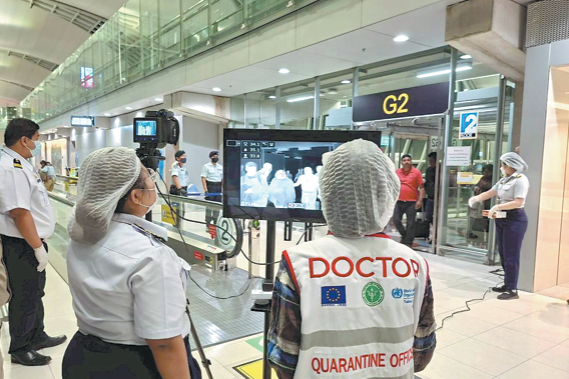
    Neighboring Asian nations have implemented coordinated response measures. Thailand’s Civil Aviation Authority instituted mandatory health screenings for travelers arriving from West Bengal, while Myanmar heightened monitoring protocols due to its substantial fruit bat populations and shared borders with affected regions. Indian health authorities confirmed successful containment of the outbreak, with all 196 identified contacts testing negative following two confirmed cases.

    The global health community continues to monitor the situation, balancing vigilance against unnecessary alarm given the outbreak’s current geographical limitation and contained status.

  • US says aid will resume while Somali officials deny causing disruption leading to suspension

    US says aid will resume while Somali officials deny causing disruption leading to suspension

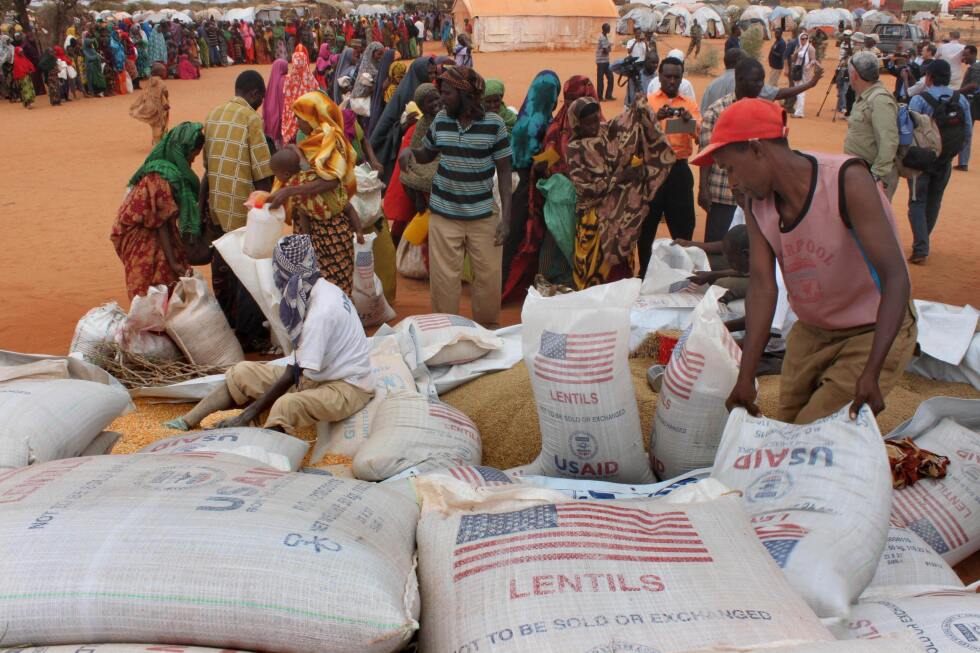
    NAIROBI, Kenya — The United States announced Wednesday the reinstatement of humanitarian assistance to Somalia’s federal government, following a temporary suspension triggered by allegations of aid operations disruption at Mogadishu’s primary port. The decision comes after American officials asserted that Somali authorities had acknowledged responsibility for incidents that compromised World Food Program (WFP) operations earlier this month.

    Despite Washington’s declaration that Somalia accepted accountability for the disturbance that led to halted aid distributions, the Somali government had not publicly confirmed this acknowledgment by Wednesday evening. Government officials remained silent when approached by The Associated Press for commentary on the development.

    The State Department’s Office of the Under Secretary for Foreign Assistance communicated through social media platform X that the United States would recommence WFP food distribution while maintaining a cautious approach toward broader assistance programs in the Horn of Africa nation. The statement emphasized the administration’s strict policy against “waste, theft, or diversion of U.S. resources.”

    The initial suspension on January 7 stemmed from claims that Somali officials demolished a U.S.-funded WFP warehouse and confiscated 75 metric tons of specialized nutritional supplies destined for malnourished children and pregnant women. While WFP confirmed the warehouse demolition, they later reported successful retrieval of the seized provisions without elaborating on recovery details.

    Somalia’s Foreign Ministry had previously rejected U.S. allegations, maintaining that port expansion activities did not compromise humanitarian aid custody or distribution mechanisms. The resumption timing for full aid deliveries remains uncertain, with WFP representatives not immediately responding to operational inquiries.

    This diplomatic episode occurs against the backdrop of heightened U.S. scrutiny toward Somali refugee and migrant communities, including fraud investigations involving childcare centers in Minnesota and intensified immigration restrictions affecting Somali nationals seeking U.S. entry or residency.

    Somalia continues to grapple with extreme poverty, prolonged civil unrest, and recurring natural disasters that have created one of the world’s most severe humanitarian crises, making international aid crucial for population survival.

  • International team gets close look at China’s grassroots policing

    International team gets close look at China’s grassroots policing

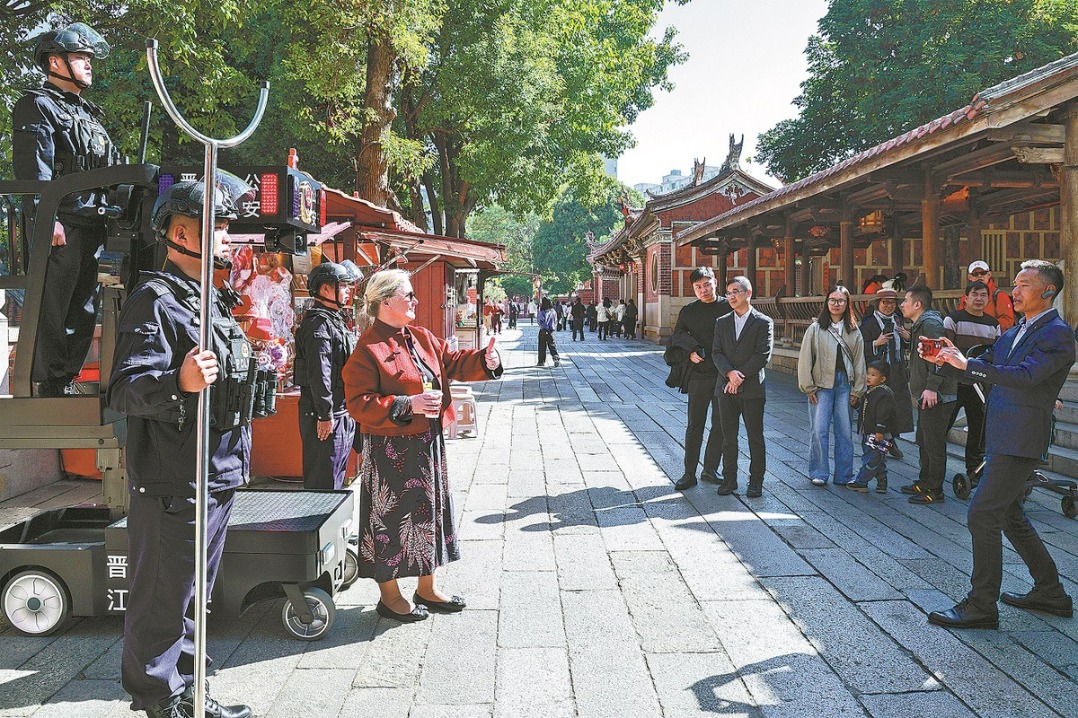
    FUJIAN, CHINA – An international delegation comprising police liaisons from 11 nations and international organization representatives recently concluded an immersive four-day inspection of China’s grassroots law enforcement systems in Fujian province. Organized by China’s Ministry of Public Security from January 12-15, the program offered unprecedented access to policing operations across multiple cities, challenging conventional perceptions of law enforcement institutions.

    The delegation’s itinerary included detailed examinations of police facilities in Fuzhou, Quanzhou, and Zhangzhou, where participants observed firsthand the integration of administrative services, technological innovation, and cultural sensitivity within local precincts. Brazilian Federal Police liaison officer Antonio de Padua Vieira Cavalcanti expressed surprise at the welcoming atmosphere within Chinese police stations, noting the stark contrast to more institutional environments in Brazil. “It is a very warm space where people can go to find services,” Cavalcanti remarked.

    A significant focus was placed on the renowned Zhangzhou 110 model, a rapid-response unit that has gained national recognition for its community-oriented approach. Philippine embassy police attache Marcy Salting praised the unit’s compassionate methodology, stating: “It really shows how compassionate you are. I really salute all of you, and I would say that I learned a lot from it.”

    The tour also highlighted China’s specialized environmental policing initiatives, with delegates visiting Luojiang district’s dedicated natural resources protection station. Jason Beatty, an attache with the United States Fish and Wildlife Service, acknowledged China’s progressive approach to ecological enforcement, particularly noting efforts in tiger conservation and mangrove restoration. “A renewed focus on environmental policing is vital for human survival,” Beatty emphasized, stressing the importance of international cooperation in preserving ecosystems.

    Technological advancements formed another critical component of the demonstration, with China’s “AI Plus” initiative and big data systems for combating property crimes drawing particular interest. Sener Mavzer, counselor for security cooperation with the Turkish Gendarmerie, noted China’s impressive pace of advancement in crime prevention technology, expressing eagerness to learn from these systems.

    The program concluded with strengthened commitments to international collaboration, particularly in addressing transnational crimes and environmental offenses. German Federal Police attache Stefan Korting emphasized that understanding China’s policing history and specific systems through visits to police museums was key to building “a good future” of cooperative law enforcement.

  • Ultra-strong magnet sets world record

    Ultra-strong magnet sets world record

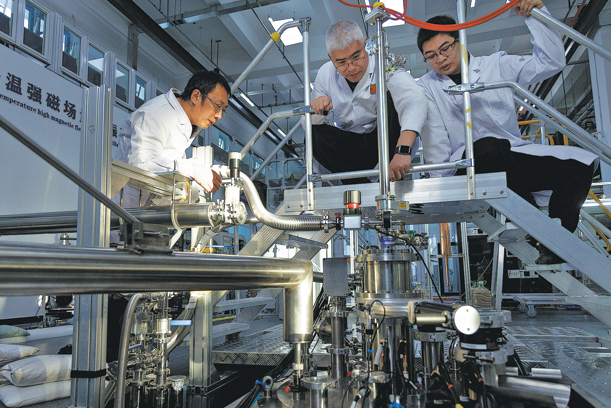
    Chinese scientists have achieved a monumental breakthrough in magnetic field technology by creating the world’s most powerful all-superconducting user magnet, registering an unprecedented central magnetic field strength of 35.6 tesla. This extraordinary achievement, accomplished at the Synergetic Extreme Condition User Facility in Beijing’s Huairou district, represents a magnetic force exceeding 700,000 times that of Earth’s natural magnetic field.

    The newly developed magnet stands as the globe’s sole superconducting apparatus capable of generating ultra-strong magnetic fields beyond 30 tesla specifically designed for scientific experimentation. This technological marvel distinguishes itself through its open-access architecture, enabling both domestic and international research teams to conduct cutting-edge material investigations under extreme experimental conditions.

    Superconducting magnet technology offers revolutionary advantages including zero electrical resistance, exceptional operational stability, and significantly reduced energy consumption when maintained at cryogenic temperatures. These characteristics make such instruments vital for advanced scientific infrastructure, medical imaging applications, and national defense technologies.

    The record-breaking performance was realized while maintaining a substantial 35-millimeter bore diameter, achieved through groundbreaking innovations in core technologies. The Institute of Electrical Engineering at the Chinese Academy of Sciences spearheaded revolutionary advances in magnet design and construction methodologies, while their counterparts at the CAS Institute of Physics conquered challenges related to precision measurement and system integration under extreme environmental conditions.

    According to CAS academician Wang Qiuliang, the current bore dimensions adequately accommodate most experimental requirements including nuclear magnetic resonance studies, specific heat measurements, and electrical resistance assessments. Research initiatives are already underway to expand the magnet’s bore diameter to support an even broader spectrum of measurement techniques.

    Professor Luo Jianlin from the Institute of Physics emphasized the significant operational cost advantages of all-superconducting magnets compared to conventional resistive magnets, noting that superconductors eliminate energy loss through their zero resistance properties. Future development plans target surpassing 40 tesla magnetic field strength while enhancing the refrigeration capacity of liquid helium systems to reduce long-term maintenance costs for ultra-low temperature environments.

  • Senegal boss Thiaw banned after Afcon final chaos

    Senegal boss Thiaw banned after Afcon final chaos

    The Confederation of African Football (CAF) has imposed severe disciplinary measures following the tumultuous conclusion to the 2025 Africa Cup of Nations final between Senegal and Morocco. Senegal’s head coach Pape Thiaw faces a five-match suspension and a substantial $100,000 fine for what governing bodies have deemed “unsporting conduct” and actions “bringing the game into disrepute.”

    The championship match in Rabat, ultimately secured by Senegal 1-0 in extra time, descended into chaos during stoppage time when Thiaw instructed his players to leave the field. This unprecedented move came in protest of a penalty awarded to Morocco, shortly after officials had disallowed a Senegalese goal for a foul on Moroccan captain Achraf Hakimi.

    The 17-minute interruption threatened to overshadow the sporting spectacle before Senegal forward Sadio Mane successfully persuaded his teammates to resume play. The dramatic conclusion saw Moroccan midfielder Brahim Diaz’s ‘Panenka’ penalty saved by goalkeeper Edouard Mendy, immediately followed by the final whistle that sent the match into extra time, where Pape Gueye secured victory for Senegal.

    Additional sanctions have been levied against multiple players from both finalists. Senegal forwards Iliman Ndiaye and Ismaila Sarr received two-match bans for misconduct toward match officials, while Morocco’s Ismael Saibari was handed a three-game suspension. Defender Achraf Hakimi received a two-match ban, with one game suspended for twelve months. The Senegal Football Federation also faces a significant $615,000 fine.

    These suspensions will apply exclusively to CAF-sanctioned matches, ensuring neither team’s preparation for the 2026 FIFA World Cup in North America will be affected by these disciplinary actions.