作者: admin

  • Aid workers missing after airstrikes hit South Sudan hospital

    Aid workers missing after airstrikes hit South Sudan hospital

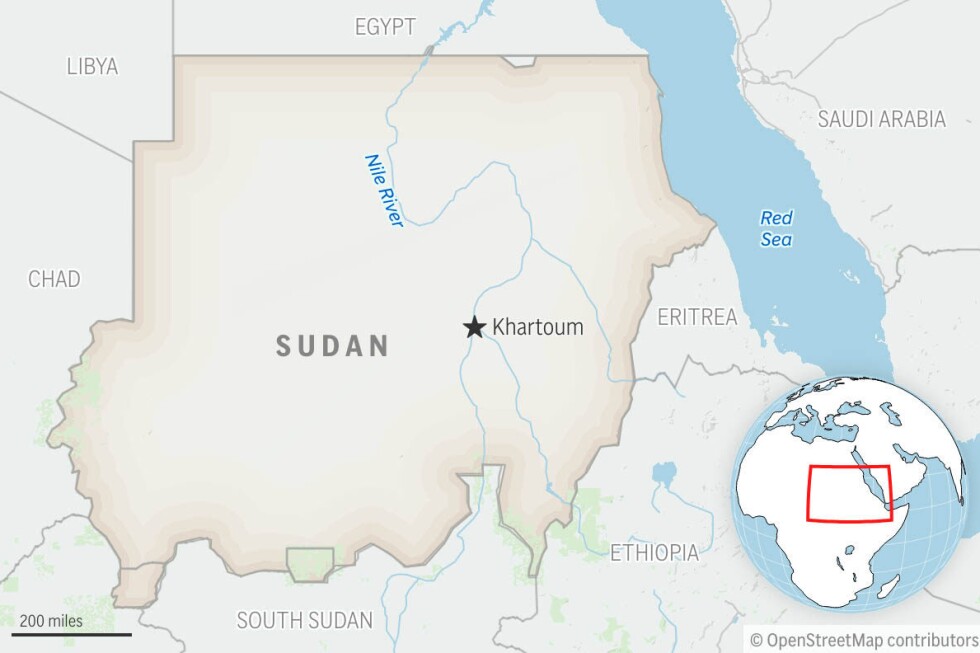
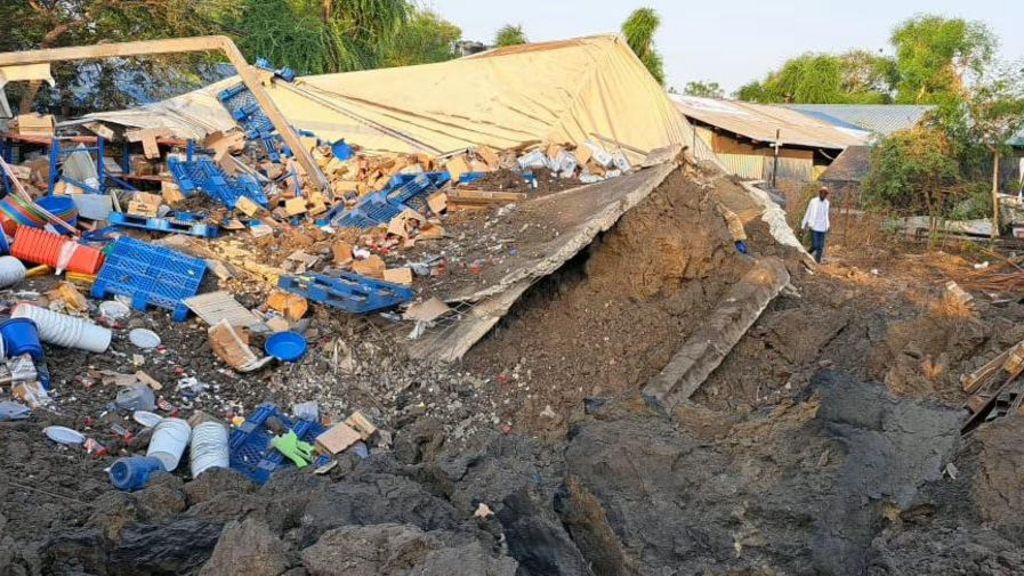
    Medical charity Doctors Without Borders (MSF) reports that a government airstrike has destroyed its hospital in South Sudan’s Jonglei state near the Ethiopian border, leaving an unknown number of aid workers missing and raising fears of renewed civil conflict.

    The attack occurred Tuesday night in the Lankien area, where MSF facilities served approximately 250,000 people. Although the hospital had been evacuated following warnings of an imminent strike, one staff member was injured and the facility’s main warehouse containing critical medical supplies was completely destroyed.

    In a simultaneous assault, MSF’s health facility in Pieri was looted by unidentified attackers, rendering it unusable for local communities. Medical personnel were forced to flee with surrounding communities, and their current whereabouts remain unknown.

    This violence emerges amid escalating tensions between government forces loyal to President Salva Kiir and opposition factions supporting suspended First Vice-President Riek Machar, who faces charges of plotting to overthrow the government. The resurgence of fighting threatens to reignite a full-blown civil war in the world’s youngest nation.

    The United Nations estimates approximately 280,000 people have been displaced by fighting and aerial bombardments in Jonglei since December. The region already suffers from severe food insecurity and critical healthcare shortages, compounded by government restrictions on humanitarian access in opposition-held territories.

    MSF operations manager Gul Badshah condemned the attacks, stating, ‘While we are aware of the enormous needs in the country, we find it unacceptable to be a target for attacks.’ The organization experienced eight targeted attacks in South Sudan during the previous year, resulting in the closure of two hospitals and suspension of general healthcare activities across multiple states.

    The current conflict traces back to 2013, when fighting first erupted between forces supporting Kiir and Machar. Although a 2018 peace agreement formally ended a civil war that claimed nearly 400,000 lives, implementation has been inconsistent amid ongoing ethnic tensions and sporadic violence.


  • 55,000 Ukrainian soldiers killed in war with Russia, Zelensky says

    55,000 Ukrainian soldiers killed in war with Russia, Zelensky says

    Ukrainian President Volodymyr Zelensky has publicly acknowledged that approximately 55,000 Ukrainian soldiers have perished in combat since Russia’s full-scale invasion began in February 2022. The declaration came during an interview with France 2 television, marking the first official casualty update since December 2024 when fatalities stood at 43,000.

    Zelensky emphasized that the confirmed death toll represents only part of Ukraine’s total losses, noting that “a large number of people” remain officially missing. Ukraine’s Interior Ministry had documented over 70,000 missing persons—both military and civilian—as of six months ago, though specific breakdowns remain undisclosed.

    Parallel diplomatic efforts continue as US special envoys Steve Witkoff and Jared Kushner engage in trilateral negotiations with Russian and Ukrainian representatives in Abu Dhabi. The talks yielded a significant breakthrough with an agreement to exchange 314 prisoners—the first such swap in five months. Witkoff characterized the discussions as “detailed and productive” while acknowledging “significant work remains,” particularly regarding territorial disputes in Donbas.

    Casualty verification remains challenging amid the conflict. BBC investigations have identified nearly 160,000 Russian military fatalities, though neither Moscow nor Kyiv typically discloses their own losses. Western intelligence assessments suggest actual figures for both sides substantially exceed official reports, with President Trump frequently noting that “thousands die unnecessarily every week.

    The human tragedy extends beyond statistics. Across Ukrainian cemeteries, military graves adorned with blue-and-yellow flags and engraved portraits have become permanent fixtures. Families of missing soldiers endure uncertain limbo—hoping their loved ones might be undocumented prisoners in Russian detention facilities rather than among the unrecovered dead in occupied territories.

    Humanitarian access remains constrained, with organizations like the Red Cross facing severe restrictions in Russian prisons. Body recovery and identification efforts have stalled, with no exchanges occurring since August 2023 until the recent Abu Dhabi agreement.

    These diplomatic developments coincide with renewed Russian offensive operations targeting Ukraine’s energy infrastructure amid extreme winter temperatures reaching -20°C (-4°F), creating additional humanitarian challenges for the civilian population.

  • Dubai Racing Carnival attendance jumps by 400 per cent in 2024–25

    Dubai Racing Carnival attendance jumps by 400 per cent in 2024–25

    The Dubai Racing Carnival has experienced an extraordinary renaissance, with attendance figures skyrocketing by 400-700% during the 2024-25 season compared to 2021 levels, according to Dubai Racing Club CEO Ali Al Ali. This remarkable transformation follows a strategic overhaul focused on elevating the event’s hospitality and culinary offerings.

    The carnival’s latest season witnessed unprecedented crowds, with approximately 80% of visitors coming from local communities and 20% representing international audiences. Al Ali highlighted the dramatic shift in expectations, noting that while organizers previously celebrated 1,000 attendees, they now consider 7,000 visitors insufficient.

    The event’s restructuring three years ago created a comprehensive international carnival stretching from November through to the prestigious Dubai World Cup in March. The 2025 Dubai World Cup itself broke records with over 65,000 spectators, with further growth anticipated for the current season.

    Central to this success has been the complete reimagining of food and beverage services. Meydan Racecourse now offers diverse dining options catering to various budgets, from premium private suites starting at Dh445 for groups of ten to the accessible Paddock Garden experience at Dh75 per adult.

    Al Ali emphasized that the 2024-25 season represented a tipping point in understanding audience expectations. The enhanced hospitality standards, particularly the liberation of suite guests to enjoy premium outdoor experiences, have been instrumental in attracting new demographics. This continuous improvement cycle ensures each season builds upon the lessons of the previous, creating an ever-evolving racing spectacle that combines world-class sport with exceptional entertainment value.

  • Pakistan Super League signs Bangladesh’s Mustafizur after IPL controversy

    Pakistan Super League signs Bangladesh’s Mustafizur after IPL controversy

    The Lahore Qalandars franchise has secured Bangladeshi pace bowler Mustafizur Rahman for $230,000 in a pre-auction draft selection for the Pakistan Super League. This acquisition comes amid escalating international cricket tensions stemming from Rahman’s controversial removal from the Indian Premier League earlier this month.

    The fast bowler had initially been contracted by Kolkata Knight Riders for $1 million in the IPL, but on January 3, the Board of Control for Cricket in India mandated his release without providing official justification. This decision occurred against a backdrop of regional political sensitivities between the neighboring nations.

    The IPL exclusion triggered diplomatic repercussions within international cricket governance. Bangladesh’s cricket board formally petitioned to relocate their Twenty20 World Cup matches from India to co-host Sri Lanka, citing security apprehensions. The International Cricket Council denied this request, dismissed the stated concerns as unfounded, and subsequently excluded Bangladesh from the tournament roster.

    The Pakistan Cricket Board expressed solidarity with Bangladesh’s position and accused the ICC of applying inconsistent standards across member nations. In response, Pakistan’s government issued directives prohibiting the national team from competing against India during the upcoming T20 World Cup, which commences this weekend. Pakistan-India cricket matches represent significant revenue generators for the ICC due to their massive viewer engagement.

    Lahore Qalandars owner Sameen Rana welcomed Rahman’s return, stating: “Once a Qalandar, always a Qalandar. Mustafizur is not just a player; he’s a brother, a key part of our family who never left. His talent, experience, and dedication will be invaluable as we aim to defend our title.” This marks the third time the franchise has drafted the Bangladeshi speedster since the PSL’s establishment in 2016.

  • Famine spreads to more towns in Sudan’s Darfur region, hunger experts warn as war rages on

    Famine spreads to more towns in Sudan’s Darfur region, hunger experts warn as war rages on

    CAIRO — The humanitarian catastrophe in Sudan’s Darfur region has dramatically worsened with famine conditions now confirmed in two additional towns, according to a Thursday report from the global hunger monitoring organization Integrated Food Security Phase Classification (IPC). The towns of Umm Baru and Kernoi have joined the major city of el-Fasher in experiencing full-scale famine, creating an escalating pattern of food insecurity across the western conflict zone.

    This alarming development occurs against the backdrop of Sudan’s devastating civil war, which erupted in April 2023 following a violent power struggle between the country’s military and the paramilitary Rapid Support Forces (RSF). The RSF had previously besieged el-Fasher for 18 months before overrunning the strategic city.

    The IPC report emerged simultaneously with news of a deadly paramilitary assault on a military hospital in Kouik, located in South Kordofan province. Medical authorities confirmed the attack resulted in 22 fatalities, including the hospital’s medical director and three additional healthcare staff members. Eight others sustained injuries in the assault, though the exact number of civilian casualties remains undetermined.

    United Nations agencies have classified the widespread humanitarian consequences of the ongoing conflict as the world’s most severe crisis. Beyond the newly confirmed famine locations, approximately 20 additional regions across Sudan currently face imminent famine risks according to previous IPC assessments. The organization had previously declared famine conditions in both el-Fasher and Kadugli, another city in South Kordofan, last November.

  • UAE parents seek clarity as new school admission age rules affect placements

    UAE parents seek clarity as new school admission age rules affect placements

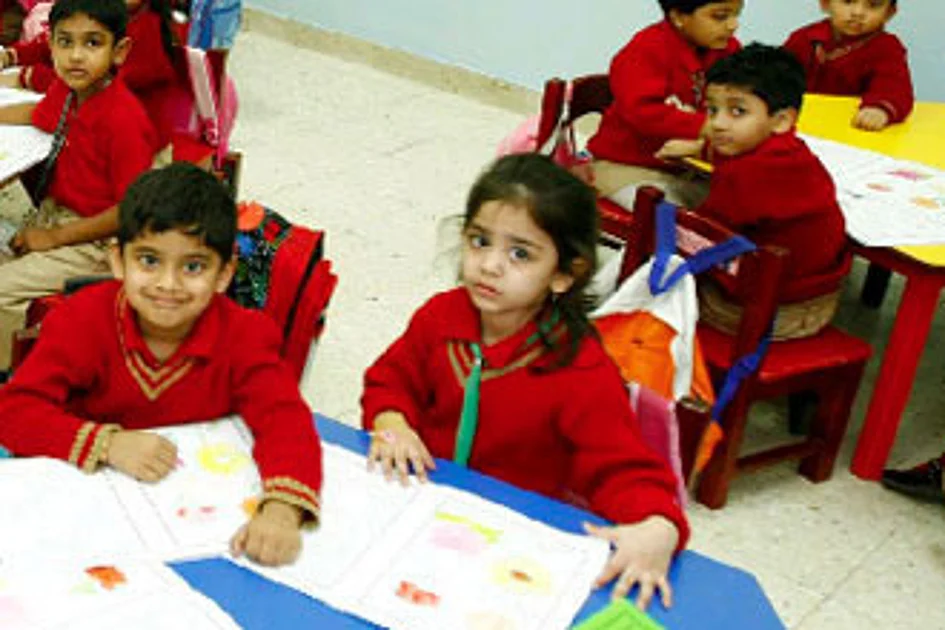
    A significant revision to student enrollment regulations in the United Arab Emirates has generated widespread uncertainty among families, with numerous confirmed school offers being rescinded mere months before the 2026-27 academic year. The Ministry of Education’s updated policy, announced in December, extends the age eligibility cutoff for Foundation Stage One (FS1) under the British curriculum from August 31 to December 31 of the admission year, meaning children must now turn three by the end of December rather than August to commence FS1.

    The Knowledge and Human Development Authority (KHDA) clarified that these revised cutoff dates exclusively apply to new student admissions in Pre-Kindergarten, KG1/FS2, KG2/Year 1, Grade 1/Year 2, or their curriculum equivalents. Despite this specification, numerous parents who had already secured placements under the previous guidelines now find themselves navigating unexpected disruptions.

    Educational institutions across the emirates have begun implementing these federal mandates, resulting in some children being moved to higher year groups or required to begin their formal education earlier than initially planned. This abrupt transition has raised substantial concerns among parents and educators regarding developmental readiness, classroom dynamics, and social adjustment.

    Parental testimonials reveal the practical consequences of this policy shift. Eshanka Wahi reported that her eldest son, originally registered for FS1 in September 2026, must now skip directly to FS2, potentially making him the youngest in his class by nearly sixteen months. Meanwhile, her younger child faces beginning FS1 at just two years and nine months old. Cristina Rusu experienced even more direct disruption when her daughter’s confirmed FS1 placement was withdrawn due to the new regulations, leaving the family without any secured school placement as alternative options had already reached capacity.

    While KHDA emphasizes that compliance with federal legislation is mandatory and not subject to local discretion, the authority encourages collaborative approaches between schools and families to support children through this transition. Educational professionals have noted potential challenges, with Rose AlKaabi of Woodlem British School observing that the widened age range within single classrooms may affect differentiation strategies and overall classroom dynamics, particularly in critical early years development.

    Child development experts further caution that premature school entry can present significant challenges beyond academic preparedness. Dr. Sneha John, Licensed Psychologist at Medcare Camali Clinic Jumeirah, highlighted research connecting early enrollment with patterns of poor effortful control, elevated anxiety, higher irritability, and attention difficulties—factors associated with poorer learning behaviors in kindergarten and diminished academic performance throughout elementary education.

  • What a Human Rights Watch report says about the economic toll of backsliding rights in Asia

    What a Human Rights Watch report says about the economic toll of backsliding rights in Asia

    A comprehensive analysis by Human Rights Watch reveals a disturbing regression in fundamental rights protections across Asia, with severe economic consequences and escalating inequality creating fertile ground for labor exploitation and criminal enterprises.

    The report, published Thursday, documents how authoritarian governance trends have intensified throughout the region, prompting governments to actively resist human rights initiatives. This deterioration coincides with reduced U.S. engagement in international organizations and foreign aid programs during the Trump administration, creating a vacuum that demands renewed alliances between rights-respecting democracies and civil society organizations.

    Economic disparities have reached critical levels, leaving impoverished communities exceptionally vulnerable. Afghanistan exemplifies this crisis, where forced repatriation of displaced persons combined with drastic aid reductions has plunged over 22 million citizens into severe food insecurity and inadequate access to shelter or medical care.

    Government crackdowns on dissent have systematically undermined accountability mechanisms and eroded legal protections. In Indonesia, indigenous activists and government critics—particularly those challenging mining corporations and oil plantation operations—face persistent threats, arrests, and negligible recourse against powerful commercial interests.

    Predatory financial practices have further entrapped marginalized communities. Cambodia’s indigenous populations suffer from coercive microfinance schemes that perpetuate debt cycles, forced land dispossession, and denial of traditional livelihoods.

    Labor protections continue to deteriorate across the region. Nepal and Bangladesh remain heavily dependent on remittance economies, yet migrant workers face systematic abuse despite decades of advocacy. These workers frequently incur substantial debt to cover recruitment fees, then encounter wage theft, hazardous working conditions, and sexual violence abroad without meaningful protection.

    Singapore’s exclusion of migrant workers from its Employment Act and restrictions on union participation illustrate how even developed economies institutionalize labor discrimination.

    Criminal enterprises have capitalized on weak law enforcement. Cambodia, Laos, and Myanmar have become hotspots for cyber-scam operations due to inconsistent enforcement against human trafficking and labor violations. Journalists investigating these activities in Cambodia face detention under national security pretexts.

    Myanmar’s 2021 military coup has triggered devastating humanitarian consequences, displacing 3.6 million internally while driving countless others across borders. The nation has now emerged as the world’s leading opium producer and a major source of synthetic drugs, reversing previous eradication progress.

    Despite these challenges, isolated progress offers glimmers of hope. South Korean legislators successfully resisted former President Yoon Suk Yeol’s martial law declaration, culminating in his impeachment and five-year prison sentence.

    Generation-Z led demonstrations across Nepal, Indonesia, and Bangladesh have brought renewed attention to corruption, inequality, and governance failures. Although not always achieving immediate reform, these movements reflect growing civic engagement. Recent violent protests in Jakarta, triggered by revelations of excessive legislative allowances, resulted in ten fatalities but demonstrated public willingness to challenge unaccountable governance.

    As Human Rights Watch Asia Director Elaine Pearson observed, ‘Citizens recognize unjust governance and are increasingly prepared to mobilize against it.’

  • Italian skiers lead men’s downhill training at the Olympics as an Austrian crashes

    Italian skiers lead men’s downhill training at the Olympics as an Austrian crashes

    BORMIO, Italy — Italian skiers showcased their formidable prowess during Thursday’s second downhill training session for the Milan Cortina Winter Olympics, dominating the leaderboard while Austrian competitor Daniel Hemetsberger suffered a dramatic high-speed crash on the challenging Stelvio course.

    Mattia Casse recorded the fastest time despite missing a gate midway through his descent, demonstrating both speed and technical vulnerability. His teammates Florian Schieder and Giovanni Franzoni secured second and third positions respectively, reinforcing Italy’s strong collective performance on their home snow.

    Franzoni, who recently achieved a breakthrough victory in Kitzbühel, Austria, has already secured his Olympic starting position alongside veteran Dominik Paris—Bormio’s record-holder with seven World Cup wins. The session served as a critical qualification opportunity for Casse, Schieder, and Christof Innerhofer (who finished seventh) as they compete for the team’s final two starting spots.

    Meanwhile, pre-race favorites including Switzerland’s Marco Odermatt and American Ryan Cochran-Siegle—Wednesday’s training leader—adopted conservative approaches, testing selective sections of the course while frequently exiting their aerodynamic tuck positions to conserve energy for the main event.

    The session’s most concerning moment occurred when Hemetsberger lost control at high velocity, rotated violently, and crashed through a gate with sufficient force to dislodge his helmet. The Austrian skier subsequently collided with safety netting before rising unaided while visibly clutching his facial area.

    Organizers have scheduled a final training session for Friday ahead of Saturday’s medal race, which will award the first Alpine skiing gold of the 2026 Winter Olympics.

  • UK leader apologizes to victims of Epstein for giving Peter Mandelson an ambassador job

    UK leader apologizes to victims of Epstein for giving Peter Mandelson an ambassador job

    British Prime Minister Keir Starmer has issued a formal apology to victims of Jeffrey Epstein following revelations about his appointed ambassador’s concealed connections to the convicted sex offender. In a Thursday address, Starmer expressed regret for having believed what he termed as “lies” from Peter Mandelson regarding the nature of his relationship with Epstein.

    The controversy erupted when newly disclosed U.S. Department of Justice documents exposed extensive communications between Mandelson and Epstein, contradicting the ambassador’s previous claims of minimal acquaintance. The evidence revealed not only sustained friendship following Epstein’s 2008 conviction for sex offenses involving a minor but also suggested potential sharing of sensitive government information during the 2008 financial crisis.

    Financial records indicate Epstein directed three payments totaling $75,000 between 2003-2004 to accounts associated with Mandelson or his partner, Reinaldo Avila da Silva. These transactions occurred years before Epstein’s death by suicide in 2019 while awaiting trial on federal charges of sexually abusing dozens of girls.

    Mandelson, a contentious Labour Party figure since the 1990s with a history of resignation from senior posts over financial and ethical scandals, was selected for his trade expertise and political acumen in dealing with the Trump administration. His appointment now faces intense scrutiny, with British authorities investigating potential misconduct in public office.

    Opposition lawmakers have questioned Starmer’s judgment, calling the appointment politically naïve and demanding accountability. The Prime Minister maintains he never met Epstein and is not accused of wrongdoing, but acknowledges the damage to public trust requiring significant effort to rebuild.

  • Instagram recovers after brief outage disrupts US users

    Instagram recovers after brief outage disrupts US users

    Instagram, the popular social media platform owned by Meta Platforms, experienced a temporary service disruption on Wednesday evening that impacted users across the United States. The outage, which began around 8:30 PM Eastern Time, was documented by Downdetector.com, a leading outage-tracking service that aggregates status reports from multiple sources.

    According to Downdetector’s real-time data, the platform recorded exactly 10,108 incident reports from users experiencing difficulties accessing Instagram’s services during the peak of the disruption. The technical issues manifested as problems with the application’s core functionality, though the specific nature of the glitch remained unspecified.

    Remarkably, the service interruption proved to be short-lived. Within approximately one hour of the initial reports, the number of incident submissions had decreased dramatically, indicating a rapid resolution to whatever technical complications had caused the widespread access problems.

    Meta Platforms, Instagram’s parent company, maintained its characteristic silence regarding the incident. Despite requests for comment from Reuters journalists, the technology giant offered no official explanation for the service disruption or details about the remediation process.

    This incident marks another in a series of recent outages affecting major social media platforms, highlighting the ongoing challenges of maintaining uninterrupted service for massive user bases numbering in the billions. The swift recovery, however, demonstrates the robust infrastructure and technical response capabilities that underpin today’s major digital platforms.