作者: admin

  • Uncertainty clouds tariff talks

    Uncertainty clouds tariff talks

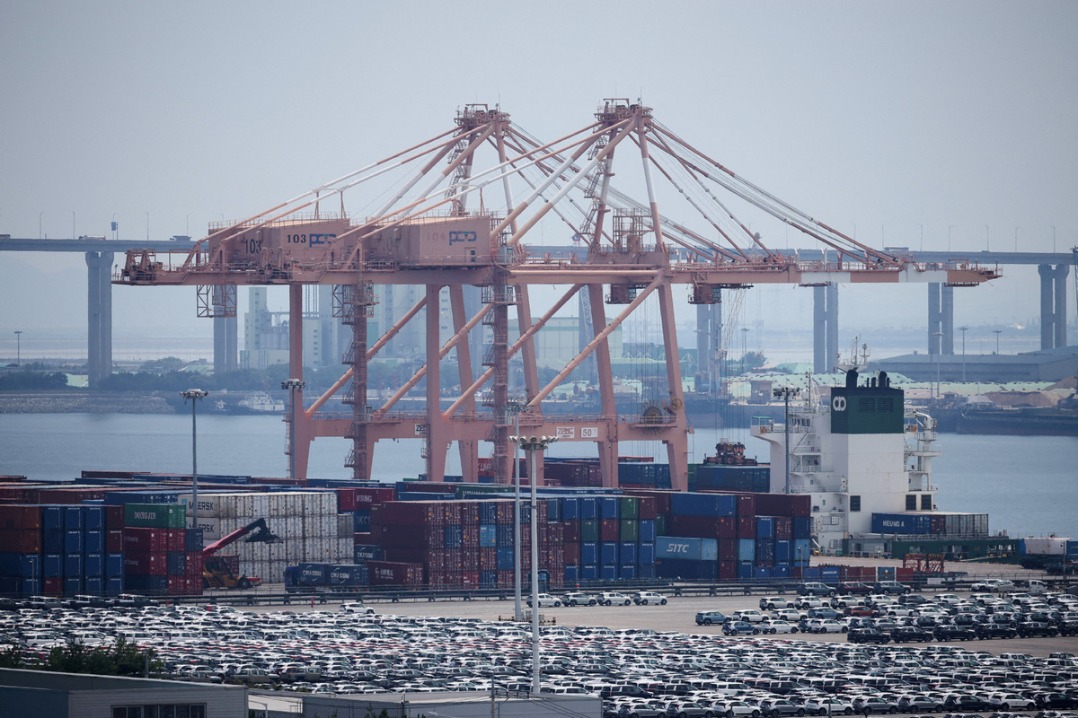
    A critical diplomatic meeting between South Korean Foreign Minister Cho Hyun and US Secretary of State Marco Rubio concluded without resolution on Tuesday, leaving unresolved the specter of substantial tariff increases on Korean exports. The high-level discussions in Washington addressed bilateral trade concerns, including shipbuilding disputes and investment frameworks, yet failed to produce a concrete agreement to avert impending levies.

    The trade tension escalated significantly on January 26 when former President Donald Trump announced via social media his intention to raise import duties on South Korean goods from 15% to 25%. This proposed increase hinges on Seoul’s delayed ratification of a bilateral trade agreement that would authorize a monumental $350 billion investment package in the United States.

    Despite Minister Cho’s detailed presentation of Seoul’s implementation efforts and his proposal for enhanced communication between trade authorities, the US State Department’s official meeting summary conspicuously omitted any reference to the tariff discussion. This absence signals a fundamental divergence in diplomatic priorities between the two nations, according to regional analysts.

    Professor Kang In-soo of Sookmyung Women’s University characterized the situation as a ‘macro-critical emergency’ for South Korea, noting that the potential tariffs could severely impact export revenues, corporate profitability, and broader economic stability including employment and currency markets. Meanwhile, US officials appear to approach the matter primarily as an implementation issue rather than a diplomatic crisis requiring immediate de-escalation.

    The foreign minister’s visit followed similarly inconclusive talks by Trade Minister Yeo Han-koo, who spent the previous week in Washington unable to secure meetings with key US trade officials. Minister Yeo noted that American administrators are proceeding with plans to formalize ‘reciprocal’ tariff increases, emphasizing the need for continued dialogue to bridge institutional understanding gaps.

    Domestically, South Korea’s ruling Democratic Party is accelerating legislative efforts to pass the special investment bill, recently agreeing with opposition parties to establish a special committee to expedite the process. Economic experts advise that any legislation should incorporate protective measures such as conditional disbursement requirements, periodic parliamentary review, and investment caps to prevent future negotiation vulnerabilities.

    Industry representatives from Korea’s International Trade Association suggest that Washington has increasingly employed tariffs as a standard negotiation tool, indicating that similar pressures may recur depending on investment sector selection and execution timelines.
  • TSMC to make advanced AI semiconductors in Japan in boost for its chipmaking ambitions

    TSMC to make advanced AI semiconductors in Japan in boost for its chipmaking ambitions

    In a strategic move reshaping global semiconductor manufacturing, Taiwan Semiconductor Manufacturing Company (TSMC) has confirmed plans to produce cutting-edge 3-nanometer semiconductors at its second Japanese facility in Kumamoto Prefecture. This decision positions Japan as a critical hub for advanced chip manufacturing amid soaring artificial intelligence-related demand worldwide.

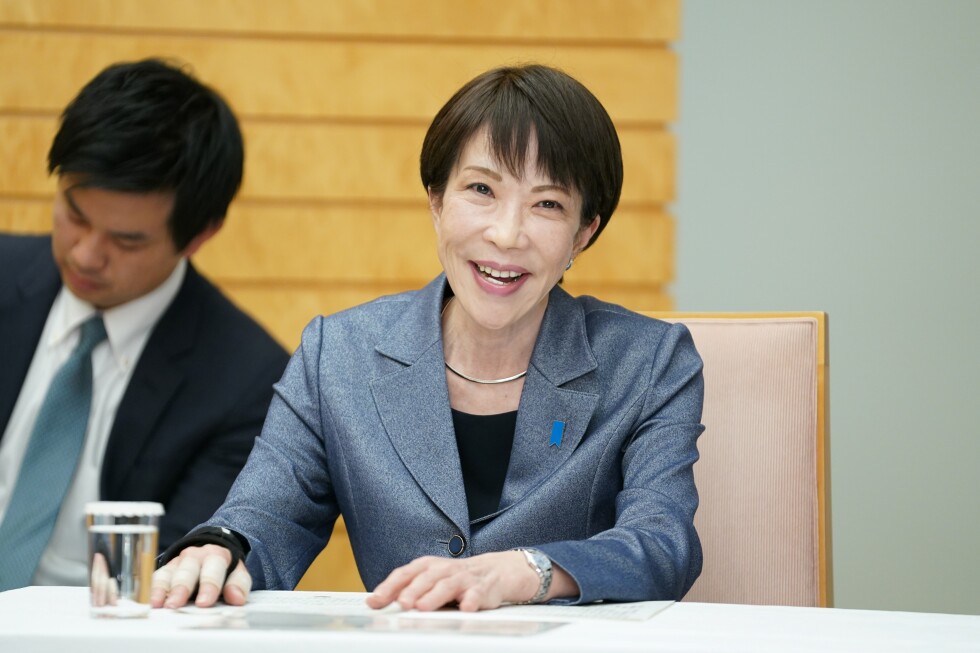
    The announcement came during a high-level meeting in Tokyo between TSMC Chairman C.C. Wei and Japanese Prime Minister Sanae Takaichi, who characterized the development as highly significant for Japan’s economic security. The 3nm chips, representing the industry’s most advanced technology, will primarily serve AI applications, robotics, and autonomous driving systems—sectors specifically designated as strategically vital by the Japanese government.

    This expansion represents a substantial advancement from TSMC’s first Kumamoto plant, which began mass production of less sophisticated chips in late 2024. The company’s Japanese investment coincides with parallel expansions in Arizona, United States, creating a diversified global manufacturing footprint to address the explosive growth in AI-driven computing requirements.

    Japan’s aggressive semiconductor policy, featuring substantial subsidies for domestic chipmaker Rapidus alongside incentives for international partners like TSMC, demonstrates the nation’s determined effort to regain competitiveness in advanced chip manufacturing. Despite emerging concerns about potential overinvestment in AI infrastructure, TSMC leadership maintains confidence in the sustainability of demand, recently announcing plans to increase capital spending by up to 40% this year, with projected investments reaching $52-56 billion by 2026.

  • China’s netizens surpass 1.12 billion: report

    China’s netizens surpass 1.12 billion: report

    China’s digital ecosystem has achieved a monumental milestone, with the nation’s online population now exceeding 1.12 billion users according to the latest official report. The data, released on February 5, 2026, reveals not only massive internet penetration but also substantial adoption of cutting-edge artificial intelligence technologies across the country.

    The comprehensive digital report highlights that approximately 602 million Chinese citizens have engaged with generative AI platforms and tools, demonstrating remarkable technological adoption rates. This represents one of the world’s largest concentrations of AI-literate users within a single national market.

    This unprecedented digital expansion reflects China’s sustained investments in technological infrastructure, digital literacy programs, and innovation ecosystems over the past decade. The convergence of widespread internet access and advanced AI adoption positions China at the forefront of the global digital transformation, with implications for economic development, social connectivity, and technological innovation.

    The massive user base creates unique opportunities for digital economy growth, e-commerce expansion, and technological innovation while simultaneously presenting challenges in cybersecurity, digital governance, and technological ethics. This digital landscape transformation is reshaping how Chinese citizens work, communicate, and access information, fundamentally altering the social and economic fabric of the nation.

  • Israel’s first Olympic bobsled team heads to Italy in bid they have dubbed ‘Shul Runnings’

    Israel’s first Olympic bobsled team heads to Italy in bid they have dubbed ‘Shul Runnings’

    TEL AVIV — Against a backdrop of international scrutiny and athletic inexperience, Israel is making Winter Olympics history with its inaugural bobsled team competing at the Milan Cortina Games. The diverse squad comprises former track and field specialists, a rugby player, and skeleton Olympian AJ Edelman, who is recognized as the first Orthodox Jewish Winter Games competitor.

    The team’s formation represents a remarkable achievement in athletic perseverance. Most members had zero bobsled experience before this season, including Ward Farwaseh, who is poised to become the first Druze Olympian. Their participation occurs during a period of heightened diplomatic isolation for Israel, with numerous international sports events witnessing boycotts and protests related to the Gaza conflict.

    Team leader Edelman, a two-time Olympian from Massachusetts, overcame significant physical challenges including scoliosis and poor balance after being told he would never qualify for winter sports. His relentless determination led to a 2018 skeleton appearance before he embarked on creating Israel’s bobsled program from scratch.

    The team faced near-impossible obstacles when Hamas’ October 2023 attack prompted the military draft of most original members. Edelman and Farwaseh rebuilt the roster with Israeli shot-putter Menachem Chen, sprinter Omer Katz, pole vaulter Uri Zisman, and crossfit athlete Itamar Shprinz as coach—who initially needed to research what bobsledding entailed before accepting the position.

    Despite these challenges, the team secured their Olympic qualification last month in Lake Placid. They join five other Israeli athletes at the Games, including figure skater Maria Seniuk and skeleton competitor Jared Firestone.

    The athletes acknowledge competing amid calls for Israel to receive treatment similar to Russian athletes, who must compete as neutrals without national symbols. The International Olympic Committee has maintained that legal grounds for such measures don’t currently apply to Israel’s case.

    Team members express pride in representing their nation despite safety concerns, with Zisman noting his mother’s worries about displaying the Star of David. Their participation establishes foundational infrastructure for future Israeli winter athletes and embodies what Edelman calls “Shul Runnings”—a Jewish adaptation of the Jamaican bobsled story immortalized in “Cool Runnings.”

  • Play unlocks hidden stories of Chinese railroad laborers

    Play unlocks hidden stories of Chinese railroad laborers

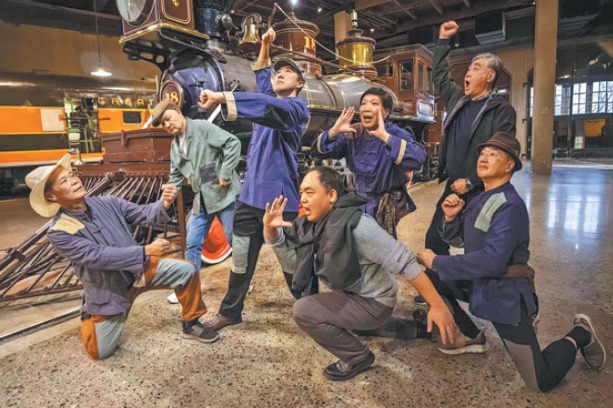
    A groundbreaking theatrical production titled ‘The Silent Spikes’ is poised to illuminate the long-overlooked contributions of Chinese immigrant laborers who built America’s First Transcontinental Railroad. Scheduled for its Bay Area premiere on February 7, the six-scene play represents nearly two years of meticulous historical research and creative development.

    Under the direction of Zeng Chunhui, the production brings to life what he describes as ‘a history built with the flesh and blood of Chinese workers.’ The narrative draws from historical records showing that between 1863 and 1869, Chinese laborers constituted approximately 80-90% of the Central Pacific Railroad’s workforce, numbering between 12,000-15,000 at peak construction. These workers from China’s Guangdong province performed extraordinarily dangerous tasks including blasting tunnels through solid granite in the Sierra Nevada mountains and laying track across arid deserts.

    The production’s cultural significance resonates deeply with cast members like Yu Guoliang, a California engineer descended from Siyi immigrants. ‘I feel a strong connection to my ancestors,’ Yu noted. ‘I imagine their arduous journeys and suffering more than 150 years ago.’

    Historical accounts confirm the brutal conditions these workers endured. The Truckee-Donner Historical Society documents at least 1,200 Chinese fatalities from work-related accidents, avalanches, and explosions. Despite their monumental contribution to connecting America’s coasts, Chinese laborers faced systemic discrimination—receiving lower wages than Irish counterparts and being conspicuously excluded from the iconic ‘golden spike’ ceremony commemorating the railroad’s completion.

    Producer Chen Jianping of the Hua Yi Performing Arts Center emphasizes the production’s mission: ‘It’s time to restore the truth, reclaim a vital chapter of American history, and give our ancestral Chinese laborers a voice on stage.’ The production features bilingual elements incorporating Chinese musical and emotional rhythms to present history through an authentic cultural lens.

    The cast includes remarkable diversity, from lead actor Liu Xingjiu portraying a culturally sophisticated ‘master’ character well-versed in feng shui and classical literature, to Generation Z actress Wang Zijin embodying the resilient wife of a laborer. Notably, Caucasian actor Joseph G. Rios portrays Leland Stanford, acknowledging the production’s cross-cultural significance. Rios observed, ‘What struck me most is how quietly this history has lived—not deliberately erased, but largely left unspoken.’

    The production represents both artistic achievement and historical reclamation, offering audiences new perspectives on immigrant contributions to American infrastructure and nation-building.

  • Ramadan 2026 fasting hours in UAE: A week-by-week guide

    Ramadan 2026 fasting hours in UAE: A week-by-week guide

    The United Arab Emirates is preparing for a comparatively milder Ramadan experience in 2026, with fasting durations projected to be significantly shorter than previous years. According to astronomical calculations, the holy month is expected to commence on February 19, 2026, though official confirmation rests with the UAE’s Moon Sighting Committee who will verify the crescent moon sighting.

    The Islamic Hijri calendar’s lunar nature causes Ramadan to shift approximately 10-12 days earlier annually, directly influencing fasting durations. This cyclical variation means worshippers will experience different seasonal conditions throughout their spiritual journey.

    Fasting in Islam entails complete abstinence from food and drink from the Fajr (dawn) prayer until Maghrib (sunset). Many observant Muslims additionally observe imsak, ceasing consumption about ten minutes before the official Fajr call as a precautionary measure.

    Week-by-week analysis reveals a gradual progression in fasting length:
    – Week 1: Initial fasts will last approximately 12 hours and 46 minutes, ranking among the shortest of the month
    – Week 2: Durations cross the 13-hour threshold as sunset times gradually delay
    – Week 3: Mid-month fasting reaches 13 hours and 5 minutes
    – Final Week: Peak fasting extends to 13 hours and 27 minutes, still notably shorter than the nearly 14-hour fasts experienced during 2025’s Ramadan

    The 2026 Ramadan will conclude with iftar occurring around 6:33 PM, offering relief compared to later seasonal observances. This temporal shift provides a different spiritual dynamic for Muslims undertaking their annual fast.

  • Levy threat on aircraft strains neighbors’ ties

    Levy threat on aircraft strains neighbors’ ties

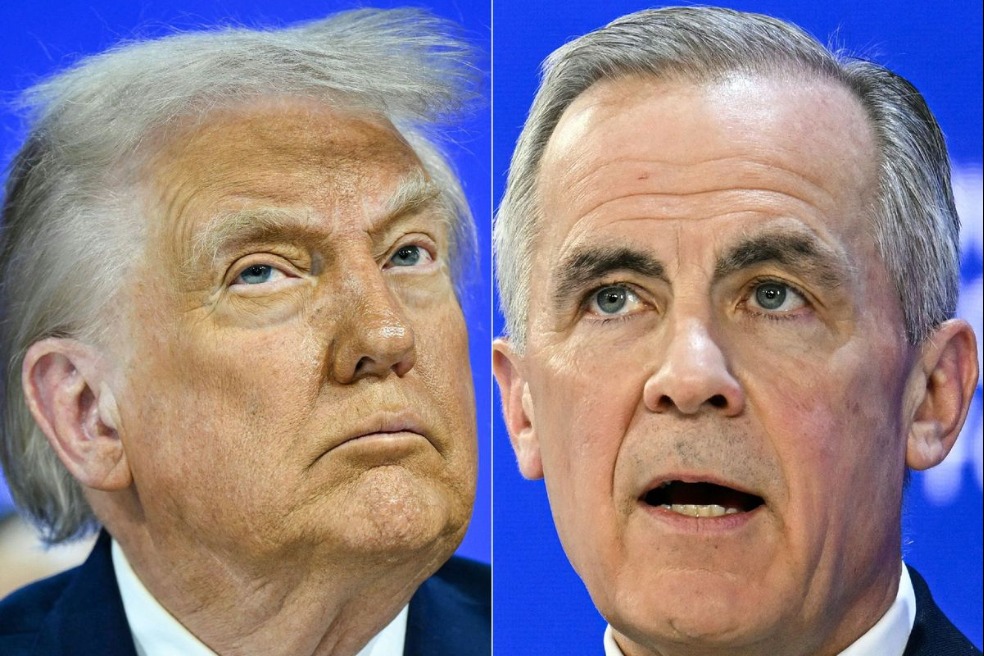
    Diplomatic relations between Canada and the United States have plummeted to their lowest point in decades following Washington’s threat to impose crippling 50% tariffs on Canadian aircraft. This aggressive trade maneuver has sparked widespread concern among academics, labor representatives, and industry experts who warn of potentially devastating consequences for North American aerospace collaboration.

    University of Toronto Professor Emeritus Robert Bothwell characterized the bilateral relationship as experiencing unprecedented strain, noting that current tensions recall historical lows not witnessed since the 19th century. According to Bothwell, the selection of aircraft as a target represents a strategic political calculation rather than genuine economic concern, reflecting a broader pattern of using trade mechanisms as leverage in international negotiations.

    Canada’s largest private-sector union, Unifor, has condemned the proposed measures as a direct assault on the nation’s industrial economy. National President Lana Payne highlighted the historical context of American interventions in Canadian aerospace, referencing previous incidents involving the Avro Arrow and Bombardier C Series programs. The union warned that politicizing aircraft certification processes not only threatens thousands of skilled jobs but also compromises established safety protocols designed to protect public welfare.

    The escalating trade dispute casts a shadow over upcoming renegotiations of the Canada-United States-Mexico Agreement (CUSMA). Bothwell predicts a contentious process driven by performative diplomacy, with the U.S. likely seeking maximum concessions through public pressure tactics. He specifically raised concerns about potential proposals for a commercial union with common external tariffs, which would effectively transfer significant aspects of Canadian sovereignty to U.S. control.

    Despite the current focus on aerospace, experts anticipate continued trade friction across multiple sectors regardless of how the immediate aircraft dispute resolves. The deterioration of diplomatic trust and established trade norms suggests a fundamental recalibration of North American economic relations that will likely persist through future negotiations and policy decisions.

  • Top political advisor meets Taiwan delegates to CPC, KMT think tank forum

    Top political advisor meets Taiwan delegates to CPC, KMT think tank forum

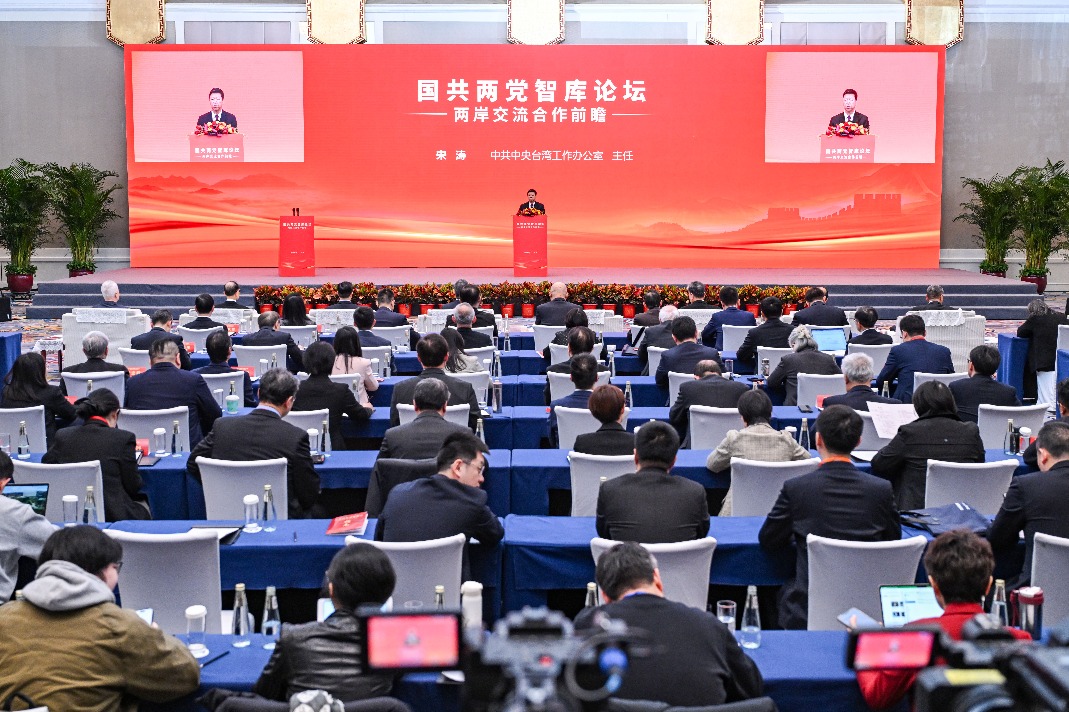
    In a significant diplomatic engagement, China’s senior political leadership has convened with Taiwanese representatives at a high-level forum in Beijing, signaling continued cross-strait communication channels. Wang Huning, Chairman of the Chinese People’s Political Consultative Conference National Committee and member of the CPC Central Committee Political Bureau Standing Committee, hosted delegates from Taiwan’s Kuomintang (KMT) party on February 4, 2026.

    The meeting followed a collaborative think tank symposium organized by research institutions affiliated with both the Communist Party of China and the Chinese Kuomintang. Wang emphasized Beijing’s commitment to strengthening multilateral exchanges with Taiwanese political parties, civil organizations, and citizens across various sectors. The senior official articulated China’s position that peaceful development across the Taiwan Strait remains contingent on mutual adherence to the 1992 Consensus and unequivocal opposition to Taiwanese independence movements.

    Wang further encouraged expanded economic cooperation, explicitly inviting Taiwanese enterprises and compatriots to participate in China’s 15th Five-Year Plan implementation. The dialogue emphasized cross-strait collaboration in tourism, industrial development, technological innovation, healthcare, and environmental protection sectors.

    Representing the Taiwanese delegation, KMT Vice-Chairman Hsiao Hsu-tsen responded with aspirations for enhanced bilateral consultation mechanisms, advocating for dialogue over confrontation. The delegation expressed shared interest in national rejuvenation objectives, with over 100 experts and representatives from both sides participating in the preceding forum discussions.

  • Argentine wheat shipment opens new link to China

    Argentine wheat shipment opens new link to China

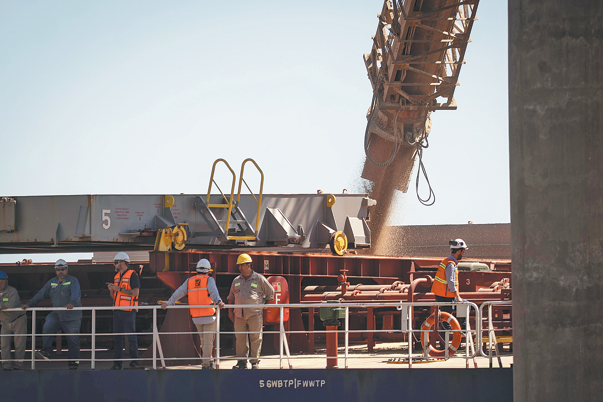
    In a significant development for global agricultural trade, Argentina has successfully launched a new wheat export corridor to China, marking a strategic shift in international supply chains. The shipment of approximately 65,000 metric tons of Argentine wheat currently en route to Chinese ports represents the first bulk commercial delivery since 1997, establishing what industry experts believe could become a rapidly expanding trade route.

    The Argentine Secretariat of Agriculture, Livestock and Fisheries has hailed this transaction as a landmark achievement in bilateral commercial relations. The cargo, loaded at COFCO International’s terminal in Timbues, Santa Fe Province, signals a new chapter in agricultural cooperation between the two nations. Chinese Ambassador to Argentina Wang Wei emphasized during December’s send-off ceremony that this initiative aligns with China’s commitment to expanding high-level opening-up policies while fostering mutual economic development.

    Emilce Terre, Head of the Directorate of Information and Economic Studies at Argentina’s Rosario Board of Trade, revealed that the initial shipments in late 2025—comprising four vessels carrying nearly 160,000 tons—represent merely the foundation of a much larger trading relationship. While Argentina’s peak wheat exports to China reached 1.05 million tons in 1989, Terre expressed confidence that current potential exceeds historical records due to evolving demand patterns and supply-side transformations.

    This new trade flow emerges as China strategically diversifies its import sources amid sensitivity to price volatility, geopolitical tensions, and climate-related risks in traditional supplier markets. Although China predominantly satisfies domestic consumption through local production, its massive market size continues to make it an attractive destination for global exporters. The current import structure heavily relies on limited producers including Australia and Canada, creating vulnerability to supply disruptions.

    Argentina’s competitive advantages extend beyond mere volume. The Southern Hemisphere harvest cycle runs counter to Northern Hemisphere patterns, enabling buyers to maintain consistent annual procurement schedules. This seasonality proves particularly valuable when weather events or logistical challenges disrupt conventional supply routes. Furthermore, Argentina’s robust agricultural infrastructure centered in the Rosario region provides ample capacity for export expansion without compromising domestic supply during high-yield harvest years.

    Beyond wheat, Argentina has established itself as a key supplier of soybeans and beef to China, with corn exports gaining traction over the past two years. Industry analysts suggest potential exists for broadening the trade basket to include poultry, pork, legumes, and other high-quality agro-industrial products, creating a comprehensive agricultural partnership that benefits both economies through enhanced food security and market diversification.

  • Taiwan public opinion says CPC-KMT think tank forum benefits cross-Strait peace

    Taiwan public opinion says CPC-KMT think tank forum benefits cross-Strait peace

    TAIPEI – A landmark think tank forum between the Chinese Communist Party (CPC) and Taiwan’s Kuomintang (KMT) has concluded in Beijing, generating substantial optimism among Taiwanese political analysts and media regarding its potential to foster peaceful development across the Taiwan Strait. The dialogue, which produced 15 joint consensus points aimed at revitalizing cross-Strait exchanges, has been widely interpreted as a significant diplomatic advancement.

    Co-organized by research institutions affiliated with both parties, the forum assembled over 100 delegates spanning diverse sectors including tourism, industrial development, technological innovation, healthcare, and environmental conservation. This broad participation underscored a mutual commitment to addressing practical issues affecting citizens on both sides.

    Taiwan’s United Daily News highlighted in a recent editorial that the forum’s emphasis on livelihood-oriented agendas resonates deeply with public expectations in Taiwan, where economic cooperation and civil exchanges are highly prioritized. The publication noted that the pragmatic focus aligns with mainstream Taiwanese sentiment favoring constructive engagement over political confrontation.

    Echoing this perspective, Chi Hsing, publisher of The Observer magazine, stated that the mainland’s approach demonstrates a sustained commitment to peaceful integration through concrete confidence-building measures. The 15 consensus agreements specifically target the normalization of cross-Strait personnel exchanges, enhanced collaboration in emerging industries, and deepened cooperation in healthcare, ecological protection, and disaster response mechanisms.

    Further analysis by Taiwan’s China Times characterized the forum as having transmitted encouraging signals that may pave the way for improved mutual understanding. Teng Che-wei, Chairman of the Taipei International Chamber of Commerce, emphasized that these proposals reflect growing public demand for tangible cooperation beyond ideological differences.

    Commentator Hsieh Chih-chuan described the dialogue as an invaluable communication channel under current circumstances, suggesting that investing in developmental cooperation rather than military expenditure would better serve the interests of both societies. The forum collectively urged Taiwan’s Democratic Progressive Party authorities to acknowledge the strong public appetite for engagement and remove existing restrictions on cross-Strait exchanges.