作者: admin

  • Storm Leonardo slams Spain and Portugal, leaving 1 dead and a girl missing

    Storm Leonardo slams Spain and Portugal, leaving 1 dead and a girl missing

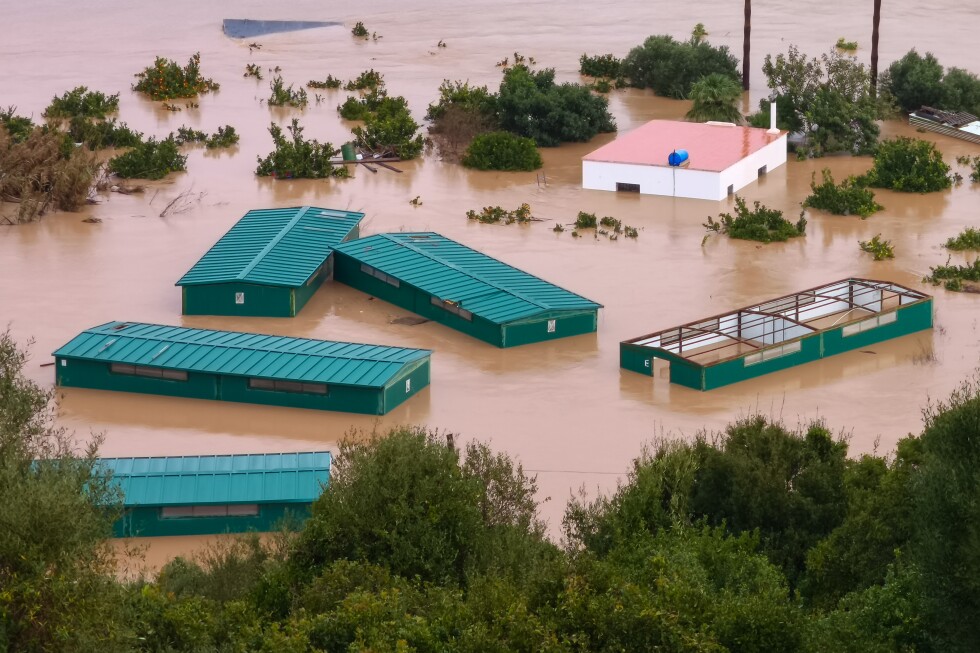
    The Iberian Peninsula continues to grapple with severe weather conditions as Storm Leonardo unleashes torrential rains and powerful winds, resulting in tragic casualties and widespread disruption across Spain and Portugal.

    Tragedy struck in southern Portugal Wednesday night when a man perished after his vehicle was overcome by rapidly rising floodwaters. Meanwhile, emergency response teams in Spain’s Malaga province are conducting intensive search operations for a young girl who was swept away by the turbulent Turvilla river while attempting to rescue her pet dog.

    The Portuguese municipality of Alcacer do Sal, approximately 90 kilometers south of Lisbon, faces critical flooding circumstances with the Sado River overflowing into urban areas. Current measurements indicate water levels reaching approximately two meters (7 feet) in certain locations, submerging significant portions of the city center.

    Spain’s Andalusia region has experienced substantial evacuations with nearly 4,000 residents compelled to abandon their residences due to safety concerns. Transportation networks have been severely compromised with numerous roadways rendered impassable because of flooding and landslide incidents.

    Meteorological authorities have downgraded the highest alert level in southern Spain while simultaneously forecasting another approaching storm system anticipated to arrive during the upcoming weekend. This continuing pattern of severe weather represents the latest in a succession of intense storms that have consistently battered both nations in recent weeks.

    Portuguese officials have issued warnings regarding anticipated heavy rainfall across multiple regions in the coming days, raising concerns about further potential damage. The memory remains fresh of a previous late-January storm that caused significant destruction and claimed multiple lives throughout Portugal.
  • Europe’s central bank maintains interest rate with economic growth resilient

    Europe’s central bank maintains interest rate with economic growth resilient

    FRANKFURT, Germany — The European Central Bank maintained its current monetary policy stance Thursday, keeping benchmark interest rates unchanged as the eurozone economy demonstrates unexpected resilience despite global trade tensions and geopolitical challenges.

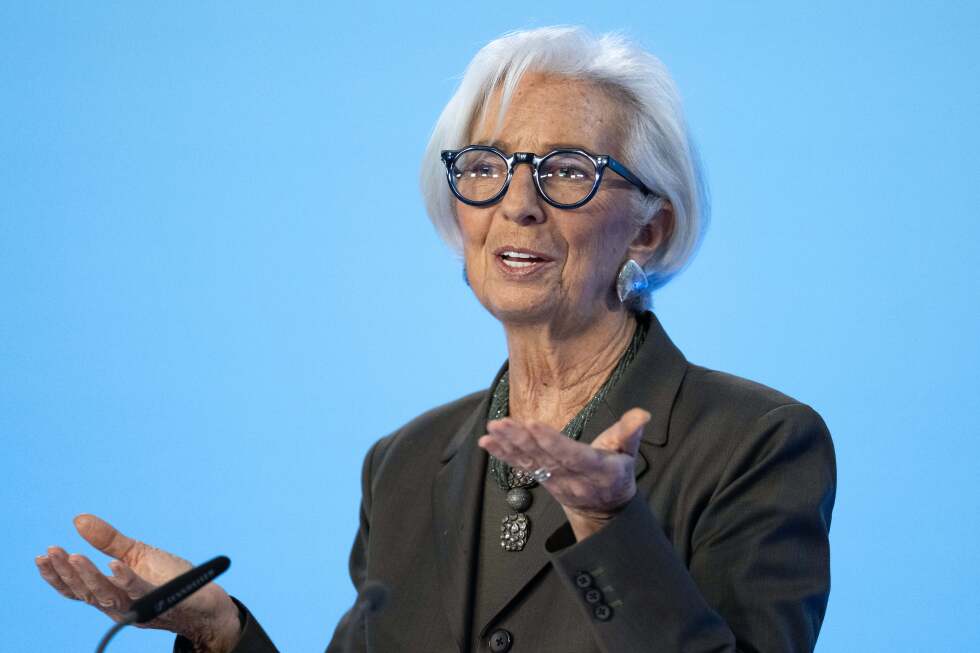
    ECB policymakers decided to retain the key deposit rate at 2%, maintaining the level established in June following a series of reductions from the previous peak of 4% that began in mid-2024. This decision reflects the institution’s cautious approach amid what President Christine Lagarde characterized as “a challenging global environment.”

    Addressing journalists during her post-meeting conference, Lagarde highlighted several factors supporting the region’s economic stability. “The economy remains resilient, buoyed by historically low unemployment levels, increased governmental expenditure on defense infrastructure, and the cumulative impact of our previous rate reductions,” she stated.

    However, Lagarde acknowledged significant external headwinds, citing “higher tariff impositions and a strengthening euro” as continuing challenges. The ECB president offered no definitive guidance on future monetary policy directions, emphasizing instead a meeting-by-meeting approach to decision-making given the current “significant uncertainty” in global markets.

    The current accommodative monetary environment has already stimulated economic activity through revived mortgage lending and construction sectors, benefiting from reduced borrowing costs. Concurrently, robust employment figures continue to sustain consumer demand, providing additional economic momentum without requiring further immediate stimulus measures.

    Economic indicators support the ECB’s steady approach. The eurozone expanded by 0.3% in the final quarter of 2025, exceeding analyst expectations. Financial institution Berenberg projects full-year growth could reach 1.3% for 2026, with economists anticipating the ECB might maintain current rates until mid-2027 before considering any increases.

    Improved growth prospects stem partly from anticipated fiscal expansions in key economies. Germany, the eurozone’s largest economy, is expected to increase infrastructure and defense spending, while France recently resolved prolonged budgetary negotiations that had created political uncertainty.

    Additional positive developments include moderated energy costs since the dramatic price surges following Russia’s 2022 invasion of Ukraine, and reduced trade policy uncertainty after the European Commission negotiated a cap on U.S. tariffs at 15%—a substantial increase from the previous 4.8% but below worst-case scenarios.

    Inflationary pressures have similarly moderated, with January figures falling to 1.7%, below the ECB’s 2% target threshold. This combination of controlled inflation, steady growth, and reduced external uncertainties provides the central bank with flexibility to maintain its current policy stance while monitoring evolving economic conditions.

  • UAE focuses on family growth with new policies, healthcare support

    UAE focuses on family growth with new policies, healthcare support

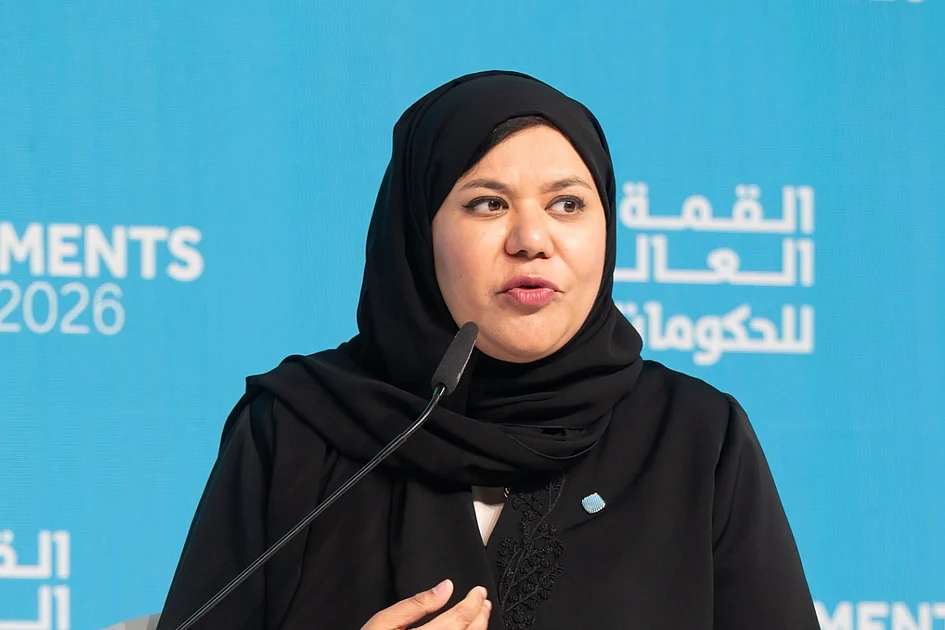
    In response to plummeting global fertility rates, the United Arab Emirates has unveiled an ambitious multi-faceted approach to encourage family growth through comprehensive policy reforms and societal support systems. Under the leadership of Minister of Family Sana bint Mohammed Suhail, the nation has established a cross-governmental task force involving more than 20 federal and local entities that has already implemented over 60 family-focused policies.

    The comprehensive strategy addresses critical gaps in housing, healthcare, education, employment, and social support frameworks. At the recent World Government Summit 2026, officials introduced the ‘Family First’ program as part of the National Family Growth Agenda 2031, designed to transform public spaces into family-friendly environments through practical measures including priority parking for expectant mothers, dedicated family seating on public transport, and specialized childcare facilities. The initiative will launch initially in Dubai before expanding nationwide.

    Minister Sana emphasized that policy alone cannot reverse demographic trends, noting that while a strong majority of Emirati youth still value family institutions, many delay family formation due to educational pursuits, career advancement, or financial considerations. The UAE’s approach combines legislative reform with behavioral insights, mindset transformation, and enhanced healthcare support based on extensive national research including youth surveys conducted over several years.

    The strategy leverages the nation’s unique demographic advantage—with its population aged 15-35 expected to grow by approximately 30% over the next decade—creating what officials describe as a critical opportunity window for well-timed interventions. Rather than pursuing numerical targets, the government aims to establish an enabling ecosystem that allows young citizens to align personal aspirations with family life when prepared.

    International perspectives at the summit reinforced the complexity of demographic challenges, with Serbian Minister Tatjana Macura sharing similar experiences despite her country’s liberal IVF policies, highlighting the need for educational approaches that inform youth about biological realities without pressuring family decisions.

  • Japan cherry blossom festival cancelled over badly behaved tourists

    Japan cherry blossom festival cancelled over badly behaved tourists

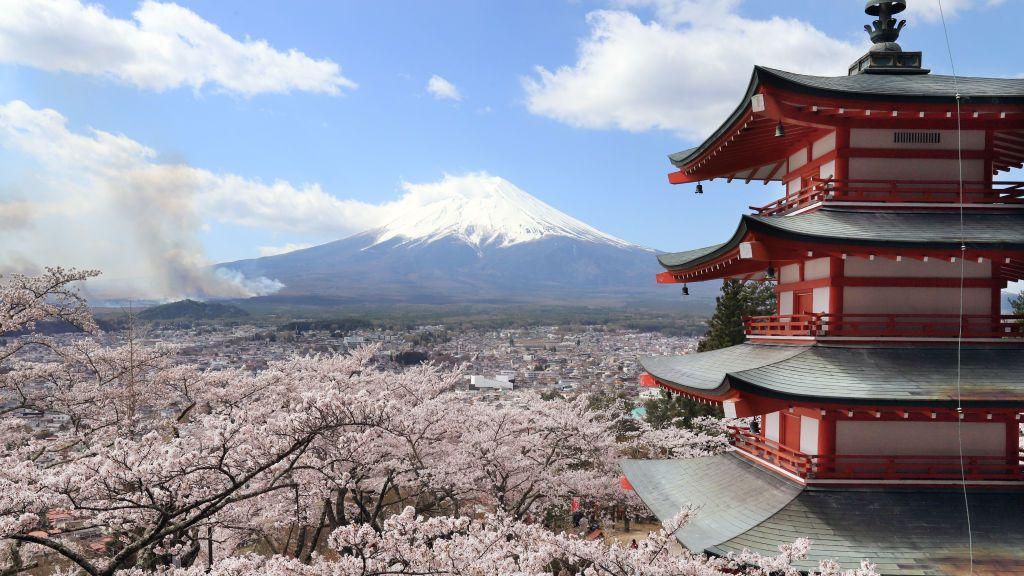
    The picturesque Japanese town of Fujiyoshida, renowned for its stunning views of Mount Fuji framed by cherry blossoms, has taken the unprecedented step of canceling its annual cherry blossom festival due to overwhelming tourist numbers. Mayor Shigeru Horiuchi announced the cancellation on Tuesday, citing severe impacts on residents’ quality of life and declaring “a strong sense of crisis” regarding the situation.

    The festival, which began a decade ago in April 2016 at Arakurayama Sengen Park, was originally designed to boost tourism by creating “a lively atmosphere in the area.” The park features a pagoda with panoramic views and multiple photogenic spots that became social media sensations. However, what began as a successful tourism initiative has transformed into what authorities now describe as “overtourism,” with daily visitor numbers reaching 10,000 during peak season.

    Local officials report chronic problems including traffic congestion, littering, and more disturbing incidents of tourists trespassing on private property, attempting to use residential restrooms without permission, and even defecating in private gardens. The situation has been exacerbated by the weak yen and social media-driven popularity, creating unmanageable conditions that threaten “the quiet lives of citizens,” according to the mayor.

    This represents the latest in a series of measures Japanese authorities have taken to address tourist behavior problems. In 2024, officials in Fujikawaguchiko installed large black barriers to block access to another iconic photo spot where tourists had been littering and parking illegally.

    The phenomenon extends beyond Japan, with Italian authorities recently implementing a €2 fee to access Rome’s Trevi Fountain viewing area and Venice introducing charges of €5-10 for day trippers during peak periods between April and July. These measures reflect a growing global challenge of balancing tourism benefits with resident quality of life in popular destinations.

  • Renowned hotelier on why today’s luxury traveller wants stillness, not spectacle

    Renowned hotelier on why today’s luxury traveller wants stillness, not spectacle

    Visionary hotelier Sonu Shivdasani, founder of acclaimed luxury brands Soneva and Six Senses, is launching his third hospitality venture—Sosei—a next-generation ultra-luxury platform rooted in Japanese philosophy and wellness principles. Currently developing initial projects in Dubai with ambitious expansion plans across 12 countries, Sosei represents Shivdasani’s evolved perspective on luxury, shaped by personal health challenges and changing consumer preferences.

    The new brand will focus on longevity science, regenerative medicine, and integrative healing practices, blending ancient Asian traditions with advanced diagnostics. Sosei’s diverse portfolio will encompass beach resorts, ski destinations, urban sanctuaries, ryokans, and branded residences, each featuring a central wellness facility that transforms guest experiences beyond conventional spa services.

    Shivdasani’s journey began in the 1980s when he encountered the Maldives’ nascent tourism industry, characterized by basic infrastructure and minimal environmental consideration. His breakthrough came in 1991 with an abandoned Maldivian island that would become Soneva Fushi, revolutionizing luxury travel in the region despite initial skepticism from government officials who questioned his premium pricing strategy without traditional tour operator partnerships.

    The hotelier’s personal battle with stage four cancer fundamentally reshaped his understanding of success, shifting from material accumulation to purposeful living and self-discovery. This philosophical transformation now informs his approach to luxury hospitality, which he defines through rarity and contrast rather than opulent displays.

    ‘True luxury isn’t about marble floors or gold taps—Dubai executes that perfectly,’ Shivdasani notes. ‘It’s about walking barefoot for a week, eating garden-fresh food, or arriving at dinner via zipline. These are rare experiences that create meaningful contrast with daily life.’

    He conceptualizes hotels as experience platforms rather than physical products, drawing parallels to Steve Jobs’ vision of the iPhone as an ecosystem rather than merely a device. This philosophy extends to Sosei’s wellness approach, which treats wellbeing as fundamental infrastructure rather than an optional amenity.

    Despite witnessing his innovative concepts being widely replicated throughout the industry, Shivdasani remains concerned about unsustainable practices in luxury tourism, particularly environmental damage in sensitive ecosystems like the Maldives. He maintains a philosophical perspective, acknowledging that while imitation was inevitable, the current priority lies in evolving the luxury model responsibly to address contemporary needs for digital detox, stress relief, and genuine connection.

  • Gold prices swing sharply: What UAE investors should know amid regional tensions

    Gold prices swing sharply: What UAE investors should know amid regional tensions

    The UAE gold market has been experiencing unprecedented price swings in recent weeks, with values fluctuating dramatically amid escalating geopolitical tensions between the United States and Iran. This volatility has challenged gold’s traditional status as a stable safe-haven asset, creating both risks and opportunities for investors in the Emirates and globally.

    Market data reveals extraordinary price movements, with gold reaching peaks exceeding $5,500 per ounce before plummeting below $4,700 within days. In Dubai’s local markets, this translated to a decrease of Dh100 per gram within a remarkably short timeframe. As of Wednesday evening, international gold traded at $5,061 per ounce, marking a 3.1 percent increase, while Dubai’s 24K and 22K gold traded at Dh609 and Dh563.75 per gram respectively.

    The primary driver of this volatility stems from the rapidly changing dynamics in US-Iran relations. Prices declined when diplomatic talks between the nations surfaced, but sharply rebounded following incidents such as a US fighter jet shooting down an Iranian drone near the USS Abraham Lincoln in the Arabian Sea, prompting renewed investor flight to safety.

    Financial experts emphasize that while geopolitical tensions typically create bullish conditions for gold, investors must consider multiple factors. George Pavel, General Manager at Naga.com Middle East, notes that “gold typically reacts to sudden changes in perceived escalation risks. Short-term rallies could be driven by hedging demand and can fade quickly if tensions stabilize or diplomatic progress materializes.”

    Beyond geopolitical concerns, analysts identify additional factors influencing gold’s performance, including central bank interest rate decisions and sustained institutional buying. Michael Brown, Senior Research Strategist at Pepperstone, observes that “the rebound being more of a mechanical one than anything else, though ongoing haven demand remains a key part of the underlying fundamental bull case.”

    For UAE investors navigating this turbulent market, experts recommend implementing robust risk management strategies. These include disciplined position-sizing to ensure gold exposure aligns with its safe-haven role rather than speculative positioning, maintaining diversification across asset classes, and conducting thorough research to distinguish between temporary market movements and sustained trends.

  • Frenchman cleared of drug trafficking returns from Malaysia

    Frenchman cleared of drug trafficking returns from Malaysia

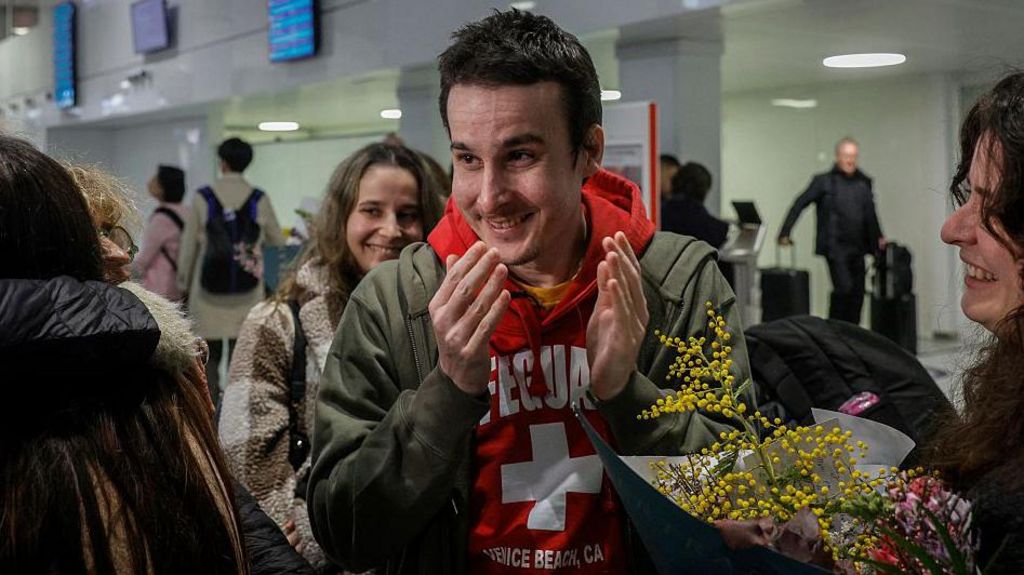
    PARIS – Tom Félix, a 34-year-old French national, returned to his homeland on Wednesday after a Malaysian high court acquitted him of all drug trafficking charges, ending a harrowing 909-day ordeal that had threatened his life. The former Veolia executive was greeted by emotional family members at Charles De Gaulle Airport, marking his first moments of freedom since his controversial arrest in August 2023.

    Félix’s legal nightmare began when Malaysian authorities arrested him on August 9, 2023, while he was preparing to launch a restaurant business on Langkawi Island. The country’s strict anti-narcotics laws carry mandatory death penalties for convicted drug traffickers, making the allegations particularly grave.

    In a landmark ruling, the High Criminal Court of Alor Setar delivered what Félix described as a ‘clear, unambiguous, unreserved judgement’ exonerating him completely. The court found no substantive evidence to support the charges of possession and trafficking that had been brought against him.

    Speaking to AFP reporters upon his return, Félix gave disturbing accounts of his detention experience: ‘All this time, since August 9, 2023, I have been mistreated in the police custody facilities, in a prison where inmates are languishing who are punished on a daily basis in the worst possible way.’ He expressed solidarity with those still incarcerated in the Malaysian justice system.

    His defense attorney, Blandine Gentil, revealed that the judicial process had stretched over three years before reaching trial, describing the case as fundamentally lacking in evidence from the outset.

    The acquittal prompted an immediate response from the highest levels of French government. President Emmanuel Macron posted on social media platform X that the news brought ‘immense relief,’ particularly acknowledging Félix’s parents whom he had personally met during their advocacy campaign. ‘Special thoughts for his parents, whom I had met, who never stopped believing in it and who will now be reunited with their son,’ Macron wrote.

    The case has drawn international attention to Malaysia’s criminal justice system and its approach to drug-related offenses, raising questions about due process and detention conditions for foreign nationals.

  • The new De Bruyne? Wirtz is beginning to live up to the hype at Liverpool

    The new De Bruyne? Wirtz is beginning to live up to the hype at Liverpool

    Florian Wirtz’s challenging initiation into English football has dramatically transformed into a compelling success story. The German international, who arrived at Liverpool from Bayer Leverkusen for a potential club-record £156 million, has emphatically answered early-season doubts with six goals and two assists in his last ten Premier League appearances.

    Wirtz’s difficult adaptation period saw him go scoreless in his first 21 appearances for the Merseyside club, coinciding with Liverpool’s unexpected collapse in their title defense. The team’s dramatic fall from preseason favorites to eighth position raised questions about their substantial £500 million investment in offensive reinforcements, including Wirtz, Alexander Isak, and Hugo Ekitike.

    Liverpool legend Jamie Carragher initially expressed concerns about the 22-year-old’s slow adjustment, noting that historically successful foreign signings typically adapted immediately to Premier League demands. However, Carragher has since reversed his assessment, recently comparing Wirtz’s emerging qualities to Manchester City maestro Kevin De Bruyne.

    Wirtz’s growing influence was particularly evident in Liverpool’s 4-1 demolition of Newcastle, where he demonstrated both creative vision and clinical finishing. His developing partnership with Ekitike offers promising signs for Liverpool’s future despite their disappointing campaign.

    The upcoming Anfield clash against Manchester City presents another opportunity for Wirtz to demonstrate his transformed capabilities against the defending champions. While Liverpool’s title hopes appear mathematically improbable, Wirtz’s resurgence provides significant optimism for the club’s long-term prospects under manager Arne Slot.

    In other Premier League developments, Manchester United seeks to extend their winning streak under Michael Carrick against Tottenham, while several key players face fitness concerns ahead of critical fixtures. The league also announced its dedication of February 6-12 matches to LGBTQ+ initiatives as part of ongoing inclusion efforts.

  • Nigeria sets up new military operation after deadly attack, while abducted Christians return home

    Nigeria sets up new military operation after deadly attack, while abducted Christians return home

    Nigerian authorities have initiated a significant military deployment following coordinated security crises involving both deadly extremist attacks and mass abductions. The government’s response comes after militants slaughtered approximately 162 villagers in Woro and Nuku, Muslim-majority communities in Kwara state, in one of the country’s most severe attacks outside traditional conflict zones.

    According to local officials, the victims were targeted for resisting extremist indoctrination attempts. The assault, characterized by Amnesty International’s Nigeria office as a ‘stunning security failure,’ involved comprehensive destruction of property including burned homes and looted businesses. While no group has formally claimed responsibility, evidence points toward Islamic militant organizations expanding their operations into new territories.

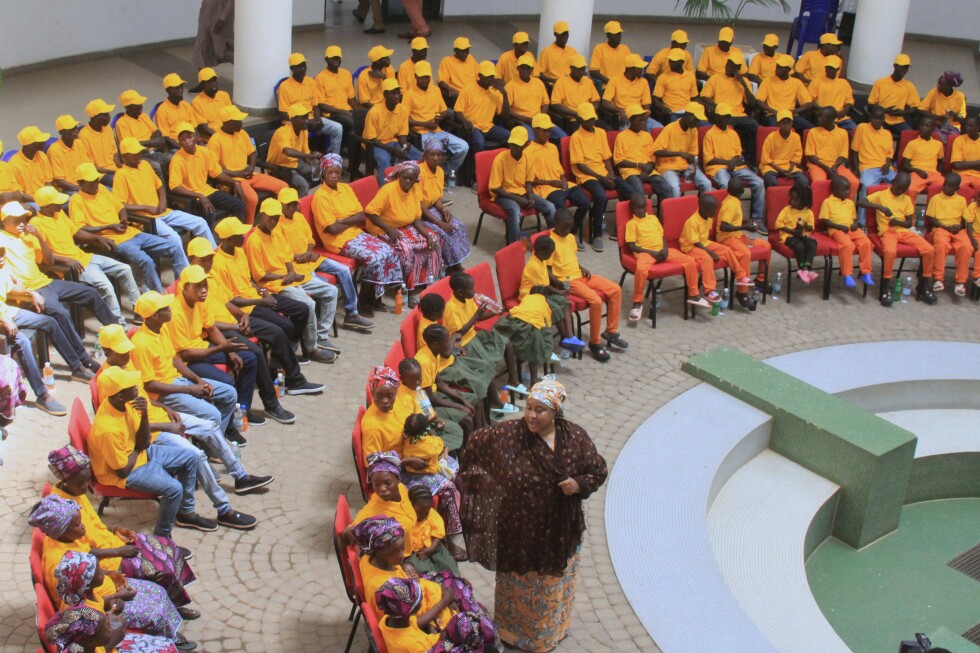
    In a parallel development, Kaduna state authorities confirmed the successful release of all 183 Christians abducted during simultaneous church attacks last month. The resolution of this hostage situation involved complex negotiations, with analysts suggesting potential ransom payments despite official characterization as a ‘rescue operation.’

    President Bola Tinubu has authorized the establishment of Operation Savannah Shield, deploying an army battalion to the previously underserved Kaiama region in Kwara. This strategic military command aims to protect vulnerable communities and counter terrorist expansion. Security experts note that militant groups are increasingly operating in non-traditional areas due to heightened competition in their usual territories.

    The complex religious dynamics of these attacks contradict simplified narratives, as evidenced by the predominantly Muslim victims in the Kwara massacre. While international attention often focuses on Christian targeting, statistical analysis confirms that Muslims constitute the majority of victims in Nigeria’s northern conflict zones.

    The United States maintains limited military cooperation with Nigeria, including targeted airstrikes against Islamic militants and a small contingent of American officers providing advisory support on the ground.

  • Aid workers missing after airstrikes hit South Sudan hospital

    Aid workers missing after airstrikes hit South Sudan hospital

    Medical charity Doctors Without Borders (MSF) reports that a government airstrike has destroyed its hospital in South Sudan’s Jonglei state near the Ethiopian border, leaving an unknown number of aid workers missing and raising fears of renewed civil conflict.

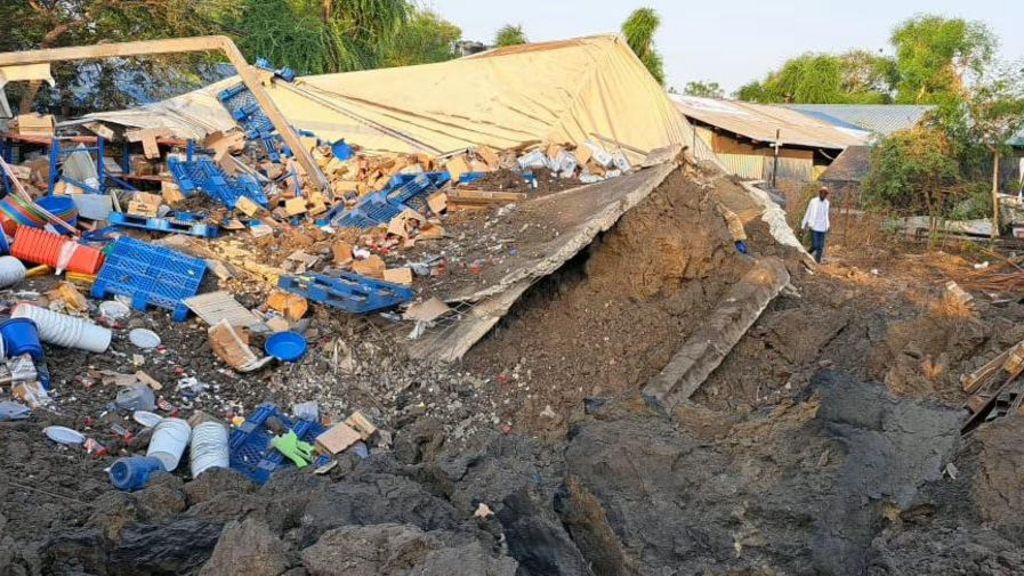
    The attack occurred Tuesday night in the Lankien area, where MSF facilities served approximately 250,000 people. Although the hospital had been evacuated following warnings of an imminent strike, one staff member was injured and the facility’s main warehouse containing critical medical supplies was completely destroyed.

    In a simultaneous assault, MSF’s health facility in Pieri was looted by unidentified attackers, rendering it unusable for local communities. Medical personnel were forced to flee with surrounding communities, and their current whereabouts remain unknown.

    This violence emerges amid escalating tensions between government forces loyal to President Salva Kiir and opposition factions supporting suspended First Vice-President Riek Machar, who faces charges of plotting to overthrow the government. The resurgence of fighting threatens to reignite a full-blown civil war in the world’s youngest nation.

    The United Nations estimates approximately 280,000 people have been displaced by fighting and aerial bombardments in Jonglei since December. The region already suffers from severe food insecurity and critical healthcare shortages, compounded by government restrictions on humanitarian access in opposition-held territories.

    MSF operations manager Gul Badshah condemned the attacks, stating, ‘While we are aware of the enormous needs in the country, we find it unacceptable to be a target for attacks.’ The organization experienced eight targeted attacks in South Sudan during the previous year, resulting in the closure of two hospitals and suspension of general healthcare activities across multiple states.

    The current conflict traces back to 2013, when fighting first erupted between forces supporting Kiir and Machar. Although a 2018 peace agreement formally ended a civil war that claimed nearly 400,000 lives, implementation has been inconsistent amid ongoing ethnic tensions and sporadic violence.