作者: admin

  • White House backtracks on Minneapolis claims

    White House backtracks on Minneapolis claims

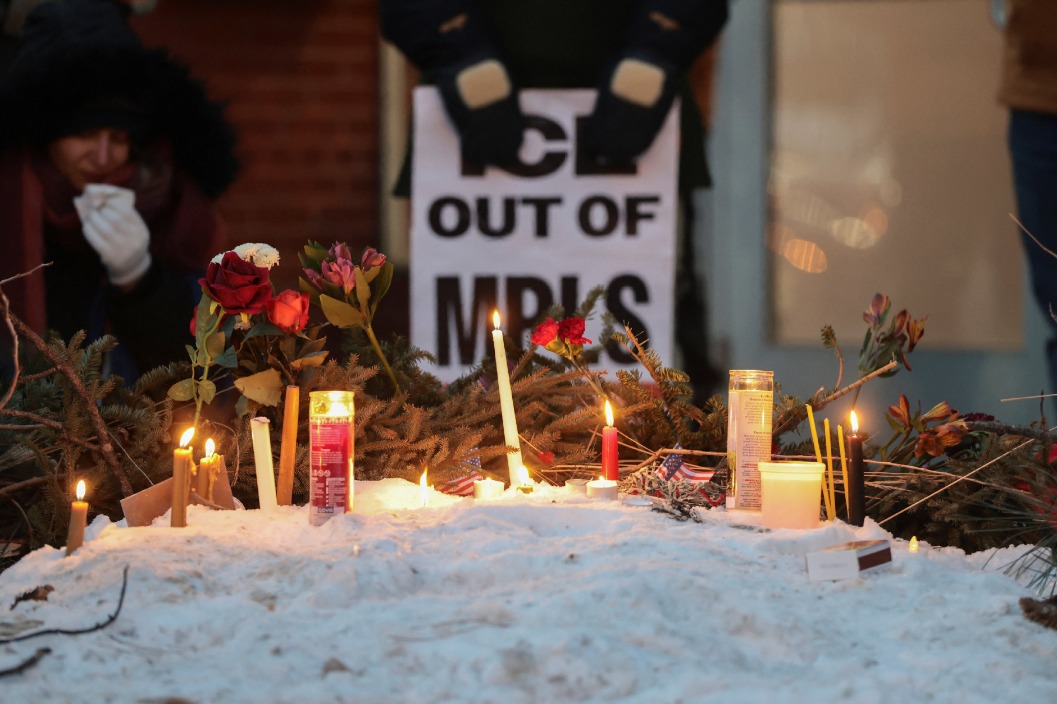
    MINNEAPOLIS — The Trump administration has acknowledged potential procedural violations by immigration agents during operations in Minneapolis that resulted in the fatal shooting of a nurse, signaling a shift in tone amid growing national outcry. White House deputy chief of staff Stephen Miller stated Tuesday that Customs and Border Protection (CBP) agents may have failed to adhere to established protocols during the incident that claimed the life of 37-year-old Alex Pretti.

    The administration’s conciliatory stance emerged alongside a disturbing security breach targeting Minnesota Congresswoman Ilhan Omar, who was assaulted with an unknown liquid from a syringe during a town hall meeting where she had been criticizing the administration’s immigration policies. The simultaneous developments underscore the volatile atmosphere in the city following weeks of escalating tensions between federal authorities and local communities.

    President Trump, in comments to Fox News, indicated his administration would “de-escalate a little bit” its operations in Minneapolis while emphasizing the move did not constitute a full withdrawal. The president distanced himself from previous inflammatory rhetoric, specifically rejecting the “assassin” label previously applied to Pretti by Miller, and called for “a very honorable and honest investigation” into the shooting.

    The administration’s reassessment includes the expected departure of Border Patrol commander Gregory Bovino, whom Trump characterized as “a pretty out-there kind of a guy” whose presence may have exacerbated tensions. Top border security official Tom Homan has been dispatched to Minneapolis for meetings with local officials, including Mayor Jacob Frey, who reiterated the city’s position that it “will not enforce federal immigration laws.”

    The Pretti shooting marks the second fatal incident involving federal immigration agents in Minneapolis in recent weeks, following the death of US citizen Renee Good. Both cases have drawn national attention to the tactics employed by masked, heavily armed immigration agents operating in urban centers, with multiple video recordings contradicting initial official accounts that portrayed Pretti as a threatening “domestic terrorist.”


  • Time for the US to let Chinese EVs roll in

    Time for the US to let Chinese EVs roll in

    In a surprising policy reversal, prominent economic commentator Noah Smith advocates for the United States to permit the sale of Chinese electric vehicles despite previously supporting restrictive trade measures against China. This position emerges following Canada’s groundbreaking decision to dramatically reduce tariffs on Chinese-made EVs from 100% to 6.1%, while implementing import quotas starting at 49,000 units annually.

    The Canadian-Chinese agreement represents a significant geopolitical divergence from US policy, which maintains 125% tariffs on Chinese EVs alongside bans on vehicles connected to Chinese software ecosystems. This separation reflects deteriorating US-Canada relations and Canada’s strategic calculation that reduced American auto investment in China diminishes the risks of policy independence.

    Smith argues that American self-interest actually demands embracing Chinese EVs to accelerate the nation’s stalled electric transition. While global EV adoption accelerates, US progress has faltered due to terminated subsidies, Tesla’s declining popularity, and traditional automakers’ retreat from electric commitments. Ford recently announced $19.5 billion in charges related to scaling back EV ambitions, while General Motors recorded $1.6 billion in similar charges, and Stellantis abandoned plans for electric Ram pickups.

    This retreat risks creating ‘Galapagos syndrome’ for American automakers, potentially isolating them from global markets as combustion engines become obsolete. More critically, failure to develop domestic electric technology capabilities threatens national security, since batteries and electric motors power essential military hardware including drones.

    Chinese manufacturers offer sophisticated, affordable EVs featuring futuristic designs, ultra-fast charging, and semi-autonomous capabilities even in budget models. Their competitive pricing stems from complete domestic supply chains and massive production scale. Market evidence from Mexico demonstrates that even with 50% tariffs, Chinese EVs gain significant market share through superior quality and innovation.

    Smith proposes that controlled admission of Chinese EVs would benefit America through multiple mechanisms: stimulating charging infrastructure development, demonstrating EV advantages to consumers, and forcing domestic manufacturers to innovate rather than retreat. Historical precedent exists in how Japanese automakers’ US expansion ultimately created 400,000 American jobs and transferred manufacturing expertise.

    The commentary suggests implementing joint venture requirements and local content incentives to ensure technology transfer and component sourcing, potentially rebuilding America’s industrial capacity in critical electric technologies. Even former President Trump recently endorsed allowing Chinese automakers to establish US operations employing American workers.

    While acknowledging legitimate cybersecurity concerns regarding data collection and potential sabotage capabilities, Smith contends these risks can be managed through monitoring requirements, domestic cloud hosting mandates, and component sourcing regulations rather than complete prohibition.

    The analysis concludes that Canada has demonstrated a viable path forward that the US should refine and implement, recognizing that the benefits of controlled market access outweigh manageable security concerns in accelerating America’s electric transportation future.

  • Man dies in crash near Irish border

    Man dies in crash near Irish border

    A fatal single-vehicle collision near the Irish border has claimed the life of a man in his 30s, with Irish police launching a witness appeal following the Wednesday evening incident.

    The tragedy occurred at approximately 19:30 local time along the Inishammon roadway connecting Monaghan town and Rosslea, County Fermanagh. According to Gardaí authorities, the victim was traveling alone when the crash occurred, resulting in immediate fatality at the scene.

    Preliminary investigations indicate no other vehicles were involved in the incident, though the precise circumstances leading to the collision remain under active investigation. The victim’s body has been transported to Our Lady’s Hospital in Navan, County Meath, where post-mortem examinations will be conducted to determine the exact cause of death.

    The roadway remains closed as forensic collision investigators continue their examination of the scene. Gardaí have issued a public appeal for any witnesses or individuals with relevant information to come forward, particularly those who may have traveled the route around the time of the incident or possess dash-cam footage that could assist the investigation.

    The border region community has been deeply affected by the tragedy, with local representatives expressing condolences to the victim’s family and urging motorists to exercise caution on the route, which has seen previous safety concerns raised by residents.

  • German leader hails Europe as an ‘alternative to imperialism and autocracy’

    German leader hails Europe as an ‘alternative to imperialism and autocracy’

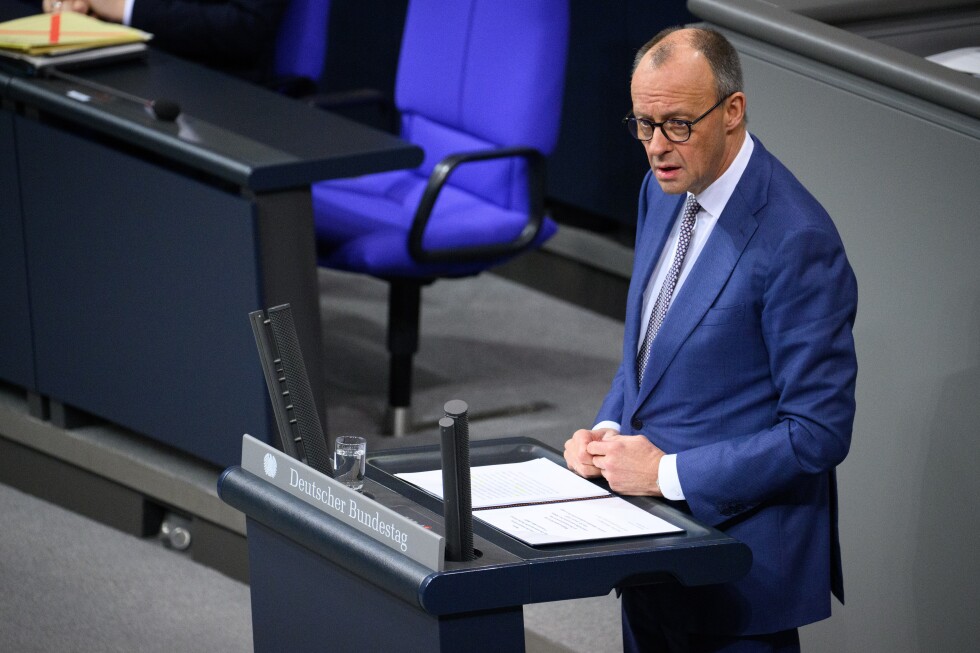
    BERLIN — German Chancellor Friedrich Merz articulated a robust vision of the European Union’s global role on Thursday, characterizing the bloc as a compelling “alternative to imperialism and autocracy” in an increasingly competitive international landscape. Addressing the German parliament during a significant foreign policy address, Merz emphasized the EU’s capacity to establish partnerships with like-minded democracies through mutual respect and reliability rather than coercion.

    The Chancellor’s remarks came precisely one week after U.S. President Donald Trump retracted tariff threats against Germany and seven other European nations—a pressure tactic initially deployed to advance American claims over Greenland, the semi-autonomous territory of Denmark. Merz noted this episode demonstrated the EU’s capacity for rapid, unified response, stating unequivocally that the bloc “would not be intimidated again by tariff threats.”

    Merz acknowledged the emerging “world of great powers” where “a harsh wind is blowing,” but positioned this reality as creating opportunities for European leadership. He contended that open democracies with expanding markets actively seek what Europe offers: partnerships grounded in mutual respect rather than domination.

    While reaffirming Germany’s commitment to NATO and trans-Atlantic cooperation, Merz established clear parameters for this relationship. “We will always reach out the hand of cooperation to the United States of America,” he stated, while simultaneously asserting that “as democracies, we are partners and allies and not subordinates.”

    The Chancellor indirectly addressed recent controversial remarks by President Trump regarding NATO allies’ military contributions. Without directly referencing Trump’s claims that non-U.S. NATO forces avoided front-line positions in Afghanistan, Merz highlighted Germany’s significant sacrifices—59 troops killed and over 100 wounded during their nearly two-decade deployment. He firmly declared that Germany “will not allow this deployment, which we also performed in the interest of our ally, the United States of America, to be disparaged and demeaned today.”

    Merz advocated for European strategic autonomy through enhanced defense capabilities, technological independence, and economic growth, urging the continent to “learn the language of power politics.” Simultaneously, he endorsed expanding the EU’s network of trade agreements, specifically mentioning recently concluded deals with Mercosur and India, while maintaining that existing alliances like NATO remain fundamentally valuable.

  • Will Ramadan’s shorter working days affect UAE employees’ productivity?

    Will Ramadan’s shorter working days affect UAE employees’ productivity?

    As Ramadan approaches in the UAE, the annual reduction of working hours by two hours daily for private sector employees has sparked discussions about workplace productivity during the holy month. While the shortened schedule presents operational challenges, human resources experts and organizational behavior specialists suggest this period may actually enhance focus and efficiency rather than diminish output.

    The Ministry of Human Resources and Emiratization has historically implemented reduced working hours and flexible arrangements across both public and private sectors to accommodate those observing the fast. According to Ussama Khan, Assistant Professor of Organisational Behaviour at London Business School, the initial days of Ramadan typically require an adjustment period as individuals adapt to altered sleep patterns, meal timings, and hydration schedules. This transition phase, while potentially affecting concentration temporarily, typically gives way to stabilized energy levels thereafter.

    Research from the American Psychological Association and National Library of Medicine indicates fasting does not necessarily impair cognitive function. Studies on intermittent fasting patterns reveal the brain maintains normal operation and can even demonstrate heightened alertness during fasting periods. Khan notes that while comprehensive productivity metrics are limited, qualitative evidence suggests reduced hours may actually enhance focus and effectiveness for many workers.

    The impact varies significantly between white-collar knowledge workers and blue-collar manual laborers. For office-based professionals whose productivity relies on cognitive energy, reduced hours can prove beneficial by encouraging task prioritization and eliminating non-essential activities. Conversely, manual workers depending on physical stamina face greater challenges without the extensive support systems available to professional athletes.

    Jessie Quintilla, People and Culture Director at LINKVIVA, emphasizes that reduced hours coupled with smarter working methods—such as protected focus time, efficient meetings, and outcome-based measurement—can actually boost engagement. The condensed schedule encourages better planning, stronger collaboration, and healthier work-life boundaries throughout organizations.

    Beyond legal compliance, these Ramadan adjustments represent practical measures to protect wellbeing, strengthen social cohesion across the UAE’s diverse workforce, and maintain sustainable productivity throughout the holy month.

  • Mount Qomolangma scenic area closes due to heavy snowfall

    Mount Qomolangma scenic area closes due to heavy snowfall

    Authorities in Tibet Autonomous Region have implemented an immediate closure of the Mount Qomolangma (Everest) scenic area following severe winter weather conditions that have rendered access roads hazardous. The decision was announced Wednesday by the Dingri County Culture and Tourism Bureau after substantial snow accumulation created dangerous driving conditions throughout the region.

    The closure, effective from 3:30 pm local time on January 28, 2026, comes as meteorological authorities issued warnings for continued heavy precipitation across southern Tibet. The National Meteorological Center has forecasted particularly severe conditions along the southwestern mountainous regions, where blizzard conditions are expected to develop.

    Tourism officials confirmed that maintenance crews are actively working to clear impacted roadways and restore safe passage. While no specific reopening timeline has been established, authorities have committed to providing updates as weather conditions improve and safety can be assured. The scenic area management emphasizes that visitor safety remains their paramount concern during these adverse weather events.

    Mount Qomolangma, standing at 8,848.86 meters above sea level, represents one of Tibet’s most significant tourist attractions, typically drawing thousands of visitors annually. This temporary closure demonstrates the ongoing challenges of maintaining accessibility to high-altitude destinations during extreme weather conditions, particularly in winter months when snowfall intensifies.

  • Fed set to pause rate cuts despite political pressure

    Fed set to pause rate cuts despite political pressure

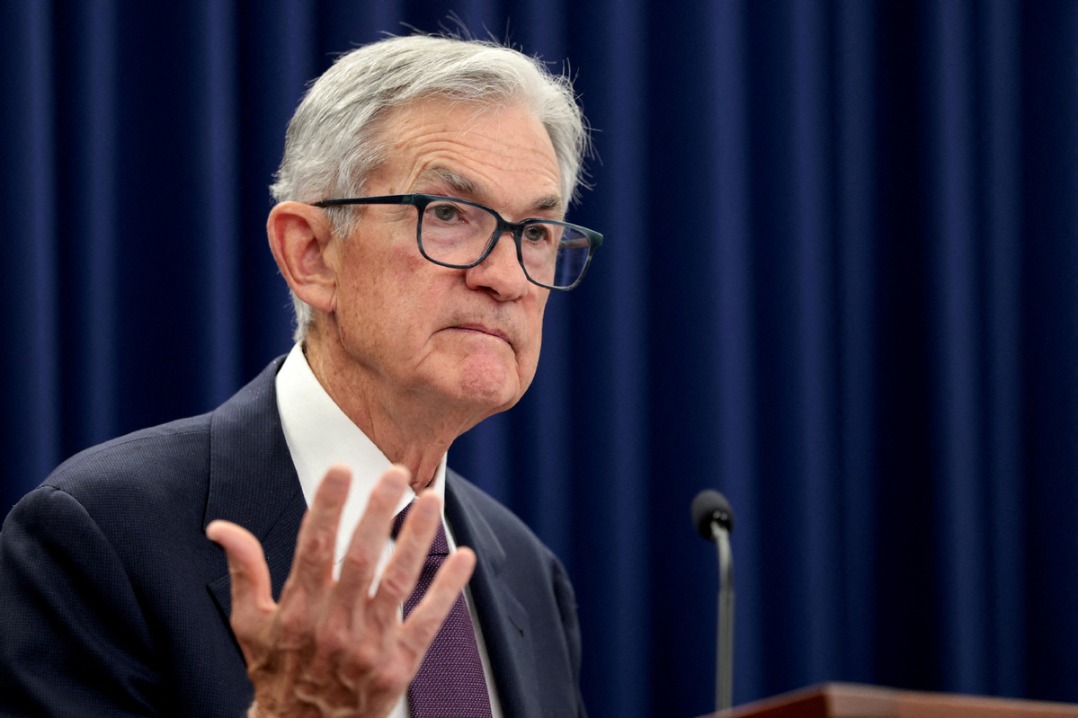
    The United States Federal Reserve is poised to maintain its current interest rate levels in Wednesday’s policy decision, marking a strategic pause in its recent easing cycle despite intensifying political pressure from the Trump administration. This anticipated halt follows three consecutive rate reductions that have brought the benchmark rate to a range of 3.50-3.75%, as central bankers seek more conclusive economic indicators before further monetary adjustments.

    The Fed’s cautious stance emerges against a backdrop of conflicting economic signals: robust GDP expansion and relatively stable employment figures contrast with persistent inflationary pressures and cooling labor market conditions. This economic duality has created a complex landscape for policymakers, compelling them to adopt a wait-and-see approach rather than continuing their previous rate-cutting trajectory.

    The central bank’s independence faces unprecedented challenges from the White House, where administration officials have launched investigations into Fed Chair Jerome Powell regarding headquarters renovations and sought to remove Governor Lisa Cook over mortgage fraud allegations. Powell recently issued a rare public rebuke, characterizing these actions as threats to the institution’s operational autonomy.

    Economic analysts note that while political pressure for aggressive rate cuts continues to mount, the fundamental economic data doesn’t justify immediate further easing. EY-Parthenon’s chief economist Gregory Daco observed that ‘the hurdle for additional near-term cuts has risen,’ with officials requiring clearer evidence of disinflation or significant labor market deterioration before considering additional rate reductions.

    The Federal Open Market Committee’s internal deliberations have now shifted from whether to pause rate cuts to determining what specific economic conditions would warrant future monetary easing and at what pace these adjustments should occur. Although some dissent remains likely from recently appointed officials like Governor Stephen Miran, most analysts anticipate relatively unified support for the pause decision amid the current economic uncertainty.

  • Unmentioned but present, Trump is a common denominator in efforts to strengthen Asia-Europe ties

    Unmentioned but present, Trump is a common denominator in efforts to strengthen Asia-Europe ties

    BEIJING — A strategic realignment is unfolding across Asia as multiple nations establish strengthened diplomatic partnerships, responding to growing uncertainties in the global order. This week witnessed three significant agreements demonstrating how countries are seeking stability through renewed international cooperation.

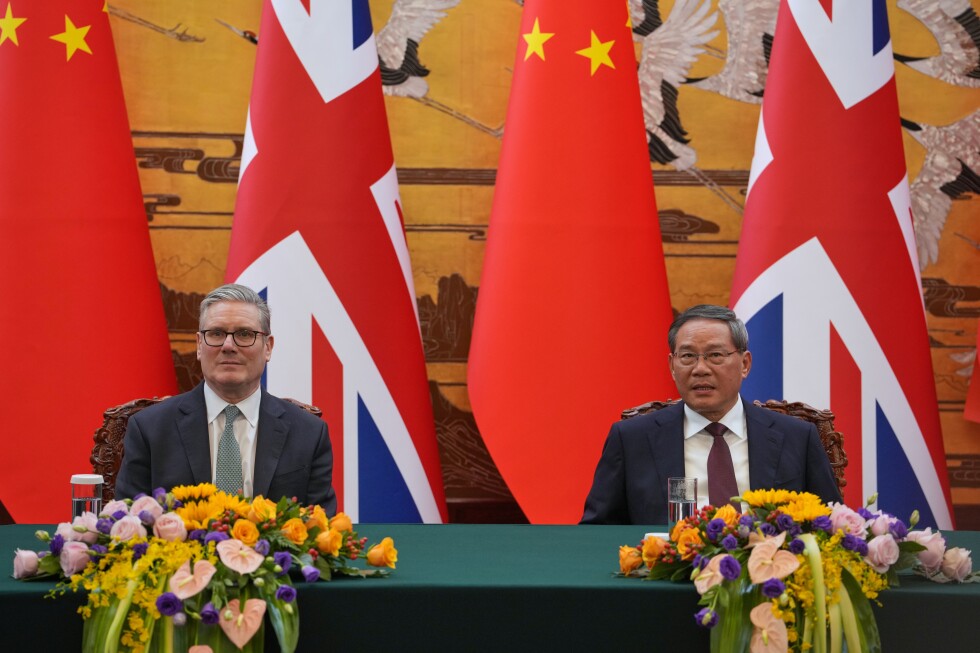
    In China’s capital, British Prime Minister Keir Starmer and Chinese leader Xi Jinping committed to a “long-term, stable, and comprehensive strategic partnership” between their nations. This agreement revitalizes a relationship that had seen limited progress since its initial proposal a decade ago, with both leaders emphasizing the need for consistency during what Starmer described as “challenging times for the world.”

    Simultaneously, Vietnam and the European Union formalized their upgraded relationship to a comprehensive strategic partnership, placing Vietnam on equal diplomatic footing with major global powers including the United States, China, and Russia. The agreement, signed in Hanoi, represents a significant elevation of Vietnam’s international standing.

    Earlier in the week, the European Union and India concluded years of complex negotiations by reaching a comprehensive free trade agreement. The landmark deal encompasses numerous sectors from textile manufacturing to pharmaceutical products, and will substantially reduce India’s protective tariffs on European automobiles and wines.

    While not explicitly named in these discussions, the shadow of former U.S. President Donald Trump’s policies loomed large over the proceedings. Multiple leaders referenced the need for stability amid global uncertainty, with European Council President António Costa noting in Hanoi that “the international rules-based order is under threat from multiple sides.” The agreements reflect a broader trend of nations seeking to reduce dependency on any single market while strengthening multilateral relationships in response to shifting global dynamics.

  • Thai Air Force says 2 pilots killed in plane crash during training mission

    Thai Air Force says 2 pilots killed in plane crash during training mission

    A Thai Air Force training exercise culminated in a fatal incident on Thursday when an AT-6TH Wolverine light attack and reconnaissance aircraft crashed in a designated military zone. The accident occurred in the Chom Thong district, approximately 60 kilometers (37 miles) from Chiang Mai’s main airport, resulting in the tragic loss of both pilots aboard.

    Air Marshal Jackkrit Thammavichai, acting as spokesperson, confirmed the devastating outcome of the mission. The two-seater turboprop plane, manufactured by U.S.-based Beechcraft, a subsidiary of Textron Aviation, was engaged in a routine training operation at the time of the incident. Authorities have immediately launched a comprehensive investigation to determine the precise cause of the crash, examining all potential technical, environmental, and operational factors.

    This tragedy strikes shortly after the Thai Air Force bolstered its aerial capabilities with the acquisition of these advanced fighter-trainer aircraft. The commission of its fleet of eight AT-6TH Wolverines was only finalized in September, marking a significant modernization effort for the nation’s military aviation division. The incident represents a considerable setback and has cast a somber shadow over the force, prompting a likely review of training protocols and aircraft safety measures.

  • Senior CPC official highlights united front work to support 15th Five-Year Plan

    Senior CPC official highlights united front work to support 15th Five-Year Plan

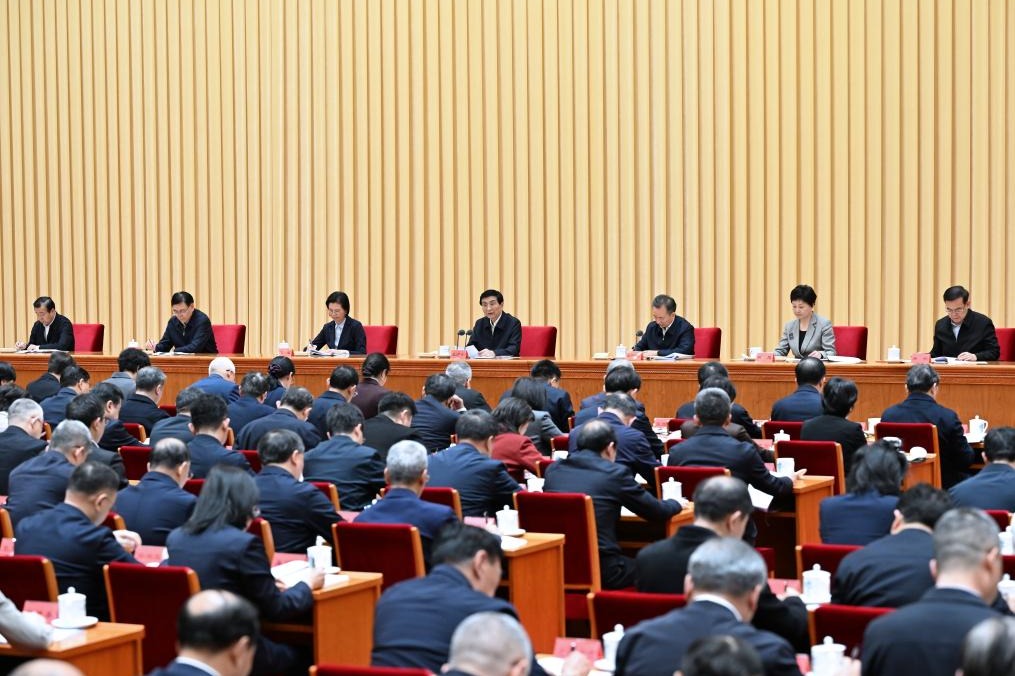
    In a significant national conference held in Beijing on January 28, 2026, senior Communist Party of China official Wang Huning delivered a comprehensive address emphasizing the critical role of united front work in supporting China’s upcoming 15th Five-Year Plan period (2026-2030). Wang, who serves as a member of the Standing Committee of the Political Bureau of the CPC Central Committee and chairman of the Chinese People’s Political Consultative Conference National Committee, addressed leaders of united front work departments from across the nation.

    Wang articulated the necessity for enhanced implementation of the CPC Central Committee’s decisions regarding united front operations to ensure a successful commencement of the country’s next developmental phase. He stressed the fundamental importance of maintaining the Party’s overall leadership, particularly the centralized and unified guidance from the Party Central Committee, in all united front activities.

    The senior official outlined several strategic priorities for united front work, including adherence to established principles and methodologies to drive high-quality development across relevant sectors. He emphasized the need to strengthen the capacity of united front work to support the central objectives of both the Party and the state.

    Wang specifically highlighted several key areas requiring focused attention: the improvement of China’s distinctive political party system, fostering a robust sense of national community among the Chinese people, establishing stronger legal frameworks for religious affairs governance, and enhancing engagement with non-CPC intellectuals, emerging social groups, and private sector representatives. Additionally, he addressed the importance of advancing work related to Hong Kong, Macao, Taiwan, and overseas Chinese communities.