
French authorities have apprehended four individuals suspected of involvement in a plot targeting Vladimir Osechkin, a prominent Russian human rights activist living in exile. Osechkin, the founder of Gulagu.net, has been a vocal critic of abuses within the Russian prison system. The arrests were made on Monday, as confirmed by France’s national anti-terror prosecution office, though details regarding the suspects’ nationalities and potential motives remain undisclosed. The investigation is being spearheaded by the General Directorate for Internal Security (DGSI), France’s counter-espionage and counterterrorism agency. Osechkin, who resides in Biarritz, a coastal town in southwestern France, has long expressed concerns about his safety, citing repeated death threats since 2022. Despite previous arrests following these threats, he believes the danger persists, often necessitating relocations to secure locations for himself and his family. Osechkin’s activism has drawn significant attention, particularly his revelations about Russia’s military recruiting prisoners to fight in Ukraine. His organization, Gulagu.net, has also facilitated the relocation of Russian fugitive paratrooper Pavel Filatiev to France, who has publicly criticized the Russian military’s leadership for incompetence and corruption. The DGSI’s ongoing investigation underscores broader concerns about Russian efforts to destabilize France through cyberattacks and other hybrid warfare tactics, part of a larger campaign targeting Ukraine’s European allies.
作者: admin
-
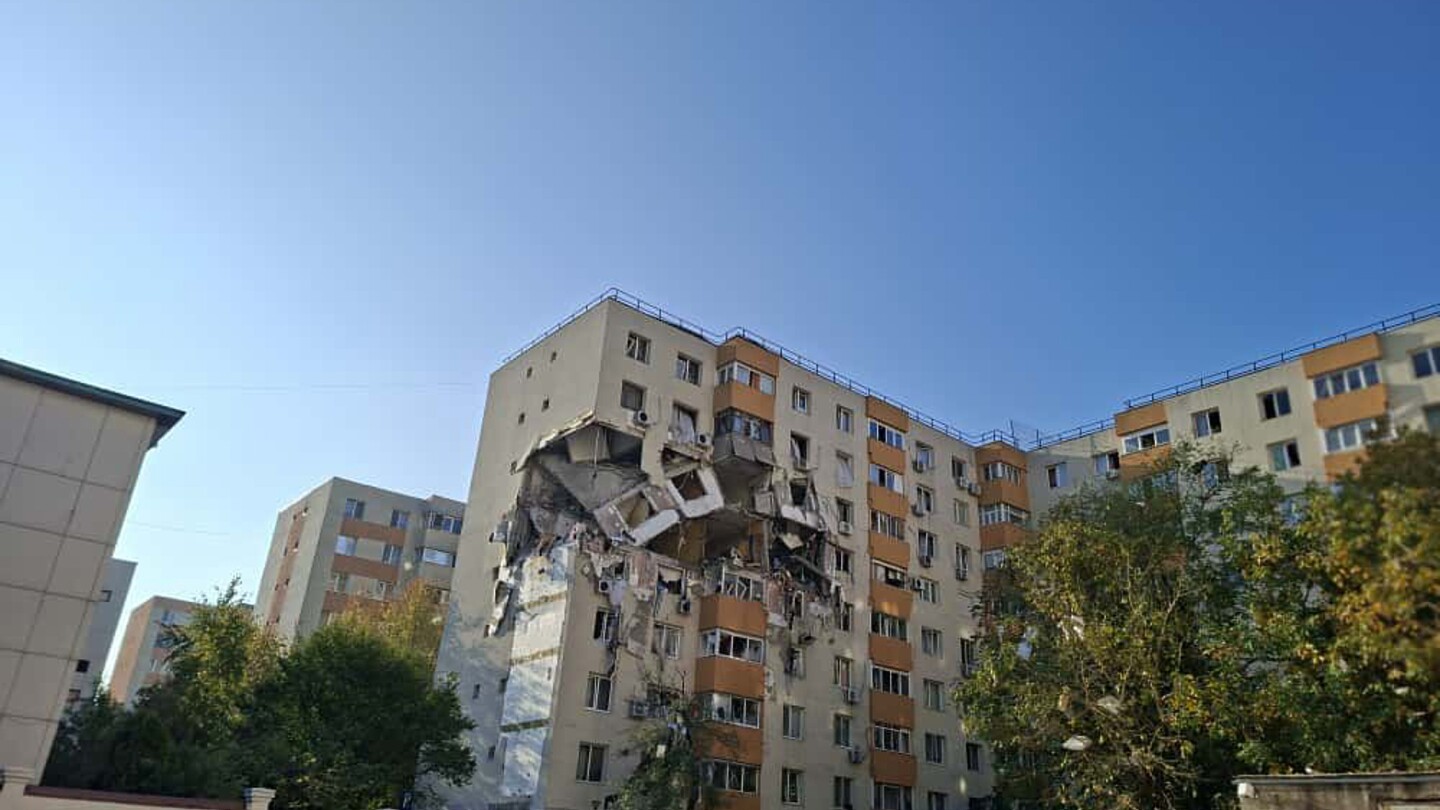
Powerful blast at apartment building in Romania’s capital kills 3 and injures at least 13
A devastating explosion shook an eight-story apartment building in Bucharest, Romania, on Friday, resulting in three fatalities and injuring at least 13 others, according to local authorities. The blast, which occurred on Calea Rahovei in Sector 5, severely damaged the fifth and sixth floors of the structure. Emergency services, including 11 fire engines and four mobile intensive care units, swiftly responded to the scene. The cause of the explosion remains under investigation, though the gas supply to the area was promptly shut off as a precautionary measure. Romania’s Ministry of Health reported that victims suffered polytrauma and burns, with one body discovered beneath a concrete slab on the sixth floor. All residents were evacuated, and search operations were conducted to ensure no one remained trapped. Nearby schools were also evacuated as a safety measure. Video footage revealed extensive damage to the building’s facade, with debris scattered across the street. Authorities noted that a neighboring apartment block was also affected by the blast, with fragments of the building’s exterior detaching and causing additional damage.
-
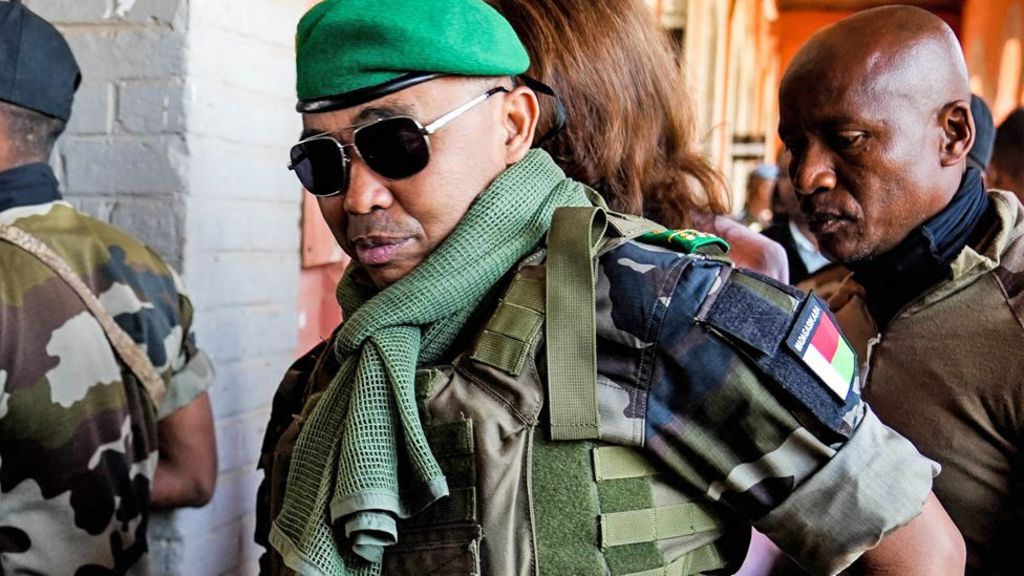
Madagascar military leader sworn in as president after youth-led protests
Colonel Michael Randrianirina has officially assumed the role of Madagascar’s new president following a military takeover in the Indian Ocean nation. The swearing-in ceremony, held at the Constitutional Court in Antananarivo, marked the beginning of a transitional period fraught with political and legal challenges. Randrianirina succeeds Andry Rajoelina, who fled the country after being impeached amid widespread youth-led protests demanding greater government accountability. In his inaugural address, Randrianirina pledged to establish a new government and organize elections within two years. He emphasized the need for electoral commission reforms and a thorough review of the voters’ roll as prerequisites for credible elections. While the nation faces uncertainty, there is cautious optimism about Randrianirina’s leadership. The ceremony drew a significant crowd, including protest leaders who played a pivotal role in the recent upheaval. This transition marks a critical juncture for Madagascar as it navigates the path toward stability and democratic governance.
-
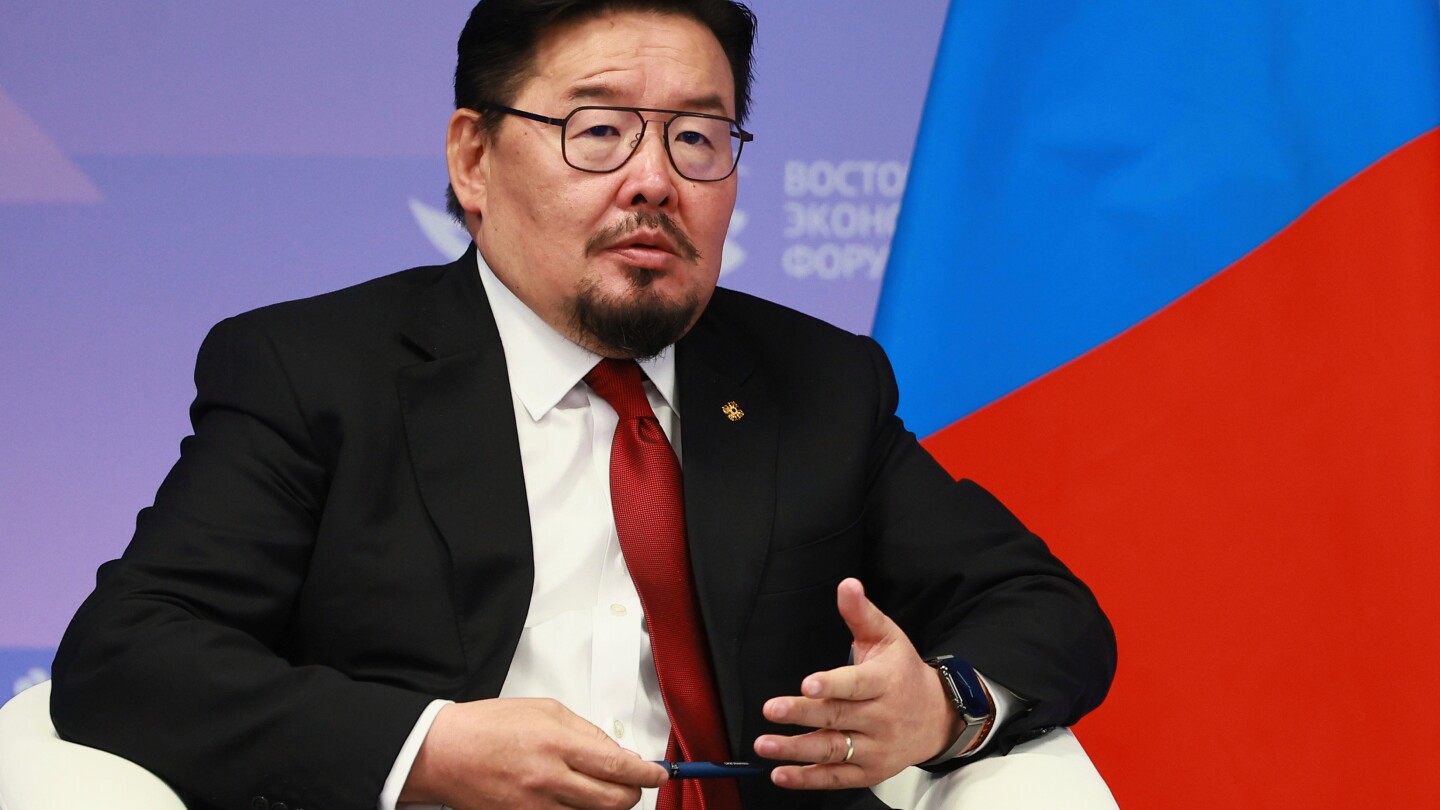
Mongolia’s leader ousted after 4 months in ruling party feud
In a dramatic turn of events, Mongolia’s parliament has voted to remove Prime Minister Zandanshatar Gombojav from office, marking a significant escalation in the internal power struggle within the ruling Mongolian People’s Party. The decision, made on Friday, followed the passage of a contentious resolution that effectively dismissed the prime minister. This political upheaval comes at a critical juncture, as the country grapples with unresolved budget issues for the upcoming year, including demands for salary increases from teachers and medical professionals. The conflict within the party intensified after Zandanshatar lost a leadership election to Amarbayasgalan Dashzegve, the speaker of parliament and his chief rival. Zandanshatar’s supporters have accused Amarbayasgalan of corruption in the coal mining industry, prompting a government investigation. Despite a parliamentary committee initially voting against his dismissal, the full parliament ultimately supported the resolution, with lawmakers who abstained being counted as ‘no’ votes. The prime minister’s fate was sealed when a clear majority of ‘no’ votes emerged. The political instability has raised concerns about the future of Mongolia’s governance and its ability to address pressing economic and social challenges.
-

Thousands gather for state funeral of former Kenyan Prime Minister Odinga
Thousands of mourners gathered at Nyayo National Stadium in Nairobi, Kenya, to honor the late former Prime Minister Raila Odinga during his state funeral. The event, marked by an outpouring of grief and respect, saw attendees waving national flags, holding portraits of Odinga, and wearing T-shirts emblazoned with his image. Security measures were heightened, with police and military personnel deployed to maintain order following unrest during the body-viewing ceremony on Thursday, which resulted in three fatalities after police used gunshots and tear gas to control the crowds. Regional leaders, including the presidents of Somalia and Ethiopia, attended the service. Odinga, a pivotal figure in Kenya’s multi-party democracy and a longtime opposition leader, passed away at 80 in India, where he was receiving medical treatment. His body was earlier taken to parliament for viewing by MPs and dignitaries. Mourners carried branches and palm fronds, traditional symbols of mourning among the Luo ethnic group. Odinga’s body will be transported to Kisumu, his political stronghold, for public viewing before his burial on Sunday at his farm in Bondo. A seven-day mourning period has been declared. Odinga’s legacy includes five presidential campaigns and his persistent claims of electoral manipulation, which he believed cost him victory. His death marks the end of an era in Kenyan politics.
-
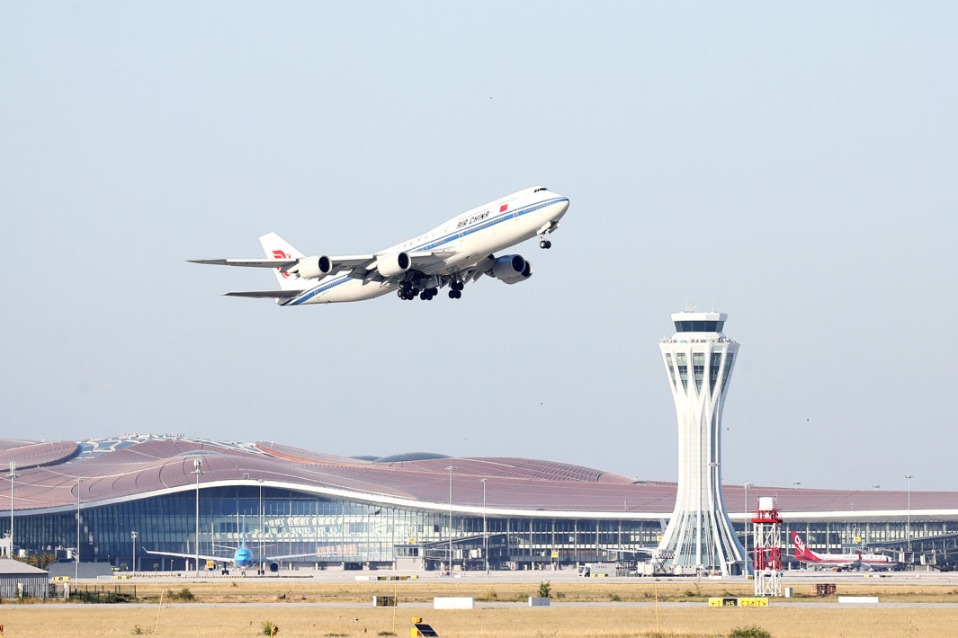
Chinese airlines oppose US ban on flights over Russia
Major Chinese airlines have strongly opposed a recent US proposal to prohibit them from using Russian airspace for round-trip flights between China and the United States. The proposed ban, which could be enforced as early as November, has sparked significant backlash from the aviation industry and raised concerns about its broader implications. The US claims that Chinese carriers gain an unfair cost advantage over US airlines, which are barred from Russian airspace due to existing restrictions. In response, seven Chinese airlines, including Air China, China Eastern Airlines, and China Southern Airlines, have formally requested an extension of the comment period from two to seven business days to assess the impact and prepare a comprehensive response. Industry experts warn that the ban would disrupt travel for thousands of passengers, increase airfares, and force travelers to opt for longer connecting flights via hubs like Hong Kong, Japan, or South Korea. Qi Qi, a senior civil aviation analyst, criticized the US demand as unreasonable and unprofessional, emphasizing the need for rational and practical solutions. The proposal comes amid escalating tensions in US-China trade and economic relations. Chinese Foreign Ministry spokesman Lin Jian highlighted that the restrictions would harm people-to-people exchanges and ultimately damage US interests. As of September, Chinese airlines operated 50.73% of direct China-US flights, with US carriers accounting for the remaining 49.27%. Analysts argue that rerouting flights would increase travel time and costs, negatively impacting business and trade exchanges between the two nations. Lin Zhijie, an independent aviation analyst, suggested that Chinese airlines should be granted reciprocal rights to operate stopover routes via Tokyo, similar to US carriers.
-

Italy’s Meloni offers solidarity with journalist after explosive device targets his car
An explosive device detonated beneath the car of Sigfrido Ranucci, a prominent Italian investigative journalist, outside his residence in Pomezia, south of Rome. The incident, which occurred overnight, destroyed Ranucci’s vehicle, damaged a second family car, and caused structural harm to a neighboring house. Authorities, including police, firefighters, and forensic teams, are currently investigating the explosion, which was reportedly powerful enough to have caused fatalities had anyone been nearby. Fortunately, no injuries were reported. The attack has drawn widespread condemnation, including from Italian Prime Minister Giorgia Meloni, who expressed solidarity with Ranucci and denounced the act as a grave intimidation attempt. Meloni emphasized the importance of safeguarding press freedom and independence, stating, ‘Freedom and independence of information are essential values of our democracies, which we will continue to defend.’ Ranucci, the lead anchor of the investigative program ‘Report’ on Italy’s state-run RAI3, is known for exposing corruption and scandals involving high-profile Italian politicians, business leaders, and public figures. Earlier this week, he was cleared of defamation charges related to one of his investigative reports. The incident underscores the risks faced by journalists in Italy and raises concerns about press freedom in the country.
-
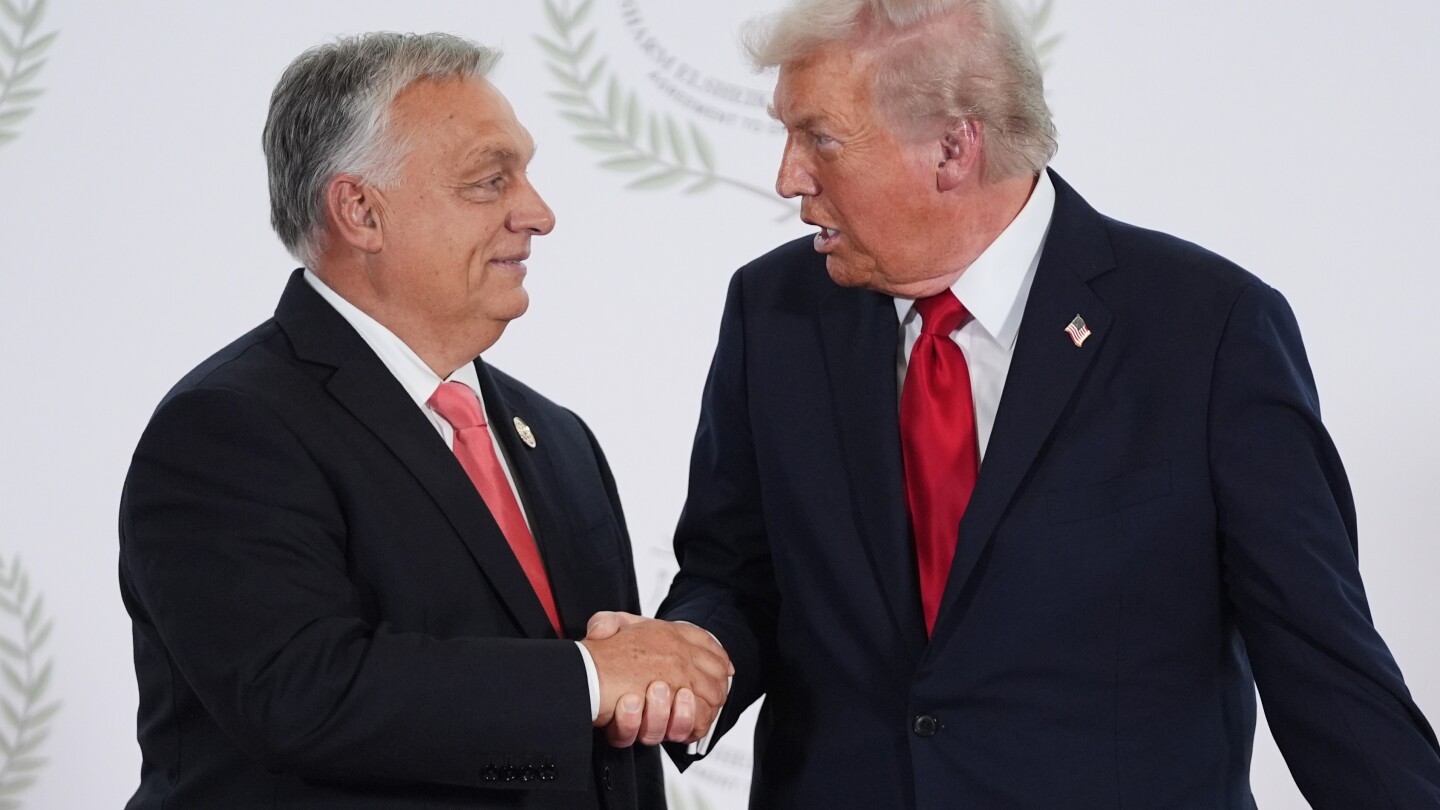
Orbán celebrates Hungary as ‘the only place in Europe’ where a Trump-Putin meeting can be held
Hungary’s Prime Minister Viktor Orbán has lauded Budapest’s selection as the host city for upcoming talks between U.S. President Donald Trump and Russian President Vladimir Putin, aimed at addressing the ongoing conflict in Ukraine. The meeting, announced by Trump on Thursday, follows his recent discussions with Ukrainian President Volodymyr Zelenskyy at the White House. While a specific date remains unconfirmed, Trump indicated the talks would occur in Budapest within approximately two weeks. Orbán, a staunch ally of both Trump and Putin, emphasized Hungary’s unique position as a pro-peace nation in Europe, attributing Budapest’s selection to his government’s consistent opposition to Western military and financial aid to Ukraine. Since Russia’s full-scale invasion in February 2022, Hungary has refused to supply weapons to Ukraine or allow their transit across its borders, while also obstructing EU sanctions against Moscow and delaying funding packages to Kyiv. Orbán’s critics argue that Hungary’s stance undermines European unity and favors Russian aggression. The Budapest meeting holds symbolic significance, as the city was the site of the 1994 Budapest Memorandum, where Ukraine relinquished its nuclear weapons in exchange for security assurances—a pact later violated by Russia. Orbán framed the upcoming talks as a diplomatic milestone for Hungary, despite their focus on Ukraine. However, Hungary’s role as host raises questions about its commitment to international law, given its status as a signatory to the International Criminal Court, which has issued an arrest warrant for Putin over alleged war crimes. Orbán previously signaled Hungary’s intent to withdraw from the ICC following a similar controversy involving Israeli Prime Minister Benjamin Netanyahu.
-
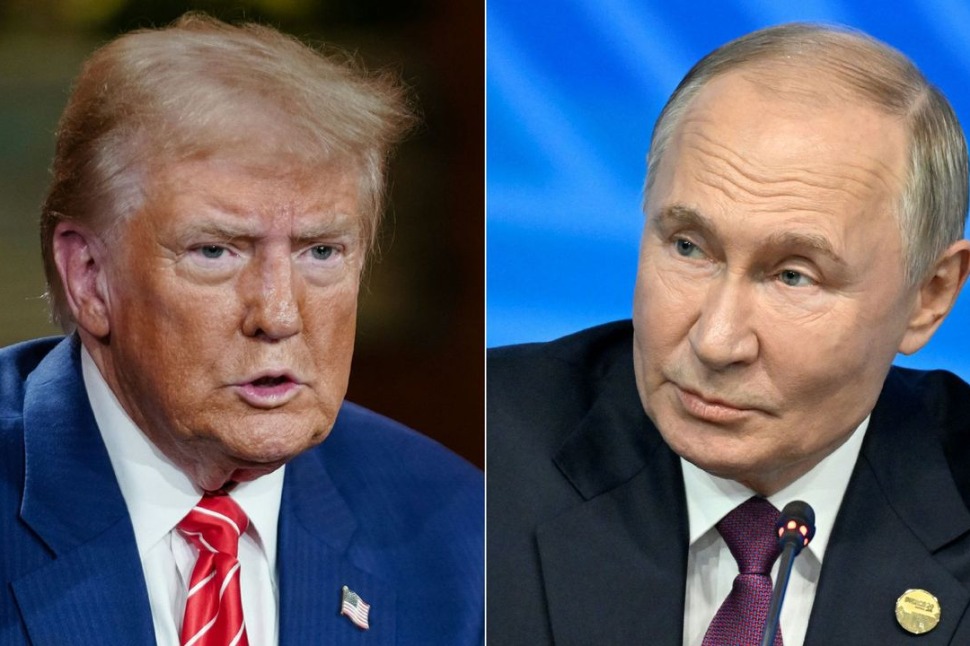
Trump says to meet Putin in Hungary
In a significant diplomatic move, former U.S. President Donald Trump announced plans to meet Russian President Vladimir Putin in Budapest, Hungary, to discuss potential resolutions to the ongoing Russia-Ukraine conflict. The announcement followed a ‘productive’ phone conversation between the two leaders, as Trump shared on his Truth Social platform. During the call, the leaders reportedly discussed not only the conflict but also future trade relations between the U.S. and Russia once the war concludes. Trump expressed optimism about the progress made during the conversation, stating, ‘I believe great progress was made with today’s telephone conversation.’
As a precursor to the meeting, high-level advisors from both nations are set to convene next week, with U.S. Secretary of State Marco Rubio leading the American delegation. The location for this preparatory meeting remains undetermined. Trump emphasized the goal of the Budapest summit, saying, ‘President Putin and I will then meet in an agreed upon location, Budapest, Hungary, to see if we can bring this ‘inglorious’ War, between Russia and Ukraine, to an end.’
The phone call occurred just ahead of Ukrainian President Volodymyr Zelensky’s scheduled visit to the White House, adding urgency to the diplomatic efforts. This meeting marks another attempt at dialogue between Trump and Putin, following their inconclusive talks in Alaska in August. In late September, Trump had expressed confidence in Ukraine’s ability to reclaim its territory with support from the European Union and NATO, stating that Ukraine ‘is in a position to fight and WIN all of Ukraine back in its original form.’
The upcoming Budapest meeting underscores the complex geopolitical dynamics at play, as global leaders seek to navigate the protracted conflict and its far-reaching implications.
-

Family of missing British girl give ultimatum to key person of interest
The family of Cheryl Grimmer, a British girl who vanished from a New South Wales beach in 1970, is intensifying its quest for justice. Cheryl was just three years old when she disappeared from Fairy Meadow beach in Wollongong. The case, which has haunted the family for over five decades, took a dramatic turn in 2017 when a man in his 60s was charged with her abduction and murder. However, the trial collapsed in 2019 after a confession made when the suspect was a teenager was deemed inadmissible in court. The suspect, known only as Mercury, denies any involvement in the crime.