作者: admin

  • Five players to watch at the cricket’s T20 World Cup

    Five players to watch at the cricket’s T20 World Cup

    As the T20 World Cup commences across India and Sri Lanka this Saturday, the cricketing world turns its attention to the next generation of talent destined to shine on the global stage. This explosive format, renowned for its fast-paced action, consistently serves as a launching pad for future icons of the sport.

    Leading the pack is India’s Abhishek Sharma, the world’s top-ranked T20 batter whose aggressive approach has revolutionized opening strategies. Boasting an unprecedented strike-rate of 194.74, Sharma delivers a fifty-plus score every fourth innings, presenting a formidable challenge to opposition bowlers. His stellar performance in the 2025 Asia Cup, where he achieved three consecutive half-centuries at a 200 strike-rate, demonstrated his capability to excel in multi-team tournaments beyond the Indian Premier League.

    England’s Jacob Bethell brings all-round excellence to the tournament following his impactful IPL debut with Royal Challengers Bengaluru. The 22-year-old’s match-winning 55 off 33 balls against Chennai Super Kings earned him instant recognition, while his Test century against Australia confirmed his multi-format potential. His recent 4-11 bowling performance against Sri Lanka underscores his adaptability to subcontinental conditions.

    South African prodigy Dewald Brevis represents a compelling comeback story after early career turbulence. Nicknamed ‘Baby AB’ for his resemblance to AB de Villiers, Brevis recorded South Africa’s highest T20 score of 162 at just 19 years old. Following a period of recalibration in domestic cricket, his triumphant return with Chennai Super Kings—where he smashed 57 off 23 balls—signals his readiness for international success.

    Afghanistan’s Noor Ahmad continues his nation’s spin bowling legacy with left-arm wrist spin that has captivated T20 leagues worldwide. Despite his youth, Ahmad has competed in ten different countries’ leagues and outperformed compatriot Rashid Khan in IPL wicket-taking over two seasons. His $1.2 million valuation by Chennai Super Kings reflects his growing stature in the sport.

    Completing this elite group is New Zealand’s Finn Allen, who has transformed from inconsistent talent to record-breaking power hitter. His 137 off 62 balls against Pakistan featuring 16 sixes ranks as the third-most destructive T20 international innings ever recorded. Allen’s recent dominance in Australia’s Big Bash League, where he propelled Perth Scorchers to their sixth title with 466 runs at a 184 strike-rate, confirms his arrival as a game-changing force.
  • Foreigners check-in to China for hospital expertise

    Foreigners check-in to China for hospital expertise

    China is experiencing a remarkable transformation in global healthcare perceptions as international patients increasingly choose the country for advanced medical treatment, creating what netizens term ‘reverse medical tourism.’ This trend represents a dramatic shift from just a decade ago when Chinese patients sought care abroad.

    The phenomenon is exemplified by high-profile cases such as Oscar Chalupsky, the former captain of South Africa’s Olympic kayaking team and 12-time world champion. After being diagnosed with high-risk multiple myeloma—a severe bone marrow cancer—six years ago, Chalupsky received discouraging prognoses from medical professionals in South Africa, Portugal, and Germany who deemed his condition ‘difficult to treat or even hopeless.’

    Utilizing artificial intelligence tools including ChatGPT and DeepSeek, Chalupsky identified Shanghai’s Ruijin Hospital as possessing ‘the world’s best hematology department.’ The 62-year-old athlete expressed strong confidence in Chinese healthcare, stating he traveled to Shanghai with high expectations rather than merely to ‘have a try.’

    Following online consultations in November, Ruijin Hospital’s international medical department and hematology team accepted Chalupsky for comprehensive pre-treatment evaluation. His December assessment included whole-body PET-MR imaging, bone marrow biopsy, and T-cell function tests, culminating in a personalized treatment plan centered on CAR-T cell therapy.

    This innovative cancer treatment involves extracting T-cells from the patient’s blood, genetically reprogramming them to target cancer cells, and reinfusing them into the body. Chalupsky’s case illustrates China’s growing expertise in specialized medical areas including proton therapy, targeted pharmaceuticals, and cellular immunotherapies.

    Medical experts attribute this reverse medical tourism trend to China’s unique combination of technological sophistication, clinical experience, treatment efficacy, and cost efficiency. Professor Wang Jian’an, academician of the Chinese Academy of Sciences and medical sector political adviser, notes that China has successfully balanced the global healthcare ‘impossible triangle’ of high quality, affordability, and minimal wait times.

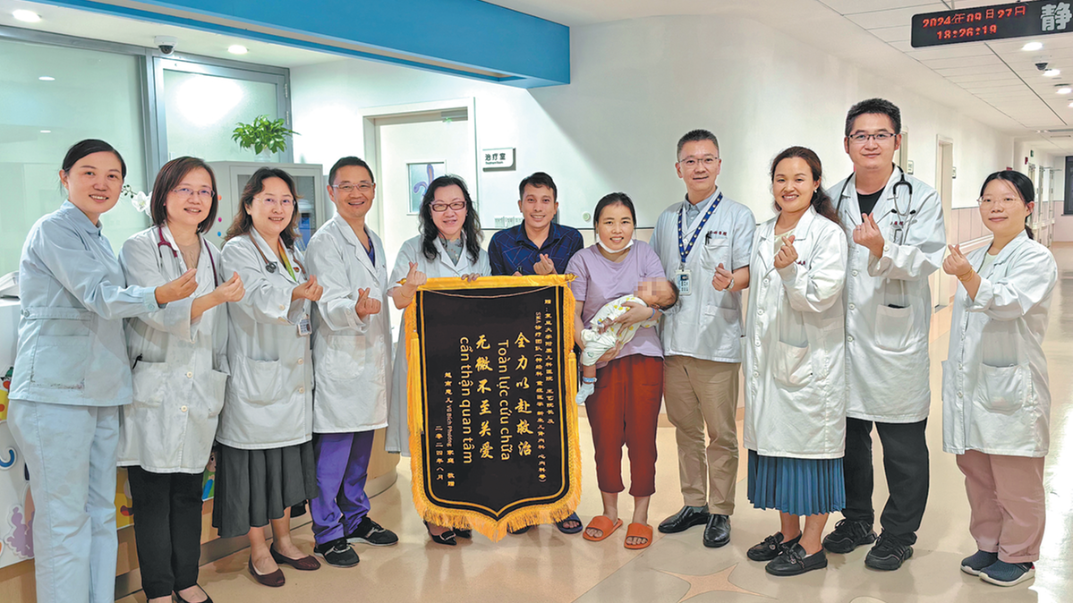
    The pattern extends beyond individual cases to include families like the Vietnamese couple who presented a gratitude banner to Shanghai’s Children’s Hospital of Fudan University in September 2024 after their child received successful treatment for Type 1 spinal muscular atrophy. These developments signal China’s ascending position in the global healthcare landscape, attracting international patients seeking solutions for complex medical conditions that prove challenging elsewhere.

  • What to know: India aims for consecutive T20 World Cup titles, Sri Lanka utilizing home advantage

    What to know: India aims for consecutive T20 World Cup titles, Sri Lanka utilizing home advantage

    Cricket’s grandest T20 spectacle commences this weekend as India and Sri Lanka jointly host the 2026 ICC Men’s T20 World Cup, with defending champions India positioned to rewrite tournament history. The Indian squad launches its campaign against the United States in Mumbai on Saturday, while co-host Sri Lanka faces Ireland in Colombo on Sunday.

    The month-long tournament features an expanded format with 20 national teams divided into four groups. The initial group phase continues through February 20, followed by Super Eight playoffs (February 21-March 1), semifinals (March 4-5), and the championship final scheduled for March 8.

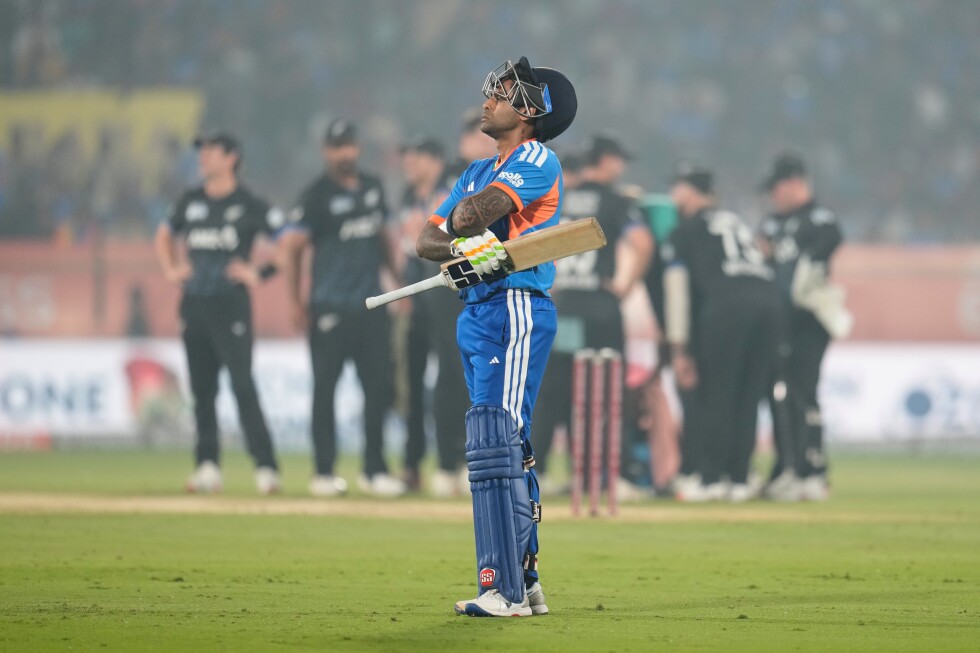
    India pursues an unprecedented third T20 World Cup title while attempting to become the first host nation to claim the men’s trophy. Their 2024 Barbados victory ended a 17-year championship drought that began with their inaugural 2007 triumph. The retirement of legendary players Rohit Sharma, Virat Kohli, and Ravindra Jadeja has ushered in a new era under captain Suryakumar Yadav, with India maintaining an undefeated T20 series record over the past two years.

    Group A presents political complications as Pakistan’s government has threatened to boycott its high-profile February 15 match against India in Colombo. This diplomatic standoff stems from the ICC denying Bangladesh’s venue change requests, resulting in Scotland replacing Bangladesh in the tournament. A Pakistani forfeiture would significantly smooth India’s path to the playoff stage.

    Sri Lanka, the 2014 champions, confronts recent performance challenges having lost approximately half of their 32 T20 matches since the last World Cup. Despite home advantage across Colombo and Pallekele venues, the team faces formidable Group B competition against Australia, Ireland, Oman, and Zimbabwe. Their tournament prospects rely heavily on spin duo Wanindu Hasaranga and Maheesh Theekshana, with pace spearhead Matheesha Pathirana and batsmen Pathum Nissanka and Kusal Mendis completing the core lineup.

    Cricket analysts universally recognize India as tournament favorites, citing their top ICC ranking and strategic leadership under head coach Gautam Gambhir. Emerging superstar Abhishek Sharma has captivated audiences as the newly top-ranked T20 batsman, earning praise from cricket luminaries including former Australian captain Ricky Ponting who declared him a potential tournament MVP.

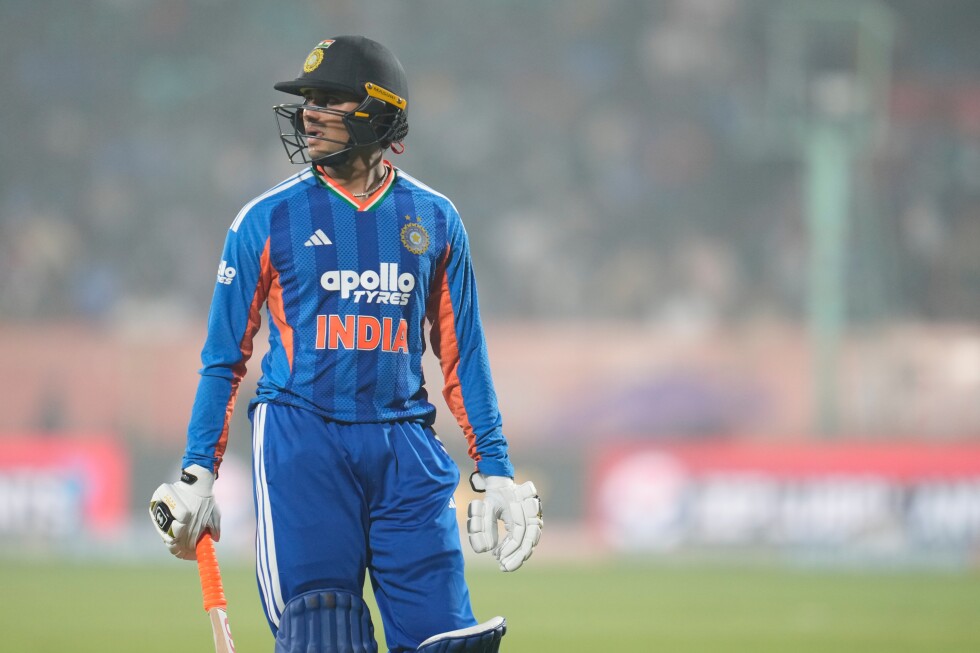
    India’s balanced roster features in-form captain Yadav, explosive batsman Ishan Kishan, all-rounder Harshit Rana, and mystery spinner Varun Chakravarthy—currently the world’s top-ranked T20 bowler. Veterans Jasprit Bumrah and Hardik Pandya, instrumental in the 2024 final victory, return for what might represent Bumrah’s final T20 World Cup appearance.

  • Forum underlines cross-Strait exchanges

    Forum underlines cross-Strait exchanges

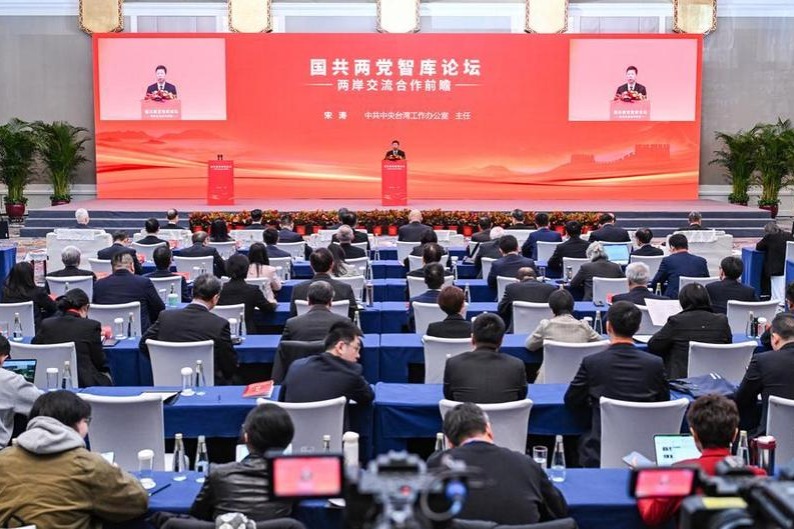
    In a significant diplomatic development, the Communist Party of China (CPC) and the Chinese Kuomintang (KMT) successfully reconvened a major think tank forum in Beijing on February 3, 2026, marking the revival of interparty exchanges after a nearly ten-year hiatus. The high-level gathering brought together approximately 100 participants, including policymakers, industry representatives, and academic experts from both sides of the Taiwan Strait.

    Song Tao, Director of the CPC Central Committee’s Taiwan Work Office, inaugurated the forum by emphasizing the historical responsibility both parties bear in fostering peaceful cross-Strait relations. “Our shared commitment to upholding the 1992 Consensus and opposing Taiwan independence forms the essential political foundation for constructive dialogue,” Song stated, referencing the October message exchange between CPC General Secretary Xi Jinping and KMT Chairwoman Cheng Li-wun.

    The forum organized its deliberations around three comprehensive panels examining tourism revitalization, industrial innovation, and environmental sustainability. These discussions yielded 15 concrete proposals across five critical cooperation areas: normalization of personnel exchanges, emerging industry collaboration, healthcare innovation, environmental protection, and disaster mitigation strategies.

    KMT Vice Chairman Hsiao Hsu-tsen echoed the necessity of prioritizing civilian welfare through practical cooperation. “The vibrant people-to-people exchanges we witness today genuinely reflect Taiwanese public sentiment,” Hsiao noted, advocating for setting aside differences while seeking common ground.

    Industry representatives presented specific cooperation opportunities during the proceedings. Lai Seh-jen of the Taiwan Tourism Interchange Association urged lifting restrictions on group travel to mainland China, while business leader Chen Yung-feng highlighted synergistic potential in artificial intelligence and smart manufacturing. The joint proposals specifically called for removing barriers imposed by Taiwan’s Democratic Progressive Party authorities and restoring full direct transportation links across the Strait.

  • Pakistan’s boycott of a game against India looms over cricket’s T20 World Cup

    Pakistan’s boycott of a game against India looms over cricket’s T20 World Cup

    The ICC Men’s T20 World Cup faces unprecedented diplomatic turmoil as Pakistan’s government has officially prohibited its national cricket team from competing against arch-rival India in their scheduled February 15 group stage encounter in Colombo. This development marks the first time in 14 years that an ICC tournament might proceed without the iconic India-Pakistan showdown, potentially forcing Pakistan to forfeit crucial competition points.

    The political standoff emerged after the International Cricket Council rejected Pakistan’s request to relocate its matches from India to Sri Lanka due to security concerns. The PCB had sought this accommodation following similar considerations granted to Bangladesh, whose games were moved to Sri Lanka while Scotland replaced them in the Indian-hosted segment of the tournament.

    Pakistan Cricket Board chairman Mohsin Naqvi condemned the ICC’s decision as demonstrating “double-standards,” prompting the government’s intervention. Team captain Salman Ali Agha, speaking after Pakistan’s 3-0 series victory over Australia, affirmed the squad would comply with governmental directives: “It’s not our decision. We can’t do anything about it. We will do whatever our government and the PCB chairman say.”

    The ICC has urgently appealed to cricket authorities in both nations to “explore a mutually acceptable resolution” that “protects the interests of all stakeholders.” While a potential meeting in semifinals or finals remains mathematically possible, uncertainty persists regarding whether the boycott would extend to knockout stages.

    Tournament structure remains unchanged with 20 teams divided across four groups, featuring matches across five Indian cities (New Delhi, Kolkata, Chennai, Ahmedabad, and Mumbai) and Sri Lankan venues in Pallekele and Colombo. The top two teams from each group will progress to Super Eights, followed by semifinals on March 4-5 and championship final on March 8.

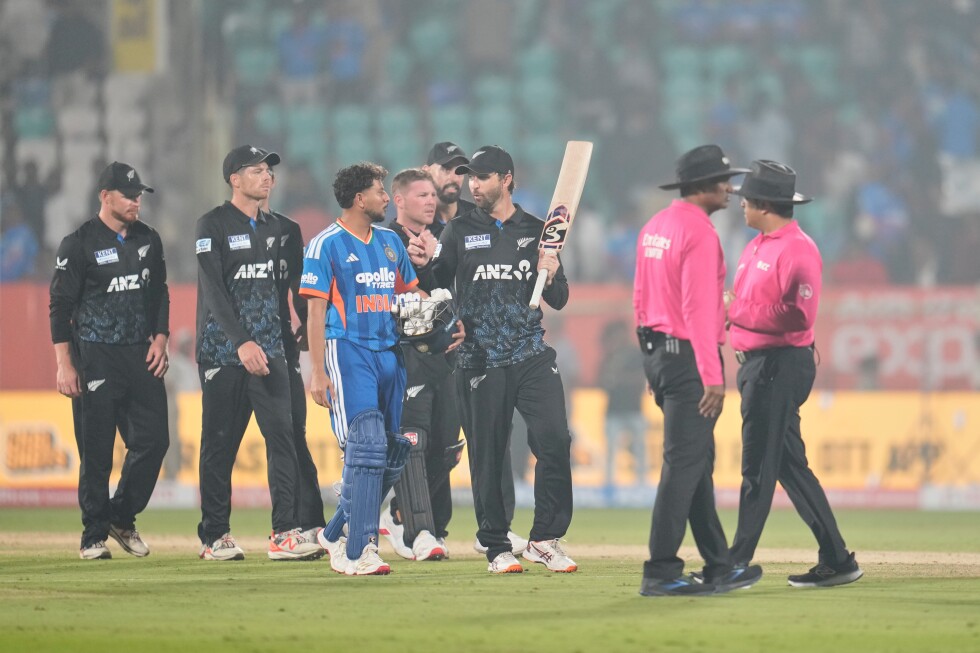
    Defending champion India enters as favorite following impressive 4-1 series victory against New Zealand, while Pakistan must navigate challenging matches against Netherlands, Namibia, and the United States—the latter having eliminated Pakistan in their dramatic 2024 super-over encounter.

    Other groups feature strong contenders including Australia, England, West Indies, and Afghanistan, though the shadow of geopolitical tensions now threatens to overshadow sporting competition in cricket’s premier global event.

  • Is the evil empire back? How the Patriots rebuilt a broken dynasty

    Is the evil empire back? How the Patriots rebuilt a broken dynasty

    A seismic shift has occurred in the NFL landscape as the New England Patriots complete one of the most remarkable turnarounds in league history, reaching Super Bowl LX just seasons after their dynasty appeared permanently extinguished. This resurgence, engineered by Head Coach Mike Vrabel and rookie quarterback Drake Maye, has evoked haunting memories of the franchise’s previous era of dominance under Tom Brady and Bill Belichick.

    The Patriots’ collapse following the departures of their legendary quarterback-coach tandem was both swift and severe. After Brady’s exit and Belichick’s subsequent departure, the organization plummeted to 4-13 records in consecutive seasons, missing the playoffs for three straight years—their longest drought since the early 1990s. The team ranked near the bottom of the league in virtually every performance metric, appearing destined for prolonged mediocrity.

    Owner Robert Kraft’s strategic hiring of Mike Vrabel proved transformative. The three-time Super Bowl champion as a player, who previously led the Tennessee Titans to an AFC Championship game, brought both Patriots pedigree and proven head coaching experience. His appointment triggered a record-setting 10-win improvement that has returned New England to championship contention.

    Complementing Vrabel’s leadership, quarterback Drake Maye has demonstrated extraordinary poise and playmaking ability during his rookie campaign. The young signal-caller has shown particular proficiency in critical moments, with 12 of his 16 playoff runs resulting in either touchdowns or first downs—echoing the clutch performance DNA that defined the Brady era.

    The organization’s front office executed a comprehensive roster overhaul, investing $364 million in free agency while demonstrating exceptional draft acumen. This aggressive approach resulted in only 16 players remaining from the squad of two years ago, with newcomers including standout receiver Stefon Diggs, defensive leader Robert Spillane, and pass-rush specialist Harold Landry. The Patriots set a Super Bowl participant record with 416 regular-season games played by first-year Foxborough additions.

    Statistical parallels between the current partnership and the Brady-Belichick dynasty are striking. Maye could become the youngest quarterback to win a Super Bowl at just 23 years old, exactly as Brady reached his first championship in his second season. The team’s playoff path mirrors the 2001 championship run, with Maye joining Brady as one of only four quarterbacks since 2001 to win a championship game while generating 14 or fewer offensive points.

    As New England prepares for its record-extending seventh Super Bowl appearance—representing 20% of all Super Bowls ever played—the rest of the league watches with apprehension. The combination of a defense-first head coach, a precociously talented quarterback, strategic personnel acquisitions, and organizational stability has created a blueprint frighteningly familiar to those who endured two decades of Patriots dominance. Seattle faces not just a football team on Sunday, but the potential dawn of another NFL empire.

  • ‘I’ve never hit anything so hard’: What it’s like to be attacked by a shark

    ‘I’ve never hit anything so hard’: What it’s like to be attacked by a shark

    In a remarkable tale of survival and resilience, retired IT director Peter Smith from Hertfordshire recounts his harrowing encounter with a bull shark during what should have been a tranquil vacation in Tobago. The incident occurred in April 2024 during the final hours of his Caribbean holiday when he took a casual swim in waist-deep water.

    Without warning, a approximately 10-foot (3m) bull shark—one of the world’s most dangerous shark species known for hunting in shallow waters—launched a brutal attack. The predator bit Smith’s leg, arm, and stomach in rapid succession, causing severe blood loss and life-threatening injuries. “Your brain works at 1,000 miles an hour,” Smith recalls of the moment he recognized the species by its distinctive jaws.

    Displaying extraordinary presence of mind, the 66-year-old fought back aggressively, punching the shark repeatedly while friends in the water assisted in the struggle and raised the alarm. Bystanders eventually dragged the severely injured man to shore where his wife Joanna witnessed the devastating injuries. “I could see bones, it was just awful,” she remembers.

    Medical evacuation became necessary when Tobago’s sole hospital exhausted its blood supply treating Smith’s injuries, which included deep stomach lacerations and substantial tissue loss from his upper thigh. He was transported to Jackson Memorial Hospital in Miami, Florida, where he underwent dozens of surgical procedures during a prolonged recovery.

    In an ironic twist during treatment, medical staff used a shark-derived membrane to facilitate skin grafting—a detail that brought unexpected humor to his recovery process. Despite permanent nerve damage that affects hand function and mobility challenges requiring him to relearn walking, Smith maintains profound gratitude for his survival and the assistance he received.

    Shark experts note that this incident represents Tobago’s first recorded shark attack according to the International Shark Attack File. Recent bull shark incidents in Australia have raised concerns, but specialists emphasize that shark attacks remain extremely rare relative to human water recreation. Tom ‘The Blowfish’ Hird, a shark expert, explains that sharks typically don’t prey on humans and often retreat when encountering resistance.

    Remarkably, Smith bears no animosity toward sharks or Tobago, insisting he would return to the island and refusing to live in fear after his traumatic experience. His story stands as a testament to human resilience and the uncommon nature of such wildlife encounters.

  • Kenya unveils tax breaks for EV parts and charging stations to speed up shift to electrics

    Kenya unveils tax breaks for EV parts and charging stations to speed up shift to electrics

    NAIROBI, Kenya — The Kenyan government has unveiled comprehensive tax incentives as part of its newly launched National Electric Mobility Policy, aiming to dramatically accelerate the adoption of electric vehicles across the nation. The strategic measures include exemptions for value-added taxes and excise duties on EV components beginning this July, followed by a reduction in stamp taxes for charging stations in 2027.

    Transport Cabinet Secretary Davis Chirchir emphasized that electric mobility represents a critical pillar in Kenya’s broader climate strategy. “This transition is fundamental to reducing greenhouse gas emissions, decreasing our dependency on imported fossil fuels, and stimulating economic growth through domestic manufacturing and employment opportunities,” Chirchir stated.

    Kenya’s commitment to electric transportation builds upon previous initiatives, including zero value-added tax on electric buses, bicycles, motorcycles, and lithium-ion batteries. The government has set an ambitious target of deploying 3,000 electric vehicles within its ministries by the end of next year.

    This policy shift aligns with Kenya’s Paris Agreement pledge to cut greenhouse gas emissions by 32% before 2030. With transportation accounting for a substantial portion of carbon emissions, electrification has been identified as essential for meeting climate objectives.

    The market response has been remarkably positive, with registered electric vehicles skyrocketing from just 796 in 2022 to 24,754 in 2025—primarily driven by electric motorcycles, buses, and commercial fleet vehicles. Projections indicate that electric vehicle sales could equal those of traditional gasoline and diesel vehicles by 2042, signaling a profound transformation in Kenya’s transportation landscape.

    Mohammed Daghar, Principal Secretary for Transport, characterized the policy as “laying the foundation for a cleaner, more efficient, and sustainable transport system that fully aligns with our climate commitments.”

    While Kenya emerges as a regional leader in electric mobility, the transition presents fiscal challenges. The government anticipates a potential $693 million shortfall in fuel tax revenues by 2043—critical funding currently dedicated to road maintenance and transportation services. Authorities are exploring alternative revenue mechanisms, including road-use charges and electricity-based levies connected to charging stations.

    Across Africa, electric mobility policies continue to evolve, with Rwanda and Egypt implementing various fiscal incentives to encourage EV adoption. Most initiatives currently focus on electric buses and two-wheelers, incorporating tax exemptions for EV imports and investments in charging infrastructure.

  • Northern Japan hit by deadly snowfall, as warnings issued on more heavy snow

    Northern Japan hit by deadly snowfall, as warnings issued on more heavy snow

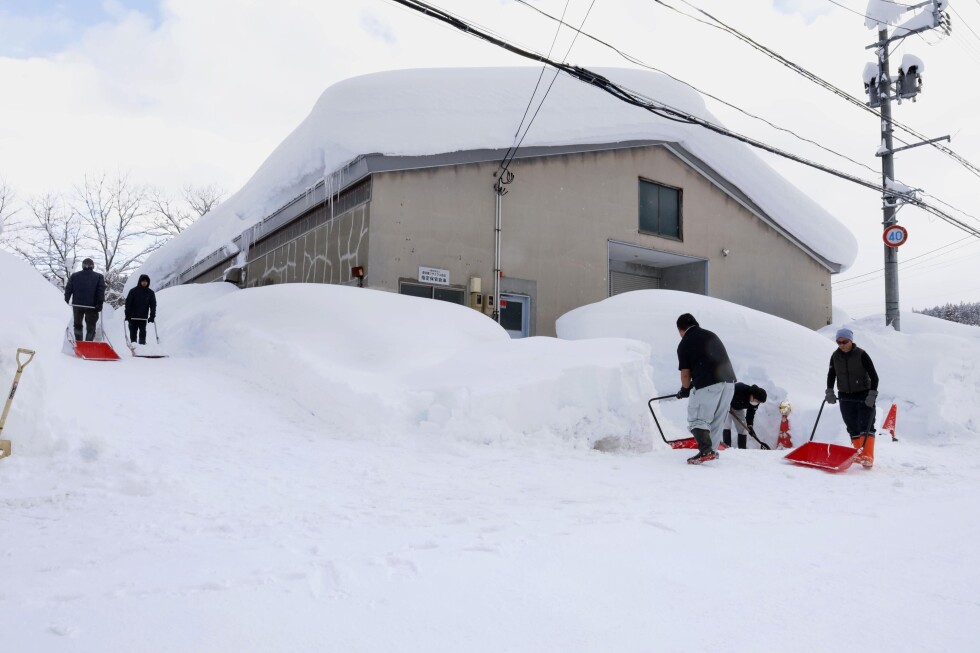
    TOKYO — A severe winter storm system has unleashed devastating snowfall across northern Japan over the past fortnight, resulting in at least 35 fatalities nationwide according to government reports released Wednesday. The tragic incidents primarily involved sudden cardiac events and fatal accidents occurring during snow removal operations.

    Official data indicates fifteen prefectures have been severely impacted, with snow accumulation reaching approximately 2 meters (6.5 feet) in the most affected zones. Niigata Prefecture, a prominent agricultural region, recorded the highest death toll with twelve casualties. Among these was a man in his fifties discovered collapsed on his residential rooftop in Uonuma city on January 21st.

    In a separate Niigata incident, emergency services transported a septuagenarian man after he was found unconscious near his residence. Medical authorities subsequently pronounced him dead at hospital facilities. Preliminary investigations suggest the victim fell from his roof while attempting to clear accumulated snow.

    Chief Cabinet Secretary Minoru Kihara issued urgent public warnings despite improving weather conditions, emphasizing that melting snow presents new hazards including potential landslides and dangerously slippery surfaces. “We implore citizens to prioritize safety measures including helmet usage and lifeline ropes during snow clearance activities,” Kihara advised during a press briefing.

    Regional task forces have been mobilized across Niigata and adjacent areas since January 20th to address the escalating crisis. Additional fatalities include seven deaths in Akita Prefecture and five in Yamagata Prefecture. Nationwide statistics document 393 weather-related injuries, including 126 severe cases, with Niigata accounting for 42 serious injuries. Structural assessments confirm fourteen residences sustained damage across affected regions.

    While meteorological experts haven’t determined the precise cause of the extreme precipitation, heavy snow-related casualties remain a recurrent seasonal challenge in Japan. Official records from the Fire and Disaster Management Agency indicate 68 snow-associated deaths occurred during the previous winter season. Forecast models predict additional heavy snowfall anticipated for the upcoming weekend.

  • Draco Malfoy becomes unlikely Lunar New Year mascot in China

    Draco Malfoy becomes unlikely Lunar New Year mascot in China

    In a fascinating cultural fusion, Tom Felton’s iconic Harry Potter character Draco Malfoy has emerged as an unexpected symbol of Lunar New Year celebrations across China. The actor’s portrayal of the cunning Slytherin student has taken on new meaning as Chinese households incorporate his image into traditional festive decorations.

    The phenomenon stems from the character’s Chinese name translation – Ma Er Fu (马尔福) – which contains the characters for ‘horse’ (马) and ‘fortune’ (福). This linguistic coincidence has made the character particularly auspicious for the upcoming Year of the Horse celebrations. E-commerce platforms like Taobao have reported surging sales of Malfoy-themed decorations, including door couplets, upside-down posters, and decorative magnets featuring the character’s signature smirk.

    Traditional Chinese New Year customs involve displaying auspicious writings and symbols to attract health and prosperity while warding off evil spirits. The practice of hanging square-shaped papers upside down – representing the arrival of good fortune due to the homophonic quality of ‘upside down’ (倒) and ‘arrival’ (到) in Chinese – has been creatively adapted with Malfoy’s imagery.

    The trend has gained substantial traction on Chinese social media platforms, with Weibo users sharing images of their Malfoy decorations accompanied by captions like ‘Share this image for good fortune.’ References to Harry Potter lore, including the Felix Felicis luck potion, have proliferated in discussions about this unique cultural crossover.

    Actor Tom Felton himself has acknowledged the phenomenon, resharing an Instagram story about his character becoming a ‘symbol of Chinese New Year in China,’ which further excited his substantial Chinese fanbase. The response included hashtags such as ‘Malfoy himself is 100% hilarious,’ demonstrating enthusiastic approval from local Potterheads.

    This development highlights the enduring popularity of the Harry Potter franchise in China, where hundreds of millions of books have been sold and film re-releases have generated significant revenue. Warner Bros Discovery’s plans to open the largest Making Of Harry Potter studio tour in Shanghai in 2027 further underscore the franchise’s substantial cultural footprint in the Chinese market.