作者: admin

  • Fears flight route changes could affect cancer patients

    Fears flight route changes could affect cancer patients

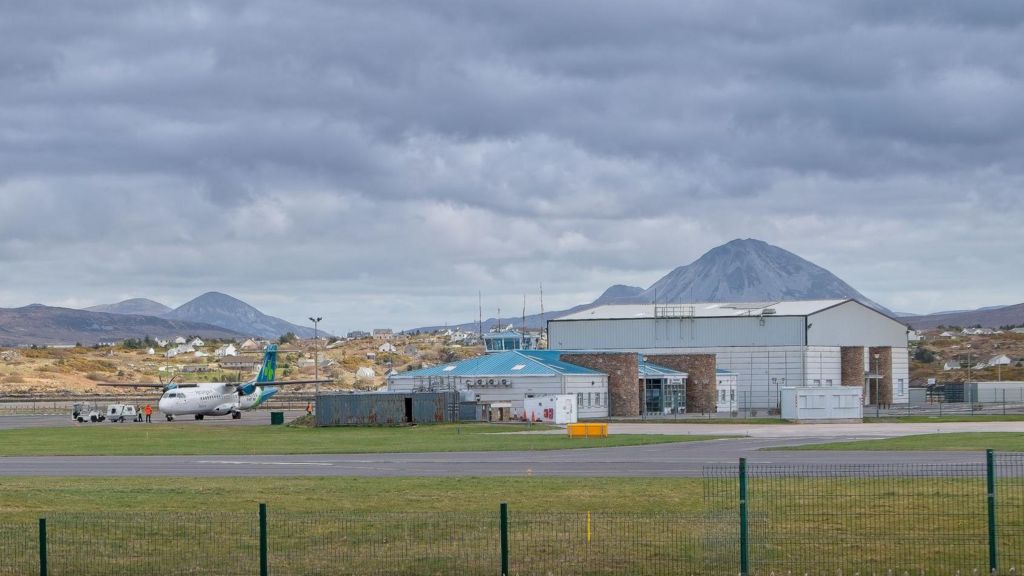
    A critical air service linking Ireland’s remote northwest with the capital faces potential disruption, raising alarms among cancer patients and medical advocates. The publicly subsidized Donegal-Dublin flight route, operating since 2004 under a Public Service Obligation (PSO), may undergo significant timetable alterations when its current contract expires on February 25.

    The existing schedule features an early morning departure from Donegal to Dublin with an afternoon return service, enabling same-day medical travel for patients requiring specialized treatment unavailable in their region. Emerging proposals suggest eliminating the afternoon return flight, potentially stranding patients in Dublin overnight.

    Kathleen Griffin, an ovarian cancer survivor who has utilized the service six times during her three-year treatment journey, emphasized the route’s necessity. “The flight transforms a potentially six-hour painful car journey into a manageable 90-minute trip,” she explained. “When you’re unwell, the last thing you want to contemplate is exhausting travel arrangements.”

    Mary Coyle of Donegal Cancer Flights & Services charity revealed the organization assists over 500 clients, including cancer patients, kidney transplant recipients, and children with life-limiting conditions. The charity has suspended flight bookings beyond February 25 due to the uncertainty surrounding the route’s future operation.

    “These flights constitute an absolute lifeline for patients already undergoing tremendous physical and financial strain,” Coyle stated. Without the afternoon return option, patients would face prohibitive accommodation costs or rely on already overstretched ground transportation services that currently serve multiple medical facilities across northwestern Ireland.

    The Department for Transport in the Republic of Ireland has been contacted for clarification regarding the route’s future operation under the new procurement process. Emerald Airlines, currently operating the route as a regional subsidiary of Aer Lingus, will continue service until the February contract expiration.

  • Jeffrey Epstein was told to keep ‘close eye’ on Saudi Arabia amid Ritz Carlton purge

    Jeffrey Epstein was told to keep ‘close eye’ on Saudi Arabia amid Ritz Carlton purge

    Newly unsealed court documents from the U.S. Department of Justice reveal convicted sex offender Jeffrey Epstein was actively monitoring Saudi Arabia’s 2017 political upheaval, maintaining communications with Gulf elites and allegedly leveraging connections to the highest levels of Saudi leadership.

    The documents contain a November 4, 2017 email exchange where an unidentified correspondent advised Epstein to ‘keep close eye on what is going on in Saudi right now.’ Epstein specifically inquired whether the reference concerned ‘the missile or the anti corruption,’ receiving confirmation it related to the latter. This correspondence occurred immediately preceding Crown Prince Mohammed bin Salman’s unprecedented anti-corruption campaign that detained numerous royals and business figures at Riyadh’s Ritz-Carlton hotel.

    Evidence suggests Epstein cultivated relationships within Saudi leadership circles. In a March 2017 email exchange with former New York Times reporter Thomas Landon Jr., Epstein appeared to reference direct access to the Crown Prince (referred to as ‘bin salman’) while attempting to facilitate connections between Landon and Saudi investment officials. Photographic evidence within the document trove shows Epstein smiling alongside the Saudi leader.

    The documents further reveal Epstein’s brokerage of high-level meetings between Middle Eastern power players, including a previously undisclosed 2018 encounter between former Israeli Prime Minister Ehud Barak and former Qatari Prime Minister Hamad bin Jassim bin Jaber al-Thani.

    Among Gulf figures, Dubai Ports World CEO Sultan Ahmed bin Sulayem appears most frequently in Epstein’s communications. Their exchanges include discussions ranging from religious commentary to disturbing references to ‘a fresh 100% female Russian’ on Sulayem’s yacht.

    Epstein’s communications demonstrate particular interest in Saudi political dynamics. In October 2016, he provided Landon with analysis of Saudi royal family structure, comparing its complexity to U.S. government branches. He controversially asserted that social reforms like women’s driving rights were driven by Western pressure rather than domestic demand, stating ‘It is the americans that are demanding women drive. not the saudis.’

    These revelations emerge amid increased scrutiny of Gulf rivalries, particularly UAE-Saudi competition in the Red Sea region where DP World’s operations have gained strategic importance.

  • Naked images remained in Epstein files despite outcry

    Naked images remained in Epstein files despite outcry

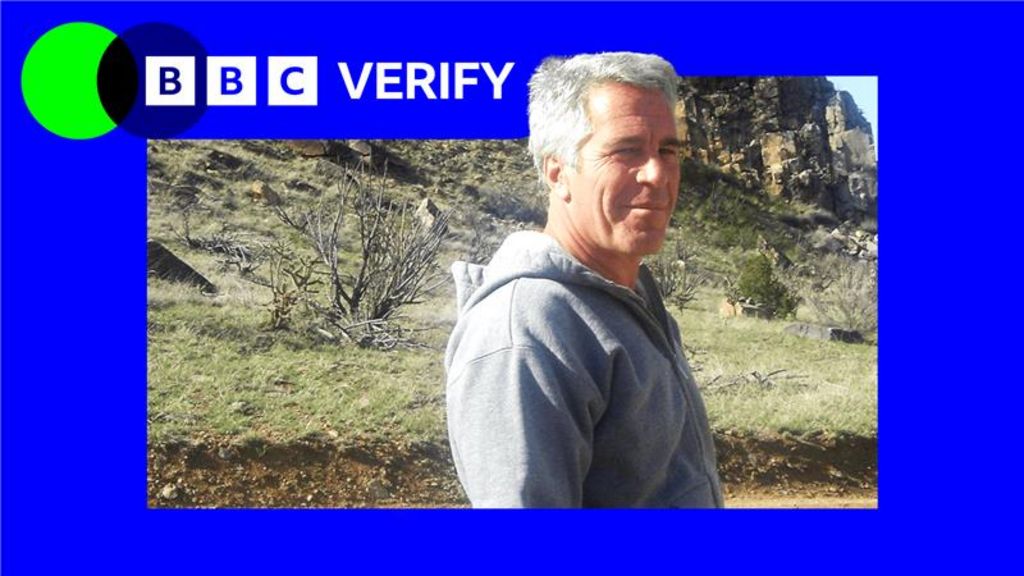
    Critical failures in the redaction process for the Jeffrey Epstein case files have led to the public exposure of dozens of victims, with unredacted images and videos remaining online for days despite official warnings. BBC Verify analysis confirms that thousands of documents containing identifying information about Epstein’s victims were published, including partially clothed young females with faces and bodies fully visible.

    The disclosure issue first emerged when victims’ groups reported nearly 40 separate unredacted images had been published as part of the Epstein files last Friday. By Tuesday, a New York judge confirmed the Department of Justice had agreed to address the problem after victims demanded the website be shut down until proper redactions could be implemented.

    The Department of Justice subsequently removed thousands of documents from its website, attributing the exposure to ‘technical or human error.’ Officials stated they are examining new requests and checking for additional documents requiring further redaction. However, BBC Verify independently confirmed on Wednesday that numerous images of identifiable individuals remained accessible online despite government assurances the issue was being addressed.

    Legal representatives for the victims have characterized the damage as ‘irreparable.’ Attorney Brad Edwards emphasized the severity of the situation: ‘We are getting constant calls from victims because their names – despite them never coming forward, being completely unknown to the public – have all just been released for public consumption. It’s literally thousands of mistakes.’

    The redaction inconsistencies appear systematic. Some documents contained two versions of the same picture – one properly redacted with black squares covering identities, while another version showed faces fully visible. Beyond explicit imagery, the files also revealed identities through medical information, including fetal ultrasound scans showing names, dates, locations, and gestational ages. Legal statements within the documents additionally mentioned victim names during recorded questioning of Epstein.

    This failure occurred despite prior assurances from Deputy Attorney General Todd Blanche, who had delayed the files’ release over Christmas citing the need for additional work to protect victims’ identities. The DoJ had been specifically tasked with redacting all sexually explicit photos and identifying information before publication under congressional deadline.

  • Italy’s World Cup debut: Cricket team on the rise as storied soccer team falters

    Italy’s World Cup debut: Cricket team on the rise as storied soccer team falters

    In a remarkable sporting reversal, Italy has secured its place in cricket’s premier global tournament—the T20 World Cup—marking a historic milestone for a nation traditionally dominated by soccer. This achievement comes as a beacon of hope during a challenging period for Italian football, with the national cricket team emerging as an unexpected source of pride.

    The Italian Cricket Federation CEO Luca Bruno Malaspina described the qualification as “the culmination of 45 years of relentless effort” since the federation’s establishment in 1980. However, cricket’s roots in Italy extend much deeper, tracing back to British textile expatriates in the late 19th century. This heritage is preserved in the names of legendary football clubs—Genoa Cricket and Football Club (founded 1893) and the original Milan Football & Cricket Club (established 1899).

    Today, Italy’s cricket landscape boasts approximately 4,000 registered male players across 80 clubs operating within a two-tier league system. The national team represents a modern tapestry of Italian sporting identity, featuring players with Italian heritage alongside first- and second-generation immigrants from cricket-loving nations. Captain Wayne Madsen (South African-Italian), bowler Crishan Kalugamage (Sri Lankan-Italian), and wicketkeeper Marcus Campopiano (English-Italian) exemplify this diverse composition. The 15-man World Cup squad even includes two sets of Australian brothers with Italian connections: Harry and Benjamin Manenti, and Anthony and Justin Mosca.

    Italy earned its place in the expanded 20-team tournament through European regional qualifying, finishing second to the Netherlands. The team recently achieved another milestone by defeating Ireland—their first victory against an ICC full member nation.

    This cricket success contrasts sharply with Italy’s football struggles. The four-time soccer World Cup champions have failed to qualify for the last two tournaments and face challenging playoffs to reach the 2026 edition. Malaspina sees cricket’s moment as an opportunity to “capitalize on Italy’s shortcomings in soccer” and increase the sport’s visibility within Italian sports organizations.

    Despite ICC Associate membership since 1995 and recognition by the Italian National Olympic Committee—which enables government funding—significant challenges remain. Italy currently hosts international matches abroad due to inadequate infrastructure, with federation officials working to address “very, very poor” cricket facilities and develop at least one proper turf pitch. Additional hurdles include financial constraints and bureaucratic complexities.

    Future ambitions include establishing an Italian franchise in the proposed European T20 Premier League by 2027 and introducing cricket into school curricula to inspire younger generations. For now, the team prepares to face Scotland, Nepal, England, and West Indies in Group C. The England match holds particular symbolic significance, with Malaspina noting: “For players and cricket people, playing against England is the pinnacle of our story. England is cricket.”

  • New Zealand looks to its batting depth, game-breakers at the T20 World Cup

    New Zealand looks to its batting depth, game-breakers at the T20 World Cup

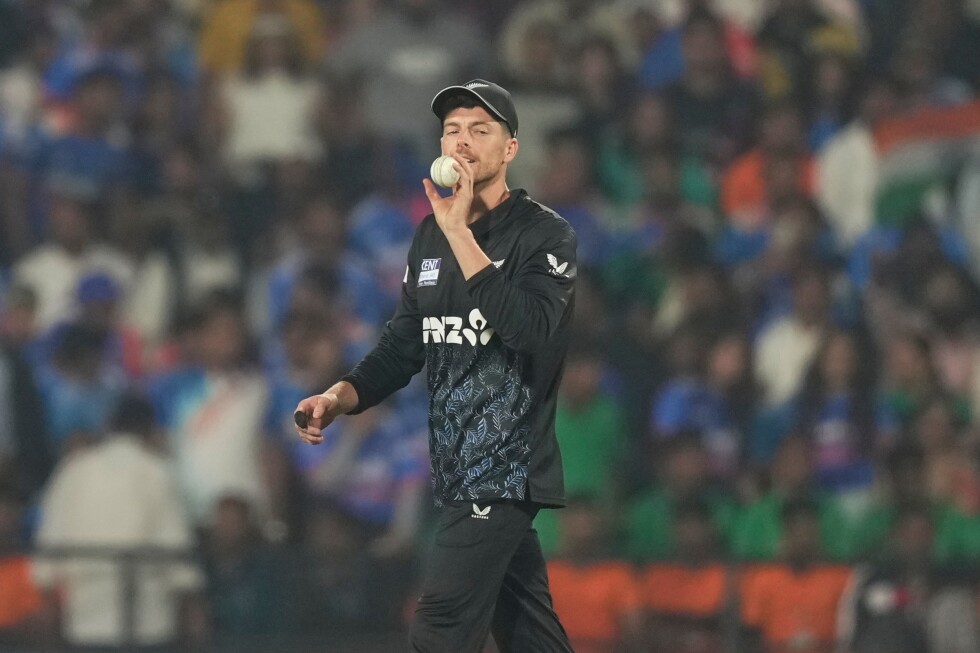
    WELLINGTON, New Zealand (AP) — As the T20 World Cup approaches, New Zealand confronts the challenge of pursuing its maiden title with a notably depleted bowling arsenal. The Black Caps, historically strong in the shortest format, are strategically pivoting to leverage their profound batting strength and a roster rich with seasoned all-rounders to offset these limitations.

    The team’s campaign follows a sobering T20 series defeat in India, where their bowling unit was decisively overpowered. A particularly stark moment was the fifth match, where India posted a colossal 271-5, featuring a blistering 40-ball century from Ishan Kishan. In another instance, India chased down New Zealand’s total of 153 with eight wickets and a staggering 10 overs to spare, highlighting the pressing concerns within the bowling department.

    Captain Mitchell Santner acknowledged the difficulty, quipping that the only solution might have been to ‘push the boundaries back.’ However, he emphasized the invaluable intelligence gathered from the series, which the team will carry into their World Cup opener against Afghanistan in Chennai.

    The bowling hopes rest significantly on the shoulders of pace bowler Jacob Duffy. The 31-year-old, entering his first World Cup, is coming off a record-shattering 2025 season where he claimed 81 wickets, eclipsing a longstanding national record. He is currently ranked the world’s No. 4 T20 bowler. He is supported by a pace attack including Lockie Ferguson, Matt Henry, and late call-up Kyle Jamieson, who replaces the injured Adam Milne. Potential paternity leaves for Henry and Ferguson could see reserve Ben Sears activated.

    The spin department is led by Santner and Ish Sodhi, with versatile players like Glenn Phillips, Rachin Ravindra, and Michael Bracewell providing additional options. Sodhi noted the batters have undertaken specific training to hone their strategies against spin bowling, a crucial skill for the subcontinent conditions.

    New Zealand’s primary confidence lies in a powerful and deep batting lineup. It features explosive opener Finn Allen, who boasts international and domestic strike rates of 165.45 and 175.23 respectively, alongside Devon Conway, Daryl Mitchell, and wicketkeeper Tim Seifert. The squad’s balance is further enhanced by all-rounders Jimmy Neesham, Bracewell, and Phillips—the latter also being an exceptional fielder with 52 T20I catches.

    Head coach Rob Walter expressed confidence in the team’s composition, stating, ‘World Cups are special and there’s few better places to play one than in India. We have a group which can make New Zealand proud.’ He highlighted the critical balance of power-hitting, adaptable bowling, and the five all-rounders who each offer a unique skill set. This experienced group, many with extensive global franchise exposure, is familiar with the pressures of the subcontinent.

    Drawn into Group D alongside Afghanistan, Canada, South Africa, and the UAE, New Zealand will rely on its proven match-winners and collective experience to finally capture the elusive T20 World Cup trophy.

  • Watch: Giant phantom jellyfish floating off Argentina

    Watch: Giant phantom jellyfish floating off Argentina

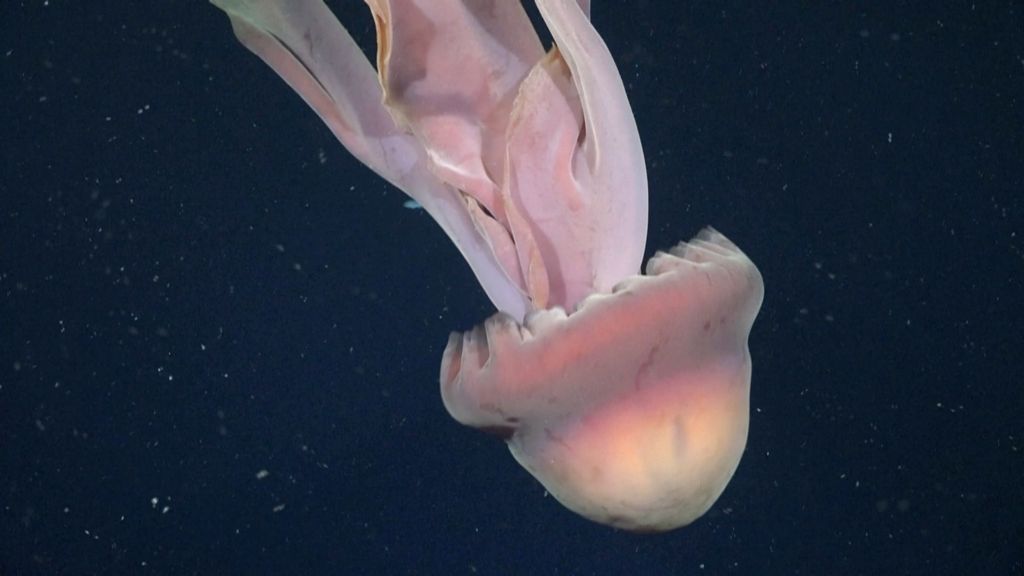
    In a remarkable deep-sea discovery, marine researchers have documented one of the ocean’s most elusive creatures—the giant phantom jellyfish (Stygiomedusa gigantea)—in the previously unexplored waters off Argentina’s coast. The spectacular footage was captured during a scientific expedition using advanced remotely operated vehicles (ROVs) equipped with high-definition cameras capable of operating in extreme low-light conditions.

    The encounter occurred at depths exceeding 1,000 meters where sunlight cannot penetrate, revealing the jellyfish’s extraordinary morphological adaptations. With bell diameters potentially reaching over one meter and ribbon-like oral arms that can extend to 10 meters in length, the species represents one of the largest invertebrate predators in the deep-sea ecosystem. Its striking appearance features a deep crimson coloration—a common camouflage adaptation in mesopelagic zones where red light is filtered out by water.

    This sighting provides critical insights into the biodiversity of the South Atlantic’s deep waters, particularly the Argentine Basin which remains one of the least studied marine regions globally. Scientists emphasize that such discoveries underscore the importance of deep-sea conservation efforts, as these fragile ecosystems face increasing threats from deep-sea fishing, resource extraction, and climate change impacts on ocean circulation patterns.

    The research team utilized cutting-edge genomic sampling techniques to non-invasively collect tissue samples from the jellyfish’s mucus layer, enabling future phylogenetic studies without harming the specimen. This methodological advancement represents a significant step forward in ethical deep-sea research practices.

  • Vance heads overseas for the Winter Olympics. Then he’ll stop in Armenia and Azerbaijan

    Vance heads overseas for the Winter Olympics. Then he’ll stop in Armenia and Azerbaijan

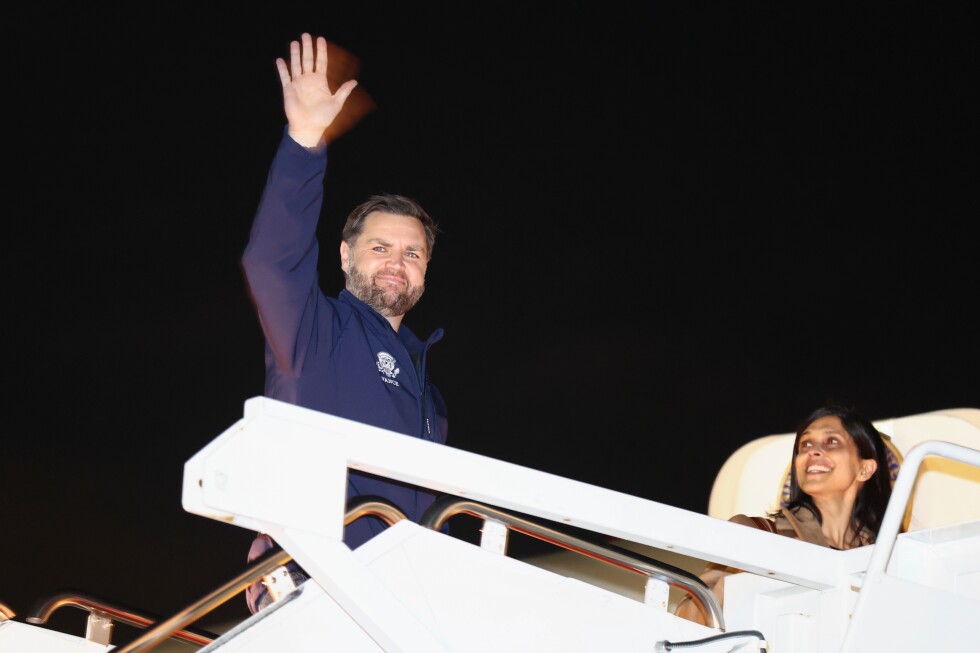
    Vice President JD Vance has commenced a significant international journey that strategically blends diplomatic engagement with athletic diplomacy. The weeklong mission features dual objectives: leading the U.S. delegation at the 2026 Winter Olympics in Milan Cortina, followed by high-stakes diplomatic visits to Armenia and Azerbaijan to reinforce a White House-brokered peace agreement.

    The itinerary reflects the Trump administration’s careful balancing of international commitments with domestic priorities ahead of November’s midterm elections. According to White House Chief of Staff Susie Wiles, administration officials are maintaining heightened focus on domestic affairs, making this one of Vance’s limited overseas engagements this year.

    The Olympic delegation showcases a distinguished roster including Secretary of State Marco Rubio, U.S. Ambassador to Italy Tilman Fertitta, and Olympic champions across multiple winter sports disciplines. The vice president’s schedule includes attending the opening ceremony and supporting Team USA athletes, beginning with the women’s hockey preliminary match against Czechia.

    Following the Olympic events, Vance will pivot to diplomatic duties in the South Caucasus region, where he aims to advance the historic peace agreement between Armenia and Azerbaijan. This accord represents a significant geopolitical achievement for the Trump administration, establishing enhanced U.S. influence amid declining Russian regional authority. The agreement includes substantial infrastructure development, notably the “Trump Route for International Peace and Prosperity” transit corridor connecting Azerbaijan with its Nakhchivan exclave through Armenian territory.

    This diplomatic assignment echoes Vance’s previous peacebuilding mission to Israel following the Gaza ceasefire negotiations. The vice president’s travel pattern continues the established tradition where second-in-command executives undertake strategic international visits that complement presidential priorities while addressing emerging global challenges.

  • Australia police charge man with abuse of 459 children

    Australia police charge man with abuse of 459 children

    Queensland police have unveiled one of Australia’s most extensive child exploitation cases, charging a 27-year-old man with 596 offenses involving 459 victims across 16 countries. The suspect, who remains in custody since his February 2025 arrest, allegedly orchestrated a sophisticated online predation scheme targeting children through popular social media and gaming platforms.

    Investigators discovered over 23,000 explicit videos and images stored on the defendant’s electronic devices, meticulously organized in named folders. The sheer volume of material required extensive forensic analysis, with authorities confirming 360 identified victims to date. Approximately 200 victims reside in Australia, while others are primarily located in English-speaking nations worldwide.

    According to Detective Acting Chief Superintendent Denzil Clark, the accused employed elaborate deception tactics between 2018 and 2025, creating multiple online personas posing as both genders to groom minors aged 7 to 15, predominantly boys. The predator recorded all interactions and used systematic coercion techniques to manipulate victims into producing sexually explicit material.

    The charges include 244 counts of producing child abuse material through carriage services, 163 counts of using carriage services to procure persons under 16, and 87 counts of engaging in sexual activity with children using communication networks. Clark emphasized the increasing prevalence of children being groomed through popular apps and games, noting the significant trauma inflicted on victims.

    International collaboration continues as authorities work to identify remaining victims and provide appropriate support services. Police confirmed ongoing investigations into additional suspects while declining to name specific platforms used, describing them only as “very popular” applications.

  • Taiwan-US ties are ‘rock solid,’ the island’s president says after Trump-Xi call

    Taiwan-US ties are ‘rock solid,’ the island’s president says after Trump-Xi call

    TAIPEI, Taiwan — Taiwanese President Lai Ching-te delivered a strong affirmation of the island’s relationship with the United States on Thursday, characterizing the bilateral ties as “rock solid” despite mounting diplomatic pressure from Beijing. The declaration came shortly after U.S. President Donald Trump and Chinese leader Xi Jinping engaged in their first telephone discussion since November, which prominently addressed Taiwan’s geopolitical status.

    President Lai, speaking during an official visit to textile merchants in western Taiwan, emphasized that “all cooperation projects will continue uninterrupted” between Taipei and Washington. This statement represents a deliberate reinforcement of Taiwan’s strategic positioning following the high-level Sino-American dialogue.

    According to China’s Foreign Ministry readout of the call, President Xi explicitly cautioned his American counterpart to exercise “prudence” regarding weapons provisions to Taiwan. Beijing maintains its longstanding position that Taiwan constitutes an inseparable part of Chinese territory, despite the island’s autonomous democratic governance since 1949. China’s foreign policy consistently prohibits nations with which it maintains diplomatic relations—including the United States—from establishing formal governmental connections with Taipei.

    The United States, while refraining from official recognition of Taiwan’s sovereignty, remains the island’s most significant informal ally and primary arms supplier. In December, the U.S. State Department unveiled its most substantial weapons package proposal for Taiwan to date, valued at over $11.1 billion and encompassing advanced missile systems, artillery platforms, and unmanned aerial vehicles. This comprehensive military assistance package awaits congressional approval.

    China responded to the proposed arms transaction with pronounced hostility, executing two days of extensive military exercises encircling Taiwan in late December. These demonstrations involved coordinated deployments of air, naval, and missile units, showcasing Beijing’s military capabilities and strategic resolve.

    Domestically, Taiwan faces political challenges regarding defense expenditure. The opposition Kuomintang (KMT) party, which controls the legislative assembly, has obstructed President Lai’s budgetary initiatives—including a proposed $40 billion special defense allocation—advocating instead for substantially reduced military spending. The administration’s plan to increase defense appropriations to 3.3% of Taiwan’s gross domestic product has encountered resistance from both political opponents and segments of the civilian population.

    President Trump characterized his discussion with President Xi as “excellent” and “thorough” in a social media post, additionally revealing China’s consideration of purchasing 20 million tons of U.S. soybeans during the current season—a significant increase from the previous season’s 12 million tons. The American leader also confirmed plans for an April visit to China, which would mark his first official trip to the country during his current presidential term.

  • Malaysia bans e-waste imports, vows to end illegal dumping

    Malaysia bans e-waste imports, vows to end illegal dumping

    KUALA LUMPUR, Malaysia — In a decisive environmental policy shift, Malaysia has enacted an immediate and comprehensive prohibition on all electronic waste imports, declaring the nation will no longer serve as the world’s refuse repository. The Malaysian Anti-Corruption Commission (MACC) announced Wednesday that e-waste has been reclassified under an “absolute prohibition” category, effectively stripping the Department of Environment of its previous authority to grant import exemptions.

    MACC Chief Commissioner Azam Baki emphasized the finality of the new directive, stating, “E-waste is no longer permitted,” while promising “firm and integrated enforcement action” to combat illegal shipments. The policy transformation follows years of environmental advocacy and mounting evidence of hazardous materials contaminating Malaysian soil and water systems.

    The ban coincides with an expanding corruption investigation within environmental regulatory bodies. Last week, authorities detained the Environment Department’s director-general and his deputy over alleged power abuse and corruption related to e-waste oversight. The probe has resulted in frozen bank accounts and seized assets connected to the case.

    Environmental scientists have long warned that improperly processed e-waste—discarded electronics containing lead, mercury, cadmium and other toxins—poses severe threats to public health and ecological systems. Malaysia has repeatedly intercepted hundreds of suspicious containers at its ports in recent years, often mandating their return to originating countries.

    The Home Ministry reinforced the policy shift through social media channels, asserting that “e-waste is not just garbage but a serious threat to environment, people’s health and national security.” The statement unequivocally declared: “Malaysia is not a dumping ground for the world’s waste.”