作者: admin

  • China’s quantum computer operating system Origin Pilot opens for public download

    China’s quantum computer operating system Origin Pilot opens for public download

    China has launched a significant advancement in quantum computing technology with the public release of its domestically developed operating system, Origin Pilot. The system became officially available for download on Thursday, representing a strategic move to democratize access to quantum computing resources and accelerate ecosystem development.

    Developed by Hefei-based Origin Quantum Computing Technology Co., Ltd., the operating system has undergone substantial evolution since its initial debut in 2021. The platform now supports multiple quantum processor architectures including superconducting, ion trap, and neutral atom technologies. Currently deployed on Origin’s Wukong series quantum computers, the system provides critical functionality for resource scheduling and hardware-software coordination.

    Origin Pilot introduces groundbreaking capabilities in parallel quantum task processing and automated qubit calibration, substantially enhancing computational efficiency. By providing unified programming interfaces and standardized driver systems, the platform eliminates technical barriers that have previously hindered quantum software development.

    The public release enables research institutions, academic organizations, and developers worldwide to access China’s quantum computing infrastructure through the official Origin Quantum website. Users can connect to various physical quantum chips and perform programming using independent frameworks such as QPanda, according to development team leader Dou Menghan.

    This opening of China’s quantum computing operating system to global users marks a pivotal moment in quantum technology accessibility, potentially accelerating innovation and collaboration across international research communities.
  • Cuba vows to counter ‘terrorist’ attacks after clashing with US-based boat

    Cuba vows to counter ‘terrorist’ attacks after clashing with US-based boat

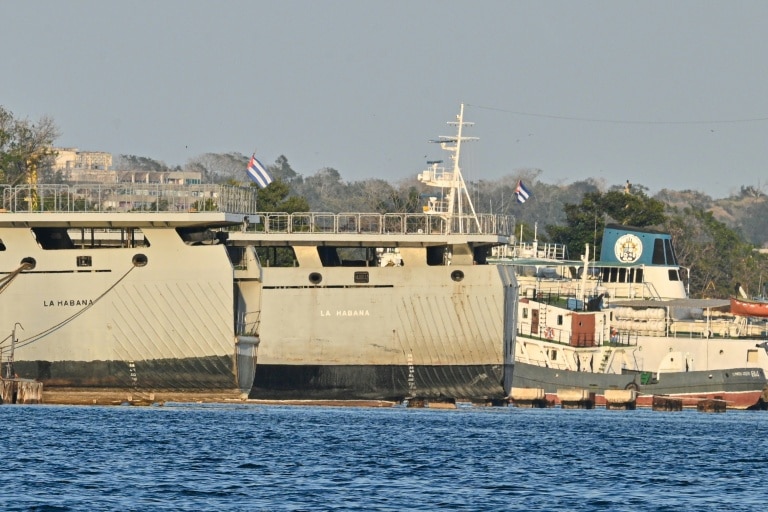
    Cuban authorities have pledged to confront what they characterize as terrorist and mercenary aggression originating from abroad, following a lethal maritime confrontation involving a Florida-registered speedboat. The incident, which resulted in multiple casualties, has intensified existing diplomatic strains between Havana and Washington.

    President Miguel Diaz-Canel condemned Wednesday’s events as a deliberate infiltration attempt, asserting that Cuba would respond with resolute determination to protect its national sovereignty and stability. According to official statements from the Interior Ministry, Cuban coast guard vessels engaged the speedboat after sustaining gunfire near the island’s northern coastline.

    The ministry reported four fatalities and six injuries among the assailants, identifying all individuals aboard as Cuban expatriates residing in the United States. Survivors have been detained and face accusations of planning terrorist activities, with authorities seizing an arsenal including assault rifles, handguns, Molotov cocktails, and specialized military equipment during the operation.

    United States Secretary of State Marco Rubio denied Washington’s involvement in the incident, committing to appropriate response measures following thorough investigation. Concurrently, Florida’s attorney general has initiated an independent inquiry into the circumstances surrounding the fatalities.

    This confrontation occurs against the backdrop of escalating economic pressure on Cuba, exacerbated by the disruption of Venezuelan oil supplies following the Trump administration’s intervention in Caracas. The Caribbean nation, which previously relied on Venezuela for approximately half its fuel requirements, has recently received humanitarian assistance from both Mexico and Canada to alleviate economic distress.

    The U.S. Treasury Department has stipulated that any Venezuelan oil shipments must channel through private enterprises rather than Cuban government entities, maintaining economic pressure while permitting limited commercial and humanitarian oil transfers.

  • Report: Attacks on Ukraine’s energy system to lower economic growth this year and next

    Report: Attacks on Ukraine’s energy system to lower economic growth this year and next

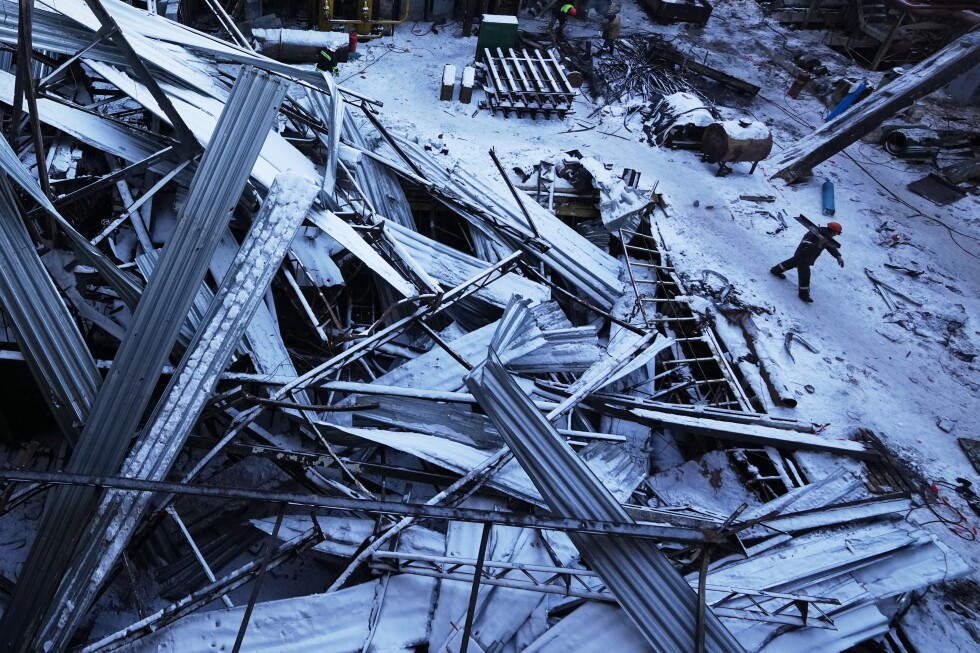
    The European Bank for Reconstruction and Development (EBRD) has dramatically revised its economic projections for Ukraine, slashing its 2026 growth forecast from 5% to just 2.5% due to catastrophic damage to the nation’s energy infrastructure from sustained Russian attacks. The assessment reveals that systematic missile and drone assaults on power stations throughout the winter have created enduring operational challenges for businesses now entering their fifth year of conflict-related disruptions.

    According to EBRD Chief Economist Beata Javorcik, the widespread destruction of critical energy facilities represents the primary factor behind the downgraded outlook. “That’s impacting Ukraine today, but it will also impact Ukrainian performance next year because it will take time to make the repairs,” Javorcik stated, emphasizing that economic repercussions will extend into 2027.

    The bank’s previous projections had anticipated reconstruction spending to commence in 2026, but with peace remaining elusive, these economic activities have now been postponed until at least the following year. Ukrainian businesses continue to grapple with severe electricity shortages that have paralyzed production capabilities during frequent power outages.

    Beyond infrastructure damage, multiple additional factors constrain economic recovery: significant labor shortages due to displacement and military enlistment, adverse weather conditions affecting agricultural exports, and the partial withdrawal of European Union trade privileges. While the EU initially suspended import duties following Russia’s February 2022 invasion, it subsequently imposed limits on politically sensitive commodities including sugar and vegetable oils.

    Ukraine’s economy has contracted dramatically since the conflict began, losing 29% of GDP in the first year alone and remaining approximately one-fifth smaller than pre-war levels. With consumer spending diminished and major industrial assets located in occupied territories, the government depends heavily on foreign loans and grants to maintain essential services, including pension payments and public sector salaries, while directing most domestic tax revenue toward military expenditures.

    The London-based EBRD, established in 1991 to facilitate economic transitions in post-Cold War Europe, has provided substantial support through generator purchases and credit guarantees enabling over $3 billion in business financing during the conflict. The Ukraine assessment forms part of the institution’s broader regional growth forecast covering Eastern Europe, former Soviet states, Central Asia, the western Balkans, and sub-Saharan Africa.

  • Four convicted over spyware scandal that shook Greece

    Four convicted over spyware scandal that shook Greece

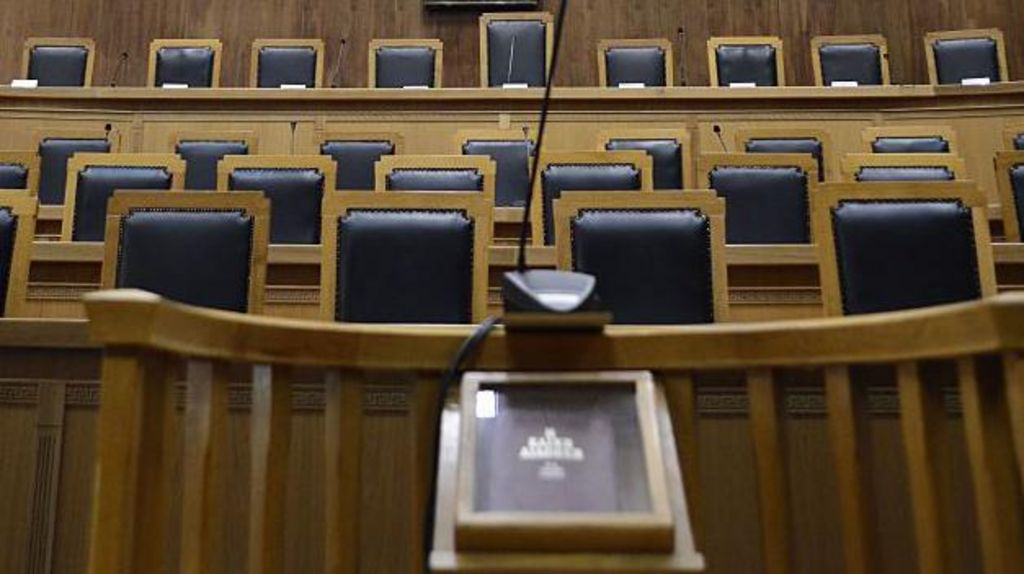
    An Athens misdemeanor court has delivered landmark convictions in Greece’s extensive wiretapping scandal, sentencing four individuals for their role in illegally surveilling prominent citizens using Predator spyware. The case, widely dubbed “Greece’s Watergate,” exposed systematic targeting of 87 high-profile figures including government ministers, military officials, and journalists.

    The convicted defendants—two Greek nationals, Felix Bitzios and Yiannis Lavranos, and two Israeli citizens, Tal Dilian and Sara Hamou—were found guilty of violating telecommunications confidentiality and illegally accessing personal data. Despite being tried in absentia, each received suspended sentences pending appeal that could theoretically reach 126 years, though Greek law limits actual service to eight years for misdemeanor convictions.

    Notably, the court rejected defense pleas for mitigation, with the presiding judge noting defendants appeared to act alongside “unknown third parties” potentially including Greek and foreign intelligence officials. This finding prompted judicial authorities to refer case documents to the Athens Prosecutor’s Office for potential espionage investigations.

    The scandal originated in summer 2022 when Nikos Androulakis, now leader of Greece’s Socialist Pasok party, was alerted by European Parliament IT specialists about a malicious text message targeting his device. Subsequent revelations showed Androulakis had been simultaneously tracked by Greece’s National Intelligence Service (EYP) for “national security reasons.”

    Predator spyware, developed by Athens-based Israeli firm Intellexa, enables comprehensive device access including messages, cameras, and microphones. Though illegal in Greece at the time of deployment, controversial 2022 legislation later legalized state surveillance software under strict conditions.

    The verdict has intensified scrutiny around Prime Minister Kyriakos Mitsotakis’s administration, which directly supervised EYP during the surveillance period. While Mitsotakis acknowledged the scandal, no government officials have faced charges, prompting accusations of institutional cover-ups.

    Financial reporter Thanasis Koukakis, among those surveilled, told BBC the ruling provided satisfaction regarding privacy violations while affirming Greece’s rule of law safeguards. Legal representatives for victims emphasized the judgment must now trigger thorough investigation into potential felony offenses by additional conspirators.

  • German court says intelligence agency can’t designate the AfD party an extremist group for now

    German court says intelligence agency can’t designate the AfD party an extremist group for now

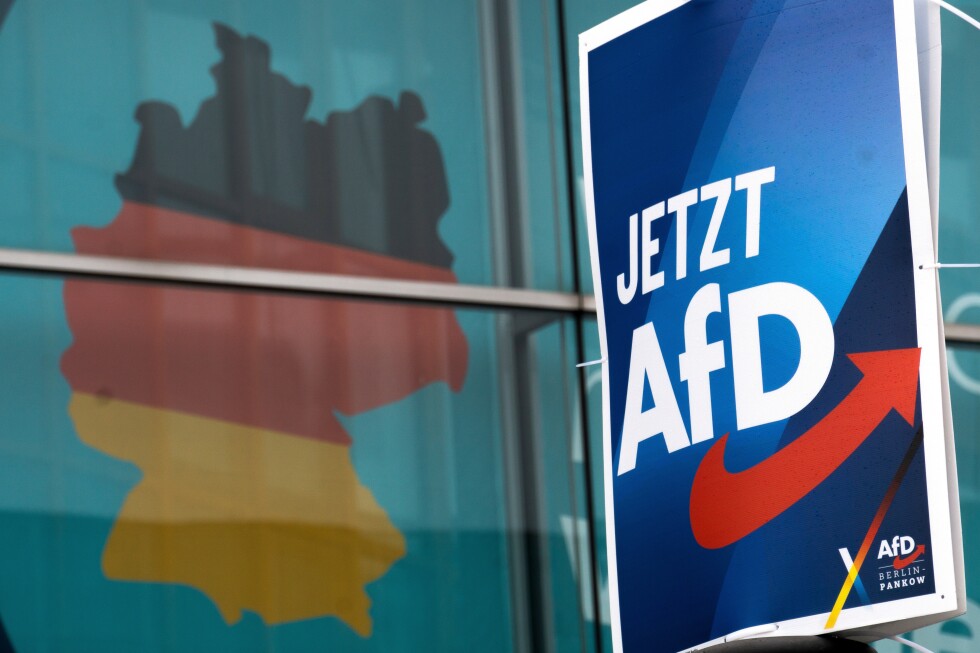
    A German administrative court has issued a significant injunction preventing the country’s domestic intelligence service from classifying the Alternative for Germany (AfD) party as a proven right-wing extremist organization while litigation continues. The Cologne-based court’s decision temporarily suspends the Bundesamt für Verfassungsschutz (BfV)’s controversial designation made in May 2023, which had characterized AfD as threatening Germany’s democratic foundations through its anti-migrant rhetoric and activities.

    The judicial intervention comes as response to AfD’s legal challenge against the intelligence agency’s assessment. Although the court acknowledged evidence of anti-constitutional elements within certain party factions, it determined that these elements did not sufficiently establish a comprehensive pattern of systemic extremism across the entire organization to justify the designation at this procedural stage.

    This interim ruling represents a procedural victory for AfD, Germany’s primary opposition party, which secured second place in the most recent federal election. The suspension of the extremist label means the BfV cannot implement enhanced surveillance measures against the party until the court delivers its final verdict, for which no timeline has been established.

    The case has attracted international attention, previously prompting diplomatic exchanges between German and U.S. officials regarding the appropriate boundaries of political designation and monitoring. AfD leadership has celebrated the injunction as a triumph for democratic principles, while the intelligence agency must now await judicial clearance before proceeding with its constitutional oversight responsibilities.

  • Spain to check Gibraltar arrivals under post-Brexit deal

    Spain to check Gibraltar arrivals under post-Brexit deal

    In a significant development following years of post-Brexit uncertainty, the United Kingdom and European Union have finalized a comprehensive border agreement for Gibraltar that introduces a novel dual-check system while maintaining the territory’s unique status.

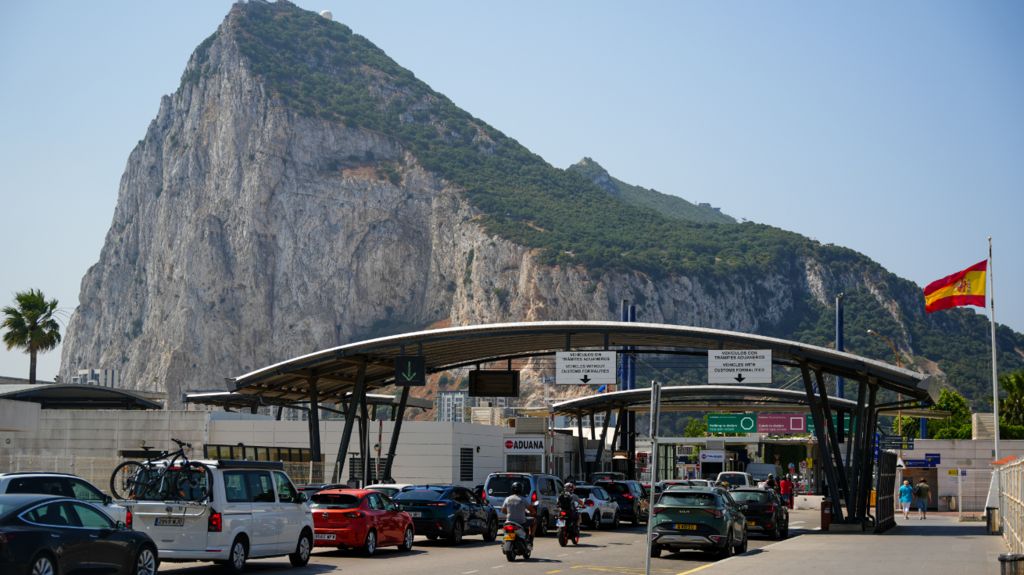
    The 1,000-page draft treaty, published Thursday, establishes that Spanish border officials will conduct secondary Schengen-style checks at Gibraltar’s airport and port facilities following initial screenings by Gibraltarian authorities. This arrangement notably avoids Gibraltar’s formal accession to the Schengen zone while addressing border control requirements.

    Spanish guards operating within designated special zones will be granted specific powers to “arrest, search and interview travellers where justified during border control operations,” according to the treaty provisions. The agreement paves the way for eventual removal of ‘La Verja’ – the 1.2km border fence separating Gibraltar from Spain, which approximately half of Gibraltar’s workforce crosses daily.

    Spanish Foreign Minister José Manuel Albares celebrated the arrangement as eliminating “the last wall in continental Europe,” while UK officials compared the system to existing procedures at London’s St Pancras station where both British and French officials conduct border checks for Eurostar passengers.

    The timing proved crucial, with pressure mounting ahead of April’s scheduled implementation of the EU’s new automated border system featuring biometric checks at the Gibraltar-Spain frontier. UK authorities had warned such measures would “devastate” Gibraltar’s economy, where British nationals constitute 86.5% of all airport departures according to recent tourism data.

    Gibraltar Chief Minister Fabian Picardo welcomed the agreement as delivering “the certainty our people and businesses need,” with provisional application targeted for April 10th – coinciding with the EU’s new border system implementation date after previous delays.

    Beyond border arrangements, the treaty establishes that most goods destined for Gibraltar will undergo EU customs clearance in Spain, eliminating need for border checks. Additionally, both UK and EU have committed financial contributions to a new fund promoting “training and employment” in Spanish regions surrounding the territory.

    The agreement represents the culmination of negotiations following a political deal reached in June 2023, with the draft now undergoing final legal review and translation before requiring ratification by both UK and European Parliaments.

  • Goldfish displayed at park in Fuzhou

    Goldfish displayed at park in Fuzhou

    The ancient art of goldfish cultivation took center stage in Fuzhou as a spectacular exhibition opened at a local park on February 25, 2026. This vibrant display features meticulously bred goldfish varieties that represent a living testament to Fujian province’s intangible cultural heritage.

    The exhibition showcases the extraordinary results of Fuzhou’s goldfish cultivation techniques, which have been perfected and handed down through generations of dedicated breeders. These time-honored methods have transformed the city into a globally recognized hub for premium goldfish varieties, with the distinctive Fuzhou strains commanding international admiration among aquatic enthusiasts and cultural preservationists alike.

    Visitors to the park are treated to a visual symphony of color and movement as hundreds of goldfish demonstrate the artistic achievement of local breeders. The exhibition serves both as public entertainment and as an educational platform, highlighting the sophisticated husbandry techniques that have evolved over centuries in China’s southeastern coastal region.

    The goldfish on display represent more than ornamental beauty—they embody a cultural legacy that has been officially recognized at the provincial level for its historical significance and technical complexity. This living tradition continues to thrive in modern times, bridging historical preservation with contemporary cultural expression through the art of aquatic cultivation.

  • Crabapple flowers and cherry blossoms create springtime splendor in Yunnan

    Crabapple flowers and cherry blossoms create springtime splendor in Yunnan

    Kunming Zoo has become the epicenter of spring’s arrival in Yunnan province as nature unveils its annual floral masterpiece. The facility now dazzles visitors with vibrant displays of blooming crabapple flowers and budding cherry blossoms that create a breathtaking pink canopy throughout the grounds.

    The synchronized flowering period, which typically spans from late February through March, represents one of Southwest China’s most anticipated seasonal phenomena. This natural spectacle has been formally recognized as the Yuantong Cherry Blossom Tide – a term that encompasses both floral varieties due to their nearly identical shapes and coloration patterns.

    Local authorities have designated the Cherry Blossom Tide as an official intangible cultural heritage of Yunnan province, acknowledging its significance within regional culture and tourism. The recognition underscores the event’s importance beyond mere botanical interest, positioning it as a culturally significant seasonal tradition.

    Visitors flock to the zoo during this period not only for animal viewing but specifically to witness the transformation of the landscape into a pastel-colored wonderland. The flowers create a striking visual contrast against the zoo’s infrastructure and provide unique photographic opportunities where nature and captivity intersect.

    The phenomenon has gained substantial media attention, with conservationists noting how the blossoms create an enriched environment for both visitors and resident animals alike. Tourism officials report increased attendance figures during the blooming season, indicating the event’s growing prominence on Yunnan’s cultural calendar.

  • Trump comment ‘distasteful’, says USA women’s ice hockey captain

    Trump comment ‘distasteful’, says USA women’s ice hockey captain

    The captain of the United States women’s ice hockey team has publicly characterized a recent remark by President Donald Trump as ‘distasteful,’ marking a significant moment of political commentary from a leading sports figure. The controversy stems from a comment made by the President, in which he quipped that inviting the celebrated national team to his State of the Union address was a necessity to avoid impeachment proceedings. This attempt at humor, linking the athletic achievement of the world champion team to the serious constitutional process of impeachment, has been met with criticism for its inappropriate conflation of sports and high-stakes politics. The team, revered for its success and advocacy for gender equality in sports, now finds itself at an unexpected intersection of athletic excellence and national political discourse. The captain’s rebuke underscores a growing willingness among athletes to voice opinions on governmental conduct, reflecting a broader trend of sports personalities engaging in societal and political issues.

  • World Economic Forum boss quits after review of Epstein links

    World Economic Forum boss quits after review of Epstein links

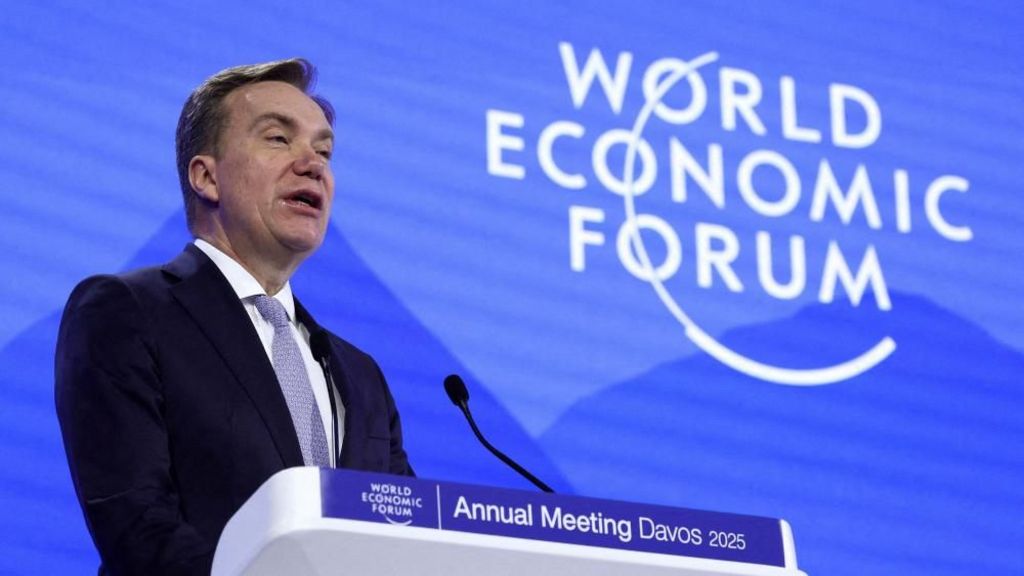
    In a significant leadership shakeup, World Economic Forum President and CEO Borge Brende has announced his resignation following an independent investigation into his associations with convicted sex offender Jeffrey Epstein. The decision comes after months of scrutiny surrounding high-profile connections to the disgraced financier.

    The WEF initiated a comprehensive review of Brende’s ties to Epstein following the U.S. Department of Justice’s release of extensive court documents related to Epstein’s criminal activities. While the investigation confirmed Brende had three dinner meetings with Epstein between 2018-2019 and maintained electronic communication, it found no evidence of wrongdoing or additional concerning interactions beyond what Brende had voluntarily disclosed.

    The former Norwegian foreign minister acknowledged his professional encounters with Epstein but maintained he was ‘completely unaware’ of Epstein’s criminal history during their interactions. In his resignation statement, Brende expressed regret for not conducting more thorough due diligence regarding Epstein’s background, stating his departure would allow the organization to continue its critical work ‘without distractions.’

    Epstein, who died in prison in 2019 while awaiting trial on sex trafficking charges, had cultivated connections with numerous global elites. The recent document releases have triggered international repercussions, implicating various public figures across political, business, and royal circles worldwide.

    The scandal has particularly impacted Norwegian society, where several prominent figures including Crown Princess Mette-Marit and former Prime Minister Thorbjørn Jagland have faced scrutiny over their Epstein connections. Jagland was recently charged with ‘gross corruption’ in relation to his Epstein associations.

    WEF leadership has appointed Alois Zwinggi, previously a managing director within the organization’s executive body, as interim president and CEO while the board of trustees conducts a search for a permanent successor. Co-chairs Andre Hoffmann and Larry Fink acknowledged Brende’s ‘significant contributions’ during his eight-year tenure and respected his decision to step down.