作者: admin

  • Greek minister lashes out at Turkey in bid to sway Washington

    Greek minister lashes out at Turkey in bid to sway Washington

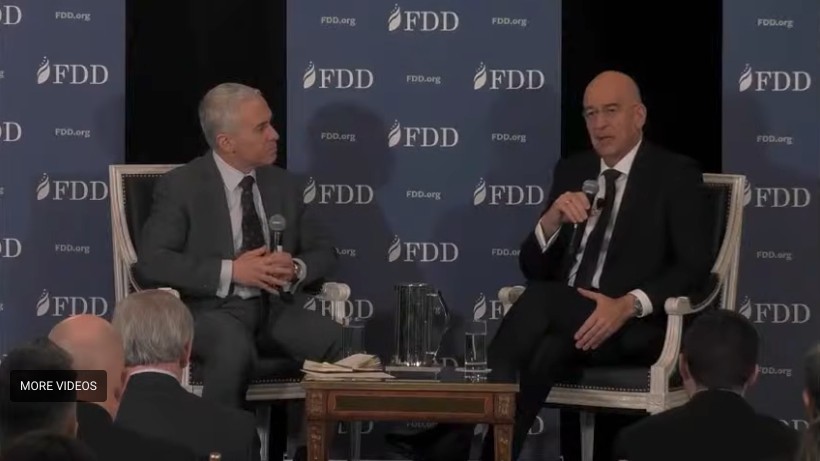
    At a Washington think-tank gathering on Thursday, Greek Defense Minister Nikos Dendias delivered a sharp critique of Turkey’s regional positioning, accusing Ankara of effectively advocating for Hamas and diverging from United States strategic objectives in the Middle East.

    Speaking during a panel discussion organized by Greece’s Delphi Economic Forum and the Foundation for Defense of Democracies, Dendias articulated his concerns without adopting an anti-Turkish stance. He highlighted the dramatic transformation in regional alliances by noting, “Remember that 25 years ago Israel and Turkey maintained the strongest of friendships. The fundamental question remains: what has fundamentally altered since then?”

    The minister posed several probing questions: “Which nation actively champions Hamas’s cause? Which government has refrained from expressing remorse for the October 7, 2023 attacks against Israel? Which country provides sanctuary for the Muslim Brotherhood?”

    Dendias has established himself as taking a harder line toward Turkey than Prime Minister Kyriakos Mitsotakis, though his remarks recalled Mitsotakis’s previous lobbying efforts in Congress against arms sales to Turkey, which previously strained bilateral relations.

    The commentary accurately reflects the substantial evolution in Israel’s diplomatic relationships with both Greece and Turkey. During the period when Turkey’s secular military exerted considerable influence over foreign policy, Israel functioned as a key strategic partner. Pro-Israel advocates in Washington even assisted Turkey in defeating Armenian Genocide legislation and supported US weapons transfers to Ankara.

    Conversely, Greece proved to be the final European Union member state to establish full diplomatic relations with Israel in 1990, while maintaining close ties with Yasser Arafat’s Palestinian Liberation Organization since establishing relations in 1981.

    The political landscape shifted significantly with the emergence of Turkish President Recep Tayyip Erdogan, whose Islamic populist governance model positioned Turkey as a vocal supporter of Palestinian interests. Relations between Israel and Turkey deteriorated dramatically following the 2010 Israeli raid on a Turkish flotilla attempting to breach the Gaza blockade, resulting in ten activist fatalities.

    In recent years, Israel and Greece have developed increasingly close strategic partnerships involving joint military exercises and shared opposition to Turkish maritime claims in the Eastern Mediterranean. The two nations are currently negotiating a substantial $3 billion agreement to develop advanced anti-aircraft and missile defense systems.

    Despite Greece’s strengthened ties with Israel, the Trump administration continued to prioritize Turkey as a crucial regional ally. Middle East Eye reported that Washington contemplated utilizing Turkish resources to address shortcomings in naval construction capabilities.

    President Trump relied heavily on Turkish cooperation for key foreign policy initiatives, including ceasefire arrangements in Gaza and recognition of Turkish economic and security interests in Syria, where Ankara supports President Ahmed al-Sharaa. In the Caucasus region, the Trump administration mediated an agreement between Armenia and Azerbaijan that could establish new transit corridors connecting to Turkey.

    Dendias proposed a comparative exercise to demonstrate the divergence between US and Turkish visions: “I suggest a simple test. Request that American officials produce a conceptual image of how they envision the Eastern Mediterranean in ten or twenty years according to US interests. Then pose the identical question to President Erdogan in Ankara. How comparable do you anticipate these two visions appearing? I maintain they would demonstrate significant dissimilarity.”

    President Trump hosted Erdogan for a landmark White House visit in September, while the Greek leadership has not received comparable presidential hospitality.

  • Watch: Sheikh Hamdan rides in fully autonomous vehicle in Jumeirah

    Watch: Sheikh Hamdan rides in fully autonomous vehicle in Jumeirah

    In a groundbreaking demonstration of technological advancement, Sheikh Hamdan bin Mohammed bin Rashid Al Maktoum, Crown Prince of Dubai, has personally showcased the city’s progression toward autonomous transportation. The high-profile demonstration occurred near the iconic Burj Al Arab in Jumeirah, where the Crown Prince rode as a passenger in a fully driverless vehicle operated by Baidu’s Apollo Go platform.

    The Dubai royal shared footage of the autonomous journey through his Instagram account, which boasts over 17 million followers, accompanied by the caption: ‘Hands off. Future On. #SelfDrivingCar.’ The video evidence reveals the vehicle navigating urban environments independently, executing turns at intersections without human intervention while Matar Al Tayer, Director General of Dubai’s Roads and Transport Authority, observed from the rear seat.

    This demonstration represents a significant milestone in Dubai’s smart mobility initiatives, marking the first international deployment of Baidu’s Apollo Go autonomous service outside China. The Roads and Transport Authority has granted the Chinese technology company a pioneering license to conduct public road testing without safety drivers—a first-of-its-kind authorization in the region.

    Supported by an operations and control center established at Dubai Science Park, the autonomous vehicle trials encompass designated zones including Jumeirah and Zabeel. The current testing phase utilizes approximately 50 sixth-generation RT6 self-driving vehicles, with plans to expand the fleet beyond 1,000 units in forthcoming years. During supervised trial runs, these vehicles have demonstrated capability to reach speeds of 72km/h while autonomously changing lanes on Jumeirah Road.

    Industry observers anticipate the transition from testing to operational robotaxi services could occur as early as the first quarter of 2026, positioning Dubai at the forefront of autonomous transportation implementation globally.

  • What are Iran’s ballistic missile capabilities? Types, ranges explained

    What are Iran’s ballistic missile capabilities? Types, ranges explained

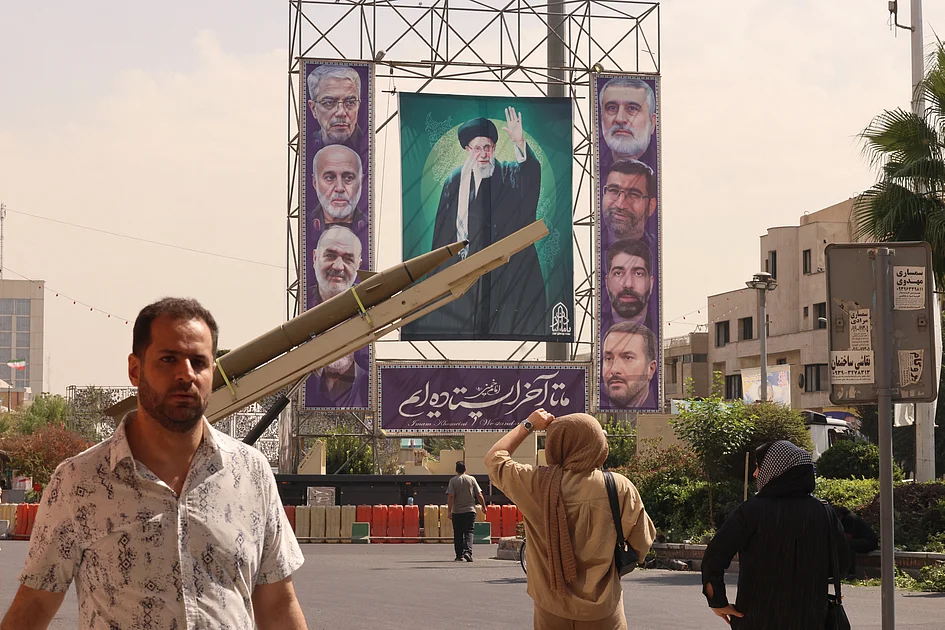
    As Iran prepares to resume nuclear negotiations with the United States in Oman this Friday, its substantial ballistic missile capabilities remain a declared non-negotiable element of national defense strategy. Tehran maintains one of the Middle East’s most extensive missile arsenals, which recently demonstrated operational effectiveness during the June 2025 conflict with Israel, where Iranian salvos inflicted significant damage on central and northern regions of the country.

    According to analysis from the Institute for the Study of War and AEI Critical Threats Project, Israeli counterstrikes potentially neutralized approximately one-third of Iran’s missile launchers during the hostilities. Despite these losses, Iranian officials assert that military capabilities have not only been restored but enhanced beyond pre-conflict levels.

    Ballistic missiles represent rocket-propelled weapons systems that follow a parabolic trajectory, initially guided during ascent before entering free-fall under gravitational forces. These delivery mechanisms can accommodate conventional explosives or theoretically, weapons of mass destruction payloads, categorized by operational ranges from short-distance to intercontinental capabilities.

    The U.S. Office of the Director of National Intelligence confirms Iran possesses the region’s largest ballistic missile inventory, with self-imposed range limitations of 2,000 kilometers (1,240 miles) – sufficient to reach Israeli territory. Strategic deployment includes multiple underground facilities termed ‘missile cities’ located near Tehran, Kermanshah, Semnan, and Gulf-adjacent provinces.

    Key systems in Iran’s arsenal include:
    – Sejil: 2,000-2,500 km range with reported velocities exceeding 17,000 km/h
    – Emad: 1,700 km range capability
    – Ghadr: 2,000 km operational distance
    – Shahab-3: 1,300 km range variant
    – Khorramshahr: 2,000 km reach
    – Hoveyzeh: 1,350 km capacity

    Additional systems include the Zolfaghar (700 km), Shahab-1 (300 km), and the nuclear-capable Kh-55 cruise missile with 3,000 km range. The program has benefited from reverse-engineered technology primarily from North Korean and Russian designs, with reported Chinese technical assistance.

    Military analysts note Iran’s continuing development of underground transport and firing systems, with the first successful underground ballistic missile test conducted in 2020. Technological advancements include lightweight composite materials for extended range and the June 2023 introduction of domestically produced hypersonic ballistic missiles capable of Mach 5 velocities and complex trajectories that challenge interception systems.

    Tehran positions its missile program as a strategic deterrent against the United States, Israel, and regional adversaries. Operational deployments have included strikes against US forces in Iraq (2020), Islamic State targets in Syria (2024), and Baloch militant bases in Pakistan, demonstrating both regional reach and tactical application.

  • We had sex in a Chinese hotel, then found we had been broadcast to thousands

    We had sex in a Chinese hotel, then found we had been broadcast to thousands

    A disturbing trend of non-consensual pornography filming has escalated across China’s hospitality sector, with sophisticated criminal networks now livestreaming intimate moments of unsuspecting hotel guests to paying subscribers. The BBC’s 18-month investigation reveals an elaborate underground economy flourishing despite government attempts to curb the practice.

    The phenomenon came to light through the experience of Eric (pseudonym), a Hong Kong resident who made the horrifying discovery that he and his girlfriend had become victims of the very spy-cam industry he previously consumed. During routine browsing on a Telegram channel in 2023, Eric encountered footage showing himself and his partner during a hotel stay in Shenzhen three weeks earlier. The couple’s most private moments had been captured by a concealed camera and edited into an hour-long compilation for distribution.

    This invasive practice, though illegal under Chinese law prohibiting pornography production and distribution, has evolved into a sophisticated operation with significant financial incentives. Investigators identified numerous agents operating through Telegram—banned in China but widely used for illicit activities—who market access to live feeds from hidden cameras installed in hotel rooms across the country.

    One prominent operator known as ‘AKA’ offered monthly subscriptions costing 450 Yuan ($65) providing access to multiple live feeds showing hotel rooms from various locations. Subscribers could watch real-time activities, rewind footage, and download archived clips. During seven months of monitoring, the BBC observed 54 active cameras with approximately half operational at any given time, potentially capturing thousands of guests based on typical occupancy rates.

    The investigation traced one camera to a Zhengzhou hotel room, where researchers found a device hidden in a wall ventilation unit, wired directly into the building’s electrical system. Notably, commercially available hidden-camera detectors failed to identify the surveillance equipment.

    Financial analysis indicates substantial profits for operators. Based on channel membership and subscription fees, AKA alone likely earned at least 163,200 Yuan ($22,000) since April 2023—nearly quadruple China’s average annual income of 43,377 Yuan.

    Despite new regulations requiring hotel owners to conduct regular camera checks, enforcement remains challenging. Victims like Eric and his girlfriend Emily now avoid hotels and wear hats in public for fear of recognition. Advocacy groups such as RainLily report increasing demand for services removing explicit content from the internet, though they face resistance from platform administrators who profit from the material.

    Telegram, when confronted with evidence, stated that sharing non-consensual pornography violates its terms of service and claimed proactive content moderation. However, the platform did not respond to specific reports about the documented channels, and the websites promoting this content remain active.

    The psychological impact on victims is profound, with relationships damaged and lasting trauma inflicted. As the technological capabilities of perpetrators advance and detection methods prove inadequate, this privacy crisis continues to escalate across China’s hospitality industry.

  • Meet the women protecting India’s snow leopards

    Meet the women protecting India’s snow leopards

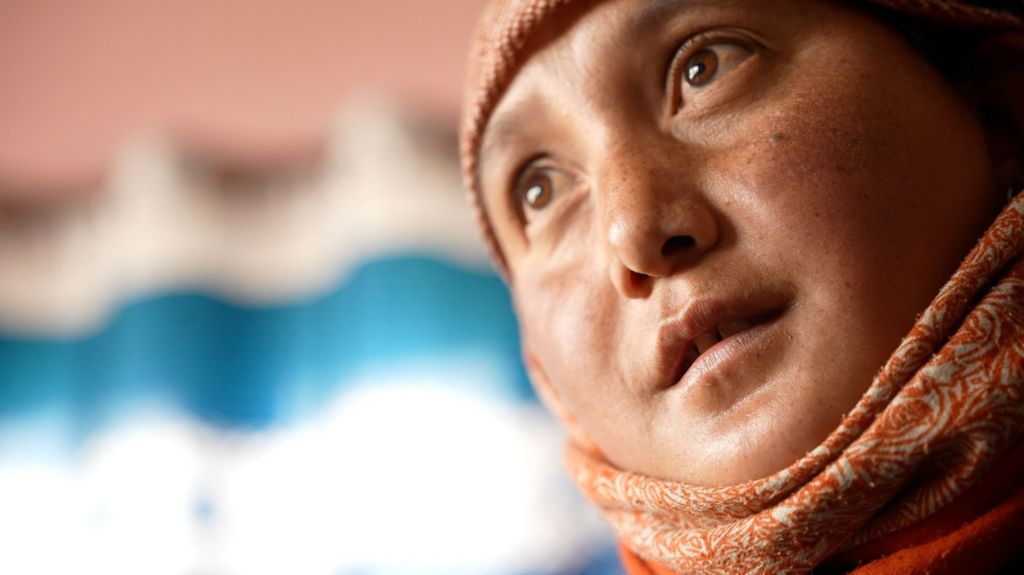
    In the high-altitude deserts of India’s Spiti Valley, a remarkable transformation is underway as local women emerge as frontline protectors of the elusive snow leopard. This collaborative conservation effort, partnering village women with the Himachal Pradesh forest department and the Nature Conservation Foundation, represents a paradigm shift in wildlife protection strategies.

    The initiative began with practical motivations during the region’s harsh winters when agricultural work dwindles. Women initially joined the camera-trapping program for supplemental income, earning 500-700 rupees daily. However, their engagement has evolved into genuine conservation leadership as they mastered advanced wildlife monitoring techniques.

    These women, operating under the group name ‘Shenmo’ (derived from the local term ‘Shen’ for snow leopard), now expertly install and maintain camera traps across nearly 26,000 square kilometers of challenging terrain. Their work occurs primarily during winter months when snow leopards descend to lower altitudes, making tracking somewhat more accessible though still physically demanding.

    The technical competence developed by these previously computer-illiterate women is particularly noteworthy. Many with minimal formal education have become proficient in using specialized software to analyze the unique rosette patterns that identify individual leopards—a standard methodology for studying spotted big cats.

    Beyond data collection, the women facilitate community conservation by helping villagers access government livestock insurance programs and promoting predator-proof corrals. Their advocacy has been instrumental in shifting local perceptions of snow leopards from perceived threats to valued components of the ecosystem.

    The program’s significance extends beyond species protection. Spiti Valley’s recent inclusion in UNESCO’s Cold Desert Biosphere Reserve highlights the global importance of this fragile ecosystem. Conservation experts emphasize that such community-based initiatives become increasingly crucial as climate change alters Himalayan landscapes.

    Deepshikha Sharma of NCF’s High Altitudes initiative notes: ‘These women are not just assisting; they’re becoming practitioners of wildlife conservation and monitoring. When communities are involved, conservation becomes more sustainable.’

    For the women themselves, the work has fostered deeper connections to their homeland despite acknowledging the inherent risks of working with predators. As coordinator Lobzang Yangchen reflects: ‘Sometimes we feel afraid because these snow leopards are predatory animals, but this is where we belong.’

  • UK says infant formula contamination may have affected 36 babies

    UK says infant formula contamination may have affected 36 babies

    British health authorities have confirmed 36 probable cases of infant poisoning connected to contaminated formula products, sparking nationwide concern over food safety standards. The UK Health Security Agency (UKHSA) disclosed on Thursday that these cases exhibit symptoms consistent with toxin exposure from affected batches of nutritional products.

    The contamination crisis began on January 6th when Nestle initiated a massive European recall of several infant nutrition lines, including SMA, BEBA and NAN formulas, following the discovery of potential toxin contamination. The compromised products were found to contain substances capable of inducing severe nausea and vomiting in infants. Subsequently, Danone expanded the recall effort two weeks later by withdrawing one batch of its Aptamil infant formula.

    UKHSA officials indicated that the widespread distribution of these products prior to their removal from shelves made additional cases inevitable. Despite issuing urgent alerts to healthcare facilities nationwide, the agency acknowledged the challenge in containing exposure given the products’ previous market penetration.

    Notably, current surveillance data reveals no abnormal increases in vomiting reports among children under one year old compared to seasonal norms. However, UKHSA maintains heightened vigilance through continuous monitoring of public health indicators. The agency emphasizes that while the risk has been substantially reduced through recall actions, healthcare providers should remain alert for potential late-presenting cases.

    The incident has triggered rigorous quality control reassessments within the infant nutrition industry and prompted calls for strengthened food safety protocols across European markets.

  • Tangible steps urged to boost Sino-US ties

    Tangible steps urged to boost Sino-US ties

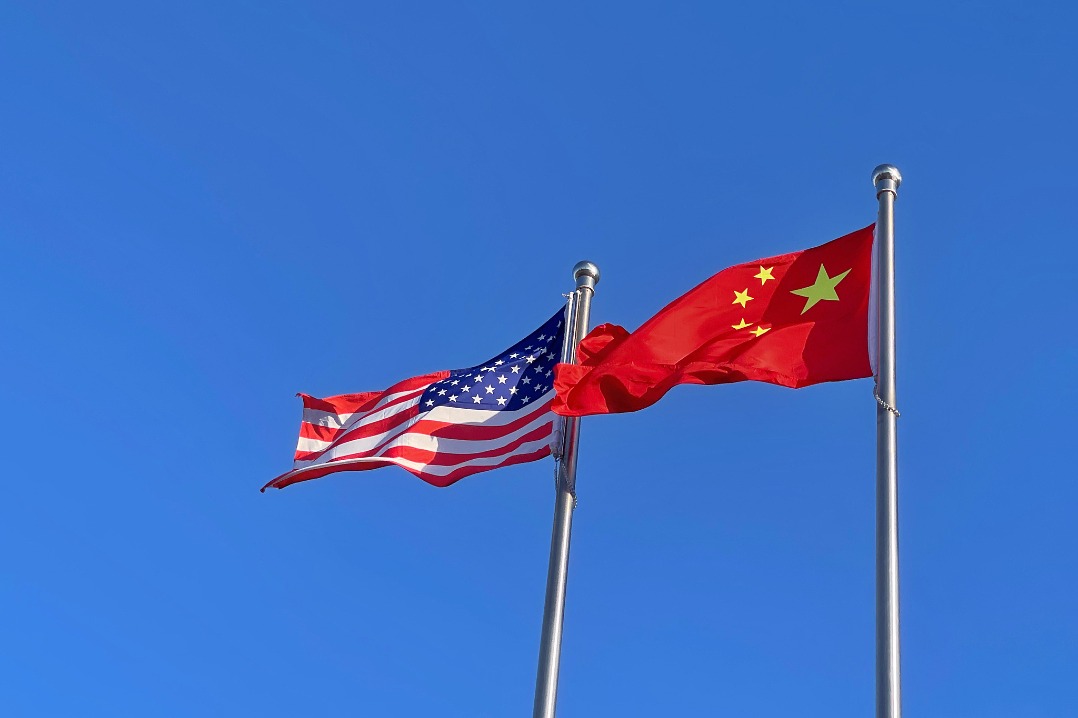
    In a significant diplomatic development, Chinese President Xi Jinping and US President Donald Trump conducted their first head-of-state telephone conversation of 2026 on Wednesday, coinciding with the traditional Chinese Start of Spring festival. The extensive discussion has been characterized by observers as potentially opening doors to renewed bilateral cooperation amid global turbulence.

    The dialogue established several key diplomatic milestones for the coming year, with President Xi highlighting parallel national priorities: China’s initiation of its 15th Five-Year Plan (2026-2030) and the United States’ approaching 250th anniversary celebrations. Additionally, both nations are poised to host major international gatherings—China will chair the APEC Economic Leaders’ Meeting while the United States prepares to host the G20 Summit.

    President Xi articulated his vision for the relationship through maritime metaphor, expressing hope to “steer the giant ship of China-US relations steadily forward through winds and storms” toward mutual respect, peaceful coexistence, and win-win cooperation. He emphasized the philosophical approach that “it is always right to do a good thing, however small, and always wrong to do a bad thing, however small.”

    President Trump acknowledged the relationship as “the most important in the world,” noting positive economic and trade developments while committing to further progress throughout his remaining presidential term. In subsequent social media communications, Trump characterized the exchange as “a long and thorough call” anticipating “many positive results” over the next three years.

    Academic analysts from both nations highlighted the conversation’s significance. Professor Diao Daming of Renmin University observed that the communication “made clear the great significance of the year 2026 to both nations and the world,” suggesting that mutual success rather than mutual obstruction should define the relationship. Professor Jia Qingguo of Peking University identified “hard-won opportunities” for collaboration in artificial intelligence and nuclear nonproliferation.

    The Taiwan question emerged as a critical component of discussions, with President Xi unequivocally stating China’s position on safeguarding sovereignty and territorial integrity. He specifically addressed US arms sales to Taiwan, urging prudent handling of the matter. The Chinese Foreign Ministry reported that President Trump acknowledged understanding China’s position on Taiwan.

    Chen Binhua, spokesman for China’s State Council Taiwan Affairs Office, subsequently reinforced that Taiwan represents “the first red line that cannot be crossed in China-US relations,” calling for US adherence to the one-China principle and existing bilateral agreements.

    International policy experts, including Gary Hufbauer of the Peterson Institute for International Economics, suggested that tangible US actions—including tariff reductions and affirmed commitment to one-China policy—would be necessary to demonstrate good faith. Hufbauer warned that additional arms sales to Taiwan or expanded export controls would signal deterioration.

    Su Xiaohui of the China Institute of International Studies characterized the exchange as demonstrating China’s “responsible role” in complex geopolitical circumstances, emphasizing the mutual need to avoid miscalculation while advancing communication.

    The diplomatic engagement occurs against a backdrop of cautious optimism among observers who stress that concrete actions—particularly from the United States—must follow rhetorical commitments to realize the potential for stabilized relations between the world’s two largest economies.

  • Norway investigates former PM Jagland over alleged Epstein links

    Norway investigates former PM Jagland over alleged Epstein links

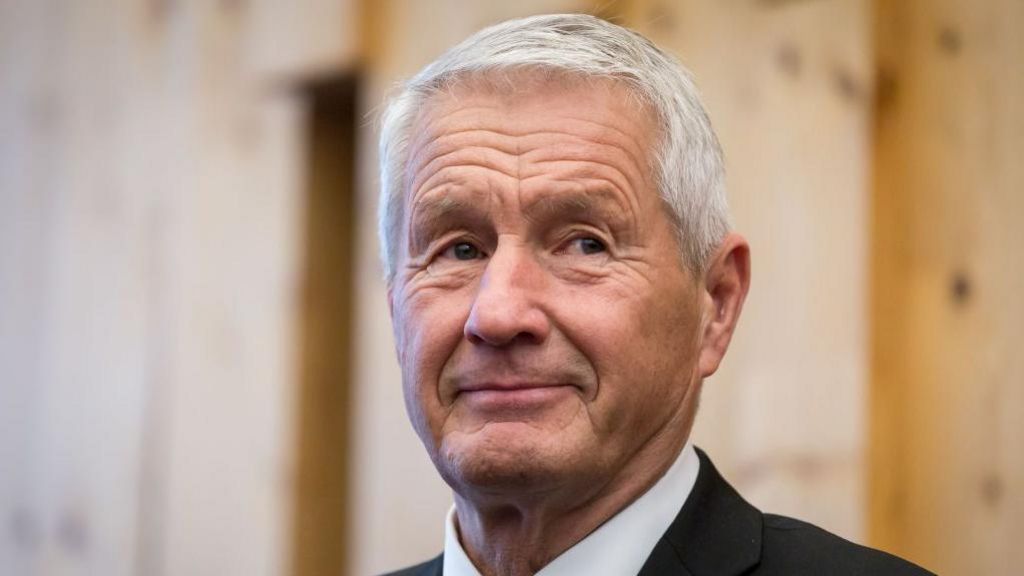
    Norwegian authorities have launched a formal corruption investigation into Thorbjørn Jagland, the country’s former Prime Minister and esteemed diplomat, following revelations connecting him to the late financier and convicted sex offender Jeffrey Epstein. The National Authority for Investigation and Prosecution of Economic and Environmental Crime (Økokrim) confirmed the investigation centers on suspicions of “aggravated corruption” during Jagland’s tenure in high-profile international positions.

    Police officials disclosed they have formally requested Norway’s foreign ministry to revoke Jagland’s diplomatic immunity, which he maintains from his previous role as Secretary General of the Council of Europe from 2009 to 2019. The investigation stems from newly released Epstein documents in the United States that allegedly contain references to the Norwegian statesman.

    Pål K. Lønseth, head of Økokrim, stated the investigation will examine whether Jagland received “gifts, travel and loans” potentially connected to his official capacities during the period covered by the Epstein documents. Jagland held simultaneous leadership roles from 2009-2015 as both Council of Europe Secretary General and chair of the Norwegian Nobel Committee.

    Norwegian Foreign Minister Espen Barth Eide emphasized the importance of transparency, confirming Oslo would formally request the Council of Europe to waive Jagland’s immunity. Jagland’s legal representative, Anders Brosveet, pledged full cooperation with investigators, expressing confidence in the outcome based on their preliminary findings. The 75-year-old statesman served as Norway’s prime minister from 1996-1997 before assuming his international diplomatic roles.

  • For Thailand’s popular progressives, winning the vote is only the first hurdle

    For Thailand’s popular progressives, winning the vote is only the first hurdle

    In Thailand’s heated political landscape, a youthful reform movement is capturing national attention through unconventional methods. Suttasitt “Macky” Pottasak, a former television producer turned politician, represents the new face of the People’s Party—a progressive force determined to reshape Thai politics. Abandoning his career in Bangkok, Macky successfully secured a rural constituency near Nakhon Ratchasima, defeating an established political dynasty through grassroots campaigning and innovative social media outreach.

    The 38-year-old lawmaker has adopted symbolism from the Japanese anime series One Piece, particularly the character Luffy’s hat and flag, which became emblems during recent youth protests across Asia. His daily light-hearted policy videos generate millions of views, reflecting his philosophy that “past generations made politics boring—I want to make it fun.”

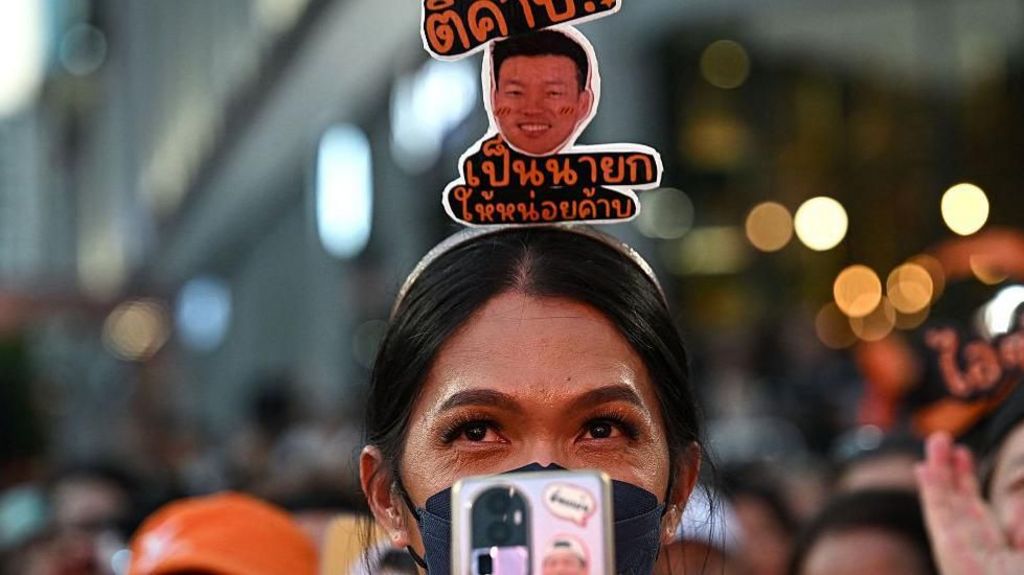
    This approach resonates with many Thais, as opinion polls consistently show the People’s Party leading rivals ahead of Sunday’s critical election. However, Thailand’s recent political history suggests electoral victory alone doesn’t guarantee governance. In 2023, the progressive Move Forward party achieved an unexpected win only to be blocked from forming a government by unelected institutions, subsequently dissolved by constitutional court ruling, and its leaders banned from politics.

    The current political climate follows three tumultuous years marked by short-lived coalition governments, two prime ministers dismissed by judicial intervention, and a border conflict with Cambodia. The People’s Party emerges as the reincarnation of previous reform movements, maintaining their ambitious agenda while learning from past setbacks.

    At rallies across the country, the party’s new leader Natthaphong Ruengpanyawut—a former software engineer—draws rock star-like admiration from supporters. The energy reflects widespread desire for change, particularly among younger voters facing economic uncertainty.

    Throughout rural constituencies like Macky’s, economic distress is palpable. Village head La-or Kohsantea describes how young people must leave to find work, noting “no-one has helped us with the poverty problem.” Thailand suffers from among Asia’s highest household debt levels, with annual GDP growth below 2%—significantly trailing neighboring economies.

    Kritsana Lohsantea, a 28-year-old factory worker, represents this generation’s anxieties. With limited education and facing factory closures, he seeks assistance securing social security benefits. Meanwhile, demographic challenges emerge as Thailand’s population declines, with births dropping 10% last year—the world’s sharpest decrease. Macky proposes localized training programs and improved digital systems to address elder care shortages as younger generations migrate from rural areas.

    The People’s Party’s platform emphasizes constitutional reform, seeking to reduce the power of unelected institutions like the constitutional court that can veto elected governments. Their agenda includes bureaucratic modernization, educational reform, and curbing military and corporate influence. A constitutional referendum will coincide with the election.

    Their main rivals—Prime Minister Anutin Charnvirakul’s nationalist Bhumjaithai party and the populist Pheu Thai party—focus on immediate gratification policies. Anutin emphasizes national security credentials from the Cambodia border conflict and military support, while Pheu Thai promises daily millionaire creations through national lotteries. Both offer subsidies and cash handouts that economists like Thammasat University’s Professor Apichat Satitniramai criticize as “painkillers” that avoid addressing structural issues.

    The People’s Party traces its origins to 2017 when charismatic entrepreneur Thanathorn Juangroongruangkit founded Future Forward, immediately perceived as threatening establishment interests. Despite military opposition and judicial interventions that banned Thanathorn from politics and dissolved successive iterations of the movement, support has grown substantially.

    Current polls suggest the People’s Party may gain more seats than in previous elections, though likely falling short of parliamentary majority. Crucially, the unelected senate can no longer participate in government formation. However, conservative institutions have already initiated challenges against 44 party figures through corruption allegations related to their stance on lese majeste law reform, potentially disqualifying them from office.

    As Thanathorn told the BBC: “They are afraid of change. They want tomorrow to be just like yesterday. They think dissolving our parties, banning our leaders would make us smaller. In fact, we are getting bigger.”

    Even if successful electorally, the party would face significant governance constraints, making constitutional reform their paramount priority. They find unlikely allies in Pheu Thai, which also suffered from judicial interventions against its elected leaders.

    Chulalongkorn University political scientist Siripan Nogsuan Sawasdee observes: “If Thailand was a functional democracy, none of this would have happened. Elections only determine representatives in the lower house. Who governs is determined by elite networks and unelected institutions that veto the voters’ will.”

    The upcoming election thus represents not merely a political contest but a fundamental test of whether Thailand’s democratic institutions can reflect the popular will against entrenched establishment resistance.

  • A Muslim-owned thrift shop blends modest fashion, faith and sustainability

    A Muslim-owned thrift shop blends modest fashion, faith and sustainability

    NEW YORK — In the heart of Harlem, Kadjahtou Balde has transformed her father’s struggling gift shop into Modify Thrift, a pioneering sustainable fashion hub that celebrates modest wear while challenging stereotypes about Muslim women’s style. The boutique on Malcolm X Boulevard has emerged as both a retail destination and community space where Islamic values intersect with environmental consciousness.

    Balde, a dedicated thrifter and modest fashion enthusiast, identified a market gap for stylish yet conservative clothing that aligns with her religious values. ‘Muslim women are some of the most fashionable people out there,’ Balde asserts, countering perceptions of oppression or dullness often associated with modest dressing. Her inventory combines streetwear with cultural garments, including hand-embroidered Palestinian pieces and intricately designed abayas.

    The store operates as an antidote to fast-fashion brands that dominate the growing modest wear industry. For Balde, sustainable fashion represents not just a business model but a form of worship—an expression of Islam’s mandate to be stewards of the Earth. ‘We have to be people who care for the planet and for our neighbor,’ says Balde, who also leads Faithfully Sustainable, New York’s first Muslim environmental justice organization.

    Modify Thrift has resonated particularly with Muslim women navigating both style and safety concerns in post-9/11 New York. Balde notes that visibly Muslim women often use fashion strategically to blend in while maintaining their values. Her store empowers them to develop layered, stylish outfits that meet modesty requirements without sacrificing individuality.

    The community has embraced the concept, with most inventory coming from local donations. Assistant Operations Manager Nabiha Ali educates customers that modesty encompasses diverse interpretations: ‘No two Muslim women look the same. It’s really personal and individual.’

    The project also represents a tribute to Balde’s father, who built relationships in Harlem over two decades as a street vendor and shop owner. Their collaboration provided unexpected bonding moments—between DIY renovations, the father-daughter duo shared meals together for the first time. Balde now envisions expanding Modify Thrift into immigrant-run modest thrift stores across all five boroughs, creating businesses that benefit communities rather than simply profiting from them.