作者: admin

  • UAE to combine traditional Emirati medicine with healthcare, says health minister

    UAE to combine traditional Emirati medicine with healthcare, says health minister

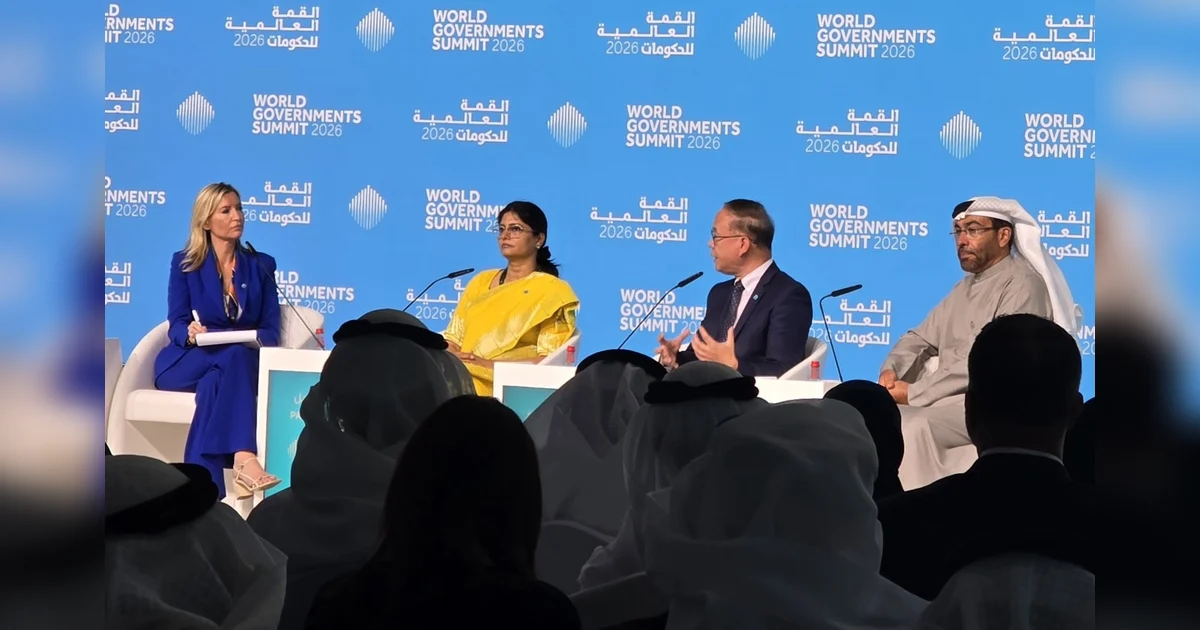
    The United Arab Emirates is embarking on a groundbreaking healthcare transformation by formally integrating traditional Emirati healing practices with conventional medical treatments. Health Minister Ahmed Al Sayegh announced this strategic initiative during the World Governments Summit in Dubai, marking a significant shift in the nation’s approach to wellness and disease prevention.

    Minister Al Sayegh, appointed to his position in September 2025, shared personal reflections on the effectiveness of traditional medicine, noting that approximately 70% of his childhood treatments involved these ancestral practices. He emphasized that these methods contributed significantly to building robust health among earlier generations of Emiratis.

    The newly formulated approach, termed ‘integrative medicine,’ represents a comprehensive healthcare model that combines conventional medical treatments with lifestyle modifications while addressing mental and spiritual wellbeing alongside physical health. This methodology aims to move traditional practices from the periphery to the core of the UAE’s healthcare prevention strategies.

    To ensure patient safety and treatment efficacy, the Ministry of Health and Prevention will establish a robust legislative framework governing the implementation of these traditional practices. The minister clarified that while science remains paramount in addressing critical health challenges—evidenced by the dramatic reduction in child and maternal mortality rates over recent decades—traditional knowledge offers valuable complementary benefits.

    Minister Al Sayegh highlighted specific examples, including holistic care protocols for pregnant women that incorporate traditional dietary recommendations, specialized exercises, and indigenous wellness practices similar to yoga. He expressed concern that these valuable traditional skills are gradually being lost and emphasized the ministry’s role in preserving this cultural heritage through structured training programs that combine ancestral wisdom with scientific validation.

    This national initiative builds upon the foundation established by the UAE Integrative Medicine Council (UAEIMC), formed in September 2025 under the leadership of Sheikha Salama bint Tahnoon bin Mohammed Al Nahyan. The council promotes a multidisciplinary approach that safely integrates modern, traditional, and complementary medical practices.

    The UAE’s commitment to integrative medicine will be further demonstrated later this month when the country hosts the AYUSH Conference & Exhibition, bringing together wellness brands, clinics, and hospital representatives to showcase ancient medical traditions and their contemporary applications.

  • US healthcare needs fixing, but there’s no agreement on how to do it

    US healthcare needs fixing, but there’s no agreement on how to do it

    The American healthcare system continues to generate devastating financial consequences for millions of citizens, exemplified by the case of Jeff King, a 66-year-old former pastor from Lawrence, Kansas. Following a routine procedure to correct his irregular heart rhythm, King received an astonishing $160,000 medical bill that threatened to bankrupt him. Despite having a cost-sharing alternative plan, his coverage excluded the treatment entirely.

    King’s predicament reflects a national crisis where approximately 100 million Americans—roughly 40% of the population—struggle with medical and dental debt. The United States maintains the world’s most expensive healthcare system, with projected expenditures reaching $5.9 trillion in 2026 according to Centers for Medicare and Medicaid Services data. Paradoxically, despite per capita healthcare spending that doubles that of comparable wealthy nations, America demonstrates lower life expectancy rates according to research from nonprofit KFF.

    The system’s failures have generated widespread public frustration, sometimes with tragic consequences. In December 2024, UnitedHealthCare CEO Brian Thompson was fatally shot in Manhattan by Luigi Mangione, who subsequently gained support from protesters viewing him as a folk hero opposing the healthcare establishment. While a judge recently dismissed federal firearms murder charges against Mangione, the incident highlights the intense emotions surrounding healthcare affordability.

    Political solutions remain elusive despite bipartisan recognition of systemic problems. Former President Donald Trump recently proposed his “Great Healthcare Plan” featuring direct payments to citizens for insurance costs and eliminating “kickbacks” to middlemen. However, experts note the plan lacks critical details regarding funding mechanisms and implementation strategies.

    The Affordable Care Act (ACA) implemented under President Obama significantly expanded coverage but created a patchwork system that falls short of universal healthcare. A decade after full implementation, frustrations persist as approximately 20% of privately insured Americans reported claim denials for doctor-recommended care in 2023.

    The expiration of COVID-era subsidies has exacerbated the crisis, with millions facing dramatic premium increases. Stacy Cox, a Utah-based photographer with high breast cancer risk, saw her insurance costs quadruple from $500 to $2,100 monthly, forcing her to abandon comprehensive coverage. Similarly, Mike Short, a Tennessee graphic artist with preexisting medical debt, now risks financial ruin from potential health complications.

    Structural complexities involving multiple overlapping systems—Medicare, Medicaid, employer-sponsored insurance, and veteran’s healthcare—create bureaucratic inefficiencies and confusion. Health policy experts advocate for system consolidation and stronger price negotiation mechanisms for pharmaceuticals.

    While some states have implemented local solutions such as banning medical debt from credit reports and providing separate subsidies, the federal government struggles to achieve consensus. As healthcare companies have tripled profits over two decades and distributed $2.6 trillion to shareholders since 2001, ordinary Americans continue facing impossible choices between financial stability and essential medical care.

  • Trump endorses Japan’s Takaichi ahead of snap election

    Trump endorses Japan’s Takaichi ahead of snap election

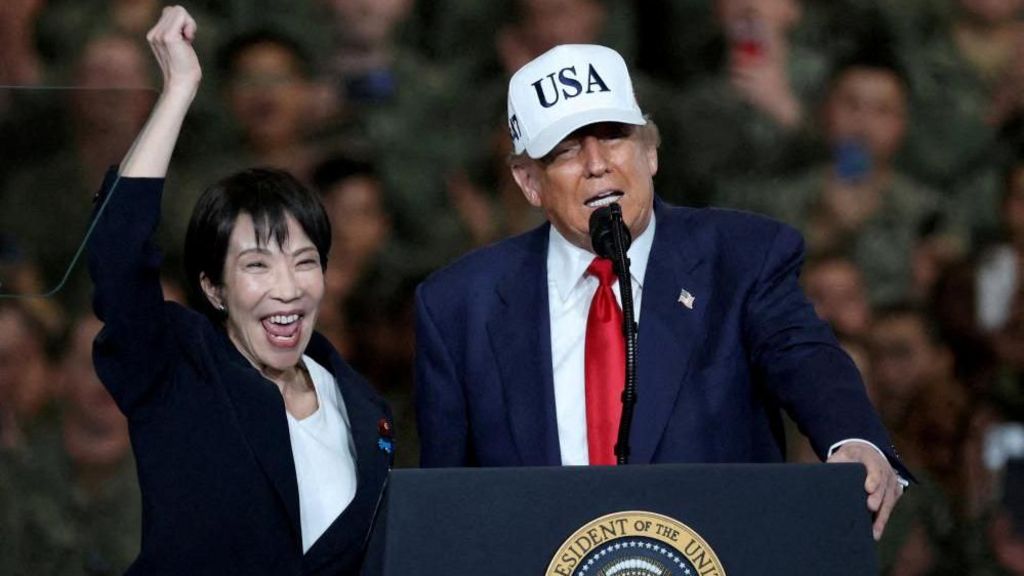
    In an unusual move of international political endorsement, former U.S. President Donald Trump has publicly thrown his support behind Japanese Prime Minister Sanae Takaichi just days before Japan’s snap parliamentary election. Trump utilized his Truth Social platform on Thursday to applaud Takaichi as “a strong, powerful, and wise leader… one that truly loves her country,” expressing confidence that “she will not let the people of Japan down.”

    This endorsement continues Trump’s pattern of backing foreign leaders who align with his political vision, following recent support for Argentina’s Javier Milei and Hungary’s Viktor Orbán. The relationship between Takaichi and Trump has strengthened significantly since her assumption of office in October, marked by substantial diplomatic engagements.

    The bilateral relationship faced early challenges when Trump threatened imposing 25% tariffs on Japanese imports, a situation that was resolved through a July agreement wherein Japan committed to investing $550 billion in the United States in exchange for reduced import levies of 15%.

    Takaichi’s administration rolled out an exceptionally warm welcome for Trump during his visit to Tokyo just one week after she took office, featuring a full military honor guard and band performance at Akasaka Palace, the government’s official guesthouse. The two leaders signed a significant rare earths agreement and a document proclaiming a new “golden age” in U.S.-Japan relations, with Takaichi describing Trump as a “partner in a new golden era” and praising his Middle East peace efforts.

    Trump’s endorsement highlighted progress in national security cooperation and economic collaboration between the two nations, while simultaneously announcing plans to host Takaichi at the White House on March 19th.

    The political backdrop to this endorsement includes complex geopolitical tensions, particularly regarding Taiwan. Trump’s show of support for Takaichi comes merely one day after his telephone discussion with Chinese leader Xi Jinping, wherein both leaders acknowledged the importance of maintaining positive relations. During their conversation, Xi emphasized Taiwan as “the most important issue” in Sino-American relations, explicitly stating that Taiwan is “China’s territory” and urging Washington to exercise prudence regarding weapons sales to the self-governed island.

    Takaichi has been at the center of escalating tensions between Tokyo and Beijing, which have reached their lowest point in over a decade. In November, she drew Beijing’s ire by suggesting Japan might deploy its self-defense forces should China attack Taiwan, highlighting the complex regional dynamics that shape her leadership approach.

  • Team UAE brace for ICC Men’s T20 World Cup challenge

    Team UAE brace for ICC Men’s T20 World Cup challenge

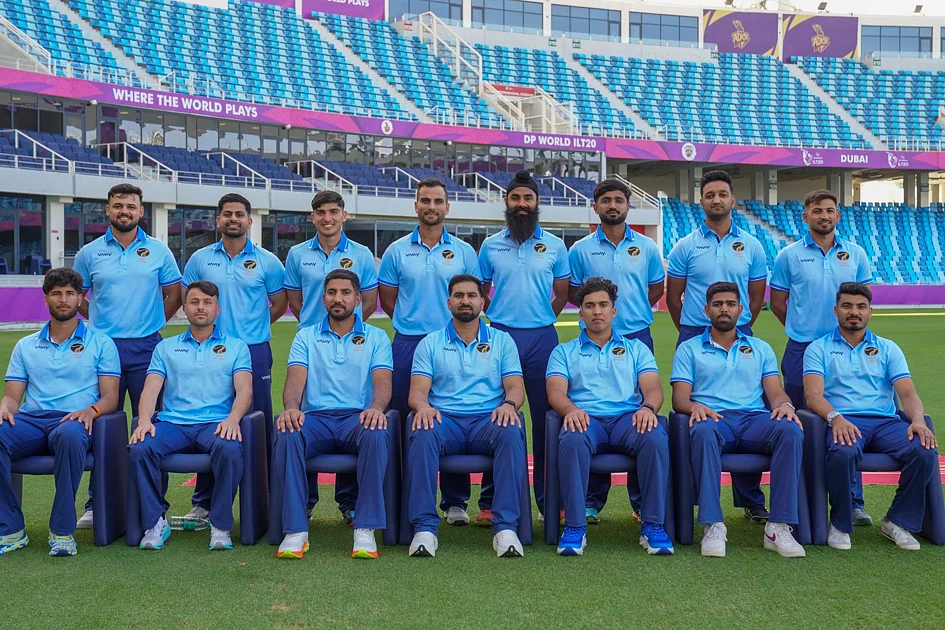
    The United Arab Emirates national cricket team is preparing for its campaign in the upcoming ICC Men’s T20 World Cup, building upon the competitive foundation established during the recently concluded DP World International League T20 season. The fourth edition of the domestic tournament has provided UAE players with invaluable exposure to high-intensity cricket alongside internationally renowned athletes, creating optimal preparation conditions for the global championship.

    Captain Muhammad Waseem, who secured the ILT20’s Blue Belt award for Best UAE Player for an unprecedented fourth consecutive year, will lead the national squad. Waseem emphasized the developmental significance of the league, stating: ‘The DP World ILT20 offers exceptional competitive exposure. Whether experienced or emerging talent, time spent in the middle alongside world-class cricketing minds fundamentally enhances game understanding and situational awareness. We aim to implement these learnings during the World Cup.’

    The UAE bowling attack demonstrates particular promise, with Haider Ali and Muhammad Jawadullah having honed their skills alongside elite international bowlers including Afghanistan’s Waqar Salamkheil and Gulbadin Naib, plus Bangladesh’s Mustafizur Rahman. The team’s market value was further validated at the ILT20 Season 4 Player Auction, where pacers Junaid Siddique and Rohid Khan commanded substantial contracts of $170,000 and $140,000 respectively, ranking among the tournament’s most expensive acquisitions.

    Team composition features three veterans from UAE’s previous T20 World Cup appearance in Australia (2022), with Waseem’s leadership experience encompassing 66 matches as captain throughout his 92-game international career. The coaching staff has been strengthened by the addition of former Pakistan fast bowler Yasir Arafat as bowling coach, bringing extensive international experience to the technical team led by head coach Lalchand Rajput.

    The UAE will commence their Group D campaign against New Zealand in Chennai on February 10, subsequently relocating to Delhi for matches against Canada (February 13), Afghanistan (February 16), and concluding with South Africa (February 18). This tournament marks UAE’s return to the global T20 stage after their last appearance in 2022, representing a significant milestone in the nation’s cricket development program.

  • Explosion in Indian coal mine kills 18; rescue operations to resume in daylight

    Explosion in Indian coal mine kills 18; rescue operations to resume in daylight

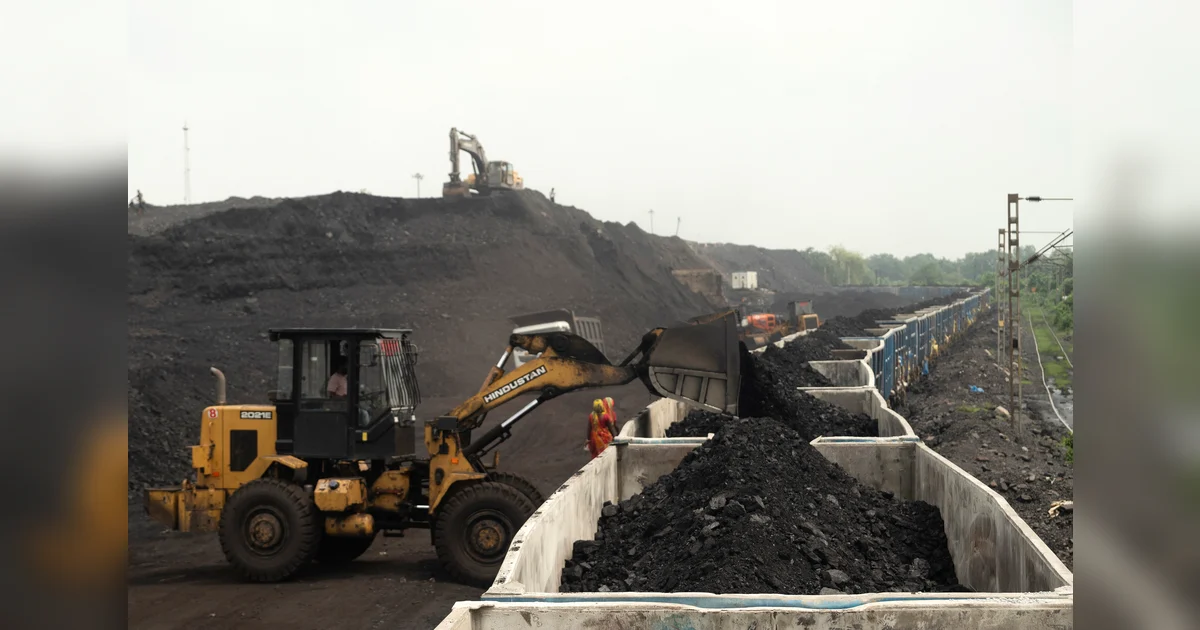
    A devastating explosion tore through an unauthorized coal mining operation in India’s northeastern Meghalaya state on Thursday, resulting in 18 confirmed fatalities and 8 injuries. The tragedy occurred in the East Jaintia Hills district, where rescue teams worked tirelessly to recover victims from the rubble before suspending operations at nightfall.

    Local authorities identified the site as an illegal ‘rat-hole’ mine, a dangerous mining method involving deep vertical shafts with narrow horizontal tunnels. Despite a 2014 federal environmental court ban on this practice due to safety concerns and environmental damage, these operations continue widespread throughout the region.

    District official Manish Kumar confirmed the mine’s illegal status and indicated that rescue efforts would resume Friday morning with support from state and federal disaster management personnel. District Police Chief Vikash Kumar suggested the explosion likely resulted from a dynamite blast, though forensic investigation continues. The blast triggered subsequent fires and created dangerous accumulations of toxic gases within the mine shafts.

    The tragedy prompted immediate responses from top government officials. Meghalaya Chief Minister Conrad K. Sangma ordered a comprehensive inquiry into the incident, vowing accountability for those responsible. Prime Minister Narendra Modi expressed his grief over the mishap, offering condolences to bereaved families and wishing swift recovery to the injured. The government announced compensation of 200,000 rupees (approximately $2,216) for each deceased victim’s family.

    This incident highlights the ongoing challenge of illegal mining operations in India’s resource-rich regions, where safety regulations are routinely flouted despite judicial interventions and environmental concerns.

  • What has happened in a year of US foreign aid cuts?

    What has happened in a year of US foreign aid cuts?

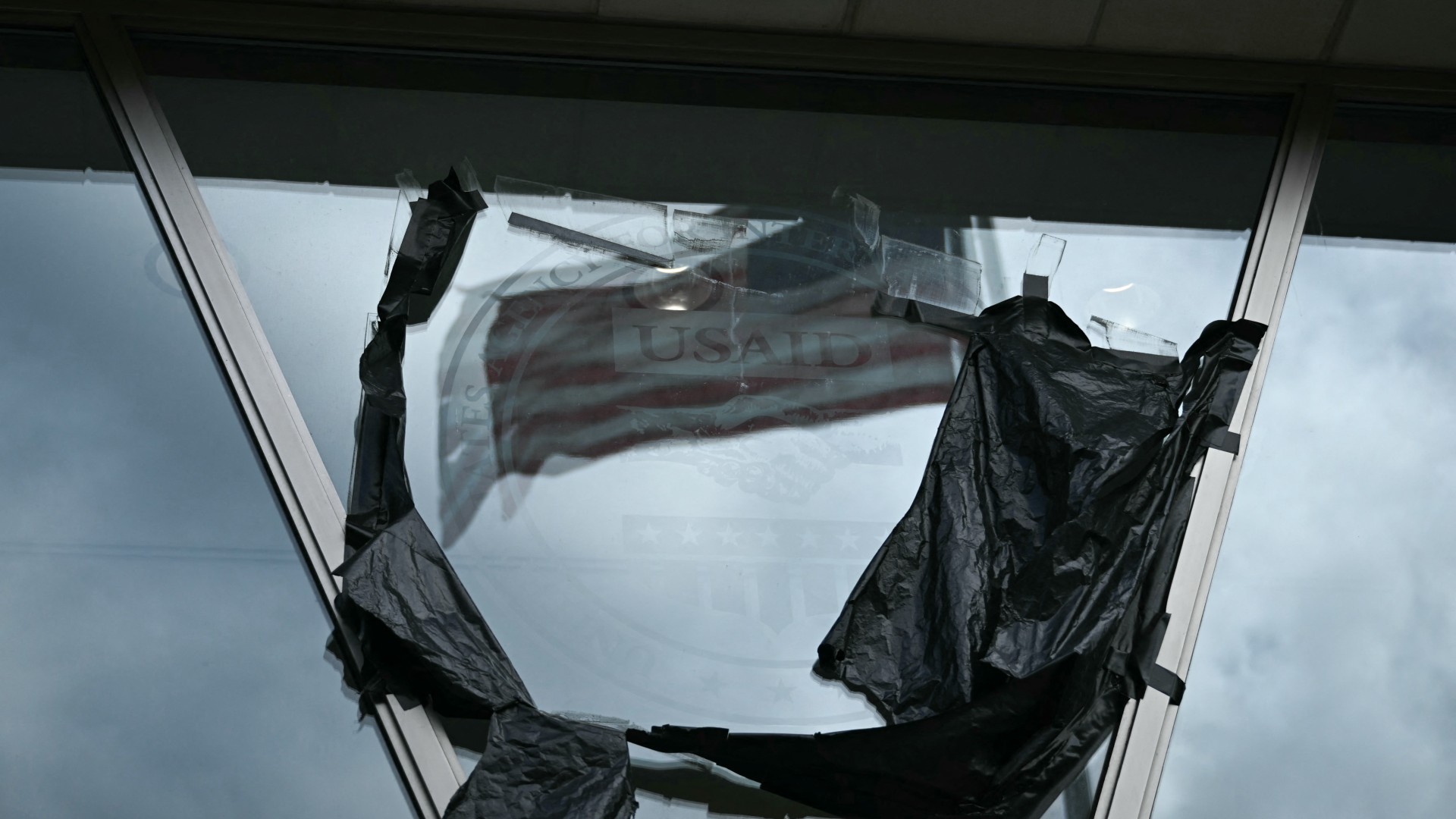
    A year after the Trump administration’s radical restructuring of American foreign assistance, the global humanitarian landscape has undergone catastrophic transformations. What originated as a 90-day suspension of international aid has evolved into a near-total dissolution of United States humanitarian operations, with USAID’s functions fully absorbed by the State Department by July 2023.

    The human cost has proven both staggering and preventable. Secretary of State Marco Rubio’s early assurance that “no children are dying on my watch” has been contradicted by devastating outcomes. Medical experts including Dr. Atul Gawande, former USAID global health assistant administrator, projected that reduced immunization programs alone would cause over one million deaths annually.

    Research from the Center for Global Development indicates these cuts to the world’s largest humanitarian donor may contribute to approximately 700,000 fatalities per year. The Lancet Global Health forecasts even grimmer long-term consequences: 22.6 million additional preventable deaths globally by 2030, including 5.4 million children under five, resulting from combined reductions in US and UK funding.

    The administration justified these measures under its “America First” doctrine, promising increased efficiency. Despite vehement opposition from figures including former President Barack Obama—who labeled the move “a colossal mistake”—the implementation proceeded rapidly. By March 2025, 86% of foreign aid programs had been terminated alongside comparable staff reductions.

    Evidence reveals inconsistent application of cuts, with strategic allies receiving preferential treatment. Kenya secured a $1.7 billion health system donation after leading UN peacekeeping efforts in Haiti, while Jordan saw reinstated water infrastructure projects. Conversely, high-need regions including Yemen, Afghanistan, Syria, and Sudan faced severe assistance reductions.

    In Afghanistan, child malnutrition reached 25-year highs with 450 health centers closing. Yemen lost nutritional support for 100,000 children and food assistance for 2.4 million people. Gender-specific impacts proved particularly severe: 1.5 million Yemeni women lost obstetric services while 300,000 were denied gender-based violence prevention.

    Critics emphasize that USAID constituted less than 1% of the federal budget, making financial savings minimal compared to heightened global risks. The dismantling of disease prevention programs, including the President’s Emergency Plan for AIDS Relief (Pepfar) that served 20 million people, has raised alarms about pandemic preparedness. Experts warn these reductions threaten international security and conflict prevention capabilities, potentially creating dangerous ripple effects worldwide.

  • What to know about Thailand’s election as economic growth slows and nationalism rises

    What to know about Thailand’s election as economic growth slows and nationalism rises

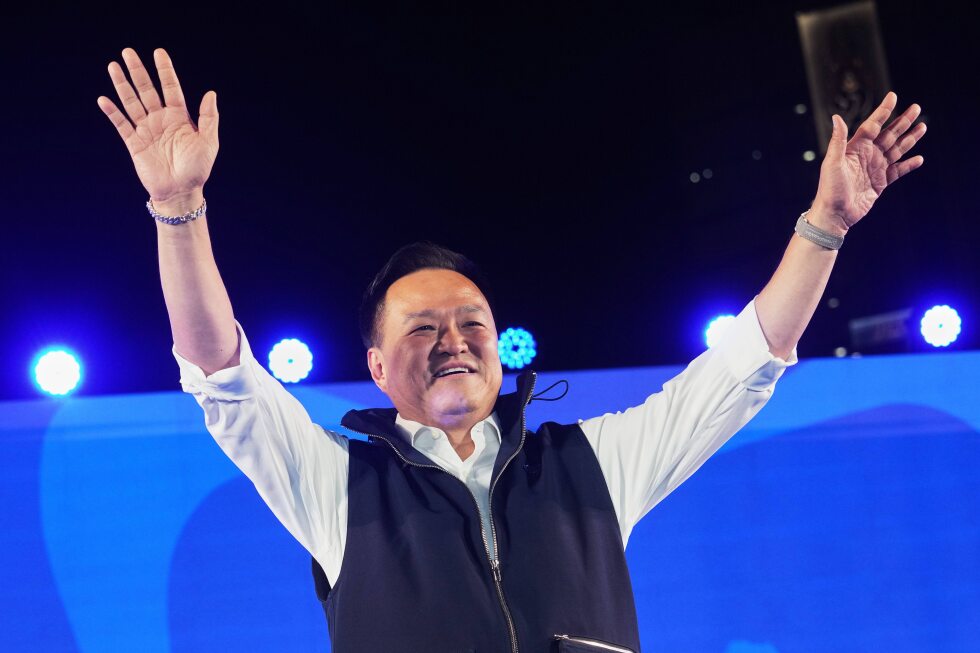
    BANGKOK — Thailand stands at a political crossroads as the nation prepares for Sunday’s general election, marked by economic challenges, nationalist fervor, and allegations of corruption. The snap election, called unexpectedly by Prime Minister Anutin Charnvirakul in December, represents a critical moment for Southeast Asia’s second-largest economy.

    The political landscape features three dominant parties locked in a competitive race with no clear frontrunner anticipated. Prime Minister Anutin leads the conservative Bhumjaithai Party, repositioning himself as a resolute leader following border tensions with Cambodia after his administration faced criticism over devastating floods and corruption scandals.

    Opposition forces include the progressive People’s Party, currently leading in polls with an ambitious reform agenda. Despite winning the most parliamentary seats in the 2023 election under a different banner, the party was prevented from forming a government by conservative lawmakers. Meanwhile, the Pheu Thai Party, associated with former Prime Minister Thaksin Shinawatra, campaigns on economic revival through populist measures despite recent political setbacks.

    The electoral system will elect 400 constituency-based lawmakers and 100 party-list representatives, collectively forming the 500-member House of Representatives responsible for selecting the next prime minister. Political analysts suggest a Bhumjaithai-led coalition appears most probable, as conservative establishments view their platform as less disruptive to Thailand’s political status quo.

    Concurrently, voters will decide on a constitutional referendum determining whether Parliament should initiate the process of replacing the military-drafted 2017 charter. Democratic advocates consider this a crucial step toward reducing unelected institutions’ influence, while conservatives argue existing provisions ensure political stability.

  • India favourites as T20 World Cup to begin after chaotic build-up

    India favourites as T20 World Cup to begin after chaotic build-up

    The highly anticipated T20 World Cup commences this Saturday under a cloud of political controversy, with defending champions India emerging as overwhelming favorites despite a tumultuous pre-tournament period marked by diplomatic disputes and team withdrawals.

    Tournament organizers breathed a sigh of relief as the cricket spectacle finally begins after weeks of political posturing that saw Bangladesh expelled from the competition and Pakistan refusing to face arch-rivals India. The International Cricket Council, led by chairman Jay Shah, faced significant challenges in maintaining the tournament’s integrity amid growing geopolitical tensions between participating nations.

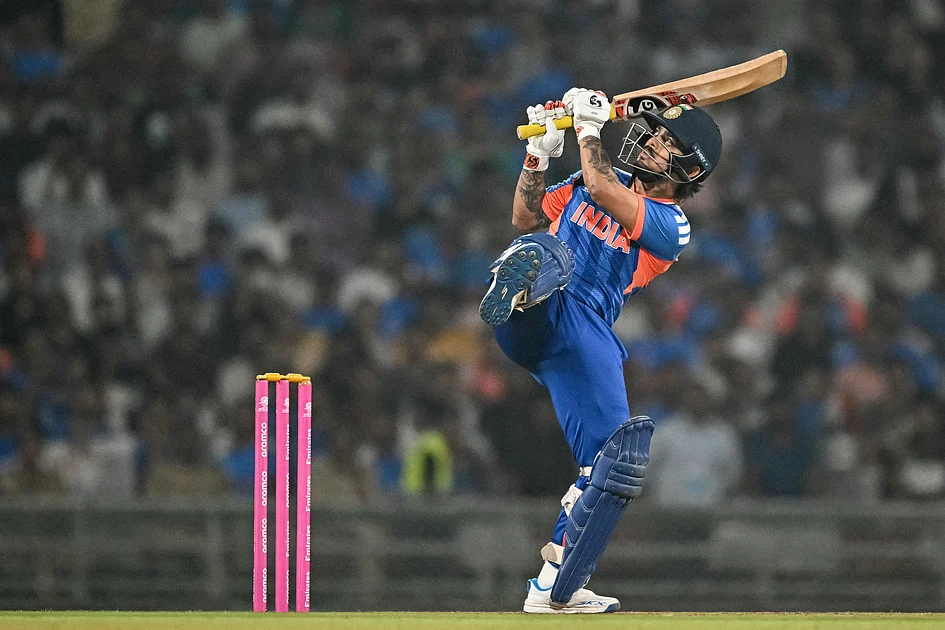
    Cricket powerhouse India, led by captain Suryakumar Yadav, enters the competition carrying the aspirations of over a billion home supporters. The world’s top-ranked T20 team boasts an explosive batting lineup featuring in-form opener Abhishek Sharma and the red-hot Ishan Kishan, complemented by a clinical bowling attack spearheaded by Jasprit Bumrah and mystery spinner Varun Chakravarthy. Their recent dominant series victory against New Zealand served as an ominous warning to competitors.

    The tournament structure divides twenty teams into four groups of five, with the top two from each group advancing to the Super Eight stage. Group A features India alongside the United States, who previously stunned Pakistan in the 2024 tournament, plus Pakistan, Netherlands, and Ireland.

    Former champions Australia and England present formidable challenges to India’s title defense. Australia, despite missing pace spearhead Pat Cummins due to a back injury and Josh Hazlewood recovering from hamstring issues, remains confident under Mitchell Marsh’s leadership. England, riding high from a 3-0 series victory in Sri Lanka, sees Harry Brook assuming captaincy duties amid personal scrutiny.

    The political crisis escalated when India’s cricket board directed the Kolkata Knight Riders to drop Bangladeshi fast bowler Mustafizur Rahman, exacerbating tensions between neighboring nations. Pakistan’s potential boycott of their marquee match against India could result in significant financial losses for broadcasters and disappointment for fans worldwide.

    The tournament concludes with the final scheduled for March 8 in either Ahmedabad or Colombo, depending on Pakistan’s progression through the competition stages.

  • Greek minister lashes out at Turkey in bid to sway Washington

    Greek minister lashes out at Turkey in bid to sway Washington

    At a Washington think-tank gathering on Thursday, Greek Defense Minister Nikos Dendias delivered a sharp critique of Turkey’s regional positioning, accusing Ankara of effectively advocating for Hamas and diverging from United States strategic objectives in the Middle East.

    Speaking during a panel discussion organized by Greece’s Delphi Economic Forum and the Foundation for Defense of Democracies, Dendias articulated his concerns without adopting an anti-Turkish stance. He highlighted the dramatic transformation in regional alliances by noting, “Remember that 25 years ago Israel and Turkey maintained the strongest of friendships. The fundamental question remains: what has fundamentally altered since then?”

    The minister posed several probing questions: “Which nation actively champions Hamas’s cause? Which government has refrained from expressing remorse for the October 7, 2023 attacks against Israel? Which country provides sanctuary for the Muslim Brotherhood?”

    Dendias has established himself as taking a harder line toward Turkey than Prime Minister Kyriakos Mitsotakis, though his remarks recalled Mitsotakis’s previous lobbying efforts in Congress against arms sales to Turkey, which previously strained bilateral relations.

    The commentary accurately reflects the substantial evolution in Israel’s diplomatic relationships with both Greece and Turkey. During the period when Turkey’s secular military exerted considerable influence over foreign policy, Israel functioned as a key strategic partner. Pro-Israel advocates in Washington even assisted Turkey in defeating Armenian Genocide legislation and supported US weapons transfers to Ankara.

    Conversely, Greece proved to be the final European Union member state to establish full diplomatic relations with Israel in 1990, while maintaining close ties with Yasser Arafat’s Palestinian Liberation Organization since establishing relations in 1981.

    The political landscape shifted significantly with the emergence of Turkish President Recep Tayyip Erdogan, whose Islamic populist governance model positioned Turkey as a vocal supporter of Palestinian interests. Relations between Israel and Turkey deteriorated dramatically following the 2010 Israeli raid on a Turkish flotilla attempting to breach the Gaza blockade, resulting in ten activist fatalities.

    In recent years, Israel and Greece have developed increasingly close strategic partnerships involving joint military exercises and shared opposition to Turkish maritime claims in the Eastern Mediterranean. The two nations are currently negotiating a substantial $3 billion agreement to develop advanced anti-aircraft and missile defense systems.

    Despite Greece’s strengthened ties with Israel, the Trump administration continued to prioritize Turkey as a crucial regional ally. Middle East Eye reported that Washington contemplated utilizing Turkish resources to address shortcomings in naval construction capabilities.

    President Trump relied heavily on Turkish cooperation for key foreign policy initiatives, including ceasefire arrangements in Gaza and recognition of Turkish economic and security interests in Syria, where Ankara supports President Ahmed al-Sharaa. In the Caucasus region, the Trump administration mediated an agreement between Armenia and Azerbaijan that could establish new transit corridors connecting to Turkey.

    Dendias proposed a comparative exercise to demonstrate the divergence between US and Turkish visions: “I suggest a simple test. Request that American officials produce a conceptual image of how they envision the Eastern Mediterranean in ten or twenty years according to US interests. Then pose the identical question to President Erdogan in Ankara. How comparable do you anticipate these two visions appearing? I maintain they would demonstrate significant dissimilarity.”

    President Trump hosted Erdogan for a landmark White House visit in September, while the Greek leadership has not received comparable presidential hospitality.

  • Watch: Sheikh Hamdan rides in fully autonomous vehicle in Jumeirah

    Watch: Sheikh Hamdan rides in fully autonomous vehicle in Jumeirah

    In a groundbreaking demonstration of technological advancement, Sheikh Hamdan bin Mohammed bin Rashid Al Maktoum, Crown Prince of Dubai, has personally showcased the city’s progression toward autonomous transportation. The high-profile demonstration occurred near the iconic Burj Al Arab in Jumeirah, where the Crown Prince rode as a passenger in a fully driverless vehicle operated by Baidu’s Apollo Go platform.

    The Dubai royal shared footage of the autonomous journey through his Instagram account, which boasts over 17 million followers, accompanied by the caption: ‘Hands off. Future On. #SelfDrivingCar.’ The video evidence reveals the vehicle navigating urban environments independently, executing turns at intersections without human intervention while Matar Al Tayer, Director General of Dubai’s Roads and Transport Authority, observed from the rear seat.

    This demonstration represents a significant milestone in Dubai’s smart mobility initiatives, marking the first international deployment of Baidu’s Apollo Go autonomous service outside China. The Roads and Transport Authority has granted the Chinese technology company a pioneering license to conduct public road testing without safety drivers—a first-of-its-kind authorization in the region.

    Supported by an operations and control center established at Dubai Science Park, the autonomous vehicle trials encompass designated zones including Jumeirah and Zabeel. The current testing phase utilizes approximately 50 sixth-generation RT6 self-driving vehicles, with plans to expand the fleet beyond 1,000 units in forthcoming years. During supervised trial runs, these vehicles have demonstrated capability to reach speeds of 72km/h while autonomously changing lanes on Jumeirah Road.

    Industry observers anticipate the transition from testing to operational robotaxi services could occur as early as the first quarter of 2026, positioning Dubai at the forefront of autonomous transportation implementation globally.