作者: admin

  • Philadelphia chef puts a new spin on old classics

    Philadelphia chef puts a new spin on old classics

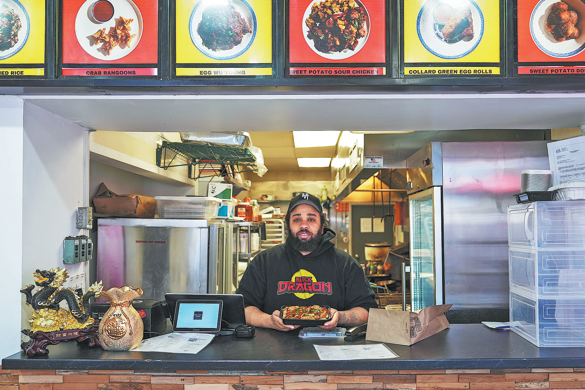
    In Philadelphia’s culinary landscape, Chef Kurt Evans is pioneering a unique gastronomic movement that transcends traditional boundaries. The 40-year-old West Philadelphia native has transformed a former mom-and-pop Chinese takeout into Black Dragon, an establishment that masterfully blends American and Chinese culinary traditions with distinct African American flavors.

    The restaurant’s aesthetic carefully preserves its Chinese heritage while incorporating meaningful cultural elements. Vintage wallpaper displays historical photographs with empowering messages, while an orange neon sign proclaims ‘Food is our common ground’—a philosophy that co-owner Kyle Moore describes as essential to their mission. ‘Food is where different cultures, ethnicities can come together without separation,’ Moore emphasizes.

    Evans’ approach is deeply rooted in historical understanding. He explains how discriminatory policies historically channeled Chinese immigrants toward low-income neighborhoods, creating natural culinary cross-pollination. ‘Many Chinese stores may have been black Americans’ first cultural experience,’ Evans notes, highlighting how economic circumstances forged unexpected cultural connections.

    The chef’s personal journey began in the 1990s when a teacher introduced him to General Tso’s chicken—a flavor that remained etched in his memory. His professional path evolved from hospital cooking to various kitchen roles before conceptualizing Black Dragon, an idea that matured over nine years before its 2024 debut.

    What began as a neighborhood establishment has gained remarkable recognition, attracting visitors far beyond West Philadelphia. The restaurant’s growing prominence even captured political attention, with former Vice President Kamala Harris’s campaign team hiring Evans to cater events.

    Local patron Stepheneecee Williams, who works at a nearby pharmacy, appreciates the cultural synthesis: ‘Chinese restaurants are a staple in the black community… We do live side by side.’ Evans’ culinary innovation demonstrates how food can serve as both cultural preservation and bridge-building medium, creating spaces where diverse communities find common ground through shared culinary experiences.
  • Investors pile into gold as tensions send demand soaring

    Investors pile into gold as tensions send demand soaring

    A remarkable surge in global gold investment is underway as escalating geopolitical conflicts and economic uncertainties drive investors toward traditional safe-haven assets. From Hong Kong to Mumbai, financial institutions and retail investors are significantly increasing their gold allocations, creating unprecedented demand patterns across Asian markets.

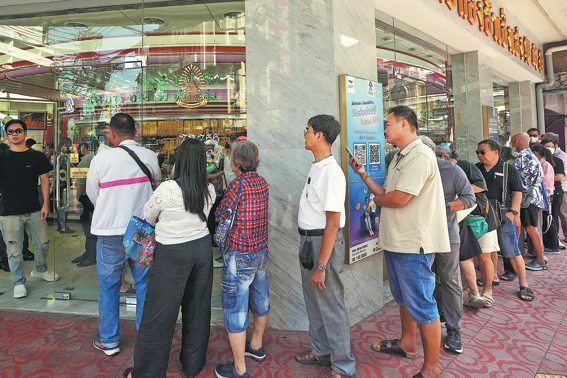
    In Hong Kong, San Gold Coins reported extraordinary customer traffic at their flagship store, with physical door repairs necessitated by overwhelming client numbers seeking gold coins and bars. General Manager Sophia Chen observed that while seasonal factors typically influence gold sales, current demand patterns reflect a fundamental shift in investor perception rather than mere cyclical trends.

    “We’re witnessing a transformative moment where gold is being reevaluated as a core asset class rather than merely decorative jewelry,” Chen stated, noting that sustained price appreciation has fundamentally altered investment behavior across demographic segments.

    The commodity’s impressive performance trajectory has been particularly striking. Spot gold prices on New York’s COMEX exchange reached an unprecedented peak of $5,594.82 per ounce on January 29, establishing new benchmarks for the precious metal. Although profit-taking activities temporarily pushed prices below $5,000 in February, renewed Middle East tensions have reignited the rally, with prices rebounding to $5,400 per ounce following recent airstrikes involving the United States and Israel.

    Financial institutions are formally endorsing this strategic shift. Swiss banking giant UBS recently advised clients to allocate “a modest, up to mid-single-digit percentage” of total assets to gold, emphasizing its diversification benefits and protective qualities against geopolitical volatility.

    In India, market dynamics similarly reflect this paradigm shift. Motilal Oswal Financial Services analyst Manav Modi reported that January inflows into gold-backed exchange-traded funds (ETFs) surpassed those of equity mutual funds—a historically significant development indicating profound changes in retail investment patterns.

    “Investors are increasingly adopting central bank-style allocation strategies, utilizing gold as protection against currency fluctuations, inflationary pressures, and systemic financial risks,” Modi explained, highlighting exceptional returns from gold contracts traded on India’s Multi Commodity Exchange.

    Notably, Generation Z investors are emerging as substantial participants in this gold rush. Their engagement has expanded beyond traditional gold products to include silver investments, creating complementary demand for more accessible precious metals. Chen noted that silver’s relative affordability has made it an attractive entry point for first-time precious metal investors seeking portfolio diversification.

    This comprehensive shift toward tangible assets underscores deepening concerns about global stability and represents a fundamental revaluation of gold’s role in modern investment portfolios.

  • US sanctions Rwanda’s military and top commanders over fighting in DR Congo

    US sanctions Rwanda’s military and top commanders over fighting in DR Congo

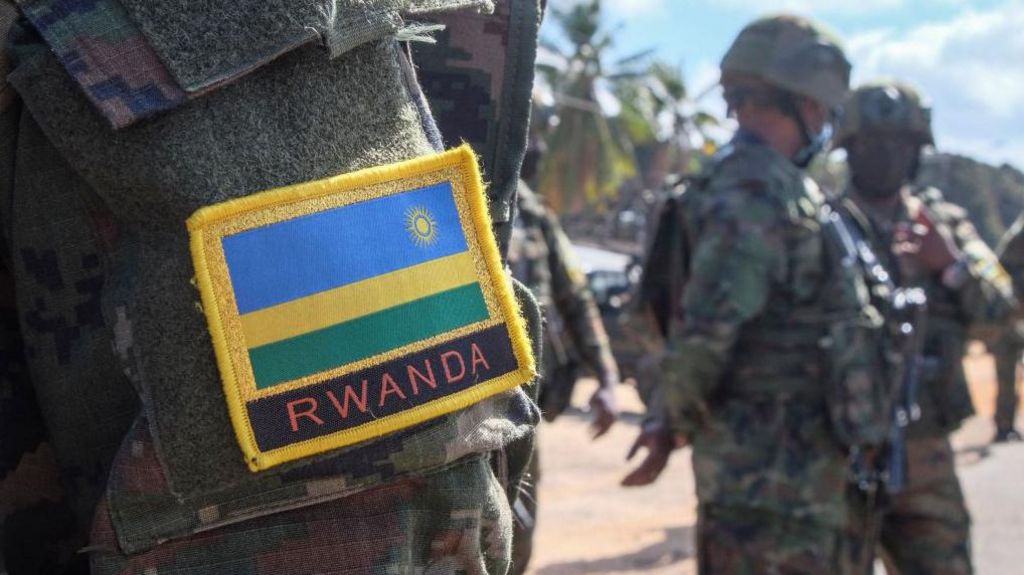
    In a significant diplomatic escalation, the United States has levied sanctions against Rwanda’s military apparatus and four high-ranking commanders for their alleged role in destabilizing the Democratic Republic of Congo. The U.S. Treasury Department asserts that the Rwanda Defence Force (RDF) has not only trained and equipped the M23 rebel faction but has actively participated in combat operations alongside them, directly violating the Washington Accords peace agreement brokered by the U.S. just three months prior.

    The sanctions target Army Chief of Staff Vincent Nyakarundi, 5th Infantry Division Commander Ruki Karusisi, Chief of Defence Staff Mubarakh Muganga, and Special Operations Head Stanislas Gashugi. These measures freeze any U.S.-held assets belonging to the individuals and the RDF while prohibiting American entities from engaging in financial transactions with them.

    Rwanda’s government issued a swift and forceful rebuttal, denouncing the sanctions as one-sided and factually distorted. Kigali maintains that its military presence is purely defensive, aimed at countering security threats from armed groups within Congo. It further accused the DRC government of violating ceasefires through indiscriminate drone attacks and employing ethnic militias.

    The Congolese government, in contrast, expressed profound appreciation for the U.S. action, viewing it as a robust endorsement of its sovereignty. The Trump administration emphasized its readiness to utilize all available tools to ensure both nations honor their December commitments, which U.S. President Donald Trump had hailed as a historic step toward peace and a means to secure critical mineral supply chains from the cobalt and copper-rich region.

    The mineral-rich eastern DRC has been embroiled in conflict for over three decades, with the recent unrest intensifying when M23 captured the provincial capital Goma last year. The U.S. statement warned that the rebel group’s continued presence near Burundi’s border, enabled by Rwandan support, risks escalating the conflict into a broader regional war and is responsible for horrific human rights abuses against civilians.

  • Iran war casts a pall over UK economic update

    Iran war casts a pall over UK economic update

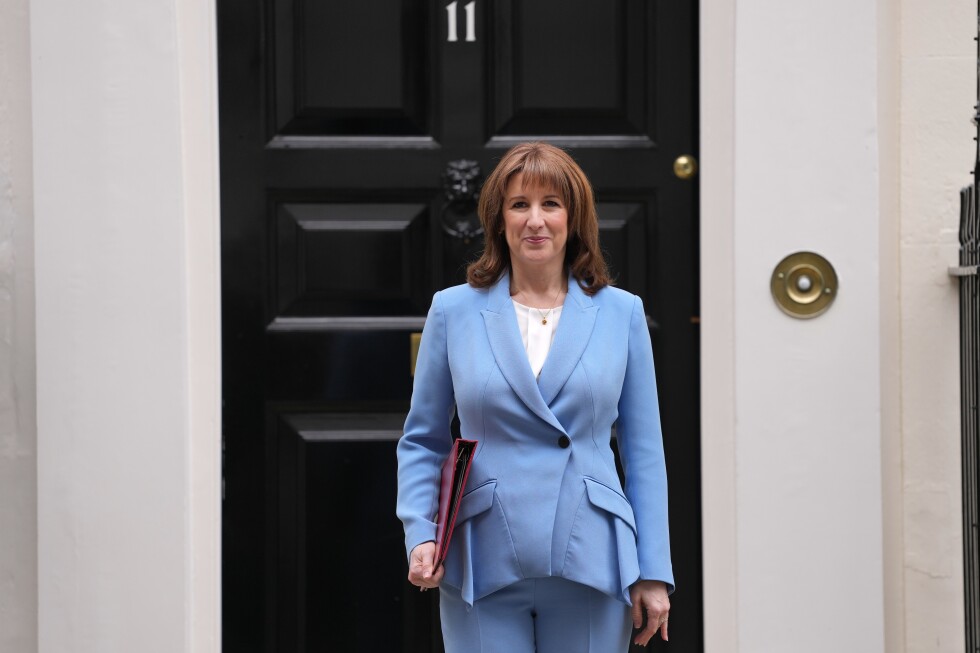
    LONDON — Britain’s economic outlook faces severe disruption as escalating Middle East tensions trigger global market turbulence, casting a shadow over Chancellor Rachel Reeves’ highly anticipated Spring Statement to Parliament on Tuesday.

    The Treasury chief had prepared a cautiously optimistic assessment of Britain’s fiscal trajectory, anticipating stable indicators without major tax or spending announcements. However, the rapidly evolving Iran conflict has dramatically altered the economic landscape, with economists warning of potential growth suppression, inflationary pressures, and mounting debt concerns.

    Energy markets have experienced particularly severe volatility, with Brent crude surging over 15% this week to exceed $80 per barrel. Simultaneously, global natural gas prices—critical for UK energy security—have nearly doubled within days. These developments threaten to increase energy costs for both businesses and households, potentially reigniting inflationary trends and constraining economic expansion.

    Investment strategist Susannah Streeter of Wealth Club noted: ‘Amid global uncertainty, the Chancellor will likely emphasize extreme caution, prioritizing stability and adherence to fiscal discipline during these heightened geopolitical tensions.’

    Prior to her parliamentary address, the Treasury indicated Reeves would highlight the government’s commitment to economic stability despite mounting external pressures. She is expected to reference recent positive developments, including declining inflation and anticipated interest rate reductions that have begun alleviating cost-of-living burdens for British families.

    The Labour government, which has experienced declining popularity since its 2024 election victory, had hoped 2026 would demonstrate sustained economic recovery. Recent indicators initially suggested growth acceleration in early 2026, with inflation projected to decline significantly in coming months—potentially prompting further Bank of England rate cuts beyond the current 3.75% benchmark.

  • NPC deputy leads a cliffside village toward rural vitalization

    NPC deputy leads a cliffside village toward rural vitalization

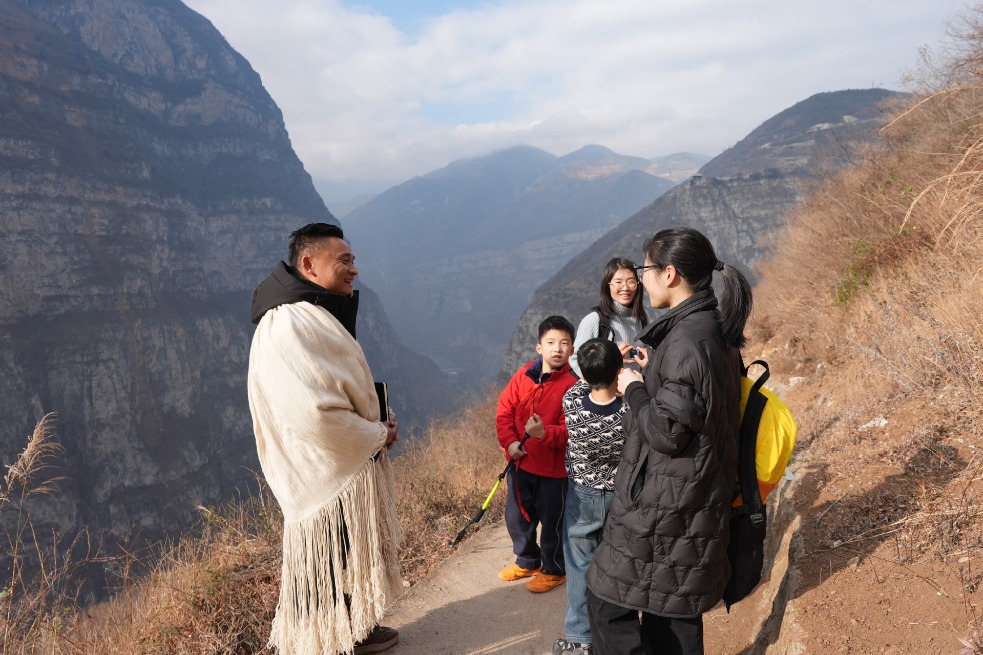
    Perched dramatically on the edge of the Dadu River Grand Canyon in Sichuan province, Gulu village has undergone a remarkable transformation from remote isolation to thriving community under the leadership of NPC deputy Zheng Wangchun. The once-inaccessible Yi ethnic village, where transportation previously required three to four hours of arduous travel, now connects to the outside world via a modern cableway that reduces the journey to mere minutes.

    Zheng, who serves as both village committee head and Party committee secretary, has spearheaded an innovative development model that harmoniously blends agriculture, culture, and tourism. The strategic initiative has revitalized the mountainous community, creating new economic opportunities while preserving its cultural heritage.

    The village’s renaissance includes the establishment of visitor homestays, strategically positioned scenic photo spots showcasing the canyon’s breathtaking vistas, and the expansion of specialized agricultural products including walnuts, Sichuan pepper, and goat farming. This multifaceted approach has generated sustainable income streams for residents while sharing the village’s unique character with visitors.

    As a National People’s Congress deputy, Zheng has leveraged his position to address broader rural challenges, submitting policy recommendations focused on expanding internet connectivity in remote areas and balancing wildlife conservation with agricultural livelihoods. His grassroots philosophy remains centered on community wellbeing, noting that ‘the smiles of villagers are the most valuable rewards for grassroots work.’

    The Gulu village model demonstrates how targeted infrastructure investment combined with culturally-sensitive development can create thriving rural communities even in geographically challenging environments, offering valuable insights for rural revitalization efforts nationwide.

  • Elevated iron levels key to social anxiety

    Elevated iron levels key to social anxiety

    A groundbreaking study led by South China University of Technology has revealed a previously unknown neurological mechanism linking social isolation to anxiety disorders. Published in the prestigious journal Cell Metabolism, the research demonstrates how prolonged solitude triggers iron accumulation in the brain’s emotional regulation centers, creating a biological pathway for social anxiety development.

    The research team, under the direction of Associate Professor Wang Zhuo in collaboration with Zhejiang University and Southern Medical University, discovered that isolated mice exhibited abnormal iron elevation specifically in the ventral hippocampus region. Contrary to iron’s traditional perception as a neural nutrient, the study reveals its dual nature under psychological stress, where excessive amounts trigger destructive neurological processes.

    Professor Wang describes the mechanism as ‘ferroplasticity’—iron-mediated, experience-dependent neuroplasticity that directly connects cerebral iron metabolism disorders to affective conditions. The excessive iron activates alpha-synuclein proteins, inducing abnormal neuronal hyperexcitability that Wang compares to an electrical short circuit constantly transmitting anxiety signals throughout the nervous system.

    The most promising aspect of the discovery lies in its therapeutic implications. Through targeted nasal administration addressing either iron or alpha-synuclein molecules, researchers successfully reversed anxiety behaviors in mice within two weeks—significantly faster than the four weeks required for traditional resocialization approaches.

    This breakthrough suggests potential noninvasive interventions for over one billion people worldwide affected by isolation-related psychological issues. The research team is now advancing human safety studies and dosage optimization for nasal spray formulations while developing noninvasive imaging techniques to detect ventral hippocampal iron deposition.

    The World Health Organization has recognized social isolation as a major global health threat, making this discovery particularly timely. The findings offer hope for vulnerable populations including isolated elderly individuals, remote workers, postoperative patients, and socially avoidant adolescents who might benefit from precisely targeted, non-pharmaceutical anxiety interventions.

  • Six US soldiers killed in Iranian strike on Kuwait base

    Six US soldiers killed in Iranian strike on Kuwait base

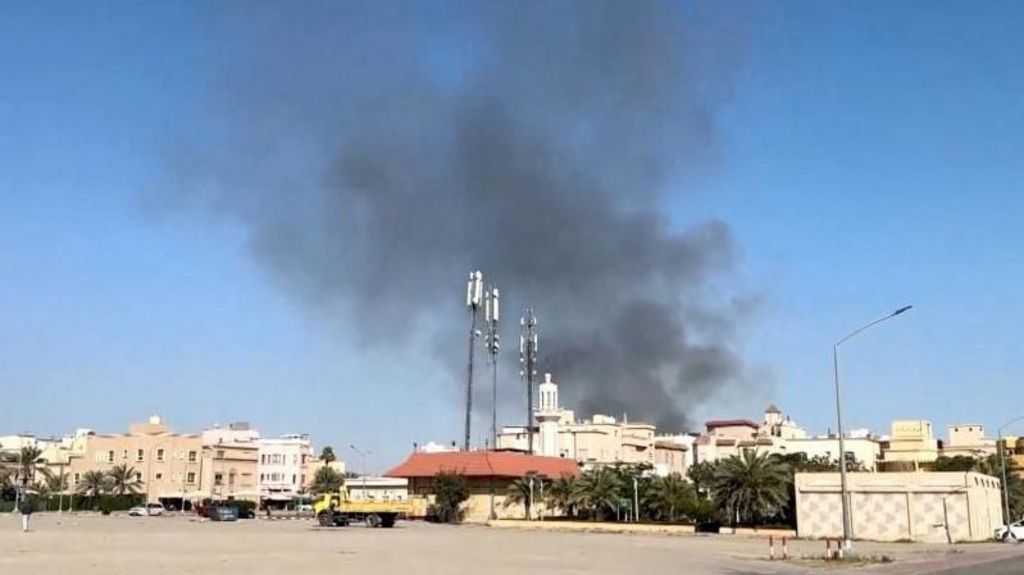
    The United States has confirmed the deaths of six American service members following an Iranian missile strike on a military facility in Kuwait this Sunday. Initial reports from U.S. Central Command indicated three casualties, but the toll rose significantly on Monday after one soldier succumbed to injuries and two additional bodies were recovered from the debris.

    Defense Secretary Pete Hegseth verified that a U.S. bunker in Kuwait was struck after Iranian missiles bypassed air defense systems during Tehran’s retaliatory offensive. He described the target as a ‘fortified tactical operations center’ hit by a ‘powerful weapon,’ though specific location details remain undisclosed.

    Contrasting this account, three U.S. military officials familiar with the incident revealed to CBS News that personnel were stationed in a temporary office setup—specifically a trailer shielded by 12-foot steel-reinforced concrete barriers. These officials raised concerns about whether the structure provided adequate protection against such attacks.

    This incident marks the first confirmed U.S. fatalities since the commencement of joint military operations with Israel against Iran. The attack underscores the vulnerability of American forces in the region, where over 13,000 troops are stationed under longstanding defense agreements with Kuwait.

    In a separate development, three U.S. fighter jets were lost in Kuwait due to a ‘friendly fire’ incident on Monday. All pilots successfully ejected and survived. Iranian state media subsequently claimed responsibility for downing the aircraft, though no evidence was provided to support this assertion.

    The strike forms part of Iran’s broader retaliation campaign targeting U.S.-allied Gulf nations, including Bahrain, UAE, Saudi Arabia, Oman, and Qatar, signaling escalating regional tensions.

  • Texas Republicans back Trump over Iran – but some wary of ‘a quagmire’

    Texas Republicans back Trump over Iran – but some wary of ‘a quagmire’

    As global attention focuses on U.S. military operations against Iran, Texas Republican voters demonstrated measured support for President Trump’s actions while prioritizing domestic concerns ahead of Tuesday’s critical primary elections. At a Waco campaign event for Senate candidate Ken Paxton, the state’s attorney general and Trump loyalist, conservative voters expressed approval of the strikes but remained primarily concerned with immigration, government spending, and gun rights.

    Paxton, addressing supporters at a central Texas banquet hall, briefly acknowledged the Iran conflict while emphasizing political change through ballots rather than military action. When pressed by reporters afterward, the Senate hopeful unequivocally endorsed Trump’s decision, stating “Iran is a great threat to our country” and expressing strong support for the operation.

    The response among Texas Republicans reflects a broader pattern of cautious endorsement without enthusiastic celebration. Senator John Cornyn described Trump’s actions as “decisive,” while congressional candidate Wesley Hunt praised the achievement of “peace through American strength” in social media posts. Rally attendee Marcia Michael characterized Trump’s strategy as “five-dimensional chess” in addressing long-standing Iranian threats.

    Despite general support, underlying concerns about prolonged military engagement surfaced among voters. Mark Plough expressed worries about potential “quagmire” scenarios reminiscent of Afghanistan and Iraq, highlighting the tension between Trump’s campaign promises to avoid “forever wars” and current military operations.

    The administration has deliberately framed the campaign as limited and targeted, with Defense Secretary Pete Hegseth emphasizing “This is not endless” and contrasting it with previous nation-building efforts. This messaging aligns with Trump’s historical criticism of extended Middle East engagements but contrasts with the multi-day duration of current operations.

    Public opinion remains divided nationwide, with Morning Consult showing 41% support versus 42% preferring diplomacy, and Reuters-Ipsos indicating only 27% approval. These numbers predate the announcement of six American combat fatalities, with Trump warning of additional potential casualties.

    The political calculus remains complex for the administration, as outcomes including oil price spikes, retaliatory attacks, or regional destabilization could significantly impact Trump’s standing. For now, Texas supporters maintain cautious optimism that operations will conclude swiftly with minimal lasting consequences.

  • Tucker Carlson says Saudi, Qatar arrested Mossad agents planning bombings

    Tucker Carlson says Saudi, Qatar arrested Mossad agents planning bombings

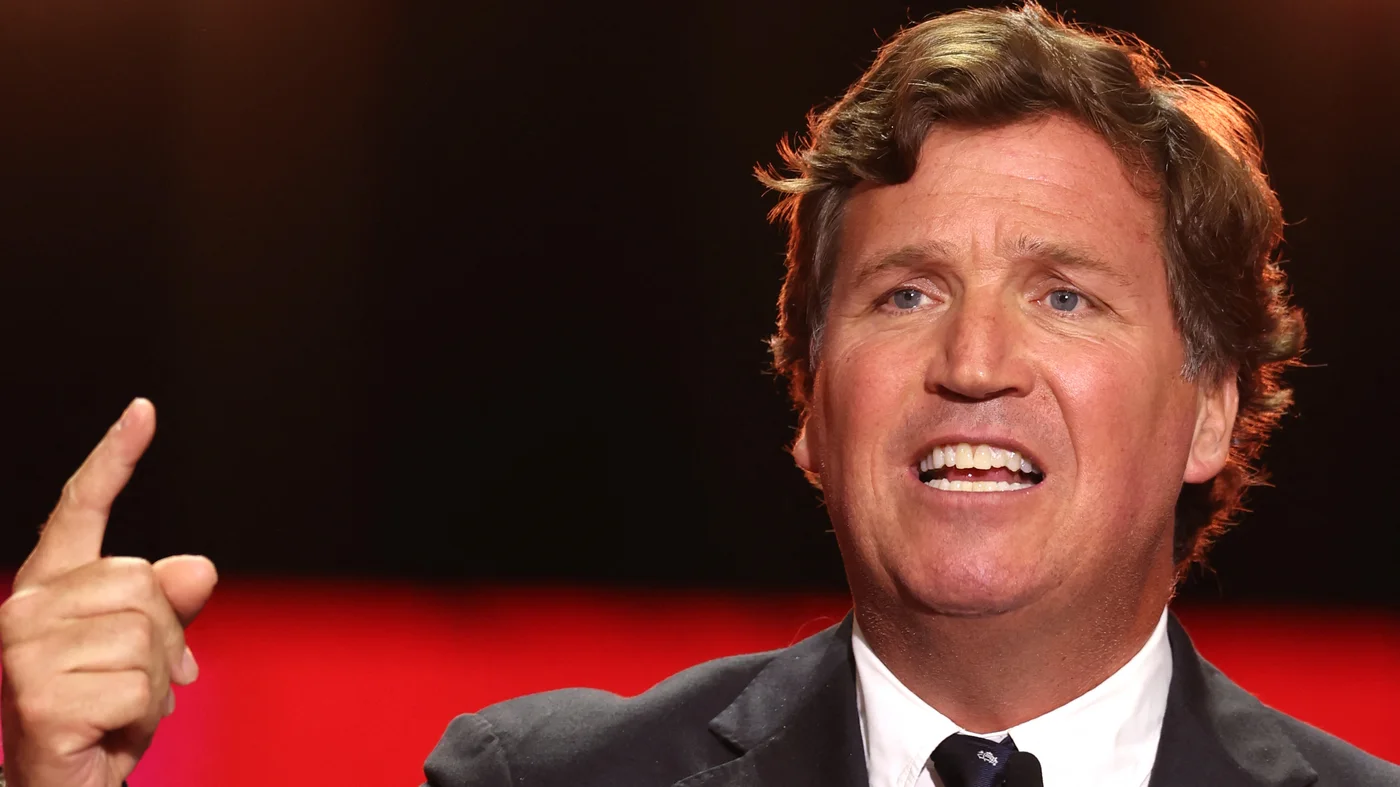
    In a recent broadcast, prominent US political commentator Tucker Carlson leveled explosive allegations against Israel, claiming that Saudi and Qatari authorities had apprehended Mossad operatives for allegedly planning bombings within their borders. Carlson questioned the strategic rationale, asking his audience, “Why would the Israelis be committing bombings in Gulf countries, which are also being attacked by Iran? Aren’t they on the same side?” He concluded that Israel’s objective is to deliberately sow chaos among America’s Arab allies, including Qatar, the UAE, Saudi Arabia, Bahrain, Oman, and Kuwait.

    These remarks are situated within a broader context of Carlson’s contentious history with the Israeli government. He recounted a February incident where he and his team were reportedly detained by Israeli security officials shortly after an interview with US Ambassador Mike Huckabee. During that interview, Huckabee asserted a ‘divine right’ for Jews to settle on Palestinian land and denied the existence of a distinct Palestinian national identity—a conversation that followed a public dispute between the two regarding Israel’s treatment of Christians. Carlson’s past criticisms of Israel, including accusations of murdering children during a visit to Gaza refugees in Qatar, previously earned him the ‘Antisemite of the Year’ designation from a pro-Israel advocacy group.

    Carlson’s commentary emerges against a backdrop of severe regional escalation. The United States and Israel have launched a sustained joint military campaign against Iran, which has reportedly resulted in the deaths of Supreme Leader Ayatollah Ali Khamenei, Defense Minister Aziz Nasirzadeh, IRGC Commander Mohammad Pakpour, Defense Council Secretary Ali Shamkhani, and hundreds of civilians—including approximately 150 girls in a school strike. In response, the Islamic Revolutionary Guard Corps (IRGC) claims to have targeted over 500 US and Israeli sites using hundreds of drones and missiles.

    The conflict’s economic repercussions are immediate and severe. An Iranian drone attack caused a limited fire at Saudi Aramco’s Ras Tanura refinery, prompting Saudi Arabia to close its largest oil facility and Qatar to halt liquefied natural gas (LNG) production. Consequently, European gas prices surged by nearly 50%, and insurance providers have cancelled war-risk coverage for ships transiting the Persian Gulf. With European powers like France, Germany, and the UK pledging readiness to take defensive action to protect their interests, and President Trump warning of an impending ‘big wave,’ the situation continues to intensify.

  • Pakistan says it killed 67 Afghan security force members in fifth day of fighting

    Pakistan says it killed 67 Afghan security force members in fifth day of fighting

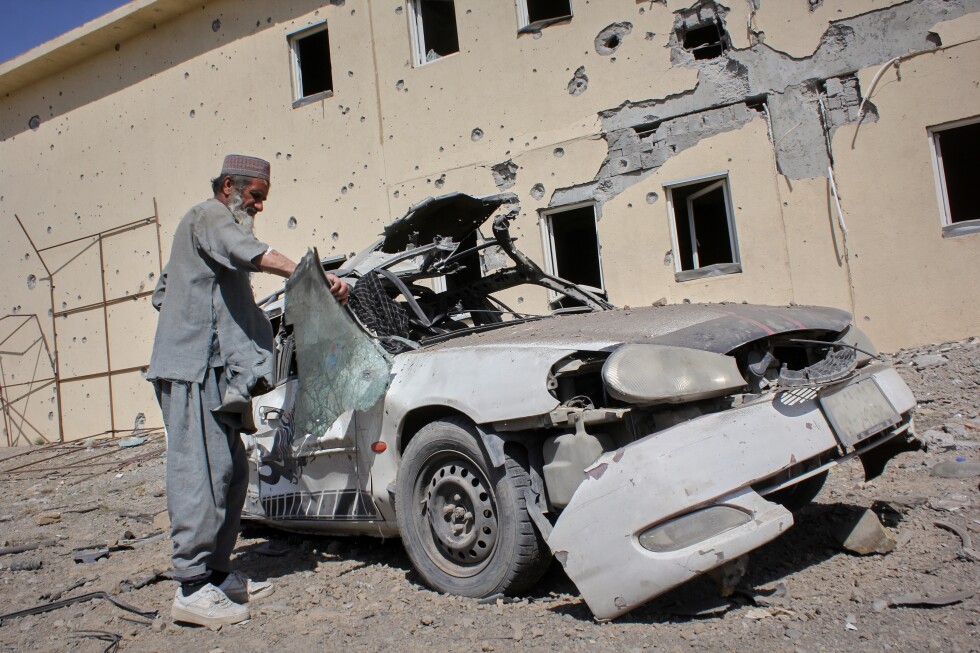
    ISLAMABAD (AP) — A significant escalation of hostilities erupted along the Pakistan-Afghanistan border early Tuesday as Afghan ground forces launched coordinated assaults against Pakistani military installations. According to Pakistani officials, the attacks targeted 16 distinct locations in the southwestern province of Balochistan, specifically in the districts of Qilla Saifullah, Nushki, and Chaman. Concurrently, Afghan forces initiated offensive operations at 25 points in the northwestern Khyber Pakhtunkhwa border region.

    Pakistani Information Minister Attaullah Tarar declared that national forces ‘successfully repelled these multiple attacks.’ In a statement released on the social media platform X, Tarar detailed that Pakistani retaliatory strikes resulted in the deaths of 67 members of the Afghan security forces. He further reported that one Pakistani soldier was killed during the intense cross-border exchanges of fire.

    This recent surge in violence marks the fifth consecutive day of active combat between the two neighboring nations, effectively terminating a ceasefire arrangement that had been mediated by Qatar and Turkey in October. The current cycle of retaliation began last Thursday, with Afghanistan characterizing its actions as a direct response to Pakistani airstrikes conducted the prior Sunday.

    Since the initiation of hostilities, Pakistan has asserted the elimination of 435 Afghan security personnel and the capture of 31 strategic positions. Kabul has not provided immediate commentary on the specific casualty figures released by Islamabad, though Afghan authorities have previously claimed to have inflicted substantial losses upon Pakistani military units.

    Pakistani President Asif Ali Zardari defended the ongoing military operations on Monday, emphasizing that Islamabad had exhausted all diplomatic avenues before authorizing strikes against militant factions operating from Afghan territory. Zardari issued a direct appeal to the Taliban government in Kabul to disarm groups responsible for orchestrating attacks within Pakistan.

    The situation has drawn international concern as Pakistan has formally characterized the conflict as an ‘open war’ with Afghanistan. The restive border region remains a known stronghold for multiple militant organizations, including al-Qaida and the Islamic State group. Pakistan attributes a recent surge in domestic violence primarily to the outlawed Tehreek-e-Taliban Pakistan (TTP), which maintains operational bases both inside Pakistan and across the border in Afghanistan. Islamabad accuses the Afghan Taliban government of providing safe havens to the TTP, an allegation consistently denied by Kabul.