作者: admin

  • Conservative Anglican leaders restructure the global religious body after 400 years

    Conservative Anglican leaders restructure the global religious body after 400 years

    ABUJA, Nigeria — In a significant restructuring move that signals a substantial departure from established Anglican traditions, conservative global Anglican leaders have fundamentally reorganized their institutional framework. During a major gathering in Nigeria’s capital, the Global Anglican Future Conference (Gafcon) announced the dissolution of its previous Gafcon Primates Council and established the new Global Anglican Council as its replacement.

    The newly formed council will incorporate primates, advisers, and guarantors—comprising bishops, clergy, and lay members—all granted equal voting rights. This revolutionary governance model represents a dramatic shift from traditional Anglican hierarchy. The Right Reverend Paul Donison, Gafcon’s general secretary, emphasized that the council chairman, while being a primate, would not function as ‘primus inter pares’ (first among equals), marking a departure from centuries of Anglican tradition.

    The Abuja conference attracted 436 delegates from 48 nations, representing more than 180 dioceses worldwide. This substantial participation underscores the global reach of the conservative movement within Anglicanism. The restructuring emerges from longstanding tensions between conservative and liberal factions within the communion, particularly regarding theological interpretation and social issues.

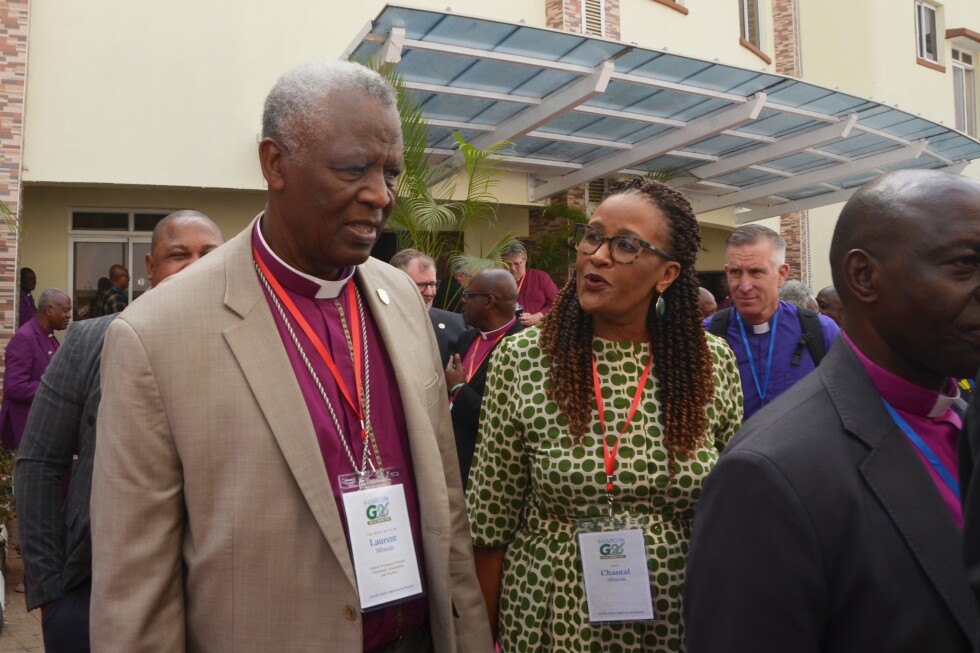
    Archbishop Laurent Mbanda from Rwanda, unanimously elected to chair the new Global Anglican Council, articulated the necessity of rejecting previous instruments that ‘have not worked for us.’ The conservative bloc has consistently opposed progressive developments within European and North American Anglican churches, including same-sex marriage and the ordination of openly LGBTQ+ clergy.

    This institutional transformation represents the latest development in decades of escalating division within the worldwide Anglican Communion. The restructuring specifically challenges the traditional leadership role of the Archbishop of Canterbury, currently held by Sarah Mullally, the first woman to occupy this spiritual leadership position. Last year, Mbanda had explicitly called for a comprehensive ‘reordering’ of the Anglican Communion, indicating that the current changes represent the implementation of that vision.
  • Zelenskyy says he’s reluctant to repair pipeline that brings Russian oil to Central Europe

    Zelenskyy says he’s reluctant to repair pipeline that brings Russian oil to Central Europe

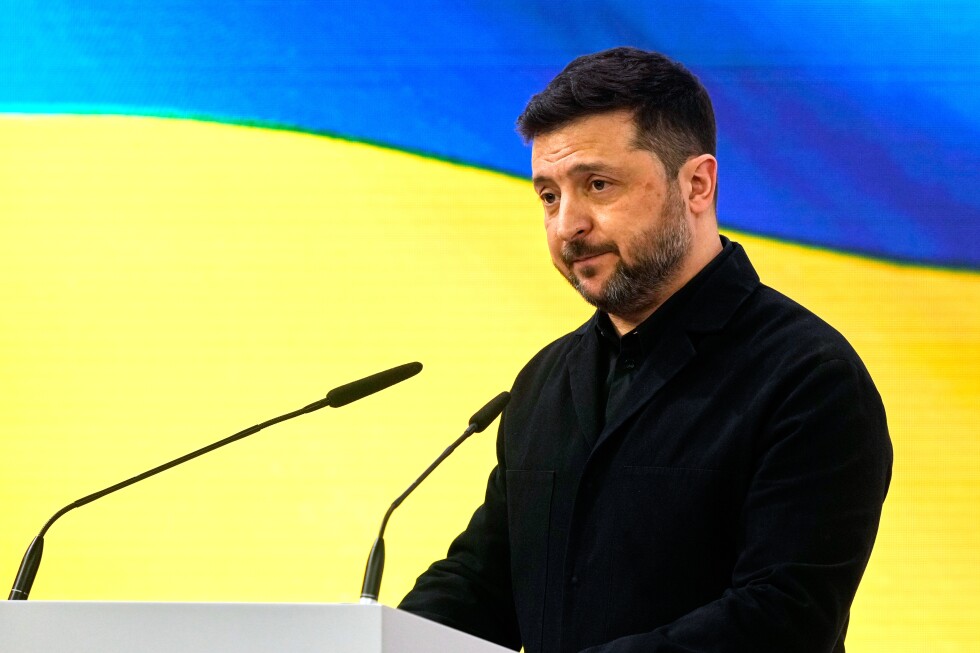
    BUDAPEST, Hungary — Ukrainian President Volodymyr Zelenskyy has publicly rejected demands from Hungary and Slovakia to repair a critical Russian oil pipeline damaged by military strikes, escalating a political confrontation that now threatens European Union financial support for Ukraine’s war effort.

    The Druzhba pipeline, which transports Russian crude through Ukrainian territory to Central European nations, has been non-operational since January 27 following what Ukrainian authorities identify as Russian drone attacks. The interruption has triggered a diplomatic crisis with Hungary’s Prime Minister Viktor Orbán and Slovak leadership, who continue importing Russian fossil fuels contrary to most EU members.

    During a Thursday press briefing, Zelenskyy expressed firm resistance to restoring the pipeline despite mounting pressure. “To be honest, I wouldn’t restore it. This is my position,” the Ukrainian leader stated, emphasizing that repair operations would endanger technicians while leaving the infrastructure vulnerable to continued Russian targeting.

    The Orbán government, widely regarded as Moscow’s closest ally within the EU, has retaliated by blocking a crucial €90 billion EU loan package destined for Ukraine’s defense against Russian invasion. Budapest has vowed to veto all future pro-Ukraine decisions until oil shipments resume.

    With Hungary facing pivotal elections next month, Orbán has intensified an aggressive campaign framing Ukraine as an existential threat. Speaking at an economic forum, the Hungarian leader declared: “We will win and we will win with force in this feud. We have political and financial tools to compel them unconditionally to reopen the pipeline.”

    Both Hungary and Slovakia have proposed deploying inspectors to assess pipeline damage in western Ukraine. Zelenskyy acknowledged anticipating formal EU requests for access but maintained his opposition to resuming Russian oil transfers.

    The Ukrainian president pointedly questioned the moral calculus of the situation: “This is Russian oil, and there are certain principles that have no price. They kill us, and we have to give oil to Orbán because he cannot win elections without it?”

    The standoff represents a significant fracture in European unity regarding Ukraine support, with Orbán leveraging Hungary’s EU membership to advance Moscow-aligned positions while Zelenskyy prioritizes military security over diplomatic concessions.

  • Premier Li reaffirms commitment to Hainan Free Trade Port development

    Premier Li reaffirms commitment to Hainan Free Trade Port development

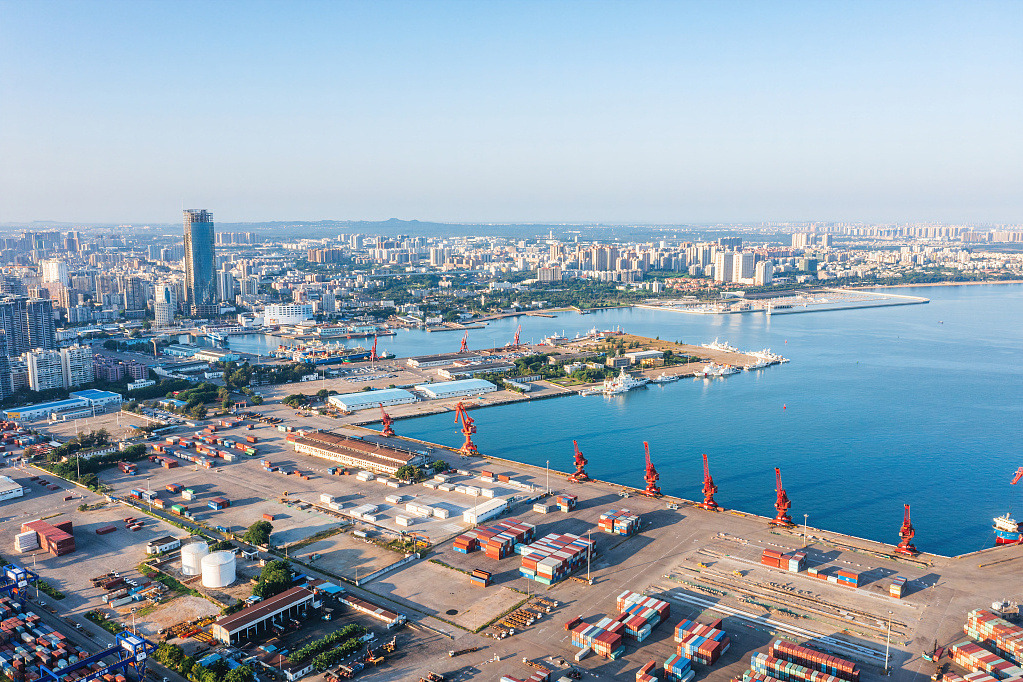
    In a significant policy address at the fourth session of the 14th National People’s Congress, Premier Li Qiang reaffirmed China’s commitment to advancing the Hainan Free Trade Port as a cornerstone of the nation’s economic reform and high-standard opening-up strategy. This marks the eighth consecutive year the ambitious project has been highlighted in the government’s annual work report, signaling its enduring strategic importance.

    The development initiative has already yielded substantial results since the December 18 implementation of island-wide special customs operations, a landmark achievement in Hainan’s economic transformation. Within just two months of the policy launch, foreign investment in the region surged dramatically, with new foreign-funded enterprises increasing by 45.6 percent. The tariff liberalization framework expanded significantly, raising the proportion of imported goods eligible for zero tariffs from 21 percent to 74 percent.

    Customs data reveals impressive trade growth exceeding 9 percent during this period, demonstrating the immediate impact of the policy changes. The special economic zone offers unique advantages, including provisions that allow imported products undergoing at least 30 percent value-added processing in Hainan to enter mainland China tariff-free. Additionally, certain goods restricted or banned elsewhere in China enjoy liberalized policies within the free trade port.

    The economic benefits became particularly evident during the recent Spring Festival holiday, where zero-tariff goods imports reached approximately 48.6 million yuan ($7.04 million), resulting in tariff exemptions of about 9.4 million yuan. Premier Li emphasized that China will continue to enhance the layout and scale of pilot free trade zones to strengthen their innovation-driven development capacity, positioning Hainan as a model for China’s future economic openness.

  • Iran war: short-term pain, long-term gain for China

    Iran war: short-term pain, long-term gain for China

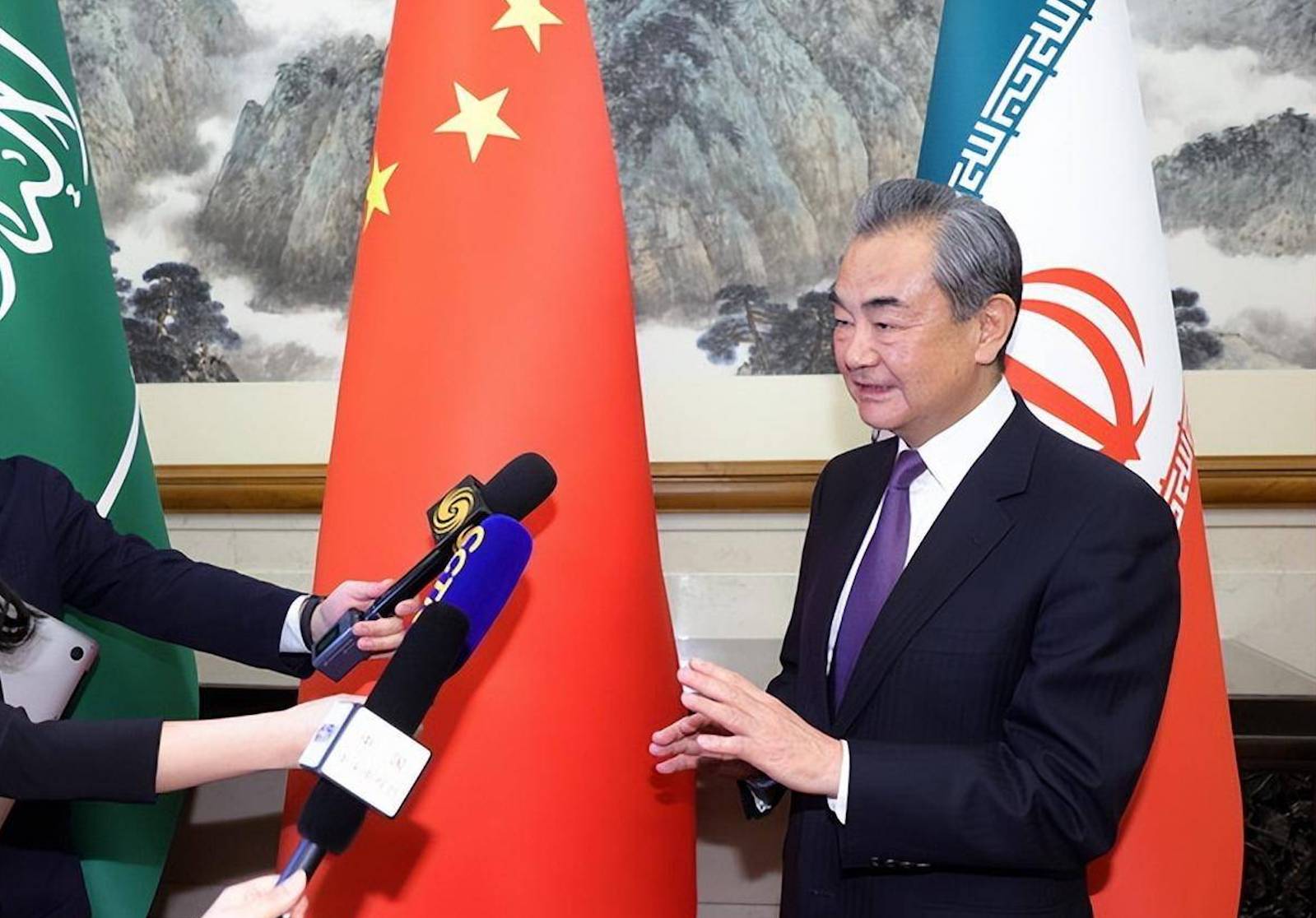
    China has issued a forceful diplomatic condemnation against joint US-Israeli military operations targeting Iran, characterizing the attacks as a blatant breach of United Nations principles and fundamental international norms. Through its state-operated Xinhua News Agency, Beijing denounced what it termed a severe departure from established global governance standards, echoing its earlier response to US actions against Venezuelan leadership in January.

    Foreign Minister Wang Yi reinforced China’s position against nations assuming self-appointed roles as ‘global police’ or international adjudicators. Beyond rhetorical opposition, China’s technological infrastructure has provided tangible strategic advantages to Iran during the 12-day 2025 conflict. The BeiDou Navigation Satellite System emerged as a critical alternative when American GPS jamming disrupted Iranian civilian and military operations, granting Tehran enhanced capability to monitor US military assets.

    The confrontation carries substantial economic implications for China, which imported over 520 million barrels of Iranian crude oil in 2025. Current disruptions to Hormuz Strait shipping routes threaten China’s energy security, given that more than half of its crude imports originate from Gulf nations.

    Paradoxically, the conflict may advance China’s broader geopolitical objectives. While some nations like Panama have reconsidered Chinese partnerships under US pressure, other Western allies including Canada, Germany and the United Kingdom have sought strengthened economic ties with Beijing amid concerns about Washington’s reliability. The unpredictability of US foreign policy under the Trump administration has amplified China’s messaging about stability and multilateral cooperation.

    Regional analysts suggest prolonged Middle Eastern engagement could divert US attention from its intended ‘pivot to Asia,’ potentially recreating what observers term another ‘lost decade’ for American influence in the Indo-Pacific. This diversion could enable China to consolidate regional dominance while studying modern warfare technologies demonstrated in the Iran conflict.

    Though immediate economic consequences may challenge China, the geopolitical recalibration resulting from the Iran conflict may ultimately strengthen Beijing’s position as a global counterbalance to American hegemony.

  • Britney Spears arrested in California

    Britney Spears arrested in California

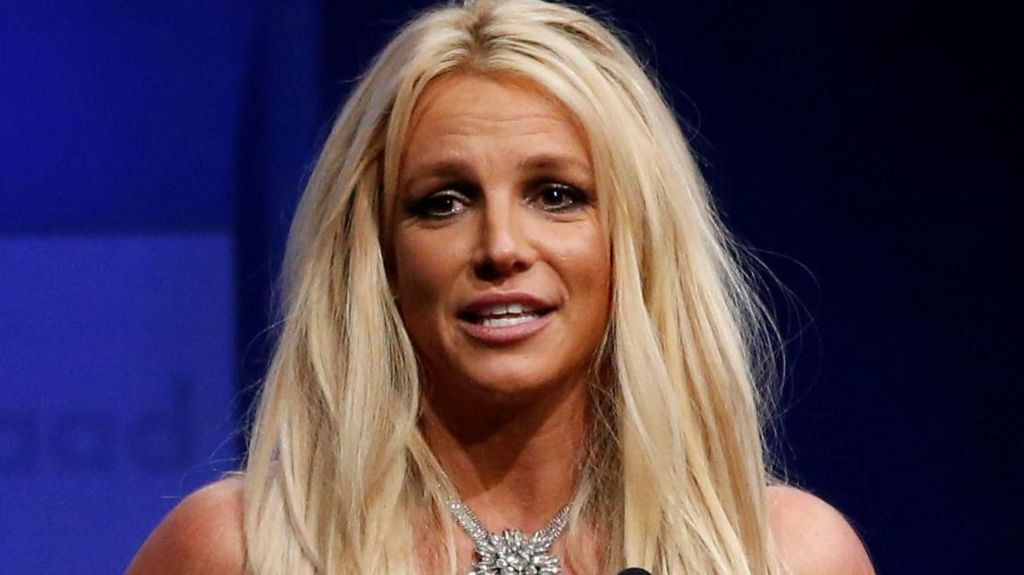
    Pop icon Britney Spears was taken into custody by California Highway Patrol officers Wednesday evening, according to official court documentation. The arrest occurred at approximately 9:30 PM Pacific Time near Ventura County, with the singer being released hours later in the early morning of Thursday. Judicial authorities have scheduled her formal court appearance for May 4th at Ventura County Superior Court, though the specific charges leading to her detention remain undisclosed in public records.

    A representative for the Grammy-winning artist addressed the situation in an exclusive statement to BBC News, characterizing the event as “an unfortunate incident that is completely inexcusable.” The spokesperson emphasized Spears’ commitment to legal compliance, noting she would “take the right steps and comply with the law.” The statement further suggested this episode might catalyze positive personal transformation, expressing hope that it would initiate “long overdue change that needs to occur in Britney’s life” and enable her to access “the help and support she needs during this difficult time.”

    In a development coinciding with her arrest, Spears’ Instagram account vanished from the platform Thursday, appearing to have been deliberately deleted. This digital disappearance echoes her previous pattern of social media activity, where she has periodically removed her online presence during personal crises.

    The arrest marks another challenging chapter for the performer who has sold over 100 million records worldwide. Spears’ career trajectory has been punctuated by both extraordinary commercial success—with era-defining hits like “Toxic,” “Baby One More Time,” and “Womanizer”—and highly publicized personal struggles. Until its termination in 2021, the singer remained under a controversial 13-year conservatorship that granted her father control over her financial and personal affairs.

    Her recent professional declarations have signaled a retreat from music industry activities, with Spears asserting in January 2024 that she would “never return to the music industry.” Her most recent musical release was a 2022 collaborative single with Elton John. However, deleted social media posts from earlier this year hinted at potential international performances in the UK and Australia, despite her avowed reluctance to perform again in the United States.

    The artist’s 2023 memoir, “The Woman in Me,” provided candid reflections on her career ascendancy and the psychological toll of her conservatorship years. This personal narrative was followed by her ex-husband Kevin Federline’s own memoir, “You Thought You Knew,” released in late 2025.

  • Xi takes part in deliberation at annual national legislative session

    Xi takes part in deliberation at annual national legislative session

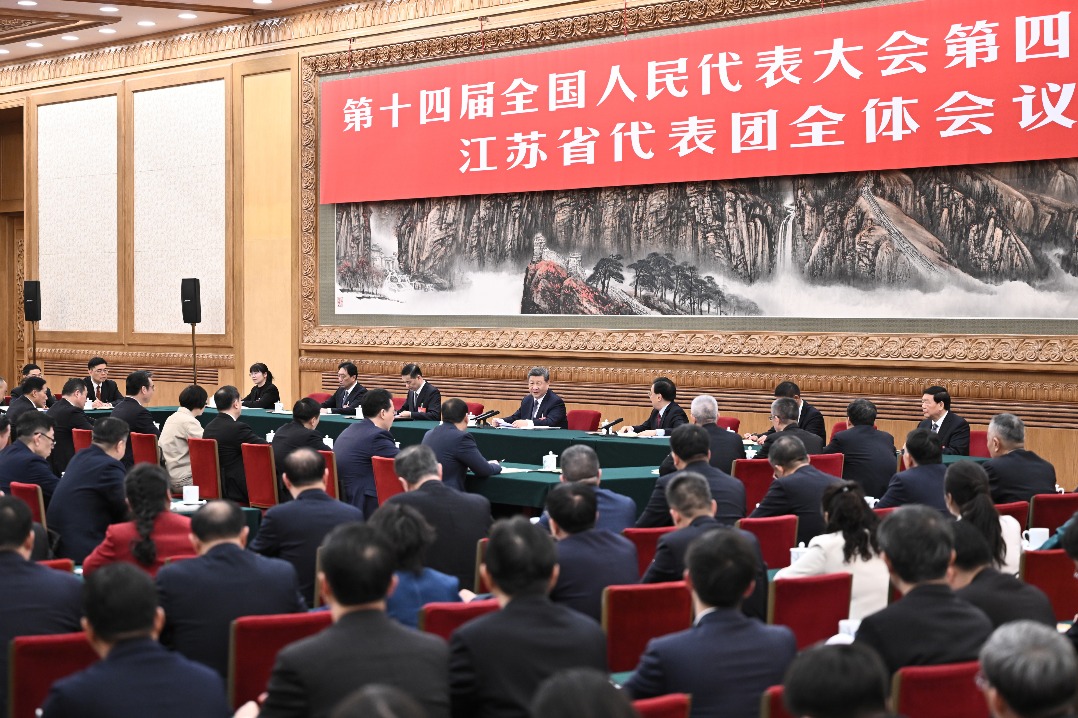
    President Xi Jinping participated in a crucial deliberation session on Thursday with deputies from Jiangsu province during the ongoing Fourth Session of the 14th National People’s Congress (NPC), China’s supreme legislative body. The engagement marks a significant moment in the annual parliamentary gathering that sets the nation’s policy direction.

    During the deliberation at the Great Hall of the People, President Xi, who also serves as General Secretary of the Communist Party of China Central Committee and Chairman of the Central Military Commission, listened attentively to representatives’ insights and contributed to discussions concerning regional development strategies. The Jiangsu delegation, representing one of China’s most economically dynamic provinces, presented reports on their implementation of national policies and regional development achievements.

    This participation underscores the leadership’s commitment to understanding grassroots realities and incorporating local perspectives into national policymaking. The deliberation focused on multiple dimensions of modernization, with particular emphasis on high-quality development models that balance economic growth with environmental sustainability.

    President Xi’s engagement with provincial delegations during NPC sessions has become a established practice that demonstrates the hierarchical yet interconnected nature of China’s governance structure. These interactions facilitate direct communication between central leadership and local implementers, ensuring policy coherence across administrative levels.

    The current NPC session, convened annually in Beijing, brings together nearly 3,000 deputies from across China to review government work reports, approve budget allocations, and deliberate on legislative matters that shape the nation’s developmental trajectory through the coming year.

  • Thousands of students rally after woman’s explicit images circulated

    Thousands of students rally after woman’s explicit images circulated

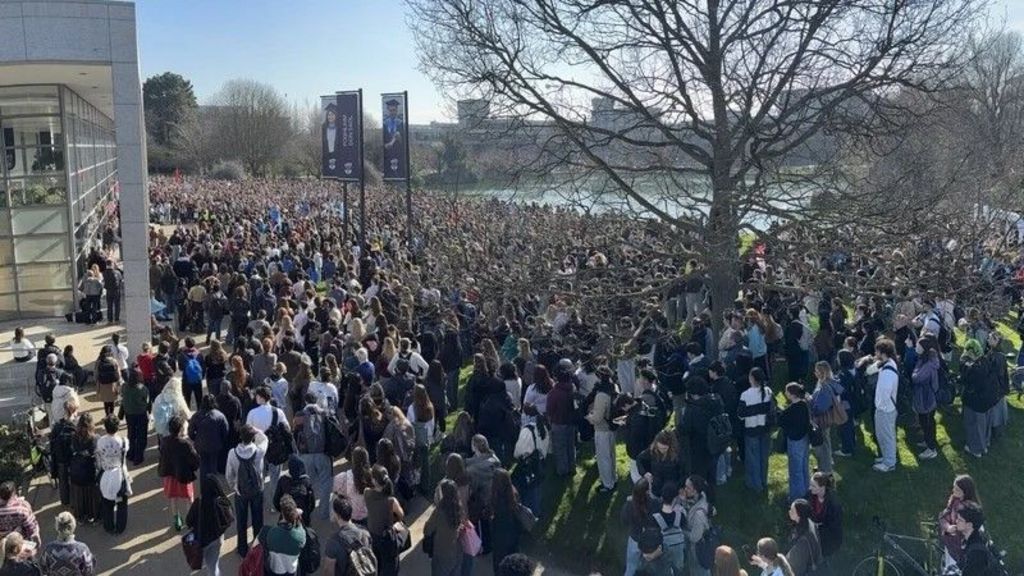
    A massive demonstration engulfed the campus of University College Dublin (UCD) as thousands of students mobilized in a powerful display of solidarity with victims of sexual violence. The protest was triggered by the malicious circulation of a sexually explicit image of a fellow student, which was disseminated to a vast network of university staff emails and a large student WhatsApp group.

    The university’s Students’ Union orchestrated the rally, condemning both the horrific act and what they perceive as UCD’s inadequate institutional response. Protestors marched across campus, voicing demands for the university to enact stronger measures against sexual violence and to provide more robust support systems for affected students.

    At the heart of the case is a student, pseudonymously identified as Caitlyn, who revealed she is the individual depicted in the circulated image. In a deeply personal account, Caitlyn disclosed that the image was taken without her knowledge or consent following an alleged rape three years ago, an incident she initially did not report to Irish police (Gardaí) for fear of not being believed.

    Her world shattered two years later when Gardaí informed her that the image had been anonymously sent to over 170 UCD staff email accounts from a ProtonMail account, an encrypted service that complicates tracing the sender. The emails contained abusive language, derogatory comments about her appearance, and suggestions that she should take her own life.

    The case escalated months later when the same image was redistributed to a WhatsApp group of 300 UCD students, including Caitlyn herself. This repeated violation has intensified criticism of the university’s handling of the situation, with the Students’ Union accusing UCD of a delayed and insufficiently strong condemnation.

    In response to mounting pressure, UCD issued statements emphasizing its full cooperation with the Gardaí in this ‘extremely distressing and complex’ case. The university outlined that it ‘acted immediately’ upon discovery, contacting authorities and attempting to delete the emails pre-emptively. It also implemented systems to block future emails from the specific accounts used in the attack.

    Further complicating the narrative, it was revealed that prior to these incidents, Caitlyn had engaged in a legal battle with UCD regarding her academic progression after missing exams, which she attributed to the trauma of the alleged rape. The High Court ultimately ruled in the university’s favor, noting UCD’s efforts to find a solution while affirming its autonomy in academic decisions.

    Despite the immense personal trauma and institutional challenges, Caitlyn remains resolute in her ambition to become a doctor. By speaking out, she aims to foster change and prevent similar atrocities from befalling others. UCD has reiterated an open invitation for her to meet with the Dean of Medicine to discuss her future options and has pledged to work closely with the Students’ Union, adopting a ‘victim-centred approach’ to combat image-based sexual abuse (IBSA) within its community.

  • Pentagon prepares for Israeli-US war on Iran that could last until September: Report

    Pentagon prepares for Israeli-US war on Iran that could last until September: Report

    The United States Department of Defense is accelerating efforts to bolster its intelligence capabilities as the nation braces for an extended military engagement with Iran, conducted in coordination with Israel. Current military strategizing now projects operations continuing deep into the autumn season, indicating a significant escalation beyond initial forecasts.

    According to a recent Politico report, U.S. Central Command has formally requested the Pentagon dispatch additional military intelligence officers to its Tampa, Florida headquarters. These personnel reinforcements are slated to support ongoing operations targeting Iran for a minimum duration of 100 days, with potential extensions through September.

    This deployment initiative represents the Trump administration’s first documented measure to augment intelligence assets for the conflict, strongly suggesting Washington anticipates a substantially prolonged campaign compared to initial public statements. President Donald Trump had previously suggested military actions might conclude within four to five weeks, while cautiously acknowledging the possibility of a longer engagement.

    The urgent mobilization of personnel and resources simultaneously reveals Washington’s apparent lack of preparedness for the scale of hostilities initiated alongside Israel. Military operations of this magnitude typically require months of advance planning, yet the current scramble within Pentagon corridors indicates officials gravely miscalculated the potential repercussions of striking Iran.

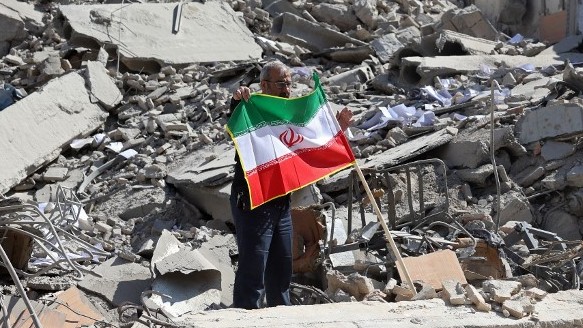
    Earlier reporting revealed senior Trump administration advisers preferred allowing Israel to initiate hostilities before commencing U.S. military actions. This sequence ultimately transpired, directly drawing Washington into active combat operations. Collaborative Israeli-U.S. attacks have resulted in significant casualties, with the Iranian Red Crescent Society reporting at least 700 fatalities and hundreds wounded, including over 165 children killed in a devastating elementary school strike.

    The conflict now threatens to define Trump’s presidential legacy while exacerbating fractures within his political base, where substantial opposition exists toward fighting another Middle Eastern war on Israel’s behalf. Secretary of State Marco Rubio openly acknowledged that Israeli actions compelled Washington’s involvement, stating administration officials anticipated Israeli operations would precipitate attacks against American forces.

    Israeli Prime Minister Benjamin Netanyahu publicly celebrated the second joint military campaign against Iran within twelve months, explicitly crediting President Trump and U.S. military support while framing the conflict as the realization of a four-decade personal objective.

  • Hegseth urges Latin American allies to go on offense against drug cartels

    Hegseth urges Latin American allies to go on offense against drug cartels

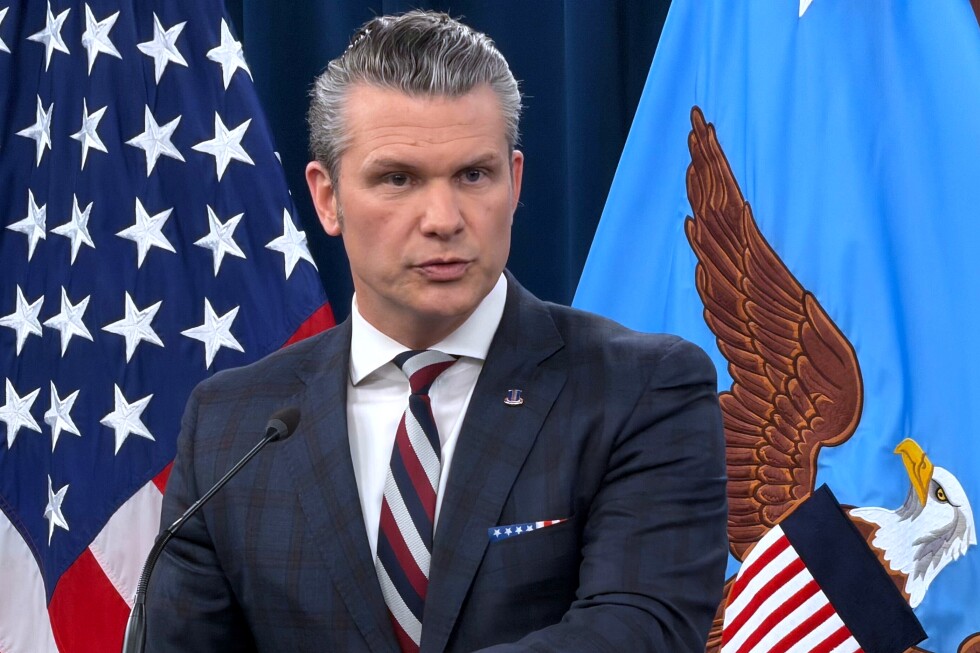
    MIAMI — U.S. Defense Secretary Pete Hegseth issued a stark warning to Latin American nations on Thursday, demanding more forceful measures against drug cartels that threaten regional security. Speaking at the inaugural Americas Counter Cartel Conference at U.S. Southern Command headquarters, Hegseth declared that Washington stands ready to take unilateral action if allied governments fail to adequately combat these criminal organizations.

    “America is prepared to take on these threats and go on the offense alone if necessary,” Hegseth told defense officials from more than a dozen conservative governments closely aligned with President Donald Trump, including Argentina, Honduras, and the Dominican Republic. The conference served as a precursor to a scheduled weekend summit between regional leaders and Trump at his Florida golf club.

    Hegseth framed the security challenge as a civilizational struggle, emphasizing the shared Christian heritage of the Americas that he claimed was endangered by decades of inadequate responses to organized crime. He explicitly rejected continuation of previous policies, stating “business as usual will not stand,” while pledging U.S. support to combat cartels and “make the Americas great again.”

    The defense secretary’s hardline position was reinforced by Deputy White House Chief of Staff Stephen Miller, who compared Western Hemisphere cartels to global terrorist organizations. “Cartels that operate in this hemisphere are the ISIS and al-Qaida of this hemisphere and must be treated just as ruthlessly,” Miller asserted, advocating for “hard power” and lethal force rather than criminal justice approaches.

    This conference occurs within the context of the Trump administration’s strategic reorientation toward Latin America, described in national security documents as the “Trump Corollary” to the 19th-century Monroe Doctrine. Since taking office in January 2025, Trump has designated Mexican and Venezuelan cartels as foreign terrorist organizations and declared the United States to be in “armed conflict” with these groups.

    The administration’s assertive stance has already translated into military action, including 44 naval strikes against suspected drug smugglers resulting in at least 150 deaths. A substantial naval deployment—the largest in Latin America since the Cold War—facilitated the January operation that captured Venezuela’s former president Nicolas Maduro, now facing drug charges in New York.

    While the approach has gained support from conservative regional leaders like El Salvador’s Nayib Bukele and recently enabled joint U.S.-Ecuador operations against criminal groups, experts caution about the risks of militarizing law enforcement in regions with historically weak institutions and problematic military legacies.

    Rebecca Bill Chavez, president of the Inter-American Dialogue and former deputy assistant defense secretary, warned: “Without strong rule-of-law institutions and civilian oversight, militarizing the fight against cartels can weaken the very institutions needed to defeat them.”

  • Panic in Beirut as Israel warns people to evacuate from the city’s southern suburbs

    Panic in Beirut as Israel warns people to evacuate from the city’s southern suburbs

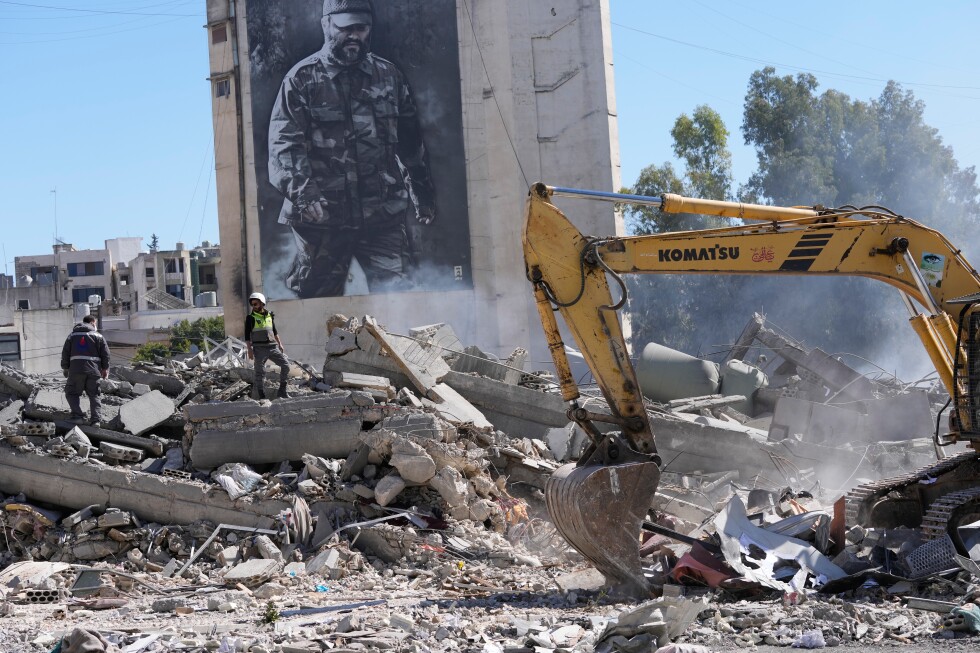
    BEIRUT — Panic engulfed Lebanon’s capital Thursday as unprecedented traffic gridlock paralyzed the city following Israel’s military directive ordering the complete evacuation of all southern Beirut suburbs. The emergency warning advised residents to “save your lives and evacuate your homes immediately” through specified routes toward central Beirut and northern areas.

    This blanket evacuation order for the Dahiyeh district—a known Hezbollah stronghold—signals an anticipated major Israeli bombardment operation. While Israel had previously issued warnings for areas south of the Litani River, this marks the first comprehensive evacuation mandate for Beirut’s southern suburbs since hostilities reignited between Israel and Hezbollah.

    The escalation follows Monday’s missile and drone attacks by Hezbollah into Israel—the first such assault in over a year—which came in response to recent U.S. and Israeli strikes on Iran. Israeli retaliation has included sustained bombardment of southern Lebanon and Beirut’s outskirts.

    According to updated figures, the conflict has already claimed 102 lives and displaced over 83,000 Lebanese citizens prior to Thursday’s evacuation order. The directive prompted urgent diplomatic intervention, with Lebanese President Joseph Aoun urgently contacting French counterpart Emmanuel Macron seeking intervention to prevent widespread strikes.

    Macron issued a statement demanding immediate de-escalation, calling for Hezbollah to cease fire toward Israel while urging Israel to refrain from ground interventions or large-scale operations in Lebanese territory. The French president confirmed communications with U.S. President Donald Trump, Israeli Prime Minister Benjamin Netanyahu, and Lebanese leadership, while announcing Paris would send humanitarian aid to Lebanon.

    Residents expressed both fear and frustration while fleeing. “We don’t put anything past them (Israel), they will strike us no matter where we go,” said Hadi Kaakour, a Dahiyeh resident. Another evacuee, Yousef Nabulsi, lamented: “We got sucked into a mess that we have nothing to do with. People have been displaced and are now staying on the streets, and this is wrong.”

    UNIFIL peacekeepers confirmed the first ground combat observations west of Kfar Kila near the Israeli border, including weapon fire and aerial attacks. This development follows Israel’s Tuesday announcement of additional troops moving into southern Lebanon, where Israeli forces have maintained presence since the November 2024 ceasefire.

    The Lebanese army has withdrawn from border areas as Israeli troops advanced, while Hezbollah has published statements and video evidence of attacks on Israeli forces, including missile strikes against tanks. The Israeli army confirmed two soldiers wounded by anti-tank fire in Lebanon on Wednesday.