作者: admin

  • Ban on mercury thermometers sparks panic buying and market transformation

    Ban on mercury thermometers sparks panic buying and market transformation

    A nationwide prohibition on mercury thermometer manufacturing has triggered unprecedented market dynamics across China, revealing deep public attachment to the traditional medical device while accelerating the healthcare sector’s digital transformation. The ban, effective January 1, 2026, implemented under China’s commitments to the Minamata Convention on Mercury, has sparked both consumer anxiety and industry innovation.

    Pharmaceutical retailers from Wuhan to Beijing report extraordinary buying surges, with prices escalating from approximately $0.70 to over $4 per unit within days. Pharmacy owner Tan Enping described implementing purchase limits as inventories dwindled: “Even with rationing of two thermometers per customer, our supplies will vanish rapidly due to overwhelming demand.”

    The phenomenon stems from generations of trust in mercury-based thermometry, with many households considering them irreplaceable despite recognized hazards. Public health expert Su Jing from Tsinghua University clarified this represents “an inevitable measure” for environmental and health protection, noting mercury’s documented risks to neurological and renal systems when devices break and release toxic vapor.

    Meanwhile, healthcare institutions have already completed their transition to digital alternatives. Wuhan No. 9 Hospital head nurse Wu Yin confirmed full departmental adoption of electronic thermometers five years ago, highlighting advantages including automated data recording and reduced infection transmission.

    Manufacturers like Yuyue Medical Equipment & Supply Company have substantially pivoted toward electronic devices, with mercury products now constituting a minor segment of their operations. Contemporary alternatives encompass digital oral thermometers and infrared temporal/auricular models employing advanced sensor calibration systems that meet clinical accuracy standards.

    The policy specifically prohibits manufacturing rather than possession or sale of existing inventory, creating an interim period where education about proper mercury cleanup procedures—including ventilation, protective equipment, and hazardous waste disposal—has become a public health priority.
  • Global Village announces competition, chance to win VIP pack for long-term UAE residents

    Global Village announces competition, chance to win VIP pack for long-term UAE residents

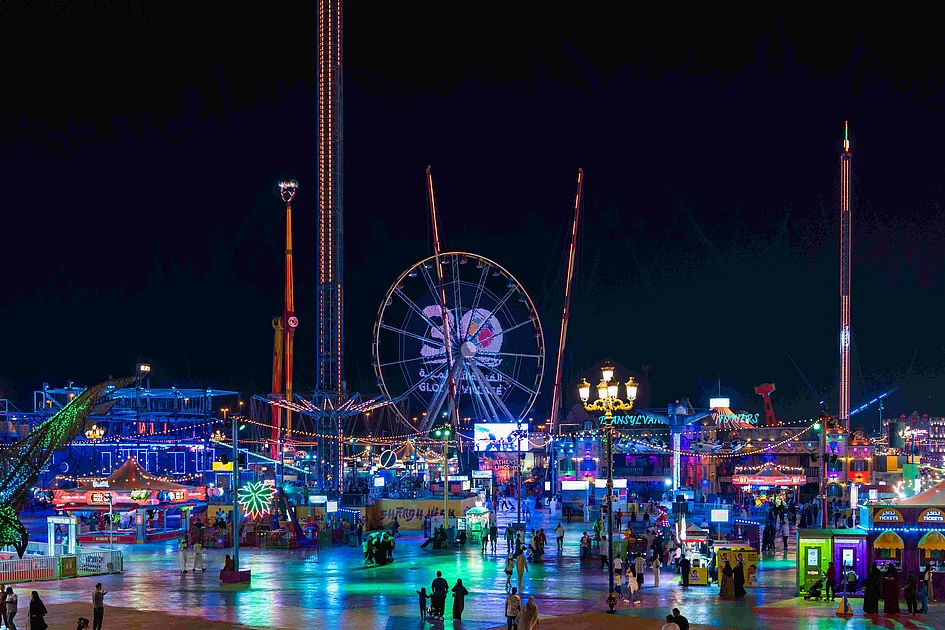
    Dubai’s premier cultural entertainment destination, Global Village, has unveiled a distinctive competition exclusively designed for its most loyal patrons. The ‘Global Village OG Fans’ initiative invites longstanding UAE residents to participate by sharing their most historical photographs taken at the park.

    The competition, active from February 9 to 13, 2026, seeks to celebrate the deep-rooted connections formed between the destination and generations of visitors. Eligible participants must possess Instagram accounts and submit personally owned archival images that could range from childhood visits to family photographs predating their birth.

    Entry requirements mandate following Global Village’s official Instagram profile, commenting on the competition announcement reel while tagging two friends, and subsequently submitting vintage photographs via direct message. The selection committee will announce winners on February 15, 2026, through the park’s official social media channels.

    Successful contestants will be awarded Season 30 VIP Packages, replicating the highly sought-after bundles that experienced rapid sell-out during their initial release. These premium packages encompass VIP parking privileges, exclusive entry access, and Wonder Pass cards redeemable at major attractions including the Stunt Show, Neon Galaxy X Challenge Zone, Exo Planet City, and Carnaval experiences.

    This marketing initiative underscores Global Village’s three-decade legacy as an integral component of UAE’s cultural landscape, where magical pavilions, world-class performances, and diverse culinary offerings have created enduring memories for millions of visitors since its establishment.

  • Naozhou Island becomes sanctuary for sea turtles, aquatic wildlife

    Naozhou Island becomes sanctuary for sea turtles, aquatic wildlife

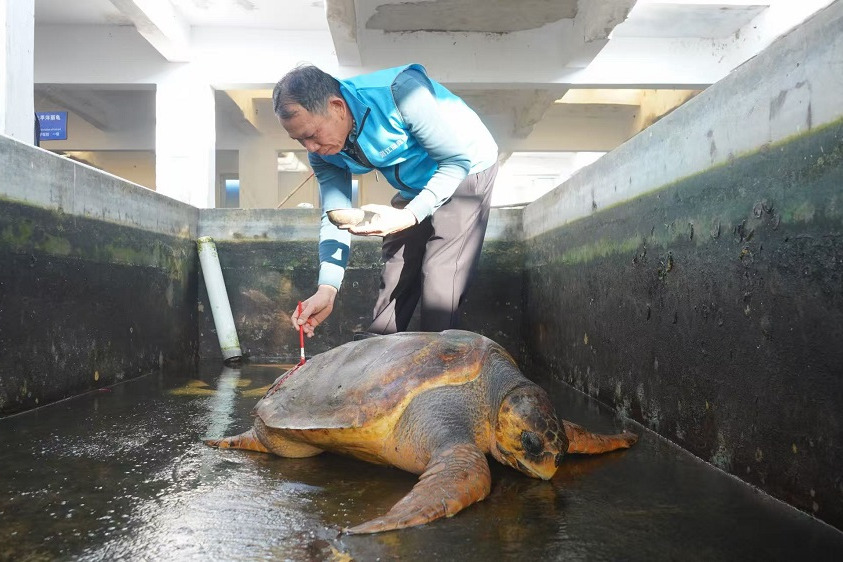
    Naozhou Island, located off the coastal waters of Zhanjiang in Guangdong Province, has transformed into a vital sanctuary for endangered marine species through dedicated conservation initiatives. This ecological haven has provided critical rehabilitation services to 252 sea turtles alongside numerous other aquatic creatures over the past 17 years, establishing itself as a model for marine preservation efforts in Southern China.

    The sanctuary’s comprehensive protection program extends beyond sea turtles to include vulnerable species such as the Chinese horseshoe crab and the nationally protected Chinese white dolphin. These conservation measures represent a significant commitment to maintaining biodiversity in the South China Sea region.

    Local authorities have implemented stringent environmental protections around the island, creating safe breeding and nesting grounds that have contributed to the steady recovery of several threatened species. The successful rehabilitation and release of marine animals back into their natural habitat demonstrates the program’s effectiveness in addressing the challenges of marine conservation.

    This long-term initiative reflects China’s growing emphasis on ecological preservation and sustainable development practices. The Naozhou Island project serves as an important case study in balancing environmental protection with regional development priorities, offering valuable insights for similar conservation efforts worldwide.

  • Xinjiang’s horse industry gallops with culture and tourism integration

    Xinjiang’s horse industry gallops with culture and tourism integration

    The Xinjiang Uygur Autonomous Region is witnessing a remarkable transformation of its traditional horse industry into a multifaceted economic powerhouse, seamlessly blending cultural heritage with tourism innovation. With the largest equine population in China, this northwestern region has developed a comprehensive industrial ecosystem spanning breeding, competitive racing, cultural preservation, and experiential tourism.

    According to Yao Xinkui, head of the Horse Industry Research Institute at Xinjiang Agricultural University and president of the Xinjiang Horse Industry Association, the region has established a fully integrated equine economy. Recent data reveals extraordinary growth, with the total output value reaching 16.95 billion yuan ($2.5 billion) in 2024, marking a significant peak in the industry’s development.

    The most explosive growth has occurred in horse racing events, which saw a staggering 230 percent increase in output value compared to 2018 levels. This surge reflects both increased domestic interest in equestrian sports and successful integration with tourism initiatives.

    The Ili Kazak Autonomous Prefecture, home to the prized Ili Horse breed, now dominates China’s domestic sports horse market, capturing over 60 percent of market share according to recent government reports. This genetic advantage has become a cornerstone of the region’s economic strategy, combining premium breeding programs with cultural experiences that attract tourists and enthusiasts nationwide.

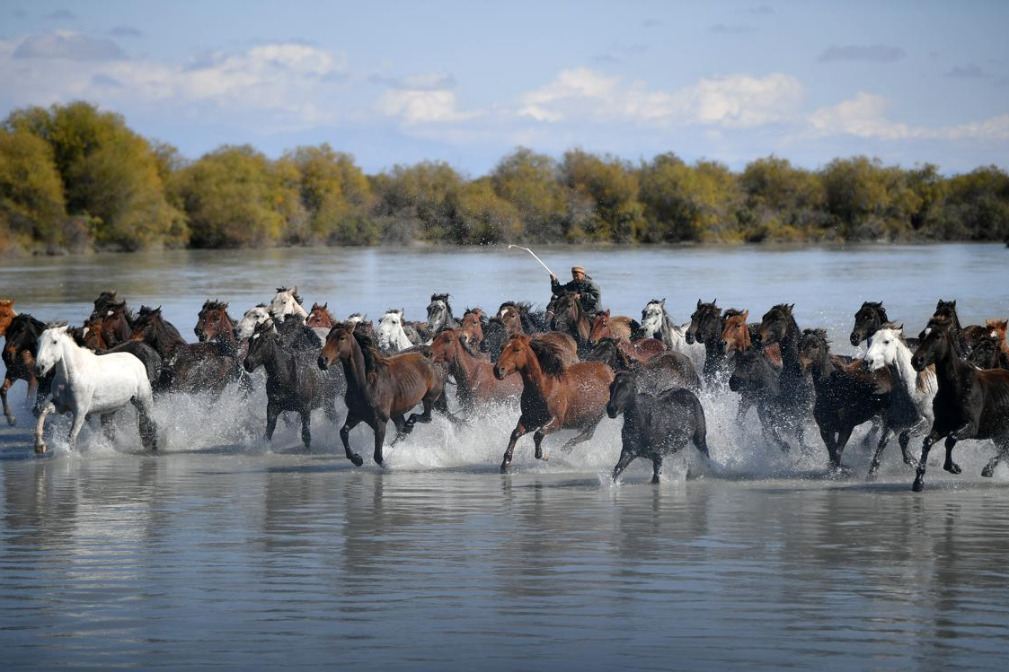
    The strategic integration of equine activities with cultural tourism has created new economic opportunities while preserving ethnic traditions. Visitors can now experience everything from traditional Kazakh horsemanship demonstrations to modern racing events, all set against Xinjiang’s dramatic landscapes including the breathtaking Zhaosu Wetland Park where horses are frequently photographed crossing rivers against mountainous backdrops.

    This equine-economic transformation represents a successful model of rural vitalization through cultural preservation and tourism innovation, demonstrating how traditional industries can evolve into modern economic drivers while maintaining ethnic heritage and promoting regional development.

  • False alarm: US-Iran talks are not a countdown to conflict

    False alarm: US-Iran talks are not a countdown to conflict

    The recent diplomatic engagement between Iranian and US officials in Muscat on February 6 represents a significant departure from fifteen years of escalating tensions. Rather than a prelude to inevitable conflict, these negotiations mark a pragmatic recognition by both nations that coercive strategies have ultimately failed to achieve their objectives.

    Washington’s approach toward Tehran has encompassed extensive sanctions, cyber operations, targeted strikes, and support for regional adversaries. Similarly, Iran has sustained substantial economic damage and seen its regional networks weakened. Despite this mutual pressure, neither regime change nor capitulation has occurred, demonstrating the limitations of confrontation.

    Diplomatic scholars recognize the Muscat talks as an initial phase in what promises to be a complex process. The discussions, mediated by Omani Foreign Minister Badr Albusaidi, enabled both parties to communicate fundamental concerns and establish preliminary boundaries. Iranian Foreign Minister Abbas Araghchi’s personal participation underscores Tehran’s serious engagement with this diplomatic initiative.

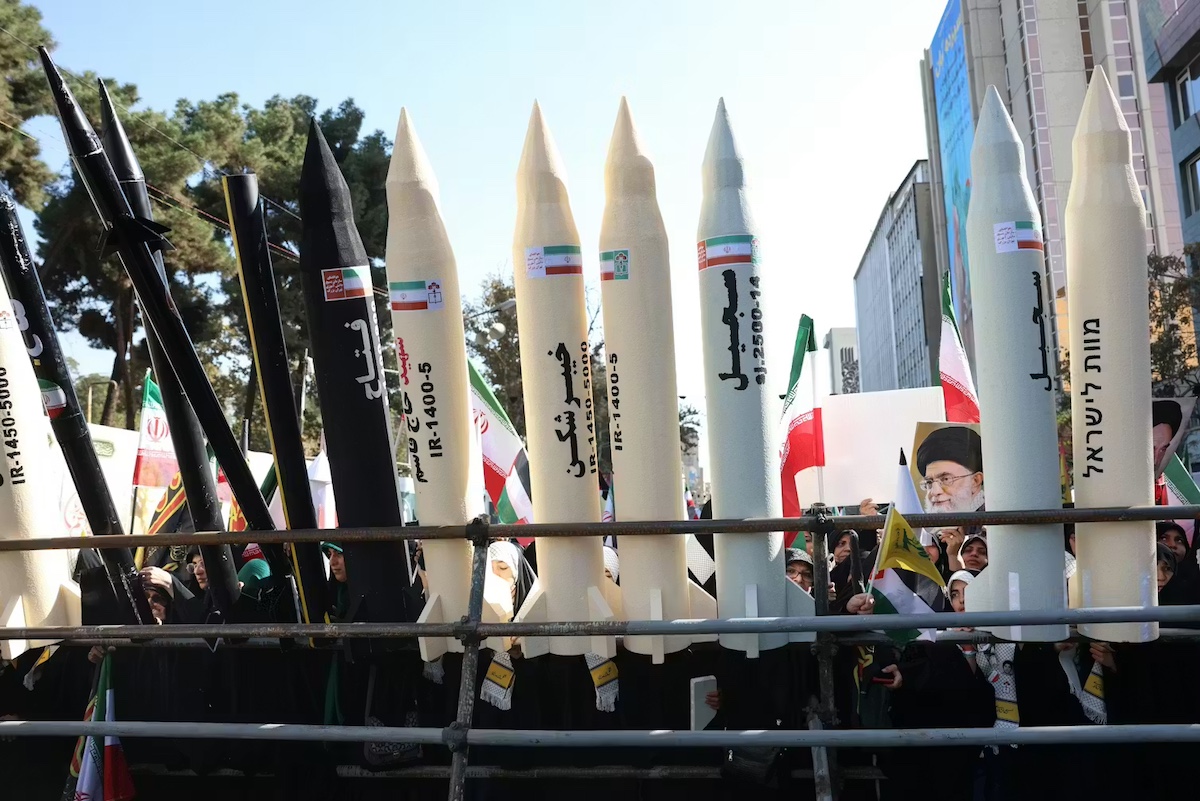
    From the US perspective, the negotiation framework includes maximalist demands addressing Iran’s ballistic missile program, regional alliances, and domestic governance. However, Tehran maintains that nuclear considerations represent the only genuinely negotiable aspect, viewing other demands as non-negotiable elements of national sovereignty and regional security.

    The critical insight emerging from these talks is that both nations recognize the catastrophic consequences of military escalation. Iran’s institutional resilience and regional integration suggest that conflict would exceed the destructive impacts witnessed in Iraq, Libya, or Syria. Conversely, the United States seeks to avoid another prolonged military engagement in the Middle East.

    While substantial obstacles remain, the continuation of dialogue itself represents progress. The negotiations reflect a mutual understanding that diplomatic engagement, however challenging, offers the only viable alternative to mutually destructive confrontation. This development suggests both nations may be transitioning from coercion to negotiation after a decade and a half of unsuccessful hostility.

  • US court blocks deportation of pro-Palestine Tufts student Rumeysa Ozturk

    US court blocks deportation of pro-Palestine Tufts student Rumeysa Ozturk

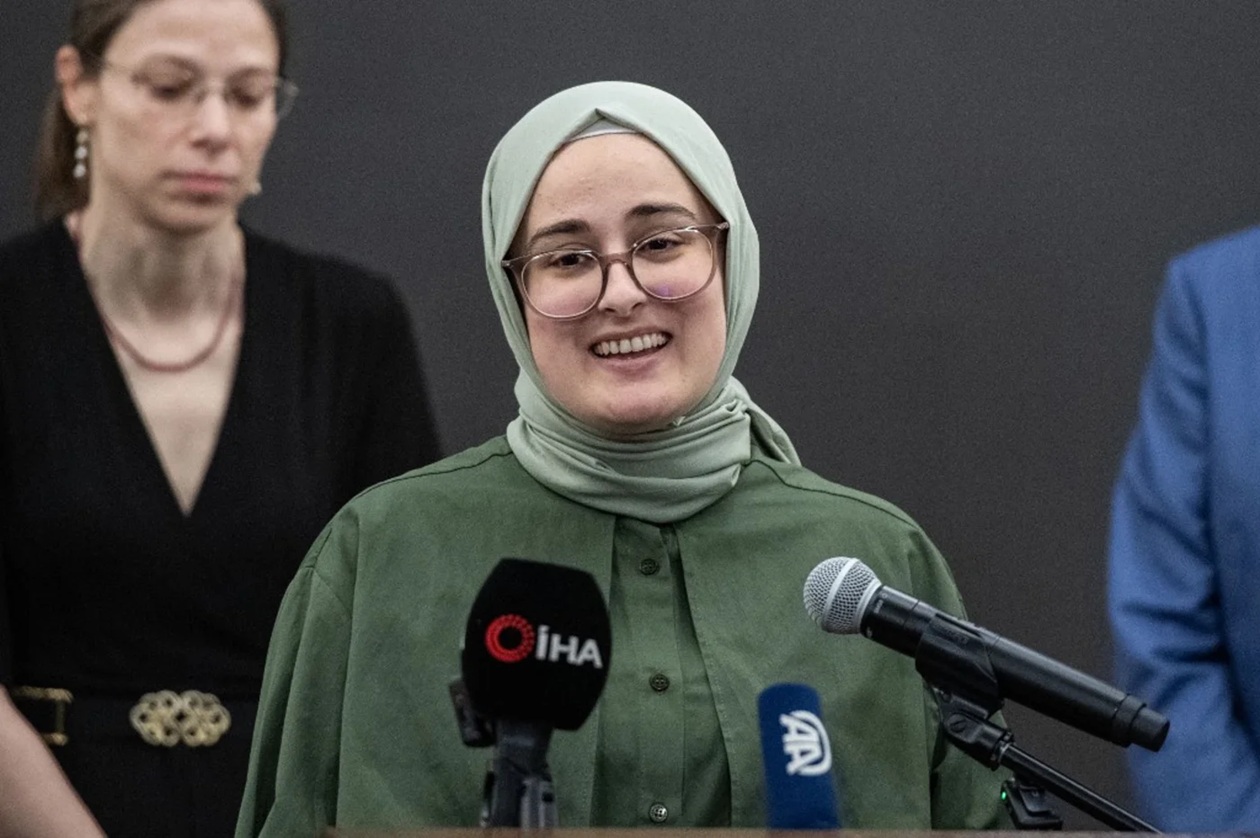
    In a significant ruling with implications for academic freedom and immigrant rights, a US immigration court has terminated deportation proceedings against Rumeysa Ozturk, a Turkish doctoral student at Tufts University. The decision comes after the Department of Homeland Security failed to substantiate claims that Ozturk represented a removable threat following her detention by Immigration and Customs Enforcement (ICE) officials last year.

    Ozturk’s case originated in March 2024 when masked agents apprehended her after the State Department revoked her student visa. This action coincided with increased scrutiny of foreign students engaged in pro-Palestinian advocacy. The catalyst appeared to be an opinion piece Ozturk co-authored in the Tufts Daily, urging the university to reconsider its ties with Israel amid the Palestinian conflict. Subsequently, her personal information appeared on Canary Mission, an Israeli-based doxxing platform that targets individuals it deems antisemitic.

    Though authorities alleged Ozturk supported Hamas, they presented no concrete evidence or criminal charges. Her legal team highlighted concerning detention conditions, including multiple interstate transfers and inadequate medical treatment for asthma attacks. In May, a judicial order had previously mandated her release, noting that continued detention risked chilling protected speech among non-citizens.

    The ruling emerges alongside the ongoing detention of Leqaa Kordia, a 33-year-old Palestinian woman hospitalized after a seizure in ICE custody. Amnesty International has demanded her immediate release, citing arbitrary detention related to her protest activities. Kordia, who lost nearly 200 family members in Gaza, was arrested during a Columbia University ceasefire demonstration and later under circumstances she describes as misleading regarding her immigration status.

    Despite two judicial recommendations for Kordia’s release, authorities have maintained her detention using post-9/11 national security provisions. She remains the final Columbia protester still detained following Trump’s crackdown on campus activism. Both cases highlight tensions between national security protocols and First Amendment rights, drawing attention to the treatment of foreign nationals engaged in political discourse.

  • French former teacher charged with abusing 89 teens dating back to 1960s

    French former teacher charged with abusing 89 teens dating back to 1960s

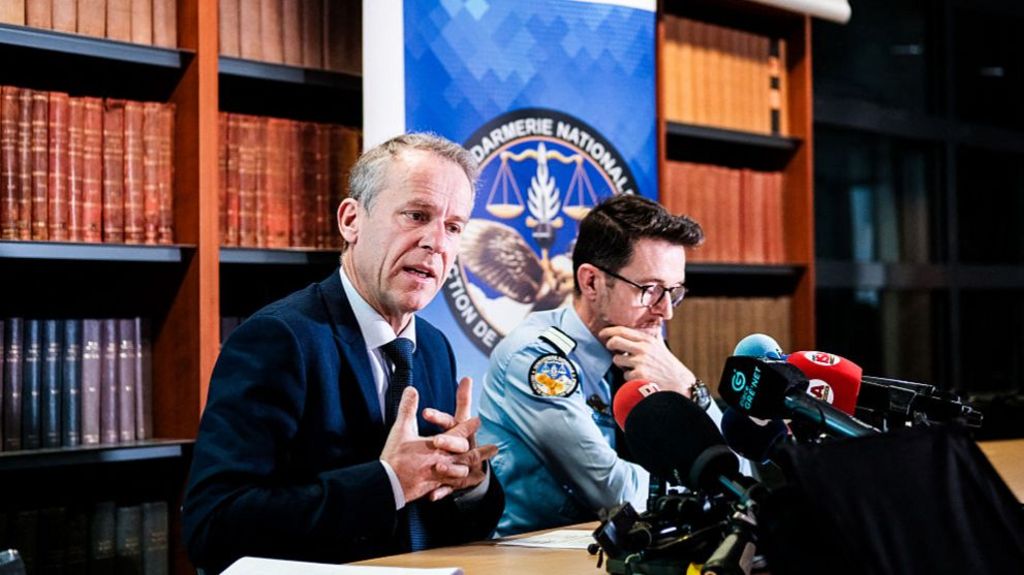
    French authorities have taken the extraordinary step of publicly identifying 79-year-old Jacques Leveugle, currently in custody in southeastern France, to facilitate victim identification in a sprawling sexual abuse case spanning six decades and multiple continents. The Grenoble prosecutor’s office revealed that Leveugle faces charges involving 89 teenage victims, with offenses allegedly occurring between 1967 and 2022 across numerous countries including France, Germany, Switzerland, Morocco, Niger, Algeria, the Philippines, India, Colombia, and New Caledonia.

    The breakthrough in this decades-long investigation came in October 2023 when Leveugle’s nephew, harboring suspicions about his uncle, discovered a USB drive containing what prosecutor Etienne Manteaux described as “15 volumes of exceptionally dense material” – including photographs and detailed written accounts of sexual encounters with minors aged 13 to 17. This evidence led to Leveugle’s arrest in 2024 while visiting family in the Isère region near Grenoble.

    Manteaux explained the unusual decision to publicly name the suspect: “Of the 89 assaults documented, we have only identified approximately 40 victims. The appeal for additional victims to come forward is crucial as many entries in his journal contain only first names, creating significant identification challenges.”

    The investigation reveals Leveugle operated as an informal educator and holiday camp assistant throughout his adult life, using his position to gain access to vulnerable teenagers. “Victims describe how he devoted considerable time to helping them learn foreign languages and develop cultural awareness,” Manteaux noted, describing the suspect as possessing “a complex personality.”

    In a disturbing development, Leveugle has allegedly confessed to two historic murders during interrogation. He claims to have suffocated his cancer-stricken mother in 1974 and his 92-year-old aunt in 1992, explaining that he hoped someone would show him similar “mercy” if he faced comparable end-of-life circumstances. A separate judicial investigation has been initiated regarding these admissions.

    Legal complications arise from France’s statute of limitations, which prevents prosecution for alleged assaults occurring before 1993. However, authorities emphasize the importance of establishing a complete historical record of Leveugle’s activities. This case follows patterns seen in other high-profile French sexual assault investigations where meticulous record-keeping by offenders ultimately contributed to their convictions, similar to the Pélicot and Le Scouarnec cases that resulted in 20-year prison sentences.

  • The mayor of Ecuador’s largest port arrested on money laundering and tax evasion charges

    The mayor of Ecuador’s largest port arrested on money laundering and tax evasion charges

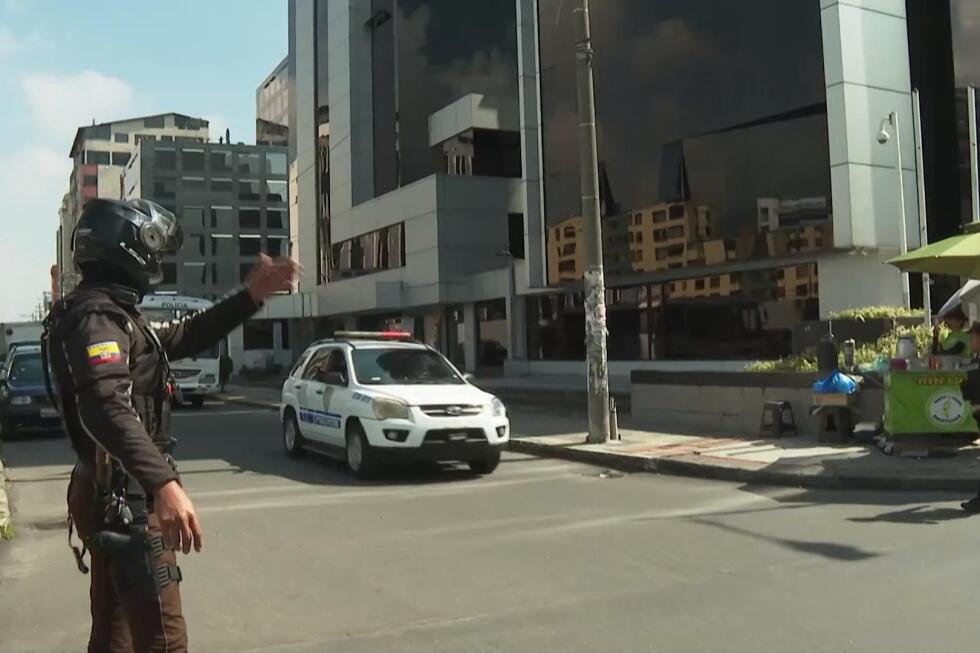
    Ecuadorian authorities have taken into custody the mayor of Guayaquil, the nation’s largest port city, on serious charges of money laundering and tax evasion. The arrest of Mayor Aquiles Álvarez on Tuesday marks a significant development in the country’s ongoing anti-corruption efforts.

    Prosecutors confirmed that ten additional individuals were detained in connection with the case, including Xavier Álvarez, the mayor’s brother who serves as president of a prominent local soccer club. During coordinated raids in Guayaquil, law enforcement officials seized substantial evidence including electronic devices and significant amounts of cash.

    The arrest has sparked allegations of political motivation from the mayor’s defense team. Attorney Ramiro Garcia publicly stated that he had not received proper documentation of the case against his client, characterizing the proceedings as potential ‘political persecution.’

    Complicating matters, authorities noted that Álvarez was not wearing a court-ordered ankle monitor at the time of his detention, which had been mandated in a separate investigation regarding alleged illegal sales of subsidized gasoline. The mayor has consistently denied all corruption allegations against him.

    Álvarez, a 41-year-old former business owner whose company operates gas stations and distributes fuel in Guayaquil, represents the Citizen’s Revolution party led by exiled former President Rafael Correa. Elected to a four-year term in 2023, his arrest occurs against the backdrop of escalating violence in Ecuador, where murder rates have increased fivefold since 2020 as international drug cartels battle for control of the country’s strategic ports.

  • Italy takes bronze in mixed doubles curling as the US and Sweden battle for gold

    Italy takes bronze in mixed doubles curling as the US and Sweden battle for gold

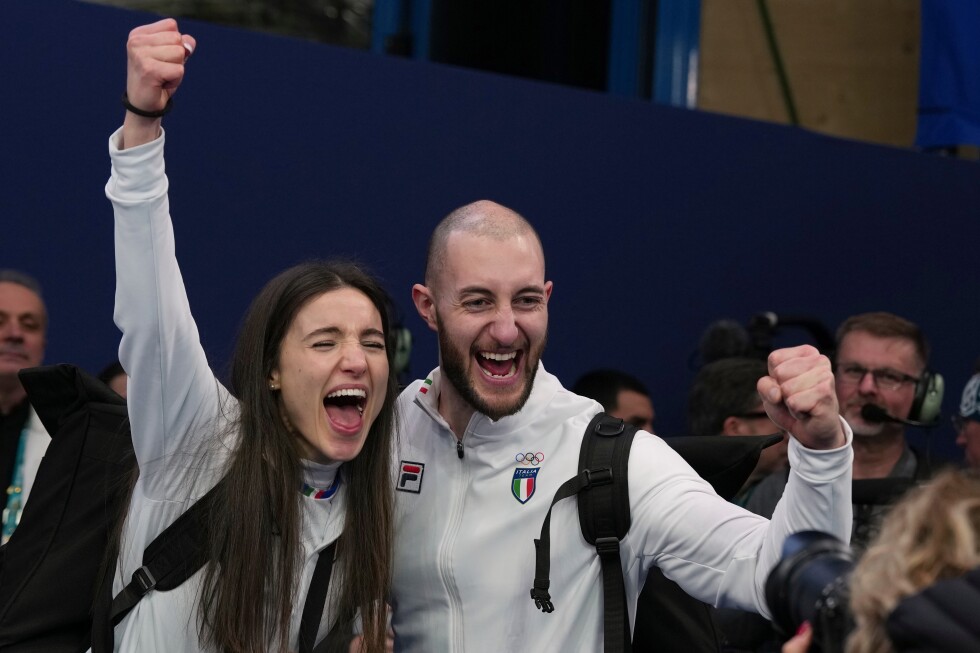
    CORTINA D’AMPEZZO, Italy — In a dramatic conclusion to the mixed doubles curling competition, Italian athletes Stefania Constantini and Amos Mosaner captured the bronze medal with a decisive 5-3 victory over Great Britain on Tuesday. The match, held before a passionate home crowd, delivered an emotional outcome for both teams involved.

    The Italian pair, who entered the tournament as defending Olympic champions, demonstrated exceptional precision with their throws, ultimately thwarting the British duo’s strategy. For Constantini, a native of Cortina d’Ampezzo, the victory held special significance as she solidified her status as a local hero, celebrated by supporters who filled the stadium throughout the competition.

    Conversely, the British team of Jennifer Dodds and Bruce Mouat faced profound disappointment. Having concluded the round-robin stage with the highest number of wins, they were widely anticipated to advance to the gold medal match. Their departure from the ice was visibly dejected following the unexpected defeat.

    The stage is now set for an unprecedented championship final between the United States and Sweden. The American pair, Cory Thiesse and Korey Dropkin—popularly known as ‘Cory and Korey’—have already secured a historic achievement by becoming the first US athletes to medal in Olympic mixed doubles curling. Thiesse additionally earns the distinction of being the first American woman to claim an Olympic medal in the discipline.

    They will compete for the gold medal against Sweden’s sibling duo, Isabella and Rasmus Wranå, ensuring a thrilling conclusion to the mixed doubles curling event at the Winter Games.

  • Deadly Karachi mall fire started in artificial flower shop, witnesses tell court

    Deadly Karachi mall fire started in artificial flower shop, witnesses tell court

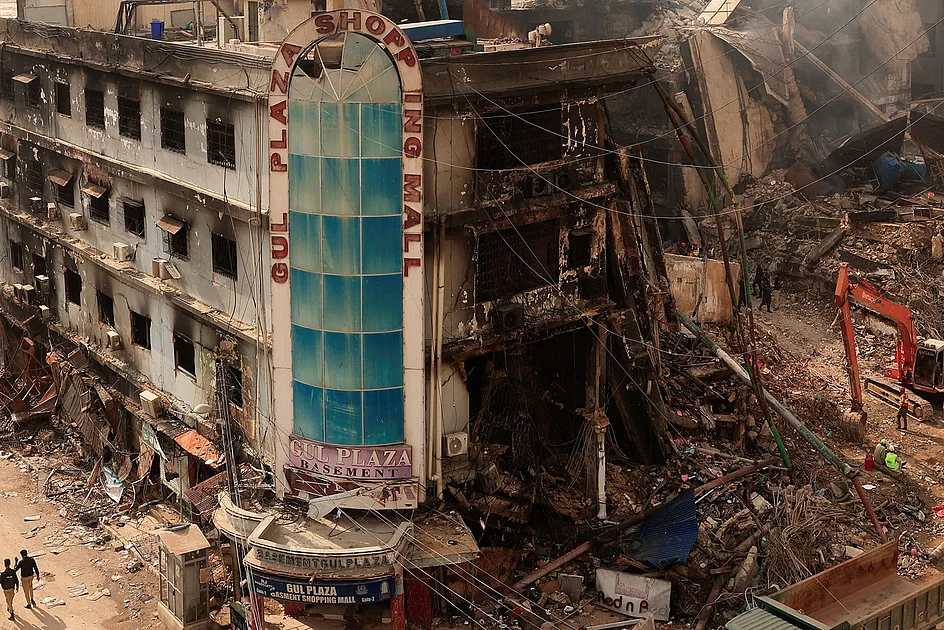
    A Pakistani court has heard compelling testimony from multiple witnesses establishing the origin of the catastrophic Gul Plaza Shopping Mall fire that devastated the Karachi structure in January. Four prosecution witnesses, including a teenage boy, provided detailed accounts before Judicial Magistrate (South) Aasim Aslam on Monday, all consistently identifying a ground-floor artificial flower shop as the blaze’s epicenter.

    The most poignant testimony came from 13-year-old Aryan, son of a neighboring shopkeeper, who described witnessing 11-year-old Huzaifa—son of the flower shop owner—playing with matchsticks moments before the conflagration erupted around 10 PM on January 17. According to his Section 164 CrPC statement, Aryan had visited the shop to meet Huzaifa, finding him alone moments before the sudden outbreak.

    Three adult salesmen working within the mall corroborated this account with remarkably consistent details. Waleed, one of the witnesses, recounted being in a nearby shop when shouts alerted him to the emergency. “The fire intensified and the place was filled with smoke,” he described, noting that market committee members had already arrived as he and others attempted unsuccessfully to remove artificial flowers secured with screws before retreating from the advancing flames.

    Hamza, 29, provided virtually identical testimony, stating he was occupied with accounting work when he observed flames erupting from Shop No. 193—the artificial flower establishment. His attempts to douse the fire with water proved futile, forcing him to seek escape through mall exits. Similarly, 28-year-old Talha reported conversing with colleagues when the sudden inferno compelled initial firefighting attempts that quickly turned to evacuation as the fire’s intensity became alarmingly apparent.

    The January 17 blaze required nearly 48 hours to fully extinguish, reducing the four-story commercial structure to ruins with multiple collapsed sections. In the aftermath, authorities have registered a manslaughter case at Nabi Bux police station against unidentified individuals as investigations continue into one of Karachi’s most devastating urban fires.