作者: admin

  • Spain’s migrants welcome amnesty: ‘It will help us in every way’

    Spain’s migrants welcome amnesty: ‘It will help us in every way’

    Spain is embarking on a landmark initiative to grant legal residency to hundreds of thousands of undocumented migrants, a move driven by both economic necessity and humanitarian principles. The program, which opens for applications in April, offers a one-year renewable residency visa to foreign nationals who can prove at least five months of residence and a clean criminal record.

    The decision emerges against a backdrop of severe challenges faced by an estimated 500,000 to over one million undocumented individuals. Migrants like Diana from Peru, who spoke to the BBC, describe a precarious existence marked by exploitation, underpayment, and restricted access to housing and banking services. ‘Employers can tell you one thing and then get you to do something else. Sometimes they pay you less than what you’ve agreed to,’ she recounted, highlighting the vulnerability of those without papers.

    However, the government, led by Prime Minister Pedro Sánchez’s Socialist coalition, frames the policy as a pragmatic solution to Spain’s economic realities. With unemployment at an 18-year low and the economy growing by nearly 3% last year, foreign labor is indispensable. Elma Saiz, Minister for Inclusion, Social Security and Immigration, revealed that foreign workers constitute 14.1% of the 22 million registered workforce and have driven half of Spain’s economic growth since 2022. A 2024 central bank report further underscored this dependency, projecting a need for 25 million migrants over the next three decades to sustain the economy and social security system.

    The initiative has garnered support from key business sectors. Farmers’ association ASAJA and the main employers’ federation, CEOE, have expressed broad approval, citing the critical role migrants play in agriculture, elderly care, and hospitality. Yet, they urge careful implementation to ensure workers secure long-term contracts.

    The policy faces fierce opposition in Spain’s polarized political landscape. The conservative People’s Party (PP) leader Alberto Núñez Feijóo condemned it as ‘the confirmation of the lack of an immigration policy,’ while the far-right Vox party warned of a ‘pull effect’ that would overwhelm public services. The European Commission has also urged caution, emphasizing that residency permits must not facilitate unlawful movement to other EU nations.

    Despite the controversy, the move is seen as a lifeline for countless individuals. In Madrid, organizations like Aculco are preparing workshops to guide applicants like Manuel, a Peruvian caregiver, through the process. ‘This will change the lives of a lot of people,’ said immigration lawyer Pilar Rodríguez, noting that regularization will allow migrants to work legally, pay taxes, and contribute fully to the society they help sustain.


  • Masked fan unplugs VAR monitor in German match

    Masked fan unplugs VAR monitor in German match

    In an extraordinary act of protest against video technology, a masked spectator disrupted a Bundesliga 2 match by deliberately disconnecting the Video Assistant Referee (VAR) equipment during Sunday’s fixture between Preussen Munster and Hertha Berlin. The incident occurred at the crucial moment when referee Felix Bickel approached the pitchside monitor to review a potential penalty decision.

    The technological sabotage took place just before halftime at Preussen Munster’s home ground, with the hosts trailing 1-0 in what would eventually become a 2-1 defeat. As Bickel attempted to review the contested incident, he discovered the monitor completely disabled, creating an unprecedented challenge for match officials.

    Club officials confirmed in an official statement that ‘a masked spectator from the active fan section illegally entered the pitch and unplugged the technical equipment.’ This forced the VAR review process to be conducted remotely by official Katrin Rafalski located in Cologne, who ultimately confirmed the penalty decision. Hertha Berlin successfully converted the spot kick, altering the match’s dynamics.

    The club expressed regret over the security breach while acknowledging evidence suggesting premeditation. ‘Initial findings indicate that this was a planned action,’ the statement continued, referencing the appearance of a banner in the home section reading ‘Pull the plug on VAR’ immediately following the technical failure. Preussen Munster has committed to identifying those responsible and implementing enhanced security measures to prevent similar incidents.

    This event represents one of the most direct physical interventions by spectators against VAR technology since its implementation in professional football, highlighting growing tensions between traditional football culture and technological advancement in the sport.

  • Courts help boost high-level opening-up

    Courts help boost high-level opening-up

    Amidst global economic complexities and a significant surge in international litigation, China’s judicial system is positioning itself as a pivotal force in shaping the nation’s high-level opening-up strategy. Supreme People’s Court President Zhang Jun revealed that Chinese courts have demonstrated remarkable capacity in handling cross-border disputes, concluding 128,000 first-instance foreign-related civil and commercial cases during the 14th Five-Year Plan period (2021-2025)—representing a 65% increase from the previous five years.

    The judicial expansion reflects China’s deepening integration into global markets, with cases spanning more than 100 countries and regions. In 2025 alone, courts nationwide handled over 67,000 foreign-related commercial and maritime cases, marking a 44% year-on-year increase. This growth parallels global supply chain restructuring and the rise of digital trade, bringing complex disputes involving international goods contracts, service trade, cross-border payments, transportation, and insurance.

    China has established specialized institutions to address this growing demand, including the pioneering International Commercial Courts in Shenzhen and Xi’an (established 2018), which have resolved 37 cases involving parties from 21 jurisdictions. Additionally, international commercial tribunals across 18 cities—including Beijing, Shanghai, and Suzhou—concluded over 1,700 foreign-related commercial and arbitration review cases in 2025, representing a 24% annual increase.

    The system’s efficiency was demonstrated in a notable case where a foreign oil tanker dispute at Qingdao port was resolved within 24 hours through coordinated efforts between maritime courts using both online and offline mediation techniques.

    Significantly, China’s judicial influence is gaining international recognition. In a landmark 2022 incident involving a collision between Liberian and Panamanian vessels in the Strait of Malacca, parties proactively selected China’s Ningbo Maritime Court despite jurisdiction options across five nations. This voluntary selection by international entities, even those without substantial connections to China, signals growing confidence in China’s judicial system.

    Reciprocity breakthroughs have further enhanced China’s legal standing. In March 2022, the Shanghai Maritime Court recognized a UK court judgment based on reciprocal principles—despite the absence of a formal judicial assistance treaty—prompting British courts to subsequently recognize two Chinese judgments and breaking the ‘zero record’ of mutual recognition between the nations.

    From 2024-2025, Chinese courts received 1,620 applications for recognizing and enforcing foreign judgments, concluding 1,510 cases, demonstrating commitment to protecting rights of all parties through fair and inclusive judicial practices.

    President Zhang emphasized that ‘openness is a key feature of Chinese modernization, and the rule of law is the foundation for achieving high-level global engagement.’ Chinese courts have actively contributed to legislative developments including the Foreign Investment Law and Law on Foreign Relations, while also playing a crucial role in international rule-making, notably through China’s full participation in developing the UN Convention on Negotiable Cargo Documents—the first transportation sector treaty originating from Chinese judicial practice.

    As global uncertainties persist, China’s judiciary positions itself as both a ‘navigator’ for opening-up and an ‘anchor of stability’ for global trade, using legal certainty to address external volatilities while providing judicial solutions that support both China’s economic stability and global economic development.

  • ‘Big year’ for Sino-US ties noted

    ‘Big year’ for Sino-US ties noted

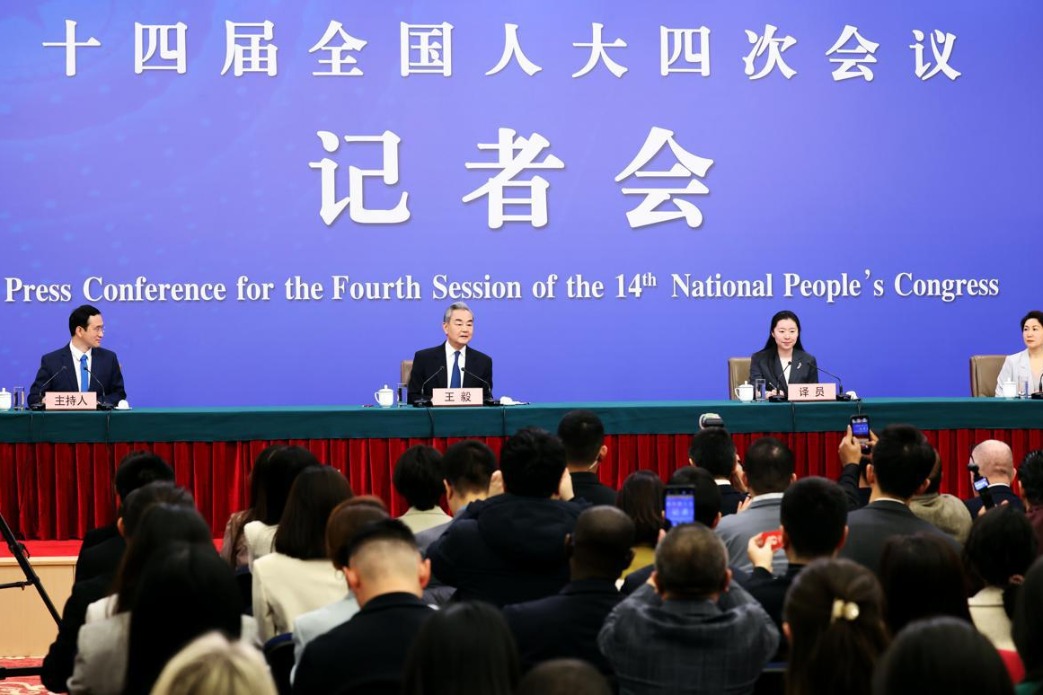
    Chinese Foreign Minister Wang Yi has characterized 2026 as a pivotal year for Sino-American relations during his annual press conference held alongside China’s National People’s Congress sessions. The senior diplomat revealed that bilateral high-level exchanges between the two powers are already scheduled, emphasizing the necessity for both nations to engage with “sincerity and good faith” to advance their complex relationship.

    Minister Wang stressed that while China maintains its consistent openness to cooperation, parallel commitment from the United States remains essential. “What the two sides need to do now is to create a suitable environment, manage the differences that do exist, and remove unnecessary disruptions,” he stated, outlining the practical steps required for relationship stabilization.

    The Foreign Minister highlighted the crucial role of presidential diplomacy, noting that the continued positive interactions between President Xi Jinping and U.S. leadership have provided “important strategic safeguards” that have steadied the relationship following previous fluctuations. Wang expressed optimism that mutual sincerity could expand cooperation areas while reducing problematic issues, potentially making 2026 “a landmark year of sound, steady and sustainable development of China-US relations.”

    Addressing broader global governance concepts, Minister Wang explicitly rejected the ‘G2′ framework that suggests Sino-American co-management of world affairs. “We should not forget there are more than 190 countries on our planet,” he remarked, advocating instead for a multipolar international system where “the future of humanity will be forged through the collective efforts of all nations.”

    Wang cautioned against historical patterns of great-power rivalry and bloc confrontation, asserting that China “will never take the beaten path of seeking hegemony as its strength grows.” He called for major nations to demonstrate greater generosity and responsibility in observing international rules and upholding legal frameworks.

    Academic experts provided additional context to these diplomatic statements. Chen Bo of the China Institute of International Studies interpreted Wang’s comments as demonstrating “Beijing’s proactive gesture in advancing ties with major countries.” Professor Jia Qingguo of Peking University emphasized the need for enhanced communication mechanisms to manage differences before escalation occurs.

    Looking forward, Minister Wang previewed an active year for Chinese diplomacy, with President Xi scheduled to host numerous foreign leaders and undertake significant international visits. Major diplomatic events including the APEC Economic Leaders’ Meeting and the second China-Arab States Summit will further China’s foreign policy objectives of building “a community with a shared future for humanity.”

  • UAE officials deny Israeli reports of strike inside Iran

    UAE officials deny Israeli reports of strike inside Iran

    The United Arab Emirates has issued a formal denial of reports circulating in Israeli media that alleged Emirati involvement in an airstrike targeting an Iranian water desalination facility. The Emirati foreign ministry released an official statement clarifying its defensive posture while explicitly rejecting any participation in the alleged attack on Qeshm Island in the Strait of Hormuz.

    The diplomatic rebuttal emerged following multiple Israeli media publications, citing anonymous sources, that pointed to UAE responsibility for the incident. Iranian Foreign Minister Abbas Araghchi had previously attributed the bombing to the United States, though both American and Israeli authorities have denied conducting the strike.

    Dr. Ali Rashid Al Nuaimi, chairman of the UAE’s Defense Affairs, Interior and Foreign Affairs Committee, characterized the reports as ‘fake news’ via social media platform X, asserting that the UAE would openly claim responsibility for any actions it undertakes. The escalating situation has revealed apparent tensions in Israeli-Emirati communications, with a senior UAE official expressing confusion over ‘Israeli conduct’ and the nature of briefings emerging from Israeli sources.

    The incident occurs against a backdrop of increasing regional instability, with Iran conducting near-daily strikes against what it identifies as US bases and assets throughout the Gulf. Gulf states have uniformly condemned these violations of their sovereignty while reserving the right to respond appropriately.

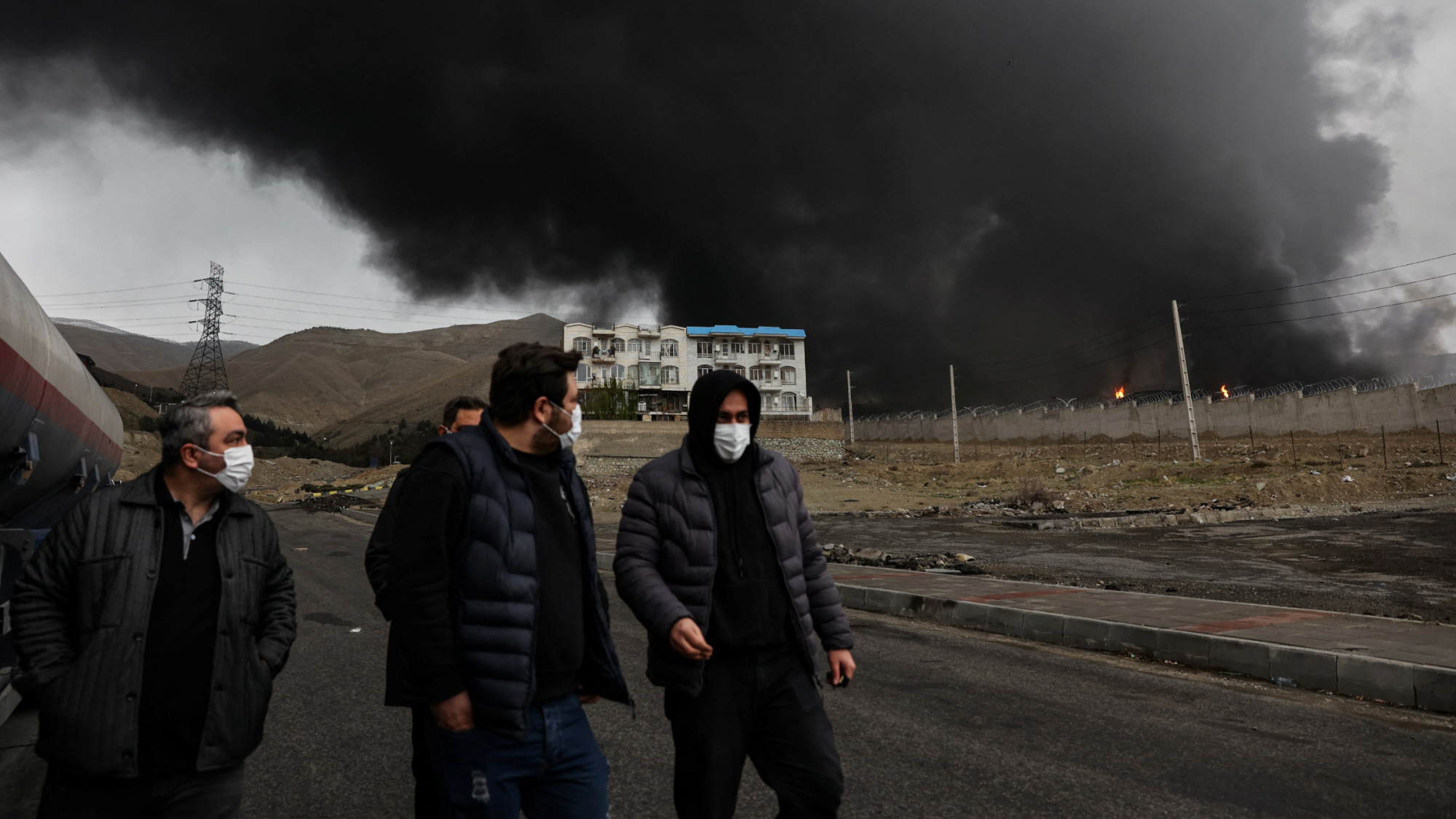
    This episode has raised significant concerns about the vulnerability of critical water infrastructure throughout the region. The Gulf nations rely heavily on desalination technology, with approximately 400 facilities providing the majority of drinking water—90% in UAE and Kuwait, 86% in Oman, and 70% in Saudi Arabia. The reported attack on Iranian water infrastructure coincided with Israeli airstrikes on fuel storage facilities in Tehran, further heightening anxieties about the targeting of essential civilian infrastructure amid escalating conflict.

  • ‘The best’: Major off-season change results in terrifying first round performance from star playmaker

    ‘The best’: Major off-season change results in terrifying first round performance from star playmaker

    A formidable new partnership has emerged in the National Rugby League as Cronulla Sharks’ halves combination of Nicho Hynes and Braydon Trindall demonstrated unprecedented synchronization during their spectacular 50-10 victory over the Gold Coast Titans in Round 1. Despite coach Craig Fitzgibbon’s insistence that their tactical approach remains fundamentally unchanged, the performance revealed significant evolution in their on-field dynamics.

    Trindall, wearing the five-eighth jersey, emerged as the dominant playmaker in attack, contributing two tries, four try assists, and a spectacular 40/20 kick. His collaboration with halfback Hynes, who also scored a double, represented what both players acknowledged as their most effective partnership to date.

    “The connection felt exceptional – undoubtedly our strongest performance as a duo,” Trindall revealed post-match. “This synergy results from extensive work during training sessions and our commitment to maintaining off-field connectivity.”

    Coach Fitzgibbon elaborated on the strategic refinement behind their success: “Our fundamental structure remains consistent, but their execution has reached new heights. We prioritize positioning Hynes as the primary runner during midfield opportunities, while Trindall orchestrates set plays. Their decision-making has become remarkably intuitive.”

    The breakthrough performance stems from Trindall’s transformed approach to preseason preparation. The playmaker acknowledged adopting a more professional regimen: “I returned in optimal physical condition after implementing intensified off-season training. Previous years involved last-minute preparations, but maturity and commitment to the team prompted this change.”

    Following their record-setting opener, the Sharks confront a formidable challenge against the Penrith Panthers, who demonstrated defensive dominance by keeping the defending premiers scoreless. The upcoming match carries added significance as Penrith eliminated Cronulla during the 2024 preliminary finals – a memory that continues to motivate the Sharks squad.

    “Those postseason losses drive our determination,” Trindall acknowledged. “While we celebrate this victory, we recognize the necessity of consistent development throughout the season. Facing elite competitors like Nathan Cleary represents the challenges we embrace.”

    The Sharks will test their refined combination against Penrith’s formidable defense in Bathurst, marking a critical early-season showdown between two premiership contenders.

  • Macron to visit Cyprus as French warships deploy to counter Iran threat

    Macron to visit Cyprus as French warships deploy to counter Iran threat

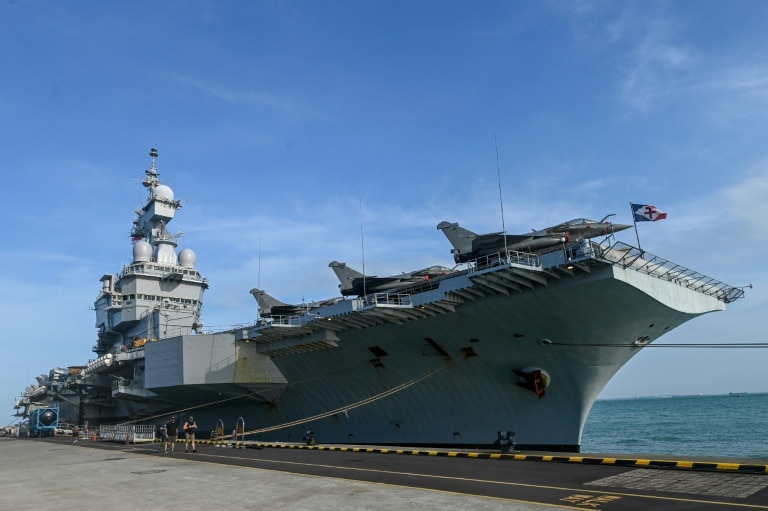
    French President Emmanuel Macron will undertake a significant diplomatic visit to Cyprus on Monday, demonstrating European solidarity following recent security threats in the eastern Mediterranean. The presidential office announced this strategic move as France deploys substantial naval assets to the region, including the Charles de Gaulle aircraft carrier, a frigate, and air-defense units.

    The high-level meeting in Paphos will bring together Macron, Cypriot President Nikos Christodoulides, and Greek Prime Minister Kyriakos Mitsotakis to coordinate enhanced security measures around Cyprus and throughout the eastern Mediterranean. This development occurs during the second week of intensified regional conflict involving the United States, Israel, and Iran, which has created widespread instability across the Middle East.

    France’s deployment comes in direct response to Monday’s drone attack on Cyprus involving Iranian-made aircraft. The Elysee Palace characterized the visit as demonstrating “France’s solidarity with Cyprus, a member state of the European Union with which we have a strategic partnership” that recently experienced “several drones and missile strikes.”

    In a series of diplomatic engagements preceding his trip, Macron became the first Western leader to communicate with newly elected Iranian President Masoud Pezeshkian since the conflict’s escalation. Through social media platform X, Macron emphasized “the need for Iran to immediately cease its strikes against countries in the region” while urging Tehran to guarantee unimpeded navigation through the critical Strait of Hormuz.

    French officials have consistently maintained that their regional stance remains “strictly defensive.” The Cyprus visit will additionally focus on emphasizing “the importance of guaranteeing freedom of navigation and maritime security in the Red Sea and the Strait of Hormuz, particularly through the European Union’s Aspides maritime operation.”

    The strategic waterway has witnessed numerous attacks on commercial vessels since the U.S.-Israeli conflict with Iran began on February 28th. Cypriot government spokesman Konstantinos Letymbiotis noted the meeting would enable assessment of the “high level of coordination” between Cyprus, Greece, and France, while acknowledging Italy and the United Kingdom’s contributions through their own naval deployments.

    Macron’s diplomatic outreach extended beyond immediate regional players, including conversations with Qatari Emir Sheikh Tamim bin Hamad Al Thani, Egyptian President Abdel Fattah al-Sissi, and Azerbaijani President Ilham Aliyev. These discussions covered France’s defensive military support, the critical need for maritime security in the Red Sea, and concerns about potential conflict expansion into the Caucasus following drone strikes near Iran’s borders.

  • Ma Huijuan: Where waters of Yellow River cannot reach, care of Party Central Committee always can

    Ma Huijuan: Where waters of Yellow River cannot reach, care of Party Central Committee always can

    Hongsipu district in China’s Ningxia Hui Autonomous Region presents a remarkable story of geographical and human transformation. Situated 70 kilometers from the Yellow River with a significant elevation difference of 304 meters, this area historically existed beyond the reach of the river’s life-giving waters. Yet through determined governmental intervention, what was once barren land has been converted into productive farmland and residential communities.

    The transformation was made possible by an ambitious irrigation project that pumps water from the Yellow River to these elevated mountainous areas. This engineering achievement has enabled the successful relocation of residents from the impoverished Xihaigu region, designated by UNESCO as one of the least habitable places on Earth due to its harsh environmental conditions.

    Among those who have witnessed this dramatic change is Ma Huijuan, whose personal journey mirrors the region’s development. Forced to abandon her education at age 16 due to family poverty, Ma initially worked the land like generations before her. Following relocation, she pursued self-education during intervals between farm labor, eventually evolving into an accomplished writer who documents rural life—all while maintaining her agricultural work.

    Now serving as a grassroots deputy to the National People’s Congress, Ma represents the vital connection between policy implementation and community experience. Her narrative captures how national infrastructure projects intersect with individual lives, creating opportunities where none previously existed. Through both her political role and literary work, she chronicles the subtle yet significant improvements in daily living standards that collectively contribute to broader national progress.

    The Hongsipu project exemplifies how targeted governmental initiatives can alter demographic and agricultural patterns, turning previously uninhabitable zones into viable communities. Ma’s story particularly highlights the educational and cultural dimensions of this development, demonstrating how economic improvements can foster intellectual and artistic growth within traditionally marginalized populations.

  • Thousands face long security queues at Houston and New Orleans airports

    Thousands face long security queues at Houston and New Orleans airports

    Massive security delays crippled major U.S. airports on Sunday as thousands of spring break travelers faced hours-long queues stretching into parking lots, exposing the severe operational impacts of the ongoing partial government shutdown.

    The travel chaos emerged at critical transportation hubs including Houston’s William P. Hobby Airport and New Orleans’ Louis Armstrong International Airport, where security wait times exceeded three hours. Airport authorities urgently advised passengers to arrive four to five hours before scheduled departures to accommodate the unprecedented security bottlenecks.

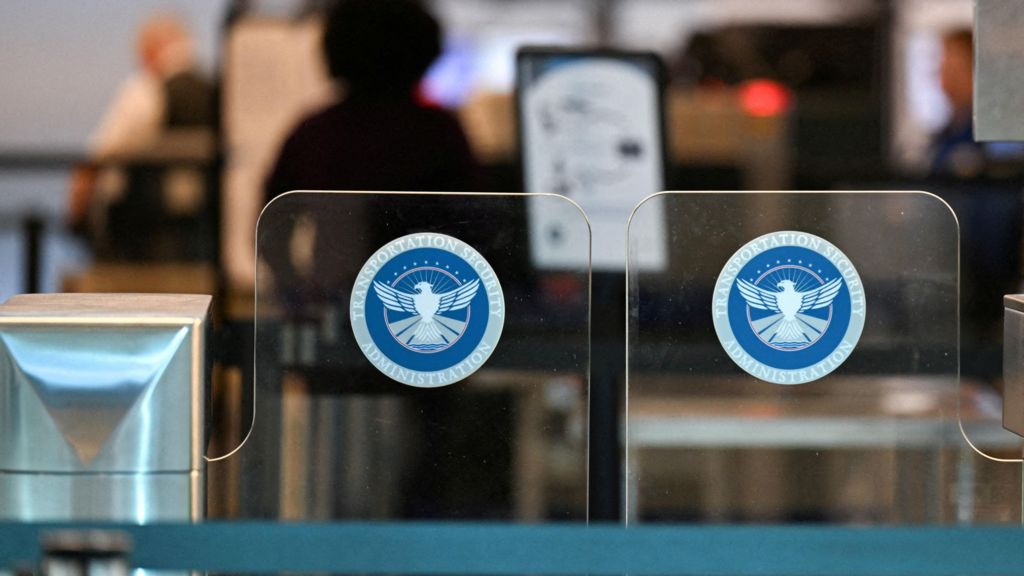
    At the heart of the crisis stand Transportation Security Administration officers working without pay since funding lapsed for the Department of Homeland Security on February 14. Despite their essential role in national security, these employees face growing financial hardship as the political impasse continues between Congressional Democrats and the Trump administration.

    The shutdown stems from fundamental disagreements over immigration enforcement policies. Democrats have refused to authorize DHS funding without substantial reforms to U.S. Immigration and Customs Enforcement practices, including demands for better officer identification, restrictions on face masks during operations, and stricter warrant protocols. These demands followed January protests in Minnesota where federal agents killed two residents demonstrating against immigration raids.

    While ICE operations continue unaffected due to previously allocated funding, TSA personnel bear the brunt of the political stalemate. Department of Homeland Security officials reported that staffing shortages have reached critical levels as unpaid workers struggle with financial pressures, leading to increased absences and operational challenges.

    The political rhetoric intensified as both sides traded blame through official statements and social media. DHS representatives characterized the situation as ‘Americans enduring the severe fallout from the Democrat shutdown,’ while Democratic lawmakers maintained they ‘won’t help Republicans cut a blank check’ for immigration enforcement without necessary reforms.

    With spring break travel volumes compounding the staffing crisis, the airport disruptions offer a troubling preview of potential nationwide transportation impacts should the funding deadlock persist into the coming weeks.

  • 10 vessels attacked in Hormuz Strait: analysts

    10 vessels attacked in Hormuz Strait: analysts

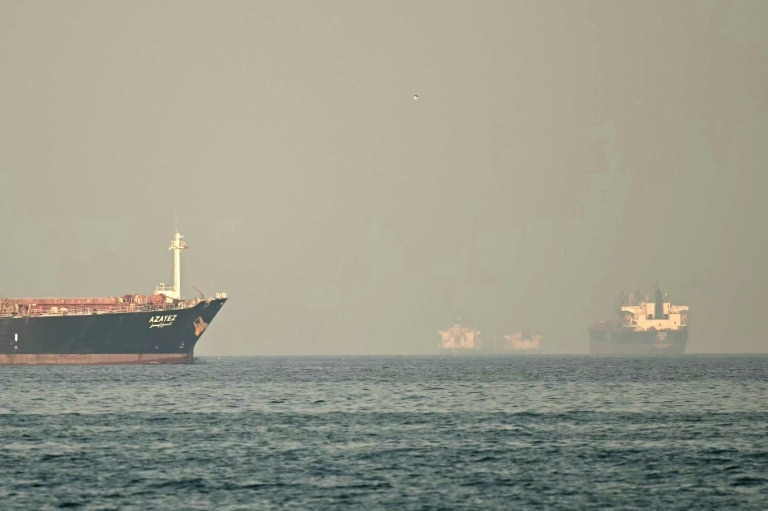
    The strategic Strait of Hormuz has become a maritime conflict zone with approximately ten commercial vessels targeted by attacks since February 28th, according to multiple data analysis groups. These coordinated assaults occurred following Iran’s blockade of the critical waterway in retaliation for joint US-Israeli military operations.

    The week-long offensive has effectively paralyzed one of the world’s most vital shipping lanes, where approximately 20% of global oil and liquefied natural gas typically transit. Tanker traffic through the strait has plummeted by 90% within a single week, reports Kpler, the analytics firm operating the MarineTraffic platform.

    Britain’s UK Maritime Trade Operations has issued approximately ten security alerts detailing both confirmed attacks and suspicious activities, though specific vessel details remain limited. The International Maritime Organization officially documented nine separate attacks within a seven-day period, including four incidents that resulted in seven confirmed fatalities.

    The attack pattern reveals concerning tactics, with rescuers becoming secondary targets. Maritime security firm Vanguard reported the Mussafah 2 was struck by two missiles while attempting to assist the container ship Safeen Prestige, which had been hit two days earlier. The Joint Maritime Information Centre subsequently warned that vessels providing assistance to previously targeted ships now face elevated risk of follow-on strikes.

    Iran’s Revolutionary Guards have claimed responsibility for drone and missile attacks, though independent verification remains challenging with confirmation sometimes delayed for days. The Islamic Republic has delivered contradictory messages regarding its intentions—a Revolutionary Guards general threatened to ‘burn any ship’ attempting crossing, while Iran’s foreign minister subsequently stated the nation had ‘no intention’ of closing the strait.

    In response, US Energy Secretary Chris Wright announced plans to escort merchant ships through the conflict zone ‘as soon as reasonable,’ while French President Emmanuel Macron is seeking to build an international coalition to secure these essential sea lanes.