作者: admin

  • ‘Not going to say I felt sorry for him’: Angus Crichton weighs in on Zac Lomax move ahead of potential Wallabies reunion

    ‘Not going to say I felt sorry for him’: Angus Crichton weighs in on Zac Lomax move ahead of potential Wallabies reunion

    In a significant cross-code transition, former Parramatta Eels star Zac Lomax has officially signed with the Western Force rugby union team, commencing immediately. The 26-year-old’s move follows the collapse of his anticipated shift to the Melbourne Storm, which was obstructed by a contentious clause in his NRL release agreement.

    The contractual complication emerged from Lomax’s departure from Parramatta last year, initially intended to facilitate his participation in the postponed R360 competition. When that league’s launch was deferred until 2028, Lomax found himself in contractual limbo. The Melbourne Storm attempted to secure his services during the offseason, but the existing clause prohibited his signing with any rival rugby league club until October 2027.

    This impasse prompted Lomax’s dramatic code switch, facilitated through a two-year arrangement with Rugby Australia and the Western Force. The opportunity to potentially represent the Wallabies in next year’s home World Cup served as a powerful incentive for the athletic convert.

    Current NRL players have expressed strong support for Lomax’s transition. Connor Watson, Lomax’s former State of Origin teammate and current Sydney Roosters utility, described him as “a freak” athlete who will “dominate in another sport.” Watson acknowledged the challenging position Lomax faced, stating: “I felt really badly for him. I’m just glad to see that he’s got his future worked out.”

    Fellow Rooster Angus Crichton, who has also signed with Rugby Australia and could become Lomax’s Wallabies teammate, offered a more measured perspective. While expressing care for Lomax’s “compromising position,” Crichton noted that “he put himself in that position” through the original contract agreement. Nevertheless, Crichton emphasized that “it’s good to see that he’s come out of it because he’s a quality player.”

    Lomax himself expressed enthusiasm for the challenge, stating: “This is a huge opportunity and a challenge I’m really looking forward to embracing. Stepping into a new code will push me as a player and that’s something that genuinely motivates me.” He specifically highlighted the allure of potential Wallabies selection and World Cup participation as “powerful motivation” for his code transition.

  • Trump says Iran’s new supreme leader won’t ‘last long’ without his approval

    Trump says Iran’s new supreme leader won’t ‘last long’ without his approval

    In a provocative statement that escalates tensions with Tehran, former U.S. President Donald Trump has declared that Iran’s newly appointed supreme leader would not remain in power without his personal approval. The remarks came during a televised interview with ABC News on Sunday, March 8, 2026.

    Trump asserted unprecedented influence over Iran’s internal governance, stating, “He’s going to have to get approval from us. If he doesn’t get approval from us he’s not going to last long.” The comments represent a significant escalation in rhetoric following recent military actions against Iran.

    The context for these statements stems from the February 28 joint U.S.-Israeli offensive that targeted Tehran and several other Iranian cities. The attacks resulted in the death of former Supreme Leader Ayatollah Ali Khamenei, along with dozens of senior officials, military commanders, and hundreds of civilians.

    Iran’s semi-official Mehr news agency confirmed on Sunday that the Assembly of Experts had finalized their decision regarding the succession. Trump previously indicated that he expected to be personally involved in the selection process of Iran’s next leader.

    The former president justified his position by expressing concerns about nuclear proliferation, stating, “I don’t want people to have to go back in five years and have to do the same thing again or worse let them have a nuclear weapon.”

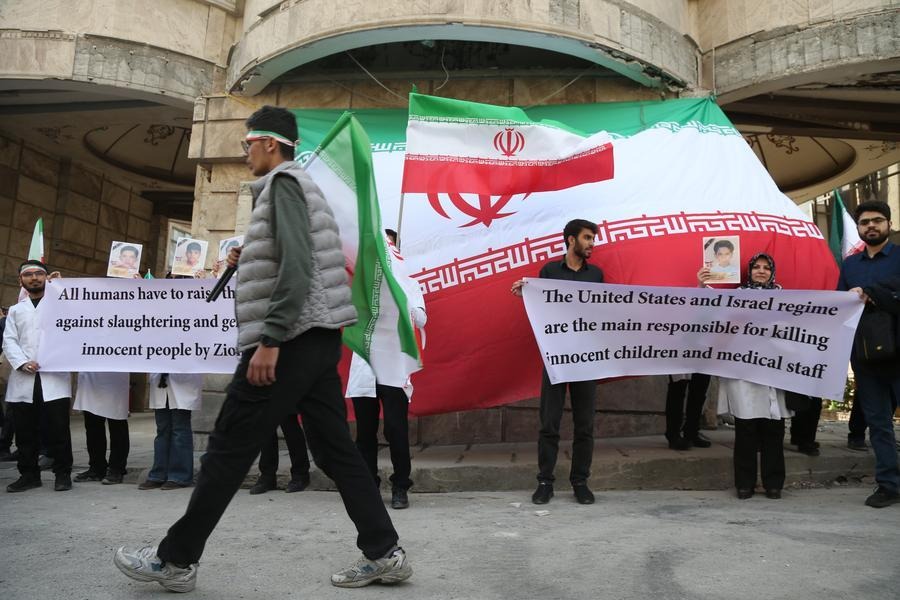
    The medical community in Tehran has been visibly affected by the recent hostilities, with healthcare workers rallying in front of a hospital damaged during the strikes, as documented in photographic evidence from March 7.

  • Rihanna’s Beverly Hills home hit by gunfire, police say

    Rihanna’s Beverly Hills home hit by gunfire, police say

    Pop icon Rihanna’s Beverly Hills residence became the scene of a security breach on Sunday when an unidentified individual opened fire on the property. According to the Los Angeles Police Department, officers responded to emergency calls reporting gunshots at approximately 13:15 local time (21:15 GMT).

    Law enforcement officials confirmed that a suspect was promptly apprehended at the scene and taken into custody without further incident. While the property sustained damage from the gunfire, no injuries were reported among the occupants or staff.

    The Los Angeles Times, citing anonymous law enforcement sources, revealed that Rihanna was present inside the mansion during the shooting. The Barbadian superstar, born Robyn Fenty, has maintained her primary residence in the exclusive Los Angeles neighborhood despite her global business commitments.

    This security incident occurs during a particularly significant period in the artist’s personal life. Last September, Rihanna welcomed her third child—a daughter—with partner A$AP Rocky. The couple, who already parent two sons named Riot and RZA, had previously announced the pregnancy during last year’s Met Gala celebrations.

    The shooting follows closely on the heels of legal proceedings involving A$AP Rocky, who was acquitted in February of charges related to allegedly firing a gun at a former associate. During that trial, Rihanna made headlines by bringing their young children to the courtroom in a show of support.

    Beyond her musical career that launched with early 2000s hits like “Pon de Replay” and “Umbrella,” Rihanna has evolved into a formidable business magnate. Her beauty empire Fenty Beauty and Savage X Fenty lingerie line have contributed significantly to her billionaire status, as recently documented by Forbes.

    The investigation remains ongoing as authorities work to determine the motive behind the targeted attack on one of music’s most influential figures.

  • What China’s latest economic plans say about its tech ambitions and rivalry with the US

    What China’s latest economic plans say about its tech ambitions and rivalry with the US

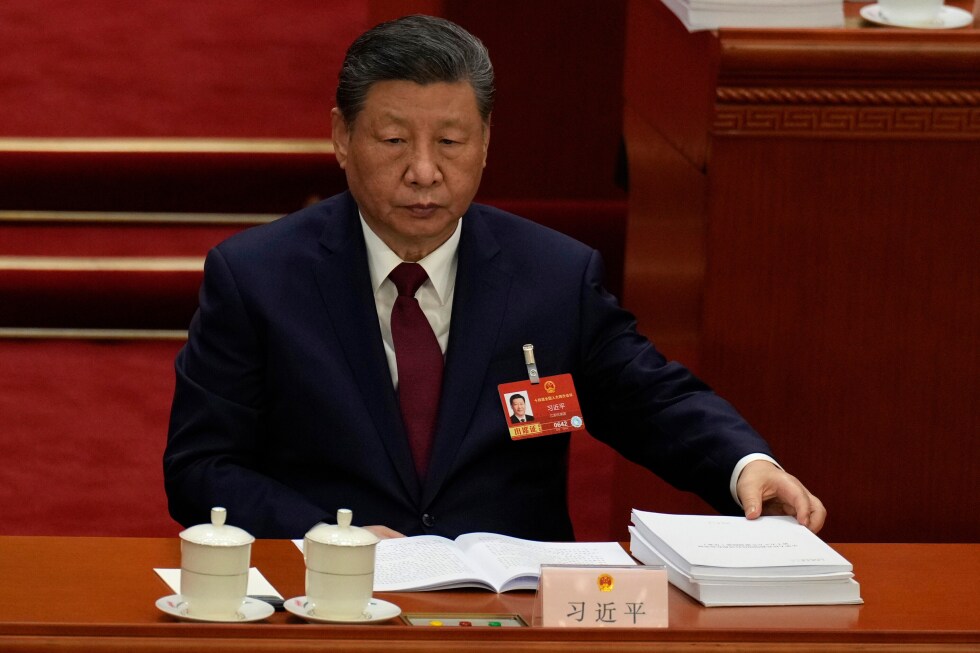
    BEIJING — China’s recently concluded National People’s Congress revealed a nuanced dual-track economic approach that balances immediate domestic concerns against ambitious long-term technological objectives, with significant implications for global markets.

    The government’s immediate priority for 2026 focuses squarely on stimulating domestic consumption to counter current economic sluggishness that has dampened both consumer and business confidence. This near-term strategy acknowledges the pressing need to address economic headwinds through internal market reinforcement.

    Concurrently, China’s five-year development blueprint emphasizes technological sovereignty as the cornerstone of its economic transformation. The comprehensive plan targets breakthroughs in artificial intelligence, quantum computing, biotechnology, new energy solutions, and next-generation 6G networks. This technological push aligns with President Xi Jinping’s vision of establishing China as a global power capable of competing with the United States across trade, technology, and geopolitical spheres.

    The strategic emphasis on technology has intensified amid ongoing trade tensions with the United States, particularly following restrictions on advanced semiconductor exports. In response, China has accelerated efforts to develop domestic capabilities in critical technologies, including commercial aviation (through its C919 passenger jet program), semiconductor manufacturing, and rare earth processing where it already maintains global dominance.

    Despite export growth providing economic stability, record trade surpluses approaching $1.2 trillion have raised international concerns about manufacturing job losses elsewhere. This external pressure has reinforced China’s determination to rebalance its economy toward domestic consumption while maintaining aggressive technological investment.

    Economic analysts note that while the announced 4.5-5% growth target for 2026 suggests potential economic cooling, substantial government subsidies will continue flowing to high-tech manufacturing sectors. However, this approach risks recreating the oversupply dynamics seen previously in solar and wind industries, potentially exacerbating global trade imbalances while further widening the gap between China’s manufacturing capacity and domestic demand.

  • US begins large military drill with South Korea while waging war in the Middle East

    US begins large military drill with South Korea while waging war in the Middle East

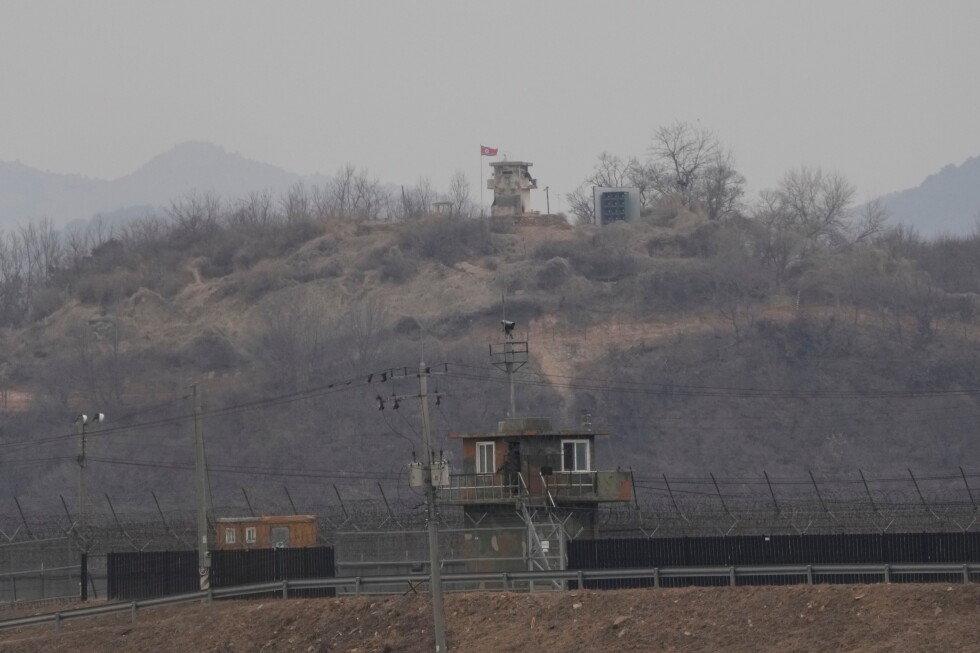
    SEOUL, South Korea — The United States and South Korea have commenced their extensive Freedom Shield military exercise, mobilizing approximately 18,000 South Korean troops alongside an undisclosed number of American forces. This annual command post exercise, running through March 19, represents a significant demonstration of allied military coordination despite escalating global tensions.

    The drills commence amid speculation regarding potential redeployment of U.S. military assets from the Korean Peninsula to support Middle Eastern operations. While neither U.S. Forces Korea nor South Korean officials would confirm reports regarding the movement of Patriot anti-missile systems and other equipment, both authorities maintained that any such movements would not compromise the allies’ combined defensive capabilities.

    North Korea has historically characterized these joint exercises as invasion rehearsals, frequently responding with military demonstrations and weapons tests. The timing is particularly sensitive following Pyongyang’s recent political conference, where leader Kim Jong Un reaffirmed his hard-line stance toward Seoul while suggesting potential openness to dialogue with Washington—provided the U.S. abandons its denuclearization prerequisites.

    The current drills occur against a backdrop of suspended diplomacy since the collapse of the 2019 Kim-Trump summit. Tensions have intensified as North Korea capitalizes on geopolitical distractions, including Russia’s invasion of Ukraine, to accelerate its nuclear weapons development and strengthen military ties with Moscow.

    Freedom Shield represents one of two major computer-simulated command exercises conducted annually, designed to evaluate joint operational capabilities against evolving security challenges. The accompanying Warrior Shield field training program will feature significantly reduced live exercises—22 compared to last year’s 51—potentially indicating a calibrated approach to avoid escalating tensions while maintaining readiness. This reduction has sparked speculation that allies may be creating diplomatic space for potential engagement with Pyongyang, particularly with the anticipated visit of former President Trump to China in coming months.

  • Japan’s Nikkei 225 share index falls more than 6% as oil soars over $100 a barrel

    Japan’s Nikkei 225 share index falls more than 6% as oil soars over $100 a barrel

    Asian financial markets experienced severe turbulence on Monday as Japan’s Nikkei 225 index plummeted over 6% in early trading, triggered by escalating oil prices exceeding $100 per barrel amid Middle East hostilities. The benchmark Nikkei dropped to 52,166.92 shortly after opening, while South Korea’s Kospi index witnessed a dramatic 6.3% decline. Australia and New Zealand markets similarly faced substantial losses, with both falling more than 3% in response to the energy crisis.

    The commodity markets registered unprecedented movements as Brent crude surged to $107.97 per barrel on the Chicago Mercantile Exchange—a striking 16.5% increase from Friday’s closing price of $92.69. This elevation represents the highest crude valuation in over three and a half years, primarily driven by supply chain disruptions affecting major oil-producing nations and export operations in the Persian Gulf region.

    These developments follow last week’s remarkable price surges, where U.S. crude escalated by 36% and Brent crude increased by 28%. The ongoing conflict, now entering its second week, has critically impacted regions vital to global oil and gas production and transportation.

    U.S. market indicators also pointed toward negative momentum, with S&P 500 and Dow Jones Industrial Average futures declining 1.9%. This downward trend continues from Friday’s performance, where the S&P 500 dropped 1.3% following disappointing employment data showing net job losses and oil prices breaching the $90 threshold.

    Financial analysts express concern that sustained oil prices above $100 could inflict significant damage on the global economy. The simultaneous occurrence of economic weakness and rising inflation presents a particularly challenging scenario for policymakers, as conventional tools struggle to address both issues effectively.

  • Bitter times for cocoa farmers as chocolate market slumps

    Bitter times for cocoa farmers as chocolate market slumps

    A profound crisis is unfolding across West Africa’s cocoa belt, where farmers who produce the world’s chocolate supply face financial devastation despite global chocolate price increases. The paradoxical situation has left hundreds of thousands of agricultural workers in Ghana and Ivory Coast without payment for months, creating widespread economic hardship in rural communities.

    The core of the problem stems from a dramatic market reversal. Following record-high cocoa prices in 2024, global prices have since collapsed due to increased worldwide production coinciding with reduced demand. Chocolate manufacturers responded to previous price spikes by reducing bar sizes and cocoa content, ultimately decreasing their need for raw beans.

    In both Ghana and Ivory Coast, state regulatory bodies set fixed annual prices for cocoa farmers. Ghana’s Cocoa Board (Cocobod) established a rate of $5,300 per tonne last October, while Ivory Coast’s Coffee and Cocoa Council implemented similar guaranteed pricing. These fixed rates now substantially exceed current global market prices by approximately 40%, creating an unsustainable economic gap.

    The human impact has been severe. Akosua Frimpong, a 52-year-old Ghanaian widow, recounted how she couldn’t afford medical treatment for her husband before his death. ‘The money I was anticipating from my cocoa bean sales is currently inaccessible. I’m a widow now and I don’t have anyone to support me,’ she told BBC reporters.

    Ghana’s Cocobod has accumulated approximately $3 billion in debt attempting to bridge the price gap, implementing executive pay cuts of 20% for management and 10% for senior staff. The board has now slashed guaranteed prices to around $3,500 per tonne, though this remains above market rates.

    In Ivory Coast, warehouses in towns like Bangolo overflow with unsold cocoa sacks. Bahily Bakouli Issiaca, a cooperative member, reported trucks loaded with cocoa waiting unsold for nearly three weeks. The government recently announced plans to cut farmer payments by half to stimulate sales.

    The crisis affects approximately 800,000 cocoa farmers directly, with ripple effects throughout rural economies. Farmers like Robert Addae, with 14 years of experience, note that production costs remain unchanged despite price reductions. ‘The prices of farm inputs and implements remain the same, the cost of labour has not reduced, so the cut in cocoa prices will adversely affect us,’ he explained.

    With cocoa contributing 7% of Ghana’s GDP and 15% of foreign exchange earnings, the sector’s health directly impacts national economies. Both governments are implementing measures including increased domestic processing to capture more value from their cocoa industries.

  • Shelter rankings and shower-timing apps: Israelis, Palestinians adjust to Iranian rockets

    Shelter rankings and shower-timing apps: Israelis, Palestinians adjust to Iranian rockets

    In the wake of escalating Middle East tensions following US and Israeli strikes on Iran, civilians across Israel and annexed East Jerusalem are developing innovative coping mechanisms amid persistent rocket threats. The conflict has triggered waves of Iranian retaliatory fire, creating unprecedented challenges for daily life that have spawned both technological solutions and grim humor.

    A newly launched application has gained viral popularity by employing statistical analysis of recent air raid patterns to advise users on optimal shower times, minimizing interruptions from missile alerts. This practical innovation addresses a widespread concern, exemplified by an Israeli citizen’s social media post questioning the normality of being “naked in the dining room” during shelter mandates.

    Beyond personal hygiene optimization, publications like Time Out have pivoted from leisure recommendations to survival guidance, now cataloging Tel Aviv beaches based on their proximity to certified shelters. Simultaneously, journalist Ofek Tzach has initiated qualitative rankings of public shelters, critiquing facilities ranging from those overcrowded with tourists to others plagued by barking dogs.

    Remarkable human stories have emerged amidst the crisis, including that of Lior and Michael, who transformed a shopping center parking garage into their wedding venue four levels underground after security restrictions canceled their original plans. “It was a wonderful moment,” Michael recounted to Israel’s Channel 13, despite seventy percent of attendees being strangers.

    Online communities are sharing recommendations for making shelter time more bearable, suggesting books, music, and cushions—contrasting with official government advice emphasizing practical supplies like radios, batteries, and identification documents.

    In East Jerusalem, Palestinian responses have leaned toward dark humor amid inadequate shelter infrastructure. Pastry chef Mohammad Alayan noted on social media that Palestinians often take traditional Ramadan desserts to rooftops to watch missiles, while others mockingly questioned municipal guidance that offers little practical value for residents of areas like Shuafat refugee camp, where proper shelters are virtually nonexistent.

  • Judge clears man of sexually touching teen, finding he was asleep during ‘sexsomnia’

    Judge clears man of sexually touching teen, finding he was asleep during ‘sexsomnia’

    In a landmark legal decision, an Australian court has acquitted a married man of sexually assaulting a 14-year-old girl after medical experts successfully argued he was experiencing ‘sexsomnia’ – a rare sleep disorder – during the incident. The defendant, identified only as RE, was found not guilty despite conclusive evidence that inappropriate physical contact occurred during a 2021 holiday gathering on New South Wales’ Central Coast.

    The case centered around a nighttime incident where RE, his wife, the victim, and the victim’s mother were sharing a hotel room. Court testimony revealed the girl had entered RE’s bed seeking warmth, after which he allegedly touched her genitalia while apparently asleep. Critical evidence emerged when RE’s phone rang during the incident, requiring his wife to awaken him with raised voices – a detail that supported the sleep disorder defense.

    Medical specialists testified that RE exhibited classic symptoms of sexsomnia, a parasomnia condition characterized by engaging in sexual behaviors while unconscious. Dr. Antonio Fernando, a sleep expert witness, explained that such behaviors occur without conscious awareness, with 90% of patients having no memory of episodes. RE’s wife corroborated this diagnosis, describing his history of unconscious nighttime behaviors including sleepwalking and sleep-eating.

    The court heard RE had been taking strong prescription pain medication that reportedly increased libido, though Judge Phillip Mahony ultimately determined the defendant was asleep during the seven-minute incident and therefore incapable of forming criminal intent. Despite finding the victim’s testimony entirely credible and establishing that physical contact occurred, the judge ruled the acts were involuntary.

    The February 27 acquittal followed a retrial after RE successfully appealed an earlier conviction, highlighting evolving legal recognition of sleep disorders in criminal proceedings. The case represents a growing challenge for judicial systems worldwide as they grapple with rare neurological conditions intersecting with criminal law.

  • US, Israel bomb major Iran oil depots as US gasoline prices rise

    US, Israel bomb major Iran oil depots as US gasoline prices rise

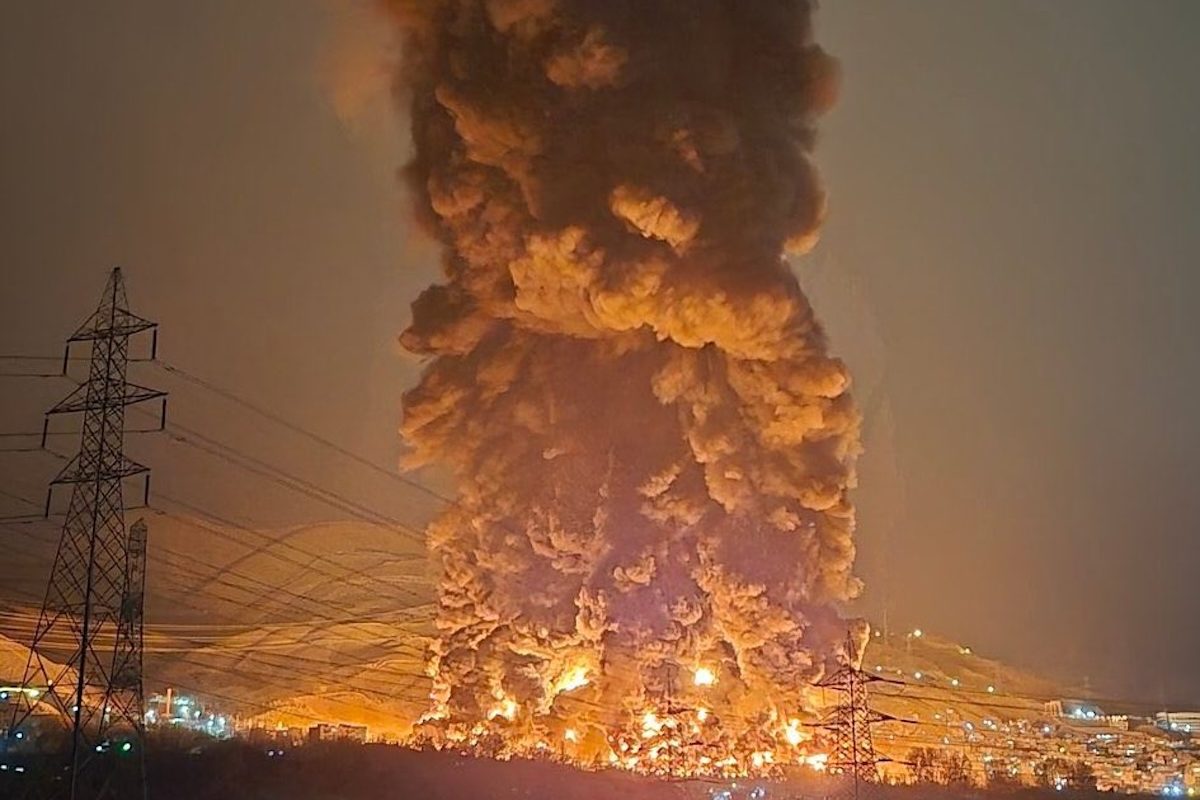
    A joint US-Israeli military operation struck critical oil infrastructure in Tehran over the weekend, creating what witnesses described as apocalyptic scenes across Iran’s capital. The coordinated bombardment targeted multiple fuel storage depots in Tehran and Alborz provinces, triggering massive firestorms that sent toxic plumes of black smoke billowing into the night sky.

    Residents awoke Sunday to an altered cityscape shrouded in ominous gray clouds, with reports of toxic black rain containing oil particles falling across metropolitan areas. Iranian emergency services worked desperately to contain the infernos while health officials warned citizens to remain indoors due to dangerously compromised air quality.

    The Iranian Foreign Ministry characterized the assault as a deliberate escalation into “chemical warfare against Iranian citizens,” alleging the attacks released hazardous materials that would create long-term environmental and humanitarian consequences. Energy analysts immediately noted dramatic market repercussions, with crude futures experiencing their largest weekly gain since 1983—jumping 35% following the strikes.

    International observers expressed grave concerns about the strategic targeting of civilian energy infrastructure. Iranian political commentator Kev Joon noted the unprecedented nature of the destruction: “These aren’t military targets. They’re the infrastructure of everyday life. This isn’t a liberatory war. It’s an attempt to break the backs of Iranian people.”

    The economic implications extended beyond immediate oil price spikes. Qatar’s Energy Minister had previously warned The Financial Times that potential closure of the Strait of Hormuz could drive prices to $150 per barrel—a scenario that could “bring down the economies of the world.” Despite these concerns, US leadership indicated limited apprehension about rising fuel costs.

    Environmental organizations and human rights advocates condemned the attacks as potential war crimes, citing the deliberate targeting of essential civilian infrastructure and the resulting ecological disaster. The Iranian Red Crescent Society issued specific exposure guidelines, warning that the toxic rainfall could be “highly dangerous and acidic” for Tehran’s approximately 10 million residents.