作者: admin

  • Seven years later, Punjabi musician Jaani reunites with Arijit Singh

    Seven years later, Punjabi musician Jaani reunites with Arijit Singh

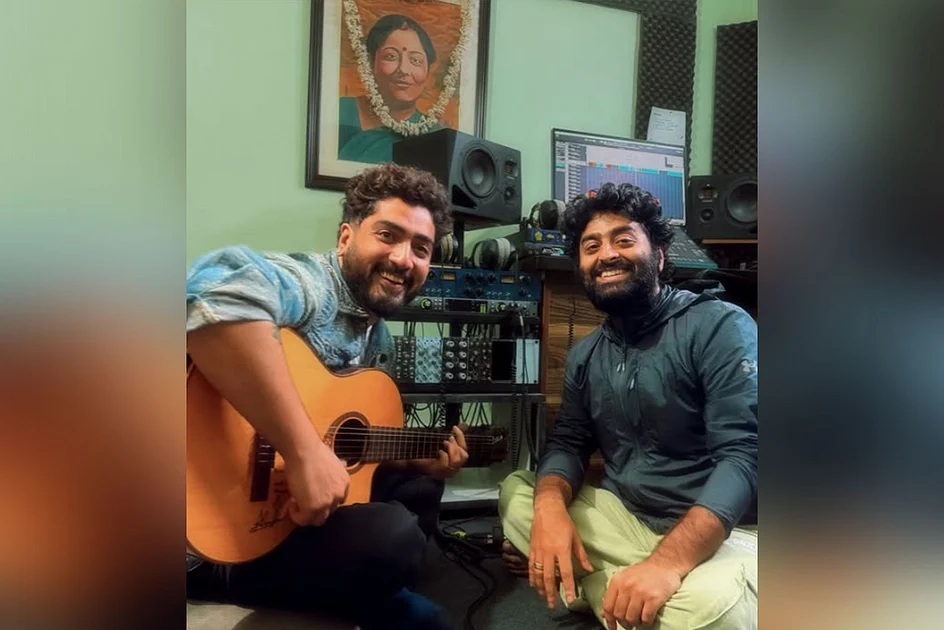
    In a significant development within the Indian music industry, celebrated Punjabi lyricist and composer Jaani has reconnected with playback singing sensation Arijit Singh, marking their first meeting in seven years. The musical duo, previously responsible for the 2019 chart-topper ‘Bada Pachtaoge,’ generated substantial fan excitement through their emotional reunion.

  • Face of China’s Year of the Fire Horse? Draco Malfoy, of course

    Face of China’s Year of the Fire Horse? Draco Malfoy, of course

    In a fascinating cultural convergence, J.K. Rowling’s fictional antagonist Draco Malfoy has emerged as an unexpected digital mascot for China’s Year of the Fire Horse celebration. This peculiar pairing demonstrates the sophisticated interplay between Mandarin wordplay, internet meme culture, and traditional Lunar New Year symbolism.

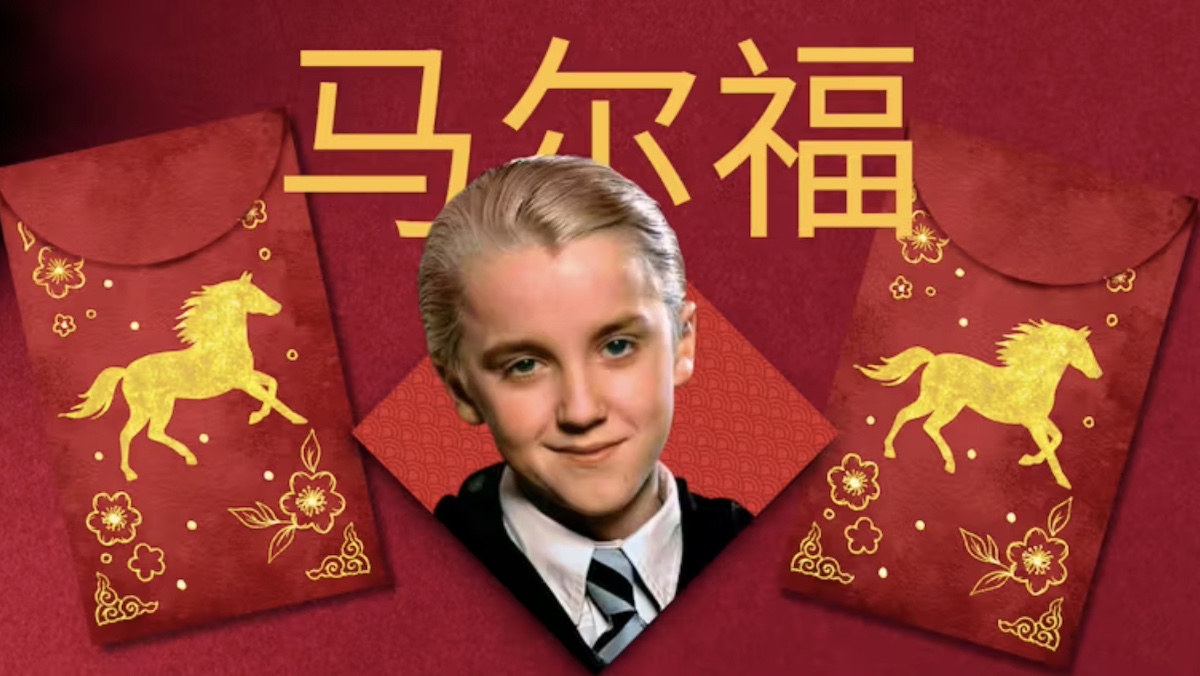
    The phenomenon centers on linguistic coincidence: The Chinese transliteration of Malfoy (马尔福, Ma er fu) contains phonetic elements that resonate powerfully with traditional auspicious imagery. The character 马 (ma) means horse, while 福 (fu) signifies good fortune. This phonetic alignment has inspired creative internet users to superimpose Malfoy’s distinctive features—his platinum hair and sharp features—onto traditional red and gold calligraphic backgrounds.

    This digital reinvention follows established patterns in Chinese visual culture, where homophones and visual puns have long been integral to New Year decorations. The tradition of displaying the character 福 (fu) upside-down exemplifies this practice, as the word for ‘inverted’ (倒, dao) sounds identical to ‘arrive’ (到, dao), thus symbolizing the arrival of good fortune.

    The Malfoy memes represent a contemporary extension of this tradition rather than a replacement of sacred rituals. Through creative digital manipulation, participants paste Malfoy’s visage onto fire horse emojis and zodiac-themed layouts, with some animations depicting the character riding crimson horses alongside auspicious greetings.

    This phenomenon continues China’s rich history of symbolic visual protest and expression online. Previous examples include the Grass Mud Horse (草泥马, cǎonímǎ), a mythological alpaca created as homophonic wordplay to circumvent censorship, and the Mi Tu (rice bunny) imagery that visually represented the #MeToo movement while navigating political sensitivities.

    The Malfoy memes ultimately demonstrate how digital spaces enable fictional characters to temporarily integrate into centuries-old symbolic systems, showcasing the evolving nature of cultural traditions through flexible wordplay and visual humor.

  • Kenya’s border with Somalia set to re-open after almost 15 years

    Kenya’s border with Somalia set to re-open after almost 15 years

    After nearly 15 years of closure due to security concerns, Kenya will reopen its border with Somalia in April, President William Ruto announced during a visit to the border town of Mandera. The decision follows extensive security assessments and comes despite persistent threats from the al-Shabab militant group.

    The border closure was initially implemented in response to a series of devastating attacks orchestrated by the Somalia-based extremist organization. These included the 2013 Westgate shopping mall siege in Nairobi that claimed 67 lives and the 2015 Garissa University assault that resulted in 148 fatalities. Other significant incidents include the 2014 Mandera bus attack that killed 28 passengers and a 2019 hotel assault in Nairobi that left at least 21 dead.

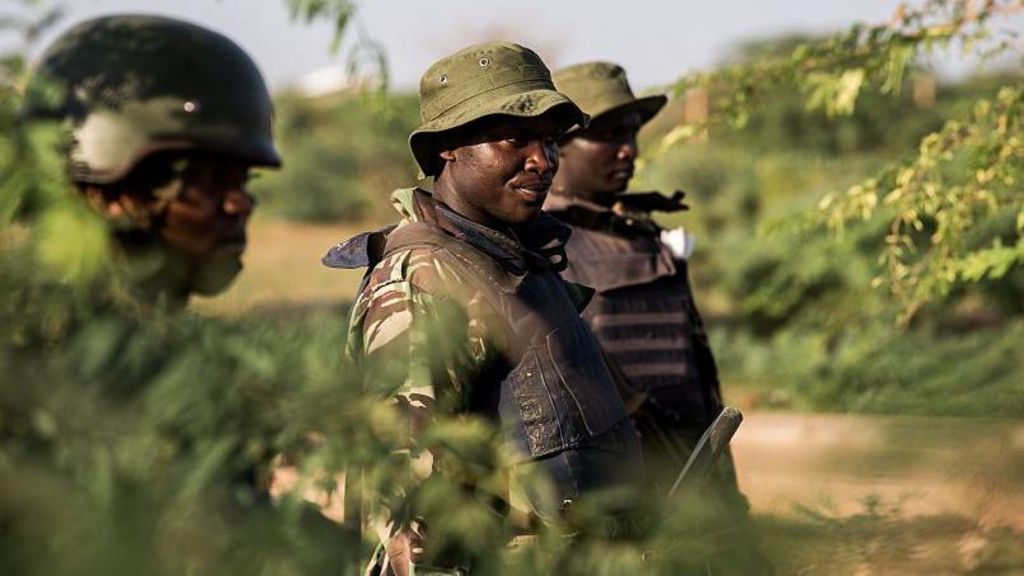
    President Ruto emphasized that security remains paramount, with plans for heavy deployment of security forces to monitor the two designated crossing points. ‘It is unacceptable that fellow Kenyans in Mandera remain cut off from their kin and neighbors in Somalia due to the prolonged closure,’ Ruto stated on social media platform X.

    The reopening initiative, previously announced in 2023 but postponed due to continued security concerns, aims to revitalize cross-border trade and reunite communities separated by the closure. The president called on local residents to collaborate in combating al-Shabab, describing the militants as ‘useless criminals and terrorists.’

    Kenya had previously initiated construction of a 680-kilometer (423-mile) border barrier in 2015 to counter militant infiltration, but the project was suspended after nearly three years of work. Ongoing concerns about weapons smuggling and contraband trade have complicated border management efforts throughout the closure period.

  • Now, Mike Tyson is healthy eating advocate for Trump administration

    Now, Mike Tyson is healthy eating advocate for Trump administration

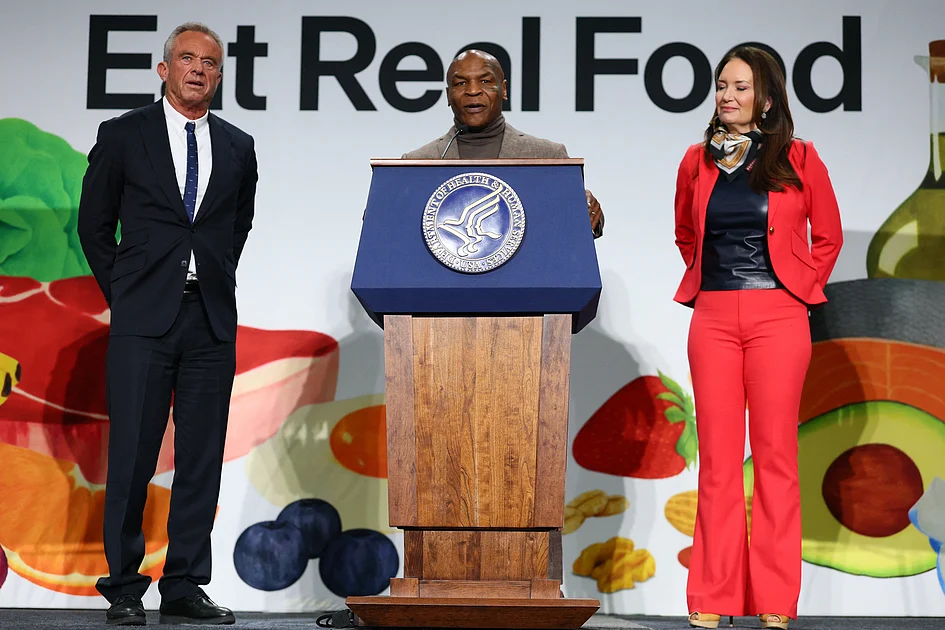
    In a striking departure from conventional health advocacy, the Trump administration has appointed former heavyweight boxing champion Mike Tyson as its official healthy-eating ambassador. The 59-year-old sports icon, whose life has traversed extraordinary peaks and valleys, now fronts a national campaign urging Americans to reject ultra-processed foods under the slogan “Eat Real Food.”

    The initiative gained massive exposure through a Super Bowl commercial that featured Tyson’s personal journey with nutrition and weight struggles. During a Wednesday event alongside Health Secretary Robert F. Kennedy Jr., Tyson characterized this advocacy as “the biggest fight of my life,” drawing parallels between his boxing career and his current mission.

    Tyson’s appointment represents a calculated alignment with the administration’s broader health policy overhaul, which includes Kennedy’s recent inversion of the traditional food pyramid to prioritize meat and whole-milk dairy products over fiber-rich whole grains. This structural change has drawn criticism from nutrition experts who suspect agricultural industry influence.

    The boxing legend brings visceral credibility to the campaign, recounting how his sister Denise died of a heart attack at 25 due to obesity-related complications. He described his childhood in Brownsville, Brooklyn—”the most violent, poverty-struck neighborhood in New York City”—where ultra-processed foods dominated dietary patterns. Tyson revealed reaching 345 pounds during his darkest periods, confessing in the campaign ad: “I had so much self-hate. I just wanted to kill myself.”

    Government statistics confirm Americans consume disproportionately high amounts of ultra-processed foods compared to other nations, contributing to elevated rates of obesity, diabetes, and cardiovascular disease. The campaign directly challenges this status quo through Tyson’s compelling narrative of transformation and redemption.

  • UAE and Hong Kong strengthen financial ties with new cross‑border market integration

    UAE and Hong Kong strengthen financial ties with new cross‑border market integration

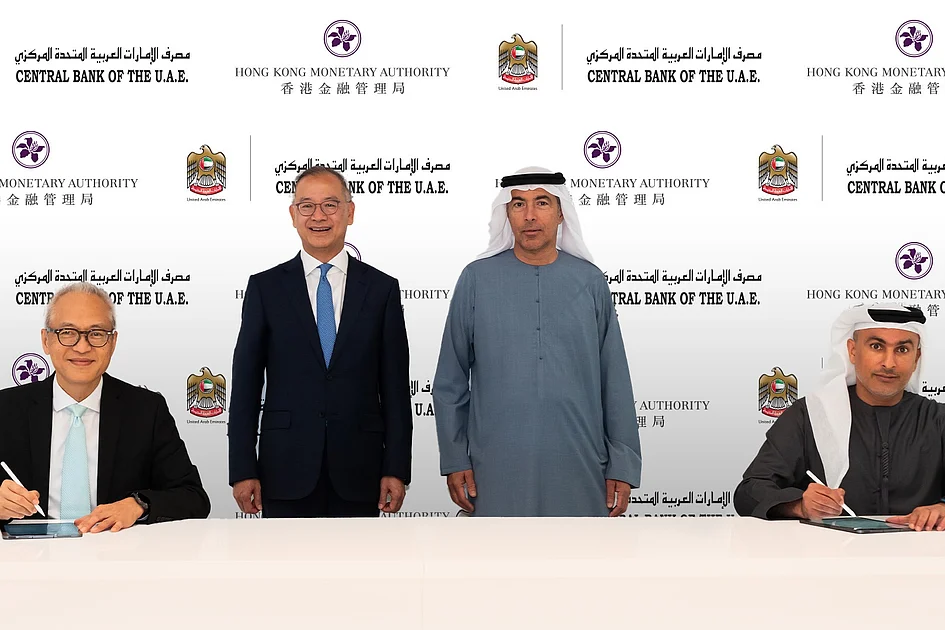
    In a landmark move to enhance global financial connectivity, the United Arab Emirates and Hong Kong have significantly advanced their strategic economic partnership. The Central Bank of the UAE (CBUAE) has formally gained membership in Hong Kong’s Central Moneymarkets Unit (CMU), the region’s premier central securities depository for debt instruments.

    This development emerged from the third high-level meeting between CBUAE Governor Khaled Mohamed Balama and Hong Kong Monetary Authority (HKMA) Chief Executive Eddie Yue, convened in Abu Dhabi. The meeting built upon previous discussions held in December 2024, demonstrating the accelerating pace of financial cooperation between the two jurisdictions.

    The CMU membership represents a concrete implementation of memoranda of understanding established during earlier negotiations. This strategic integration provides UAE-based investors and financial institutions with direct, cost-efficient access to mainland China’s capital markets and financial assets through Hong Kong’s sophisticated financial infrastructure.

    Governor Balama emphasized that this collaboration reflects a shared commitment to strengthening cross-border financial market connectivity. “Our partnership with HKMA enables enhanced access to Asian capital markets and deeper engagement with global financial centers,” he stated, noting that this development would diversify opportunities for UAE market participants while reinforcing the nation’s position as an international capital market hub.

    HKMA’s Eddie Yue welcomed the CBUAE as a CMU member, highlighting Hong Kong’s role as a leading offshore Renminbi business center. “This step underscores Hong Kong’s position as the premier gateway for international investors seeking access to China and broader Asian markets,” Yue remarked. He further characterized the central banks’ cooperation as demonstrating “a clear vision for mutual growth and innovation.”

    The integration extends beyond market access, encompassing ongoing collaboration in digital assets, stablecoin regulation, and sustainable finance development. Senior officials from both monetary authorities attended the talks, underscoring the institutional commitment to advancing technical cooperation and supporting the financial sector’s sustainable development.

  • As Guatemala begins high-stakes court elections, agents raid voting sites

    As Guatemala begins high-stakes court elections, agents raid voting sites

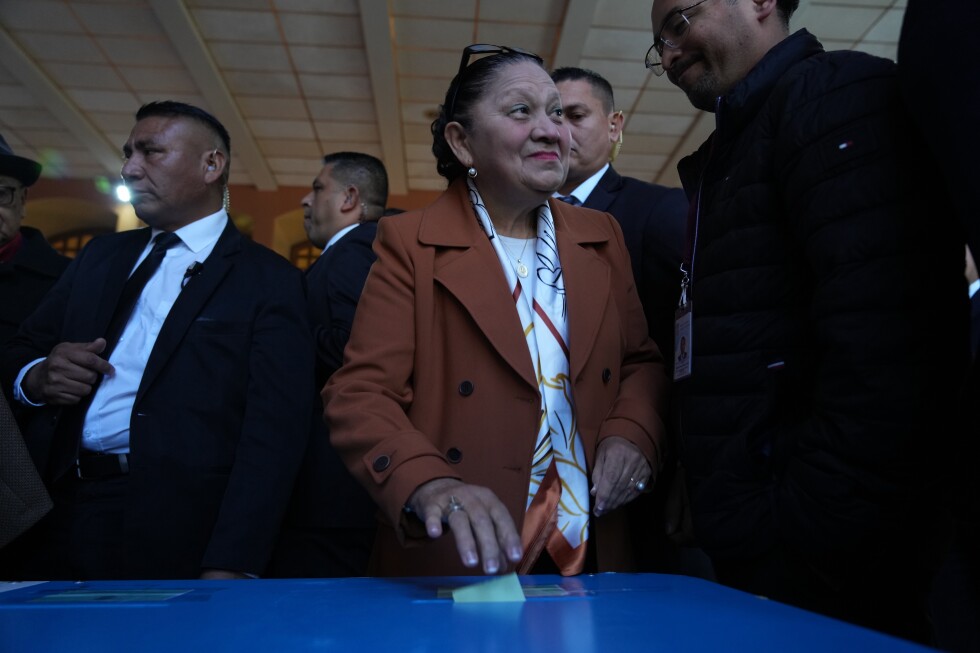
    Guatemala’s fragile democracy faced renewed strain on Thursday as prosecutors from the internationally criticized Attorney General’s office raided voting locations during crucial judicial elections. The operation, occurring simultaneously with the election of magistrates to the country’s highest court, sparked immediate condemnation from President Bernardo Arévalo and international observers.

    Prosecutor Leonor Morales, who faces U.S. sanctions for previously attempting to overturn Arévalo’s 2023 presidential victory, led the controversial raids. Morales refused to disclose details about the investigation, ordering media removal from the premises while her team temporarily blocked lawyers attempting to vote.

    President Arévalo characterized the actions as “a new attempt to undermine institutions and disrupt the normal functioning of the rule of law” in a social media address. He urged citizens not to be intimidated, declaring that “Guatemala’s democracy is not negotiable, it will not be intimidated, and it will not be taken away.”

    The Constitutional Court subsequently issued an injunction limiting the Attorney General’s office from intervening in the election process while permitting their investigation to continue. The Organization of American States observation mission condemned the raids as “an extremely high constitutional risk” that represents a “pattern of institutional instrumentalization” eroding public trust and judicial independence.

    These elections determine the composition of Guatemala’s Constitutional Court, the nation’s highest judicial body whose decisions are final. The court has served as both a democratic safeguard and a subject of corruption concerns throughout Guatemala’s prolonged anti-corruption struggle. Current magistrates are seeking reelection despite criticism from human rights advocates who describe recent court composition as comprising “dark characters” who have hindered justice system advances.

    The judicial appointments occur alongside the impending replacement of Attorney General Consuelo Porras, who faces international sanctions for undermining democracy. Porras, accused of protecting former presidents from corruption investigations, is ironically seeking election as a Constitutional Court magistrate. President Arévalo has previously emphasized that these selections represent an “important and critical” moment for Guatemalan democracy, with the nation’s democratic development hanging in the balance.

    International observers from both the Organization of American States and European Union are closely monitoring the process, recognizing its profound implications for judicial independence and the rule of law in Central America’s most populous nation.

  • One Extraordinary Photo: Golden moment as Italy celebrates luge win

    One Extraordinary Photo: Golden moment as Italy celebrates luge win

    CORTINA D’AMPEZZO, Italy — Aijaz Rahi, an accomplished photojournalist and photo editor with over thirty years of experience at The Associated Press, has chronicled some of the world’s most significant events. Based in Bangalore, his extensive career spans conflict zones in Kashmir and Afghanistan, major news across South Asia, and premier global sporting events including the soccer World Cup, the 2024 Paris Summer Olympics, and multiple Cricket World Cups.

    His recent work at the Winter Olympics produced a powerful image that encapsulates the essence of athletic triumph. The photograph in question captures the raw, unfiltered emotion of Italian luge athletes the instant they clinched a gold medal on their home turf. It is a moment of pure, unadulterated joy and national pride, representing the ultimate payoff of years of dedication.

    The technical execution of the shot was as deliberate as it was challenging. Rahi stationed himself directly at the finish area, enduring freezing temperatures to secure a head-on vantage point. This strategic positioning was crucial to immortalize the competitors’ immediate, visceral reactions as they completed their run. The composition naturally frames the medalists at the center while their elated teammates lean in from the sides, creating a layered narrative that emphasizes collective achievement and shared emotion.

    The photograph’s power lies in its masterful fusion of dynamic action and profound human sentiment. The athletes’ ecstatic expressions instantly telegraph victory and relief, while the surrounding team members provide crucial context, adding depth to the story of a shared triumph. The tightly cropped composition eliminates distractions, pulling the viewer directly into the intensity of the celebration and fostering a tangible connection to the pinnacle of Olympic success.

  • China’s demographic crisis has moved from theory to fact

    China’s demographic crisis has moved from theory to fact

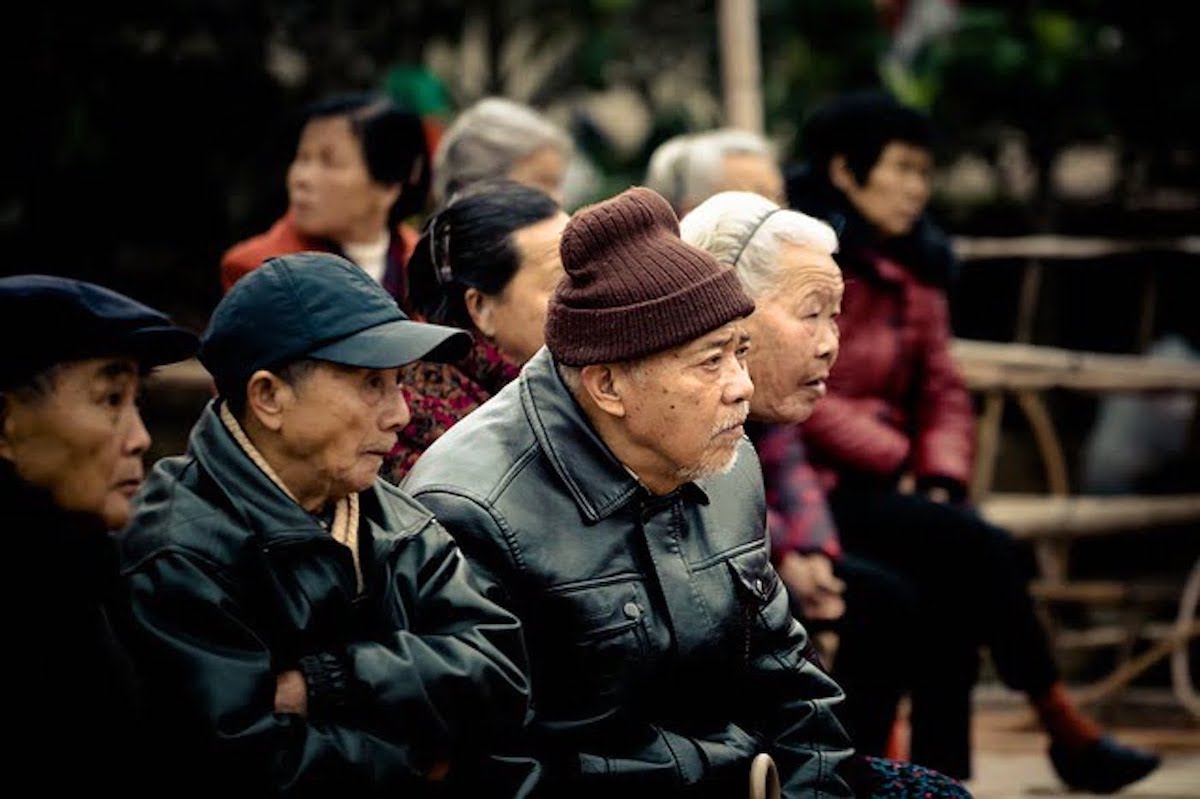
    China’s demographic landscape has undergone a fundamental transformation, shifting from concerns about overpopulation to confronting an unprecedented population contraction. Official statistics from January 2026 reveal the nation recorded its lowest birth rate since 1949, with fewer than eight million newborns—a figure that represents a dramatic departure from China’s historical demographic abundance.

    The current fertility rate of approximately 5.6 births per 1,000 people places China among the world’s lowest-fertility societies, comparable to aging European economies rather than emerging Asian powers. This marks the fourth consecutive year of population decline, confirming what was once considered a theoretical concern has now materialized as a structural reality.

    The reversal stems from deep socioeconomic transformations that have fundamentally altered family planning decisions. Urbanization, exorbitant housing costs relative to income in major cities, soaring childcare expenses, and intensely competitive education systems have collectively made parenthood an economic burden for many young couples. Marriage patterns have simultaneously shifted, with fewer people marrying and those who do marrying later in life.

    Policy interventions have proven inadequate to reverse these trends. The termination of the one-child policy and subsequent allowances for two and three children failed to produce the anticipated baby boom, revealing that fertility behavior has changed in ways that policy adjustments cannot easily influence.

    The socioeconomic underpinnings of this demographic collapse include extreme work cultures characterized by long hours and job insecurity, alongside emerging cultural phenomena like ‘tang ping’ (lying flat) that reflect generational withdrawal from competitive social structures. The notorious ‘4-2-1’ problem—where one child must support two parents and four grandparents—further discourages family expansion.

    Macroeconomic implications are substantial: a shrinking workforce constrains growth while demands on public spending increase. Consumption patterns shift as aging populations spend less and save more, fundamentally altering China’s economic model.

    Globally, this demographic transition is already reshaping supply chains as multinational corporations diversify production to younger Southeast Asian nations. China’s aging society will require increased domestic spending on pensions and healthcare, potentially limiting resources for international initiatives like the Belt and Road Initiative.

    The demographic decline presents the Chinese Communist Party with profound challenges to its legitimacy, which has historically been tied to economic performance and national rejuvenation. While nationalism may emerge as a compensatory cohesion mechanism, the fundamental constraints of an aging population will inevitably shape China’s future trajectory across economic, social, and geopolitical dimensions.

  • Iranian press review: Calls grow for sanctions relief across political divide

    Iranian press review: Calls grow for sanctions relief across political divide

    A profound internal schism has emerged within Iran regarding renewed diplomatic engagement with the United States, set against a backdrop of severe economic sanctions and recent military tensions in the Gulf. This division marks a significant shift from the pre-war period preceding last year’s 12-day conflict with Israel, when opposition to dialogue was more dominant.

    Prominent voices are now advocating for a pragmatic approach to lift crippling international sanctions. Gholamhossein Karbaschi, former Tehran mayor and moderate political figure, issued a direct appeal to President Masoud Pezeshkian, stating the government must prioritize relief for the Iranian people. “The world is cruel. America is a bully, and Europe is even worse,” Karbaschi acknowledged in comments to Etemad Online, while emphasizing the necessity of addressing citizens’ economic and security needs.

    International affairs analyst Ali Bigdeli similarly urged officials to conclude current negotiations, criticizing previous strategies as obsolete. “The old strategy no longer works, and the signs of its failure are clear,” Bigdeli stated in Saazan Degi newspaper, advocating for talks grounded in “today’s realities, not yesterday’s illusions.”

    The debate unfolds as Supreme Leader Ayatollah Ali Khamenei, who retains ultimate authority over foreign policy decisions, has remained conspicuously silent on the current negotiations—a silence many interpret as tacit approval.

    Meanwhile, figures within Iran’s establishment are acknowledging a deepening social crisis following the violent suppression of nationwide protests three weeks prior. Official reports cite 3,117 fatalities, though independent human rights organizations estimate the death toll exceeds 6,000. This violence has created what analysts describe as a state of “collective grief” throughout the nation.

    Saeed Khademi, advisor to the national Welfare Organization, warned in Arman Meli newspaper that unrecognized social trauma combined with economic hardship and fears of military conflict could fuel renewed unrest. “If the true grief and pain of the victims and their families is not recognized,” Khademi wrote, “a wounded and irritable mind is formed that can lead to anger and social tension.”

    This concern was echoed by Pirouz Hanachi, former member of the Islamic Revolutionary Guard Corps, who cautioned in Etemad daily that “ignoring public grief or trying to quickly and carelessly overcome it can lead to the accumulation of resentment” that eventually manifests as “anger and distrust.”

    In a concerning development, Iranian authorities have recently expanded their crackdown beyond ordinary citizens to target prominent reformist figures. Recent days have witnessed arrests of several high-profile individuals including Javad Imam, Ghorban Behzadiannejad, Hossein Karroubi, and Ali Shakouri-Rad—a former parliament member and Iran-Iraq War veteran who had recently criticized security forces for allegedly instigating violence during protests.

    The scope of these arrests, which now includes senior members of the Reform Front coalition, represents the most significant suppression of dissent since the 2009 Green Movement protests.

    Simultaneously, Iranian lawyers are mounting unprecedented challenges against the judicial treatment of detainees. Legal professionals have published open letters protesting what they describe as “extralegal restrictions” on defendants’ rights, including denied access to counsel, abbreviated trials, and coerced confessions broadcast on state media.

    Hamidreza Haji Esfandiari, a lawyer writing in Etemad, criticized the systematic violation of constitutional protections, warning that such practices risk “an even greater destruction of the manifestations of the rule of law.”

  • Iran sacks local TV boss after anti-Khamenei ‘slip’

    Iran sacks local TV boss after anti-Khamenei ‘slip’

    Iranian state media has terminated a provincial television director following a significant broadcast incident during live coverage of the Islamic Revolution’s 47th anniversary celebrations. The event unfolded Wednesday in Sistan-Baluchistan province during nationwide rallies commemorating the 1979 revolution.

    Reporter Musab Rasoulizad, while covering crowd participation at the government-organized event, inadvertently chanted “Marg bar Khamenei” (Death to Khamenei) instead of the customary anti-American and anti-Israeli slogans typically heard at such gatherings. The phrase directly targeted Iran’s Supreme Leader Ayatollah Ali Khamenei, the country’s highest political and religious authority.

    State television authorities announced immediate disciplinary measures, stating: “The broadcast director of Hamoun provincial TV channel has been dismissed following an error that occurred on the provincial network. The transmission operator and broadcast supervisor were suspended, with other staff involved referred to disciplinary committee.”

    The official statement emphasized these actions were necessary to “maintain professional discipline and safeguard the media’s reputation.” Rasoulizad subsequently issued a video apology describing the incident as “a slip of the tongue and a blunder which was broadcast and became a pre-text for anti-revolutionaries.”

    This broadcast controversy occurs against a backdrop of recent social unrest in Iran. Mass anti-government protests erupted in late December over economic grievances and living cost increases, peaking last month before subsiding. Iranian authorities acknowledge approximately 3,000 fatalities during the unrest, including security personnel and civilians, attributing violence to “terrorist acts” and foreign-instigated riots.

    International monitoring organizations report significantly higher casualty figures. The US-based Human Rights Activists News Agency (HRANA) documents 7,002 deaths, including 6,506 protesters, during the recent period of civil unrest.