作者: admin

  • As Guatemala begins high-stakes court elections, agents raid voting sites

    As Guatemala begins high-stakes court elections, agents raid voting sites

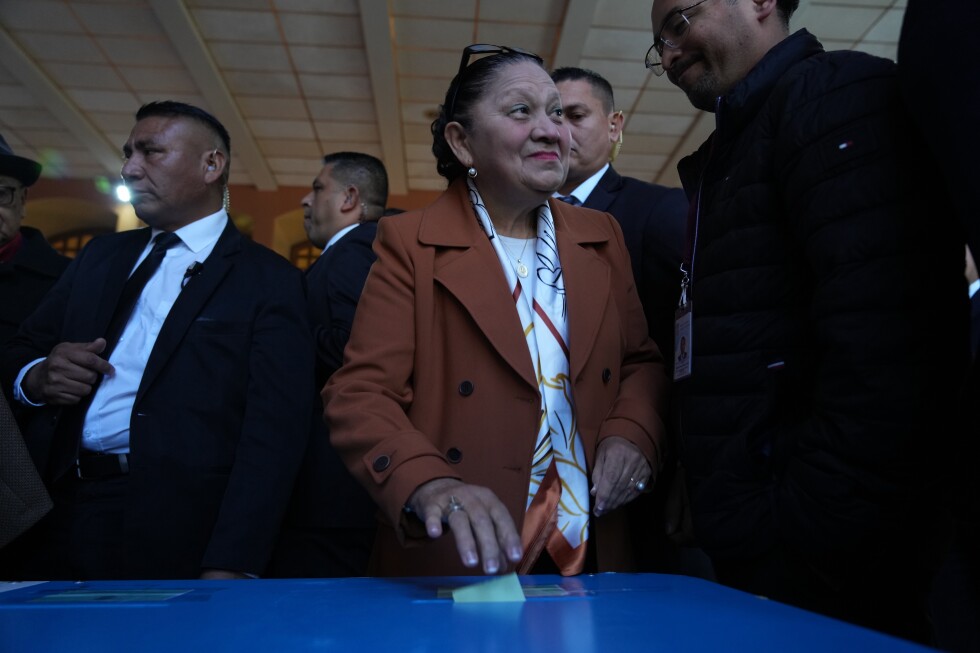
    Guatemala’s fragile democracy faced renewed strain on Thursday as prosecutors from the internationally criticized Attorney General’s office raided voting locations during crucial judicial elections. The operation, occurring simultaneously with the election of magistrates to the country’s highest court, sparked immediate condemnation from President Bernardo Arévalo and international observers.

    Prosecutor Leonor Morales, who faces U.S. sanctions for previously attempting to overturn Arévalo’s 2023 presidential victory, led the controversial raids. Morales refused to disclose details about the investigation, ordering media removal from the premises while her team temporarily blocked lawyers attempting to vote.

    President Arévalo characterized the actions as “a new attempt to undermine institutions and disrupt the normal functioning of the rule of law” in a social media address. He urged citizens not to be intimidated, declaring that “Guatemala’s democracy is not negotiable, it will not be intimidated, and it will not be taken away.”

    The Constitutional Court subsequently issued an injunction limiting the Attorney General’s office from intervening in the election process while permitting their investigation to continue. The Organization of American States observation mission condemned the raids as “an extremely high constitutional risk” that represents a “pattern of institutional instrumentalization” eroding public trust and judicial independence.

    These elections determine the composition of Guatemala’s Constitutional Court, the nation’s highest judicial body whose decisions are final. The court has served as both a democratic safeguard and a subject of corruption concerns throughout Guatemala’s prolonged anti-corruption struggle. Current magistrates are seeking reelection despite criticism from human rights advocates who describe recent court composition as comprising “dark characters” who have hindered justice system advances.

    The judicial appointments occur alongside the impending replacement of Attorney General Consuelo Porras, who faces international sanctions for undermining democracy. Porras, accused of protecting former presidents from corruption investigations, is ironically seeking election as a Constitutional Court magistrate. President Arévalo has previously emphasized that these selections represent an “important and critical” moment for Guatemalan democracy, with the nation’s democratic development hanging in the balance.

    International observers from both the Organization of American States and European Union are closely monitoring the process, recognizing its profound implications for judicial independence and the rule of law in Central America’s most populous nation.

  • One Extraordinary Photo: Golden moment as Italy celebrates luge win

    One Extraordinary Photo: Golden moment as Italy celebrates luge win

    CORTINA D’AMPEZZO, Italy — Aijaz Rahi, an accomplished photojournalist and photo editor with over thirty years of experience at The Associated Press, has chronicled some of the world’s most significant events. Based in Bangalore, his extensive career spans conflict zones in Kashmir and Afghanistan, major news across South Asia, and premier global sporting events including the soccer World Cup, the 2024 Paris Summer Olympics, and multiple Cricket World Cups.

    His recent work at the Winter Olympics produced a powerful image that encapsulates the essence of athletic triumph. The photograph in question captures the raw, unfiltered emotion of Italian luge athletes the instant they clinched a gold medal on their home turf. It is a moment of pure, unadulterated joy and national pride, representing the ultimate payoff of years of dedication.

    The technical execution of the shot was as deliberate as it was challenging. Rahi stationed himself directly at the finish area, enduring freezing temperatures to secure a head-on vantage point. This strategic positioning was crucial to immortalize the competitors’ immediate, visceral reactions as they completed their run. The composition naturally frames the medalists at the center while their elated teammates lean in from the sides, creating a layered narrative that emphasizes collective achievement and shared emotion.

    The photograph’s power lies in its masterful fusion of dynamic action and profound human sentiment. The athletes’ ecstatic expressions instantly telegraph victory and relief, while the surrounding team members provide crucial context, adding depth to the story of a shared triumph. The tightly cropped composition eliminates distractions, pulling the viewer directly into the intensity of the celebration and fostering a tangible connection to the pinnacle of Olympic success.

  • China’s demographic crisis has moved from theory to fact

    China’s demographic crisis has moved from theory to fact

    China’s demographic landscape has undergone a fundamental transformation, shifting from concerns about overpopulation to confronting an unprecedented population contraction. Official statistics from January 2026 reveal the nation recorded its lowest birth rate since 1949, with fewer than eight million newborns—a figure that represents a dramatic departure from China’s historical demographic abundance.

    The current fertility rate of approximately 5.6 births per 1,000 people places China among the world’s lowest-fertility societies, comparable to aging European economies rather than emerging Asian powers. This marks the fourth consecutive year of population decline, confirming what was once considered a theoretical concern has now materialized as a structural reality.

    The reversal stems from deep socioeconomic transformations that have fundamentally altered family planning decisions. Urbanization, exorbitant housing costs relative to income in major cities, soaring childcare expenses, and intensely competitive education systems have collectively made parenthood an economic burden for many young couples. Marriage patterns have simultaneously shifted, with fewer people marrying and those who do marrying later in life.

    Policy interventions have proven inadequate to reverse these trends. The termination of the one-child policy and subsequent allowances for two and three children failed to produce the anticipated baby boom, revealing that fertility behavior has changed in ways that policy adjustments cannot easily influence.

    The socioeconomic underpinnings of this demographic collapse include extreme work cultures characterized by long hours and job insecurity, alongside emerging cultural phenomena like ‘tang ping’ (lying flat) that reflect generational withdrawal from competitive social structures. The notorious ‘4-2-1’ problem—where one child must support two parents and four grandparents—further discourages family expansion.

    Macroeconomic implications are substantial: a shrinking workforce constrains growth while demands on public spending increase. Consumption patterns shift as aging populations spend less and save more, fundamentally altering China’s economic model.

    Globally, this demographic transition is already reshaping supply chains as multinational corporations diversify production to younger Southeast Asian nations. China’s aging society will require increased domestic spending on pensions and healthcare, potentially limiting resources for international initiatives like the Belt and Road Initiative.

    The demographic decline presents the Chinese Communist Party with profound challenges to its legitimacy, which has historically been tied to economic performance and national rejuvenation. While nationalism may emerge as a compensatory cohesion mechanism, the fundamental constraints of an aging population will inevitably shape China’s future trajectory across economic, social, and geopolitical dimensions.

  • Iranian press review: Calls grow for sanctions relief across political divide

    Iranian press review: Calls grow for sanctions relief across political divide

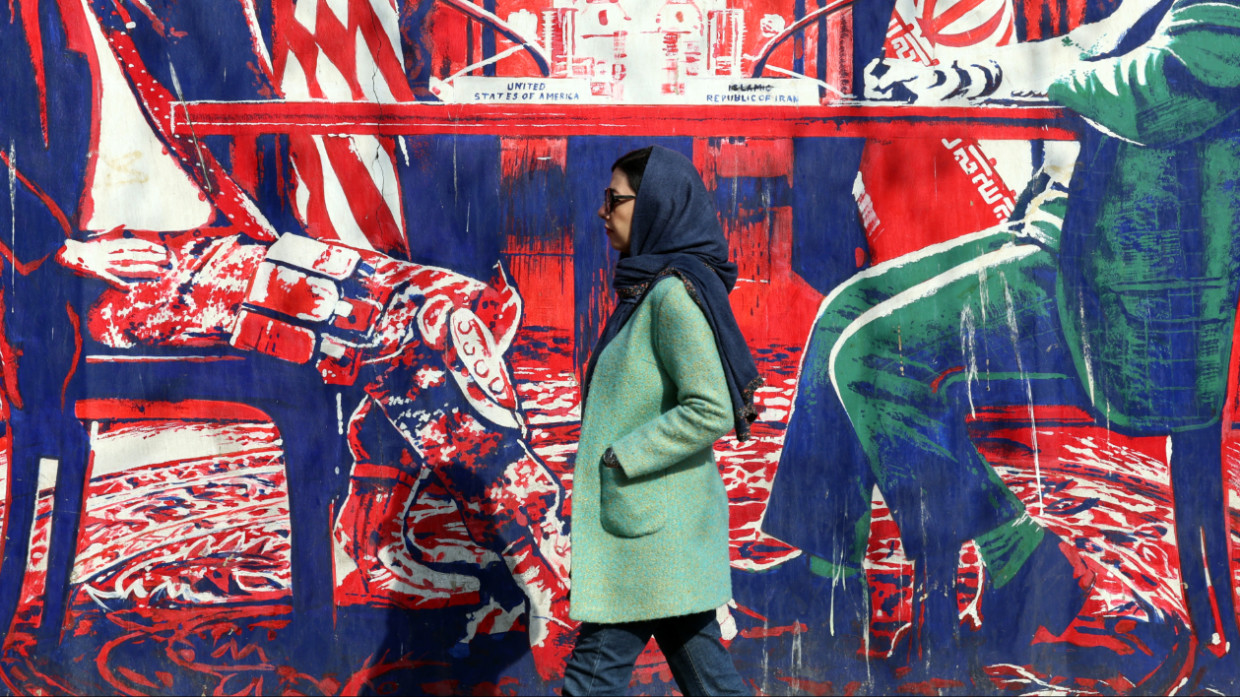
    A profound internal schism has emerged within Iran regarding renewed diplomatic engagement with the United States, set against a backdrop of severe economic sanctions and recent military tensions in the Gulf. This division marks a significant shift from the pre-war period preceding last year’s 12-day conflict with Israel, when opposition to dialogue was more dominant.

    Prominent voices are now advocating for a pragmatic approach to lift crippling international sanctions. Gholamhossein Karbaschi, former Tehran mayor and moderate political figure, issued a direct appeal to President Masoud Pezeshkian, stating the government must prioritize relief for the Iranian people. “The world is cruel. America is a bully, and Europe is even worse,” Karbaschi acknowledged in comments to Etemad Online, while emphasizing the necessity of addressing citizens’ economic and security needs.

    International affairs analyst Ali Bigdeli similarly urged officials to conclude current negotiations, criticizing previous strategies as obsolete. “The old strategy no longer works, and the signs of its failure are clear,” Bigdeli stated in Saazan Degi newspaper, advocating for talks grounded in “today’s realities, not yesterday’s illusions.”

    The debate unfolds as Supreme Leader Ayatollah Ali Khamenei, who retains ultimate authority over foreign policy decisions, has remained conspicuously silent on the current negotiations—a silence many interpret as tacit approval.

    Meanwhile, figures within Iran’s establishment are acknowledging a deepening social crisis following the violent suppression of nationwide protests three weeks prior. Official reports cite 3,117 fatalities, though independent human rights organizations estimate the death toll exceeds 6,000. This violence has created what analysts describe as a state of “collective grief” throughout the nation.

    Saeed Khademi, advisor to the national Welfare Organization, warned in Arman Meli newspaper that unrecognized social trauma combined with economic hardship and fears of military conflict could fuel renewed unrest. “If the true grief and pain of the victims and their families is not recognized,” Khademi wrote, “a wounded and irritable mind is formed that can lead to anger and social tension.”

    This concern was echoed by Pirouz Hanachi, former member of the Islamic Revolutionary Guard Corps, who cautioned in Etemad daily that “ignoring public grief or trying to quickly and carelessly overcome it can lead to the accumulation of resentment” that eventually manifests as “anger and distrust.”

    In a concerning development, Iranian authorities have recently expanded their crackdown beyond ordinary citizens to target prominent reformist figures. Recent days have witnessed arrests of several high-profile individuals including Javad Imam, Ghorban Behzadiannejad, Hossein Karroubi, and Ali Shakouri-Rad—a former parliament member and Iran-Iraq War veteran who had recently criticized security forces for allegedly instigating violence during protests.

    The scope of these arrests, which now includes senior members of the Reform Front coalition, represents the most significant suppression of dissent since the 2009 Green Movement protests.

    Simultaneously, Iranian lawyers are mounting unprecedented challenges against the judicial treatment of detainees. Legal professionals have published open letters protesting what they describe as “extralegal restrictions” on defendants’ rights, including denied access to counsel, abbreviated trials, and coerced confessions broadcast on state media.

    Hamidreza Haji Esfandiari, a lawyer writing in Etemad, criticized the systematic violation of constitutional protections, warning that such practices risk “an even greater destruction of the manifestations of the rule of law.”

  • Iran sacks local TV boss after anti-Khamenei ‘slip’

    Iran sacks local TV boss after anti-Khamenei ‘slip’

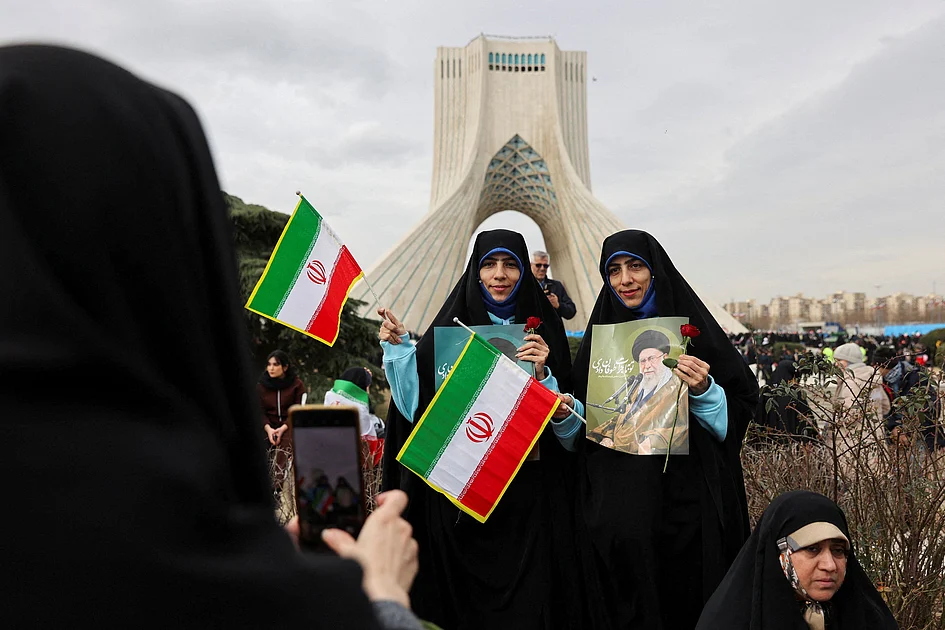
    Iranian state media has terminated a provincial television director following a significant broadcast incident during live coverage of the Islamic Revolution’s 47th anniversary celebrations. The event unfolded Wednesday in Sistan-Baluchistan province during nationwide rallies commemorating the 1979 revolution.

    Reporter Musab Rasoulizad, while covering crowd participation at the government-organized event, inadvertently chanted “Marg bar Khamenei” (Death to Khamenei) instead of the customary anti-American and anti-Israeli slogans typically heard at such gatherings. The phrase directly targeted Iran’s Supreme Leader Ayatollah Ali Khamenei, the country’s highest political and religious authority.

    State television authorities announced immediate disciplinary measures, stating: “The broadcast director of Hamoun provincial TV channel has been dismissed following an error that occurred on the provincial network. The transmission operator and broadcast supervisor were suspended, with other staff involved referred to disciplinary committee.”

    The official statement emphasized these actions were necessary to “maintain professional discipline and safeguard the media’s reputation.” Rasoulizad subsequently issued a video apology describing the incident as “a slip of the tongue and a blunder which was broadcast and became a pre-text for anti-revolutionaries.”

    This broadcast controversy occurs against a backdrop of recent social unrest in Iran. Mass anti-government protests erupted in late December over economic grievances and living cost increases, peaking last month before subsiding. Iranian authorities acknowledge approximately 3,000 fatalities during the unrest, including security personnel and civilians, attributing violence to “terrorist acts” and foreign-instigated riots.

    International monitoring organizations report significantly higher casualty figures. The US-based Human Rights Activists News Agency (HRANA) documents 7,002 deaths, including 6,506 protesters, during the recent period of civil unrest.

  • Intelligent trains debut on Beijing-Xiong’an express rail link

    Intelligent trains debut on Beijing-Xiong’an express rail link

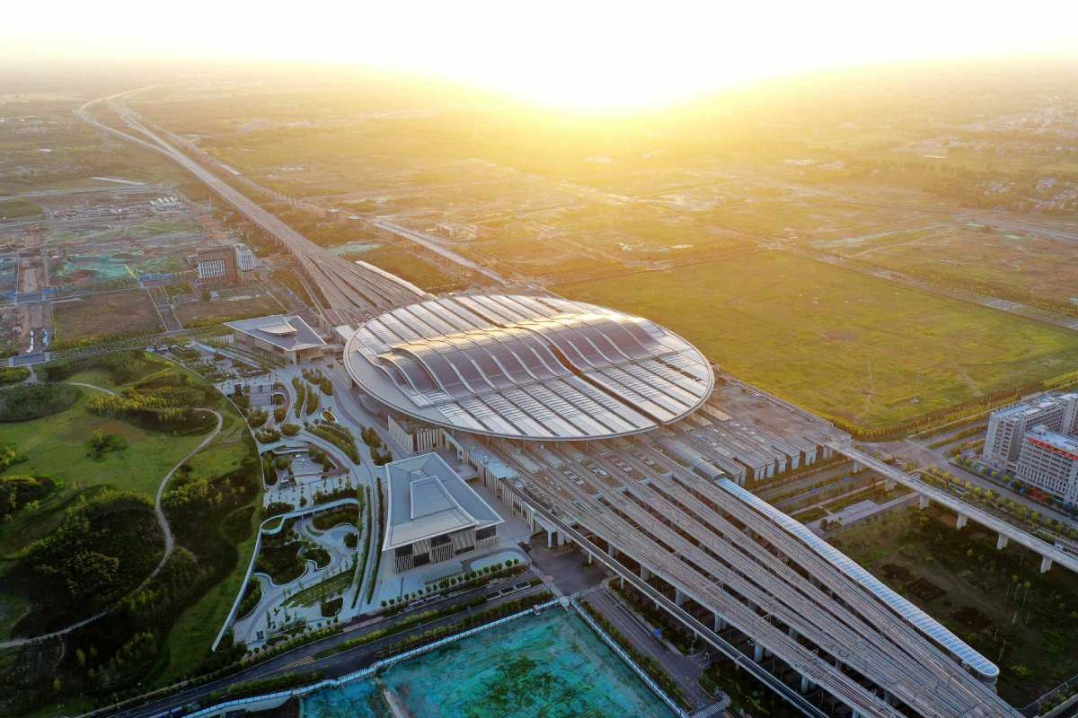
    China’s rail transportation enters a new era of intelligent mobility with the debut of fully automated trains on the Beijing-Xiong’an express rail corridor. The 86-kilometer high-speed link, currently in its final construction phase, will connect Xiong’an New Area’s urban terminal through Langfang to Beijing Daxing International Airport, seamlessly integrating with the capital’s subway network.

    The newly unveiled trains represent a technological leap in rail engineering. Constructed with advanced carbon fiber composites rather than traditional metals, these intelligent vehicles achieve superior strength-to-weight ratios. Their striking silver-gray exteriors feature graduated blue stripes that evoke celestial and oceanic imagery, creating a visually distinctive identity for the future-forward transportation system.

    Passenger comfort receives revolutionary treatment through AI-driven environmental controls. Each train incorporates over 2,900 intelligent sensors that continuously monitor cabin conditions. Sophisticated algorithms automatically regulate air pressure, temperature, and lighting systems to minimize ear discomfort during high-speed transitions. The interior design prioritizes passenger experience with coffee-gray seating featuring concealed foldable tables and expanded armrests. Standing passengers benefit from specially designed leaning pads strategically positioned near doors.

    Upon operational commencement, the high-speed link will dramatically compress travel durations. The journey from Xiong’an to Daxing Airport will reduce to approximately 30 minutes, while connectivity to Beijing’s Lize business district will be achieved in about one hour. This transportation advancement represents a critical infrastructure milestone in integrating Xiong’an—Hebei province’s designated future city—with China’s capital region, facilitating economic integration and regional development.

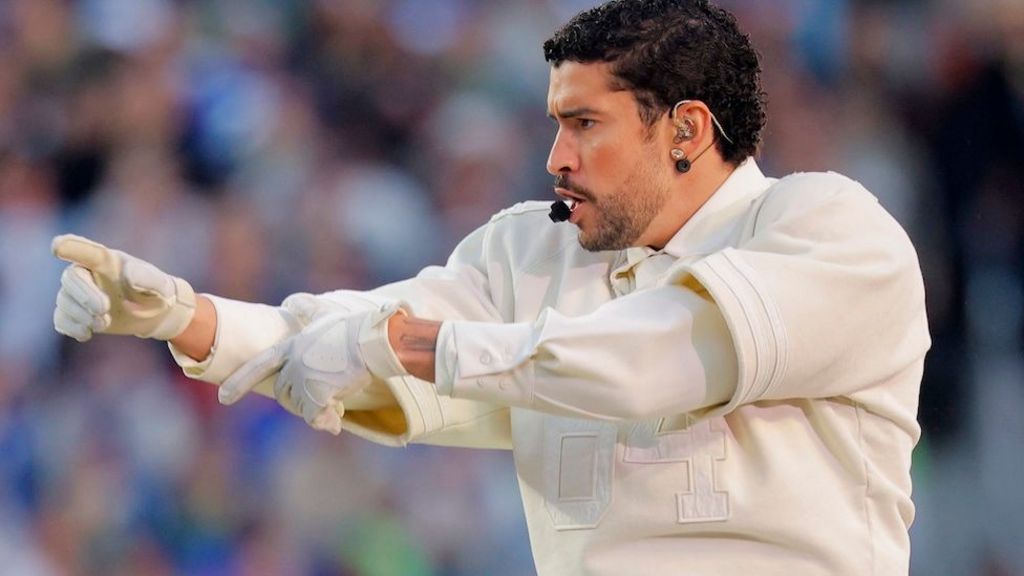
  • Weekly quiz: What was written on Bad Bunny’s ball at the Super Bowl?

    Weekly quiz: What was written on Bad Bunny’s ball at the Super Bowl?

    This week witnessed significant developments across political, entertainment, and global spheres. Sir Keir Starmer’s chief of staff resigned unexpectedly, creating political turbulence within the Labour Party leadership. Simultaneously, former President Donald Trump sparked widespread condemnation by sharing racially inflammatory content depicting Barack and Michelle Obama through dehumanizing imagery, which he subsequently removed following public backlash.

    The entertainment industry mourned the loss of James Van Der Beek, celebrated for his iconic role in ‘Dawson’s Creek,’ as Hollywood figures paid heartfelt tributes to the late actor’s legacy. Beyond these headline events, numerous global developments occurred including Super Bowl preparations, ongoing situations in Puerto Rico, evolving trends in pop music, and broader United States policy discussions.

    News quizzes curated by Ben Fell continue to engage audiences with weekly retrospectives, encouraging deeper reflection on world events beyond immediate media coverage. These comprehensive reviews offer opportunities to test one’s awareness of international affairs through current and archival quizzes.

  • ‘No one to back us’: Arab bus drivers in Israel grapple with racist attacks

    ‘No one to back us’: Arab bus drivers in Israel grapple with racist attacks

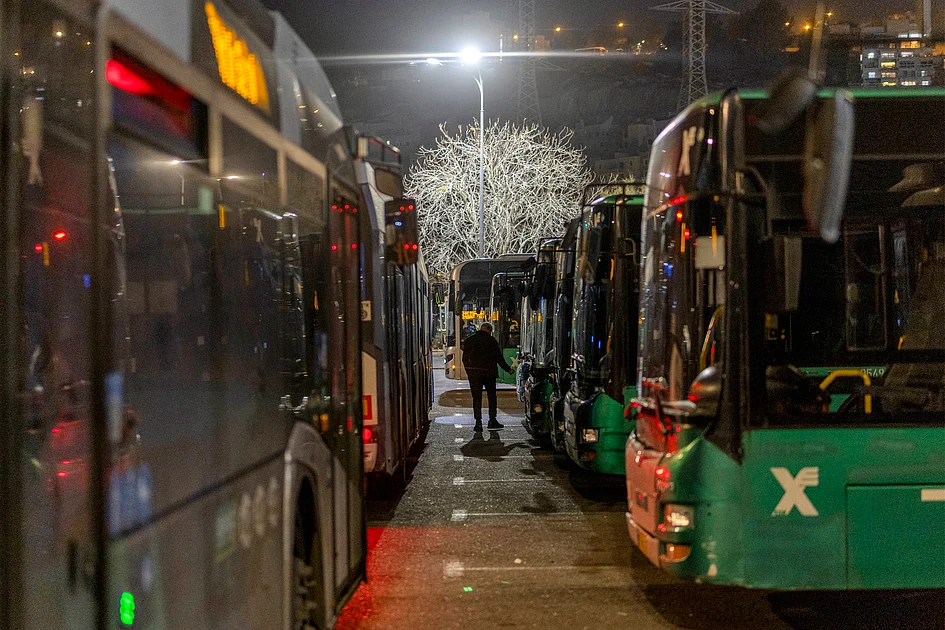
    A disturbing surge in racially motivated assaults against Arab bus drivers in Israel has exposed deepening social fractures, with workers reporting a dangerous escalation since the onset of the Gaza conflict in October 2023. The situation persists despite ceasefire agreements, leaving drivers vulnerable and demanding institutional protection.

    The case of Fakhri Khatib, a Palestinian bus driver from East Jerusalem, exemplifies the crisis. During an evening shift in January, Khatib found himself surrounded by an aggressive crowd shouting ethnic slurs. Fearing for his safety amid inadequate police response, he attempted to drive away, tragically resulting in the death of a teenage boy holding onto the vehicle. Initially facing aggravated murder charges later reduced to negligent homicide, Khatib’s case highlights the precarious position of Arab transportation workers.

    According to Koach LaOvdim (Power to the Workers), the union representing approximately 5,000 of Israel’s 20,000 bus drivers, physical assaults increased by 30% in 2025 compared to the previous year. In Jerusalem alone, the union documented 100 cases requiring medical evacuation of drivers, with verbal harassment incidents being too numerous to quantify systematically.

    The violence particularly affects Palestinian citizens from occupied East Jerusalem and Israel’s Arab minority, who constitute about 20% of the population yet represent a substantial proportion of urban bus operators. Football matches, especially those involving Beitar Jerusalem—known for some fans’ anti-Arab sentiments—frequently serve as flashpoints for attacks.

    In response to the crisis, the Israeli-Palestinian grassroots organization Standing Together initiated a ‘protective presence’ program on buses, deploying activists to document violence and de-escalate tensions. Meanwhile, drivers criticize what they describe as insufficient police action and accountability for perpetrators, despite available video evidence of assaults.

    The Transport Ministry recently launched a pilot security unit featuring rapid-response motorcycle teams in several cities, acknowledging that public transport violence has ‘crossed a red line.’ While Jewish and Arab driver representatives have welcomed this as an initial step, they emphasize that intercommunal solidarity remains essential for meaningful change amid rising societal divisions.

  • Book from Dh2: Big Bad Wolf sale returns to Dubai during Ramadan 2026

    Book from Dh2: Big Bad Wolf sale returns to Dubai during Ramadan 2026

    Dubai prepares to host the highly anticipated return of the Big Bad Wolf (BBW) book sale, transforming into a 10-day literary extravaganza during Ramadan 2026. The event will run from February 26 through March 8 at Sound Stage, Dubai Studio City, operating daily from 10:00 AM to 2:00 AM to accommodate Ramadan schedules.

    After a one-year hiatus, organizers have expanded the festival to create a comprehensive cultural experience beyond mere book shopping. With over millions of titles available starting at just Dh2 and discounts reaching up to 95%, the event aims to make reading accessible to all demographics. The selection encompasses diverse genres including children’s literature, educational materials, fiction, non-fiction, and self-development books in both English and Arabic.

    Andrew Yap, co-founder of Big Bad Wolf Books, emphasized the event’s evolution into a family tradition: ‘BBW has become something that families look forward to, particularly during the meaningful period of Ramadan. We’ve witnessed visitors staying until 5:00 AM, and on some occasions, we’ve remained open 24 hours to meet overwhelming demand.’

    The festival transcends traditional book sales by incorporating food trucks, complimentary children’s workshops, and various competitions. Strategic partnerships with Sharjah Book Authority and Dubai Culture & Arts Authority underscore the UAE’s broader initiative to integrate reading into daily life.

    Eiman Al Hammadi, Acting Director of the Literature Department at Dubai Culture, noted: ‘Such initiatives help position Dubai as a city where literature constitutes an integral part of daily culture, building year-round momentum around books and storytelling.’

    Mohamed Noor Hersi of Sharjah Book Authority added that the collaboration enables affordable book access across diverse communities, reaching families, children, and young readers from various backgrounds.

  • PKU international student experiences winter life in Jilin

    PKU international student experiences winter life in Jilin

    China Daily Information Co (CDIC) maintains strict copyright protection over all content published across its digital platforms. The comprehensive copyright notice explicitly prohibits unauthorized republication or utilization of any materials—including textual content, photographs, and multimedia information—without obtaining prior written consent from CDIC.

    The company reinforces its digital rights management through specific technical recommendations, advising visitors to utilize browsers with 1024*768 resolution or higher for optimal viewing experience. This technical specification suggests CDIC’s commitment to maintaining presentation quality while protecting intellectual property rights.

    Additionally, the publication holds formal accreditation for digital content distribution, evidenced by its multimedia publishing license (0108263) and registration number (130349). These credentials validate CDIC’s official standing as a regulated information provider operating within China’s media landscape.

    The footer section provides navigation to organizational information including corporate background, advertising opportunities, contact channels, and employment sections specifically catering to expatriate professionals. This indicates CDIC’s international orientation and its engagement with global audiences seeking China-related news and information.

    Social media connectivity options further demonstrate the organization’s adaptation to contemporary digital communication trends while maintaining controlled content distribution channels.