作者: admin

  • Americans worry about war in Iran, Trump’s promises

    Americans worry about war in Iran, Trump’s promises

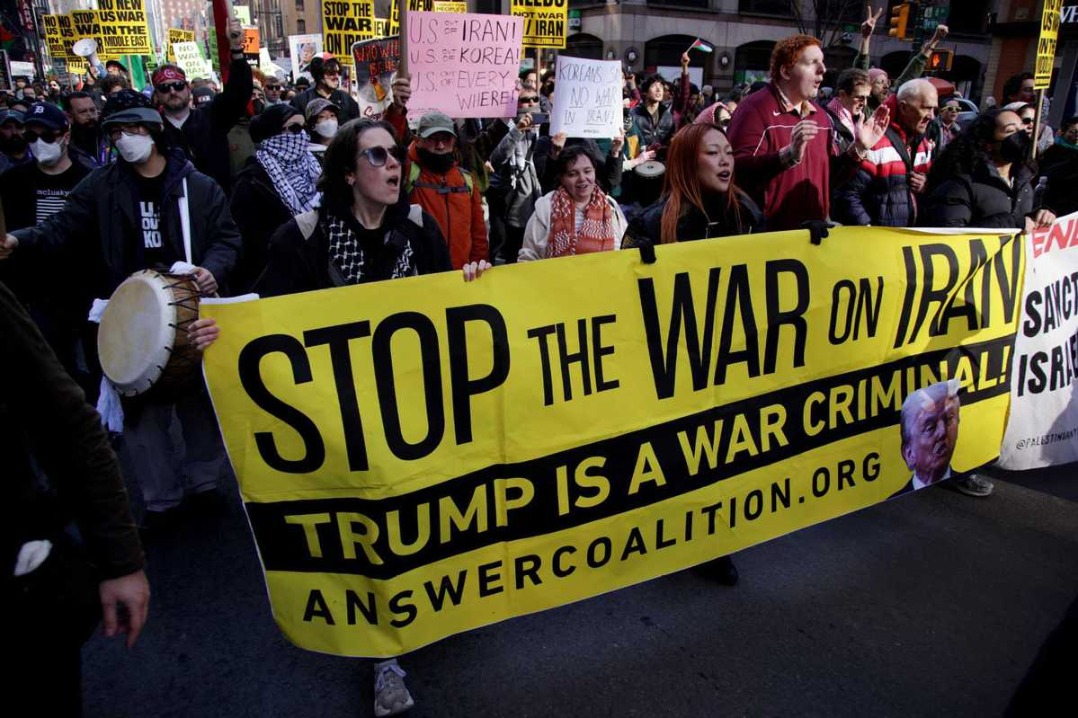
    A significant political storm is brewing within the United States as President Donald Trump faces mounting criticism over his decision to initiate military action against Iran, with many of his former supporters expressing feelings of betrayal over what they perceive as broken campaign promises.

    The discontent stems from Trump’s 2024 campaign rhetoric that heavily emphasized an ‘America First’ policy and criticized US involvement in prolonged foreign conflicts. Prominent conservative voices including influential podcaster Joe Rogan, who commands an audience of over 16 million followers, have publicly denounced the military action. ‘He ran on no more wars, end these stupid, senseless wars, and then we have one that we can’t even really clearly define why we did it,’ Rogan stated, capturing the sentiment of many disillusioned supporters.

    Recent polling data reveals substantial public opposition to the conflict. A CNN survey conducted between February 28 and March 1 indicates that 59% of Americans disapprove of military action against Iran, while only 41% express support. Furthermore, 54% believe that US military engagement will actually increase the Iranian threat to American interests.

    The financial implications are becoming increasingly concerning. According to New York Times reports, Pentagon officials briefed lawmakers that the initial week of military operations cost approximately $11.3 billion—a figure that excludes preliminary buildup expenses. This expenditure significantly exceeds earlier projections from the Center for Strategic and International Studies, which had estimated $3.7 billion for the first 100 hours of operations.

    Conservative activist Tucker Carlson, known for his regular White House visits, reportedly described the airstrikes as ‘absolutely disgusting and evil’ and had actively lobbied against military action. The growing dissent is reflected in digital media as well, with content creator Candace Owens’ video titled ‘Donald Trump has Betrayed America’ amassing 2.3 million views and over 27,000 comments within just two days.

    Many Americans express concern that the administration has created an untenable situation where either withdrawal or escalation carries severe consequences. As Houston resident Michael articulated, ‘If the US withdraws soon, we would look weak because Iran would be able to recoup with more vengeance against the US. We can’t eliminate the Iran threat without considerable military involvement or a new regime friendly to the US.’

  • Ships identify themselves as Chinese around Strait of Hormuz during Iran war to avoid attacks

    Ships identify themselves as Chinese around Strait of Hormuz during Iran war to avoid attacks

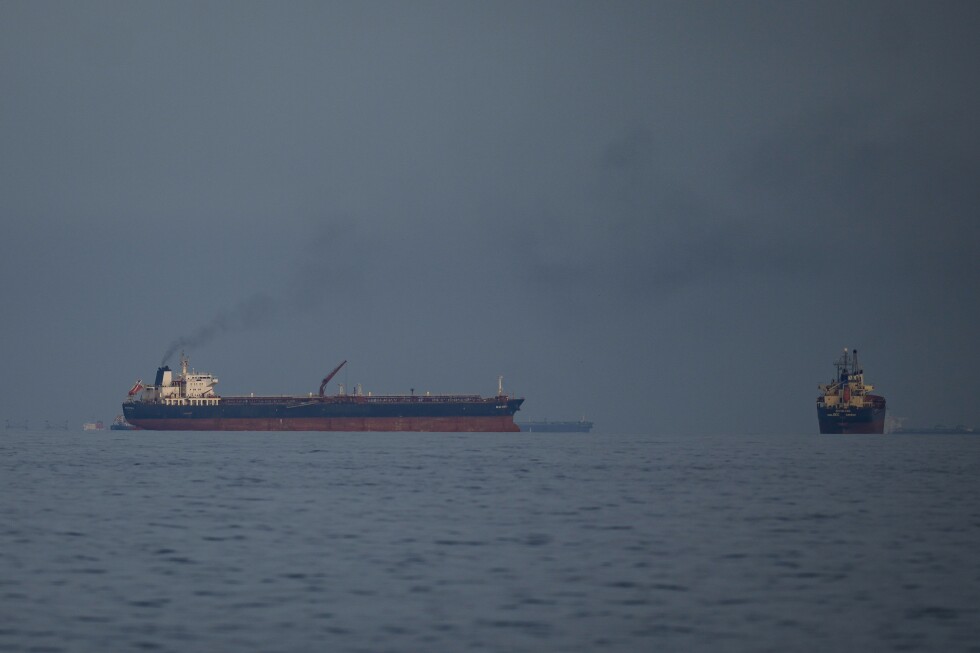
    Multiple commercial vessels navigating the strategic Strait of Hormuz and Persian Gulf waters have begun broadcasting ‘China-linked’ identification signals since the escalation of regional hostilities, according to marine traffic analysis. Shipping data reveals at least eight vessels have modified their destination transponders to display messages including ‘CHINA OWNER’ and ‘CHINA OWNER&CREW’ while traversing these conflict-prone waterways.

    Maritime security experts indicate this emerging practice represents a calculated risk-mitigation strategy rather than a navigational requirement. Ana Subasic, trade risk analyst at data analytics firm Kpler, emphasized that ‘the primary objective of vessels publicly identifying themselves as Chinese during Gulf transits is risk reduction rather than facilitating strait passage.’

    The tactical signaling appears rooted in Iran’s established pattern of avoiding confrontation with Chinese-affiliated entities, reflecting Beijing’s neutral diplomatic stance and substantial economic ties with Tehran. Kun Cao, client director at consulting firm Reddal, characterized the messages as essentially stating: ‘Do not mistake me for the kind of ship you said you would hit.’

    This development occurs against a backdrop of heightened maritime insecurity, with at least 19 commercial vessels damaged in regional hostilities according to recent counts. Notably, most vessels adopting Chinese identifiers were not China-flagged, instead sailing under registrations including Panama and the Marshall Islands—a common practice in global shipping where flags often don’t reflect ownership nationality.

    The effectiveness of this self-declaration strategy remains uncertain despite its growing adoption. Rico Luman, ING senior economist specializing in transport logistics, noted that while many bulk carriers maintain genuine Chinese ownership, operational, and cargo connections, the protective value of such declarations is unproven.

    Technically, destination signals represent manually entered transponder messages typically used for navigational safety and port planning. Subasic explained that as these signals lack real-time verification, vessels occasionally repurpose them to broadcast ownership or nationality information—a practice previously observed during Houthi attacks in the Red Sea when ships similarly emphasized Chinese affiliations to deter Iranian-backed forces.

  • War in Iran squeezing China’s oil lifeline

    War in Iran squeezing China’s oil lifeline

    China’s energy security framework faces its most significant challenge in 2026 as geopolitical disruptions threaten global oil markets. The detention of Venezuelan leader Nicolás Maduro in January, followed by coordinated US-Israeli military operations against Iran beginning in late February, has severely impacted two crucial sources of China’s oil imports.

    The escalating Middle Eastern conflict has damaged critical energy infrastructure, causing oil prices to surge above $100 per barrel when markets opened on March 9. Although prices subsequently retreated from this peak, they remain substantially elevated from the $60 baseline recorded at the beginning of the year.

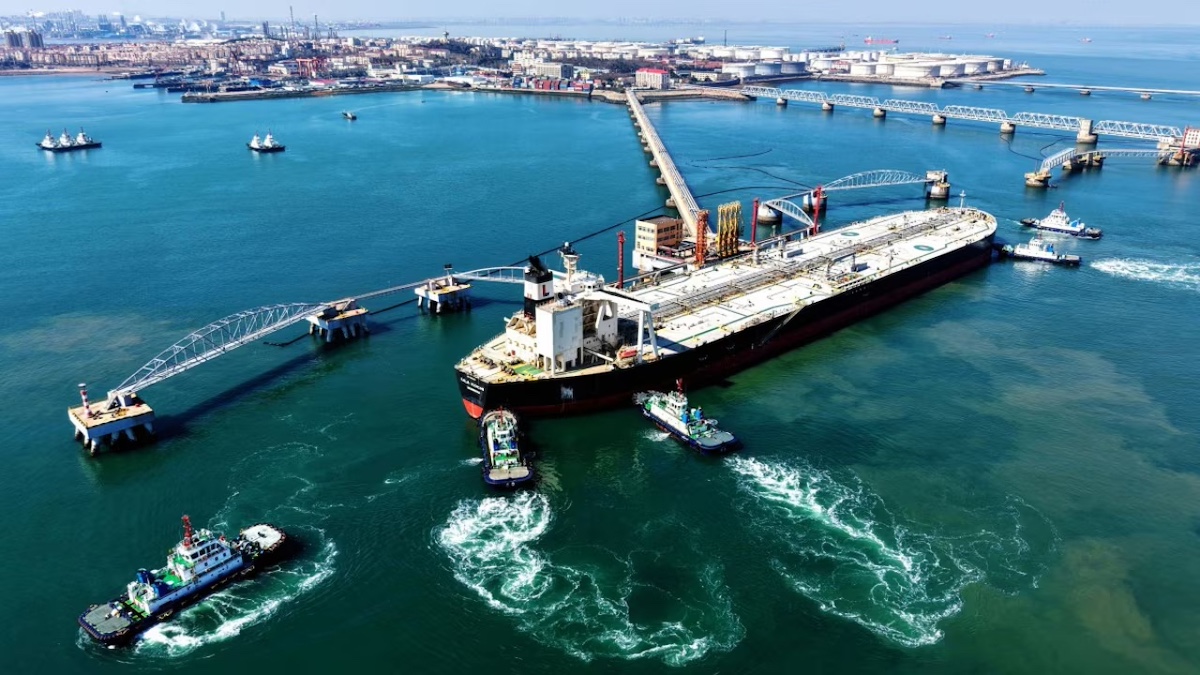
    Despite assertions from US President Donald Trump predicting a swift resolution, the crisis shows no signs of abatement. Attacks have targeted Iranian oil facilities and those of US-aligned Gulf States, while tanker traffic through the strategically vital Strait of Hormuz—a critical global oil artery—has experienced significant reduction. Approximately one-fifth of global oil trade normally transits this waterway, and its current vulnerability has prompted numerous nations to implement emergency measures addressing the energy shortage.

    For China, the world’s largest energy consumer accounting for 27% of global energy consumption in 2024, these developments present particular concerns. The nation’s technologically advanced, expanding economy and population exceeding 1.4 billion require immense energy resources to sustain growth. China’s electricity usage in 2025 more than doubled that of the United States, while Iran alone provides 13% of China’s crude oil imports, with Venezuela supplying an additional 4%.

    China maintains strategic petroleum reserves estimated to provide approximately 120 days of supply, slightly less than the US Strategic Petroleum Reserve established following the 1970s Arab oil embargo. The International Energy Agency member nations decided on March 11 to release stockpiled oil to address acute market disruptions caused by the conflict.

    China’s vulnerability stems from its substantial external dependence, importing roughly 70% of its oil primarily via maritime routes. According to the Georgetown Journal of International Affairs, 90% of Chinese trade and 80% of oil imports travel by sea, highlighting the strategic significance of securing vital ‘sea lines of communication’ often discussed as the ‘Malacca Dilemma.’

    Chinese strategists frequently note that critical maritime chokepoints including the Strait of Malacca, Strait of Hormuz, and Suez and Panama canals handle 60-80% of China’s imported oil and liquefied natural gas. Qatar’s shutdown of several gas facilities has eliminated 20% of global LNG exports, particularly impactful for China, the world’s largest LNG importer that sourced approximately one-quarter of its LNG from Qatar in 2025.

    Russia emerges as a crucial alternative supplier insulated from maritime disruptions, with energy infrastructure connecting the two nations across their vast land border. Moscow’s increased dependence on Chinese markets following Western sanctions related to the Ukraine war has strengthened Beijing’s bargaining position in energy negotiations.

    China’s demographic trends, including population decline since 2022, are expected to reduce energy demand over the next decade, potentially bringing peak oil consumption before 2030. Domestically, coal continues to provide approximately 60% of China’s energy consumption and electricity generation, offering important energy security despite environmental costs.

    Substantial investments in renewable energy have improved China’s position, with the nation now manufacturing 60% of global wind turbines and 80% of solar panels according to Yale School of Environment data. Electric vehicle adoption continues to accelerate, with EVs outselling conventional cars in China since 2025, reducing transportation sector oil consumption.

    Despite these advances, fossil fuels will remain essential for decades according to China National Petroleum Corporation research, particularly for petrochemicals and heavy industry. Unlike the Soviet Union during the Cold War, China’s reliance on imported fuel and limited power projection capabilities leave it vulnerable as it positions itself as a geopolitical rival to the US.

    Beijing is expanding military capabilities to protect energy routes, increasing naval presence in the Indian Ocean and Gulf region while modernizing its fleet with plans to operate six additional aircraft carriers by 2035. China also holds significant leverage in critical minerals, controlling substantial global processing capacity for rare earths, lithium, and gallium essential for batteries, solar panels, and advanced electronics.

    The ongoing conflict will keep Chinese planners alert as energy shocks ripple through the global economy. China’s combination of massive demand, foreign supply reliance, and ambitious geopolitical goals makes it particularly sensitive to current disruptions. How effectively Beijing manages this crisis could shape regional and global calculations regarding China’s strategic position and resilience.
  • Senegal approves tougher anti-gay law as rights groups raise concerns

    Senegal approves tougher anti-gay law as rights groups raise concerns

    Senegal’s National Assembly has overwhelmingly passed sweeping legislation that significantly intensifies penalties for same-sex relationships while criminalizing any form of homosexuality advocacy. The parliamentary vote saw 135 members in favor, zero against, and three abstentions, paving the way for presidential ratification that would enact the stringent measures into law.

    This legislative initiative fulfills campaign commitments made by President Bassirou Diomaye Faye and Prime Minister Ousmane Sonko, emerging amid heightened enforcement actions against alleged homosexual activities. The new statute doubles maximum imprisonment terms from five to ten years for same-sex acts and introduces substantial fines reaching 10 million CFA francs (approximately $17,600).

    Government spokesperson Amadou Moustapha Ndieck Sarré defended the legislation against international condemnation, asserting that it reflects Senegal’s cultural and religious values. “The overwhelming majority of Senegalese people reject homosexuality,” Sarré stated. “Our cultural foundations firmly oppose such practices.”

    Conservative advocacy groups, including the moral values organization And Sàmm Jikko Yi, have long pressured authorities for stricter anti-homosexuality measures. These entities argue that the strengthened legal framework is essential for preserving Senegal’s societal norms.

    However, human rights organizations have issued grave warnings regarding the legislation’s potential consequences. Larissa Kojoué, researcher at Human Rights Watch, emphasized that “criminalizing same-sex conduct and arresting individuals based on sexual orientation violates multiple internationally protected rights, including principles of equality and non-discrimination.”

    Medical and public health experts express particular concern about the law’s impact on HIV prevention efforts. Dr. Charles Dotou, head of Senegal’s LGBTQ Association, cautioned that the legislation would drive vulnerable communities underground, potentially creating “chaos in society” through increased fear and migration.

    Dr. Safiétou Thiam, executive secretary of Senegal’s National Council for the Fight Against AIDS, warned that the law jeopardizes decades of public health progress. “We risk undermining the results of 30 to 35 years of efforts in combating HIV/AIDS,” Thiam noted, highlighting that Senegal currently maintains one of West Africa’s lowest HIV prevalence rates at 0.3% among adults.

    This legislative development aligns with a broader trend across Africa, where several nations including Uganda, Ghana, Burkina Faso, and Mali have recently implemented or proposed stringent anti-LGBTQ+ measures. The Senegalese legislation specifically targets what it describes as “acts against nature,” expanding both punitive measures and their application to those perceived as promoting homosexual relationships.

  • Macao establishes 4 state key laboratories: national political adviser

    Macao establishes 4 state key laboratories: national political adviser

    Macao has significantly advanced its scientific capabilities with the establishment of four state key laboratories, marking a transformative development in the special administrative region’s research landscape. The newly inaugurated facilities specialize in cutting-edge domains including traditional Chinese medicine, microelectronics, smart-city Internet of Things, and lunar and planetary sciences.

    Chen Ji-min, vice-chairperson of the council of Macao University of Science and Technology and a national political adviser, revealed these developments during the fourth session of the 14th National Committee of the Chinese People’s Political Consultative Conference in Beijing. According to Chen, these laboratories represent a strategic investment in Macao’s research infrastructure that has already yielded substantial returns in talent development and international collaboration.

    Since Macao’s return to Chinese sovereignty in 1999, the region has dramatically prioritized scientific research and technological innovation within its higher education system. This commitment is reflected in staggering growth metrics: university enrollment has skyrocketed from 8,000 to over 62,000 students, while research staff has expanded from merely 13 to 1,773 professionals—representing a 136-fold increase. Currently, more than 9,000 undergraduate and postgraduate students are pursuing science and technology disciplines.

    ‘The convergence of academic institutions and state key laboratories, coupled with participation in major national initiatives, has enabled Macao to cultivate a new generation of young scientists while attracting world-renowned researchers to the Guangdong-Hong Kong-Macao Greater Bay Area,’ Chen stated. She further emphasized that ‘Macao is positioning itself as an international hub for elite talent that aggregates global expertise and bridges domestic and international collaborative innovation.’

  • At least 50 people killed and 125 others reported missing after landslides sweep Ethiopia

    At least 50 people killed and 125 others reported missing after landslides sweep Ethiopia

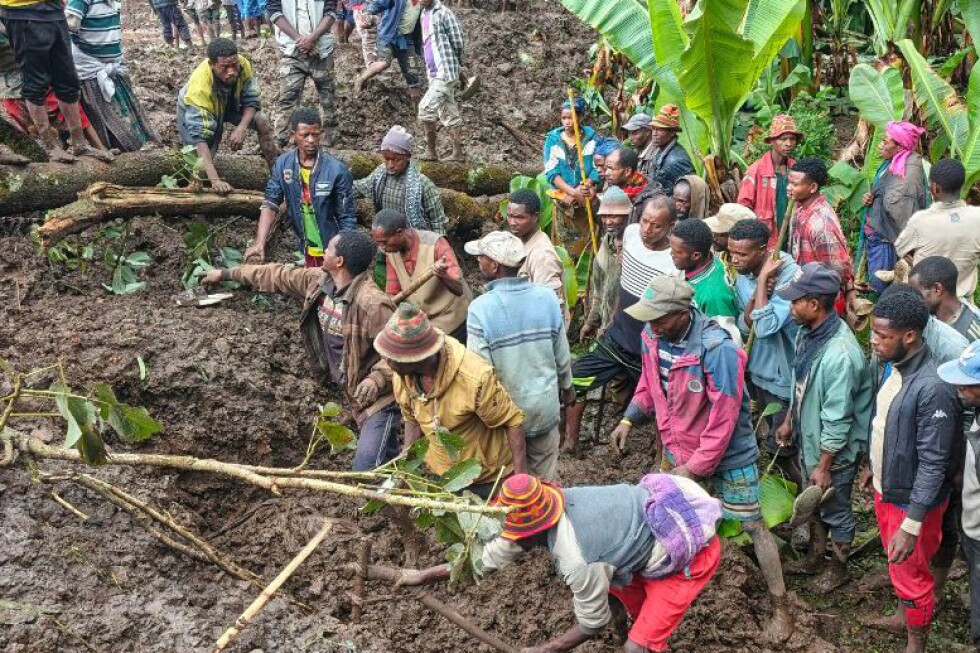
    ADDIS ABABA, Ethiopia — Catastrophic landslides triggered by relentless heavy rainfall have devastated three districts in southern Ethiopia’s Gamo Zone, resulting in a confirmed death toll of at least 50 individuals, with approximately 125 more reported missing, according to local authorities. The disaster, which struck the Gacho Baba, Kamba, and Bonke districts, has prompted a large-scale emergency response operation amid challenging conditions.

    Mesfin Manuqa, the Director of Disaster Response for the Gamo Zone, confirmed the grim statistics on Thursday, noting that rescue teams managed to successfully extract one survivor from the thick mud. The scale of destruction to homes and infrastructure remains unquantified, as communication officials like Abebe Agena from Gacho Baba District reported that the majority of fatalities were discovered buried under the debris.

    In response to the tragedy, South Ethiopia Regional State President Tilahun Kebede issued a somber statement expressing profound grief and urgently advised communities residing in highland regions and areas susceptible to flooding to evacuate to safer, higher ground. He emphasized the ongoing threat, stating, ‘With the rainy season persisting, these types of disasters could recur. I am calling on communities living in highlands and flood-prone areas to take necessary precautions.’

    Such natural calamities are recurrent in Ethiopia, particularly during the annual rainy season, where saturated soil conditions frequently lead to deadly mudslides and flash flooding. This recent event echoes a similar tragedy from July 2024, when exceptionally heavy rains precipitated a massive mudslide in the same region, claiming 229 lives and highlighting the persistent vulnerability of these communities to extreme weather events.

  • Metronome and navigator: How China’s five-year plans steer unprecedented modernization

    Metronome and navigator: How China’s five-year plans steer unprecedented modernization

    BEIJING – From an agrarian society with negligible industrial capacity in 1953 to an emerging spacefaring nation by 2030, China’s transformative journey has been orchestrated through a unique governance mechanism: the Five-Year Plan system. As the 15th iteration (2026-2030) takes shape during China’s annual legislative sessions, this strategic framework continues to steer the world’s most ambitious modernization project.

    The fundamental question underlying these blueprints is how a nation sustains developmental progress across generations on a scale never before attempted. The answer lies in what experts describe as a “cascading architecture” of governance – where overarching national strategies translate into sector-specific and regional implementations, creating synchronized progress toward common objectives.

    Unlike conventional growth models focused solely on economic metrics, China’s 15th Five-Year Plan demonstrates multidimensional development priorities. While maintaining economic expansion within an “appropriate range” (with 2026 targets set at 4.5-5%), the plan emphasizes qualitative transformation across strategic sectors including artificial intelligence, quantum technology, nuclear fusion, and 6G communications. Notably, over one-third of key indicators address quality-of-life improvements, including raising average life expectancy to 80 years.

    Three visual metaphors in the policy document encapsulate China’s modernization ethos: pristine ecological landscapes, rich cultural heritage preservation, and clean energy transformation. Together, they represent a development paradigm prioritizing shared prosperity over polarization, material and cultural advancement over lopsided growth, and ecological harmony over environmental degradation.

    The institutional continuity of this planning system distinguishes China’s approach from other nations. “China is not the first country to formulate five-year plans, but it is the only one to have sustained the practice and achieved the twin miracles of rapid economic development and long-term social stability,” noted Yang Yongheng, director of Tsinghua University’s China Institute for Development Planning.

    For global investors, these plans provide unprecedented predictability amid mounting international uncertainties. Business leaders describe the system as both “metronome” and “navigator” – translating long-term vision into phased implementation while signaling future economic directions. “The five-year plan transforms investment decisions from probabilistic bets to calculated strategic positioning,” observed Simon Smith of Taikoo Engine Services.

    Multinational corporations have learned to synchronize their China strategies with this planning rhythm. “It provides a consistent cadence for synchronizing priorities between our global headquarters and China organization,” explained Liliana Lucioni, President of Coach China.

    The current plan’s emphasis on emerging industries is already reshaping global investment perspectives. “Chinese assets are no longer just a portfolio option. They are a strategic must-have,” stated Janice Hu of UBS Securities, noting dynamic innovation in AI, semiconductors, and renewable energy that is transforming international perceptions of Chinese technological capabilities.

  • Zelenskyy says Ukraine awaits White House sign-off on US drone production deal

    Zelenskyy says Ukraine awaits White House sign-off on US drone production deal

    Ukrainian President Volodymyr Zelenskyy announced on Thursday that Kyiv awaits White House authorization for a comprehensive drone manufacturing agreement initially proposed last year. This development emerges as nations worldwide reassess their aerial defense capabilities following recent Middle East hostilities that revealed vulnerabilities in conventional systems.

    The proposed bilateral agreement would encompass diverse drone varieties and integrated air defense mechanisms functioning as a unified network. This system is specifically engineered to neutralize mass assaults involving hundreds or potentially thousands of Iranian-designed Shahed drones and missiles. Zelenskyy communicated via social media that the document remains unsigned despite its strategic importance.

    Russia has deployed tens of thousands of Iranian-origin Shahed drones against Ukraine throughout the ongoing invasion, recently executing its most extensive nighttime offensive comprising over 800 drones and decoys. Concurrently, Iran has utilized identical drone technology against Middle Eastern targets in retaliation for joint U.S.-Israeli operations.

    Ukrainian innovations have revolutionized aerial warfare defense through economically efficient drone interception systems, some costing merely several thousand dollars. These advancements have fundamentally transformed air defense protocols amid growing global interest. However, wartime export restrictions currently prevent international sales.

    The escalating Middle Eastern conflict may incentivize U.S. officials to approve Ukraine’s proposal, according to Zelenskyy’s assessment. Such agreements would strengthen Kyiv’s diplomatic positioning in future negotiations with Moscow while securing sustained international backing for Ukraine’s defensive efforts.

    Meanwhile, U.S.-brokered peace discussions regarding Europe’s largest military conflict since WWII remain suspended due to Middle East tensions. Zelenskyy’s current diplomatic tour includes meetings with NATO ally Romania, followed by Paris discussions with French President Emmanuel Macron.

    Recent analyses reveal that Russia’s oil revenues—critical for financing its military operations—have surged since the Middle East conflict began. The nonprofit Centre for Research on Energy and Clean Air reports daily oil earnings averaging 14% above February levels, attributed to rising crude prices.

    Macron’s office confirmed discussions will address countermeasures against Russia’s sanctions-evading ‘shadow fleet’ of oil tankers. Zelenskyy’s Romanian agenda includes meetings with President Nicușor Dan, Prime Minister Ilie Bolojan, and inspections at F-16 pilot training facilities. Romania has served as vital corridor for Ukrainian grain exports and provided energy assistance amid Russian attacks on Ukraine’s power infrastructure.

  • China’s new five-year plan charts world’s largest modernization by population

    China’s new five-year plan charts world’s largest modernization by population

    China has embarked on an unprecedented modernization campaign targeting its entire population of 1.4 billion people, as outlined in the draft 15th Five-Year Plan (2026-2030) currently under review during the national legislative session. This ambitious blueprint represents the largest-scale modernization effort in human history, aiming to fundamentally transform the world’s most populous nation by 2035.

    The comprehensive plan sets forth concrete economic targets, including doubling the 2020 per capita GDP to exceed $20,000—a benchmark for moderately developed nations. Beyond economic metrics, the vision encompasses strengthening China’s scientific technological capabilities, national defense systems, composite national strength, and global influence while enhancing living standards and happiness for its citizens.

    Demographic challenges present significant hurdles, with China’s massive population base creating resource constraints that place per capita arable land, water resources, and crude oil holdings substantially below global averages. Additionally, declining birth rates and rapid population aging compound the complexity of this modernization endeavor.

    The strategy emphasizes high-quality development centered on innovation, coordination, green development, openness, and shared growth. Specific targets include increasing R&D spending by over 7% annually, raising the digital economy’s contribution to 12.5% of GDP, reducing carbon intensity by 17% from 2025 levels, and achieving 25% non-fossil fuel energy consumption by 2030.

    Social development objectives feature raising average life expectancy to 80 years, increasing practicing physicians to 3.7 per 1,000 people, and improving permanent urbanization rates to 71%. The plan also addresses food security through targeted grain production capacity of 725 million tonnes and urban renewal programs to enhance housing conditions.

    Experts note that China’s distinctive approach rejects Western modernization paradigms in favor of tailored policies addressing unique national conditions. The massive population, while presenting challenges, also offers advantages including an enormous talent pool, abundant technology application scenarios, and a vibrant domestic market that can foster balanced trade and coordinated development.

    Internationally, China’s successful modernization would more than double the proportion of humanity achieving developed status—from approximately one-seventh to one-third of the global population. The expansion of China’s middle-income group and super-large domestic market is expected to generate sustained momentum for the global economy, with foreign companies already signaling strong commitment to the Chinese market.

    For developing nations, China’s modernization path offers an alternative development model demonstrating that progress need not follow a single template, but can instead adapt to specific national conditions, priorities, and developmental stages.

  • Celebrity chef René Redzepi resigns from iconic Danish restaurant Noma after abuse allegations

    Celebrity chef René Redzepi resigns from iconic Danish restaurant Noma after abuse allegations

    COPENHAGEN, Denmark — The gastronomic world was shaken this week as René Redzepi, the visionary chef behind Copenhagen’s revolutionary Noma restaurant, announced his resignation following escalating allegations of systemic workplace abuse and assault. The departure marks a dramatic fall for the culinary innovator whose New Nordic cuisine earned three Michelin stars and transformed Denmark’s culinary reputation globally.

    The controversy reached critical mass when The New York Times published an investigative piece featuring testimonies from 35 former employees detailing years of verbal abuse and physical assault allegedly perpetrated by Redzepi and his management team. These accounts, corroborated by Instagram posts from former fermentation lab head Jason Ignacio White, describe a toxic environment where staff faced punched during service, psychological trauma, and career-ending anxiety.

    Redzepi’s tearful Instagram video apology acknowledged his responsibility while conceding that changes implemented in recent years “do not repair the past.” The timing proved particularly damaging, coinciding with the launch of Noma’s $1,500-per-meal pop-up in Los Angeles, which subsequently lost key sponsors and attracted protesters.

    Industry analysts suggest Redzepi’s departure was necessary for the restaurant’s survival. “René Redzepi is the face of Noma, he is Noma,” stated Kristoffer Dahy Ernst, editor-in-chief of Danish food magazine Gastro. “To solve the huge problem, you must remove the source.”

    The case has sparked broader conversations about power dynamics in fine dining. Nick Curtin, executive chef of Copenhagen’s Michelin-starred Alouette restaurant, criticized the industry’s tolerance for abuse: “It’s long overdue that we get rid of the notion that sacrifice, humiliation, pain and violence are the building blocks for greatness.”

    Despite Noma’s transformative impact on Scandinavian gastronomy—turning Copenhagen into a global dining destination through its foraging philosophy and flawless execution—the restaurant now faces an uncertain future. While some locals believe Copenhagen’s culinary scene will endure through Noma’s talented alumni, potential visitors like American tourist Annie Nguyen express reservations: “I personally would not want to continue dining there with that kind of culture. It leaves a bad taste.”