作者: admin

  • Nine honored as ‘most beautiful natural guardians’ in China

    Nine honored as ‘most beautiful natural guardians’ in China

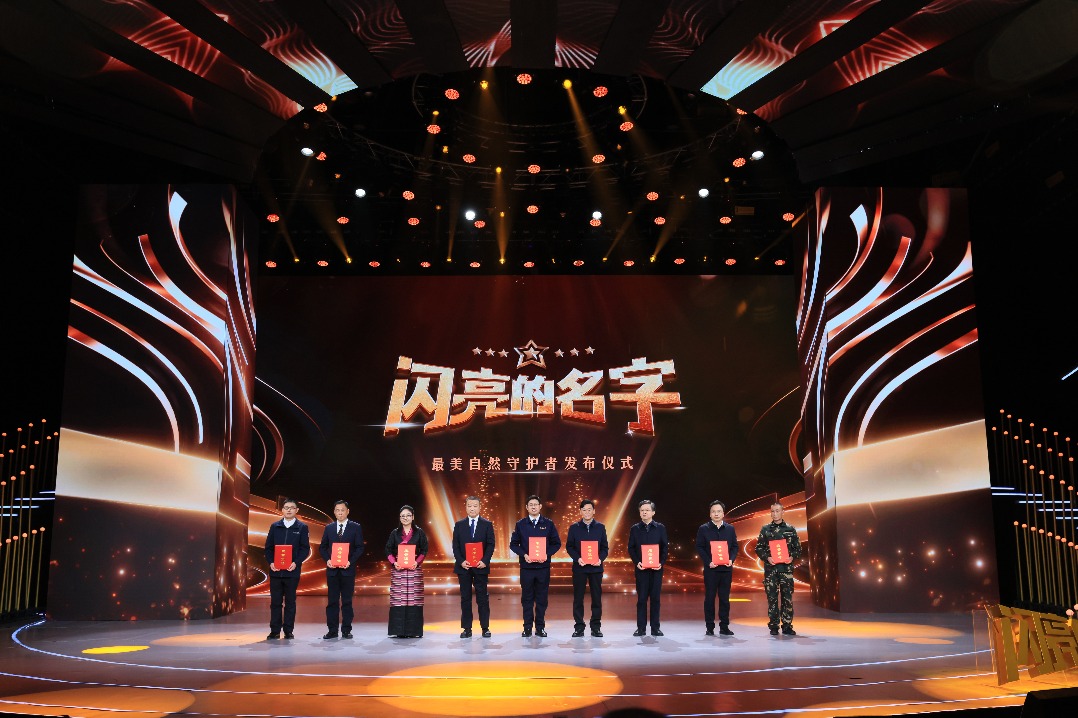
    In a prestigious ceremony held in Beijing, nine distinguished individuals have been accorded the title of ‘Most Beautiful Natural Guardians’ for their exceptional dedication to environmental preservation and sustainable development initiatives. This annual recognition program, jointly established in 2022 by the Publicity Department of the Communist Party of China Central Committee and the Ministry of Natural Resources, celebrates those who exemplify the nation’s commitment to ecological civilization and the principle that ‘lucid waters and lush mountains are invaluable assets.’

    Among the honorees is Dr. Wang Guiling, a pioneering researcher at the Institute of Hydrogeology and Environmental Geology of the Chinese Academy of Geological Sciences. Since commencing his geothermal research in 1987, Dr. Wang has made groundbreaking contributions through systematic mapping of China’s geothermal resources, advancing theoretical understanding of geothermal systems, and developing innovative exploration technologies. His work aligns strategically with China’s clean energy development objectives, driven by what he describes as ‘deep passion for China’s mountains and rivers.’

    Geological expert Ding Zhengjiang from the Shandong Provincial Bureau of Geology and Mineral Resources received recognition after decades of field exploration. Having dedicated over one-third of each year to fieldwork, Ding has led more than 100 geological projects resulting in significant discoveries including a super-large offshore gold deposit in Laizhou and various rare mineral deposits in the Jiaodong region. His team has revolutionized traditional methods by establishing an intelligent geological database for Shandong’s gold deposits, integrating spectroscopic scanning technologies for rapid metallogenic identification.

    Marine conservation specialist Shi Xiaojun, a senior engineer at the South China Sea Ecological Center, was honored for his innovative work in coral reef protection. Shi established China’s first comprehensive coral reef ecological database and national monitoring system, combining remote sensing, drone surveillance, and field survey data. His team’s development of an environmental DNA detection kit using gene-editing technology represents a major advancement—capable of identifying crown-of-thorns starfish gene fragments within three hours, dramatically improving monitoring efficiency while reducing costs.

    All recipients emphasized the growing integration of technological innovation with environmental conservation work. They expressed commitment to continuing their efforts while promoting international academic exchanges and knowledge sharing. The ceremony highlighted how these guardians bridge scientific advancement with hands-on conservation, demonstrating that effective environmental protection requires both scientific intellect and physical endurance in confronting natural challenges.


  • Australia beats North Korea 2-1 to reach Women’s Asian Cup semifinals and clinch World Cup berth

    Australia beats North Korea 2-1 to reach Women’s Asian Cup semifinals and clinch World Cup berth

    PERTH, Australia — In a thrilling quarterfinal clash at the Women’s Asian Cup, Australia secured both a tournament semifinal berth and automatic qualification for the 2025 World Cup with a hard-fought 2-1 victory against a dominant North Korean side. Despite being significantly outplayed in possession and facing relentless offensive pressure, the Matildas demonstrated remarkable defensive resilience and clinical finishing to advance.

    North Korea controlled the match tempo from the outset, maintaining nearly two-thirds of possession and creating numerous scoring opportunities. Their aggressive approach resulted in 21 total shots with 10 on target, but they struggled to convert against Australia’s determined defensive line and goalkeeper Mackenzie Arnold’s crucial saves.

    Australian striker Sam Kerr emerged as the decisive factor, contributing significantly to both goals. In the 9th minute, Kerr dispossessed North Korean captain An Kuk Hyang in the right corner and delivered a precise cross into the area. The ensuing deflection fell to Alanna Kennedy, who converted with a left-footed strike for her fifth goal of the tournament.

    Kerr extended Australia’s advantage just two minutes after halftime, capitalizing on a defensive error to score with a left-footed shot. The North Koreans intensified their efforts and reduced the deficit in the 65th minute when Kim Kyong Yong’s pass from the left found Chae Un Yong for a close-range finish.

    Despite sustained pressure in the final stages, Australia’s defense held firm to preserve the victory. Kerr acknowledged the team’s defensive performance, stating: ‘It was a really good team performance defensively. They’re a good side and they had a lot of the ball and there was a lot of pressure. The crowd was immense today, got us over the line.’

    The victory guarantees Australia’s place in both the Asian Cup semifinals and next year’s World Cup in Brazil. They await the winner of the quarterfinal between defending champion China and Taiwan. North Korea will have another opportunity to qualify for the World Cup through upcoming playoffs, with fifth and sixth-place finishers in the tournament also securing spots.

    The tournament continues with South Korea facing Uzbekistan in Sydney, while Japan prepares for their quarterfinal against the Philippines after an impressive group stage performance that saw them score 17 goals without conceding.

  • ‘No-one will hire women’ – India’s top court rejects menstrual leave petition

    ‘No-one will hire women’ – India’s top court rejects menstrual leave petition

    India’s Supreme Court has delivered a landmark ruling rejecting the implementation of a nationwide menstrual leave policy for working women and female students. The judicial bench, presided over by Chief Justice Surya Kant, expressed concern that mandated time off for menstrual discomfort could potentially disadvantage women in the workforce by making them less attractive to employers.

    The court articulated that such policies might inadvertently reinforce gender stereotypes by suggesting women are not equal to their male counterparts in professional settings. Instead of benefiting female employees, the justices warned that menstrual leave requirements could ultimately harm women’s career advancement and economic participation.

    This decision emerges amid ongoing national debates regarding menstrual rights and workplace equality. While some Indian states including Bihar, Odisha, and Kerala have implemented regional menstrual leave provisions for government employees and educational staff, the Supreme Court has declined to establish a federal mandate. The ruling came in response to a petition filed by attorney Shailendra Mani Tripathi, who advocated for a standardized policy granting two to three days of menstrual leave monthly.

    Public health expert and legal professional Sukriti Chauhan criticized the verdict, stating that the court’s position perpetuates menstrual taboos rather than addressing fundamental issues of workplace dignity and gender equality. Chauhan emphasized that denying appropriate leave forces women to work in potentially uncomfortable or undignified conditions during menstruation.

    Globally, several nations including Spain, Japan, South Korea, and Indonesia have successfully implemented menstrual leave policies. Within India’s private sector, progressive companies such as the RPG Group, Larsen & Toubro, and Zomato have independently instituted menstrual leave provisions, recognizing both employee welfare and productivity benefits.

    The court suggested that any future menstrual leave policy should emerge from comprehensive stakeholder consultations rather than judicial mandate, leaving the door open for legislative action while maintaining that such decisions belong to the democratic process rather than the judiciary.

  • More Indian women play cricket now than in 2020 – BBC study

    More Indian women play cricket now than in 2020 – BBC study

    A landmark study reveals a significant transformation in India’s sporting landscape, with female participation in cricket and badminton reaching unprecedented levels. Commissioned by the BBC and Collective Newsroom, the comprehensive 2026 survey encompassing 10,304 respondents across 14 Indian states demonstrates remarkable progress in gender parity within sports.

    The data indicates that one in ten Indian women now actively participate in cricket, representing a substantial increase from previous years. The gender gap in cricket participation has notably narrowed from a 5:1 male-to-female ratio in 2020 to a 3:1 ratio in the current findings. Among female cricket players, 40% engage in the sport at least weekly, demonstrating serious commitment to athletic pursuits.

    This surge in female sports involvement coincides with extraordinary achievements by Indian sportswomen on the global stage. The inspirational performances of shooter Manu Bhaker, who secured two Olympic medals at the 2024 Paris Games, coupled with the Indian women’s cricket team capturing their inaugural World Cup title on home soil in 2025, have created a powerful ripple effect throughout the nation.

    Young women aged 15-24 emerge as the primary catalysts driving this sporting revolution, with 26% considering athletics as a viable career path—a significant increase from 16% in 2020. Viewership patterns reflect this growing engagement, with 51% of respondents following women’s sports coverage, approaching the 63% who follow men’s sports.

    Despite these advancements, the study reveals persistent societal challenges. Concerningly, 43% of respondents believe women’s sports are less entertaining than men’s (up from 38% in 2020), while nearly half of those surveyed maintain that sportswomen should prioritize appearing attractive—a sentiment more prevalent among female respondents than male.

    The research, conducted by Kantar India using consistent methodology for comparability with the 2020 baseline, also highlights structural barriers to sports participation, with two-thirds of Indians citing time constraints as their primary obstacle to athletic involvement.

  • What to know about the falloff in China’s military flights around Taiwan

    What to know about the falloff in China’s military flights around Taiwan

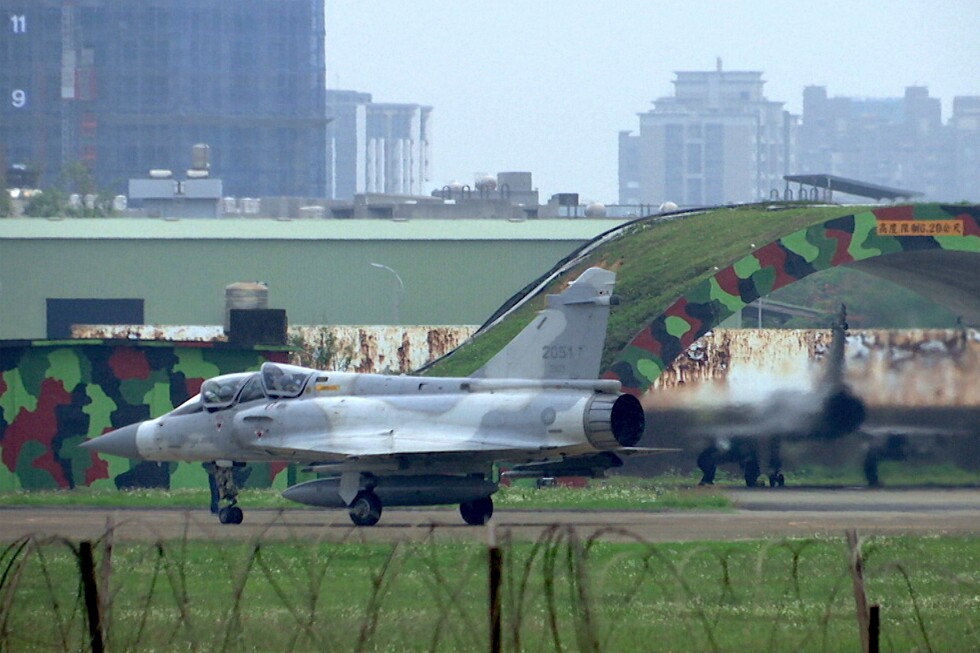
    BEIJING — A significant and unexpected reduction in Chinese military flights near Taiwan has created analytical uncertainty among regional security experts. For seven consecutive days from February 27 to March 5, Taiwan’s Defense Ministry reported no detectable Chinese warplane activity in its Air Defense Identification Zone—a dramatic departure from the regular aerial demonstrations that typically characterize cross-strait tensions.

    The pattern shows only minimal resumption thereafter, with just seven total flights recorded over a two-week period—a stark contrast to the 92 documented during the same timeframe last year. This unusual decline has generated multiple competing theories about Beijing’s strategic intentions.

    Several contextual factors may explain the decrease. The reduction coincided with China’s annual legislative meeting, a period when military activities have historically diminished. However, analysts note this year’s decline far exceeds previous patterns. The timing also precedes U.S. President Donald Trump’s scheduled visit to China in late March, suggesting possible diplomatic calibration.

    Military experts propose alternative explanations. K. Tristan Tang, a Taipei-based fellow at the National Bureau of Asian Research, suggests the People’s Liberation Army might be transitioning to new joint training protocols involving naval and ground forces. Such training would likely occur away from monitored areas, potentially explaining the aerial absence near Taiwan.

    Despite the reduction, Taiwanese officials maintain vigilant defense postures. Defense Minister Wellington Koo emphasized that naval activities continue in adjacent waters, noting that security assessments cannot rely solely on aerial patterns. “We will continue to closely monitor the PLA’s movements,” Koo stated, reflecting ongoing caution despite the temporary aerial respite.

    Former U.S. defense official Drew Thompson highlighted the risks inherent in such strategic ambiguity: “The lack of understanding of China’s intentions is what’s disconcerting. Uncertainty increases risk.” This analytical void underscores the complex security dynamics surrounding Taiwan, which China considers a breakaway province requiring eventual reunification—a position the United States counters with opposition to any forcible change in status quo.

  • Poland’s Tusk vows to secure 44B euros in EU defense loans despite president’s veto

    Poland’s Tusk vows to secure 44B euros in EU defense loans despite president’s veto

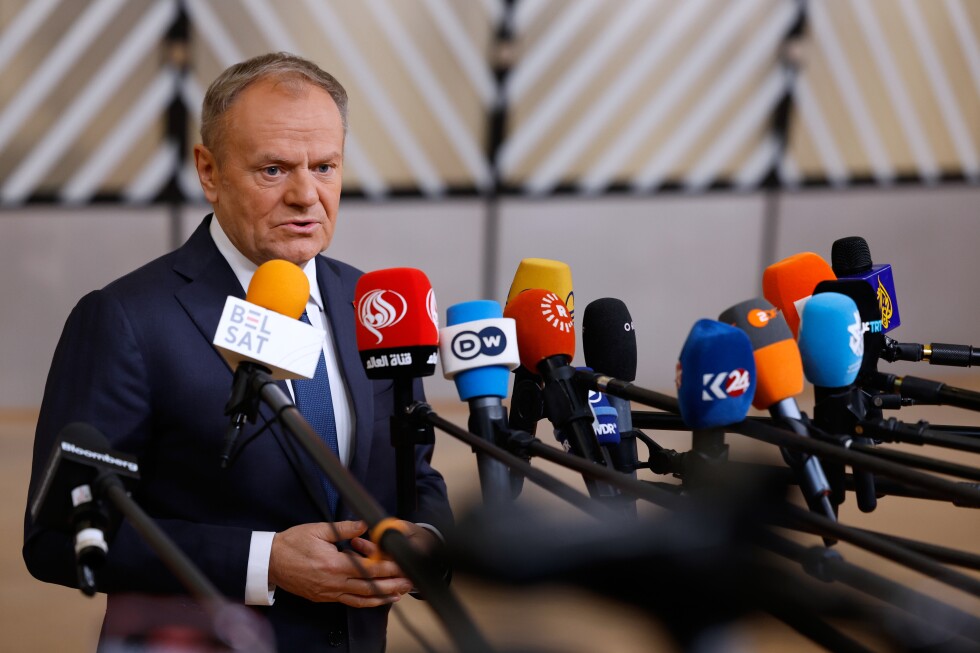
    WARSAW, Poland — A significant political confrontation has erupted in Poland after President Karol Nawrocki vetoed critical legislation that would have enabled the country to access €44 billion in European Union defense loans. The move has triggered a severe governmental crisis and raised questions about Poland’s future defense capabilities amid ongoing regional security concerns.

    Prime Minister Donald Tusk expressed profound dismay at the presidential decision, characterizing the nation’s reaction as one of collective shock. “People are questioning whether this constitutes betrayal, the influence of lobbyists, or simply a failure of rational judgment,” Tusk stated during a Friday address following the veto announcement.

    The blocked funds represent Poland’s allocated portion of the EU’s comprehensive €150 billion Security Action for Europe (SAFE) initiative, designed to strengthen continental defense readiness as American involvement in European security diminishes. Poland was positioned to be the principal beneficiary of this program.

    President Nawrocki, who has established himself as a primary political adversary to Tusk, justified his veto by expressing concerns that participation in SAFE would increase national debt and enhance Polish dependency on Germany. Alternatively, Nawrocki proposed utilizing domestic resources to finance defense modernization—a suggestion dismissed by Tusk as economically unfeasible.

    This confrontation highlights the deepening ideological divide between Poland’s liberal government, which favors EU collaboration, and its nationalist president, who maintains euro-skeptic views and stronger connections to the Trump administration. Despite the setback, Tusk affirmed his government’s determination to pursue the defense funds through alternative avenues, though acknowledging the process would now become “more difficult, slower, and require substantially greater diplomatic effort.

    Adding international dimension to the controversy, the United States has publicly criticized the SAFE program, with American ambassadors to the EU and NATO contending that such European initiatives restrict market access for U.S. defense companies, potentially undermining collective defense through limited competition and innovation suppression.

  • All but 2 of Austria’s 96 glaciers have retreated over last 2 years

    All but 2 of Austria’s 96 glaciers have retreated over last 2 years

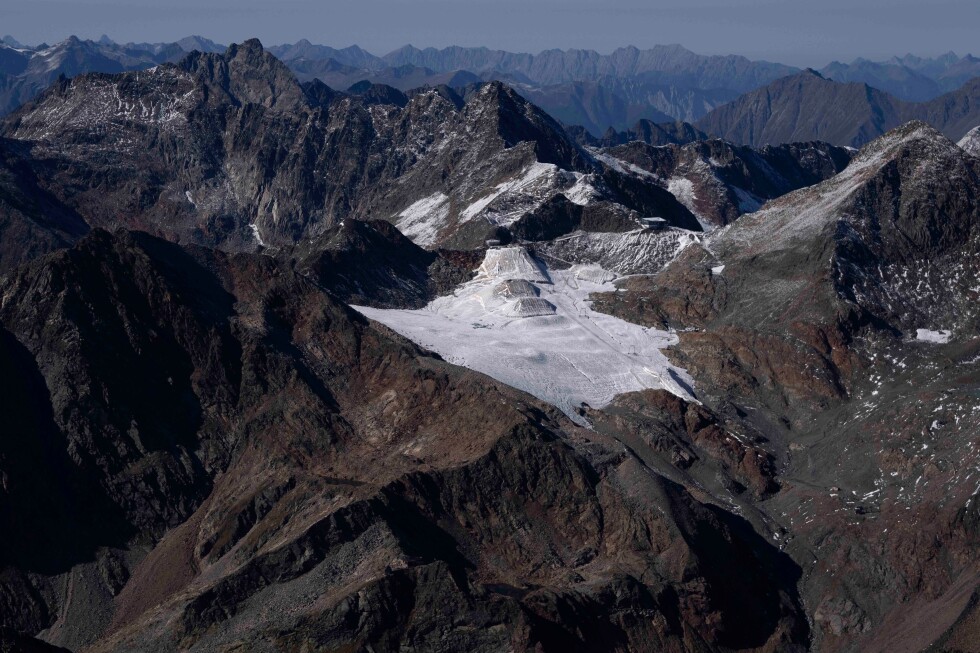
    VIENNA — A comprehensive assessment by the Austrian Alpine Club has revealed a concerning environmental trend, with 94 of Austria’s 96 documented glaciers experiencing significant retreat over the past two years. This alarming development underscores the accelerating impact of climate change on the Alpine region’s fragile ecosystems.

    The detailed report identifies the Alpeiner Ferner glacier in Tyrol and the Stubacher Sonnblickkees in Salzburg as the most severely affected, each having receded by over 100 meters (approximately 330 feet). The average retreat across all monitored glaciers exceeded 20 meters (65 feet), with Austria’s largest glacier, the Pasterze, demonstrating visible disintegration at its terminal tongue.

    Scientific analysis attributes this dramatic glacial loss to a combination of unfavorable climatic conditions, including insufficient winter snowfall and unusually warm temperatures. Notably, June of last year registered temperatures nearly 5 degrees Celsius (9 degrees Fahrenheit) above historical averages, creating particularly adverse conditions for glacier preservation.

    Nicole Slupetzky, Vice President of the Austrian Alpine Club, emphasized the growing urgency: ‘With each new measurement cycle, the evidence becomes more compelling. The critical question is no longer whether we can preserve glaciers in their historical form, but how we can effectively mitigate the consequences for our society and environment.’

    The retreat of Alpine glaciers carries profound implications beyond environmental concerns, potentially affecting regional water resources, hydroelectric power generation, agricultural practices, tourism economies, and fundamental landscape characteristics. This pattern mirrors observations across global glacier systems, with neighboring Switzerland—home to Europe’s most extensive glacier network—reporting similar rates of ice loss.

    The Austrian findings represent the eighth-most significant retreat recorded in the 135-year history of glacier monitoring in the country, serving as a potent indicator of climate change’s tangible effects on mountain ecosystems worldwide.

  • UN Security Council divided over Iran sanctions

    UN Security Council divided over Iran sanctions

    The United Nations Security Council convened a contentious session on Thursday, exposing profound divisions among member states regarding the reinstatement of sanctions against Iran’s nuclear program. The meeting, presided over by the United States during its March presidency, reignited diplomatic tensions amid escalating Middle East hostilities.

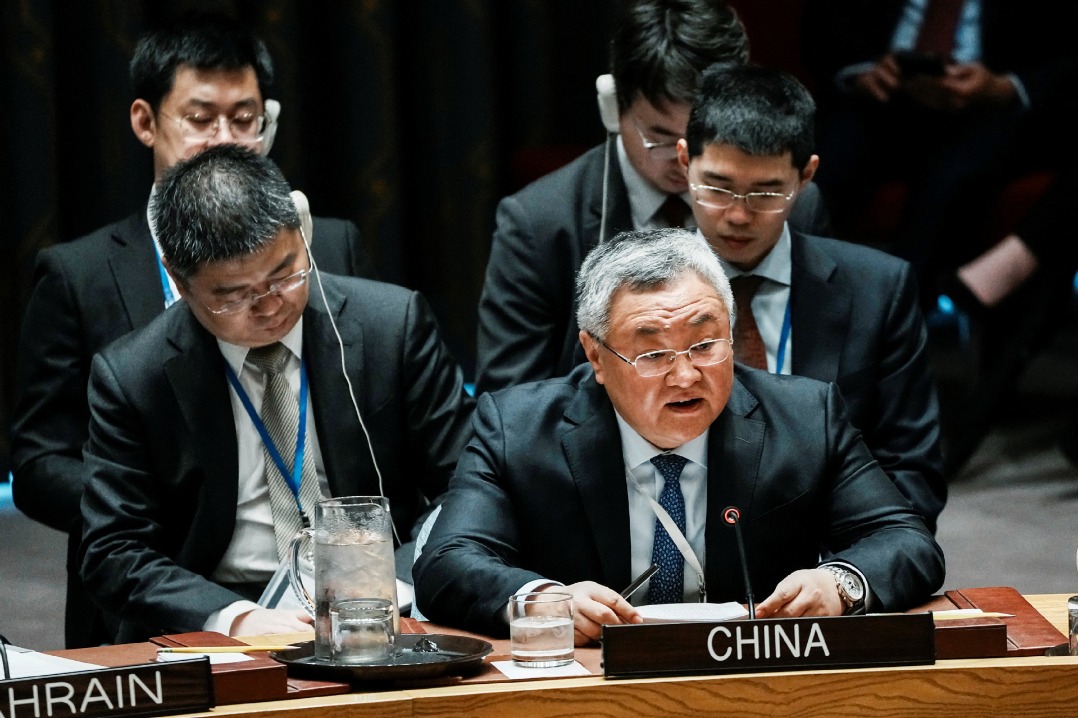
    China’s Permanent Representative to the UN, Ambassador Fu Cong, delivered a stern warning during the mandated meeting of the 1737 Sanctions Committee. He expressed grave concerns that Washington’s decision to convene the session would exacerbate regional tensions and undermine political resolution prospects for the Iranian nuclear dilemma. Ambassador Fu emphasized that the meeting occurred against the backdrop of renewed Middle East conflict and an increasingly complex nuclear situation, potentially intensifying contradictions among involved parties.

    The diplomatic confrontation centers on the controversial reactivation of the sanctions committee established in 2006 through Resolution 1737, which was subsequently suspended following the 2015 Joint Comprehensive Plan of Action (JCPOA). The current dispute originated when France, Germany, and the United Kingdom triggered the JCPOA’s snapback mechanism in August, attempting to restore UN sanctions after the United States’ 2018 withdrawal from the nuclear agreement.

    Ambassador Fu challenged the legal foundation of these actions, stating that Resolution 2231—which governed the JCPOA—expired on October 18, 2025, thereby terminating the Security Council’s formal consideration of Iran’s nuclear program. He supported Russian Ambassador Vasily Nebenzya’s procedural motion and declined to comment on the committee’s work, asserting its legitimate existence had ceased.

    The Chinese diplomat called for immediate cessation of military operations by the United States and Israel, particularly against Iranian facilities under International Atomic Energy Agency safeguards. He attributed the current crisis to America’s unilateral JCPOA withdrawal and subsequent military actions during negotiations with Tehran, which he characterized as violations of international law and UN Charter principles.

    Meanwhile, Iran’s UN Ambassador Amir Saeid Iravani reinforced this position, declaring Resolution 2231 definitively terminated and dismissing snapback mechanism claims as baseless. The humanitarian dimension emerged through UN Refugee Agency reports indicating between 600,000 and one million Iranian households have been internally displaced due to ongoing conflict.

    European nations faced criticism for allegedly fueling tensions rather than contributing constructively to de-escalation efforts. Ambassador Fu concluded that the Security Council must not serve as a tool for individual countries’ sanctions or political agendas, urging an end to the body’s politicization.

  • HKSAR govt actively aligns with national 15th Five-Year Plan to promote high-quality development: chief executive

    HKSAR govt actively aligns with national 15th Five-Year Plan to promote high-quality development: chief executive

    Hong Kong Chief Executive John Lee has announced the territory’s comprehensive strategy to synchronize with China’s 15th Five-Year Plan, marking a significant step in regional-national integration. Speaking on Thursday, Lee revealed that Hong Kong will develop its inaugural five-year development framework specifically designed to complement national modernization efforts.

    The strategic alignment recognizes the substantial provisions within the national plan that address Hong Kong’s sustained prosperity and the accelerated development of the Guangdong-Hong Kong-Macao Greater Bay Area. Lee expressed profound appreciation for Beijing’s continued support, emphasizing how these measures demonstrate central government’s commitment to the region’s stability and growth.

    Under Lee’s leadership, the Hong Kong Special Administrative Region government will assume primary governance responsibility while mobilizing community-wide support for the national agenda. The administration is establishing specialized preparatory groups tasked with developing a detailed policy framework encompassing strategic initiatives across key development sectors. This comprehensive blueprint will feature enhanced precision and macroscopic planning, with completion targeted within the current year.

    This groundbreaking development plan represents Hong Kong’s first systematic attempt at medium-term strategic planning aligned with national objectives. The framework will establish clear development visions, core targets, priority areas, and major implementation strategies that will guide Hong Kong’s progression over the next five years.

    A government spokesperson elaborated that the coordinated planning will strengthen Hong Kong’s international competitiveness while facilitating deeper global exchanges and cooperation. The territory will reinforce its bridging function between China and global markets, pioneering new paradigms of high-quality development that simultaneously serve national strategic interests and contribute to China’s rejuvenation goals.

  • China deploys 20th group of internet satellites into orbit

    China deploys 20th group of internet satellites into orbit

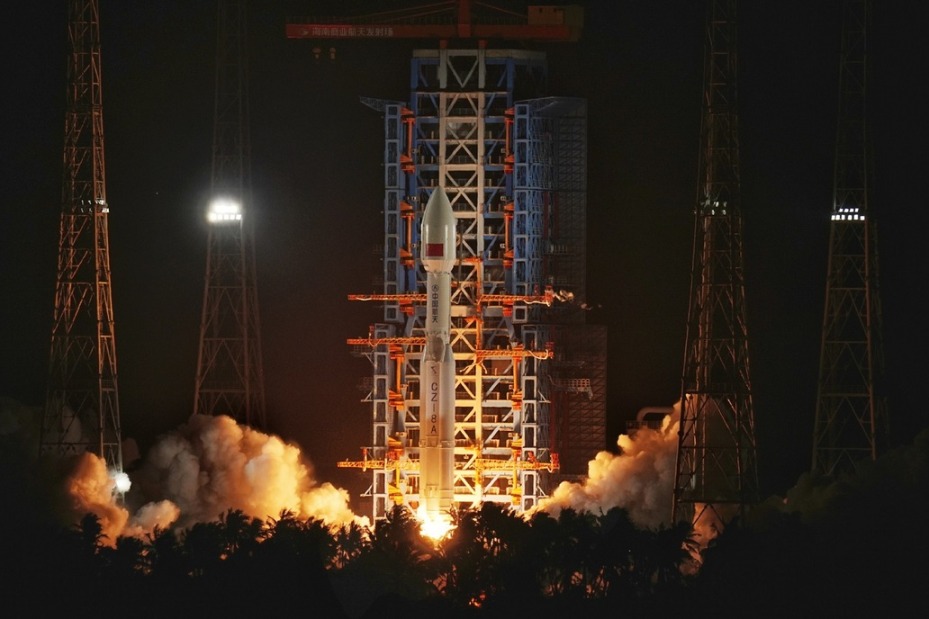
    China has successfully expanded its ambitious space-based internet infrastructure with the deployment of its twentieth satellite cluster into low-Earth orbit. The milestone launch occurred in the early hours of March 13, 2026, utilizing the Long March 8A carrier rocket from the Hainan International Commercial Aerospace Launch Center.

    The mission, which commenced at 3:48 AM local time, represents China’s eighth dedicated launch for its burgeoning satellite internet network. The newly deployed satellites, manufactured by the Shanghai-based Innovation Academy for Microsatellites under the Chinese Academy of Sciences, bring the constellation’s operational count to approximately 160 satellites.

    This expanding network, frequently compared to SpaceX’s Starlink system, represents a strategic initiative to establish global internet coverage from space. Upon completion, the mega-constellation is projected to comprise roughly 13,000 satellites operating in low-Earth orbit.

    The Long March 8A vehicle, developed by the China Academy of Launch Vehicle Technology, demonstrated its capabilities with this mission. Standing 50.5 meters tall with a liftoff weight of 371 metric tons, the rocket features a core booster augmented by two side boosters, generating approximately 480 tons of thrust at launch. The vehicle is engineered to deliver up to 7 tons of payload to sun-synchronous orbits at 700 kilometers altitude.

    In a parallel space endeavor, China launched a second rocket just hours later. A Long March 2D vehicle departed from the Xichang Satellite Launch Center in Sichuan province at 6:33 AM, successfully deploying the Shiyan 30C and 30D experimental satellites designed to demonstrate advanced Earth observation technologies.

    These dual missions mark China’s fourteenth and fifteenth space launches of the year, underscoring the nation’s accelerating pace in space infrastructure development and technological demonstration.