作者: admin

  • Netanyahu calls to strip citizenship of those who ‘defame’ Israeli army

    Netanyahu calls to strip citizenship of those who ‘defame’ Israeli army

    Israeli Prime Minister Benjamin Netanyahu has ignited fierce political debate after announcing plans to push sweeping new legislation targeting individuals who speak critically of the Israeli military, a proposal triggered by the release of a bombshell independent documentary that includes firsthand testimony from current and former soldiers detailing alleged war crimes committed during the ongoing military campaign in Gaza.

    The film, titled *NAZA*, has drawn swift and fierce pushback from senior Israeli government figures ever since it was awarded the Special Jury Prize at the 83rd Venice International Film Festival over the weekend. The documentary features anonymous on-camera interviews with 24 current and former Israeli military and intelligence insiders, who provide detailed accounts of military operations that resulted in mass civilian casualties. Among the most explosive claims included in the film is that Israeli commanders approved a strike that was expected to kill up to 500 Palestinian civilians solely to eliminate one high-ranking Hamas operative. Interviewees also confirmed that Israeli forces routinely use artificial intelligence tools to identify strike targets and carry out remote bombings, even when operational data clearly projected widespread civilian deaths. Already, the Israeli military has issued an official statement rejecting all allegations raised in the documentary as unsubstantiated.

    In a video address shared widely across social media platforms, Netanyahu laid out the terms of the two bills his government will introduce to the Knesset, Israel’s national parliament. The first bill would grant the state authority to revoke the Israeli citizenship of any individual found to have defamed active-duty or retired Israeli soldiers. The second proposal would drastically increase financial penalties for defamation against military personnel, raising the maximum possible damage awards by 20 times current levels.

    “We will hit them both in the pocket and in citizenship, because they have no place among us,” Netanyahu said in the address, echoing the hardline stance already adopted by other top members of his governing coalition. Netanyahu’s announcement follows explicit calls from multiple cabinet ministers to revoke the citizenship of *NAZA* co-directors Yuval Abraham and Rachel Szor over their work on the film.

    On Monday, Israeli Culture Minister Miki Zohar doubled down on that pressure, describing the documentary as “despicable” and calling its Venice Film Festival award “shocking.” Writing on the social platform X, Zohar accused the filmmakers of “burning self-hatred” and betrayal of the Israeli state, arguing that the pair had deliberately harmed their country to win praise from what he called antisemitic audiences abroad. “The creators’ burning self-hatred, and their willingness to harm their homeland in order to receive applause from antisemites around the world, is beyond comprehension and constitutes a betrayal of the state,” Zohar wrote. “I will act immediately to revoke the Israeli citizenship of these despicable creators on the grounds of treason against the state.”

    The proposed legislation has already sparked concerns among civil liberties advocates over its potential to curtail freedom of speech and political dissent inside Israel, though the Netanyahu administration has framed the measures as a necessary defense of the country’s military and national security.

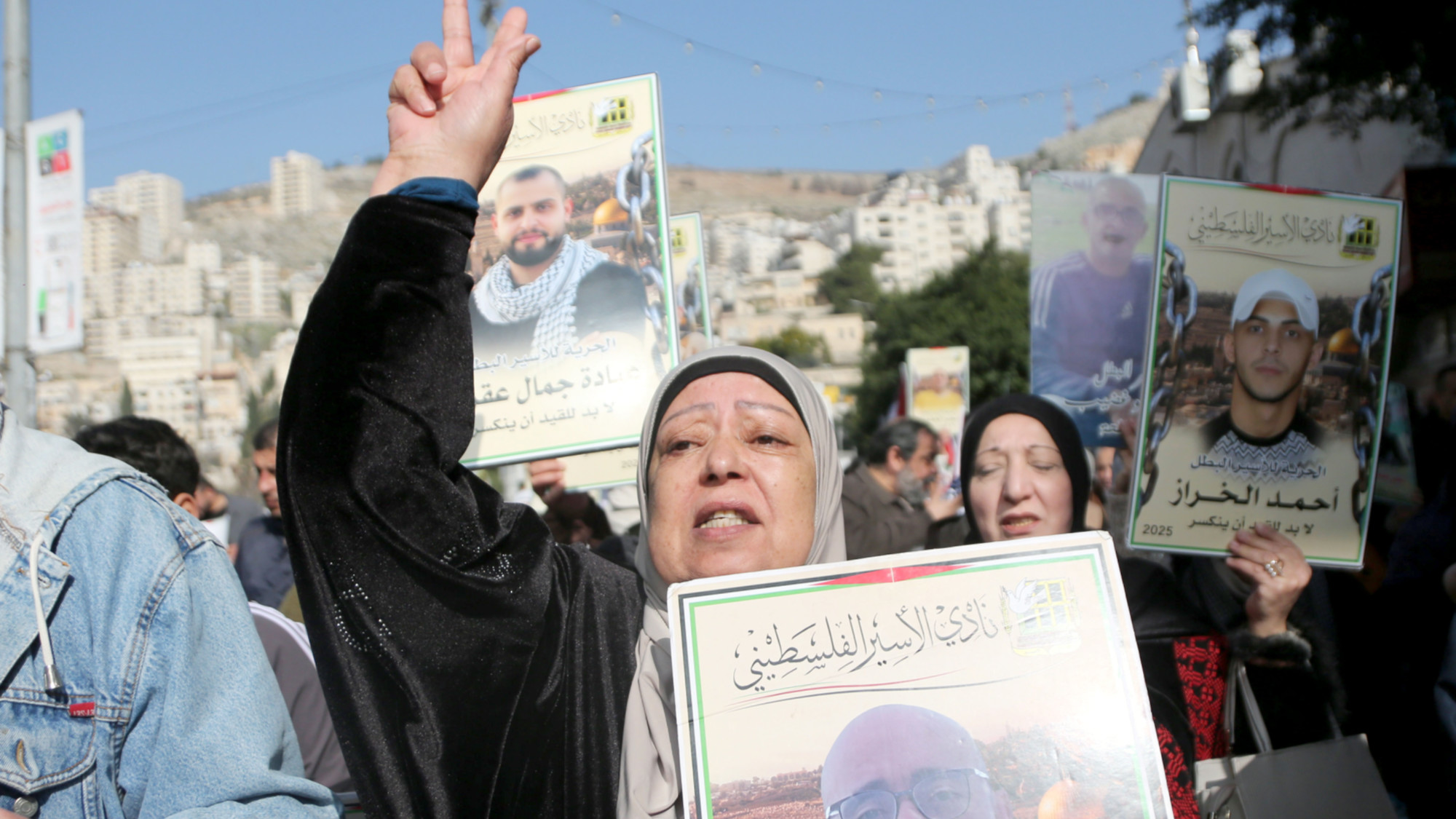
  • Palestinian prisoner gives birth in Israeli jail raising fears for pregnant detainees

    Palestinian prisoner gives birth in Israeli jail raising fears for pregnant detainees

    A highly publicized case of a Palestinian prisoner giving birth inside an Israeli detention facility has reignited long-simmering international and regional scrutiny over the systemic mistreatment of pregnant Palestinian detainees in Israeli custody, shining a harsh light on gaps in medical access, nutrition, and basic human rights protections behind bars.

    Thirty-five-year-old Dana Joudeh, who was held under Israel’s controversial administrative detention policy – a practice that allows indefinite detention without formal charge or trial – welcomed her baby daughter on September 14. Joudeh had been taken into custody from her home in Iraq al-Tayeh, a village near the West Bank city of Nablus, on March 1, when she was already three months pregnant. Just one day after the birth, both Joudeh and her newborn were released and transferred to a medical facility in Ramallah for urgent care. As of initial reports, Joudeh’s full health status remains undisclosed, with her family declining to address media inquiries.

    The Palestinian Commission of Detainees and Ex-Detainees Affairs has placed full responsibility for any harm to Joudeh and her infant on Israeli authorities. The organization confirmed that Joudeh was denied consistent, adequate medical care throughout her entire pregnancy, and condemned the forced delivery in a prison setting as a fundamental violation of human rights. In an official statement released Monday, the commission argued that detaining a pregnant woman and denying her routine prenatal care amounts to a deliberate crime that contravenes established international law and humanitarian conventions, adding that forcing childbirth within a prison system constitutes a second, separate violation.

    Joudeh’s experience has amplified urgent fears for two other pregnant Palestinian detainees still held in Israeli custody: 28-year-old Manar Karaja from Ramallah, who is six months pregnant, and Baraa Abu Khadija from Tulkarm, who is four months along.

    Banan Abu al-Haija, a former Palestinian detainee who spent 14 months in administrative detention alongside the three pregnant women, shared firsthand accounts of the dangerous conditions they endured. Abu al-Haija, who shared a cell designated for pregnant detainees with Joudeh, Karaja, and another detainee who has since been released, told reporters that Joudeh faced persistent health complications throughout her detention. Before her arrest, Joudeh had undergone gastric bypass surgery that required consistent access to specialized vitamins and nutritional supplements – all of which prison officials refused to provide, according to Abu al-Haija.

    “The cell where Dana, Manar, and the other detained woman were held was cramped, overheated, and unsuitable for expecting mothers,” Abu al-Haija explained in her interview with Middle East Eye. “They had no access to enough nutritious food to support their own health and the development of their fetuses. They were denied any regular medical treatment, not even basic over-the-counter pain medication.” She added that trips to the on-site prison clinic were extremely infrequent, with gaps of more than a month between scheduled appointments, and inadequate, unsanitary hygiene facilities compounded their daily suffering.

    Abu al-Haija also recalled a violent incident involving another former cellmate: after Israeli forces fired stun grenades directly at the cell door, the detainee experienced repeated bleeding, yet prison officials dismissed her pleas for care out of hand. “All of these women live under constant, severe psychological stress,” Abu al-Haija said. “They worry nonstop about their families on the outside, their own uncertain legal status, and their children. Every day is spent just waiting and longing for release.”

    For the families of the two remaining pregnant detainees, the fear that their loved ones will face the same traumatic experience of giving birth in prison has grown exponentially in the wake of Joudeh’s case. Musab Zalloum, Karaja’s husband, told reporters that his family’s anxiety has spiked since news of Joudeh’s delivery broke. They now fear Karaja will remain in detention through her delivery and possibly beyond.

    Karaja’s last meeting with her legal counsel took place on August 29, and during that meeting, she outlined alarming conditions in her cell. She reported developing scabies, a contagious parasitic skin infection, caused by poor hygiene and a lack of basic sanitary supplies. She also confirmed consistent shortages of nutritious food and inadequate prenatal care. A mother of two young children – five-year-old Ayman and four-year-old Laila – Karaja told her lawyer that the only medical checks provided at the prison clinic are basic screenings for blood pressure and diabetes. Because of insufficient food rations, her weight has dropped throughout her pregnancy rather than increasing as medically recommended.

    “After we found out Dana gave birth in prison, our fears went from bad to overwhelming,” Zalloum told Middle East Eye. “We are terrified that Manar will have to go through that same traumatic experience, and we worry constantly about both her health and our unborn baby’s.” Zalloum, who was able to be by his wife’s side for both of her previous pregnancies and deliveries, is currently barred from any in-person visits and can only receive sporadic updates on her condition through her legal team. “Our two children miss her more than words can say. They just started kindergarten a few days ago, and she wasn’t there to be with them,” Zalloum said. “Everything is harder without her. We are all just waiting desperately for her to come home.” Karaja remains in detention as of this report, with her next court hearing scheduled for October 4.

    Joudeh’s case is far from an isolated incident: Palestinian prisoner advocacy groups have documented widespread, systemic abuse of female Palestinian detainees in Israeli prisons for decades, including repeated cases of forced childbirth behind bars and forced separation of newborns from incarcerated mothers.

    In a statement released just five days before Joudeh gave birth, the Palestinian Prisoners’ Society (PPS) warned that conditions for all female Palestinian detainees have deteriorated to an all-time high level of severity. The group reported that Israeli prison authorities have carried out dozens of violent raids on women’s cell blocks since the start of 2024, including physical assaults, public humiliation, extended solitary confinement, and collective punishment of all detainees for individual actions. During raids, PPS reported, women are routinely handcuffed with their arms bound behind their backs, blindfolded, and forced into prison courtyards for extended periods, while their personal belongings – including essential hygiene and medical items – are confiscated and destroyed. The PPS added that Israeli forces have increasingly used tear gas inside cell blocks and have placed more women in prolonged solitary confinement, a practice that causes severe long-term psychological harm.

    “The damage from these abusive practices is not limited to the immediate physical pain they cause,” the PPS statement read. “It turns daily life for these women into a constant cycle of fear, anxiety, and humiliation that never ends.” The organization highlighted the case of Shaimaa Khazem from Jenin, another Palestinian woman held under administrative detention whose health has deteriorated in recent months.

    As of the beginning of September, prisoner advocacy groups estimate that 90 Palestinian women are currently held in Israeli detention facilities, part of a total population of more than 9,350 Palestinian prisoners overall.
  • What could EU associate member status mean for Canada?

    What could EU associate member status mean for Canada?

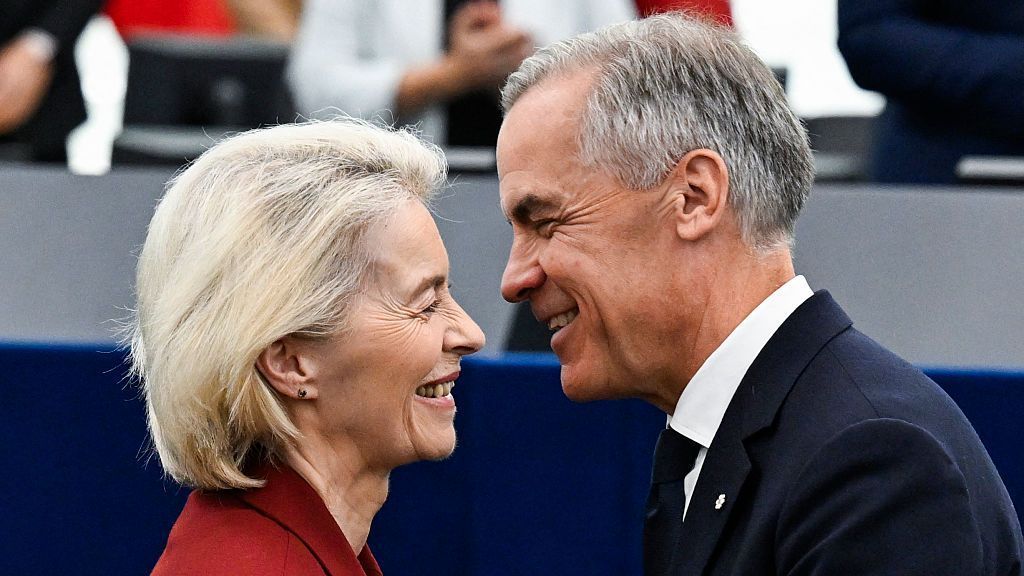
    A new chapter in transatlantic relations has opened after European Commission President Ursula von der Leyen put forward a groundbreaking proposal: designating Canada as the European Union’s first ever associate member, a status not currently defined in any existing EU treaty. The proposal, outlined during her annual State of the Union address this week, has sparked widespread debate over what this unprecedented partnership would look like, how it would reshape global geopolitics, and whether it can even overcome the significant procedural and political hurdles standing in its way.

    Canadian Prime Minister Mark Carney has quickly embraced the ambition, framing the potential partnership as a unique alignment tailored to shared values and pressing modern challenges, rather than a step toward full EU membership. Speaking to reporters and addressing the European Parliament on Thursday, Carney made clear that Canada has no intention of seeking full integration into the bloc, nor does it aim to form a competing third power bloc that would disrupt existing global alliances. “We do not seek power to dominate others,” Carney emphasized, positioning the closer partnership as a response to what he called the “current geopolitical rupture” reshaping global trade and security.

    That rupture is widely understood as a reference to strained trade relations between Canada and its largest trading partner, the United States, fueled by President Donald Trump’s aggressive tariff policies and the collapse of bilateral trade negotiations in recent months. Carney laid out a clear roadmap of priority areas where he says Canada and the EU can deepen cooperation to mutual benefit, spanning cutting-edge artificial intelligence governance, secure supply chains for critical minerals, expanded defence industrial collaboration, strengthened energy security, and joint advancement in the space sector. He also confirmed Canada is eager to join the EU’s Erasmus Plus programme, the popular mobility initiative that enables cross-border student study and work exchanges. The UK is already set to rejoin the scheme in 2027, and Canada would become the eighth non-EU participant if its bid succeeds.

    On energy, Carney highlighted a mutually beneficial arrangement: Canada can deliver large-scale volumes of liquefied natural gas (LNG) and low-carbon hydrogen to help Europe shore up its energy security after years of market disruption, while Canada would gain access to European expertise and leadership in clean energy technology innovation.

    For all the outlined shared priorities, however, critical details about what associate membership would actually entail remain entirely unclear. Unlike existing partnership models, EU associate membership does not exist under current EU law, and creating the new legal framework would require years of negotiations, unanimous approval from all 27 EU member states, and formal ratification in every national legislature — a process that often stalls on competing national priorities.

    Skepticism is already brewing within the bloc. Some member states argue that expanding existing trade and defence agreements between Brussels and Ottawa would be a more efficient path forward, rather than building an entirely new category of membership from scratch. The EU is already Canada’s second-largest trading partner, and the two sides have operated under the Comprehensive Economic and Trade Agreement (CETA) for more than a decade. Even so, CETA has yet to be ratified by several EU member states, and the existing deal does not eliminate all cross-border checks between Canada and the bloc, leaving analysts to question whether associate membership would address that gap.

    Another open question is what associate membership would mean for Canada’s access to the EU single market. If Canada were to gain full access to the single market, it would be required to adopt all EU regulatory standards without holding any voting seats or decision-making power in Brussels — a dynamic similar to the arrangement that Norway, Iceland, Liechtenstein, and Switzerland currently hold. That shift would require a major overhaul of Canada’s existing regulatory framework, which has long been aligned with the United States, its largest economic partner.

    Geopolitical friction could also emerge from the proposal. Multiple countries across the Western Balkans and Eastern Europe — including Albania, Bosnia and Herzegovina, Montenegro, North Macedonia, Serbia, Georgia, and Moldova — have been working for years toward full EU accession. While EU leaders have stated that a new associate partnership with Canada would not slow these countries’ progress, any perception that Ottawa is receiving special, accelerated treatment could create internal tension within the bloc’s expansion process.

    Finally, the proposal has already drawn a hostile response from U.S. President Donald Trump, who has dismissed the prospect of Canada’s associate membership as “laughable” and threatened to impose additional tariffs on the European Union if the plan moves forward. For all the enthusiasm from Carney and von der Leyen, the road to creating the EU’s first associate member is littered with political, procedural, and geopolitical obstacles that will take years to untangle.

  • UN experts say grounds to believe US committed war crimes in Iran strikes

    UN experts say grounds to believe US committed war crimes in Iran strikes

    In a landmark new report submitted to the UN Human Rights Council, three independent human rights experts with the UN-mandated Independent International Fact-Finding Mission on Iran have concluded there is credible evidence to hold both the United States and Iranian authorities responsible for severe, systematic violations of international law, including war crimes and crimes against humanity.

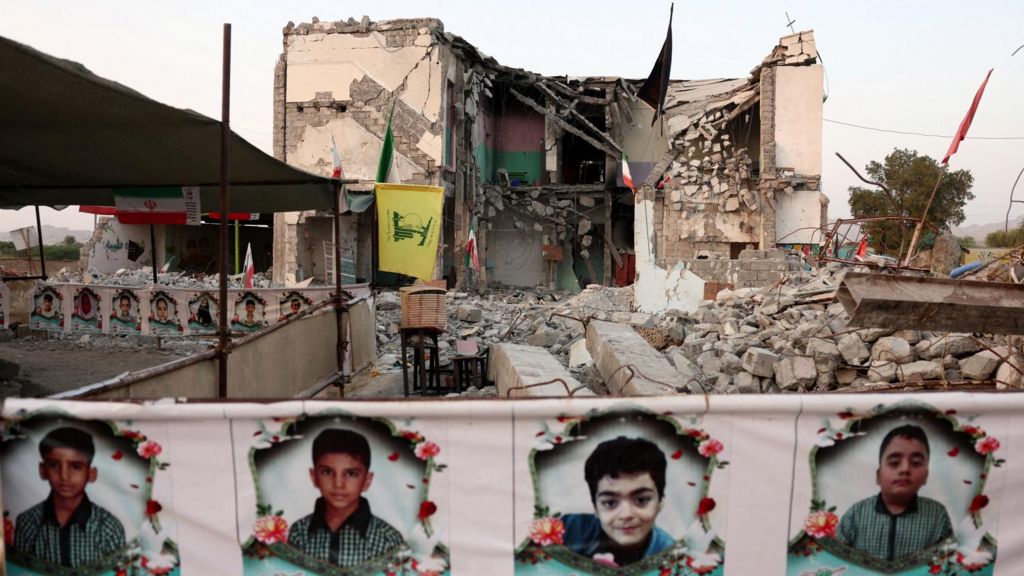
    The core finding of the investigation centers on two deadly February 28, 2026 missile strikes carried out amid open conflict between the US, Israel and Iran that killed a total of at least 177 civilians, more than half of them children. The first strike targeted Shajareh Tayyebeh Primary School in the southern Iranian town of Minab, where local officials confirm 156 people lost their lives, including 120 schoolchildren. While the school sits adjacent to an Islamic Revolutionary Guard Corps (IRGC) naval facility that was also attacked that day, the mission’s experts confirmed the educational site was clearly identifiable as a civilian space, with no evidence to suggest it was repurposed for military use.

    Drawing on multiple lines of evidence – including open-source media reports indicating an internal preliminary US military inquiry already found American forces responsible for the strike, and the fact that only the US deploys Tomahawk missiles, the weapon system used in the attack – the experts determined there are reasonable grounds to believe the school was an intentional target, not an accidental miss or unintended collateral damage from the strike on the IRGC complex. Survivor accounts further supported this conclusion, with multiple witnesses confirming the school was hit by two separate missile strikes. The US has not issued an immediate formal response to the report’s findings, and has not yet published the full results of its own internal investigation into the Minab incident. US Defence Secretary Pete Hegseth has previously stated that American forces “never target civilian targets.”

    The second strike examined by the mission hit a civilian sports complex and surrounding residential neighborhood in Lamerd, also on February 28. Local records confirm 21 civilians, including seven children, were killed when Precision Strike Missiles (PrSM) dispersed a cloud of lethal tungsten pellets over the area. As with the Minab school, the experts confirmed the sports complex was a clearly marked civilian site with no indication of military use. Again, the mission found reasonable grounds to attribute the strike to the US, noting that only the US possesses PrSM technology. The US military has previously denied carrying out any strikes in Lamerd on that date and disputed claims that PrSM missiles were used.

    Across both incidents, the panel concluded there are reasonable grounds to confirm the US committed the war crime of launching indiscriminate attacks that resulted in mass civilian death, injury and widespread destruction of civilian infrastructure.

    Beyond the US-led strikes, the report also details the Iranian government’s violent crackdown on nationwide anti-government protests that swept the country between December 2025 and January 2026. The experts found that the repression marked a staggering, unprecedented escalation of force compared to past protest crackdowns, with lethal violence deployed across all 31 of Iran’s provinces.

    Witness accounts, testimony from healthcare workers, and statements from victims’ families collected by the mission confirm that Iranian security forces positioned themselves on rooftops and other high vantage points before opening fire with assault rifles on assembled crowds. Many protesters suffered life-altering injuries, including permanent blindness, after being struck by metal shotgun pellets to the head, face and chest. As the crackdown intensified, security forces raided hospitals and other healthcare facilities, beating and arresting wounded demonstrators and detaining medical staff who provided treatment. The experts say this campaign of intimidation prevented hundreds of injured protesters from accessing life-saving medical care.

    Tens of thousands of protesters detained during the unrest have been subjected to widespread torture, prolonged solitary confinement, and systematic denial of access to legal counsel, the report confirms. The panel also found that Iranian authorities have drastically ramped up the use of the death penalty against detained protesters in the months following the unrest: at least 29 men have already been executed after rushed, expedited trials on charges linked to the protests.

    While the mission notes it could not independently verify the full death toll from the crackdown due to restrictions on access, it concluded the actual number of people killed is far higher than the Iranian government’s official count of 3,000 dead – a figure the government frames as mostly security force members and bystanders. The US-based Human Rights Activists News Agency (Hrana) has independently confirmed more than 7,000 deaths, almost all of them unarmed protesters, a number the mission says is consistent with the evidence it gathered.

    Based on the systematic, widespread nature of the violence against civilian protesters, the experts concluded Iranian authorities committed crimes against humanity, including murder, arbitrary imprisonment, severe unlawful deprivation of liberty, torture, and other inhumane acts carried out as part of a coordinated attack on the country’s civilian population. Iranian officials have not yet issued a formal response to this specific finding, but have previously rejected all claims of systematic human rights violations, and have blamed the unrest on US and Israeli interference, framing protesters as “terrorists” and “rioters.”

    In a closing statement released alongside the report on Thursday, the fact-finding mission warned that Iranian civilians are trapped between two competing forces carrying out gross violations of human rights: “Civilians in Iran are caught between gross human rights violations and crimes against humanity committed by their own government and the nation’s deadly conflict with the United States and Israel.”

  • Hyrox athlete apologises for continuing race after soiling herself

    Hyrox athlete apologises for continuing race after soiling herself

    A high-profile incident at a recent Hyrox fitness competition in Beijing has triggered widespread discussion, public criticism, and official changes to event protocols after the race’s winning athlete issued a public apology and announced she would retroactively withdraw from the event.

    Joanna Wietrzyk, the athlete at the center of the controversy, faced intense online backlash after video footage circulated showing her continuing to compete through the race following an unexpected bodily accident that left her soiled. On Thursday, she took to social media to release a formal statement addressing the incident, offering a full apology to all parties impacted by her decision to stay on the course.

    “I want to offer my sincere apology to the people of China, my fellow competitors, the spectators and the HYROX organizers for what happened during the race in Beijing,” Wietrzyk wrote in her post. She clarified that she had entered the event in full health, with no advance warning of the sudden illness that caused the accident. Reflecting on her on-course choice, she expressed clear regret for not stepping off the track immediately.

    “Looking back, I regret the decision to not have stepped off the track. I recognize that I should have made a different choice. I take responsibility for my decision to continue and am deeply sorry for the discomfort and disruption it caused,” she added. “I know my actions had an impact beyond myself, and I am genuinely sorry to everyone who was affected.”

    Alongside her apology, Wietrzyk confirmed she would forfeit the first-place title she won at the Beijing event, formalizing her retroactive withdrawal from the race.

    The incident also prompted a response from Hyrox leadership, with co-founder Moritz Fürste issuing his own apology for the organization’s handling of the situation. The global fitness brand noted that it maintains formal biocontaminant and medical protocols for competition scenarios, but the unexpected nature of the incident created confusion around how existing rules should be applied.

    In an Instagram statement, Fürste pledged that the organization would revise and strengthen its event processes to prevent similar incidents from occurring at future competitions. Hyrox also moved quickly to condemn online harassment targeting Wietrzyk after her identity was publicly shared, announcing that any user sending threats or abusive messages to the athlete would be permanently banned from all future Hyrox events worldwide. “There is no place in our community for threats of violence or encouragement to harm an athlete,” the organization emphasized in a Monday statement.

    Founded in Hamburg, Germany, in 2017, Hyrox has grown from a niche fitness concept to a global phenomenon, with races hosted across dozens of countries. The sport, which combines 1km running intervals with eight standardized functional fitness stations including sled pushes, burpee jumps, rowing, and weighted lunges, made its debut in mainland China only in late 2024, marking one of its latest major market expansions. The Beijing race where the incident occurred was one of the brand’s early high-profile events in the country.

    Critics have raised questions about the lack of official intervention from race officials during the incident, pointing to Hyrox’s existing competition rules that penalize other unhygienic on-course behaviors including spitting, improper clearing of nasal discharge, littering, and misuse of water stations. The conversation has sparked broader discussion about event officiating protocols and athlete welfare at large-scale fitness competitions as Hyrox works to implement updates to its rules ahead of future events.

  • Zelensky appoints new chief prosecutor after predecessor’s corruption scandal

    Zelensky appoints new chief prosecutor after predecessor’s corruption scandal

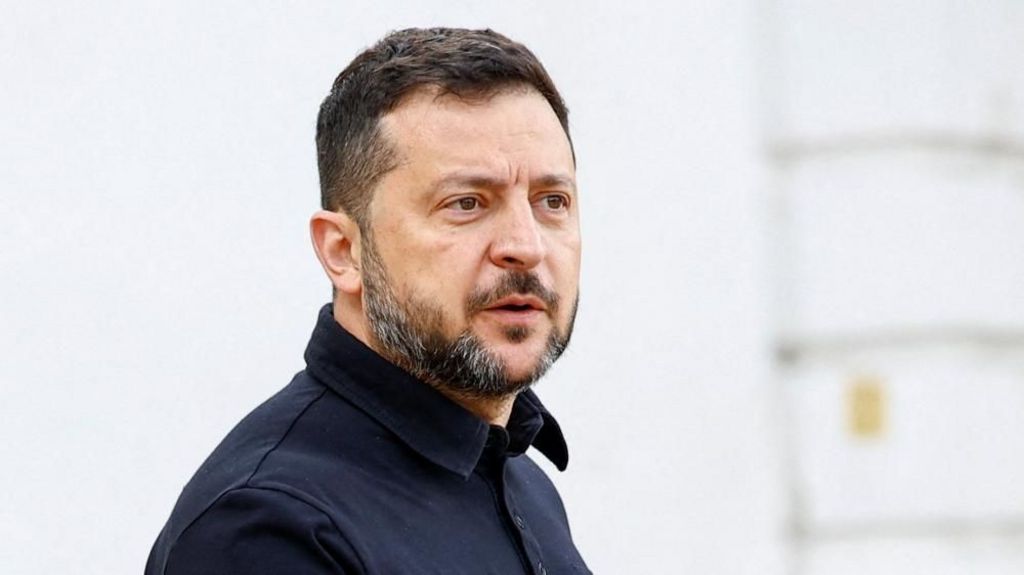
    In a fresh shakeup to Ukraine’s top law enforcement ranks amid ongoing Russian invasion and a growing domestic anti-corruption push, Ukrainian President Volodymyr Zelensky has named 42-year-old Anton Kovalskyi as the country’s new acting prosecutor general. This appointment follows the sudden resignation of former top prosecutor Ruslan Kravchenko, who stepped down last week after Ukrainian anti-corruption authorities executed search warrants at his offices in connection with an investigation into unregulated illegal call center operations across the country.

    The country’s two leading anti-corruption watchdogs — the National Anti-Corruption Bureau (NABU) and the Specialised Anti-Corruption Prosecutor’s Office (SAP) — have uncovered what they describe as a sophisticated money laundering network operated by a senior official within Kravchenko’s former department. According to official investigators, the network accepted large bribes to shield fraudulent call centers that run global phone scams, and in the process laundered millions of dollars in illegal proceeds. Those illicit funds were then converted into high-value assets including residential and commercial real estate, luxury jewelry, and other high-end goods, investigators confirmed.

    Kravchenko has forcefully pushed back against all claims of personal involvement, dismissing the allegations against him and his department as entirely unsubstantiated. A day after issuing his denial, Kravchenko resigned from his post and subsequently departed Ukraine. He has levelled counter-accusations, claiming that critical documents were stolen during the office search in a plot to frame anti-corruption officials and cover up separate criminal wrongdoing within NABU and SAP. He also accused NABU Director Semen Kryvonos of forging documents in a decades-old legal case.

    All the allegations put forward by Kravchenko have been uniformly rejected by the two anti-corruption agencies. Kryvonos dismissed Kravchenko’s claims as nonsense, labeling them part of a coordinated, fierce campaign to derail ongoing high-stakes corruption investigations. In a statement, the NABU chief said the current push against his agency’s work is part of an unprecedented effort to disrupt the agency’s active probes, adding that anti-corruption detectives, their personal and official properties, and work vehicles have been placed under covert surveillance, though he did not name any specific parties behind the monitoring.

    “What we are seeing is a deliberate attempt to obstruct the work of NABU and SAP by gaining unauthorized access to sensitive details about upcoming planned investigations,” Kryvonos added. Currently, the two agencies are conducting corruption probes into several of Ukraine’s most high-profile public figures, including Zelensky’s former chief of staff Andriy Yermak, multiple former cabinet ministers, and other influential political actors. A lawyer representing Yermak has already dismissed all allegations against the former official as baseless.

    This latest scandal comes amid long-running tension between Zelensky’s administration and Ukraine’s independent anti-corruption bodies. In 2025, widespread nationwide protests erupted across Ukraine after Zelensky proposed reforms that would have reduced the institutional independence of NABU and SAP. Zelensky ultimately backed down from the plan and restored the agencies’ autonomy, but lingering questions have persisted about the Ukrainian government’s full commitment to rooting out systemic corruption at the highest levels of government — a key requirement for Ukraine’s ongoing integration with European institutions amid its war with Russia.

  • Canada welcomes EU proposal to become ‘associate member’

    Canada welcomes EU proposal to become ‘associate member’

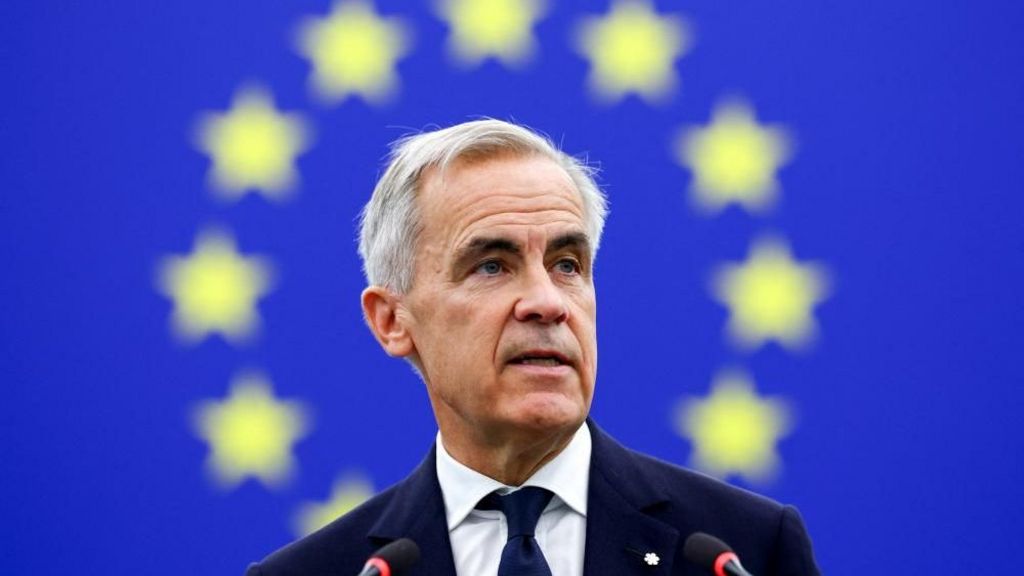
    In a landmark address to the European Parliament in Strasbourg on Thursday, Canadian Prime Minister Mark Carney formally embraced the European Commission’s historic proposal to make Canada the European Union’s first-ever associate member, framing the closer partnership as a critical bulwark against rising global geopolitical instability and trade coercion. Carney’s speech came just 24 hours after European Commission President Ursula von der Leyen first floated the framework, a novel status that does not yet exist in EU governance structures.

    The proposal has already drawn sharp pushback from U.S. President Donald Trump, who dismissed the idea as “laughable” earlier this week and threatened to impose “very serious tariffs” on European imports if he deems the new Canada-EU arrangement a hostile act against American interests. The threats come amid an already escalating bilateral trade war between Canada and the United States, where negotiations broke down last month, leading both nations to impose retaliatory tit-for-tat tariffs on hundreds of millions of dollars worth of goods.

    During his address to European lawmakers, Carney argued that Canada and the EU are “stronger together” as the global order faces mounting “geopolitical rupture.” He outlined three overlapping crises reshaping modern societies: accelerating climate change, the steady erosion of long-standing democratic norms, and the growing weaponization of economic integration and trade policy. “Economic integration is now being weaponised, tariffs being used to exert pressure. Financial mechanisms have been used for coercion. Supply chains constitute weak points to be exploited,” Carney told members of the European Parliament.

    Carney stressed that the proposed partnership is not an attempt to build a new competing great power bloc to rival major global actors. “I am not proposing a third bloc in order to become a great-power rival — only with better manners,” he said. “This is about sovereignty, our ability to live as we wish. We do not seek power to dominate others.” He added that the alliance would serve as a “beacon for other democracies” at a time when democratic governance is under growing pressure worldwide.

    Responding directly to Trump’s tariff threats during a post-address press conference, Carney reaffirmed Canada’s right to pursue independent international agreements. “This alliance is a positive process, that’s my response to the American president,” he said. “Canadians are united that nobody is going to tell us what language we speak, no-one is going to dictate our culture, or with whom we can strike agreements internationally.” Carney also clarified that Canada has no intention of seeking full EU membership, framing the proposed associate status as a bespoke, flexible new framework tailored to the existing close relationship between the two parties.

    Von der Leyen first introduced the proposal during her own address to the European Parliament on Wednesday, outlining that the associate status would unlock deepened cooperation across key strategic areas: advanced manufacturing, digital technology, defence, energy security, critical mineral supply chains, and broader economic security. At present, the exact terms of the relationship remain undefined, as the EU has never created an associate membership category, and implementing the framework could take several years of negotiations. Any final arrangement would also require unanimous approval from all 27 EU member states, and some national governments have already privately raised reservations about creating a new tier of EU association.

    Canada and the EU already maintain deep ties, including a comprehensive free trade agreement that has been in force since 2017, and ongoing collaboration in defence, scientific research, and climate action. Carney outlined that closer cooperation would boost both parties’ strategic autonomy, particularly through integrated development of strategic capabilities — most notably critical minerals, which are essential for the global transition to clean energy. He added that Canada could supply the EU with liquefied natural gas and green hydrogen to bolster European energy security in the wake of ongoing global energy disruptions, while Canada would benefit from the EU’s world-leading expertise in clean energy technology.

    To deepen people-to-people ties, Carney proposed that Canada join the EU’s flagship Erasmus+ mobility programme, which would allow young people from both sides of the Atlantic to work, study, and live freely across participating nations. He also called for pooled investment in emerging technological research and development to strengthen both regions’ global innovation competitiveness.

    Carney described the proposed framework as “a unique, positive approach that we will define together,” noting that the process remains in its earliest stages. A full debate and parliamentary vote will be held in Canada’s national legislature before any final agreement is reached, and senior officials from both sides will begin hashing out detailed terms at a Canada-EU summit scheduled to take place in Montreal at the end of October.

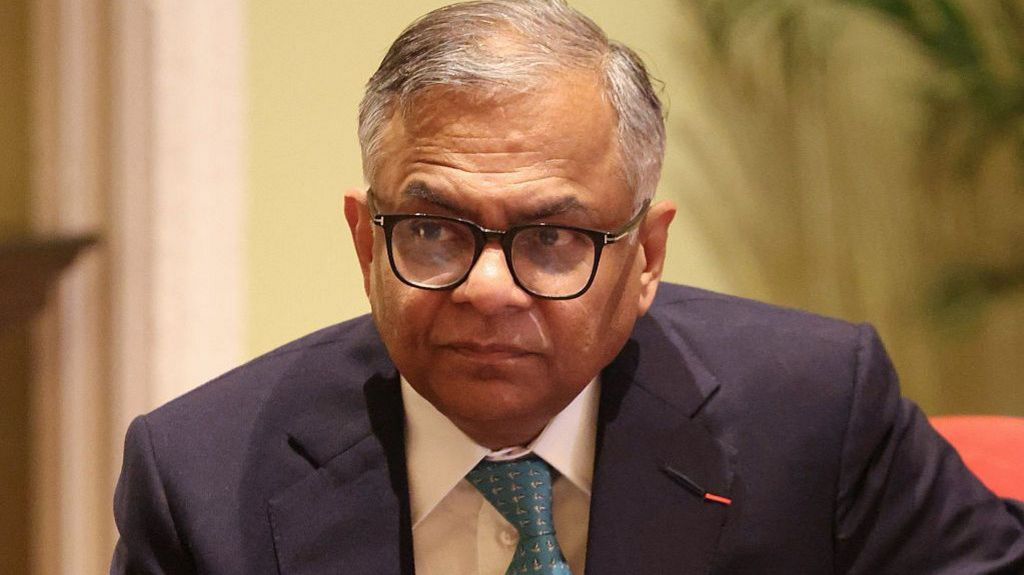
  • Tata Sons extends Chandrasekaran’s term as chairman but a battle looms

    Tata Sons extends Chandrasekaran’s term as chairman but a battle looms

    India’s iconic Tata Group, one of the world’s largest and most diversified conglomerates with a $300 billion global footprint that includes brands like Air India, Jaguar Land Rover, and Tata Steel, while also handling iPhone manufacturing for Apple, is now facing unprecedented internal governance turmoil following a controversial board decision to reappoint N. Chandrasekaran as chairman for an additional five-year term.

    Chandrasekaran, who originally took on the chairman role in 2017, had previously announced last month that he would step down when his current tenure concludes in February. This announcement came after months of gridlock within the Tata Sons board, where members had failed to reach a unanimous resolution on extending his leadership. In a statement released Thursday, the Tata Sons board revealed that Chandrasekaran had reversed his earlier decision after being asked to reconsider his retirement plans, clearing the way for his reappointment once his current term expires.

    However, the move has sparked immediate pushback from Noel Tata, chairman of Tata Trusts—the charitable entity that holds a 66% majority stake in parent company Tata Sons. Noel Tata has labeled the reappointment as “illegal”, throwing the future leadership and strategic direction of the sprawling conglomerate into question. Despite this high-profile dispute, news of Chandrasekaran’s reappointment drove a sharp rally in share prices across publicly traded Tata Group companies on Thursday.

    The unique structure of the Tata Group has long been cited as a root cause of its current governance challenges. While Tata Trusts’ majority ownership has delivered tax and regulatory benefits, and enabled the group to advance extensive charitable initiatives, industry analysts have long noted that the overlapping of non-profit and commercial governance structures creates inherent tensions that can spill over into corporate decision-making. Tata Trusts holds three nominations on the Tata Sons board, and disagreements over key issues including board appointments, funding authorization, and the potential public listing of Tata Sons have been simmering for months.

    Beyond the leadership dispute, Thursday’s board meeting also marked a pivotal shift for the conglomerate: Tata Sons has agreed to comply with a recent directive from the Reserve Bank of India (RBI) that mandates the mandatory listing of the company. This requirement is a reversal of the group’s long-held opposition to listing, and comes shortly after the RBI rejected Tata Sons’ application to deregister its status as a non-banking financial company (NBFC) earlier this week.

    Industry experts widely view Chandrasekaran’s continued leadership as a critical factor in moving the listing process forward, a position that puts him directly at odds with Noel Tata, who has opposed both the listing mandate and Chandrasekaran’s retention as chairman. The internal rift became public knowledge last month when Chandrasekaran openly addressed the divisions, revealing that when his tenure extension was first proposed in February, at least one board member withheld support. He opted to defer a decision in the absence of unanimous backing, and after six months of failed negotiations to resolve the impasse, he made the decision to step down.

    In his statement Thursday, Noel Tata outlined the legal basis for his opposition, noting that while four directors voted in favor of reappointment, he as a Tata Trusts-nominated director voted against it. Under Tata Sons’ articles of association, a majority of Tata Trusts-nominated directors must support the measure for it to be valid. Noel Tata emphasized that the board cannot legally convene a meeting or pass a resolution on the chairman’s appointment or reappointment unless both of the required Tata Trusts-nominated directors are present, and cannot validly approve such a resolution without the support of both. “Given that Mr Noel Tata, being one of the Trust nominee directors, voted against the proposal, it was rendered legally void and without any basis,” his statement read.

    The ongoing dispute leaves India’s largest conglomerate at a crossroads, with competing claims of legitimacy over leadership and a critical regulatory mandate to implement listing that will reshape the future of the 150-year-old Tata Group.

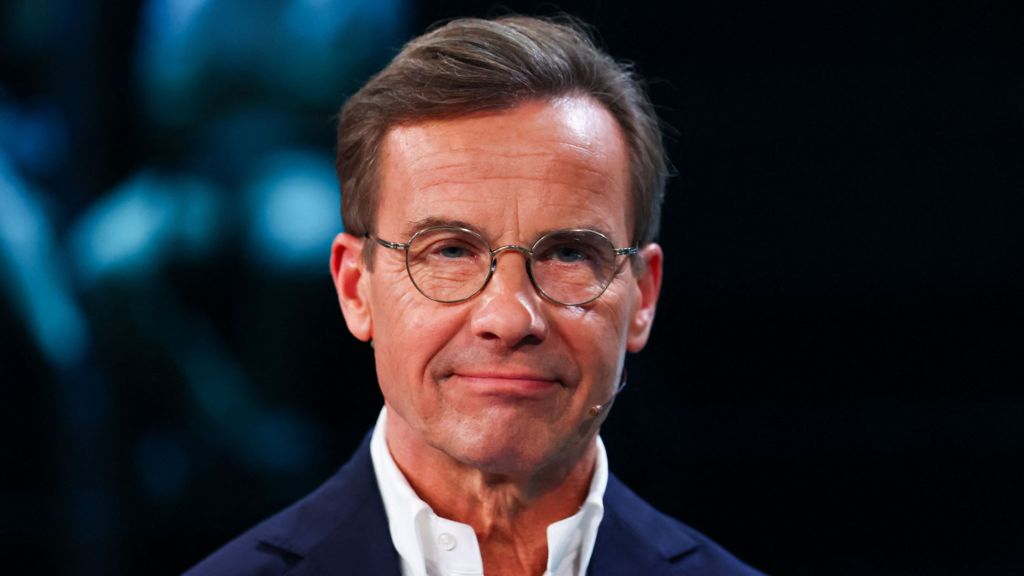
  • Swedish PM Kristersson resigns after election loss

    Swedish PM Kristersson resigns after election loss

    Sweden’s political landscape is facing a major shift following the outcome of the country’s recent general election, where incumbent Prime Minister Ulf Kristersson’s ruling right-wing alliance has been edged out by a centre-left opposition bloc led by former prime minister Magdalena Andersson of the Social Democrats. Kristersson formally announced his resignation in a public post on the social platform X on Thursday afternoon, just days after preliminary vote totals confirmed a razor-thin margin between the two competing coalitions.

    In a nation of roughly 10 million people, official preliminary data from the Swedish Election Authority shows the two blocs are separated by only around 50,000 votes. When all preliminary counts are tallied, the centre-left opposition is projected to secure 176 seats in the 349-seat Riksdag, Sweden’s unicameral national parliament, while Kristersson’s right-wing bloc will hold 173 seats. While official formal certification of the results is still pending, with final confirmation expected by the end of this week, the projected outcome has already cleared the way for political transition negotiations.

    The right-wing bloc was made up of four parties: Kristersson’s own Moderate Party, the hardline anti-immigration Sweden Democrats (SD), the Christian Democrats, and the Liberals. For the duration of the outgoing government, the SD only provided external parliamentary support to Kristersson’s centre-right coalition, which oversaw significant tightening of Sweden’s migration policy during its term. Kristersson had pledged to grant the SD full cabinet positions if his bloc secured re-election, a promise that will now go unfulfilled. In a notable shift for the far-right party, preliminary results show it lost popular support for the first time since it first entered the Riksdag in 2010, with its vote share dropping three percentage points compared to the 2022 general election.

    Vote counting got underway immediately after polls closed on Sunday evening and continued through the first half of this week. By Wednesday, election officials had begun processing late-submitted early ballots and absentee votes from Swedish citizens living abroad that did not arrive before election day.

    Sweden’s political system is structured around two competing multi-party blocs, with four major parties aligned on the right and four on the left, meaning coalition and minority governments are the norm rather than the exception. Even before the final results were confirmed, Andersson had already launched exploratory government formation talks with her three bloc partners: the Left Party, the Centre Party, and the Green Party. However, political analysts warn that these negotiations could stretch on for weeks, due to deep policy disagreements between the allied parties particularly on tax policy. Recent Swedish history bears this out: following the 2022 election, it took 37 days to agree on a governing coalition, and the 2018 election saw 134 days of drawn-out talks before a government could be formed.

  • Houthis have further tightened their grip on the Red Sea

    Houthis have further tightened their grip on the Red Sea

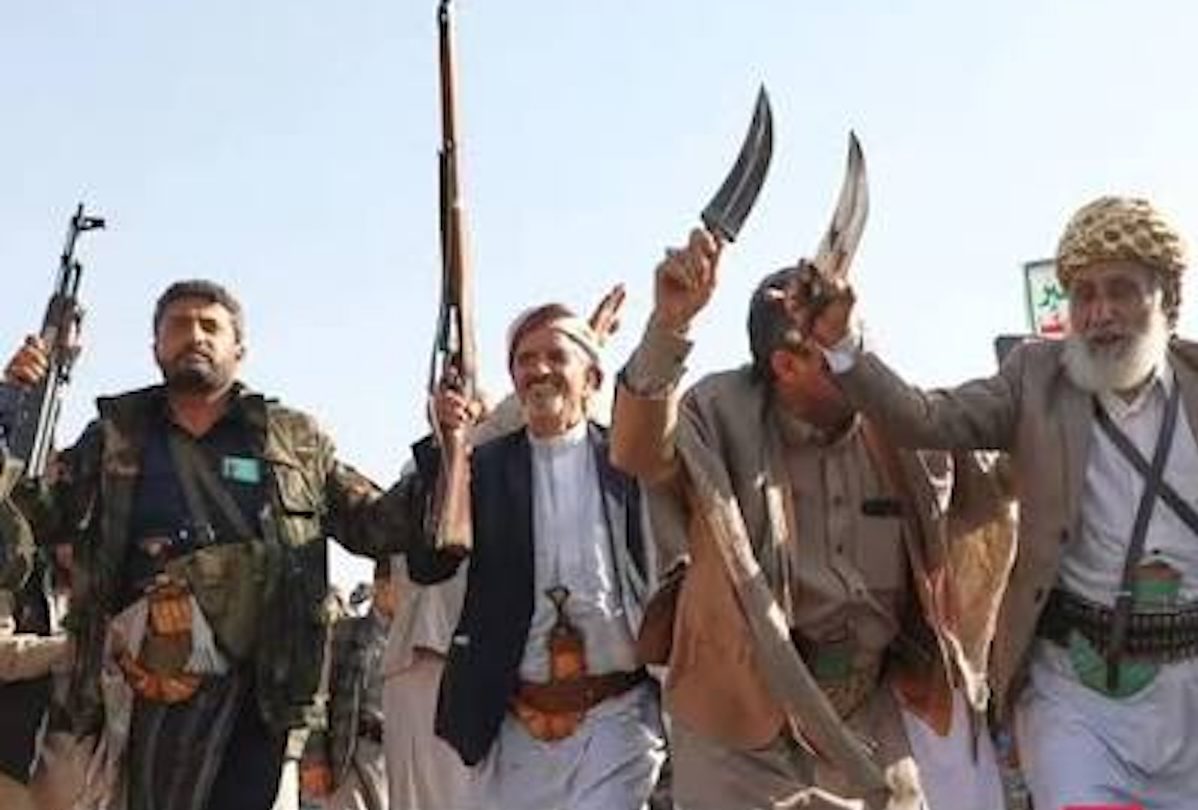
    In a rapid, sweeping offensive in recent days, Houthi rebels in Yemen have seized control of the key port of Mocha and multiple strategic Red Sea islands positioned near the Bab el-Mandeb Strait, a critical maritime chokepoint linking the Mediterranean Sea and the Indian Ocean. This development has sent fresh ripples through global energy and trade networks, coming on the heels of repeated disruptions to another major Gulf waterway, the Strait of Hormuz, which has elevated Bab el-Mandeb’s status as a vital alternate route for oil, liquefied natural gas, and commercial cargo moving in and out of the region.

    The strategic importance of the strait has grown dramatically for Saudi Arabia, which currently diverts as much as 64% of its crude oil exports through an overland east-west pipeline that delivers crude to the Red Sea port of Yanbu, from where tankers transit Bab el-Mandeb to global markets. Just days before the Houthi offensive, this critical Saudi pipeline suffered a drone attack that sent global oil prices soaring and caused damage that analysts estimate will take weeks to fully repair. The attack, widely attributed to an Iranian-backed militant faction operating from Iraqi territory, was the first major blow to Saudi energy infrastructure in recent weeks, with the Houthi advance marking the second.

    Mocha’s geographic location just 75 kilometers north of the Bab el-Mandeb Strait puts Houthi forces within striking distance of all maritime traffic moving through the chokepoint. Analysts warn that the group can disrupt or even halt global shipping using low-cost asymmetric tactics, including weaponized drones, anti-ship missiles, and fast attack craft, giving it effective operational control over the waterway. While commercial shipping through the Red Sea has continued largely unimpeded in the immediate aftermath of the offensive, the broader strategic shift carries profound implications for global security and the world economy.

    The Houthi push is a major escalation in Yemen’s years-long civil war, which pits the Iranian-backed Houthi movement against the Saudi-aligned Presidential Leadership Council. A fragile truce brokered in 2022 held largely intact until this year, ending a seven-year period of direct Saudi military involvement in the conflict that included air campaigns and limited ground operations. Though Iran has not been explicitly named as a direct party to the latest offensive, regional security analysts widely agree the Houthi advance would not have been possible without Iranian approval and backing. This move, experts note, places Iran and its regional allies in a position to control two of the world’s most critical maritime chokepoints – the Strait of Hormuz and Bab el-Mandeb – giving Tehran significant leverage to pressure the United States, the global economy, and its regional rivals.

    Global supply chains, already strained by years of disruption, are facing a new era of heightened risk. A 2025 United Nations Conference on Trade and Development report predicted shipping disruptions would remain a persistent challenge through at least 2030, with frequent rerouting of vessels becoming the new normal. The Houthi advance also underscores a clear erosion of United States influence over key global shipping routes, a shift laid bare by recent political developments: US President Donald Trump has confirmed the Houthis have called for Washington to stay out of the conflict, and he has rejected a request from Saudi Arabia’s crown prince to join cross-border strikes on Houthi targets in Yemen.

    Faced with growing risks to maritime traffic through Bab el-Mandeb, regional powers are expected to accelerate development of overland road and rail corridors to move cargo out of the region. But analysts warn these alternate land routes will take years to become fully operational, and will never be able to handle the same volume of goods as large-scale maritime shipping. In the interim, the global economy will face continued pressure from elevated energy prices and upward pressure on inflation.

    A full closure of the Bab el-Mandeb Strait could also draw European powers, which have so far avoided direct involvement in the US-Iran confrontation, into open conflict. The European Union already maintains a defensive maritime operation in the Red Sea tasked with protecting freedom of navigation, and a prolonged crisis in the region would likely force Brussels to take more direct action against the Iranian-backed Houthi movement. This would mark a major escalation of the conflict, after European leaders previously refused to join US efforts to enforce a military blockade of the Strait of Hormuz or reopen the waterway by force, a decision that drew public criticism from President Trump.

    The trajectory of the crisis in the coming weeks will depend heavily on the next moves of both Saudi Arabia and the Houthi movement. Houthi media confirms Saudi warplanes have already conducted air strikes on Mocha airport and other Houthi-held targets in recent days. If Saudi Arabia launches a full-scale bombing campaign, it will formally end the 2022 truce and open a new chapter of full-scale conflict. A key unknown remains how the Houthis will use their new strategic position: as recently as August, the group targeted a commercial cargo vessel in the Red Sea, killing six crew members. If the Houthis launch sustained attacks on commercial shipping through the strait, analysts widely expect a coordinated military response from Saudi Arabia, the European Union, and potentially the United States. The current moment marks a clear turning point, with the Houthis and their backers signaling they are prepared to sustain a long-term conflict to advance their regional goals.