作者: admin

  • Afghanistan blames Pakistan for strike on drug rehabilitation hospital, with dozens feared dead or injured

    Afghanistan blames Pakistan for strike on drug rehabilitation hospital, with dozens feared dead or injured

    A major drug rehabilitation facility in Kabul became the epicenter of escalating tensions between Afghanistan and Pakistan following a devastating aerial attack Monday evening. The strike targeted a hospital where thousands received addiction treatment, resulting in significant casualties according to Taliban government officials.

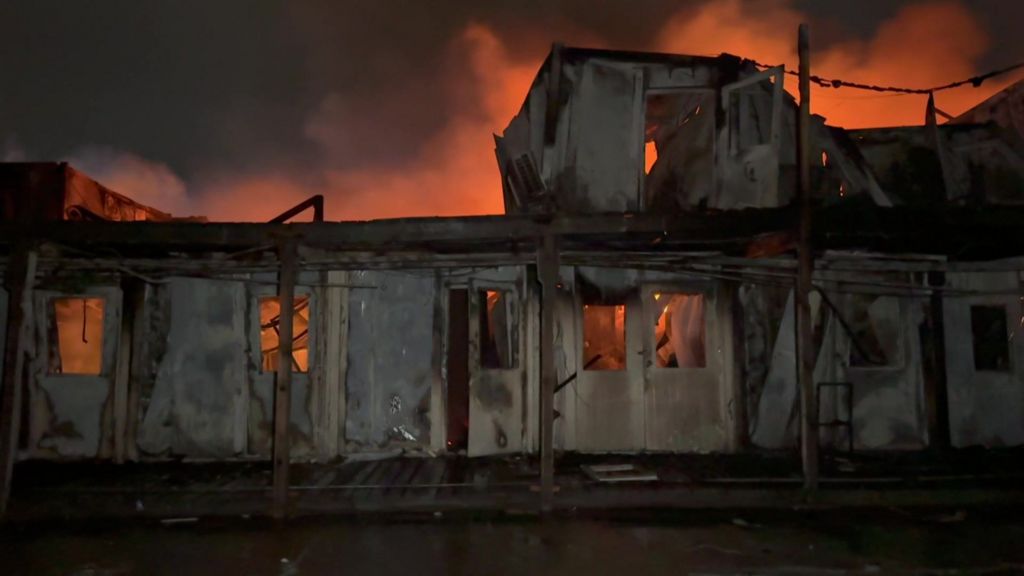
    Eyewitness accounts and BBC correspondents at the scene described chaotic conditions with sections of the medical facility still engulfed in flames hours after the incident. Rescue workers were observed transporting at least thirty fatalities on stretchers while distraught family members gathered outside seeking information about loved ones.

    The Taliban administration swiftly attributed responsibility to neighboring Pakistan, claiming the attack deliberately targeted civilian medical infrastructure. However, Pakistan’s information ministry issued a firm denial, asserting their operations exclusively targeted military installations and what they characterized as terrorist support networks in both Kabul and Nangahar province.

    Hospital administrators revealed that approximately 3,000 patients were undergoing addiction treatment at the time of the explosion. Initial estimates suggest casualty figures could reach into the hundreds given the facility’s occupancy levels and the severity of the damage.

    Afghan health ministry spokesperson Sharafat Zaman Amarkhail explicitly contradicted Pakistan’s justification, stating no military facilities exist in the hospital’s vicinity. Local residents reported hearing powerful explosions approximately at 20:50 local time, followed by aircraft activity and activated air defense systems.

    This incident represents the most severe escalation since cross-border hostilities resumed last month, ending a fragile October ceasefire agreement. The United Nations Assistance Mission in Afghanistan (UNAMA) has documented at least 75 fatalities and 193 injuries resulting from border clashes since February 26th. Pakistan maintains that Taliban-controlled Afghanistan provides sanctuary to militant organizations operating against Pakistani interests—an allegation Afghan leadership consistently denies.

  • Coast Guard rescues snowmobile operator stranded on ice

    Coast Guard rescues snowmobile operator stranded on ice

    In a dramatic display of maritime prowess amid severe winter conditions, the U.S. Coast Guard successfully rescued a snowmobile operator stranded on unstable ice near Mackinac Island, Michigan. The operation, captured in a compelling timelapse video, showcases rescue teams navigating their vessel through near-zero visibility and treacherous blizzard conditions to reach the victim.

    The meticulously documented footage reveals Coast Guard personnel employing expert seamanship to maneuver their craft to the precise edge of the ice floe where the individual was trapped. The operation required precise coordination and exceptional skill as responders battled freezing temperatures, high winds, and dangerous water conditions that characterized the severe winter storm impacting the Great Lakes region.

    This rescue highlights the critical lifesaving capabilities of the Coast Guard’s ice rescue teams, who undergo specialized training for cold-water emergencies. The incident serves as a stark reminder of the inherent dangers of winter recreation on frozen waterways, particularly during rapidly changing weather conditions that can create hazardous thin ice situations without warning.

    The successful outcome demonstrates the importance of both professional emergency response capabilities and public awareness regarding ice safety protocols during winter months.

  • Chile’s new far-right president launches work on border barrier

    Chile’s new far-right president launches work on border barrier

    SANTIAGO, Chile — In a decisive move fulfilling his campaign pledge, Chile’s newly inaugurated conservative President José Antonio Kast has initiated the construction of a comprehensive border barrier system along the nation’s northern frontier. The project, dubbed “Border Shield,” represents one of the administration’s first major policy implementations since Kast took office less than a week ago.

    The strategic northern border area of Chacalluta, which has served as a primary entry point for undocumented migrants crossing from Peru into one of South America’s most prosperous nations, now serves as the starting point for this ambitious security initiative. The multi-layered defense system will incorporate physical barriers including trenches and fencing, complemented by advanced drone surveillance and military patrols.

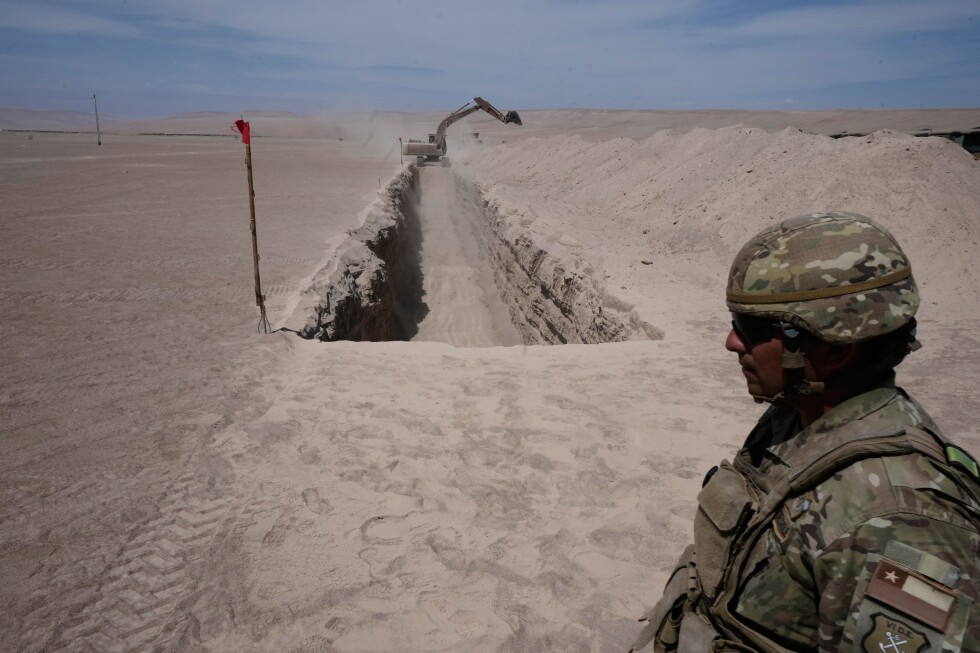
    While initial construction activity appeared modest—with a single bulldozer excavating desert terrain to create defensive trenches—the president characterized the undertaking as “a milestone for all of Chile.” Kast emphasized his administration’s commitment to “clear and concrete decisions to close our border to illegal immigration, drug trafficking and organized crime” without delay.

    The policy approach bears resemblance to border security measures advocated by former U.S. President Donald Trump, with Kast employing emergency presidential powers to enact half a dozen decrees targeting enhanced border protection and expedited deportation procedures for undocumented foreigners.

    This hardening of immigration policy responds to demographic shifts that have seen Chile’s foreign population double between 2017 and 2024. Current estimates suggest over 300,000 undocumented immigrants reside in the country, with significant numbers fleeing Venezuela’s economic collapse and political persecution.

    While Chile maintains among the region’s lowest homicide rates, the settlement of foreign criminal organizations from Venezuela and elsewhere has introduced previously uncommon crimes including carjackings, kidnappings, and contract killings. These developments have generated widespread public concern and increased anti-immigrant sentiment among Chilean citizens.

    Kast’s election represents Chile’s most significant rightward political shift since the nation restored democracy in 1990 following 17 years of military rule under General Augusto Pinochet—a leader whom Kast supported during his early political activism.

  • Criticized for their cool, American players head into the WBC final appreciating opponents’ flair

    Criticized for their cool, American players head into the WBC final appreciating opponents’ flair

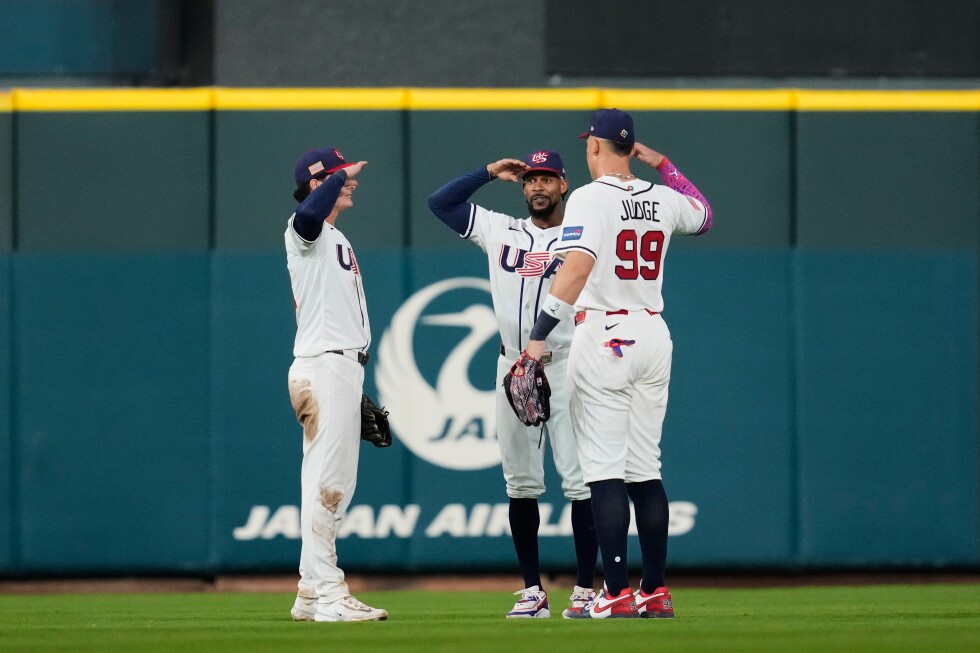
    As Team USA advances to the World Baseball Classic championship game, their characteristically reserved demeanor stands in stark contrast to the theatrical displays of their Latin American counterparts. Under the leadership of captain Aaron Judge, the American squad has cultivated a clubhouse culture defined by measured composure rather than flamboyant expression.

    Following their narrow 2-1 victory against the Dominican Republic, outfielder Pete Crow-Armstrong acknowledged the cultural differences in baseball expression: “You guys would all think it’s silly if we shuffled like Soto or did Vladdy’s little wiggle. That’s them and if I had enough swag to do that I would probably do that, too. We have fun in our own way, but we definitely have fun out there.”

    The towering 6-foot-7 Judge has established the team’s philosophical foundation through his authentic leadership approach. “It’s been cool to see how he goes about his business,” remarked pitcher Paul Skenes, himself standing at 6-foot-6. “He’s not faking anything. He’s playing as Aaron Judge, so that’s just his personality in the clubhouse and off the field.”

    Manager Mark DeRosa revealed that Judge declined the traditional captain’s “C” on his uniform, demonstrating his humble leadership style. “Leader of men. Classy in every decision he makes,” DeRosa stated. “A lot of decisions that I’ve made throughout the course of the WBC I have made with his recommendations.”

    The team has drawn criticism for occasionally stoic behavior, including catcher Cal Raleigh’s refusal to shake hands with Seattle teammate Randy Arozarena during pool play. Simultaneously, they’ve embraced military connections, with players saluting after victories and hosting former Navy SEAL Robert J. O’Neill, who claimed involvement in the Osama bin Laden operation.

    DeRosa addressed his earlier miscalculation regarding tournament advancement, admitting his premature declaration of quarterfinal qualification was an “overly confident statement” that required correction after Italy’s crucial victory over Mexico secured their progression.

    Seeking their second title after the 2017 championship, Team USA faces either Venezuela or Italy in the final, having reached their third consecutive WBC championship game after falling 3-2 to Japan in the 2023 final.

    Veteran Bryce Harper reflected on cultural differences in baseball expression, recalling early career criticism for his distinctive equipment choices: “I kind of got pounded for it. So there’s an American way of baseball everybody talks about, right? But I think that’s so far from the truth. Obviously, when we grow up, we play a different style. But we learn from other people’s styles, as well.”

    The team will start rookie right-hander Nolan McLean, who previously struggled in the group stage loss to Italy, allowing multiple home runs. Despite this challenge, McLean expressed readiness: “It’s just kind of a dream come true to be able to get the ball in such a big moment, and it’s something I want to do.”

  • Israel president tells AFP Europe should back efforts to ‘eradicate’ Hezbollah

    Israel president tells AFP Europe should back efforts to ‘eradicate’ Hezbollah

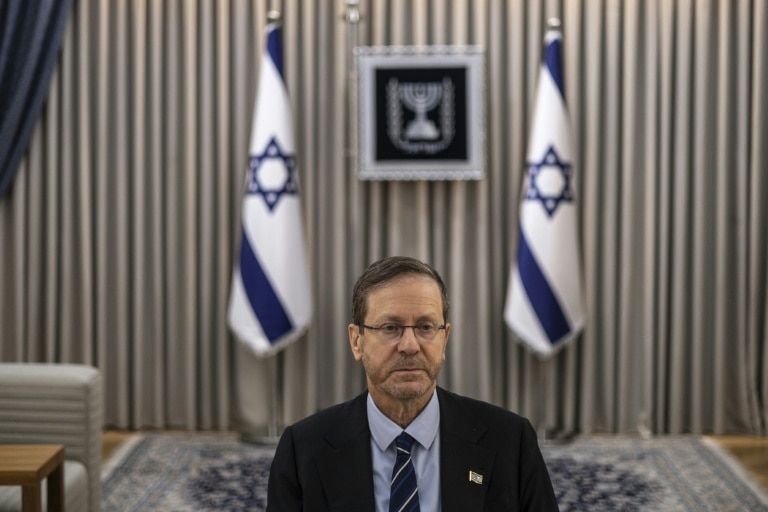
    Israeli President Isaac Herzog has issued a compelling appeal for European nations to endorse Israel’s military campaign against Hezbollah, characterizing the current conflict as a pivotal historical moment in Middle Eastern geopolitics. In an exclusive interview with AFP conducted at his Jerusalem residence, Herzog emphasized that European support is crucial for achieving regional stability.

    The Israeli military confirmed the initiation of limited ground operations in southern Lebanon on Monday, targeting Hezbollah’s infrastructure in response to sustained rocket attacks. This escalation follows Hezbollah’s March 2 offensive against Israel, which the group claims was retaliation for the assassination of Iranian Supreme Leader Ayatollah Ali Khamenei in joint US-Israeli airstrikes.

    Herzog articulated a clear position: “Europe should support any effort, any effort, to eradicate Hezbollah now. They should understand that if you want to get anywhere, sometimes you need to win war.” The Israeli president simultaneously welcomed French President Emmanuel Macron’s proposal to host direct negotiations between Israeli and Lebanese officials in Paris, acknowledging it as a “very positive development” while stressing that diplomatic engagement must coincide with military action.

    The humanitarian impact has been severe, with Lebanese authorities reporting over one million internally displaced persons within two weeks of intensified hostilities. Israeli airstrikes have targeted Hezbollah positions throughout southern Lebanon and Beirut, though the Lebanese government contends these operations have caused significant civilian casualties, with the death toll approaching 900 according to their records.

    Herzog expressed skepticism about the Lebanese army’s capacity to disarm Hezbollah, noting “they have their limitations” despite international obligations. The president framed the broader conflict with Iran as a generational struggle, asserting that “we are at a historical juncture” where Tehran’s influence must be curtailed to ensure regional security.

    He further argued that European national security interests align with defeating Iran’s clerical regime, citing concerns about Iran’s ballistic missile program potentially threatening European territories. Herzog called for international cooperation rather than criticism, asking “Where is the whole world? Rather than all the time criticizing Israel, let’s help us. Let’s help the Americans bring a real change so that there will be a different future in the region.”

  • European allies refuse US request to help open Strait of Hormuz

    European allies refuse US request to help open Strait of Hormuz

    European powers have delivered a firm rebuke to the United States’ appeal for military assistance in reopening the strategically vital Strait of Hormuz, with Germany leading the opposition by declaring the escalating conflict with Iran falls outside NATO’s defensive mandate. The diplomatic standoff emerged after Iran sealed the critical waterway last week, retaliating against joint Israeli-American offensive operations that targeted Iranian territory. This strategic chokepoint facilitates the transit of over one-fifth of global oil and gas supplies, making its closure a matter of urgent international economic concern.

    Despite President Donald Trump’s weekend appeal for allied support, European nations demonstrated remarkable unity in rejecting military involvement. German Chancellor Friedrich Merz’s administration established the tone by emphasizing through spokesman Stefan Kornelius that “Nato is an alliance for the defence of territory” and that the current crisis lacks the necessary mandate for NATO deployment. Defense Minister Boris Pistorius reinforced Germany’s position by explicitly ruling out military participation while affirming commitment to diplomatic resolution efforts.

    The United Kingdom aligned with Germany’s stance, with Prime Minister Keir Starmer categorically dismissing the possibility of a NATO mission while acknowledging collaborative efforts to develop alternative strategies. “We’re working with all of our allies to bring together a viable collective plan that can restore freedom of navigation,” Starmer stated from Downing Street, emphasizing that any solution would not involve NATO deployment. Energy Secretary Ed Miliband revealed potential non-military alternatives, including the deployment of minesweeping drones instead of warships.

    France confirmed it would not dispatch naval vessels to the Strait, maintaining its defensive posture in the Eastern Mediterranean. Spain emerged as the most vocal European critic of the military approach, with Defense Minister Margarita Robles declaring Madrid was “absolutely not” considering military contributions. Poland similarly rejected participation in any naval operation to reopen the shipping corridor.

    This European consensus extended beyond the continent, with Japan and Australia earlier expressing parallel reservations about military involvement. President Trump issued a stark warning that allied refusal to assist could prove “very bad for the future of Nato,” though he provided no specific details regarding potential consequences.

    Some Scandinavian and Baltic nations indicated slightly more flexible positions, with Danish Foreign Minister Lars Lokke Rasmussen advocating for maintaining “an open mind” regarding potential contributions despite emphasizing Denmark’s preference for de-escalation. Lithuanian and Estonian officials similarly expressed willingness to discuss the situation with American counterparts while stopping short of endorsing military action.

  • Trump border patrol chief Greg Bovino to retire

    Trump border patrol chief Greg Bovino to retire

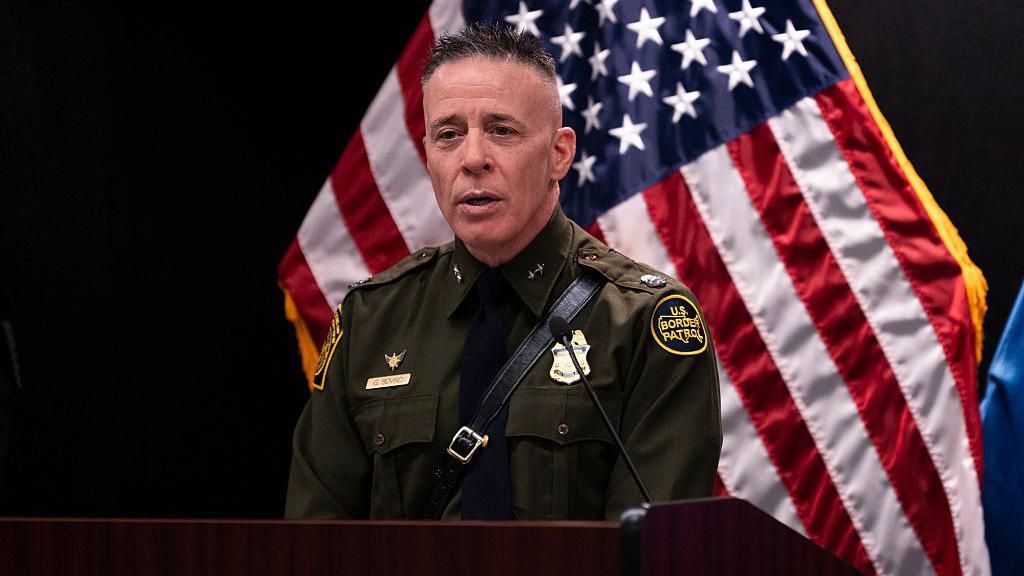
    Greg Bovino, the prominent US Border Patrol chief who became the public face of former President Donald Trump’s aggressive immigration enforcement policies, has revealed plans to retire from his position. The career immigration official disclosed his intention to step down at the end of March in an interview with Breitbart News, though formal retirement documentation has not yet been submitted according to Department of Homeland Security officials.

    Bovino’s nearly three-decade tenure in immigration enforcement culminated in his leadership of Operation Metro Surge, a controversial initiative targeting Democratic-led cities including Los Angeles, Chicago, and Minneapolis. His command drew significant scrutiny following January’s fatal shootings of two American citizens, Renee Good and Alex Pretti, during confrontations with federal agents in Minnesota. The incidents sparked bipartisan condemnation and widespread protests, leading to Bovino’s reassignment from his Minnesota role shortly afterward.

    The veteran enforcement official expressed profound admiration for his colleagues in his retirement announcement, stating: ‘The greatest honour of my entire life was to work alongside Border Patrol agents on the border and in the interior of the United States in some of the most challenging conditions the agency has ever faced.’ He further described watching agents perform in ‘the most dangerous of environments’ as ‘humbling.’

    Bovino’s career trajectory included extensive service near the California-Mexico border before joining the Trump administration’s immigration leadership. His departure coincides with broader restructuring within the Department of Homeland Security under Trump, which recently saw the replacement of agency head Kristi Noem as part of efforts to implement mass deportation policies central to Trump’s election promises.

    Additional controversy surrounded Bovino following reports from CBS News that he made disparaging remarks about Jewish federal officials during a January conference call, specifically targeting Minnesota prosecutor Daniel Rosen who was observing Sabbath traditions. As Bovino approaches the mandatory retirement age of 57 for US Customs and Border Protection personnel, public opinion remains divided on Trump’s deportation initiatives, with recent Reuters/Ipsos polling indicating majority support for removing illegal immigrants but significant disapproval of the administration’s handling of the issue.

  • US told Turkey war on Iran would end in just four days, expert says

    US told Turkey war on Iran would end in just four days, expert says

    According to Washington-based Turkey expert Asli Aydintasbas, the United States government communicated to Turkey through official channels that military operations against Iran would conclude within a mere four-day timeframe. The Brookings Institution fellow revealed these details during a recent interview with Serbestiyet news outlet, characterizing the subsequently prolonged conflict as a form of betrayal toward NATO allies and regional partners.

    The disclosure emerges amidst reports of Turkey’s extensive diplomatic efforts to prevent joint Israeli-American strikes against Iran since January. Turkish officials reportedly presented multiple proposals to both Washington and Tehran, including offers to host mediation talks in Istanbul. However, Iranian leadership reportedly declined these overtures, including a proposed trilateral teleconference involving Turkish President Recep Tayyip Erdogan, Iranian President Masoud Pezeshkian, and US President Donald Trump.

    Following several rounds of negotiations in Oman focusing specifically on Iran’s nuclear program, Washington and Israel ultimately launched unprovoked strikes against Iran last month. Aydintasbas highlighted the divergent objectives between the two allies, noting that Israel primarily sought regime change or fragmentation of Iran while the Trump administration pursued a quick victory to leverage nuclear negotiations.

    The expert criticized the administration’s approach, noting the conspicuous absence of Iran expertise in planning discussions. Instead, the strategy appeared driven by Israeli encouragement and Prime Minister Benjamin Netanyahu’s urgings, resulting in what Aydintasbas characterized as a poorly conceived ‘hit-and-run’ operation that has devolved into an open-ended conflict.

    Initial White House assumptions suggested that eliminating Supreme Leader Ali Khamenei would precipitate regime collapse. However, the emergence of Mojtaba Khamenei as successor—who lost family members in strikes—created a scenario more reminiscent of North Korea’s leadership than the Venezuela-style cooperation the administration anticipated.

    Further complicating matters, reports indicated consideration of employing Iranian and Iraqi Kurdish forces to establish border control—a plan that met with significant backlash from both media outlets and allied nations. Turkey reportedly expressed strong objections through diplomatic channels, joined by concerns from Saudi Arabia regarding the dangers of instigating civil war in Iran.

    Despite initial encouragement from President Trump toward Kurdish involvement, the administration subsequently reversed position, with the president publicly stating he did not want Kurdish forces entering Iran amid the already complex conflict.

  • Bombs explode in northeastern Nigeria, leaving scores killed and injured, authorities say

    Bombs explode in northeastern Nigeria, leaving scores killed and injured, authorities say

    MAIDUGURI, Nigeria — A series of devastating explosions struck multiple locations in northeastern Nigeria’s Borno state on Monday night, resulting in significant casualties and widespread panic. The coordinated blasts, suspected to be suicide bombings, targeted high-traffic areas including the entrance of the University of Maiduguri Teaching Hospital and two bustling markets known as Post Office and Monday Market.

    Emergency response teams reported scores of fatalities and injuries, though exact numbers remain unconfirmed as rescue operations continue. Sirajo Abdullahi, head of operations at Nigeria’s National Emergency Management Agency (NEMA) in Maiduguri, confirmed the incidents but emphasized that casualty figures were still being assessed.

    The attacks represent a severe escalation in violence for Maiduguri, the regional capital that has been the epicenter of Nigeria’s 17-year conflict with extremist groups. While no organization has immediately claimed responsibility, the bombings bear the hallmark of jihadi extremist factions operating in the region.

    Eyewitness accounts paint a grim picture of the aftermath. Bagoni Alkali, who witnessed the explosions, reported transporting numerous wounded victims to hospitals, noting that emergency departments were overwhelmed with approximately 200 injured patients. Mohammed Hassan, a member of a local volunteer security group, described evacuating 10 bodies from the market areas and emphasized the critical need for blood supplies at medical facilities.

    Borno State Governor Babagana Umara Zulum issued a strong condemnation of the attacks, describing them as “utterly condemnable, barbaric and inhumane” while extending condolences to victims’ families. The governor urged residents to maintain vigilance and report any suspicious activities to security agencies.

    The bombings occur against the backdrop of Nigeria’s complex security crisis, particularly in northern regions where multiple armed groups operate. While military operations had recently reduced attacks within Maiduguri proper, this incident marks one of the deadliest assaults on the city in years.

  • China, US agree stable economic, trade ties benefit both countries, world, says China intl trade representative

    China, US agree stable economic, trade ties benefit both countries, world, says China intl trade representative

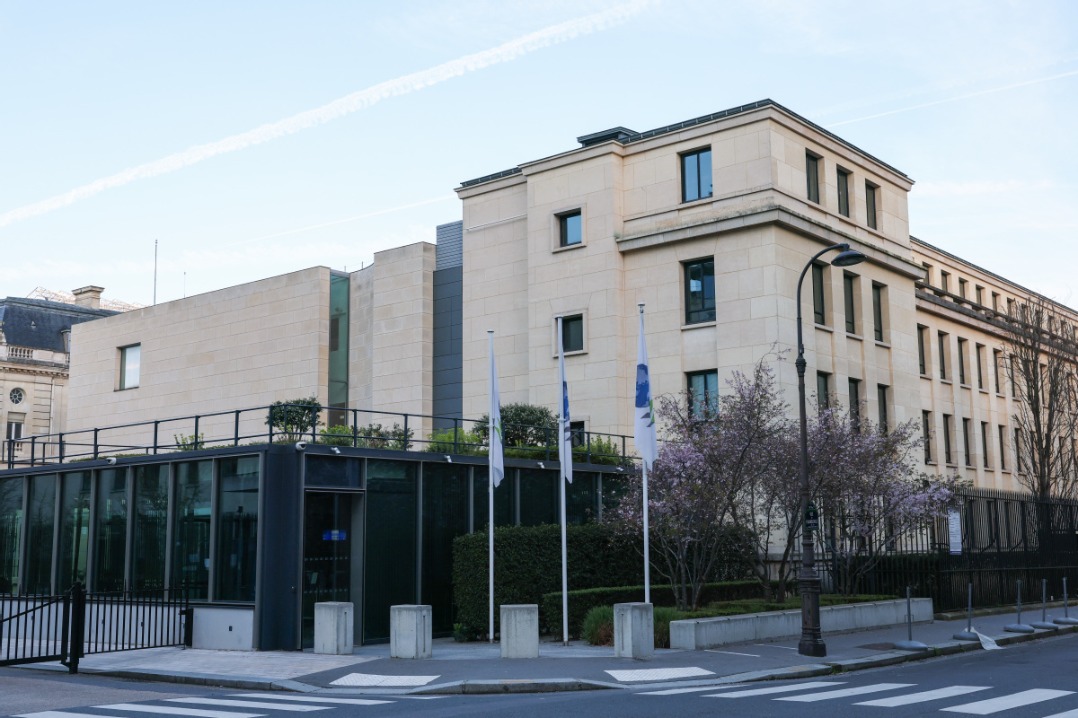
    PARIS – In a significant development for global economic stability, Chinese and American officials have reached a consensus that maintaining stable bilateral trade relations serves both nations’ interests while contributing to worldwide economic security. The agreement emerged during the latest round of economic and trade discussions held at the Organization for Economic Cooperation and Development headquarters in Paris on March 15-16, 2026.

    Li Chenggang, China’s International Trade Representative and Vice Minister of Commerce, articulated China’s consistent opposition to unilateral Section 301 investigations during a post-negotiation briefing. ‘Both nations recognize that predictable economic ties create a foundation for mutual prosperity and global market stability,’ Li stated, emphasizing the constructive nature of the dialogue despite existing trade disagreements.

    The Paris talks represent a continuing effort to navigate complex trade tensions between the world’s two largest economies. The choice of venue at the OECD headquarters signals both parties’ commitment to multilateral engagement and institutional diplomacy rather than unilateral approaches to trade disputes.

    While specific policy agreements remain undisclosed, the mutual acknowledgment of trade relationship benefits marks a positive step toward de-escalating recent tensions. The discussions occurred against the backdrop of ongoing Section 301 investigations, which China has consistently characterized as detrimental to equitable international trade practices.

    Economic analysts suggest that this diplomatic progress could pave the way for more substantive agreements in subsequent meetings, potentially affecting global supply chains, tariff structures, and international market confidence.