作者: admin

  • Sweden’s prisons prepare to house young teens

    Sweden’s prisons prepare to house young teens

    In a groundbreaking shift in juvenile justice policy, Sweden’s prison system is undergoing radical transformations to accommodate offenders as young as 13 years old. The Rosersberg correctional facility north of Stockholm stands among eight institutions preparing for this controversial transition scheduled for July 1, following the government’s decision to lower the criminal responsibility age from 15 to 13 for serious offenses carrying minimum four-year sentences.

    The minority right-wing government, supported by far-right Sweden Democrats, initiated this reform as a strategic response to combat criminal networks increasingly recruiting minors as hitmen for bombings and shootings. Previously, underage offenders faced placement in secure youth care homes (SiS-hem), but these facilities have reportedly become recruitment grounds for gang activities, prompting the judicial overhaul.

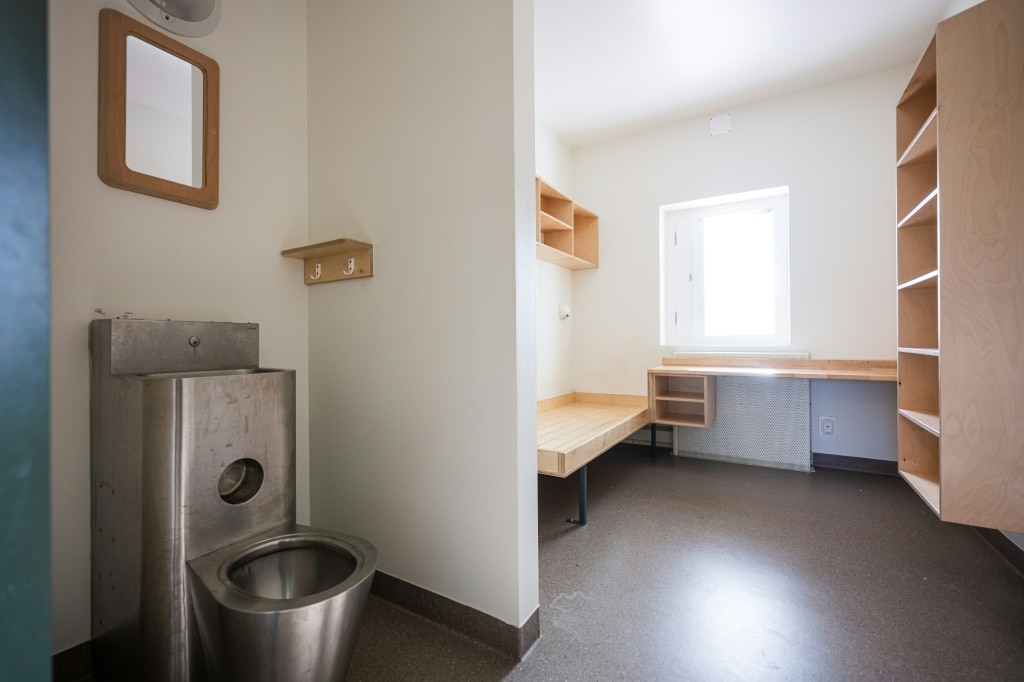
    Extensive modifications are underway at Rosersberg to create age-appropriate detention environments. Authorities have transferred adult inmates to other facilities, redesigned 10-square-meter single cells previously shared by two adults, and implemented vibrant green color schemes. Each cell now features television sets, while shared spaces include redesigned yards with greenery, sofas, and training areas. Notably, cigarette receptacles have been removed in compliance with smoking prohibitions for minor inmates.

    The institutional framework emphasizes educational development, with mandatory schooling until age 16 integrated into the correctional program. Specially designed classrooms have replaced the cafeteria that previously separated adult and youth sections. Security protocols require doubled guard-to-inmate ratios compared to adult facilities, with officers assuming expanded responsibilities as de facto legal guardians addressing behaviors ranging from school attendance resistance to homework completion.

    Despite governmental justification citing crime prevention necessities, the reform faces substantial opposition from child rights organizations and institutional stakeholders. Julia Hogberg, legal adviser to children’s rights group Bris, contends that incarcerating young adolescents risks counterproductive outcomes, potentially lowering criminal recruitment ages further while harming developmental progress and increasing recidivism risks. Critics argue this policy shift undermines Sweden’s longstanding reputation as a global model for children’s rights, particularly concerning the maintained age of criminal responsibility throughout 150 years of varying crime rates.

    The government maintains its position that stringent measures are essential to address escalating youth involvement in serious crimes, pushing multiple reforms ahead of September legislative elections.
  • Iran war pushes importers into energy triage as they conserve power and curb soaring prices

    Iran war pushes importers into energy triage as they conserve power and curb soaring prices

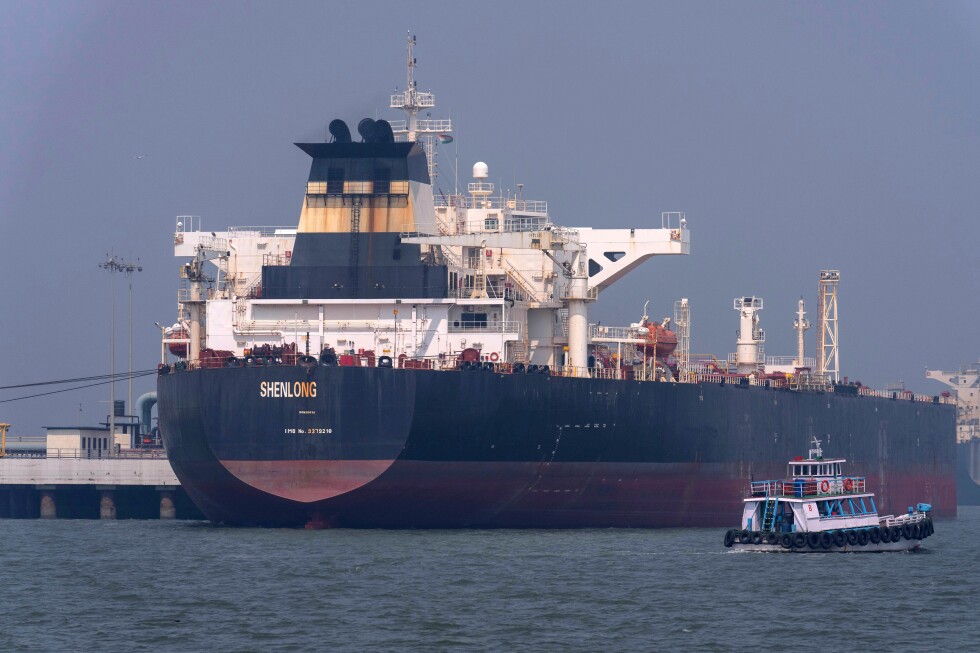
    The escalating military confrontation with Iran has triggered a severe global energy crisis, forcing nations worldwide into difficult triage decisions regarding fuel allocation and consumption. This supply shock has exposed critical vulnerabilities in energy-importing economies, particularly across Asia where governments are implementing emergency measures to manage dwindling resources.

    Asia faces disproportionate exposure to the crisis due to its heavy reliance on imported fuels, much of which traditionally transits through the now-disrupted Strait of Hormuz. This critical maritime corridor, located offshore from Iran, typically facilitates approximately one-fifth of global crude oil and liquefied natural gas trade. The blockage has compelled regional governments to enact conservation measures, compete for scarce supplies, and implement price controls—all while navigating difficult trade-offs between economic activity and energy security.

    Southeast Asian nations have adopted particularly stringent conservation approaches. The Philippines transitioned to a four-day workweek for government employees to reduce energy consumption by 20%, alongside mandating elevated office temperature settings and computer shutdowns during breaks. Vietnam encouraged remote work arrangements, while Thailand’s Prime Minister advocated for stair usage over elevators in conservation efforts.

    Energy analysts warn these measures inevitably impact economic productivity. Linh Nguyen of Control Risks consultancy noted that ‘even relatively modest constraints on energy use can create a drag on industrial activity,’ particularly affecting energy-intensive export industries like Vietnam’s manufacturing sector.

    The crisis extends beyond Asia to fuel-importing economies across Africa and other regions as global competition for limited supplies intensifies. Putra Adhiguna of the Energy Shift Institute in Jakarta emphasized that ‘the situation is common across the board—there is no easy decision for the short term.’

    East Asian economic powers are deploying strategic reserves to maintain industrial operations. Japan initiated the release of approximately 45 days’ worth of oil from its substantial reserves—a system established after the 1970s oil crises—while South Korea committed to releasing 22.46 million barrels through the International Energy Agency’s coordinated effort. However, energy experts caution that reserve depletion constitutes merely a temporary buffer rather than a sustainable solution.

    Populous nations face particularly complex challenges in balancing household needs against commercial demands. India prioritized liquefied petroleum gas (LPG) allocations for residential cooking over commercial establishments, forcing restaurants to modify menus and operating hours. Similar dilemmas confront Indonesia and Thailand, where subsidy programs strain national budgets while attempting to shield consumers from price spikes.

    The European Union is addressing the crisis through accelerated clean energy transition strategies, seeking to reduce consumption and enhance energy security across member states. European Commissioner for Energy Dan Jørgensen confirmed officials are ‘working on immediate measures to help businesses and our most vulnerable citizens’ amid sharply elevated prices.

    As the conflict persists, analysts warn that energy rationing and difficult prioritization decisions will likely expand globally, with renewable energy and diversified supply chains emerging as critical long-term solutions to enhance energy security.

  • Millions without electricity as Cuba’s power grid collapses

    Millions without electricity as Cuba’s power grid collapses

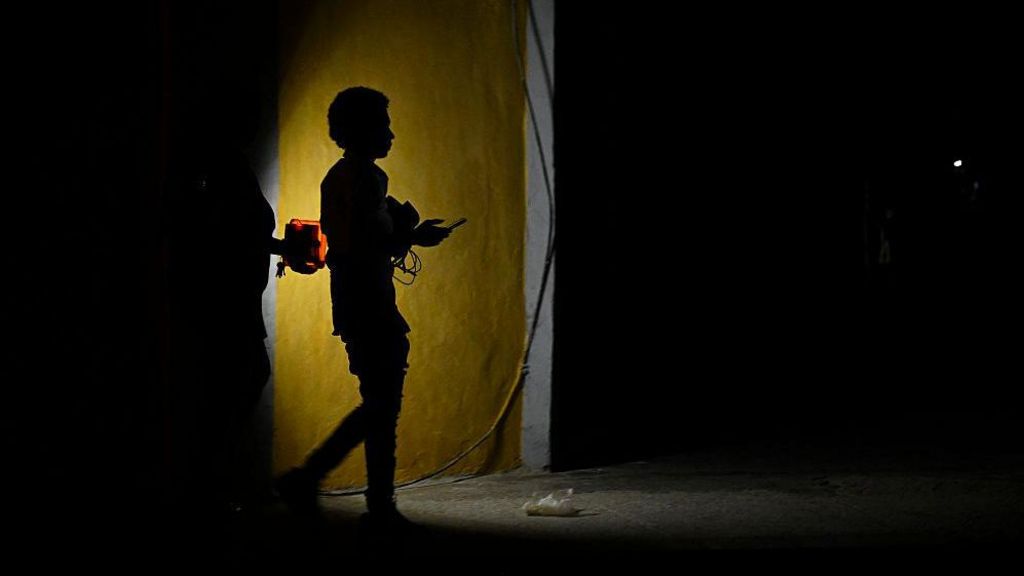
    Cuba’s national electricity system experienced a catastrophic failure on Monday, plunging millions of citizens into darkness in the latest and most severe power crisis to hit the island nation. According to UNE, Cuba’s grid operator, restoration efforts are gradually underway across provinces and urban centers, though complete recovery remains uncertain.

    The collapse represents the culmination of years of deteriorating energy infrastructure and chronic fuel shortages that have now reached critical levels. These systemic problems have been dramatically worsened by recent US sanctions that have effectively strangled Cuba’s oil supply chain. The situation has become particularly dire since January, when American authorities captured Venezuelan President Nicolas Maduro and subsequently intensified pressure on Cuba by intercepting multiple oil shipments destined for the island.

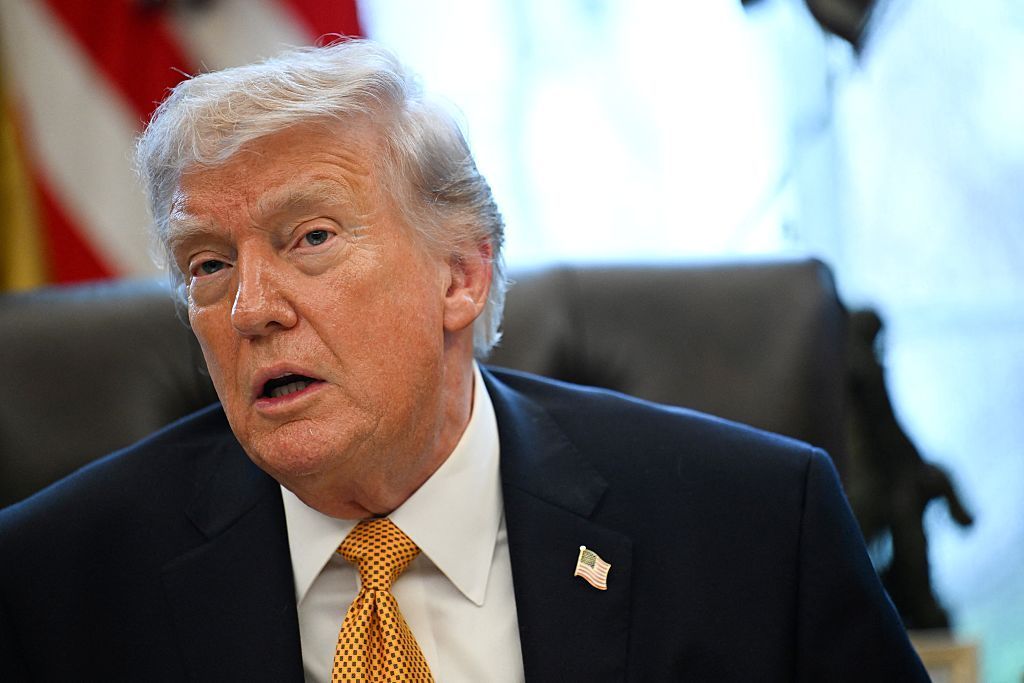
    President Donald Trump escalated tensions further during a White House press briefing, stating he believed he would have the ‘honour of taking Cuba’ and remarking that the nation’s weakened state meant he ‘could do anything I want with it.’ These comments follow his previous threats of a ‘friendly takeover’ of the Caribbean nation, which has maintained strained relations with the US since the 1959 revolution that brought Fidel Castro to power.

    The current energy crisis has deep roots in Cuba’s dependence on imported fuel, with Venezuela previously supplying approximately 35,000 barrels daily—accounting for nearly half of Cuba’s consumption. With no oil shipments reaching Cuban shores for three months, according to President Miguel Diaz-Canel, the country’s power grid has buckled under the strain.

    This energy catastrophe has triggered widespread social unrest, with protesters recently storming a Communist Party building in Moron following rallies against soaring food prices and persistent blackouts. Havana residents express grim resignation, with one telling Reuters that the latest outage ‘didn’t surprise’ her, adding ‘We’re getting used to living like this.’

    Despite the tensions, diplomatic channels remain partially open, with President Diaz-Canel confirming last week that preliminary talks with the Trump administration were underway to resolve bilateral differences.

  • Sri Lanka declares Wednesdays off as Asian countries try to conserve fuel

    Sri Lanka declares Wednesdays off as Asian countries try to conserve fuel

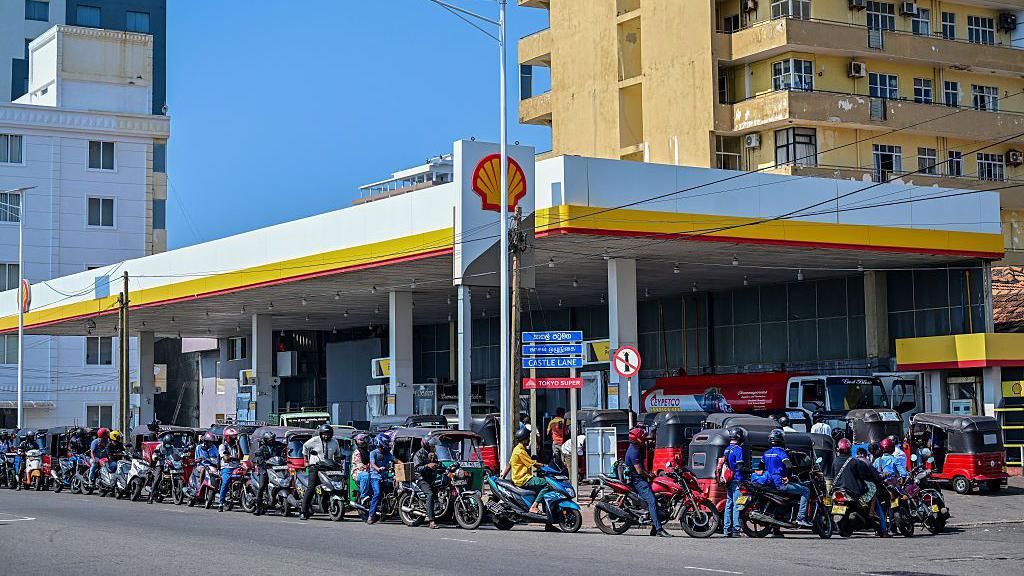
    Sri Lanka has instituted a mandatory four-day work week, designating every Wednesday as a public holiday in a drastic effort to conserve fuel reserves. This emergency measure comes as the island nation faces severe shortages following the escalation of military conflict between the US-Israel alliance and Iran, which has disrupted critical oil shipments through the Strait of Hormuz.

    President Anura Kumara Dissanayake emphasized the gravity of the situation, stating, “We must prepare for the worst, but hope for the best” during emergency deliberations with government officials. The Wednesday closure was strategically selected to prevent three consecutive non-working days while maximizing fuel conservation.

    The energy crisis has triggered a chain reaction of austerity measures across Asia, the world’s largest oil-importing region that received nearly 90% of the strait’s oil and gas shipments last year. Thailand has launched campaigns promoting short-sleeved attire to reduce air conditioning dependency, while Myanmar has implemented alternate-day driving restrictions based on license plate numbers. Bangladesh has rescheduled academic calendars and introduced nationwide planned blackouts, and the Philippines has mandated work-from-home arrangements while banning non-essential public sector travel.

    Sri Lanka’s measures extend beyond the four-day week, reintroducing a National Fuel Pass system that rations purchases to 15 liters for private vehicles and 5 liters for motorcycles. This system previously helped navigate the country’s devastating 2022 economic crisis when foreign reserves depleted completely. Current oil prices have surged to approximately $100 per barrel since hostilities began in the Gulf, compounding existing economic pressures.

    The government has exempted essential services including healthcare and immigration from the shortened work week, though educational institutions will adhere to the new schedule. Despite these efforts, public dissatisfaction simmers over what many citizens perceive as inadequate fuel allocations amid the growing crisis.

  • Iranian women soccer players granted asylum in Australia are pictured training in Brisbane

    Iranian women soccer players granted asylum in Australia are pictured training in Brisbane

    In a significant development following their high-profile asylum case, two members of Iran’s women’s national football team have commenced training with Australian professional club Brisbane Roar. Fatemeh Pasandideh and Atefeh Ramezanisadeh were photographed enthusiastically participating in their first public training session since being granted humanitarian protection by Australian authorities.

    The images, shared on Brisbane Roar’s official Instagram account, depict the athletes smiling while adorned in the club’s colors alongside the women’s elite squad. Club CEO Kaz Patafta emphasized the organization’s commitment to “providing a supportive environment for them whilst they navigate the next stages” of their transition.

    This development concludes a complex diplomatic episode that unfolded during the Women’s Asian Cup tournament. The situation escalated when Australia’s government extended humanitarian visa offers to multiple team members following Iran’s elimination from the competition. Initially, seven players and staff accepted asylum, though five subsequently reversed their decisions and rejoined the team in Malaysia before their eventual return to Oman.

    The two athletes have expressed gratitude for their reception, with Ramezanisadeh commenting “Thank you for everything” on the club’s social media post. Both women have been relocated to undisclosed secure locations and are receiving governmental assistance as they settle into their new circumstances.

    The original controversy emerged when several team members remained silent during Iran’s national anthem during early tournament matches—an act interpreted by some observers as symbolic protest amid ongoing regional conflicts. These actions drew criticism from hardline commentators in Iran, who labeled the players “wartime traitors,” while Iranian officials maintained that returning athletes would face no security concerns.

    Australian immigration authorities conducted private interviews with team members at airports without team supervision before their departure. The final squad members departed from Kuala Lumpur to Oman on Monday, with travel arrangements coordinated by the Iranian embassy, according to Asian Football Confederation officials.

  • ‘Make you pay’: The one area Cronulla must fix after they were exposed by Penrith’s brick wall defence

    ‘Make you pay’: The one area Cronulla must fix after they were exposed by Penrith’s brick wall defence

    Following a stark contrast in early-season performances, the Cronulla Sharks are undertaking a critical strategic reassessment of their offensive approach. Their campaign opened with an explosive 50-point triumph over the Gold Coast Titans, showcasing an attack capable of dismantling opponents. However, this momentum was decisively halted by the Penrith Panthers, the NRL’s reigning powerhouse, in a match that served as a sobering reality check.

    The encounter in Bathurst highlighted a significant disparity in defensive pressure. While the Sharks engineered eight line breaks against the Titans, the Panthers’ formidable defensive structure limited them to a mere two. Compounding this issue, Cronulla’s error count soared to 13 handling errors, providing constant opportunities for a Penrith side renowned for capitalizing on opposition mistakes.

    Five-eighth Braydon Trindall pinpointed the core lesson learned from the defeat. He emphasized that attempting complex attacking plays against an unpressured defensive line, such as Penrith’s, is a futile endeavor. The key, according to Trindall, lies in the methodical building of pressure through disciplined sets, working over the opposition’s defence before unleashing their structured attacking moves.

    The challenge now shifts to applying this refined strategy against the unpredictable Dolphins. Co-captain Blayke Brailey acknowledged the unique threat posed by a team that thrives on unstructured, ad-lib football. However, he stressed that the Sharks’ focus remains internally on perfecting their own systems rather than being drawn into a chaotic, offload-heavy contest. A primary concern is containing the electric Dolphins fullback, Hamiso Tabuai-Fidow, whose blistering pace and individual brilliance have previously punished Cronulla. Brailey underscored that only cohesive team defence and unwavering communication can neutralize such a potent offensive weapon.

  • Venezuela rallies past Italy 4-2 with 3-run 7th and will face US for World Baseball Classic title

    Venezuela rallies past Italy 4-2 with 3-run 7th and will face US for World Baseball Classic title

    In a stunning seventh-inning rally, Venezuela secured its first-ever appearance in the World Baseball Classic championship game with a 4-2 victory over previously undefeated Italy on Monday night at Miami’s loanDepot park.

    The Venezuelan squad, playing before a passionate pro-Venezuelan sellout crowd, mounted a dramatic comeback after trailing 2-0 through four innings. The game-changing sequence occurred in the seventh when Ronald Acuña Jr., Maikel Garcia, and Luis Arraez delivered consecutive run-scoring, two-out singles against Italian reliever Michael Lorenzen.

    Italy, the first European nation to reach a WBC semifinal, had established an early lead in the second inning when Keider Montero issued three consecutive walks, the last forcing in a run against J.J. D’Orazio. Dante Nori added another run with a forceout against Venezuelan pitcher Ricardo Sánchez.

    The Venezuelan comeback began with Eugenio Suárez’s fourth-inning home run off Aaron Nola. The critical defensive moment came in the sixth when reliever Ángel Zerpa escaped a bases-loaded jam by throwing a perfectly placed sinker past Sam Antonacci.

    The seventh-inning rally began with Gleyber Torres drawing a walk, followed by Jackson Chourio’s two-out single that placed runners at the corners. Acuña then beat out an infield hit to score pinch-runner Andrés Giménez, Garcia lined a go-ahead single to left field, and Arraez completed the scoring with another run-scoring single.

    Daniel Palencia secured the victory with a perfect three-out save, striking out Antonacci to end the game and send Venezuela to Tuesday’s championship matchup against the United States.

  • Trump says presidents ‘should not have learning disabilities’ as he mocks Newsom’s dyslexia

    Trump says presidents ‘should not have learning disabilities’ as he mocks Newsom’s dyslexia

    A political firestorm has erupted following controversial statements made by former President Donald Trump regarding learning disabilities. During an Oval Office address on Monday, Trump launched a personal attack against California Governor Gavin Newsom, a potential Democratic presidential contender, focusing specifically on Newsom’s disclosed dyslexia.

    Trump employed his characteristic nickname ‘Gavin Newscum’ while asserting that individuals with learning disabilities should be disqualified from the presidency. ‘I’m all for people with learning disabilities, but not for my president,’ Trump stated. ‘I think a president should not have learning disabilities.’ He further described the California governor as ‘dumb’ in his remarks to reporters.

    This offensive represents the latest escalation in an ongoing war of words between the two political figures. The conflict intensified last week when Newsom labeled Trump ‘a brain-dead moron’ after the former president mocked his reading difficulties.

    Newsom responded to the latest attack with sarcasm on social media, highlighting Trump’s accidental reference to him as ‘President of the United States’ with the retort: ‘NO THANK YOU, WE BELIEVE IN FREE ELECTIONS!’

    The National Center for Learning Disabilities issued a strong condemnation of Trump’s remarks, telling the BBC they were ‘disturbed by and strongly condemns’ the statements. The organization emphasized that dyslexia, which affects approximately 15-20% of Americans according to federal estimates, does not impair intelligence, judgment, or leadership capabilities.

    ‘People with learning disabilities have risen to the upper echelon of every public office in the United States, including former Presidents,’ said CEO Jackie Rodriguez in an official statement. Historical research suggests several former commanders-in-chief, including George Washington, John F. Kennedy, and Woodrow Wilson, may have had dyslexia.

    The controversy extends beyond learning disabilities, with Trump additionally accusing Newsom of racism following the governor’s recent discussion about his dyslexia with a predominantly Black audience in Atlanta. Newsom had shared personal anecdotes about his academic struggles and reading challenges, which some conservative commentators interpreted as talking down to African-American voters.

    Newsom countered these allegations while defending his disability disclosure: ‘I spoke about my dyslexia. I know that’s hard for a brain-dead moron who bombs children and protects pedophiles to understand.’

    The exchange highlights the increasingly personal nature of political discourse as potential 2024 presidential contenders position themselves for what many anticipate will be a contentious election cycle.

  • More registered US voters view Israel negatively than positively, poll finds

    More registered US voters view Israel negatively than positively, poll finds

    A landmark NBC News survey reveals a dramatic reversal in American public opinion toward Israel, with registered voters now expressing significantly more negative than positive views. The poll, released Monday, shows 39% of US voters hold unfavorable perceptions of Israel compared to 32% with positive attitudes—marking a substantial decline from 2023 when 47% viewed Israel favorably against just 24% negatively.

    The most striking transformation has occurred among independent voters, a crucial demographic that contributed to President Donald Trump’s 2024 electoral victory. Their support for Israel has collapsed from 40% favorable and 22% unfavorable in 2023 to merely 21% favorable versus 48% unfavorable in 2026—more than doubling negative perceptions.

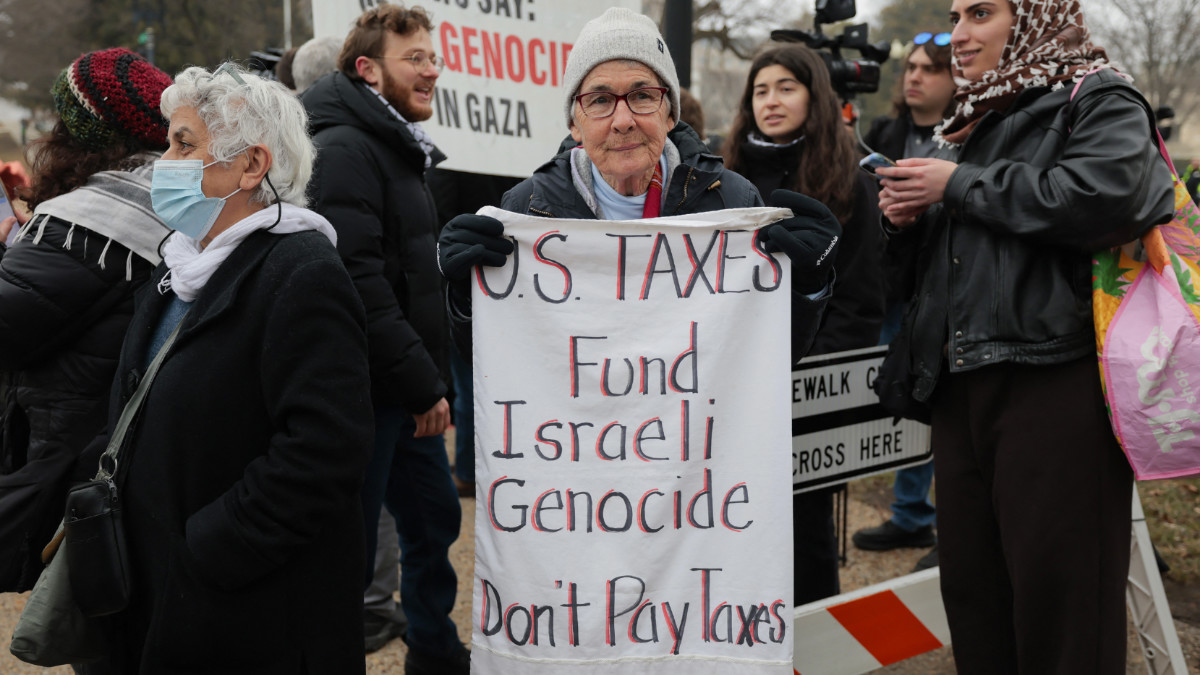
    This seismic shift follows Israel’s military response to Hamas’ October 2023 attack that killed approximately 1,200 Israelis. Israel’s subsequent offensive in Gaza has resulted in over 72,000 Palestinian casualties, with the United Nations, human rights experts, and numerous world leaders concluding that Israel has committed acts of genocide. The Gaza conflict expanded into broader regional hostilities involving Israeli strikes against Lebanon, Syria, and Qatar, eventually escalating into a devastating joint US-Israel war with Iran.

    Concurrently, sympathy for Palestinians has reached unprecedented levels. The poll indicates 40% of Americans now sympathize with Palestinians compared to 39% siding with Israel—a remarkable transformation from November 2013 when only 13% supported Palestinians.

    Partisan divisions reveal astonishing realignments: 67% of registered Democrats currently support Palestinians, versus just 17% backing Israel—a complete reversal from 2013 when only 18% favored Palestinians. While Republican support remains strong at 69%, significant generational fractures are emerging. A complementary Pew Research study from April 2025 shows 50% of Republicans under 50 now view Israel unfavorably.

    The most pronounced anti-Israel sentiment appears among young voters (18-34), with 63% holding negative views and only 13% maintaining positive perceptions—a dramatic drop from 2023 when 37% were negative, 26% positive, and 37% neutral. All age demographics show declining favorability, with the most severe drop occurring among 50-64-year-olds, where positive ratings plummeted from 58% to 37% while negative views doubled from 15% to 30%.

  • Trump clashes with Nato countries over refusal to help reopen Strait of Hormuz

    Trump clashes with Nato countries over refusal to help reopen Strait of Hormuz

    President Donald Trump has publicly vented his frustration with NATO member states for their insufficient support in a joint effort to reopen the strategically vital Strait of Hormuz. This critical maritime passage, through which over 20% of global crude oil normally transits, has become the focal point of escalating US-Iranian hostilities.

    Speaking to reporters, Trump revealed that while ‘numerous countries have told me they’re on the way,’ he expressed particular disappointment with several longstanding allies. ‘Some are very enthusiastic about it, and some countries that we’ve helped for many, many years—we’ve protected them from horrible outside sources—and they weren’t that enthusiastic,’ Trump stated, emphasizing that ‘the level of enthusiasm matters to me.’

    European powers including Germany, France, and the United Kingdom have already declined participation, citing concerns about being drawn into an expanded conflict with Iran. European leaders view the initial US-Israeli military actions against Iran as lacking proper United Nations authorization.

    Trump specifically mentioned his surprise and dissatisfaction with the UK’s response, criticizing Prime Minister Keir Starmer for consulting advisors rather than making an immediate commitment. ‘I said, ‘You don’t need to meet with a team. You’re the prime minister, you can make your own decision,” Trump recounted.

    The President further suggested that NATO allies owe Washington substantial support given America’s disproportionate funding of the alliance and its significant military assistance to Ukraine against Russian aggression. ‘You can ask [Russian President Vladimir] Putin. Putin fears us. He has no fear of Europe whatsoever,’ Trump asserted.

    Despite his appeals for international cooperation, Trump simultaneously claimed self-sufficiency: ‘We’re the strongest nation in the world. We have the strongest military by far. We don’t need them.’ He described his outreach as essentially testing allied commitment, noting ‘I want to find out how they react, because I’ve been saying for years that [if] we ever did need them, they won’t be there.’

    Security experts have warned that any military escort mission through the strait would constitute a ‘very dangerous mission.’ The economic stakes are enormous—the waterway facilitates 20-25% of global seaborne oil trade valued at approximately $600 billion annually, plus 20% of worldwide liquefied natural gas shipments.

    As oil prices surge past $100 per barrel with global economic repercussions, Trump has intensified calls for international naval protection of commercial tankers. However, such moves would likely be perceived by Iran as direct provocation, potentially escalating the conflict further.

    The administration faces criticism for apparent lack of contingency planning despite anticipating the strait’s closure. Gulf states hosting US assets have borne the brunt of Iranian retaliatory strikes, with Kuwait reporting eleven fatalities including American and Kuwaiti military personnel.

    While Trump insists Iran seeks negotiations, Tehran has publicly denied any diplomatic engagement until certain preconditions are met, creating further uncertainty about conflict resolution.