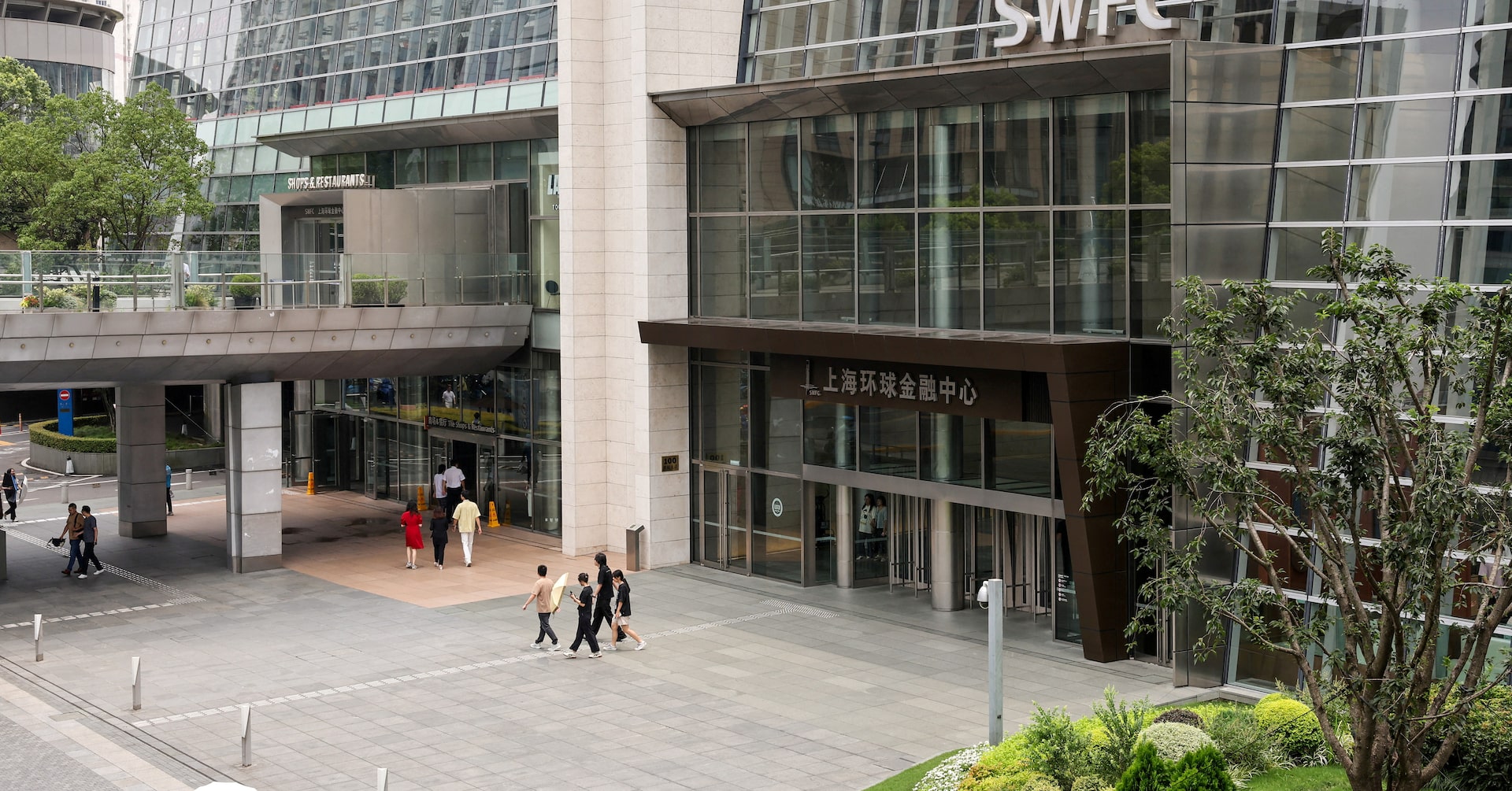
Chenyue Mao, a senior executive at Wells Fargo, has been permitted to leave China after months of being barred from exiting the country. The lifting of the exit ban follows high-level negotiations between U.S. and Chinese officials, marking a significant development in the ongoing efforts to ease tensions between the two economic powerhouses. Mao, who leads Wells Fargo’s international factoring and cross-border strategies, has already returned to the United States, according to sources familiar with the matter. The resolution of Mao’s case coincides with a broader agreement reached in Madrid, where the U.S. and China agreed to transfer ownership of TikTok to U.S.-controlled entities, a move aimed at de-escalating the trade war that has rattled global markets. The Chinese Foreign Ministry had previously cited Mao’s involvement in a criminal investigation as the reason for the exit ban, emphasizing that the decision was made in accordance with Chinese law. Wells Fargo, the White House, and the U.S. Embassy in Beijing have not commented on the matter. The U.S. State Department reiterated its commitment to the safety and security of American citizens but provided no further details. Mao’s case has reignited concerns among foreign businesses about the risks of operating in China, where several executives have faced similar restrictions in recent years. Wells Fargo’s presence in China is notably smaller than that of its Wall Street peers, with its Shanghai and Beijing branches employing around 63 staff as of 2024. The bank had suspended all travel to China following Mao’s exit ban, a policy that remains in effect. Other major banks, however, have continued their operations in the country without interruption. The U.S.-China Business Council, representing 270 American companies, recently concluded a visit to Beijing to strengthen bilateral commercial ties, underscoring the complex dynamics of U.S.-China relations.
作者: admin
-

What was on the menu and who was on guest list at state banquet?
President Donald Trump’s state visit to Windsor Castle was a spectacle of grandeur, blending royal tradition with diplomatic nuance. The state banquet, held in the opulent St George’s Hall, was a meticulously orchestrated affair, designed to impress and honor the visiting leader. The setting, reminiscent of a medieval feast with a touch of cinematic flair, featured elaborately uniformed staff, immaculate table settings, and a menu crafted to perfection. Each course, from the Hampshire Watercress Panna Cotta to the Vanilla Ice Cream Bombe, was paired with a curated selection of fine wines, including a symbolic 1945 vintage port to commemorate Trump’s presidency. Despite the absence of Hollywood celebrities, the guest list was a who’s who of political and tech elites, including Apple CEO Tim Cook, press magnate Rupert Murdoch, and OpenAI’s Sam Altman. The seating arrangement sparked intrigue, with Trump placed between King Charles III and the Princess of Wales, while other notable figures like Prime Minister Sir Keir Starmer and US Secretary of State Marco Rubio mingled with royalty and business leaders. The event, a mix of tradition and modernity, underscored the enduring significance of royal diplomacy in global politics.
-
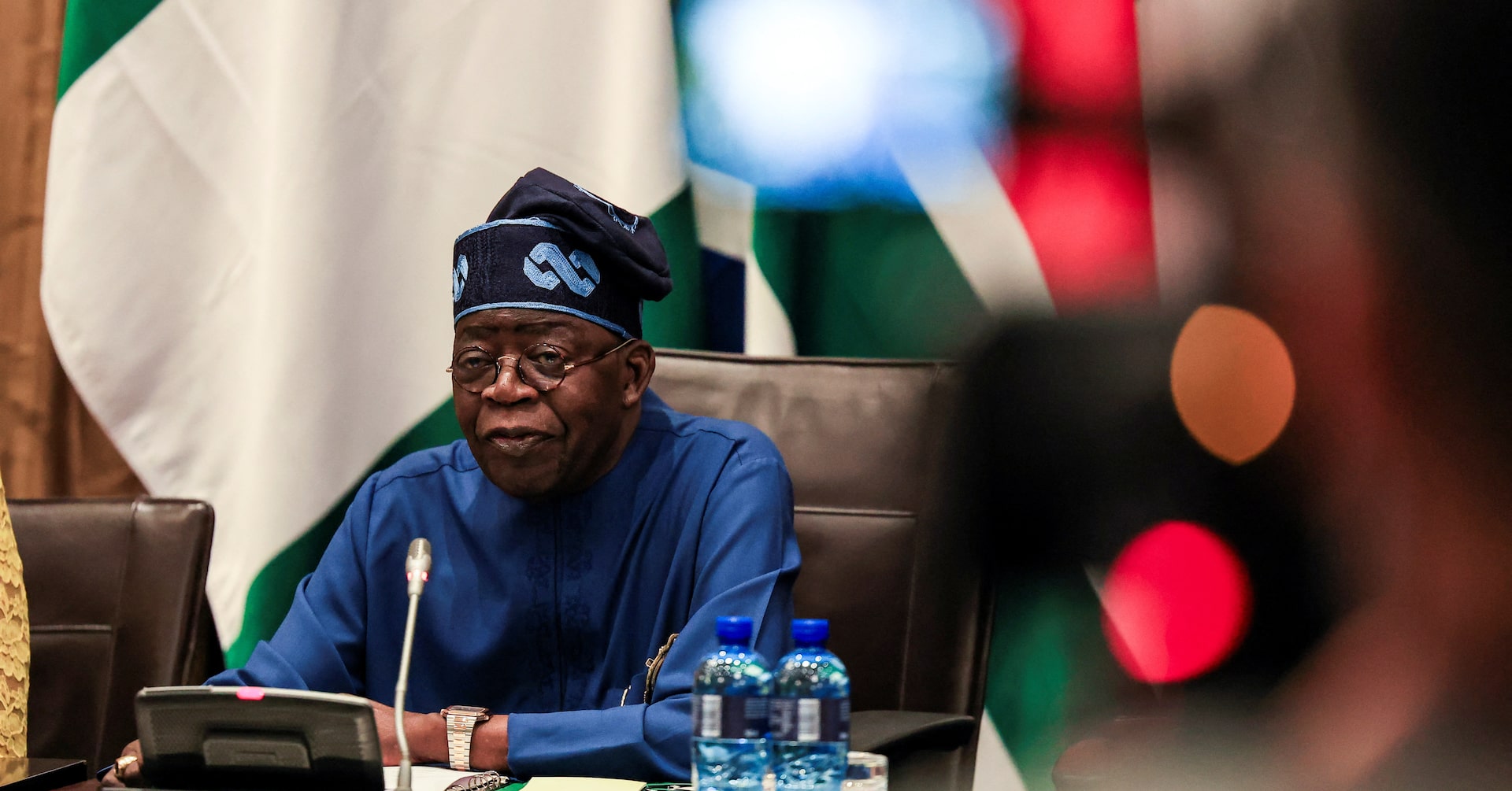
Nigeria’s Tinubu lifts emergency rule in oil-rich Rivers State
In a significant move to restore democratic governance, Nigerian President Bola Tinubu has officially ended the six-month emergency rule in Rivers State. The decision, announced on Wednesday, reinstates Governor Siminalayi Fubara and other state officials, marking the resolution of a constitutional crisis that had brought governance to a standstill. The emergency rule was initially imposed on March 18 following a political standoff between Governor Fubara and the state legislature, which had disrupted budget approvals and left the government in a state of paralysis. President Tinubu emphasized that the measure was crucial to prevent anarchy and restore order. Rivers State, a key hub in Nigeria’s oil-rich Niger Delta, plays a vital role in the country’s crude exports. The region has previously faced security challenges, including pipeline attacks by militants, which have impacted oil output and revenue. Tinubu cited intelligence reports indicating a newfound spirit of cooperation among political stakeholders, which facilitated the return to normal governance. Governor Fubara, his deputy, and the 31-member House of Assembly are set to resume their duties on September 18. The emergency declaration had sparked over 40 legal challenges across courts in Abuja, Port Harcourt, and Yenagoa. Tinubu defended the use of emergency powers as a constitutional mechanism to restore stability, while acknowledging that dissent remains an integral part of democratic processes.
-
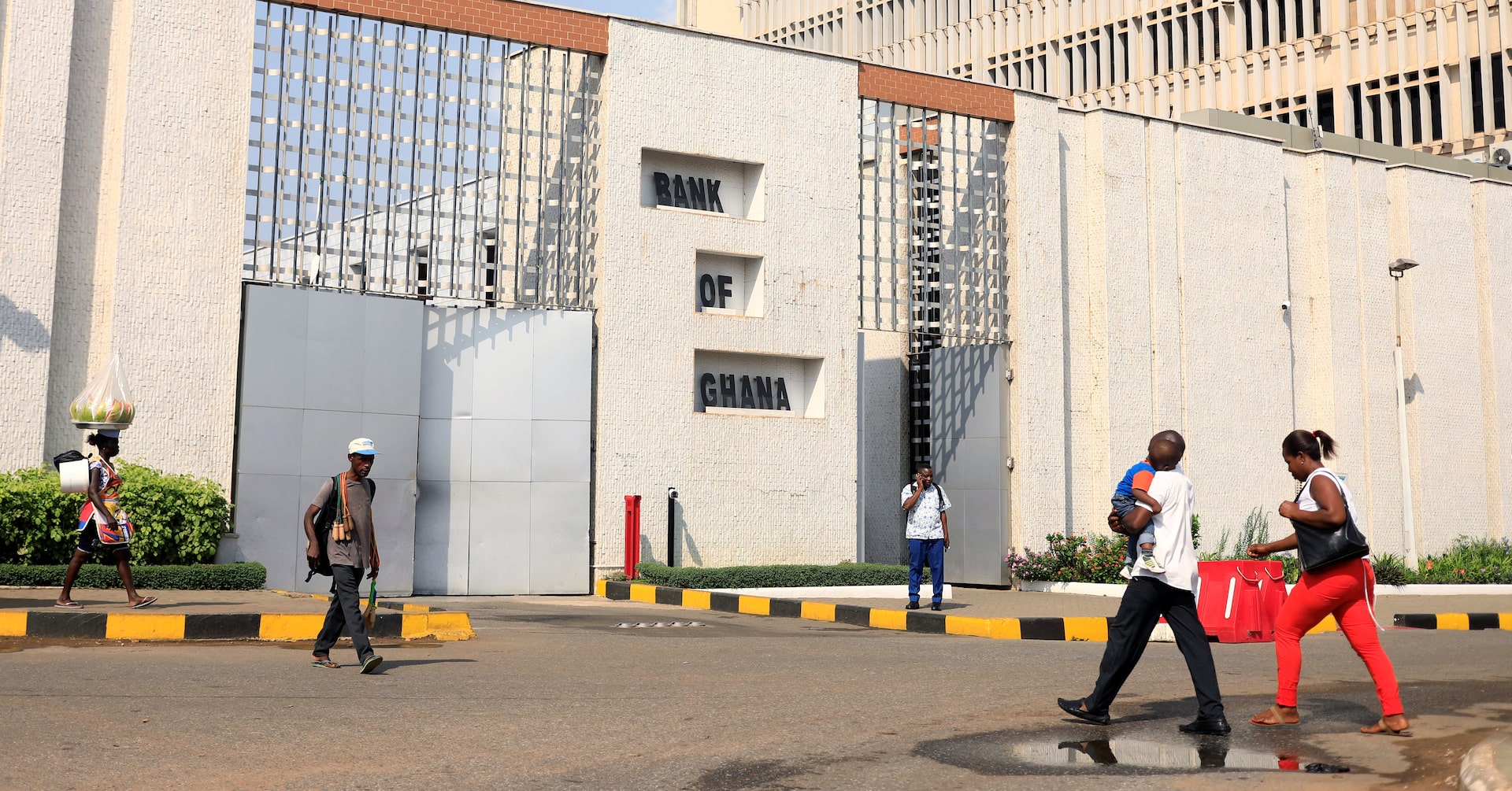
Ghana central bank delivers another larger-than-expected rate cut
In a bold move signaling confidence in Ghana’s economic recovery, the Bank of Ghana announced a record-breaking interest rate cut of 350 basis points on Wednesday, reducing its main rate to 21.5%. This decision marks the second consecutive aggressive rate reduction, following a 300 basis point cut in July, bringing the cumulative reduction to 650 basis points over two meetings. The central bank’s decision reflects a sustained decline in inflation and an improving macroeconomic outlook in the West African nation, renowned for its gold and cocoa production. Economists had anticipated a more modest cut of 200 basis points, but the Monetary Policy Committee (MPC) opted for a more substantial reduction, citing favorable economic conditions. Leslie Dwight Mensah, an economist at the Institute for Fiscal Studies, praised the move, stating, ‘The MPC has been emboldened by the expectation that inflation will soon reach the target range of 8-10%. This is a positive development for the economy, particularly the real economy sector.’ Bank of Ghana Governor Johnson Asiama highlighted the nation’s robust economic growth, with GDP expanding by 6.3% year-on-year in the second quarter of 2025, up from a revised 5.7% in the same period last year. The services sector showed particularly strong improvement. Inflation has also been on a steady decline, dropping for the eighth consecutive month to 11.5% in August, the lowest since October 2021. Asiama expressed optimism that inflation would continue to ease, projecting it to fall within the bank’s target range of 8% (±2%) by the end of the fourth quarter. This rate cut is expected to stimulate economic activity, particularly in sectors sensitive to borrowing costs, further solidifying Ghana’s recovery trajectory.
-

UNHCR in Libya says 13 people survived after vessel carrying 74 people capsized off Tobruk
In a devastating maritime incident off the coast of Tobruk, eastern Libya, a vessel carrying 74 individuals, predominantly Sudanese refugees, capsized on Wednesday. The United Nations High Commissioner for Refugees (UNHCR) in Libya confirmed that only 13 people survived the tragedy. Dozens remain unaccounted for, with rescue operations likely ongoing. The incident underscores the perilous journeys undertaken by refugees seeking safety and better opportunities, often risking their lives in overcrowded and unsafe vessels. The UNHCR shared the grim update via a post on X (formerly Twitter), highlighting the ongoing humanitarian crisis in the region. The Libyan coast has become a notorious route for such dangerous crossings, with similar incidents frequently reported. This tragedy adds to the growing list of maritime disasters in the Mediterranean, where refugees and migrants face life-threatening conditions. The international community continues to grapple with the complexities of migration and the urgent need for safer pathways for those fleeing conflict and hardship.
-

Battling a rare brain-eating disease in an Indian state
On the eve of Onam, Kerala’s most celebrated festival, 45-year-old Sobhana lay unconscious in an ambulance, her life slipping away as her family rushed her to a hospital. Just days earlier, the fruit juice bottler from Malappuram district had complained of dizziness and high blood pressure. Doctors prescribed medication, but her condition deteriorated rapidly, culminating in her death on September 5. The cause? Naegleria fowleri, the brain-eating amoeba, a rare but deadly pathogen that enters the body through the nose during freshwater activities.
This year, Kerala has reported over 70 cases of Naegleria fowleri infections, with 19 fatalities. The victims range from a three-month-old infant to a 92-year-old man. The amoeba, which thrives in warm freshwater, causes primary amoebic meningoencephalitis (PAM), a near-fatal brain infection. Since 2016, Kerala has seen a gradual increase in cases, though global numbers remain low, with only 488 reported since 1962, primarily in the US, Pakistan, and Australia. The disease has a staggering 95% fatality rate.
Despite the grim statistics, Kerala has made strides in combating the infection. Improved detection methods and early diagnosis have reduced the fatality rate from 23% last year to 24.5% this year. ‘Aggressive testing and customised treatment with antimicrobials and steroids have saved lives,’ says Dr. Aravind Reghukumar, head of infectious diseases at Thiruvananthapuram Medical College.
Kerala’s heavy reliance on groundwater and natural water bodies makes it particularly vulnerable. Contaminated ponds and wells have become conduits for the amoeba, with some cases linked to risky practices like vaping boiled cannabis mixed with pond water. Public health campaigns have chlorinated 2.7 million wells and posted warnings around ponds, but enforcing these measures across the state’s 5.5 million wells and 55,000 ponds remains a challenge.
Scientists warn that climate change exacerbates the risk, with warmer waters and rising temperatures creating ideal conditions for the amoeba. ‘Even a 1°C rise can trigger its spread,’ says epidemiologist Prof. Anish TS. Despite Kerala’s progress, the global implications are clear: climate change may be reshaping the map of disease, turning rare pathogens into growing threats.
-

The Summer I Turned Pretty to conclude with feature film
Prime Video has officially announced that the beloved series ‘The Summer I Turned Pretty’ will culminate in a feature film, marking the final chapter of the global franchise. The announcement was made during the Season 3 premiere celebration in Paris, where series stars Lola Tung (Belly) and Christopher Briney (Conrad) posed on the red carpet in front of a billboard promoting the upcoming film.
Jenny Han, the author of the original coming-of-age trilogy and the creative force behind the series, will return to write and direct the film. Han expressed her excitement, stating that a movie was the only fitting medium to properly conclude Belly’s journey. ‘There is another big milestone left in Belly’s journey, and I thought only a movie could give it its proper due,’ Han said in a statement. She also extended her gratitude to Prime Video for supporting her vision and enabling her to share the final chapter with fans.
The series, which premiered in 2022, has captivated audiences worldwide with its portrayal of Belly’s complex love triangle with brothers Conrad and Jeremiah. The third and final season, recently released in the US and UK, leaves Belly at a pivotal crossroads in her relationships. While details of the film remain undisclosed, it is expected to provide a satisfying conclusion to the story.
‘The Summer I Turned Pretty’ has become a cultural phenomenon, sparking passionate debates among fans and even leading to online abuse directed at the lead actors. Han has urged fans to engage more respectfully, emphasizing the importance of creating a positive online environment.
Courtenay Valenti of Amazon MGM Studios and Vernon Sanders of Prime Video and Amazon MGM Studios praised the series for its global impact, stating, ‘The Summer I Turned Pretty has struck a chord with audiences everywhere, creating moments of joy, nostalgia, and connection that have made it a global sensation. We’re proud of the series’ extraordinary success and couldn’t be more excited to partner again with Jenny Han to bring fans an unforgettable next chapter.’
-

Sabalenka withdraws from China Open due to injury
Belarusian tennis star Aryna Sabalenka has announced her withdrawal from the upcoming China Open, citing an injury sustained during her triumphant run at the U.S. Open. The announcement was made by tournament organizers on Wednesday, September 17, 2025. Sabalenka, who recently claimed her second consecutive U.S. Open title and fourth Grand Slam victory by defeating American Amanda Anisimova, expressed her disappointment in a statement. ‘I am sad to announce my withdrawal from the China Open this year after sustaining a small injury after the U.S. Open,’ Sabalenka said. She added that her focus will now be on recovering fully to ensure she is in peak condition for the remainder of the season. The China Open, set to take place at the National Tennis Centre in Beijing from September 24 to October 5, will now proceed without the reigning U.S. Open champion. American Coco Gauff, the defending champion, will aim to retain her title in Sabalenka’s absence. Sabalenka had reached the quarter-finals of the WTA 1000 event in Beijing last year, showcasing her prowess on the international stage.
-

‘Pay attention’ – Spirit aircraft warned as it gets too close to Air Force One
A Spirit Airlines flight narrowly avoided a potentially risky situation when it came too close to Air Force One, the official aircraft of US President Donald Trump, during his journey to the United Kingdom for a state visit. The incident occurred on Tuesday as the Spirit flight, traveling from Florida to Massachusetts, flew parallel to Air Force One over New York, maintaining a distance of eight miles (12.8km). While the Federal Aviation Administration (FAA) confirmed that the separation between the two aircraft was within safe limits, the proximity raised concerns among air traffic controllers.
-

Three officers killed in Pennsylvania shooting, with two others critical
A devastating shooting incident in Pennsylvania has resulted in the deaths of three police officers and left two others critically injured. The tragedy unfolded as officers were conducting a follow-up investigation related to a domestic dispute. According to Pennsylvania State Police Commissioner Colonel Christopher Paris, the gunman was fatally shot by responding officers. The incident occurred around 14:00 local time (18:00 GMT) in a rural area of York County, approximately 100 miles west of Philadelphia. Images from the scene depicted injured personnel being airlifted via medical helicopter, highlighting the severity of the situation. The nearby Spring Grove School District, located in a small town of about 2,500 residents, initiated a brief shelter-in-place protocol, though officials later confirmed that the school was unaffected. Authorities have assured the public that there is no ongoing threat. Pennsylvania Governor Josh Shapiro visited the area to meet with the families of the fallen officers and expressed profound grief over the loss. ‘We mourn the lives of three dedicated individuals who served their community, state, and country,’ Shapiro stated. ‘Such violence is unacceptable, and we must strive for societal improvement.’ In a gesture of respect, Shapiro ordered all state flags to be flown at half-mast. FBI Director Kash Patel confirmed that federal agents are assisting local and state authorities, offering support to the York County community. This incident underscores the persistent issue of gun violence in the United States, particularly affecting law enforcement personnel.