
September 18, 2025 – Tennis star Taylor Townsend issued a public apology on social media following backlash over her disparaging comments about Chinese food. The incident occurred during her participation in the Billie Jean King Cup in Shenzhen, where she posted a series of now-deleted Instagram videos mocking a local buffet that featured dishes like bullfrogs and soft-shelled turtles. In the videos, Townsend questioned whether bullfrogs were ‘poisonous’ and humorously suggested she might need to ‘talk to HR’ about the food. Her remarks sparked widespread criticism for their cultural insensitivity. Townsend, 29, took to Instagram to express her remorse, stating, ‘I just wanted to come on here and apologize sincerely from the bottom of my heart.’ She acknowledged that her comments did not reflect her positive experiences in China and vowed to ‘be better.’ The incident has drawn attention to the importance of cultural sensitivity, especially for public figures representing their countries on the global stage.
作者: admin
-

New Zealand economy contracts sharply, fuelling bets of steeper rate cuts
New Zealand’s economy experienced a more severe contraction than anticipated in the second quarter of 2023, driven by declining construction activity and global economic uncertainties. Official data released on Thursday revealed a 0.9% quarterly drop in gross domestic product (GDP), significantly worse than the 0.3% decline forecasted by analysts and the Reserve Bank of New Zealand (RBNZ). This marks the third contraction in the past five quarters, with annual GDP falling by 0.6%, contrary to market expectations of stability. Following the disappointing data, the New Zealand dollar fell 0.5% to $0.5932, while two-year swap rates hit their lowest level since early 2022, sliding to 2.7290%. The market now anticipates a 58 basis point reduction in the official cash rate (OCR), with a 20% probability of a 50 basis point cut in October. The RBNZ had previously signaled two additional rate cuts this year, citing constrained household and business spending due to economic uncertainty, declining employment, rising essential prices, and falling house prices. Westpac senior economist Michael Gordon noted that the weaker-than-expected GDP outcome reinforces the RBNZ’s inclination to lower rates further. The economic downturn was widespread, with construction, manufacturing, and services sectors all underperforming. The situation was exacerbated by U.S. import tariffs imposed in April, set at 15% for New Zealand products, higher than the 10% rate for Australian goods. Despite the challenges, there are signs of a modest recovery in the third quarter, with improvements in manufacturing, services, employment, and consumer spending. ANZ Senior Economist Matthew Galt suggested that while the economy may avoid another technical recession, a 50 basis point rate cut remains a possibility if data continues to underwhelm.
-
US House advances stopgap bill to avert government shutdown
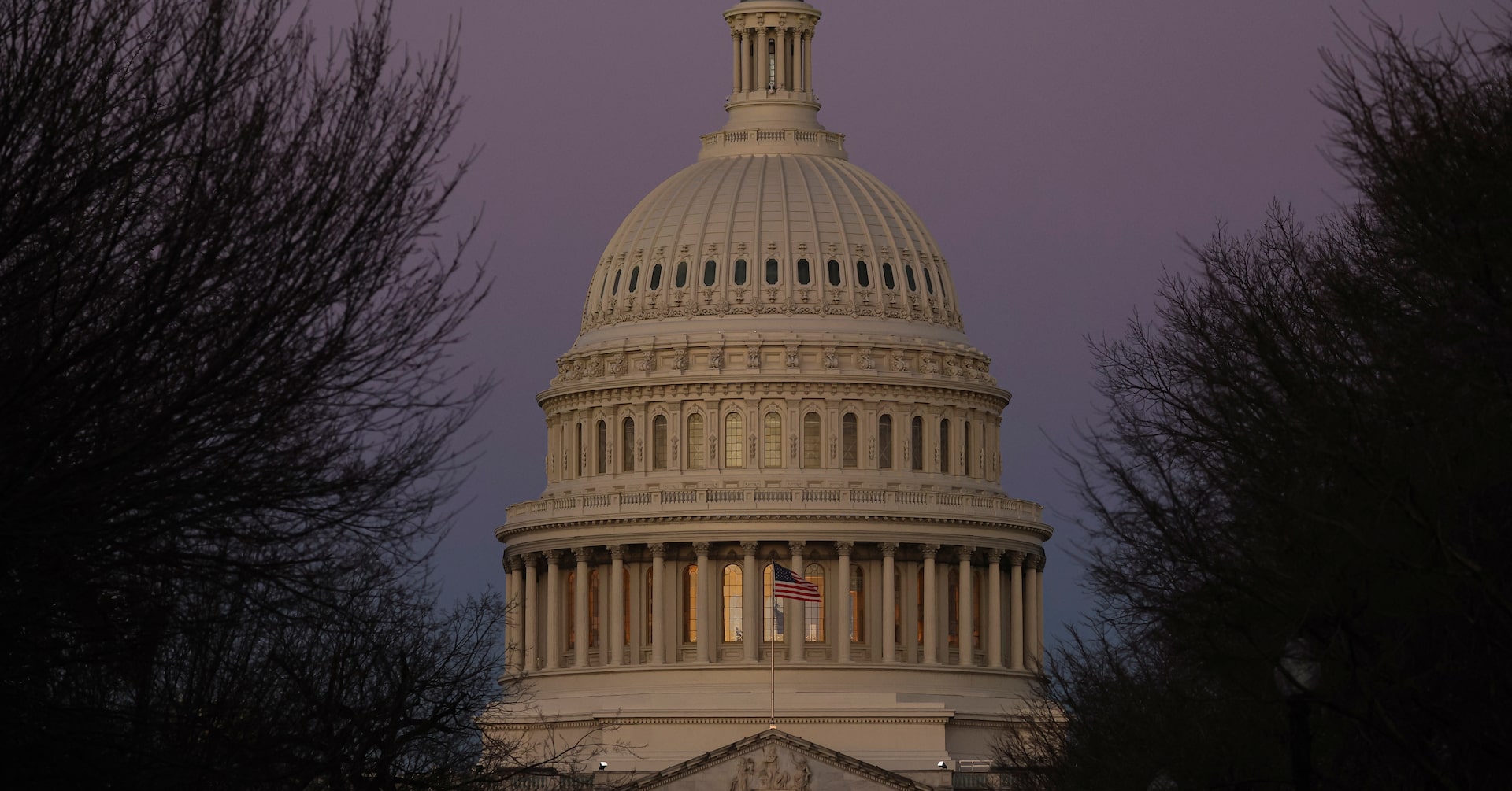
The U.S. House of Representatives, under Republican control, has taken a critical step toward averting a partial federal government shutdown by approving a procedural measure to debate a stopgap funding bill. The vote, which passed 216-210 on Wednesday, sets the stage for a final decision later this week. The proposed continuing resolution (CR) aims to fund federal agencies through November 21, providing Congress additional time to negotiate comprehensive appropriations for fiscal year 2026, which begins on October 1. The CR also allocates $88 million to enhance security for members of Congress, the Supreme Court, and the executive branch, a response to the recent assassination of conservative activist Charlie Kirk. House Republicans aim to pass the CR by Friday and send it to the Senate, where bipartisan support will be essential for approval. The White House has endorsed the resolution, while Democrats have criticized it as partisan. In response, Democrats introduced an alternative bill to extend government funding through October 31, which includes provisions to restore Medicaid funding and extend healthcare tax credits under the Affordable Care Act. However, the Democratic proposal is unlikely to pass. Senate Democratic leader Chuck Schumer emphasized the need for bipartisan collaboration, stating, ‘We have two weeks. They should sit down and talk to us, and we maybe can get a good proposal.’ The annual funding debate addresses approximately one-quarter of the federal government’s $7 trillion budget, excluding mandatory programs like Social Security and Medicare. The outcome of this legislative battle will have significant implications for government operations and public services.
-

€1.2m of suspected cocaine seized in Dublin
In a significant crackdown on drug trafficking, Irish police, An Garda Síochána, have confiscated cocaine worth approximately €1.2 million during coordinated raids in Dublin. The operation, conducted on Wednesday, targeted two separate residences in the city. At a property in Dublin 11, authorities uncovered 12 kilograms of suspected cocaine, estimated to have a street value of €840,000. Simultaneously, a search in Dublin 15 led to the discovery of an additional 5.5 kilograms of the illicit substance, valued at around €375,000. The seized drugs are now slated for forensic analysis to confirm their composition and origin. Two men, aged in their 30s and 40s, were apprehended at the scenes and subsequently charged in connection with the drug seizures. Both individuals are scheduled to appear before Blanchardstown District Court on Thursday morning. This operation underscores the ongoing efforts by Irish law enforcement to combat the illegal drug trade, which continues to pose significant challenges to public safety and health in the region.
-
Fired CDC director says Kennedy plans to change children’s vaccine schedule
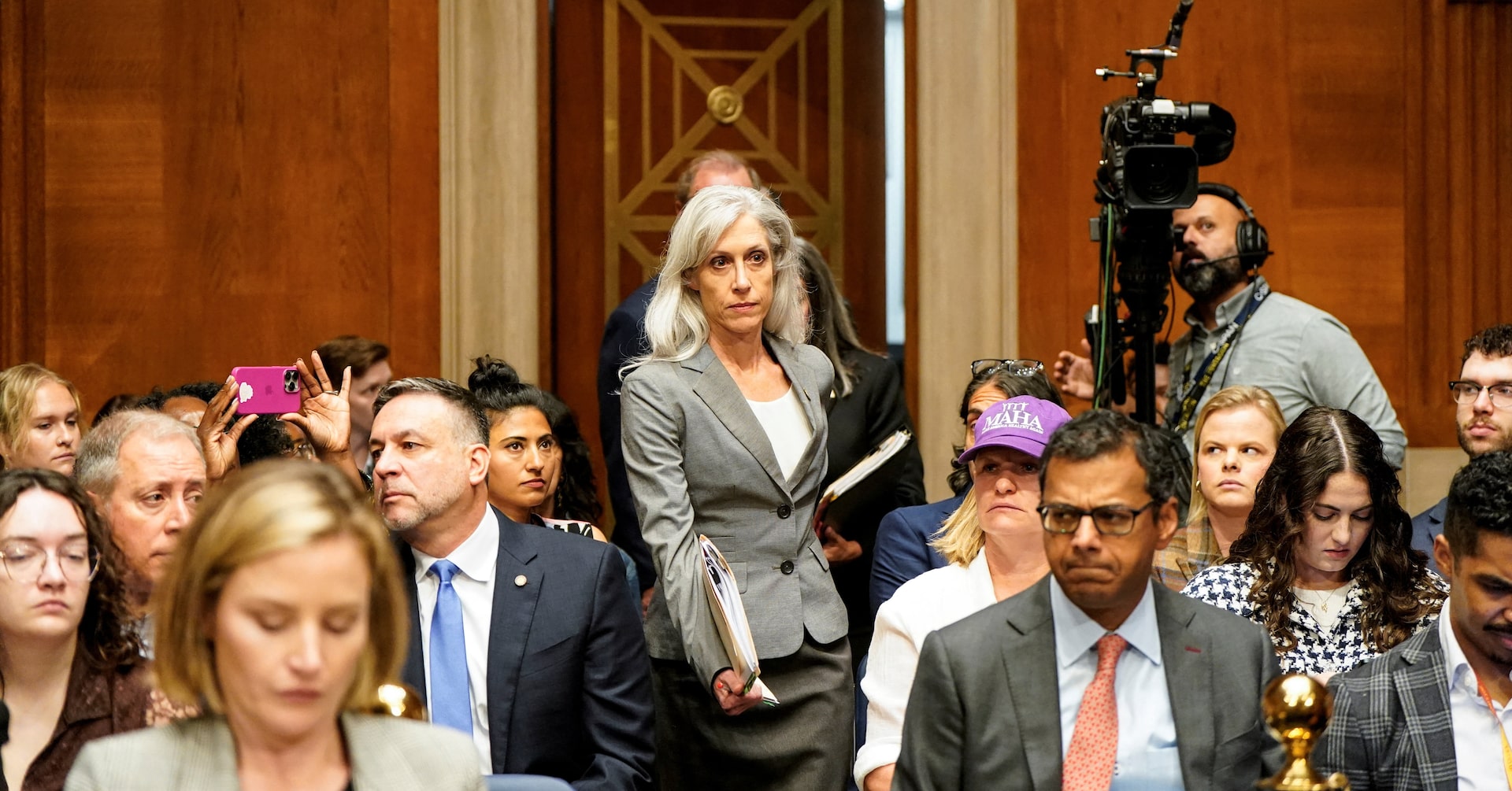
In a revealing Senate hearing on September 17, former CDC Director Susan Monarez detailed her contentious interactions with U.S. Health Secretary Robert F. Kennedy Jr., which ultimately led to her dismissal. Monarez testified before the Senate Health, Education, Labor, and Pensions (HELP) Committee, shedding light on Kennedy’s demands for pre-approval of changes to the childhood vaccination schedule without scientific review. Kennedy allegedly insisted on blanket approval of recommendations from the agency’s vaccine advisory board and required Monarez to seek political staff approval for her decisions, actions she resisted to maintain the CDC’s scientific integrity. Monarez was fired on August 28 after just 29 days in office, a move that has sparked widespread criticism and led to the resignation of four CDC officials. The hearing also highlighted the broader debate over U.S. vaccination policy, with Kennedy advocating for reduced vaccine use and public health experts calling for his resignation. Republicans and Democrats alike expressed concerns over the politicization of vaccine policy, with some Democrats apologizing for their initial lack of support for Monarez. The Department of Health and Human Services defended Kennedy’s actions, stating that any changes to the vaccine schedule would be science-based. The CDC’s Advisory Committee on Immunization Practices, now with 12 new members, is set to discuss two children’s vaccines in an upcoming meeting, raising questions about the future of U.S. vaccination policy.
-
Fed lowers interest rates, signals more cuts ahead; Miran dissents
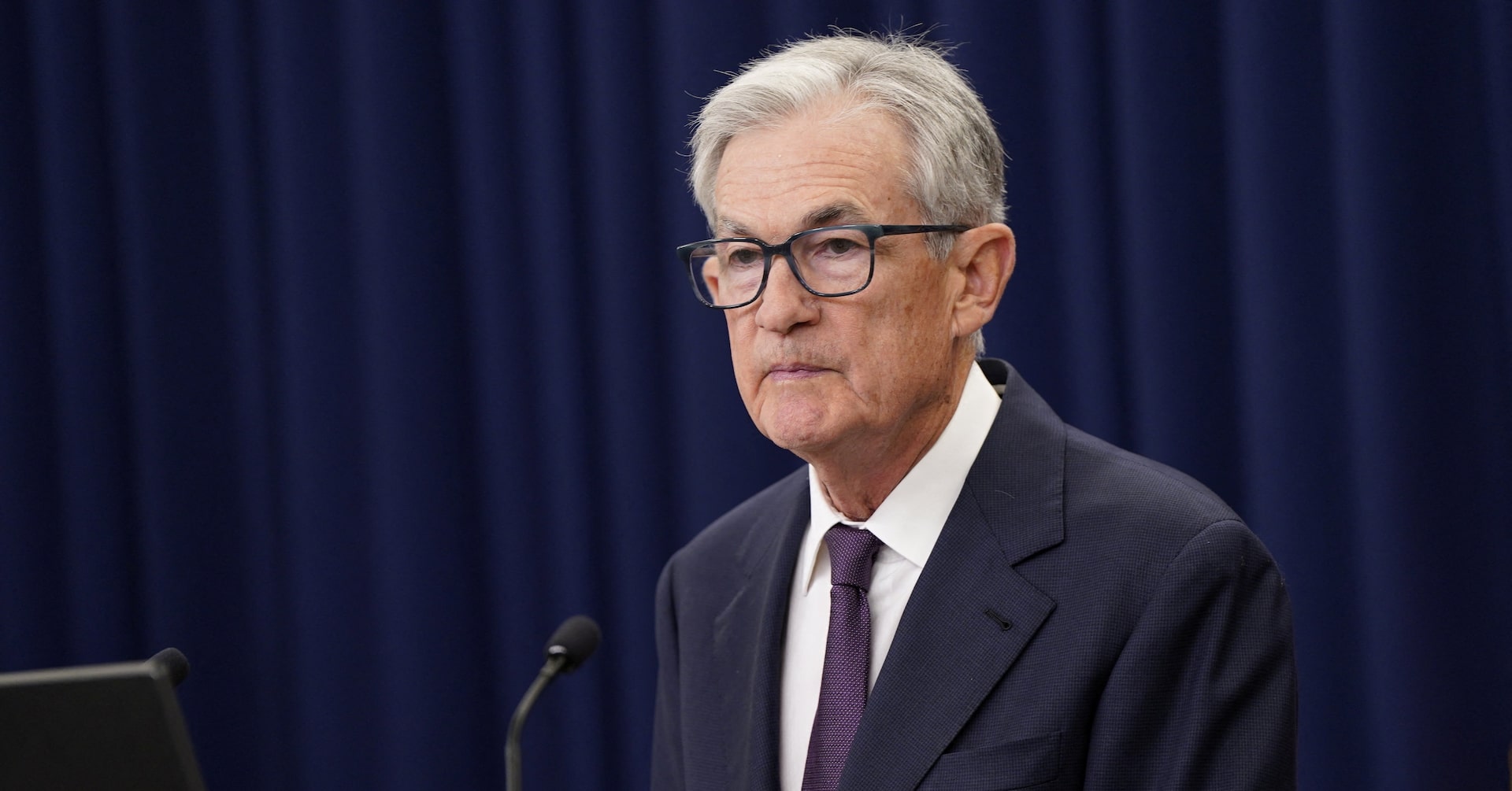
In a significant move to address growing labor market vulnerabilities, the Federal Reserve announced a quarter-percentage-point reduction in its benchmark interest rate on September 17, 2025. This marks the first rate cut since December and signals potential further reductions in the coming months. The decision, which lowers the rate to a range of 4.00%-4.25%, reflects heightened concerns over rising unemployment, particularly among minority groups and younger workers, as well as a declining average workweek and sluggish payroll growth. Fed Chair Jerome Powell emphasized that the softening job market has become a top priority for policymakers, stating, ‘We don’t need it to soften anymore.’ The Fed’s projections indicate two additional rate cuts before the end of the year, though the decision fell short of the more aggressive half-percentage-point cut advocated by newly appointed Fed Governor Stephen Miran, who cast the sole dissenting vote. Miran’s year-end rate projection suggests he supports further significant reductions, potentially bringing the policy rate below 3%. The decision comes amid political tensions, with President Donald Trump’s attempts to influence the Fed through criticism and personnel changes, including an unsuccessful effort to remove Governor Lisa Cook. Despite these pressures, the Fed maintained its independence, with Powell asserting that decisions are driven by data rather than external influences. While inflation remains above the Fed’s 2% target, policymakers prioritized employment risks, reflecting a shift in focus from price stability to labor market health. The announcement briefly buoyed stock markets, though they later closed mixed, while the dollar strengthened modestly. Treasury yields remained stable, and rate futures markets indicated a high probability of another cut at the Fed’s October meeting.
-
India’s power-sector CO2 emissions fall for second time in over four decades, report says
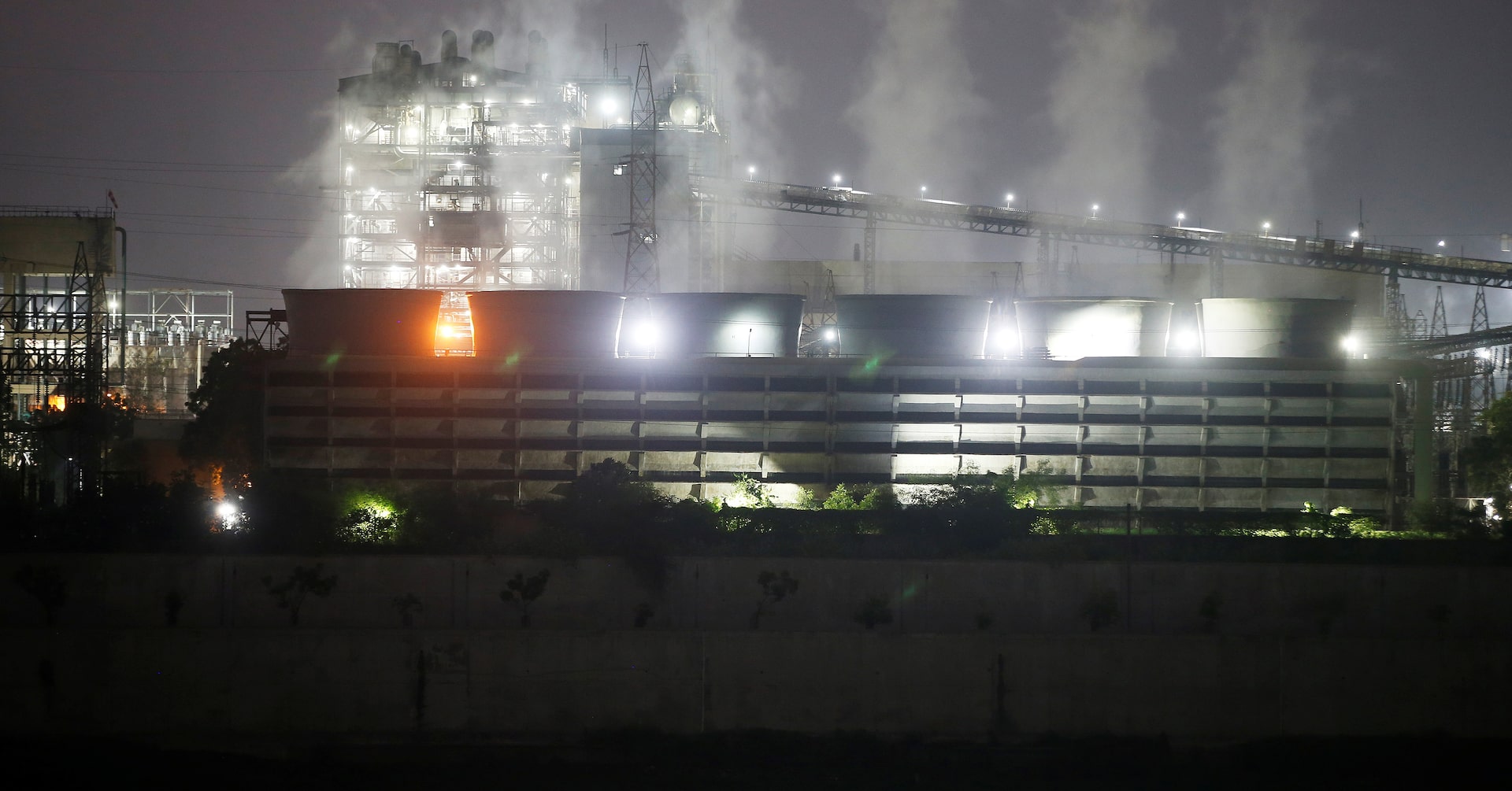
India’s power sector witnessed a notable 1% decline in carbon dioxide emissions during the first half of 2025, marking only the second such reduction in nearly five decades. This shift was driven by a combination of record-breaking clean energy capacity additions and unusually mild weather, which collectively curbed electricity demand, according to a report by the Centre for Research on Energy and Clean Air (CREA). The Helsinki-based think tank attributed 65% of the drop in fossil fuel generation to slower demand growth, 20% to accelerated clean energy expansion, and 15% to increased hydropower output. The analysis, based on official data from various government ministries, revealed that India added 25.1 gigawatts (GW) of non-fossil capacity in the first six months of 2025—a 69% increase from the previous record. This capacity is sufficient to generate nearly 50 terawatt hours (TWh) annually. Additionally, lower temperatures and above-average rainfall between March and May reduced air conditioning usage, while hydropower output surged. Despite a 9TWh rise in total power generation, fossil fuel generation fell by 29TWh. Oil demand growth also stalled, contributing to the broader emissions slowdown. However, emissions from steel and cement production rose sharply due to increased government infrastructure spending. CREA suggested that India’s power-sector emissions could peak before 2030 if clean energy growth continues and demand remains within projections. Historically, the power sector has accounted for half of India’s emissions growth. The country aims to add 500 GW of clean energy by 2030 as part of its broader climate goals.
-

Peru president signs contract allowing Chevron, Westlawn entry
In a significant move for Peru’s energy sector, President Dina Boluarte announced the formalization of a modified hydrocarbon exploration and exploitation contract on Wednesday, September 17, 2025. The agreement paves the way for U.S. energy giants Chevron and Westlawn to enter the Peruvian market through a consortium operated by Anadarko, a subsidiary of Occidental Petroleum. The consortium will focus on three offshore blocks—Z-61, Z-62, and Z-63—located in Peru’s northern La Libertad region. President Boluarte emphasized that Chevron’s involvement, as the world’s third-largest oil company, underscores Peru’s reputation as a reliable and stable destination for large-scale investments. She expressed optimism that successful exploration could lead to an energy renaissance, fueling decades of economic growth. The consortium’s ownership structure allocates 35% stakes to Chevron and Anadarko, with Westlawn holding the remaining 30%. The initial phase of exploration is backed by a $100 million investment, as previously announced by the government. The contract amendment was signed by executives from the three companies and Perupetro, Peru’s state regulator. Pedro Romero, Occidental Petroleum’s vice president of international exploration, hailed the project as the culmination of years of preparation and the start of a promising new chapter in Peru’s energy landscape.
-
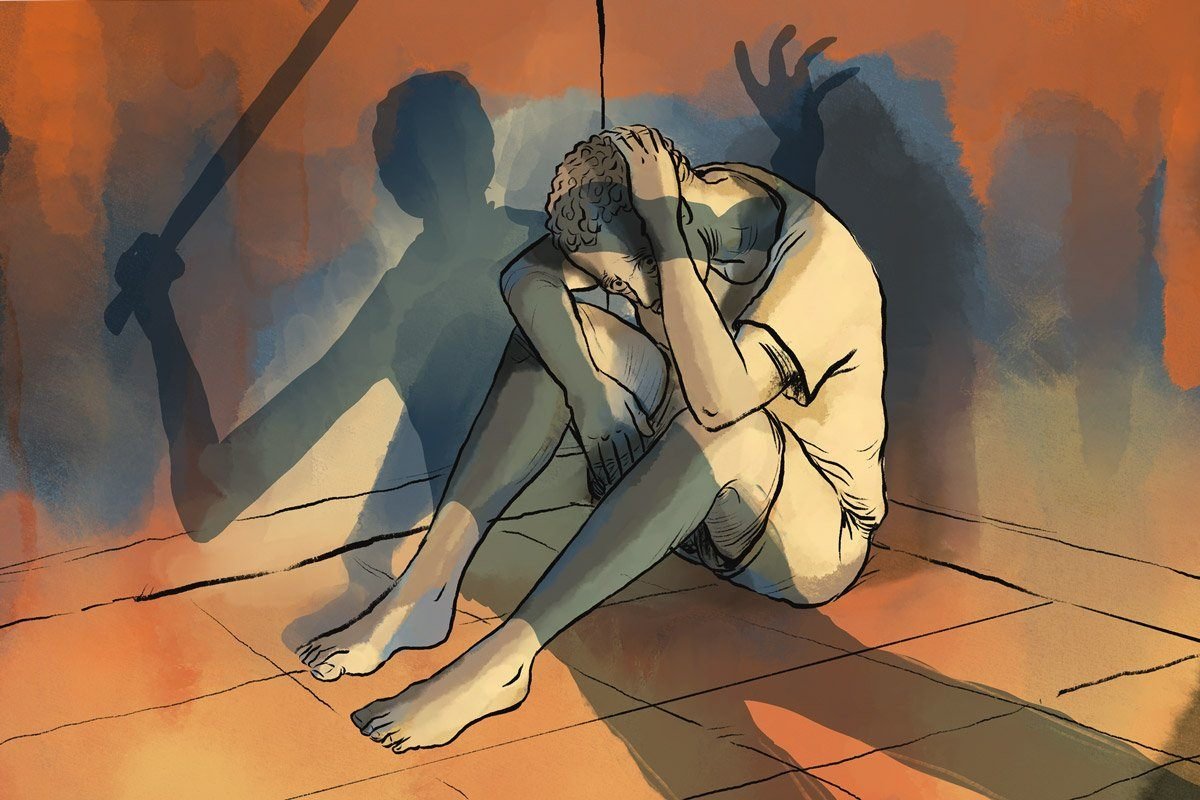
Scammed into scamming
In November 2024, Oly, a 39-year-old IT consultant from East Africa, embarked on what he believed would be a brief vacation in Bangkok, Thailand. However, his journey took a sinister turn when he was abducted and trafficked to a notorious scam center in Myanmar. This incident sheds light on a multibillion-dollar fraud industry thriving in Southeast Asia, fueled by human trafficking and operated by Chinese criminal gangs.
-

Unresolved questions hang over case against Charlie Kirk’s accused killer
In a high-profile court appearance, Tyler Robinson, the 22-year-old suspect in the assassination of conservative activist Charlie Kirk, faced charges of capital murder via video feed from jail in Provo, Utah. The case, which has sparked a political firestorm, continues to raise questions about Robinson’s motives, preparation, and potential accomplices. Prosecutors have yet to provide a comprehensive account of how Robinson planned the attack or what specifically drove him to commit the crime.