作者: admin

  • Want to avoid mall crowds in Ramadan? Pray, eat homemade Emirati iftar at Sharjah’s Al Dhaid

    Want to avoid mall crowds in Ramadan? Pray, eat homemade Emirati iftar at Sharjah’s Al Dhaid

    As Ramadan transforms evening routines across the UAE, the historic town of Al Dhaid in Sharjah has emerged as an unexpected sanctuary for those seeking an alternative to commercialized iftar experiences. Located approximately 90 minutes from Dubai, this destination combines spiritual observance, cultural immersion, and authentic Emirati cuisine within a single, cohesive experience.

    The recently inaugurated Al Nasr Mosque, distinguished by its striking glass dome architecture that floods the prayer hall with natural light, serves as the spiritual centerpiece. Worshipers find the space remarkably serene and uncrowded even during peak Ramadan periods, with ample organized parking facilitating stress-free visits.

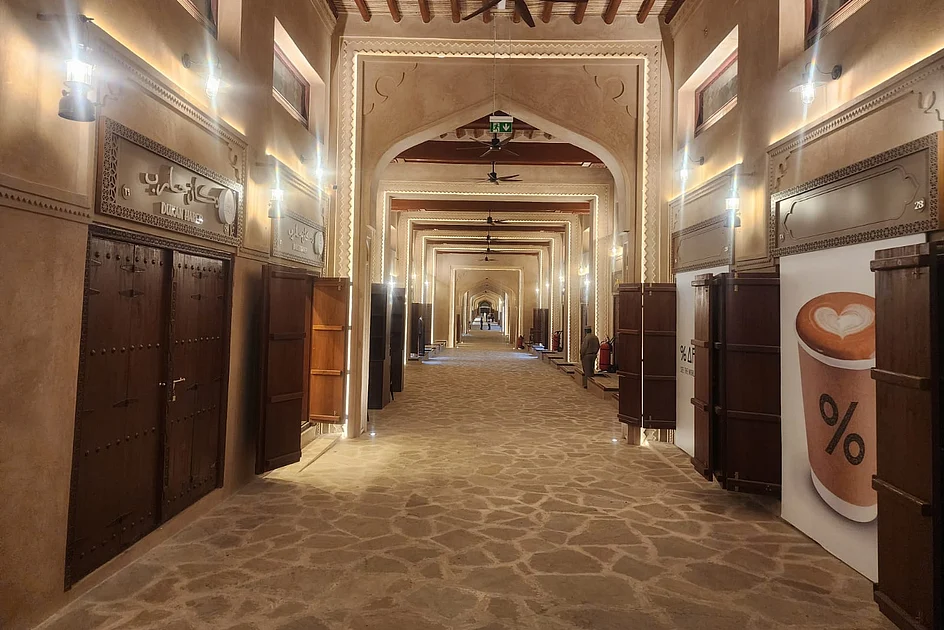
    Adjacent to the mosque, the newly opened Souq Sharia’t presents a stark contrast to contemporary shopping malls. Designed with architectural elements reminiscent of traditional Emirati trading towns, the marketplace features sand-colored walls, stone flooring, and heavy wooden doors with decorative metal studs. The complex houses approximately 34 establishments including traditional clothing stores, oud and bakhoor outlets, and coffee houses arranged around a central courtyard with majlis-style seating.

    The culinary experience represents the souq’s most distinctive offering. Instead of commercial food outlets, local Emirati households prepare traditional dishes in their homes for sale within the market. This community-driven approach creates an atmosphere of genuine cultural exchange. Visitors can observe regag bread being prepared on the spot, sample freshly made luqaimat drizzled with date syrup, and purchase portions of harees that frequently sell out due to high demand.

    Visitors have expressed appreciation for the experience’s authenticity. Ahmed, a Sharjah resident who visited with his family, noted: ‘We sought something fundamentally different from the standard mall iftar. This environment feels authentically local and culturally connected.’ Another visitor described the combination of spiritual, historical, and culinary elements as ‘a perfectly balanced outing that maintains peacefulness throughout.’

    The addition of nearby heritage sites including Al Dhaid Fort provides opportunities for historical exploration between prayers, creating a comprehensive cultural experience that remains comfortably accessible for evening visitors. This emerging destination demonstrates how communities can preserve culinary traditions and create meaningful Ramadan experiences outside commercialized environments.
  • Zamzam Mosque inaugurated in Dubai’s Al Barsha South 2

    Zamzam Mosque inaugurated in Dubai’s Al Barsha South 2

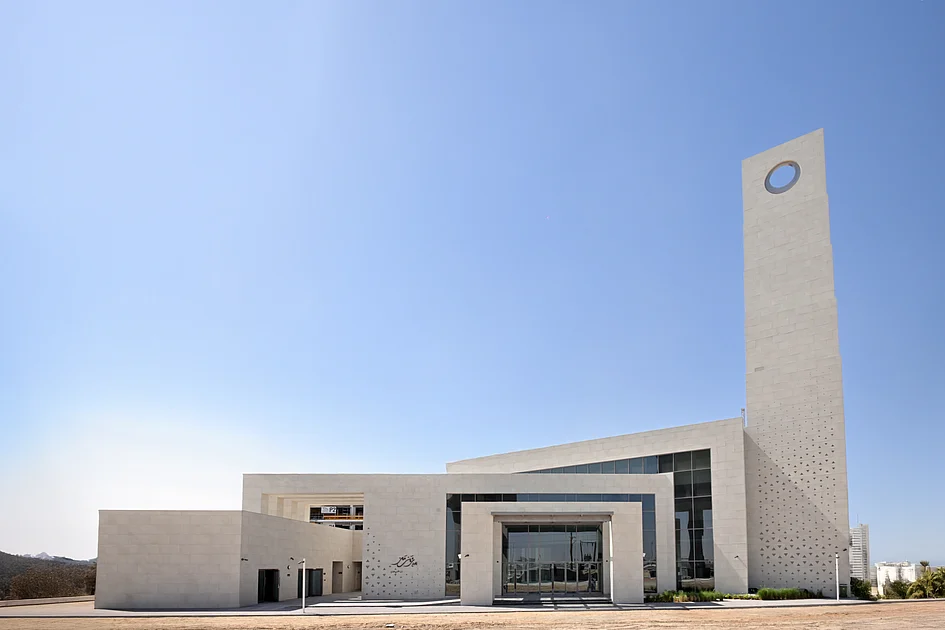
    Dubai’s Islamic Affairs and Charitable Activities Department (IACAD) has officially opened the newly constructed Zamzam Mosque in the Al Barsha South 2 district, marking a significant addition to the city’s religious infrastructure. The project was made possible through a generous donation from the Abdul Wahed Al Rostamani Group and his grandchildren.

    The contemporary Islamic architectural design accommodates approximately 850 worshippers simultaneously, with dedicated spaces for 700 men and 150 women. The mosque serves not only the immediate Al Barsha South community but also residents from surrounding neighborhoods.

    Architectural features include a main prayer hall, separate women’s prayer area, traditional minaret, arcade, and residential quarters for the Imam and Muezzin. The facility has been designed with accessibility as a priority, featuring specialized access points for People of Determination and elderly worshippers, along with modern ablution facilities and ample parking space.

    Incorporating sustainable technology, the building utilizes energy-efficient lighting systems and modern climate control solutions aligned with Dubai’s environmental sustainability objectives. Advanced acoustic systems ensure optimal sound quality throughout the prayer spaces.

    This inauguration continues Dubai’s pattern of religious infrastructure development, following recent openings of multiple mosques across the emirate designed to accommodate growing community needs.

  • Trump administration fires Virginia prosecutor hours after judges appointed him

    Trump administration fires Virginia prosecutor hours after judges appointed him

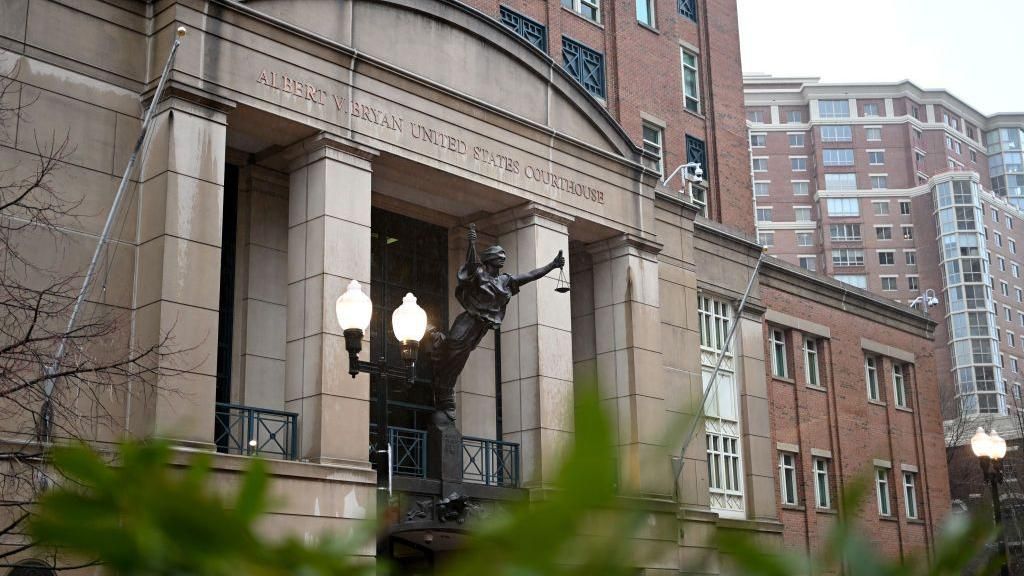
    In an unprecedented move that underscores deepening tensions between the executive and judicial branches, the Trump administration terminated James W. Hundley mere hours after his appointment as interim U.S. Attorney for the Eastern District of Virginia. A bipartisan judicial panel had unanimously selected Hundley—a seasoned litigator with over thirty years of legal experience—to fill the vacancy left by former prosecutor Erik Siebert, who resigned under presidential pressure in September.

    The dismissal was publicly announced by Deputy Attorney General Todd Blanche via social media, who asserted that presidential authority supersedes judicial appointments in designating U.S. Attorneys. This marks the second instance this month where the administration has ousted a judge-appointed prosecutor, igniting fresh concerns over adherence to constitutional appointment processes.

    Legal scholars highlight that the district court judges invoked a statutory provision permitting judicial appointments when a U.S. Attorney’s term expires. Conversely, the Justice Department maintains that the President and Attorney General retain ultimate authority over interim appointments. Critics accuse the administration of circumventing Senate confirmation procedures, a pattern observed in multiple states including New York, New Jersey, California, and Nevada, where courts have previously ruled Trump-appointed attorneys served unlawfully.

    The Virginia position holds particular significance due to its connection to high-profile investigations involving New York Attorney General Letitia James and former FBI Director James Comey. Siebert, who previously held the role, had overseen a mortgage fraud probe against James—a Democrat who previously sued Trump for civil fraud. After Siebert declined to pursue criminal charges citing insufficient evidence, Trump demanded his removal and replaced him with Lindsey Halligan, a White House aide and personal attorney. Halligan swiftly secured indictments against both James and Comey, though a federal judge dismissed these cases in November, declaring Halligan’s appointment illegal.

    Hundley, in a statement to the BBC, expressed honor in his brief appointment and pledged continued support for the justice system despite his abrupt dismissal. The conflict reflects broader struggles over the independence of judicial appointments and the administration’s approach to legal authority.

  • Blast alert near Delhi’s Red Fort as intelligence sources warn of possible terror threat

    Blast alert near Delhi’s Red Fort as intelligence sources warn of possible terror threat

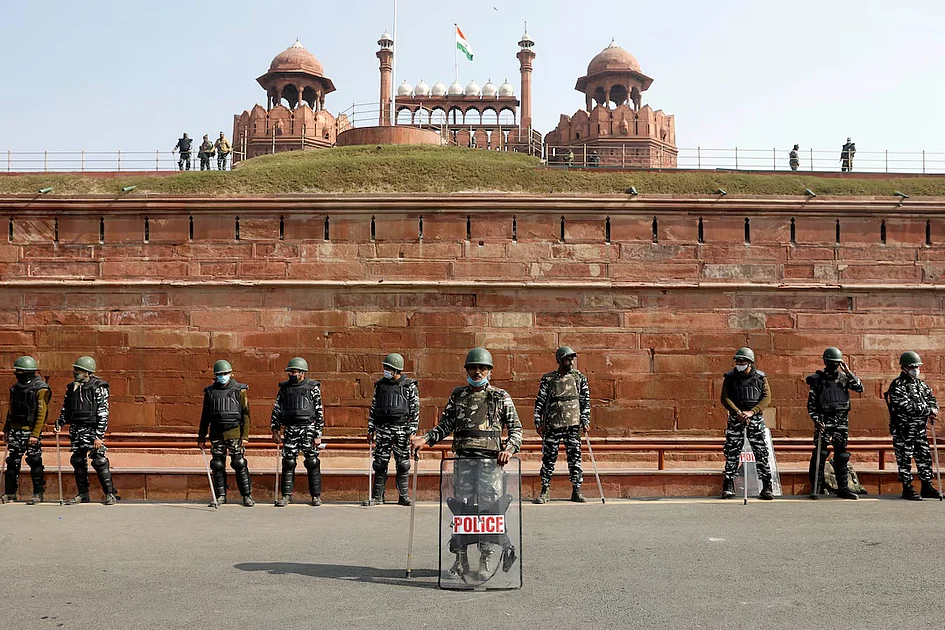
    Indian authorities have implemented enhanced security protocols across New Delhi’s critical religious and heritage sites following credible intelligence indicating potential terrorist activity. The alert specifically identifies prominent temples in the historic Chandni Chowk district and the iconic Red Fort complex as possible targets for improvised explosive device (IED) attacks.

    Security personnel have been deployed in substantial numbers throughout these sensitive areas while intelligence agencies work to verify the authenticity of the threat. The intelligence warning suggests that an unidentified terrorist organization has compiled a target list focusing on India’s religious landmarks.

    This security escalation occurs against the backdrop of the devastating November 2025 vehicle explosion near the Red Fort Metro Station, which resulted in twelve fatalities and multiple vehicle fires. The National Investigation Agency (NIA) continues its probe into that incident, with a special court recently granting a 45-day extension to complete the investigation. Seven individuals remain in judicial custody until March 13 in connection with the previous attack.

    The current security measures encompass increased surveillance, vehicle checks, and heightened patrols around crowded public spaces and religious establishments throughout the capital city. Officials emphasize that while the intelligence is being thoroughly assessed, precautionary measures are necessary to ensure public safety.

  • Ex-UK Prime Minister Johnson calls on allies to send noncombat troops to Ukraine ahead of ceasefire

    Ex-UK Prime Minister Johnson calls on allies to send noncombat troops to Ukraine ahead of ceasefire

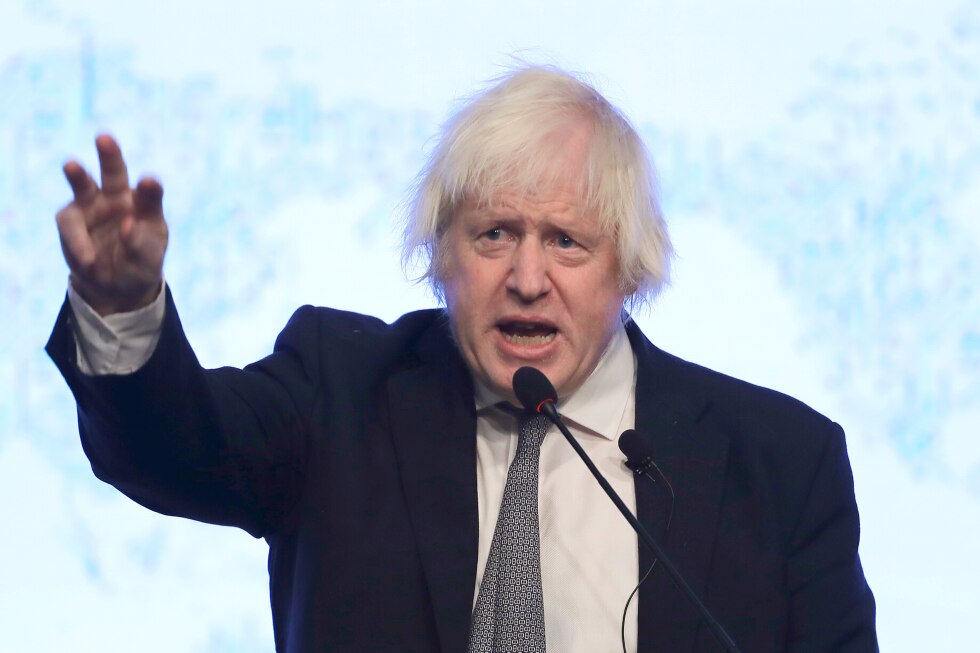
    Former UK Prime Minister Boris Johnson has called for Western nations to immediately deploy noncombat military personnel to Ukraine, marking a significant departure from current allied strategy. Speaking ahead of the fourth anniversary of Russia’s full-scale invasion, Johnson advocated for positioning troops in peaceful regions of Ukraine to demonstrate unwavering Western commitment to Ukrainian sovereignty.

    The controversial proposal, outlined in a BBC interview scheduled for broadcast Sunday, challenges the current coalition approach that envisions troop deployment only after a ceasefire agreement. Johnson, who emerged as one of Ukraine’s most vocal supporters during his premiership, argued that delaying military presence effectively cedes initiative to Russian President Vladimir Putin.

    ‘If we are willing to do it in the context of a ceasefire, which of course puts all the initiative, all the power, in Putin’s hands, why not do it now?’ Johnson questioned. ‘There is no logical reason that I can see why we shouldn’t send peaceful ground forces there to show our support.’

    Western military planners have consistently avoided public discussion of such deployments due to concerns about Russian perceptions of escalation. Putin previously declared in September that any international troops entering Ukraine would be considered ‘legitimate targets.’

    In response to Johnson’s remarks, Britain’s Ministry of Defense reaffirmed its current strategy: ‘The multinational force Ukraine under UK leadership will secure peace for the long term, with the Prime Minister being clear that we will put British troops on the ground following the end of hostilities.’

    Johnson contextualized the current conflict within broader Western foreign policy failures, citing inadequate response to the 2014 Crimea invasion, failure to punish Bashar al-Assad for chemical weapons usage in Syria, and the chaotic withdrawal from Afghanistan. He asserted that these events collectively emboldened Putin’s aggressive actions in February 2022.

  • Ramadan in ruins: Gaza’s Palestinians mark third holy month amid grief and displacement

    Ramadan in ruins: Gaza’s Palestinians mark third holy month amid grief and displacement

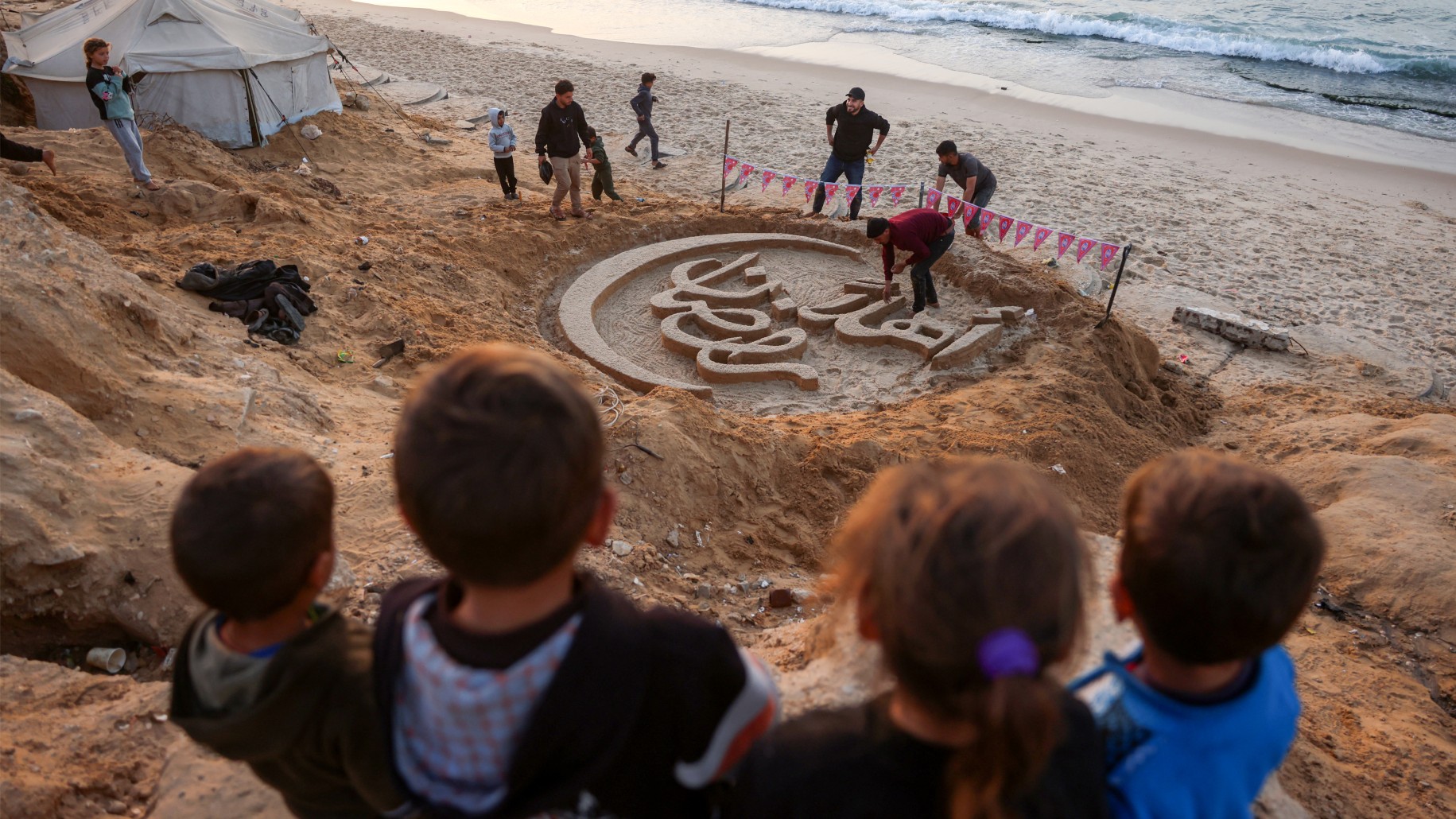
    The commencement of Ramadan has offered minimal respite for Palestinians in Gaza, where a fragile ceasefire masks persistent suffering and profound loss. While international leaders gathered in Washington to discuss reconstruction pledges through President Trump’s Board of Peace initiative, Gaza’s residents describe an atmosphere saturated with grief, displacement, and intermittent violence—conditions strikingly similar to the two wartime Ramadans that preceded it.

    The current ceasefire, reminiscent of a collapsed January agreement breached by Israel last year, leaves many uncertain about future stability. Families of the more than 72,000 Palestinians killed since October 2023 now confront Ramadan amidst shattered communities and absent loved ones.

    Ziad Dhair, displaced from northern Gaza and sheltering in Nuseirat refugee camp, encapsulates the prevailing sentiment: ‘There is no real difference between Ramadan now and Ramadan during the war. The only difference is that some of the killing and bloodshed has stopped.’ For Dhair, the holy month is defined by absence—’We have lost the gatherings of the people we love.’

    Despite reduced large-scale operations, violence persists. Two Palestinians were killed and four injured during Ramadan’s initial days, adding to the 603 fatalities and 1,618 injuries recorded since the October ceasefire. Most casualties occur near the Israeli-enforced ‘Yellow Line’—a military buffer zone now controlling 58% of Gaza—where access remains restricted despite ceasefire provisions.

    The human cost extends beyond casualties. Umm Mohammed Abu Qamar, forcibly displaced from Jabalia refugee camp after two Ramadans in her damaged home, now observes the holy month in a central Gaza tent. ‘I miss my home, I miss Jabalia. I long to return and smell its soil,’ she mourns, while grieving two sisters and two sons-in-law killed in Israeli attacks.

    Fouad Hijazi of Gaza City describes tearful Ramadan preparations, remembering 20 lost friends and relatives. His experience reflects broader economic collapse: although markets are restocked, widespread unemployment and inflation render goods unattainable for most. ‘We see them but cannot buy them for our children,’ Hijazi explains, noting dependence on charity kitchens that provide cold meals requiring firewood reheating.

    This energy crisis persists despite ceasefire agreements promising 1,500 gas trucks by January; only 307 arrived, covering 20% of needs. Consequently, firewood remains the primary cooking fuel, maintaining wartime conditions.

    Ultimately, Gaza’s Ramadan embodies paradoxical suffering: reduced bombardment without safety, available goods without accessibility, and ceasefire without freedom. As Dhair summarizes, ‘The war cannot have stopped when I am still unable to even see the rubble of my home.’

  • Trump says he will increase global tariffs to 15%

    Trump says he will increase global tariffs to 15%

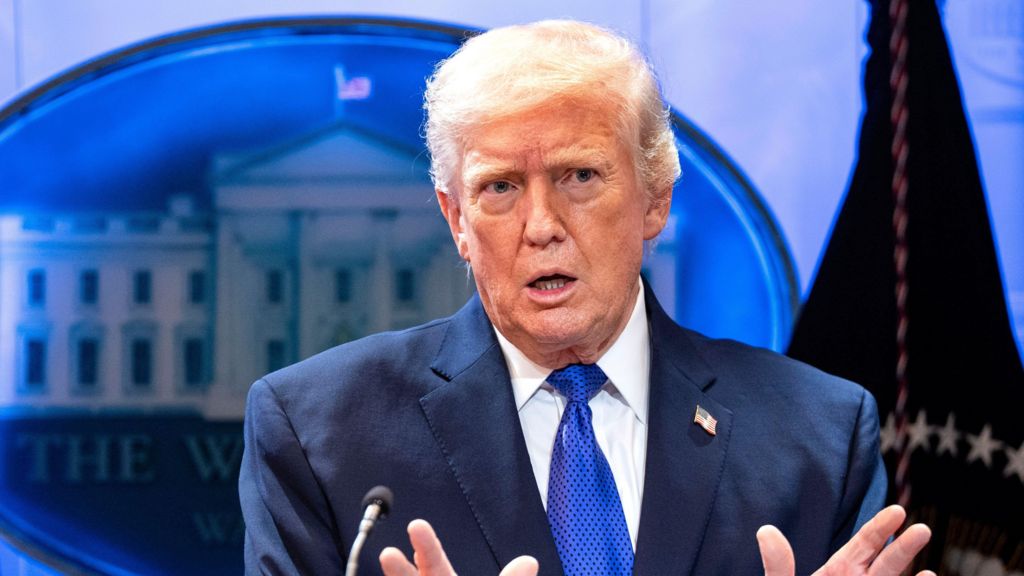
    In a dramatic escalation of his trade policy agenda, former President Donald Trump has declared his intention to impose sweeping 15% tariffs on all imported goods entering the United States. This decisive move comes as a direct response to Friday’s Supreme Court decision that invalidated his previous tariff structure, which the court deemed an unconstitutional overreach of presidential authority.

    The announcement, made through Trump’s Truth Social platform on Saturday, represents a significant increase from the 10% global tariff he initially proposed just one day earlier. The new tariff regime, scheduled to take effect on Tuesday, February 24, will be implemented under provisions of a previously unused trade law that permits such measures without immediate congressional approval for approximately five months.

    This development creates immediate complications for several key U.S. trading partners, particularly the United Kingdom and Australia, which had previously negotiated bilateral agreements capping tariffs at 10%. The sudden policy shift undermines these carefully constructed diplomatic arrangements and threatens to destabilize existing trade relationships.

    Trump justified the aggressive tariff increase as a necessary response to what he characterized as a ‘ridiculous, poorly written, and extraordinarily anti-American decision’ by the Supreme Court. In remarkably blunt language, the former president expressed shame toward certain justices and labeled those who rejected his trade policy as ‘fools.’

    The court’s 6-3 ruling determined that Trump had exceeded his constitutional authority when implementing previous tariffs under the 1977 International Emergency Economic Powers Act. The majority opinion included an unusual coalition consisting of the court’s three liberal justices, Chief Justice John Roberts, and two Trump-appointed justices—Amy Coney Barrett and Neil Gorsuch. The dissent came from conservative justices Clarence Thomas, Brett Kavanaugh, and Samuel Alito.

    This tariff initiative represents a cornerstone of Trump’s economic nationalism agenda, which aims to incentivize domestic manufacturing and discourage offshore production through protectionist trade measures. The constitutional confrontation between the executive and judicial branches sets the stage for a significant test of presidential powers regarding international trade policy.

  • Divers recover bodies of seven Chinese tourists from bottom of Lake Baikal

    Divers recover bodies of seven Chinese tourists from bottom of Lake Baikal

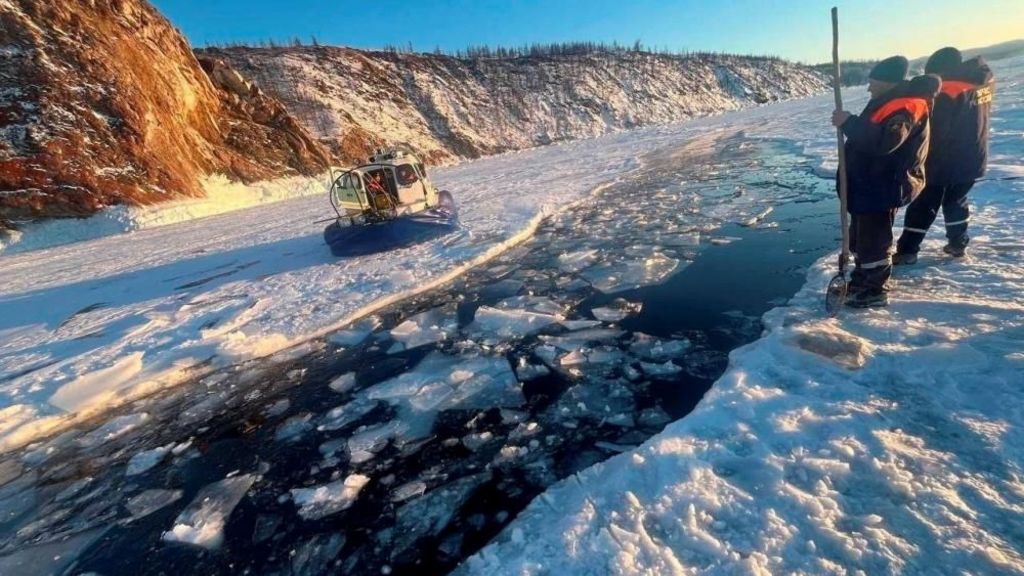
    A devastating incident on Siberia’s Lake Baikal has resulted in the deaths of seven Chinese tourists and their Russian driver after their minibus plunged through the ice into the frigid waters below. The tragedy occurred Friday when the vehicle encountered a three-meter-wide fissure in the ice covering the world’s deepest lake.

    Regional Governor Igor Kobzev confirmed recovery efforts involving divers who worked at depths of 18 meters (59 feet) using specialized underwater camera equipment to locate the victims. One Chinese tourist miraculously survived the accident, managing to escape the submerged vehicle.

    Lake Baikal, renowned as both a UNESCO World Heritage Site and the planet’s deepest freshwater lake reaching depths of 1,642 meters (5,387 feet), transforms into a treacherous landscape during winter months. Despite official warnings, independent travelers continue to risk crossing the unstable frozen surface.

    The victims included a 14-year-old child, all of whom were traveling independently without official tour operators. Governor Kobzev issued stern warnings following the incident, emphasizing that venturing onto Baikal’s ice remains “mortally dangerous” during current conditions.

    Russian authorities have launched a criminal investigation to determine the exact circumstances leading to the tragedy. This incident marks the latest in a series of fatal accidents on the frozen lake, including a January incident that claimed the life of another Chinese tourist.

    Disturbingly, despite this recent tragedy, rescue teams were forced to respond to two additional incidents over the weekend, saving six people trapped in their vehicles on the unstable ice, highlighting ongoing safety concerns regarding unauthorized ice travel.

  • Opposition activists among 379 prisoners set for release under Venezuela’s amnesty

    Opposition activists among 379 prisoners set for release under Venezuela’s amnesty

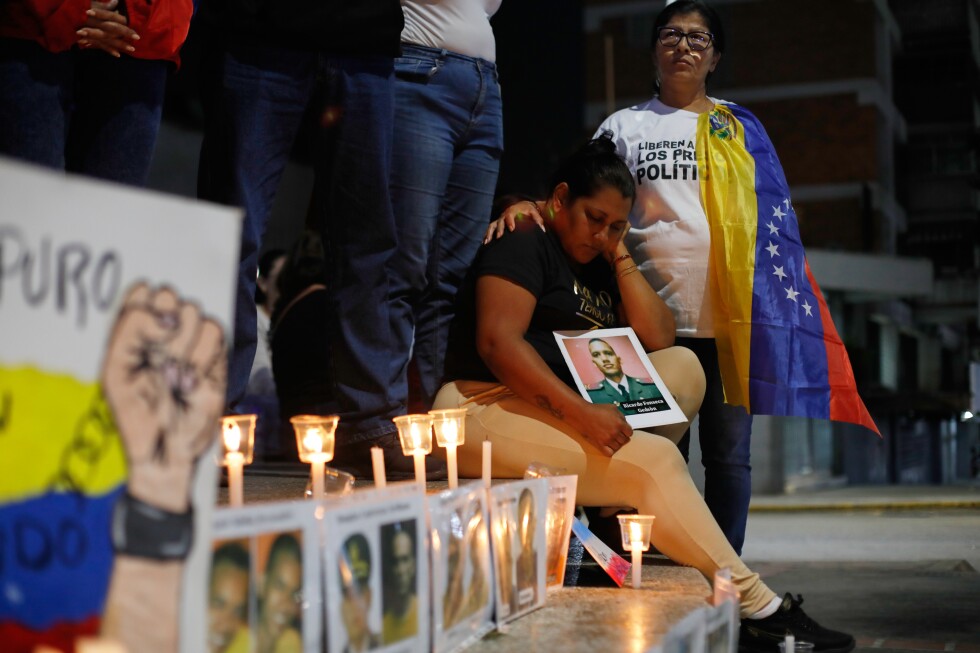
    Venezuelan authorities have commenced a significant prisoner release initiative, with 379 individuals detained for political reasons expected to gain freedom this weekend under a newly enacted amnesty law. The measure, signed into law Thursday, represents a dramatic policy reversal for a government that has historically denied holding political prisoners.

    The amnesty legislation benefits opposition figures, activists, human rights defenders, and journalists who have been detained for periods ranging from months to years. Jorge Arreaza, president of the special commission overseeing the law’s implementation, announced on state television Friday that all received applications would be processed for release between Friday and Saturday, with additional releases possible within the next 15 days.

    This development follows last month’s U.S. military operation in Caracas that resulted in the capture of former President Nicolás Maduro. Current acting President Delcy Rodríguez characterized the law as demonstrating political leaders’ willingness to “let go of a little intolerance and open new avenues for politics in Venezuela.”

    However, the legislation contains significant exclusions for those convicted of homicide, drug trafficking, serious human rights violations, and military rebellion. Human rights organizations have criticized these limitations, arguing they prevent true national reconciliation.

    Alfredo Romero, president of prisoners’ rights group Foro Penal, declared on social media that excluding military personnel and prominent political figures makes the law “discriminatory and unconstitutional,” adding that genuine national coexistence cannot exist under these conditions.

    According to monitoring by Venezuela-based nonprofit Justice, Encounter and Forgiveness, 459 detainees held for political reasons were released between January 8 and February 20, though relatives and watchdogs have criticized the slow pace and restrictive conditions of releases.

  • Recovery labs, biohacking resort: Inside UAE’s wellness reset

    Recovery labs, biohacking resort: Inside UAE’s wellness reset

    The United Arab Emirates is spearheading a transformative movement in wellness tourism, shifting from traditional relaxation-focused retreats to scientifically-grounded, performance-enhancing experiences. According to recent data from the Global Wellness Institute (GWI), the UAE represents the world’s fastest-growing wellness market since 2019, demonstrating a remarkable 14.3 percent expansion rate.

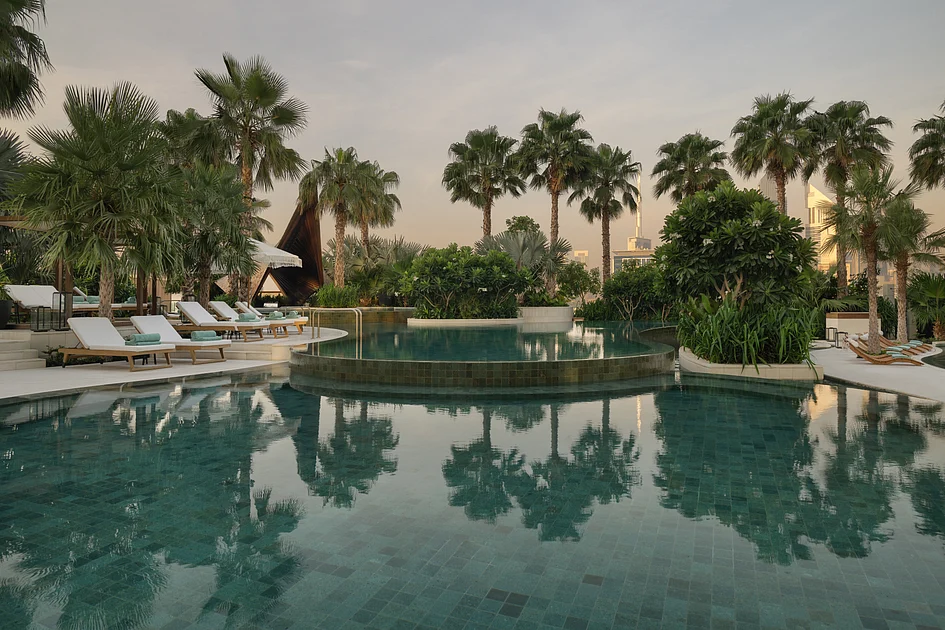
    This evolution is manifesting through cutting-edge facilities across Abu Dhabi and Dubai that blend elite athletic training technologies with luxury hospitality. At the forefront is Modon Hospitality’s Olympia Resort on Hudayriyat Island, where guests access altitude-simulation chambers, graphene-infused recovery mattresses, and biohacking tools previously exclusive to professional athletes.

    Industry leaders note this represents a fundamental reimagining of wellness travel. “Today’s travelers seek destinations that deliver tangible improvements to their physical, mental, and emotional wellbeing,” observed Mattheos Georgiou, SVP at SIRO, a property engineered around performance optimization with integrated training facilities and science-backed recovery labs.

    The UAE’s unique advantage lies in its concentrated diversity, enabling visitors to experience desert retreats alongside urban wellness hubs within a single journey. Dr. Karima Arroud, Medical Director at Wellth, emphasizes the nation’s luxury infrastructure, world-class medical services, and premium international status as foundational elements supporting this emerging sector.

    A surprising social dimension is also emerging, with facilities like PEAQ Wellness reporting increased demand for community-based wellness practices. “Travelers increasingly seek experiences that challenge their limits while strengthening their overall wellbeing and sense of connection,” noted founder Ali Hassoun.

    This paradigm shift is driven by post-pandemic health awareness, urban lifestyle pressures, and growing skepticism toward superficial solutions. Technology plays an expanding role through wearables, health applications, and AI-powered personalization, though the core objective remains human-centric: empowering individuals with deeper understanding of how daily habits impact their wellbeing.

    Future trends indicate growing interest in longevity-focused travel, sleep optimization, and micro-transformative stays offering measurable benefits within condensed timeframes, solidifying the UAE’s position as the global capital of next-generation wellness tourism.