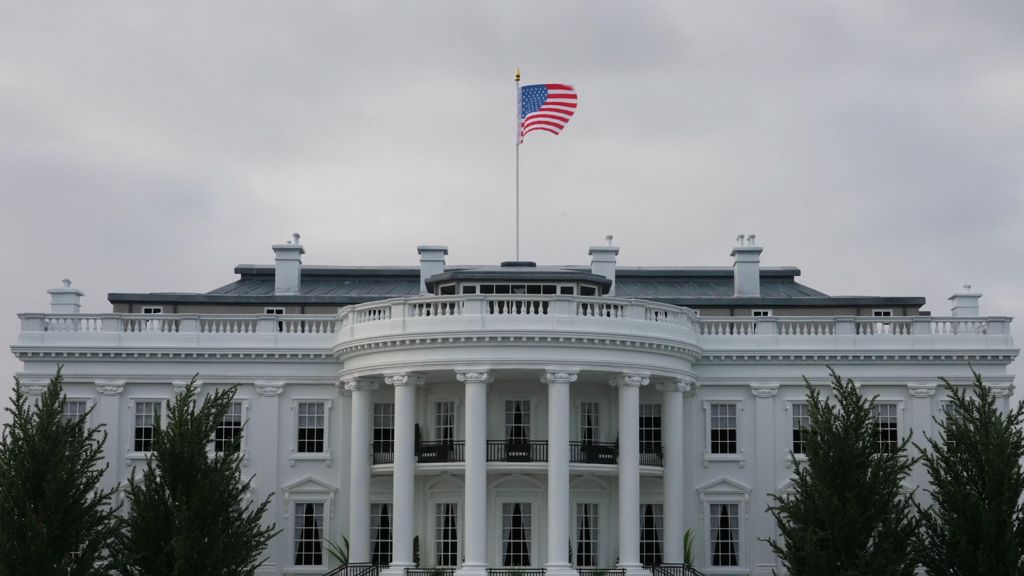
The White House has issued a stark warning to federal agencies, urging them to prepare for mass firings if Congress fails to avert a government shutdown next week. According to a memo obtained by US media, the Office of Management and Budget (OMB) has directed agencies to draft ‘reduction in force’ plans for programs that lack alternative funding and do not align with President Trump’s priorities. The memo emphasizes that these firings would be permanent, targeting federal programs, projects, and activities that cannot secure alternative financial support. The warning follows President Trump’s refusal to meet with Democratic leaders on Tuesday, who are pushing for healthcare funding as part of ongoing budget negotiations. The memo states, ‘We remain hopeful that Democrats in Congress will not trigger a shutdown and the steps outlined above will not be necessary.’ A government shutdown occurs if Congress and the President fail to reach a budget agreement by the start of the fiscal year on October 1, halting all non-essential discretionary functions. Last week, House Republicans, with the support of one Democrat, passed a short-term funding measure to keep the government operational until November 20. However, Senate Democrats blocked the bill, proposing their own plan to restore healthcare funding after Trump’s July policy bill, dubbed the ‘One, Big Beautiful Bill,’ significantly cut Medicaid, a program vital to millions of disabled and low-income Americans. On Tuesday, Trump canceled a meeting with Democratic leaders Chuck Schumer and Hakeem Jeffries, labeling their demands as ‘unserious and ridiculous.’ In response to the memo, Democrats accused the White House of employing intimidation tactics. Schumer, the Senate Minority Leader, stated, ‘Donald Trump has been firing federal workers since day one — not to govern, but to scare. This is nothing new and has nothing to do with funding the government.’
作者: admin
-
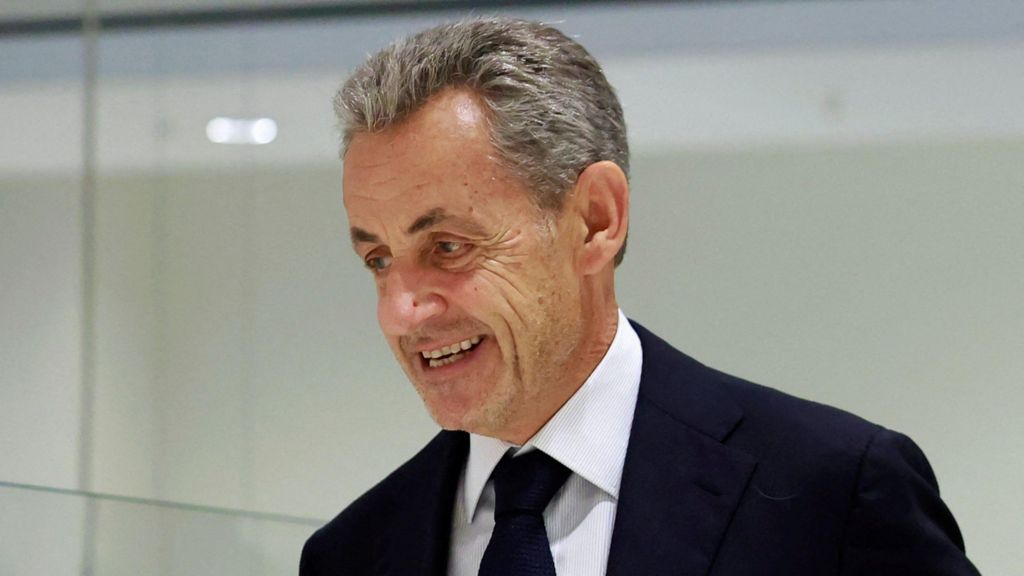
Nicolas Sarkozy found guilty of criminal conspiracy in Libya case
In a landmark legal ruling, former French President Nicolas Sarkozy has been convicted of criminal conspiracy in a high-profile case involving illicit funds from the late Libyan leader Muammar Gaddafi. The Paris criminal court, however, acquitted Sarkozy of additional charges, including passive corruption and illegal campaign financing. The case, which has spanned over a decade, centers on allegations that Sarkozy accepted millions of euros from Gaddafi to finance his 2007 presidential campaign. In return, Sarkozy allegedly promised to help Gaddafi improve his tarnished reputation in Western nations. Sarkozy, who served as France’s president from 2007 to 2012, has consistently denied the accusations, claiming the case is politically motivated. The investigation began in 2013 after Saif al-Islam, Gaddafi’s son, accused Sarkozy of misusing Libyan funds. Lebanese businessman Ziad Takieddine later claimed to possess evidence of Sarkozy’s campaign being heavily financed by Tripoli, with payments continuing even after his election. Sarkozy’s wife, Carla Bruni-Sarkozy, was also implicated in the case last year, facing charges of hiding evidence and associating with wrongdoers, which she denies. This verdict adds to Sarkozy’s legal troubles, which include a 2021 conviction for attempting to bribe a judge and a 2024 ruling for overspending on his 2012 re-election campaign. Despite these setbacks, Sarkozy has managed to avoid significant jail time, with recent court rulings allowing him to serve sentences at home.
-
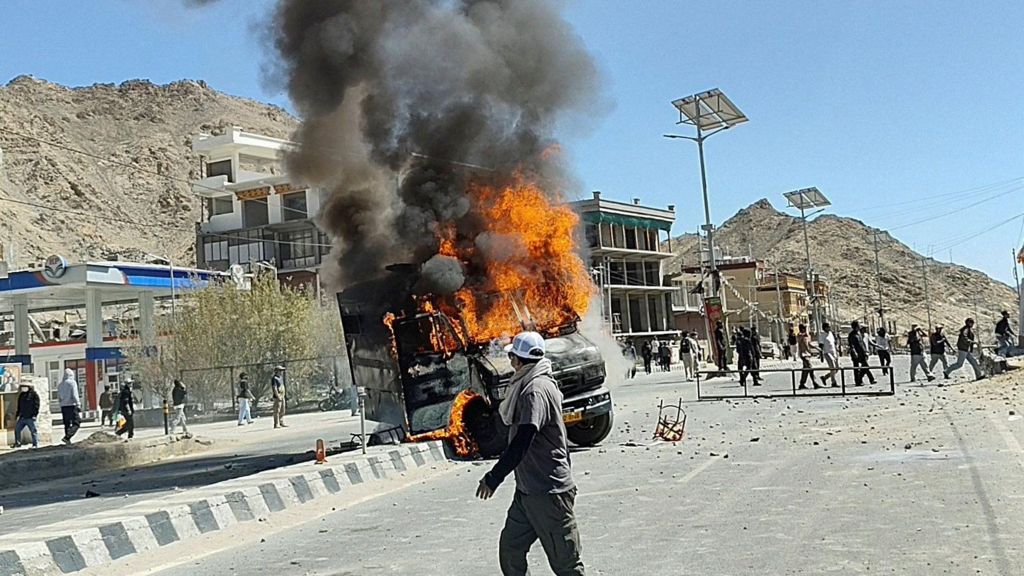
India imposes curfew in Ladakh after statehood protests turn violent
In a dramatic escalation of tensions, violent clashes erupted in Leh, the capital of India’s Himalayan region of Ladakh, leaving at least four dead and dozens injured. The unrest, which occurred on Wednesday, saw protesters set fire to a local office of the ruling Bharatiya Janata Party (BJP) and a security vehicle, prompting Indian security forces to impose a curfew in the area. The protests, led by activist Sonam Wangchuk, are part of a long-standing demand for statehood and greater autonomy for Ladakh, a region that lost its semi-autonomous status in 2019 when the BJP government reorganized the former state of Jammu and Kashmir. The Leh region, predominantly Buddhist, has been advocating for separate statehood, while the Muslim-majority Kargil district seeks integration with Indian-administered Kashmir. Since 2019, both communities have united in their demand for restored statehood and job quotas. The government has accused Wangchuk of inciting violence, a claim he vehemently denies, stating that the unrest stems from years of frustration among unemployed youth. Wangchuk, a prominent activist and engineer known for his work on education and climate change, called off his hunger strike on Wednesday and appealed for calm, emphasizing that violence undermines their cause. The federal government has initiated an investigation into the violence and plans further talks with local leaders, though tensions remain high as the region grapples with its political future.
-
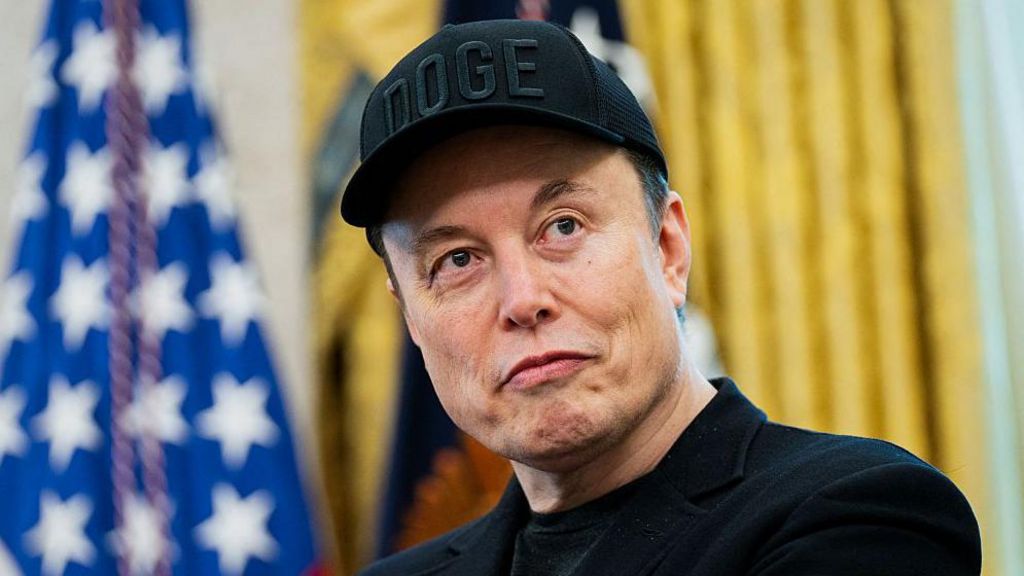
India legal setback for Elon Musk’s X in free speech fight
An Indian court has dismissed a legal challenge by Elon Musk’s social media platform, X, against the Indian government’s Sahyog portal, which the company alleged was being used to arbitrarily censor content. The Karnataka High Court ruled that X’s case was ‘without merit,’ though the full judgment remains undisclosed. This marks the second time in just over two years that X has lost a legal battle against the Indian government’s content-blocking powers, raising concerns among free speech and digital rights advocates. X, which boasts an estimated 25 million users in India, has not yet indicated whether it will appeal the decision.
The Sahyog portal, operated by India’s federal home ministry, automates the process of sending government notices to social media platforms like X and Facebook. While other tech giants such as Google, Amazon, and Meta have joined the portal, X has refused, labeling it a ‘censorship portal.’ X argued that Sahyog bypasses legal safeguards, allowing government officials, including local police officers, to issue content removal orders unilaterally and arbitrarily. The company’s lawyer criticized the system, stating that it authorizes ‘every Tom, Dick, and Harry officer’ to issue takedown orders, a remark that drew objections from the government.
The Indian government defended Sahyog, emphasizing its necessity in addressing the ‘growing volume of unlawful and harmful content’ on social media. It clarified that the portal is not for issuing blocking orders but for notifying intermediaries about unlawful content. The court upheld this view, stating that social media cannot be left in ‘a state of anarchic freedom’ and that regulation is essential. The judge also noted that while X complies with similar takedown orders in the U.S., it refuses to do so in India.
This ruling has sparked debates about free speech and government overreach in India. Digital rights experts have warned that Sahyog has led to a ‘wholesale increase in censorship.’ X has a history of challenging India’s content-blocking mechanisms, which legal experts often describe as opaque and arbitrary. In 2022, before Musk’s acquisition, X became the first platform to contest takedown orders, resulting in a fine of 5 million rupees ($56,000) for delayed compliance. Its appeal against that ruling is still pending.
-
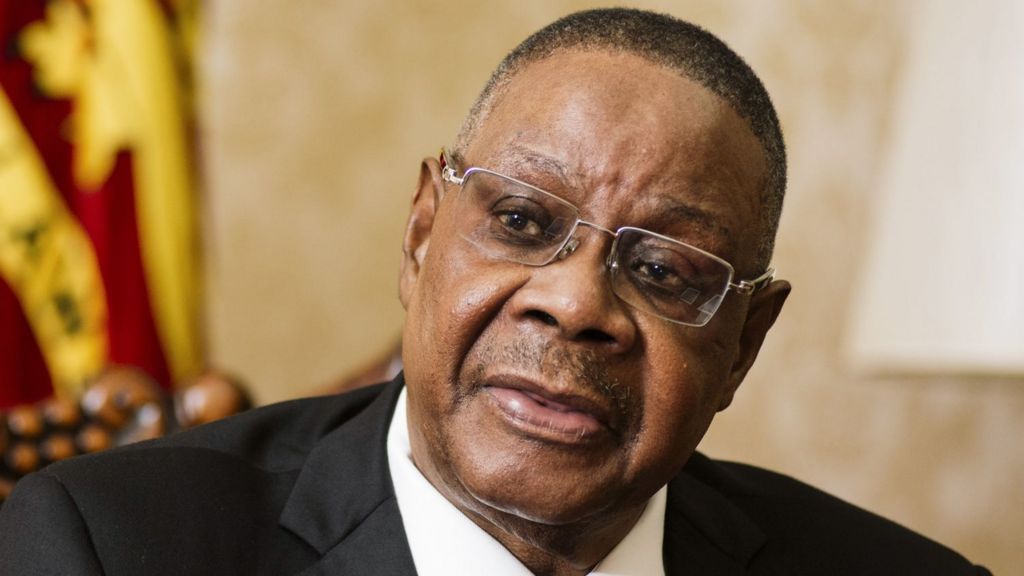
The professor who beat fraud allegations to become Malawi’s president…again
In a stunning political resurgence, Peter Mutharika, Malawi’s former president, has reclaimed the nation’s highest office, marking a dramatic return to power just five years after being ousted by a court ruling. Mutharika, who previously served as president from 2014 to 2020, secured victory in last week’s general election, defeating his long-time rival, President Lazarus Chakwera. His campaign centered on promises to restore economic stability, citing Malawi’s severe downturn under Chakwera’s leadership. However, Mutharika’s own tenure was marred by corruption allegations and governance challenges, raising questions about his ability to lead effectively at 85 years old. Born in 1940 in Thyolo, Mutharika’s journey from academia to politics began in 2004 when his brother, Bingu, became president. Despite controversies, including a treason charge in 2012, Mutharika’s supporters credit his first presidency with infrastructure development and reduced inflation. As he steps back into the presidential role, Malawians await tangible improvements amidst soaring inflation and widespread poverty.
-
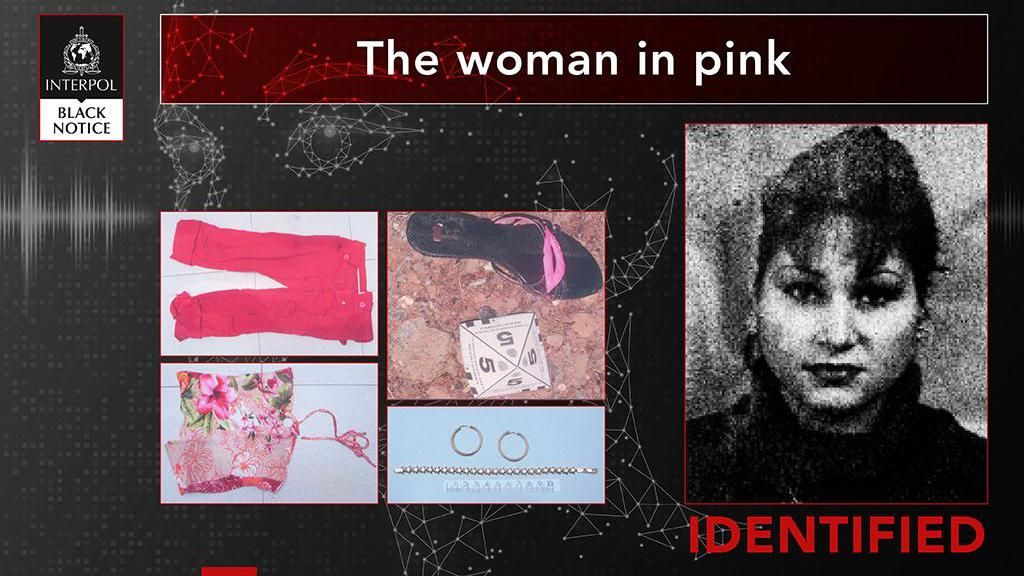
Woman in Spanish cold case identified after 20 years
A breakthrough in a decades-old mystery has been achieved through Interpol’s global initiative, ‘Operation Identify Me.’ The body of a woman discovered in Spain over 20 years ago has been identified as 31-year-old Russian citizen Liudmila Zavada. This marks the third successful identification under the campaign, which aims to uncover the identities of women who died under suspicious or unexplained circumstances across Europe. Launched in 2023, the initiative has already identified two other women: a British woman murdered in Belgium and a Paraguayan woman found dead in Spain. Liudmila Zavada, known as ‘the woman in pink’ due to her attire, was found in July 2005 near Barcelona. Despite initial investigations, her identity remained unknown until Turkish police matched her fingerprints to a national database, leading to a DNA confirmation with a relative in Russia. Interpol’s Secretary General, Valdecy Urquiza, hailed the identification as a source of ‘fresh hope’ for families of missing persons and a potential breakthrough for investigators. The campaign has also highlighted the challenges posed by global migration and human trafficking, which complicate the identification of bodies found outside their countries of origin. Interpol officials noted that women are disproportionately affected by gender-based violence, including domestic abuse, sexual assault, and trafficking. The agency continues to seek the identities of 44 other women found dead across Europe, most of whom are believed to be murder victims aged between 15 and 30.
-
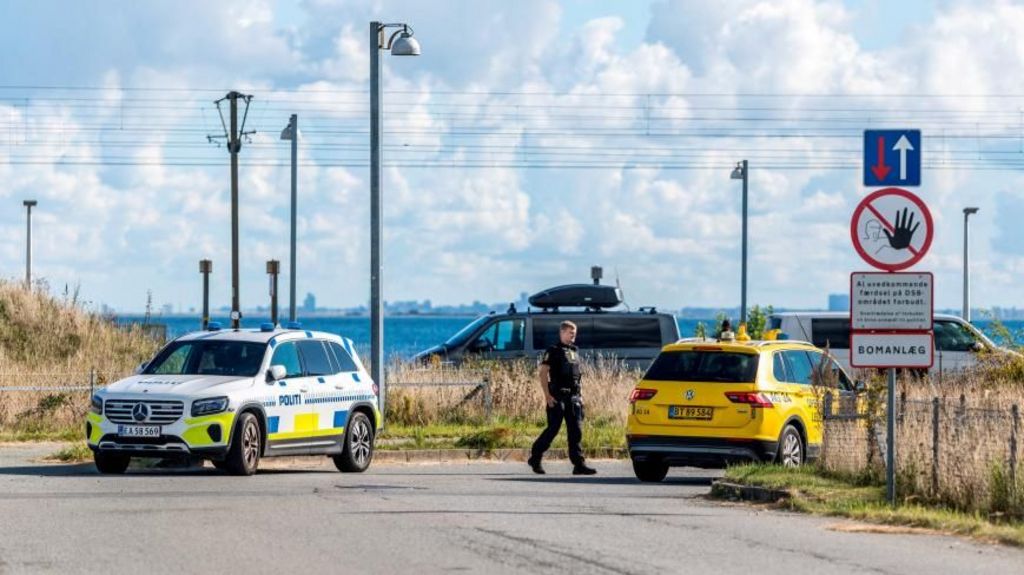
Drone activity confirmed at multiple airports in Denmark
A series of drone incursions have caused significant disruptions at multiple Danish airports, heightening concerns over airspace security and potential foreign interference. Aalborg Airport, located in northern Denmark, was temporarily closed after unidentified drones were spotted in its vicinity, forcing at least three flights to be diverted. This incident follows a similar closure at Copenhagen Airport earlier in the week, which Danish Prime Minister Mette Frederiksen described as ‘the most severe attack on Danish infrastructure so far.’
In southern Denmark, airports in Esbjerg, Sønderborg, and Skrydstrup also reported drone activity, though they remained operational. Authorities in both regions are investigating the incidents but have yet to determine the purpose or origin of the drones. North Jutland Police Chief Inspector Jesper Bøjgaard Madsen stated, ‘We cannot yet comment on the purpose of the drones flying in the area, nor can we say anything about who the actor behind it is.’
The disruptions come amid heightened tensions between NATO member states and Russia. Earlier this week, Estonia and Poland requested consultations with NATO after accusing Russia of violating their airspace. Romania also reported Russian drone incursions near its border with Ukraine. While Russia has denied these allegations, NATO has condemned the actions as ‘escalatory’ and warned of using ‘all necessary military and non-military tools’ to defend itself.
Danish officials have emphasized that there is no immediate danger to the public, but they have urged residents to avoid the affected areas. The Danish Armed Forces, which use Aalborg Airport as a military base, were also impacted by the drone activity. As investigations continue, the incidents underscore the growing challenges of airspace security in an increasingly volatile geopolitical climate.
-

Australian film altered in China to make gay couple straight
An Australian horror film, *Together*, has ignited widespread criticism after being digitally altered in China to replace a same-sex couple with a heterosexual one. The film, starring Dave Franco and Alison Brie, was shown in select Chinese cinemas during advance screenings on September 12. Moviegoers quickly noticed discrepancies after screenshots of the original scenes circulated online, revealing significant edits. The film, which was scheduled for a public release on September 19, has yet to be shown in theaters as of Thursday. The global distributor, Neon, condemned the unauthorized edits, stating they did not approve of the changes and demanded the altered version cease distribution. Directed by Michael Shanks, *Together* follows a couple who encounter a mysterious force in the countryside, impacting their lives and relationship. The film premiered at the Sundance Film Festival in January and received largely positive reviews, earning a 90% score on Rotten Tomatoes. However, the Chinese version faced backlash for modifying scenes, including adding steam to obscure nudity and replacing a man’s face with a woman’s in a same-sex couple scene. References to the relationship were also removed. Critics on platforms like Douban called the edits ‘distortion and misrepresentation,’ with one user stating, ‘Not only did they alter the plot, but they also disrespected the actor’s sexual orientation.’ Neon criticized the Chinese distributor, Hishow, which has yet to comment. This incident follows China’s use of AI to alter sexual content in films like *Oppenheimer* and its broader crackdown on LGBT themes, including the arrest of writers of gay erotic fiction since February.
-
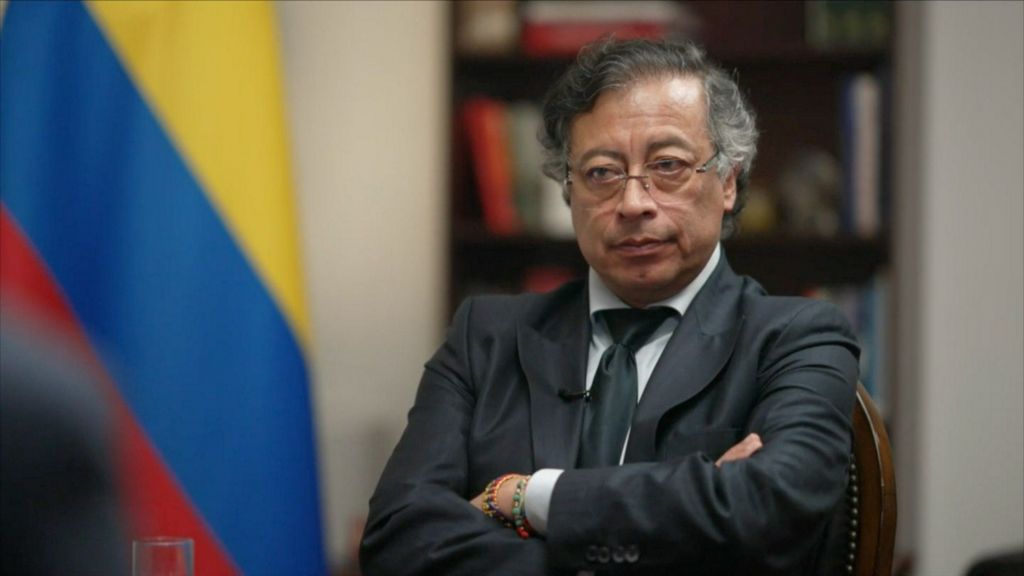
Colombia’s president calls US attacks on alleged drug boats ‘act of tyranny’
Colombian President Gustavo Petro has strongly criticized the United States for its recent airstrikes on alleged drug-trafficking boats in the Caribbean Sea, labeling them as an ‘act of tyranny.’ In an interview with the BBC, Petro called for criminal proceedings against US officials if investigations confirm that Colombians were killed in the attacks. The airstrikes, which began this month and have reportedly claimed 17 lives, were defended by President Donald Trump as necessary measures to curb the flow of fentanyl and other illegal narcotics into the US. However, legal experts and lawmakers have raised concerns about potential violations of international human rights laws. Petro questioned the proportionality of the force used, stating, ‘Why launch a missile if you could simply stop the boat and arrest the crew? That’s what one would call murder.’ He emphasized that there should be ‘zero deaths’ in operations targeting drug-smuggling speedboats, noting Colombia’s history of successful maritime cocaine seizures without fatalities. The strikes, primarily focused on Venezuela, have drawn criticism from Democratic lawmakers and UN experts, who describe them as extrajudicial executions. The White House responded by asserting Trump’s commitment to using all available power to combat drug trafficking. Petro also accused the Trump administration of humiliating his people and vowed that South American nations would not ‘bow down to the king.’ This latest clash follows Trump’s designation of several Latin American drug-trafficking organizations as terrorist entities and his deployment of additional US military forces to the southern Caribbean. Petro, who has a contentious history with Trump, argued that it is the US president’s foreign policies that are isolating the United States.
-
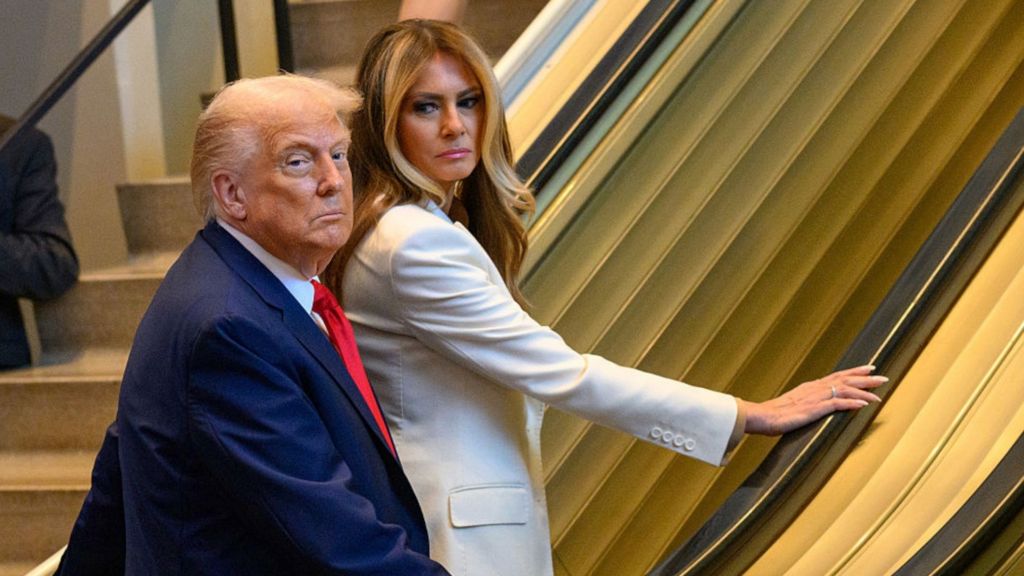
Trump demands inquiry over UN ‘triple sabotage’ after escalator and teleprompter mishaps
During his visit to the United Nations General Assembly on Wednesday, former U.S. President Donald Trump encountered a series of unexpected incidents that he labeled as “triple sabotage.” In a social media post, Trump detailed three specific issues: an escalator abruptly stopping as he and First Lady Melania Trump stepped on it, a malfunctioning teleprompter during his speech, and audio problems in the auditorium. Trump called for an immediate investigation into these events, which he described as “sinister” and not coincidental. He also demanded the arrest of those responsible for the escalator incident, referencing a Times article that mentioned UN workers joking about turning off the escalators. Trump’s videographer was suggested to have inadvertently triggered the escalator’s safety mechanism, while the teleprompter was reportedly operated by the White House delegation. U.S. Ambassador to the UN Mike Waltz supported Trump’s call for an investigation, stating that such incidents were “unacceptable” and a threat to the nation’s security and dignity. White House press secretary Karoline Leavitt also expressed concerns, suggesting that the escalator might have been deliberately stopped. A UN official clarified that the sound system was designed for translated speeches through earpieces, addressing Trump’s complaint about the audio issues. Despite the technical difficulties, Trump’s speech proceeded, though he criticized the teleprompter operator, stating they were “in big trouble.”