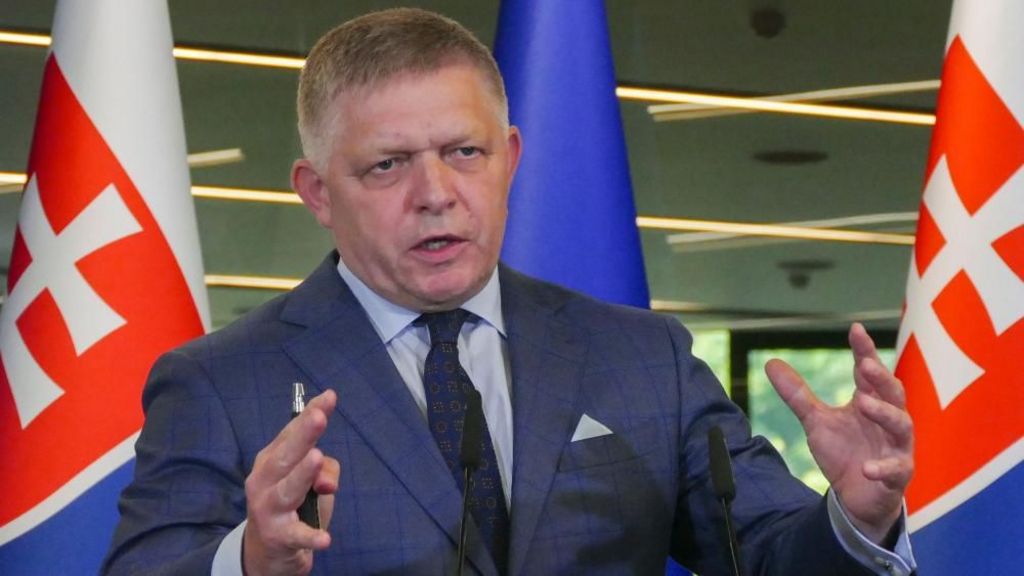
Slovakia has enacted a significant constitutional amendment, legally recognizing only two sexes—male and female—and imposing restrictions on adoption and surrogate pregnancies. The amendment, which passed by a narrow margin in parliament, also asserts sovereignty in cultural and ethical matters. Prime Minister Robert Fico hailed the decision as a ‘great dam against progressivism,’ emphasizing his government’s commitment to traditional values. Critics, including Amnesty International, have condemned the move, warning it could marginalize the LGBT community and align Slovakia with illiberal regimes like Hungary and Russia. The amendment’s passage was unexpected, as Fico’s coalition initially lacked the necessary votes. However, last-minute support from opposition MPs secured the majority. Opposition leader Igor Matovic labeled the defectors as ‘traitors.’ Legal experts predict the amendment will provoke legal disputes with the European Union, potentially leading to sanctions. Critics argue the move is a political maneuver by Fico to divert attention from declining poll ratings and unpopular policies. President Peter Pellegrini has pledged to sign the amendment, calling it a unifying measure in a divided society. Meanwhile, Fico’s Smer-Social Democracy party faces expulsion from the Party of European Socialists (PES) for deviating from progressive values. The party’s alignment with far-right factions and Fico’s frequent meetings with Russian President Vladimir Putin have further strained relations with European allies.
作者: admin
-
Boxing in Ghana suspended after fighter dies aged 32
The Ghanaian government has imposed an immediate nationwide suspension on all boxing activities following the tragic death of super-middleweight boxer Ernest Akushey, popularly known as Bahubali. The 32-year-old fighter passed away on Tuesday, just 11 days after his bout against Jacob Dickson at the Bukom Boxing Arena in Accra on September 12. While the exact cause of death remains under investigation, preliminary reports suggest it may be linked to internal injuries sustained during the match. This incident marks the second fatality in Ghana’s boxing scene within six months, raising urgent concerns about safety standards in the sport. In March, Nigerian boxer Gabriel Oluwasegun Olanrewaju collapsed during a fight against Ghanaian opponent Jon Mbanugu in Accra and died shortly after being hospitalized. In response to these tragedies, the National Sports Authority has described the suspension as a ‘necessary step’ to ‘protect lives, uphold the integrity of the sport, and ensure its future.’ Authorities have also unveiled a five-year strategy aimed at implementing safer, more professional, and globally-aligned standards for boxing. Ghana has a rich boxing heritage, having produced world-renowned champions such as Azumah Nelson, and the sport enjoys widespread popularity across the nation. However, these recent deaths have reignited critical discussions about the need for enhanced safety measures and regulatory reforms.
-

Rolling back a rising tide of antisemitism
The global landscape is witnessing a concerning rise in antisemitism, which is significantly impacting Israel’s traditional alliances and support base. Countries such as Australia, Britain, Canada, and France are increasingly inclined to recognize a Palestinian state, while the United States, Israel’s long-standing ally, shows a notable decline in public support. According to The Economist, American favorability toward Israel has hit a 25-year low, with 53% of adults holding an unfavorable view. This shift is particularly pronounced among younger evangelicals and Democrats, signaling a broader change in public sentiment. Pro-Palestinian narratives, amplified by harrowing images of Gaza’s devastation, accuse Israel of committing genocide, further polarizing opinions. The absence of a clear Israeli vision for the future of Palestinians exacerbates the situation, allowing groups like Hamas to position themselves as the sole representatives of Palestinian interests. This dynamic is reshaping political discourse in the West, where antisemitism, once taboo, is increasingly normalized. The Vatican’s diplomatic efforts, led by Secretary of State Cardinal Pietro Parolin, aim to foster dialogue, but skepticism remains. As antisemitism resurfaces and Arab states gain influence, Israel faces a critical juncture. To counter this, Israel must address broader geopolitical challenges, articulate a vision for Palestinian self-determination, and strengthen its international alliances. The ongoing conflict in Gaza risks transforming military victories into political losses, echoing historical parallels with the Vietnam War. Ultimately, Israel’s ability to navigate these complexities will determine its future in the region and its relationship with the global Jewish diaspora.
-

Turkey abandons bid to force doner kebab rules on Europe
Turkey has abandoned its attempt to impose strict regulations on how doner kebabs are prepared across the European Union, a move that would have significantly impacted Germany’s thriving kebab industry. The proposal, which sought a ‘Traditional Speciality Guaranteed’ label, aimed to standardize ingredients and preparation methods, including meat types, slicing thickness, and marinades. However, the bid faced strong opposition, particularly from Germany, where the doner kebab has evolved into a distinct culinary tradition. German officials argued that the kebab has become an integral part of their national cuisine, diverging from its Turkish origins. The Turkish International Doner Federation (Udofed) had proposed that only specific meats, such as beef, lamb, or chicken, be used, while banning veal and turkey. The German version, often made with veal and served in flatbread with vegetables and sauces, would have been at odds with these rules. The bid’s withdrawal on September 23 followed widespread objections and failed compromise attempts. Germany’s kebab industry, which employs 60,000 people and generates €2.4 billion annually, celebrated the decision. Former German Agriculture Minister Cem Özdemir, of Turkish descent, emphasized that the doner kebab ‘belongs to Germany,’ reflecting its cultural integration.
-

China’s K-visa woos STEM talent put off by H-1B fee hikes
China is set to launch its new K-visa scheme on October 1, targeting young foreign professionals in science, technology, engineering, and mathematics (STEM) fields. This initiative comes at a time when global competition for skilled workers is intensifying, particularly as the United States imposes a hefty $100,000 fee on new H-1B visa applications, the primary route for skilled foreign workers to enter the U.S. job market. The K-visa, introduced as part of China’s revised visa rules on August 14, brings the total number of visa categories to 13. It is specifically designed for individuals aged 18 to 25 with a bachelor’s degree or higher from reputable universities or research institutions, particularly in STEM or related fields. The visa is expected to attract specialists in artificial intelligence, quantum communication, and life sciences. Unlike traditional visa schemes, the K-visa does not require applicants to secure a job offer or sponsorship from a Chinese employer. Additionally, it allows holders to bring their spouses and minor children to China and offers flexible terms regarding the number of entries, validity period, and length of stay. Once in China, K-visa holders can engage in various activities, including education, scientific research, entrepreneurship, and business. Liu Shaoshan, director of the Center for Embodied AI at the Shenzhen Institute of Artificial Intelligence and Robotics for Society, highlighted that the K-visa significantly lowers barriers for foreign talent to work and innovate in China. The move contrasts sharply with the U.S. H-1B visa program, which has faced criticism for its high costs and restrictive policies. China’s approach aims to foster global collaboration and innovation, positioning itself as a hub for technological advancement. However, concerns about national security and espionage may pose challenges for some foreign professionals considering the K-visa.
-

Eurovision body to hold vote on Israel’s participation
The European Broadcasting Union (EBU) has announced a pivotal vote to determine whether Israel will be allowed to participate in the 2026 Eurovision Song Contest. This decision follows mounting controversy over Israel’s inclusion due to the ongoing conflict in Gaza. The vote, set to take place at the EBU’s general assembly in early November, will involve all 68 member countries, including non-participating broadcasters from nations such as Tunisia, Egypt, Turkey, Algeria, Jordan, and Lebanon. A simple majority will decide the outcome, potentially excluding Israel if over 50% of members vote in favor.
-

Namibians warned against holding parties at cemeteries after ‘disgraceful’ event
Namibian authorities have issued a stern warning against holding social gatherings in cemeteries following a controversial incident at Gammams cemetery in Windhoek last weekend. The event, which featured seating arrangements, cooler boxes, and alcohol, has been widely condemned as disrespectful and inappropriate. Witnesses described the scene as chaotic, with car boots open, people drinking, and litter scattered across the sacred grounds. One resident expressed her dismay on Facebook, stating that the cemetery resembled a shebeen (informal drinking establishment) rather than a place of rest. In response, the City of Windhoek released a statement on Thursday, labeling the behavior ‘unacceptable’ and emphasizing that it ‘disrespects the dignity of the deceased and disturbs other grieving families.’ The authorities reminded the public that littering in cemeteries is a criminal offense and announced plans for ‘strict monitoring and enforcement’ to preserve the sanctity of burial sites. This incident is not the first time Gammams cemetery has been in the spotlight; in 2021, a man was arrested for firing shots during a funeral, and cars were reportedly spun in the parking area nearby. The Namibian government has reiterated that cemeteries are sacred spaces reserved solely for burials and remembrance, prohibiting social gatherings, alcohol consumption, and littering.
-
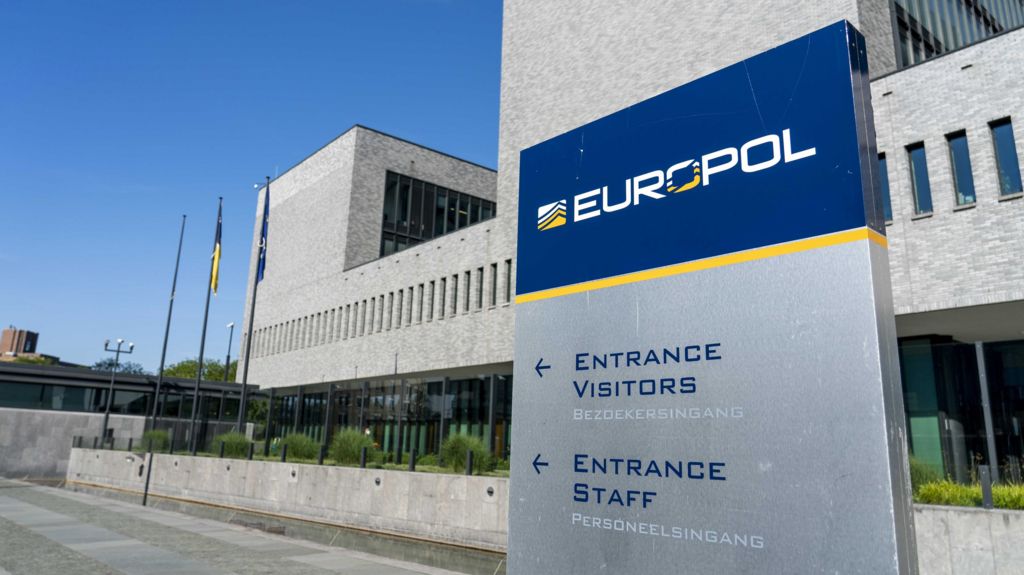
Two Dutch teenagers arrested in spying case linked to Russia
Two 17-year-old boys have been apprehended in the Netherlands on suspicion of ‘state interference,’ with reported connections to Russian espionage activities, according to prosecutors. Dutch media revealed that the teenagers were allegedly contacted by pro-Russian hackers via the messaging app Telegram. One of the suspects was reportedly spotted near the offices of Europol, Eurojust, and the Canadian embassy in The Hague, carrying a ‘wi-fi sniffer’—a device capable of identifying and intercepting wi-fi networks. The duo appeared in court on Thursday, where one was ordered to remain in detention, while the other was placed under strict home bail conditions pending a hearing scheduled within the next two weeks. The father of one of the boys informed De Telegraaf, a Dutch newspaper, that his son was arrested on Monday afternoon while completing his homework. He stated that police linked the arrest to espionage and providing services to a foreign nation. The teenager, described as tech-savvy with a keen interest in hacking, also works part-time at a supermarket. The Netherlands’ domestic intelligence and security agency declined to comment on the case when approached by the BBC.
-

Huge sting operation across Africa sees 260 arrested for sextortion and romance scams
In a sweeping international effort, Interpol has spearheaded a major operation targeting cybercriminals across 14 African nations, resulting in the arrest of 260 suspects. The initiative, funded by the UK, focused on dismantling criminal networks exploiting social media and digital platforms to perpetrate romance scams and sextortion schemes. These scams involve blackmailing victims using explicit imagery, causing both financial and psychological harm. Over 1,400 victims were identified across countries including Ghana, Kenya, and Angola, with estimated losses nearing $2.8 million. The operation, conducted between July and August, led to the seizure of critical digital evidence, including USB drives, Sim cards, and forged documents, as well as the takedown of 81 cybercrime infrastructures. Cyril Gout, Interpol’s acting executive director of police services, highlighted the alarming rise in digital-enabled crimes across Africa, emphasizing the need for continued vigilance. In Ghana alone, 68 suspects were arrested, and $70,000 was recovered from an estimated $450,000 in losses. Similar successes were reported in Senegal, Ivory Coast, and Angola, where scammers used fake profiles and fraudulent documents to deceive victims. The operation, part of the African Joint Operation against Cybercrime project, underscores the global police network’s commitment to protecting vulnerable individuals online.
-
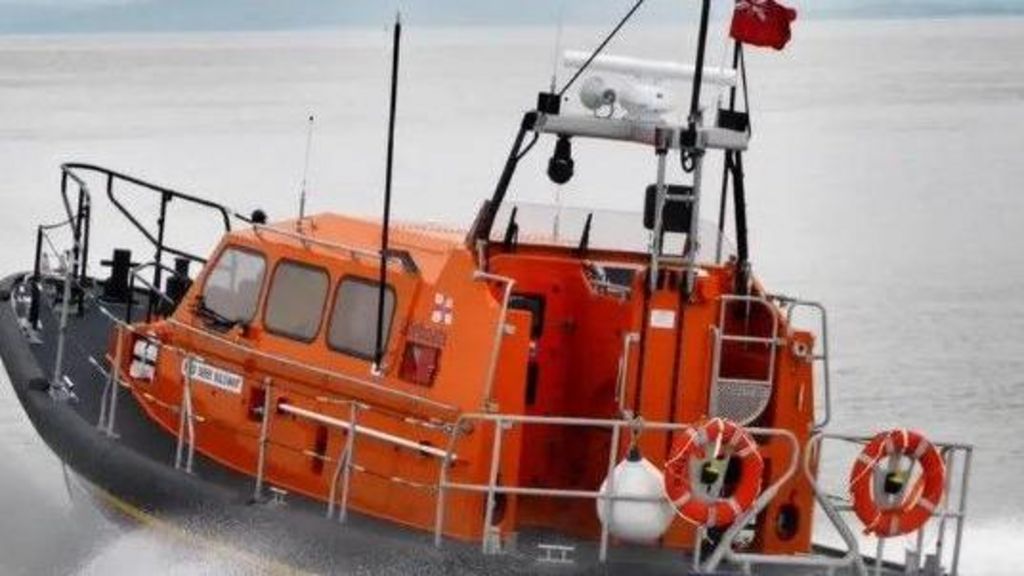
Search resumes for missing fisherman after vessel ran aground
A comprehensive search operation is underway for a fisherman who went missing off the coast of County Sligo in the Republic of Ireland. The emergency response was initiated on Thursday evening at approximately 20:00 local time after a concerned member of the public reported a fishing vessel stranded near Mullaghamore Head. The multi-agency search effort, involving various rescue teams, is focused on the area off Mullaghmore and extends into Donegal Bay. The Royal National Lifeboat Institution (RNLI) confirmed that the search persisted throughout the night and resumed early Friday morning. A spokesperson for the RNLI detailed that the Sligo Bay and Bundoran RNLI’s inshore lifeboats were redirected from a routine training exercise by the Irish Coast Guard following the distress call. The alarm was raised after a grounded boat with its engine still running was spotted near Cliffoney Beach. The search operation also includes the Arranmore and Ballyglass RNLI’s all-weather lifeboats, the Irish Coast Guard helicopter Rescue 118 from Sligo, and the Killybegs Coast Guard’s inshore lifeboat. Additionally, the Gardaí (Irish police) are actively supporting the search efforts.