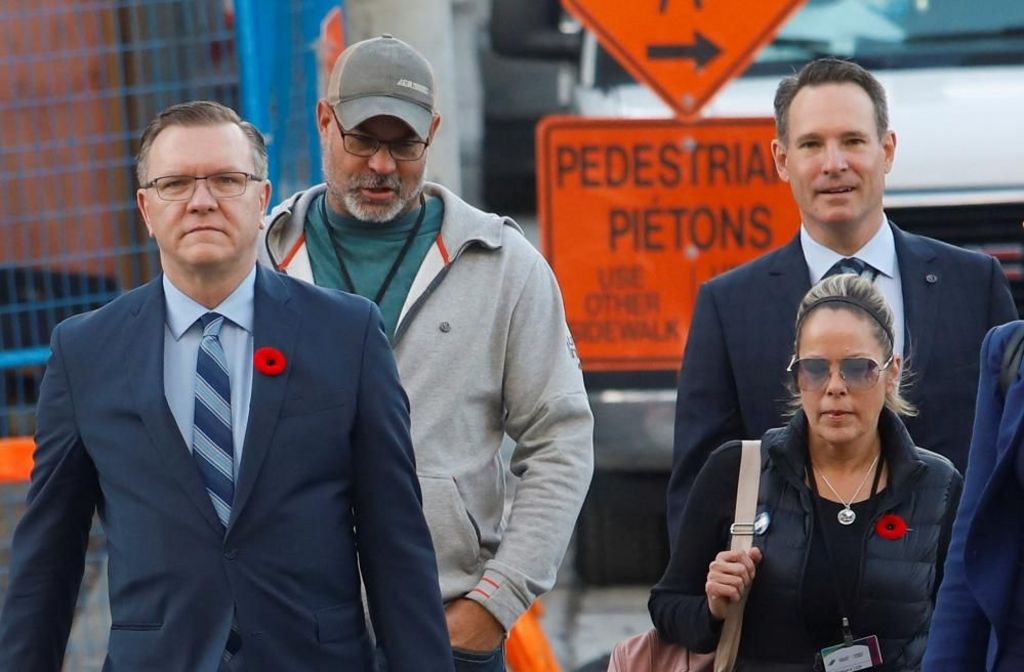
Tamara Lich and Chris Barber, key figures in the 2022 ‘Freedom Convoy’ protests that paralyzed Ottawa, have been handed conditional sentences, avoiding further incarceration. The duo was convicted of mischief in April after a protracted trial but were acquitted of most other charges. The protests, which saw hundreds of trucks and vehicles blockading the capital for three weeks, were a response to COVID-19 mandates and the policies of then-Prime Minister Justin Trudeau’s government. The Crown had initially sought seven and eight-year prison terms for Lich and Barber, respectively, but the court opted for 18-month conditional sentences. This includes 12 months of home confinement with limited outings, followed by six months under curfew, plus 100 hours of community service. Additionally, the Crown is pursuing the seizure of Barber’s ‘Big Red’ truck, a prominent symbol of the protest, with a hearing scheduled for November. In a separate legal development, the Crown is appealing the lenient sentence given to Pat King, another protest organizer, who received three months of house arrest despite prosecutors pushing for a decade-long sentence. The protests, which began in February 2022, were triggered by a federal vaccine mandate for cross-border truckers and were eventually quelled when Trudeau invoked the Emergencies Act, marking its first use in Canadian history. The act empowered law enforcement to dismantle the blockades and imposed restrictions on public gatherings.
作者: admin
-
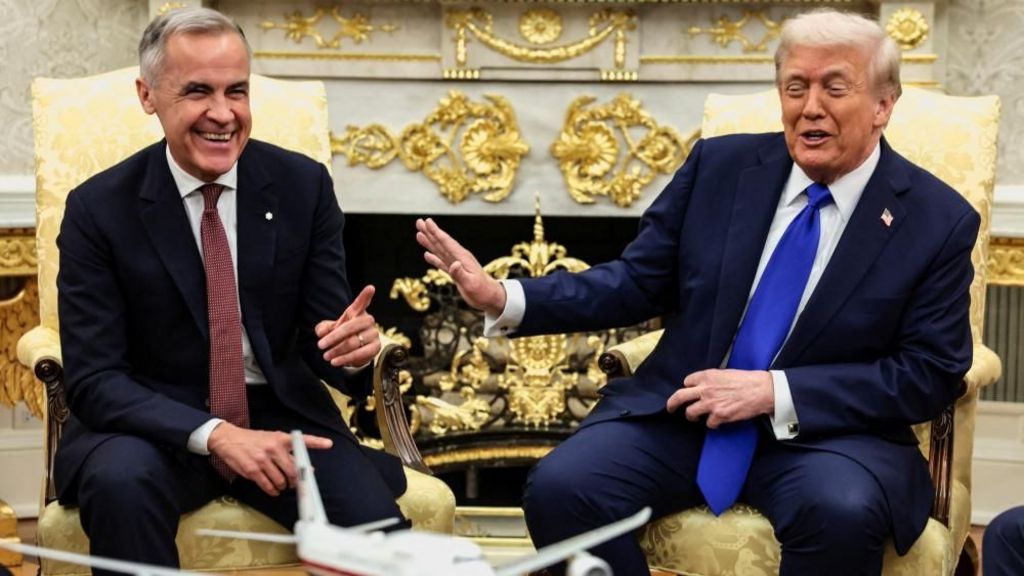
Trump says trade talks ‘complicated’ but Canada will be ‘very happy’ with eventual deal
In a cordial meeting at the White House, US President Donald Trump and Canadian Prime Minister Mark Carney addressed the complexities of trade negotiations between their nations. Trump described the relationship as one of ‘natural conflict,’ particularly in industries like automotive and steel, where both countries compete. Despite this, he expressed optimism about reaching a future agreement that would satisfy both parties. Carney echoed this sentiment, emphasizing the deep economic ties between the two nations and expressing confidence in securing a favorable deal. Trump’s administration has imposed significant tariffs on Canadian imports, including 35% on general goods and sector-specific levies of 50% on metals and 25% on automobiles. However, exemptions exist under the USMCA, a trade agreement negotiated during Trump’s first term. The meeting marked Carney’s second visit to the White House since taking office in March and concluded on a friendly note, with both leaders praising each other’s leadership. This contrasts sharply with Trump’s previously contentious relationship with former Canadian Prime Minister Justin Trudeau. While trade negotiations have extended past an August deadline, the tone of the discussions suggests progress toward a mutually beneficial resolution.
-
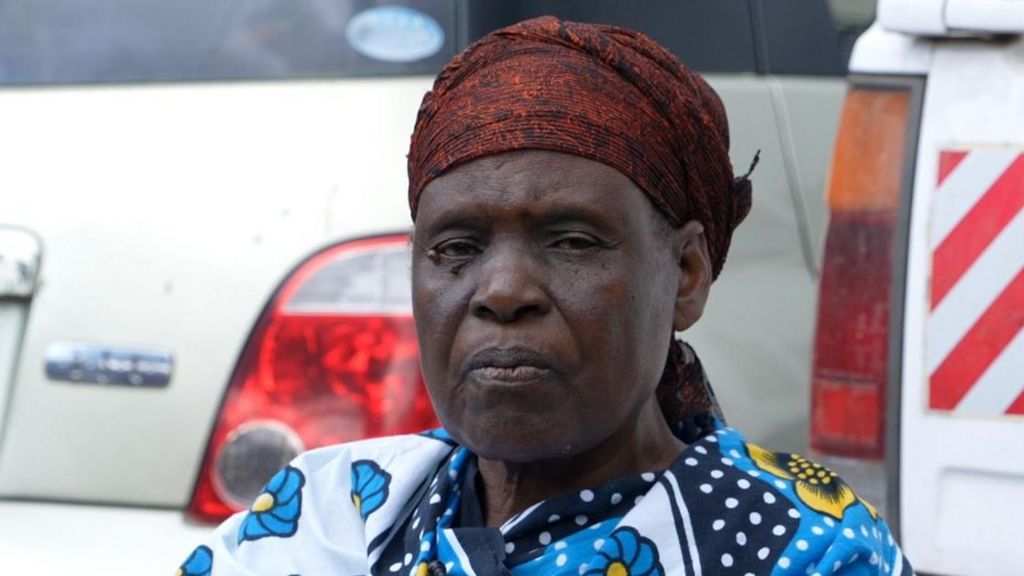
‘I want my son back, dead or alive’ – mother of missing Tanzanian ex-diplomat
Annamary Polepole, the mother of former Tanzanian diplomat Humphrey Polepole, has issued a heartfelt plea for authorities to help locate her son, who vanished under mysterious circumstances. In an emotional interview with the BBC, she begged, ‘If he is alive, return him to me. If he is not, bring his body and let me bury my child myself. They should not go and throw him into the sea.’ Humphrey Polepole, a vocal critic of the Tanzanian government, was reportedly abducted from his Dar es Salaam home in the early hours of October 6. His brother discovered the house door broken and traces of blood, raising concerns about foul play. Local police confirmed they are investigating the incident, though the city’s police chief initially cast doubt on the reported attack, suggesting the former ambassador to Cuba often claimed to be abroad. This incident follows the alleged abduction of Polepole’s sister in July, deepening the family’s anguish. Annamary Polepole lamented, ‘As a woman who struggled to raise children as a widow, it is very painful for such things to happen.’ She also expressed fears for Tanzania’s future, criticizing the government’s heavy-handed tactics. Humphrey Polepole, who resigned as ambassador earlier this year after publicly denouncing the government’s disregard for justice and constitutional principles, had recently questioned President Samia Suluhu Hassan’s nomination as the ruling party’s presidential candidate. He also accused government officials of corruption and misuse of public funds, claiming armed individuals had harassed his family and raided his home twice. Despite his outspoken stance, many Tanzanians have praised his courage, while others question his moral authority given his previous roles under both Magufuli and Samia. His mother, however, described him as a man of integrity and warmth. The case unfolds amid a tense political climate as Tanzania prepares for its October 29 general election, with President Samia seeking a second term amidst growing criticism of her administration’s repressive measures.
-
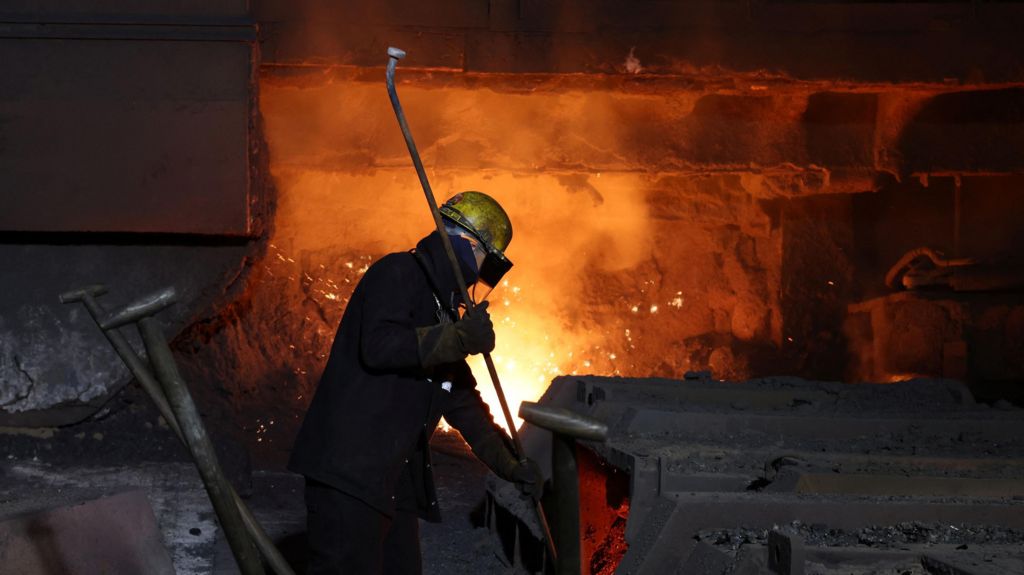
EU steel tariff hike threatens ‘biggest ever crisis’ for UK industry
The European Union has unveiled a controversial plan to impose a 50% tariff on steel imports exceeding a reduced quota, a move that has sparked alarm within the UK steel industry. The proposed measures, set to take effect early next year, aim to halve the volume of steel imports into the EU, with tariffs applying to any imports beyond 18.3 million tonnes annually—a 47% reduction from 2024 levels. This decision comes amid mounting pressure from EU member states and their domestic steel industries, which have struggled to compete with cheaper imports from countries like China and Turkey.
-
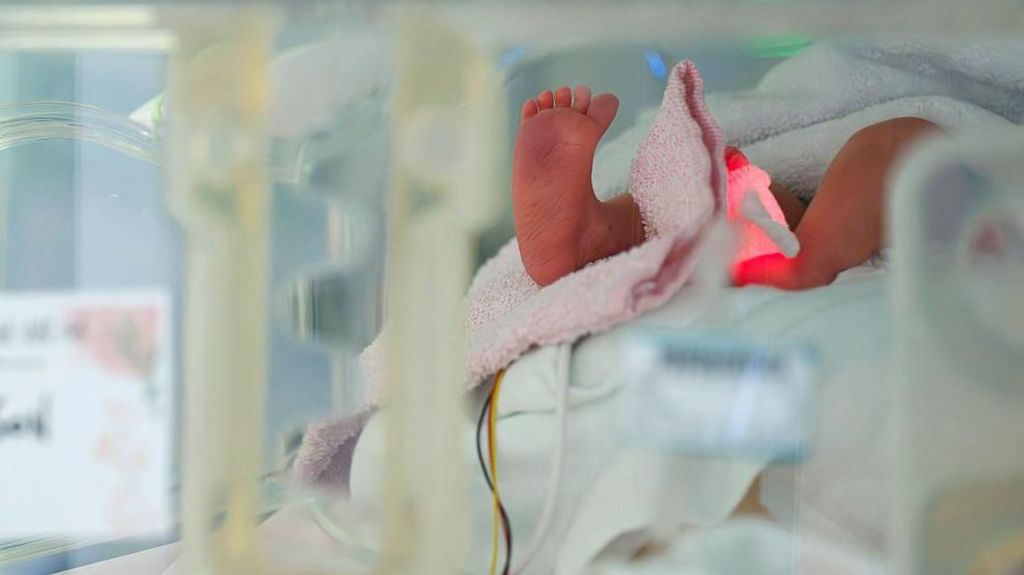
Two Austrian women switched at birth meet 35 years later
In a remarkable turn of events, two Austrian women, Doris Grünwald and Jessica Baumgartner, who were accidentally switched at birth in 1990, have finally met each other after 35 years. The incident occurred at the LKH-Uniklinikum hospital in Graz, where both women were born prematurely. Shortly after their births, a mix-up led to them being handed to the wrong families. The truth began to unravel in 2012 when Doris discovered her blood type did not match her parents’ during a blood donation. Austrian public broadcaster ORF reported on the case in 2016, but the other family remained elusive at the time. Jessica, raised by Herbert and Monika Derler, learned of the switch when a doctor informed her about the mismatched blood types during her pregnancy. The two women connected via Facebook and eventually met in person, describing the encounter as akin to meeting a long-lost sister. ‘We got along right away,’ Doris shared. ‘It was an indescribably good feeling.’ The families also met recently, with the emotional reunion captured by an ORF TV crew. Mrs. Derler expressed her initial ’emotional turmoil’ but emphasized that Jessica would always be her child, while Evelin Grünwald reflected on the expansion of her family. Gebhard Falzberger, the hospital’s operations manager, apologized to both families, acknowledging the grave mistake. Legal steps were taken in 2016 to secure Doris’s inheritance rights and compensation, and the Derlers are now pursuing similar measures. Jessica described the clarity as a relief but admitted to the emotional complexity of the situation, highlighting both the beauty and pain of the experience.
-
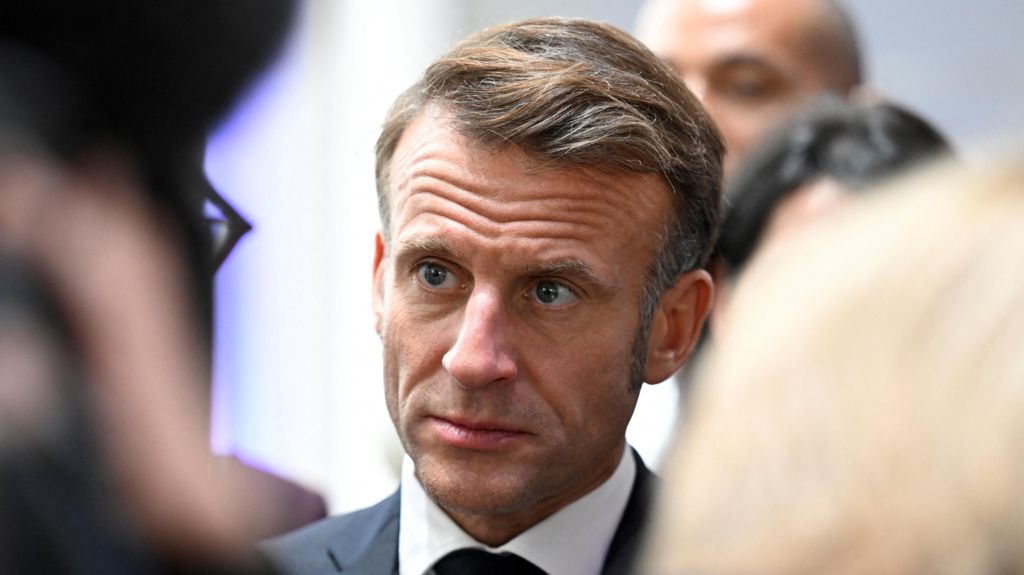
Time may be running out for Master of clocks Macron: What next for France?
French President Emmanuel Macron, once hailed as the ‘master of the clocks’ for his strategic timing, now finds his political grip slipping as France’s political crisis intensifies. For the third time in a year, Macron’s choice of prime minister has resigned, with Sébastien Lecornu stepping down after just 26 days in office. Lecornu’s departure underscores the deepening instability in Macron’s administration, as nearly three-quarters of French voters believe the president should resign.
-
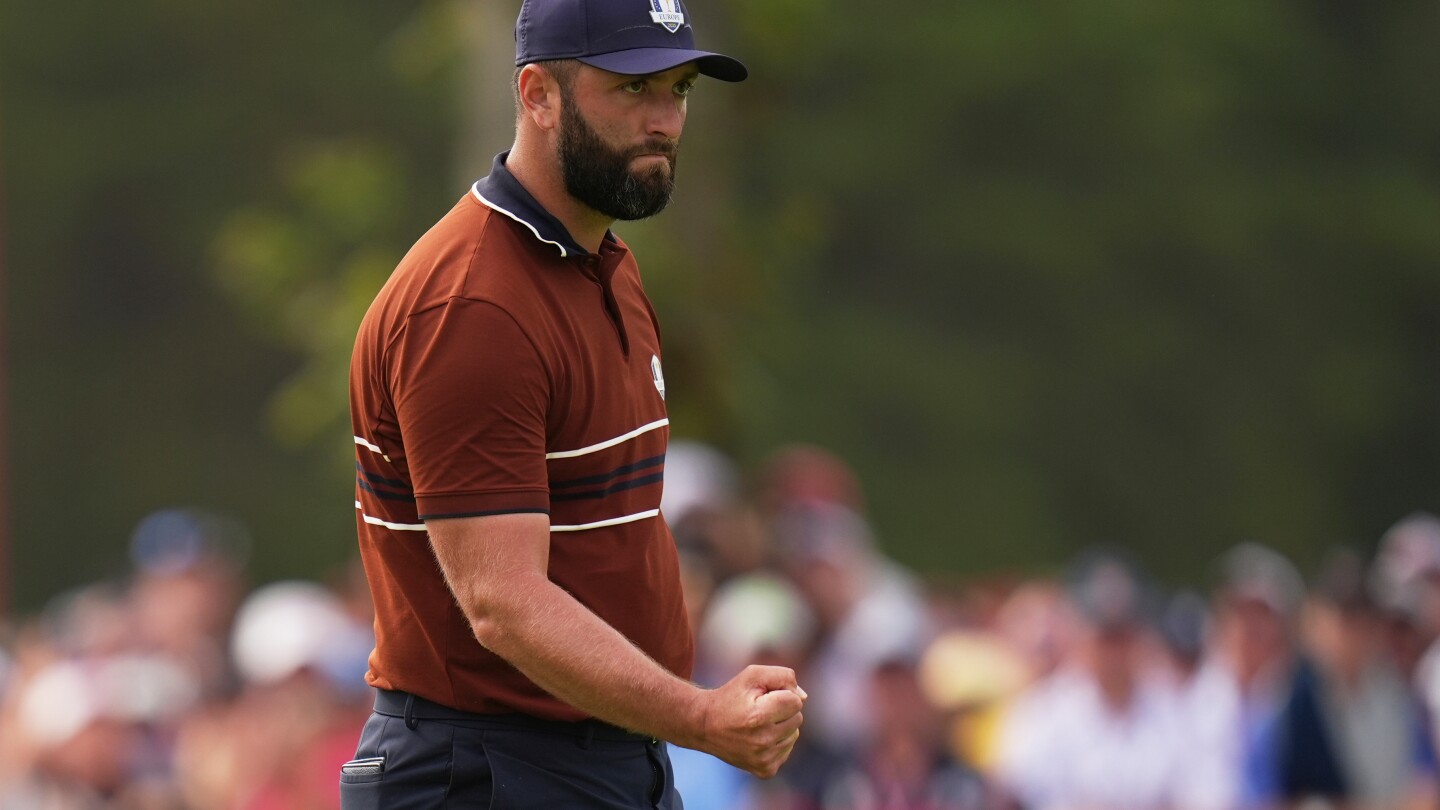
Rahm returns to home event in Spain after ‘toughest week’ of career at the Ryder Cup in New York
Jon Rahm has returned to competitive golf at the Spanish Open in Madrid, seeking to make history by winning a record fourth title. This achievement would surpass the legendary Seve Ballesteros, who last won the tournament in 1995. Rahm’s participation follows what he described as the most mentally challenging week of his career during the Ryder Cup in New York, where he faced relentless taunting from the American crowd. Despite the pressure, Rahm helped Europe secure a victory, calling it the most exhilarating experience of his career. He now aims to channel that energy into his performance in Madrid. The Spanish Open holds special significance this year, as the winner will earn an automatic spot in next year’s Masters and the British Open. Rahm, a three-time champion, faces stiff competition from fellow LIV players like Sergio Garcia, Patrick Reed, and Joaquin Niemann. The tournament also marks the 50th anniversary of Arnold Palmer’s victory in 1975, adding to its historical prestige.
-
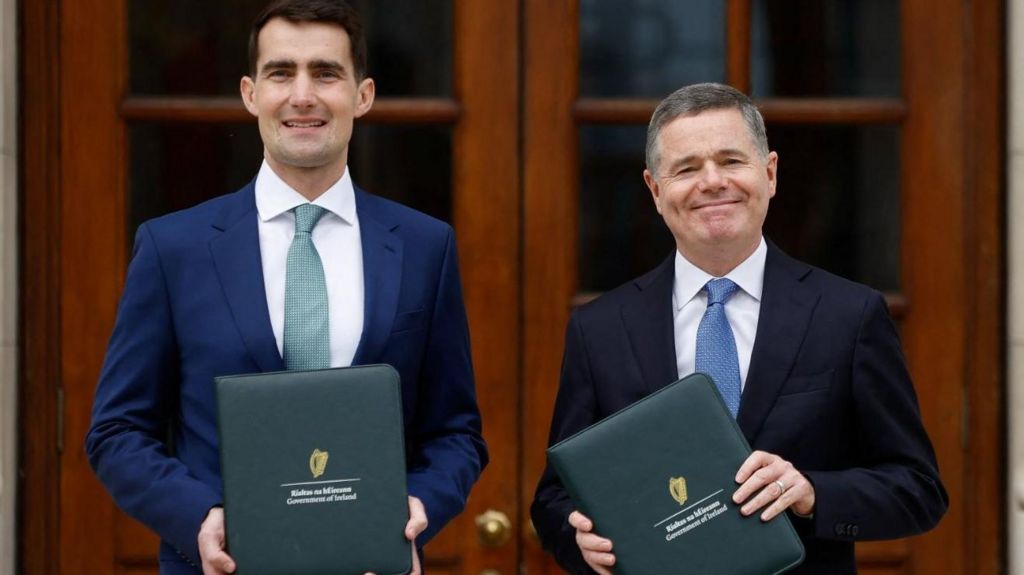
Irish government to divert billions of extra euros to savings funds
In a strategic move to safeguard its economic future, the Irish government has unveiled plans to channel billions of euros into national long-term savings funds. This decision comes in response to growing concerns over the volatility of multinational corporation tax revenues, which have been a cornerstone of Ireland’s economy for decades. Finance Minister Paschal Donohoe presented the budget to the Dáil, Ireland’s lower house of parliament, outlining the government’s commitment to mitigating risks associated with over-reliance on these tax receipts.
-
EU proposes steel industry protections, rattling UK manufacturers
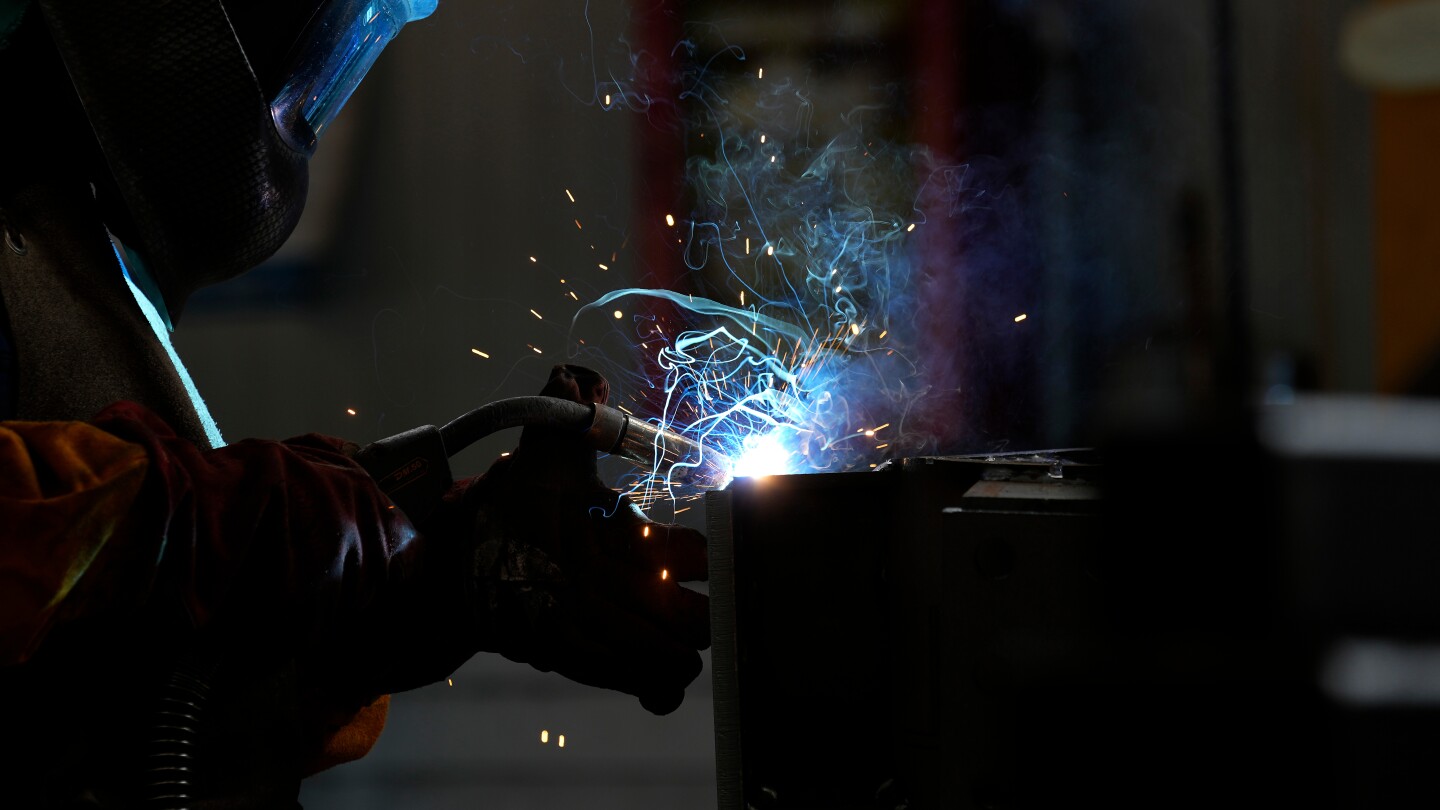
The European Union has unveiled a contentious proposal to significantly reduce its tariff-free quota on steel imports, a move that could impose hefty tariffs on products from countries such as China, India, Turkey, and the United Kingdom. Under the new plan, imports exceeding 18.3 million tons will face a 50% tariff, doubling the current rate of 25%. Neighboring nations like Norway, Iceland, and Ukraine are exempt from these measures. The proposal aims to protect Europe’s steel industry from global overcapacity and the diversion of steel exports caused by high U.S. tariffs. Importers will also be required to disclose the origin of their products, and a complex quota system will regulate access to the EU market. The proposal, set to replace the current World Trade Organization-aligned safeguard policy expiring in 2026, has sparked concerns in the UK, where the steel industry warns of potential collapse. UK Steel Director-General Gareth Stace described the situation as the industry’s ‘biggest crisis ever,’ urging the British government to negotiate country-specific quotas with the EU. The EU’s steel sector, which employs 300,000 people across 20 member states, has faced significant challenges over the past two decades, losing a quarter of its workforce. The proposal reflects the EU’s broader strategy to decarbonize and reindustrialize its steel industry, a sector integral to its economic security and strategic autonomy. The European Parliament and Council must now ratify or amend the proposal, which could lead to further negotiations with the WTO.
-
Trump’s farmer bailout raises fears about trade war winners and losers
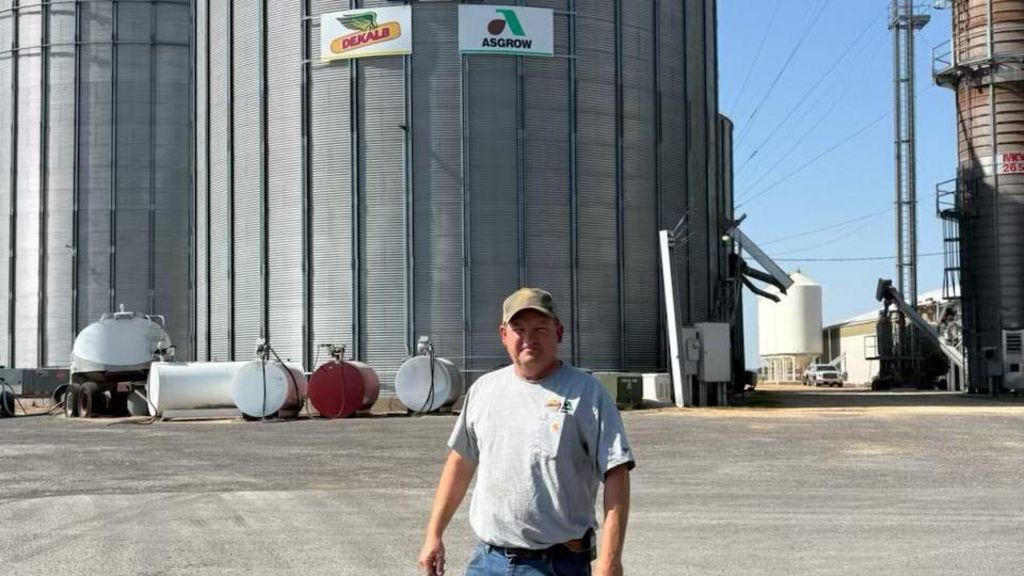
The Trump administration’s decision to allocate billions in aid to farmers, particularly soybean growers, has ignited a heated debate over the fairness and effectiveness of such targeted relief. Farmers like Brad Smith from Illinois, who have been hit hard by China’s halt on soybean purchases, welcome the financial lifeline. However, the move has left other industries, from craft breweries to toy shops, feeling sidelined and frustrated. Justin Turbeest, a Wisconsin brewer, described the tariffs as a ‘final blow’ to his business, forcing layoffs and a 40% cost increase. Alexis D’Amato of the Small Business Majority criticized the administration for ‘picking winners and losers,’ while Chris Swonger of the Distilled Spirits Council urged inclusion for other affected sectors. Economists like Cornell’s Chris Barrett questioned the equity of bailing out a politically favored group, noting that the aid disproportionately benefits larger farms. Meanwhile, farmers like Mark Legan of Indiana view the relief as a temporary ‘band-aid’ rather than a solution to deeper economic challenges. As the debate rages, the broader impact of Trump’s tariff policies continues to ripple across the U.S. economy.