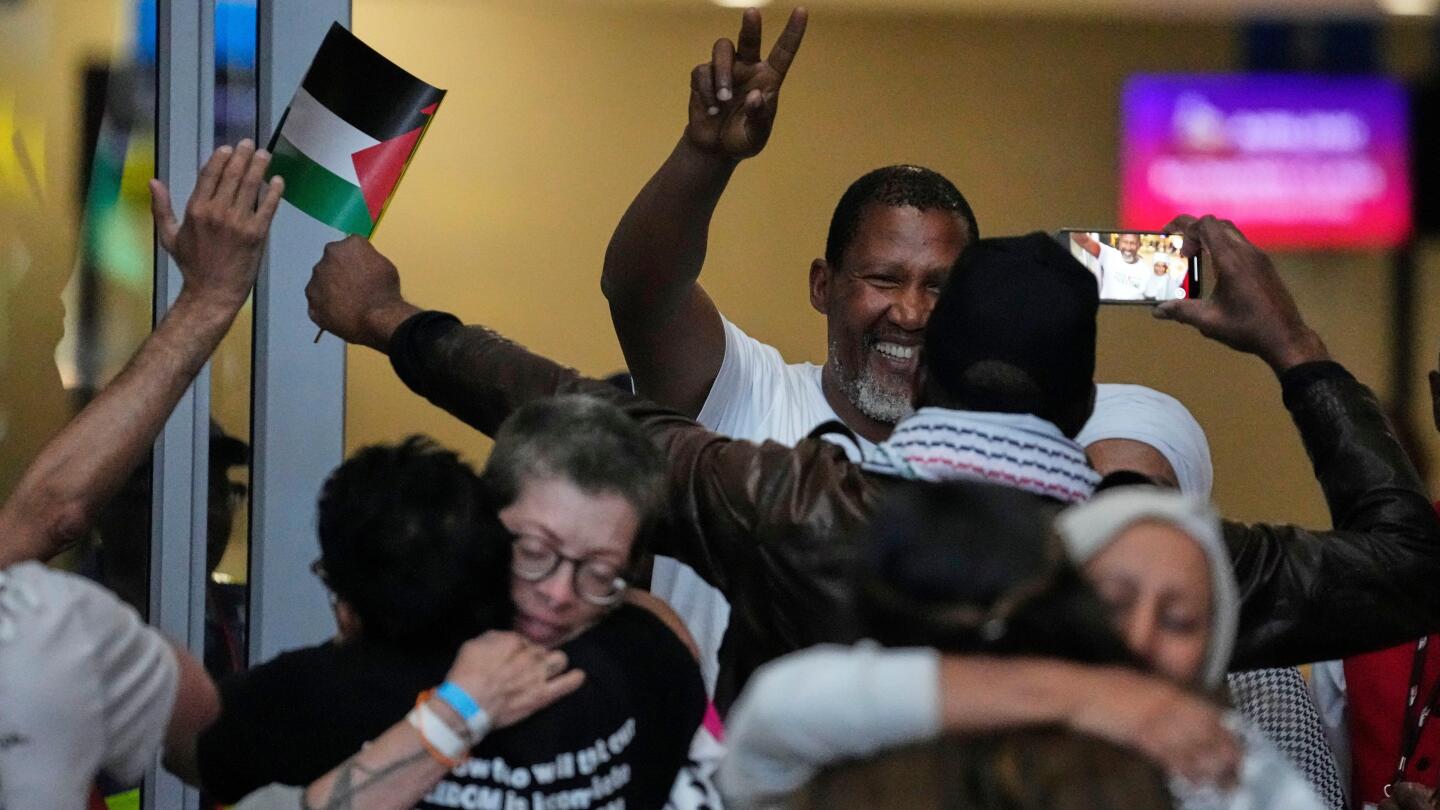
Six South African activists, including a grandson of Nelson Mandela, have accused Israeli authorities of subjecting them to harsher treatment than other detainees during their arrest while attempting to reach Gaza as part of an aid flotilla. The activists, who were detained last week, claimed they were singled out due to South Africa’s role in a genocide case against Israel at the International Court of Justice (ICJ). Speaking at Johannesburg’s OR Tambo Airport upon their return, the activists detailed their ordeal, with two Muslim women alleging their hijabs were forcibly removed and they were forced to strip naked in front of Israeli soldiers. Mandla Mandela, the grandson of South Africa’s anti-apartheid icon, asserted that the activists were targeted because South Africa has challenged Israel’s actions in Gaza through the ICJ. Israel’s Foreign Ministry denied the allegations, stating that all detainees were given the option of voluntary deportation and that their legal rights were fully upheld. The activists were part of the Global Sumud Flotilla, a fleet of 42 boats aiming to break Israel’s naval blockade of Gaza and deliver symbolic aid to the famine-stricken territory. Among the 450 activists arrested were Swedish environmental activist Greta Thunberg and others who also claimed mistreatment. South Africa has long supported the Palestinian cause, drawing parallels between Israel’s treatment of Palestinians and South Africa’s apartheid era. The country’s genocide case against Israel, filed in late 2023, has garnered support from several nations, including Nicaragua, Turkey, and Colombia. Israel has vehemently denied the genocide allegations, accusing South Africa of acting as Hamas’ “legal arm.”
作者: admin
-
Ethiopia accuses Eritrea of preparing for war as Red Sea tensions rise
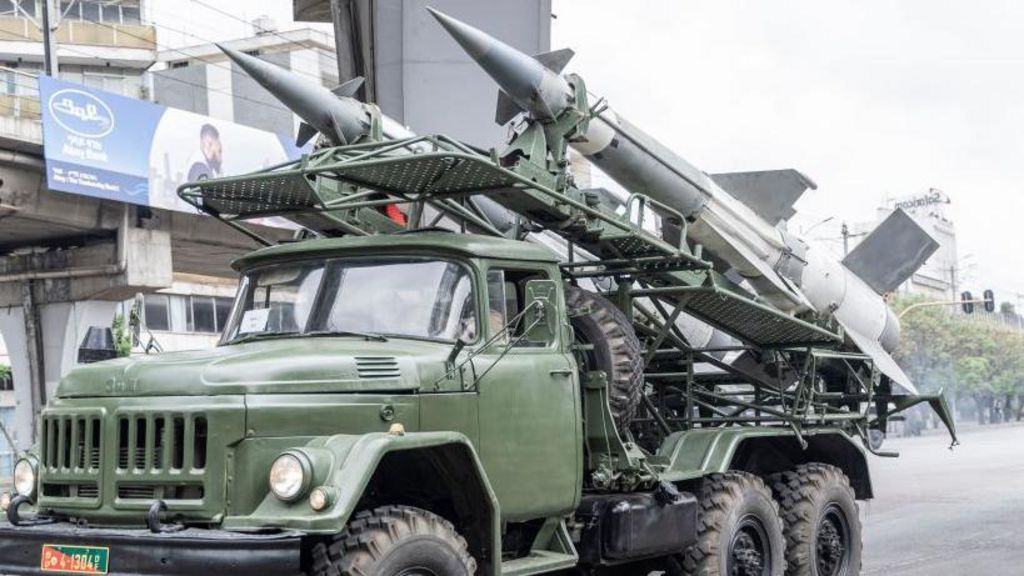
In a dramatic escalation of tensions between Ethiopia and Eritrea, Ethiopia has accused its northern neighbor of conspiring with opposition groups to wage war, according to a letter sent by Ethiopian Foreign Minister Gedion Timothewos to UN Secretary-General Antonio Guterres. The letter alleges that Eritrea, in collaboration with a hardline faction of the Tigray People’s Liberation Front (TPLF), is actively funding and mobilizing armed groups in Ethiopia’s Amhara region. This accusation comes amid growing friction over Ethiopia’s bid to regain access to the Red Sea, a move that has alarmed Eritrea, which controls the coastline since its independence in 1993. The two nations previously fought a brutal border war from 1998 to 2000, which claimed tens of thousands of lives. Although relations improved after Ethiopian Prime Minister Abiy Ahmed took office in 2018, recent developments have reignited hostilities. Ethiopia’s push for Red Sea access has been met with sharp criticism from Eritrea, with its Information Minister Yemane Gebremeskel dismissing Ethiopia’s claims as ‘bizarre and mind-boggling.’ Meanwhile, Ethiopia faces internal unrest, particularly in the Amhara region, where the Fano militia, previously allied with Abiy’s government, is now opposing federal forces. The situation remains volatile, with fears of a broader conflict looming.
-
Biking to Brazil, activists urge greener transport at UN climate talks
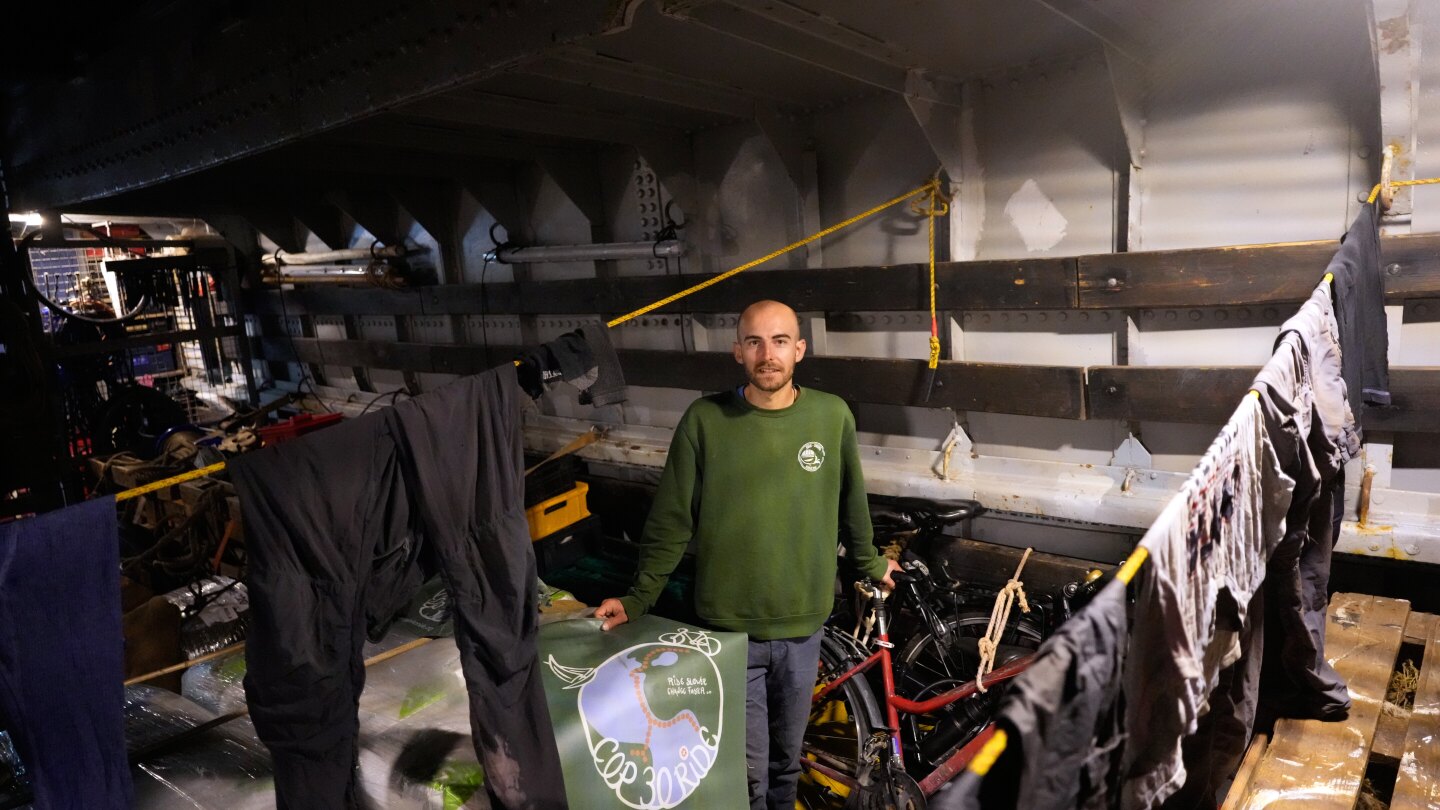
In a bold demonstration of environmental commitment, hundreds of climate activists are cycling thousands of kilometers to attend the United Nations COP30 climate summit in Belém, Brazil, this November. The journey, which began in Azerbaijan—the host of last year’s COP29 summit—has already spanned nearly 8,000 kilometers across Eurasia over 20 weeks. A second group of 200 cyclists covered an additional 1,800 kilometers across northern Europe, while others traversed parts of eastern and southern Africa. The riders, united under the banner of the COP30 Bike Ride, are now sailing from Portugal to Brazil aboard the schooner Avontuur, avoiding air travel to minimize their carbon footprint. The initiative, organized by Dutch activist Jolein Schorel, aims to highlight cycling as a sustainable, healthy, and cost-effective alternative to fossil-fuel-dependent transportation. Schorel emphasized that the journey is not just symbolic but also a practical call for cities to invest in cycling infrastructure. Along the way, the cyclists have engaged with local communities, sharing their mission and inspiring grassroots support. In Zambia, for instance, a young boy offered his only coin to support the riders, a gesture that deeply moved Schorel. The activists plan to present their demands for stronger climate action, particularly in protecting the Amazon rainforest and phasing out fossil fuels, when they arrive in Belém. Their journey underscores the power of collective action and the feasibility of sustainable alternatives in addressing the climate crisis.
-
Germany revises 2025 growth forecast to 0.2%, rising to 1.3% next year
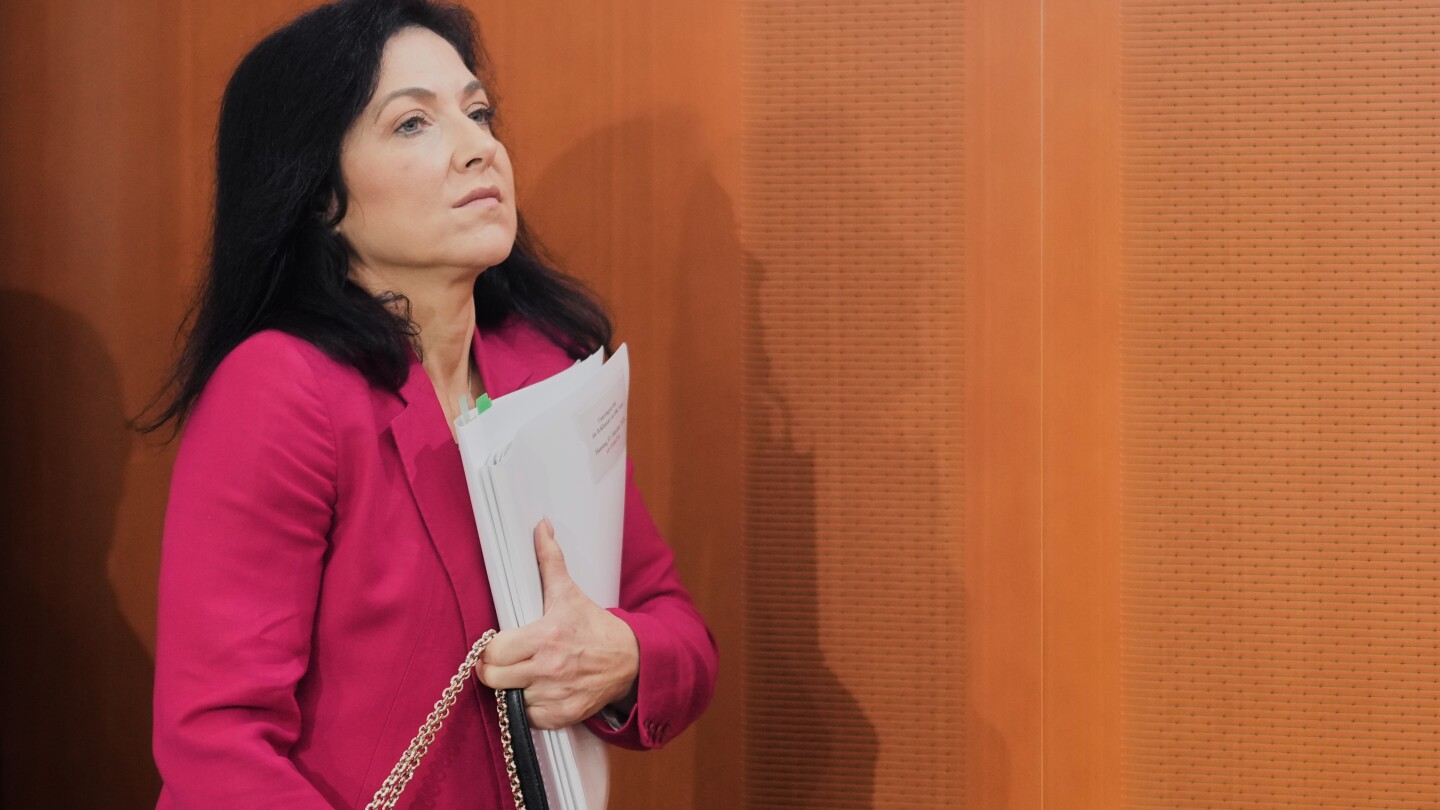
Germany’s newly formed government has unveiled its economic projections, anticipating a modest growth rate of 0.2% for the current year, with forecasts of 1.3% in 2026 and 1.4% in 2027. This outlook marks a slight improvement over the previous administration’s April forecast, which predicted zero growth for 2025 and 1% expansion in 2026. The German economy, which has contracted over the past two years and stagnated for an extended period, is now a focal point for Chancellor Friedrich Merz’s administration, which assumed office in early May. Economy Minister Katherina Reiche emphasized the urgency of addressing competitiveness and innovation, stating, ‘We need to act, now.’ She highlighted that a significant portion of the projected growth hinges on swift government spending, which requires accelerated planning and approval processes—areas where Germany has historically lagged. Reiche also stressed the need for comprehensive reforms, including reducing energy costs, fostering private investment, lowering the tax burden, dismantling bureaucratic hurdles, opening markets, and enabling innovation. To bolster economic revitalization, Merz’s government has initiated a program to encourage investment and established a 500 billion-euro ($584 billion) fund aimed at modernizing Germany’s aging infrastructure over the next 12 years. Additionally, the administration has pledged to streamline regulatory processes and expedite the country’s digital transformation. In a show of confidence, a consortium of companies committed in July to invest at least 631 billion euros in Germany over the next three years, including some previously planned investments. Despite Germany’s historical dominance in global trade, particularly in engineered products like industrial machinery and luxury cars, the nation faces mounting challenges, including competition from Chinese manufacturers and external risks such as tariffs and trade threats from the U.S. under former President Donald Trump.
-
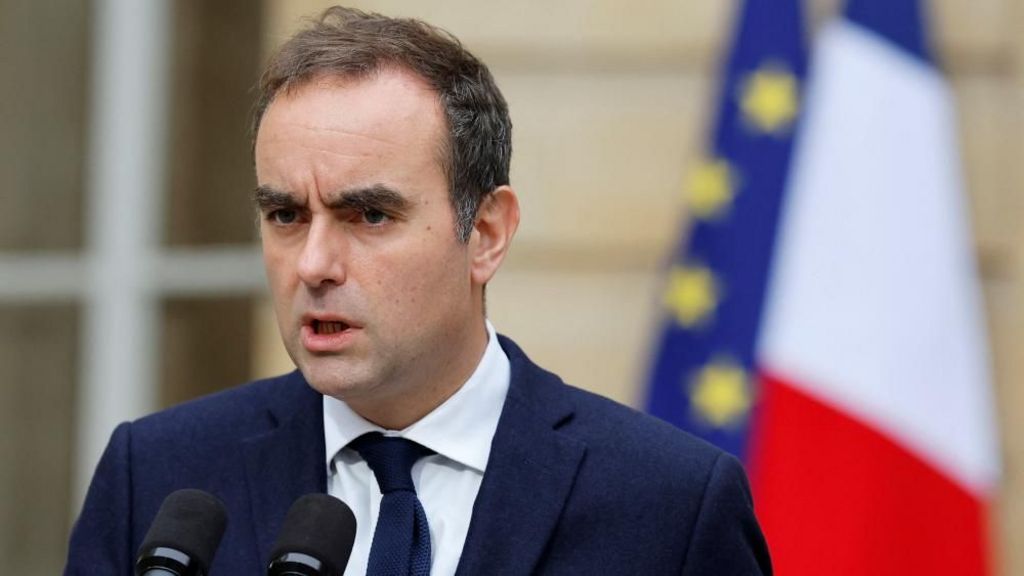
Crunch moment in French crisis as outgoing PM tries to avert new election
In the midst of France’s deepening political crisis, outgoing Prime Minister Sébastien Lecornu expressed cautious optimism about the possibility of passing a budget before the year’s end. Lecornu, who became the third French prime minister to resign in less than a year, has been tasked with finding a solution to stabilize the country by Wednesday evening. His resignation on Monday plunged France into renewed political uncertainty, just 18 months before President Emmanuel Macron’s second term concludes. Macron’s decision to call snap elections in mid-2024 resulted in a hung parliament and a series of minority governments, further complicating the political landscape. Lecornu, who served only 26 days before his government collapsed, has been engaging with various political parties to forge a path forward. He noted a ‘willingness’ among parties to pass a budget by December 31, which could reduce the likelihood of dissolving parliament. However, challenges remain, as Socialist leader Olivier Faure ruled out his party’s participation in any government led by Macron’s allies, citing irreconcilable differences over the budget plan. Meanwhile, the hard-right National Rally, led by Marine Le Pen, has called for new parliamentary elections. Lecornu’s best hope appears to be forming a centrist coalition with the conservative Republicans, though their participation is uncertain. National Assembly President Yaël Braun-Pivet warned of ‘very serious consequences’ if a budget deal is not reached soon. Lecornu emphasized the importance of reducing France’s budget deficit, which currently stands at 5.4% of GDP, to maintain the country’s credibility and borrowing capacity. Additionally, he highlighted the need to address the future of New Caledonia, France’s South Pacific territory, which has been seeking greater autonomy. The planned 2026 budget included financial aid for New Caledonia following last year’s riots, but Lecornu’s resignation has delayed the referendum and provincial elections scheduled for next year.
-
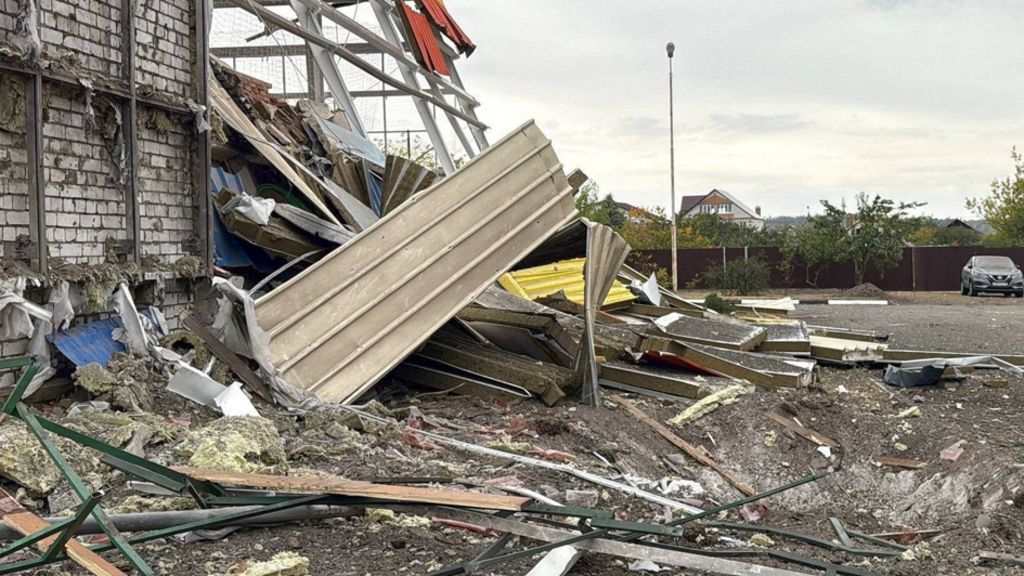
Three killed in latest Ukrainian strike on Russia’s Belgorod region
The Russian border region of Belgorod has been struck by a series of devastating attacks from Ukraine, resulting in significant casualties and widespread damage. Vyacheslav Gladkov, the governor of Belgorod, confirmed that three people were killed and at least nine others injured in the latest assault on the village of Maslova Pristan early Wednesday. Emergency teams are still searching for survivors trapped under the rubble. This marks the third consecutive day of attacks on the region, leaving thousands without power and claiming multiple lives. Ukraine has not officially commented on the strikes but has consistently targeted Russian territories, including Belgorod, since the conflict began four years ago. Gladkov shared images on Telegram showing the destruction of a sports center in Maslova Pristan, with its roof and walls blown apart. Nearby, in Moshchenoye, six people, including a child, were injured when a rocket and drone hit a truck, while a man was hurt in Masychevo after a car was struck. The recent attacks have caused blackouts and structural damage across Belgorod, with nearly 40,000 residents affected by power outages in seven municipalities. Verified videos by BBC Verify show explosions and fires near a local power station. Meanwhile, Ukraine has intensified its strikes on Russian oil refineries, targeting at least 21 of Russia’s 38 major refineries since January, leading to fuel shortages and price hikes. On the other side, Russia continues its assaults on Ukraine, with Ukrainian air forces reporting the interception of 154 drones, though 22 still struck targets in 11 locations. Ukrainian President Volodymyr Zelensky has announced new funding to repair damaged energy infrastructure and prepare for winter, emphasizing the need to support communities facing immense hardship.
-
COMESA states urged to align tax policies with regional commitments
The Common Market for Eastern and Southern Africa (COMESA), a 21-member regional economic bloc, has called on its member states to align their domestic tax policies with regional commitments and dismantle protectionist measures that impede cross-border investment and disrupt supply chains. This appeal was made during the 18th COMESA Business Forum held in Nairobi, Kenya, where leaders emphasized the detrimental effects of local taxes and levies on intra-regional imports, which distort markets and undermine free trade principles. Kenya’s Deputy President, Kithure Kindiki, warned that such practices could reverse years of progress toward regional integration and shared prosperity. He urged member states to prioritize agriculture, digitalization, and partnerships as key drivers of economic transformation. Kindiki also highlighted Kenya’s upcoming chairmanship of COMESA, during which the country aims to boost intra-regional trade, currently at a low 17 percent, by moving beyond raw material exports to higher-value, processed goods. He stressed that value addition incentivizes industrialization, enhances productivity, and promotes competitiveness. Kindiki called for a new era of regional integration anchored on digital transformation and value chain development, emphasizing the importance of empowering people, leveraging technology, and fostering collaboration. Hitesh Mediratta, Vice Chair of the Kenya Association of Manufacturers, echoed these sentiments, warning that rising domestic taxes and excise duties on intermediate and raw materials risk disrupting regional markets and discouraging cross-border investment. He called for urgent alignment of national tax regimes with regional commitments to protect the integrity of free trade within COMESA. Lee Kinyanjui, Kenya’s Cabinet Secretary for Investments, Trade, and Industry, noted that improving regional trade, digital connectivity, and the free movement of people are crucial to unlocking COMESA’s economic potential. He lauded Kenya’s recent decision to abolish visa requirements for all Africans, which he said would enhance business mobility and cross-border trade. COMESA Secretary General Chileshe Kapwepwe highlighted that most trade constraints could be addressed through political will, citing integrated border management systems and smart border technologies as key solutions.
-
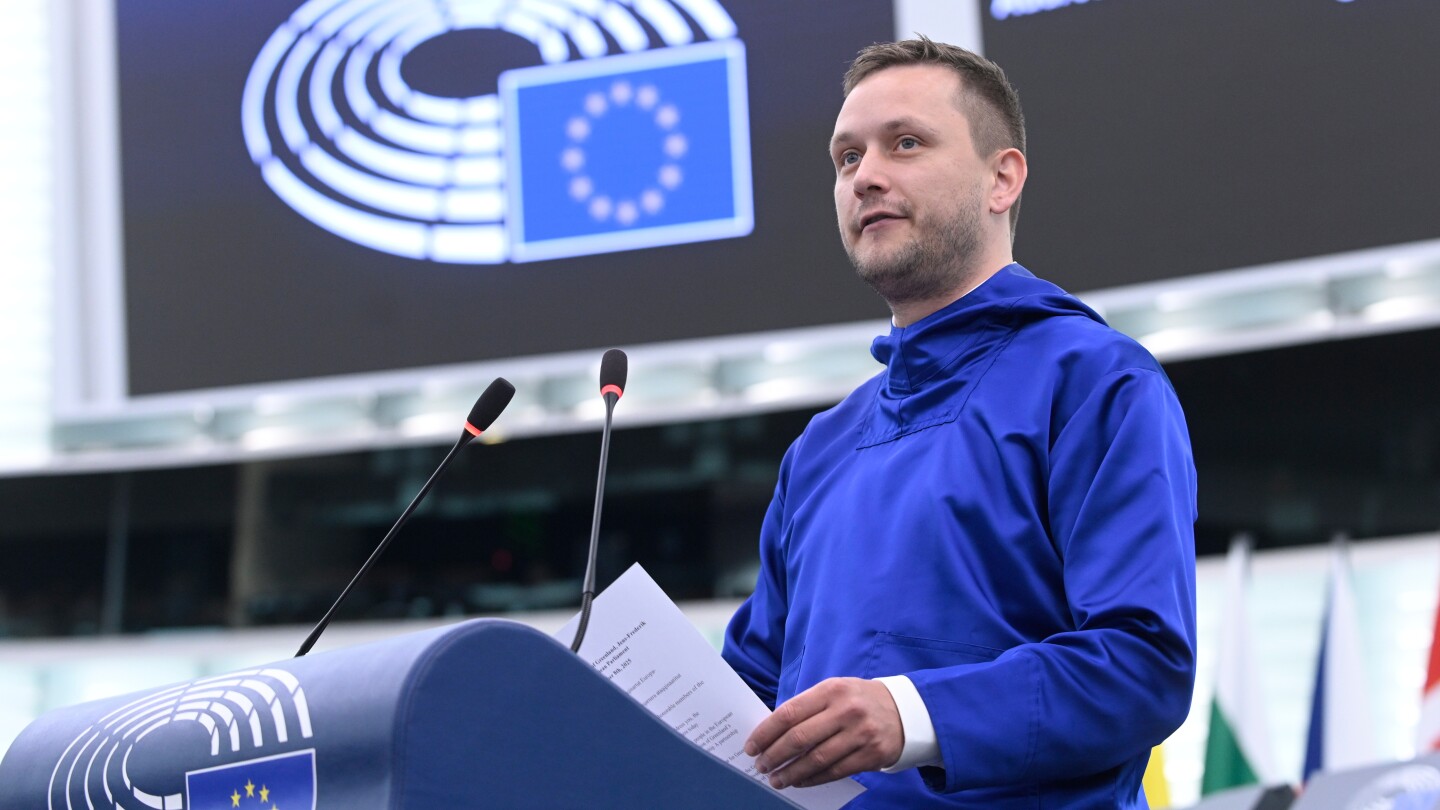
Greenland’s leader hails EU as trusted friend and urges investment in its minerals
In a significant address to the European Parliament in Strasbourg, Greenland’s Prime Minister Jens-Frederik Nielsen expressed gratitude to the European Union for its enduring partnership and called for increased investment in the Arctic island’s mineral resources, renewable energy, and infrastructure. Nielsen, 34, described 2025 as a pivotal year for Greenland, emphasizing the challenges posed by climate change while avoiding mention of former U.S. President Donald Trump’s controversial remarks about acquiring the territory. He highlighted the EU’s role as a “stable, reliable, and important partner” for over four decades, extending a heartfelt thanks for its support during challenging times. Greenland, once a Danish colony, became a self-governing entity in 2009 but remains part of the Danish realm. Nielsen underscored the island’s abundance of critical raw minerals sought by the EU, noting the capital-intensive nature of mining. He also urged investment in hydroelectricity, telecommunications, and the construction of two regional airports, emphasizing the need for trusted operators to ensure infrastructure stability. The speech concluded with a standing ovation from lawmakers as Nielsen thanked the EU for being a “trusted friend of Greenland.”
-

Fans mourn death of popular Punjabi singer Rajvir Jawanda
The untimely demise of Rajvir Jawanda, a beloved Punjabi singer, actor, and former police officer, has sent shockwaves through his vast fanbase and the music community. Jawanda, 35, passed away on Wednesday, succumbing to severe injuries sustained in a motorcycle accident in Himachal Pradesh’s Solan district. The incident occurred when his bike reportedly collided with cattle, causing him to lose control. His death has sparked an outpouring of grief from fans, politicians, and fellow artists, who remember him as a cultural icon and a voice of Punjab’s youth. Jawanda’s music, which blended traditional Punjabi rhythms with modern storytelling, resonated deeply with listeners. His YouTube channel boasted over 900,000 subscribers, and his music videos garnered millions of views. Known for his catchy beats and relatable lyrics, Jawanda’s songs became dance anthems in clubs across the region. Beyond music, he also acted in Punjabi films and was admired for his clean image, steering clear of controversies and avoiding themes of drugs and violence prevalent in some Punjabi rap. A passionate biker, Jawanda often shared videos of his adventures in north India’s mountainous terrains, embodying an adventurous spirit. His death has reignited calls for improved road safety in India, with fans expressing anger over the country’s hazardous road conditions. Jawanda’s journey to stardom was unconventional. Born into a family with ties to law enforcement, he initially pursued a career in the Punjab police, serving as a constable for nine years. However, his love for music, cultivated since childhood through exposure to Punjabi folk ballads, eventually led him to transition into a full-time singer. His breakout came after one of his songs went viral, propelling him into the spotlight. Despite his fame, Jawanda remained grounded, actively supporting the 2020 farmers’ protests and using his platform to amplify their voices. His passing leaves a void in Punjab’s music industry and the hearts of his fans. Tributes poured in from political leaders, with Punjab’s Aam Aadmi Party senior leader Manish Sisodia praising his “soulful voice” and former Chief Minister Amarinder Singh acknowledging the impact of his music on countless lives.
-
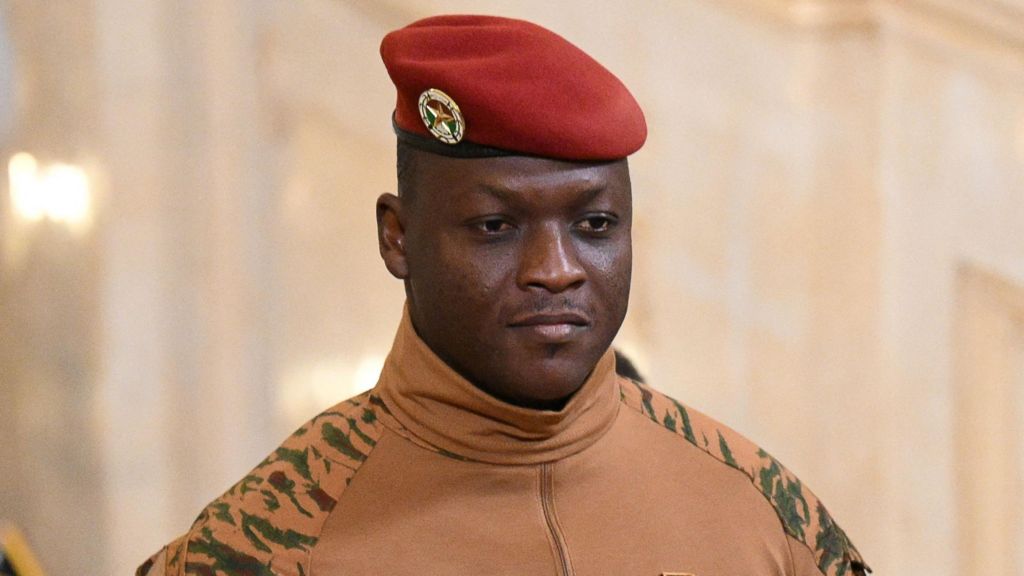
Burkina Faso junta detains NGO workers for ‘spying’
Burkina Faso’s military government has escalated tensions with Western aid organizations by arresting eight members of a Dutch-based humanitarian group, accusing them of espionage and treason. The detainees include three Europeans, a Malian, and four Burkinabé nationals, among them the NGO’s country director and deputy. The arrests, which occurred earlier but were only recently disclosed, have sparked a heated dispute between the junta and international aid groups. Security Minister Mahamadou Sana alleged that the NGO had collected and transmitted sensitive security information to foreign powers, posing a threat to national security. The International NGO Safety Organisation (INSO), which supports aid workers with safety data, has firmly denied the accusations. Anthony Neal, a representative of the NGO, revealed that the country director had been detained since July, when the organization was suspended for allegedly gathering unauthorized sensitive data. The remaining seven individuals were arrested subsequently. Neal emphasized that the NGO’s activities had ceased upon suspension and that the information collected was non-confidential and intended solely for humanitarian worker safety. He expressed efforts to engage with the government to resolve misunderstandings, highlighting the critical need for safety information amid a record number of aid worker fatalities globally. Burkina Faso’s military government, led by Capt Ibrahim Traore, has faced criticism for its strained relations with Western nations since seizing power in a coup three years ago. In response to a worsening Islamist insurgency, the junta has shifted its military alliance from France to Russia, while human rights groups accuse the regime of civilian abuses and suppressing political dissent.