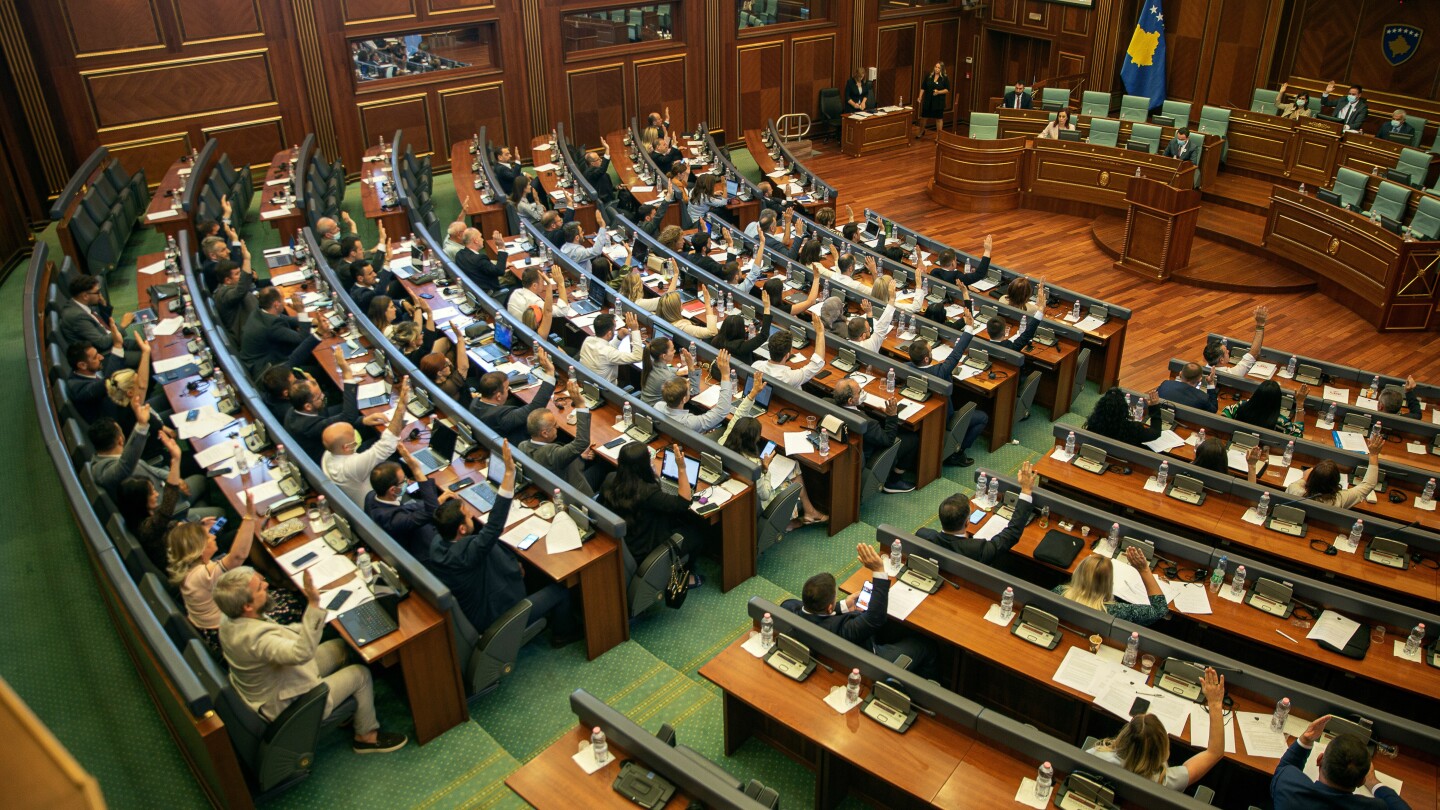
In a significant development, Kosovo’s Parliament resolved an eight-month political impasse on Friday by electing its full leadership, including a representative from the ethnic Serb minority. This crucial step paves the way for the formation of a new government. While the Parliament had already chosen its top officials in August, including a speaker from the left-wing Self-Determination Movement (Vetevendosje!), it had previously failed to elect a Serb minority representative, a constitutional requirement. Nenad Rasic, from the small ethnic Serb party For Freedom, Justice and Survival, was elected as deputy speaker with 71 votes in favor. However, all nine lawmakers from the main Serb party, Srpska Lista, voted against, and 24 members from two smaller right-wing ethnic Albanian parties abstained. Srpska Lista, which holds nine of the ten seats reserved for the Serb minority, is closely aligned with Serbian President Aleksandar Vucic and his government in Belgrade. Many Kosovo Albanians view this relationship as a potential catalyst for ethnic tensions. The breakthrough came after a Constitutional Court ruling on Wednesday, which urged lawmakers to resolve the stalemate within 12 days. The prolonged deadlock began after inconclusive elections on February 9, where Vetevendosje!, led by acting Prime Minister Albin Kurti, won 48 out of 120 seats, falling short of the 61 needed to govern alone. Kurti, as the leader of the largest party, now has 15 days to form a Cabinet, which must then gain parliamentary approval. If he fails twice, Kosovo could face early elections. A new government is urgently needed to address economic challenges and restart EU-facilitated talks on normalizing relations with Serbia. Kosovo also faces municipal elections on October 12. The 1998-1999 Kosovo War, which claimed around 11,400 lives, mostly ethnic Albanians, ended with a 78-day NATO air campaign that forced Serbian forces out. Kosovo declared independence from Serbia in 2008, but its statehood remains unrecognized by Serbia, Russia, and China, keeping it a focal point of regional tensions.
作者: admin
-
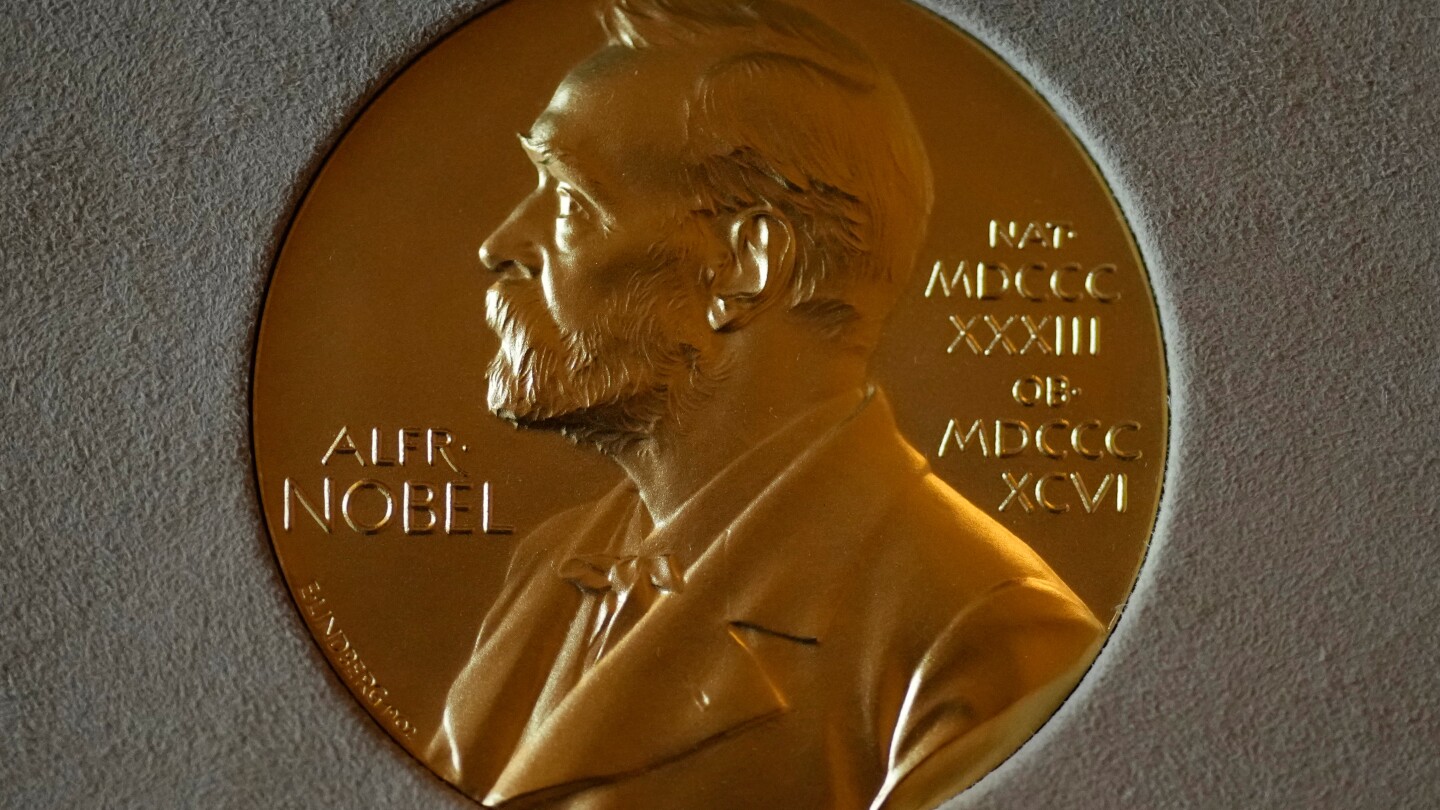
A list of this year’s Nobel Prize winners so far
The Nobel Prize announcements for 2023 reached their climax on Friday with the awarding of the Nobel Peace Prize to Venezuelan opposition leader María Corina Machado. This marked the conclusion of a week filled with prestigious recognitions across various fields, leaving only the economics prize, which will be announced on Monday. The peace prize is uniquely awarded in Oslo, Norway, while the other categories are celebrated in Stockholm, Sweden. The official award ceremony is scheduled for December 10, commemorating the death of Alfred Nobel, the founder of the prizes.
This year’s Nobel laureates have made groundbreaking contributions to their respective fields. On October 6, the Nobel Prize in Medicine was awarded to Mary E. Brunkow, Fred Ramsdell, and Dr. Shimon Sakaguchi for their pioneering research on regulatory T cells, a discovery that has advanced the understanding and treatment of autoimmune diseases like Type 1 diabetes and lupus. Their work has also paved the way for improved organ transplant success and cancer therapies.
On October 7, the Nobel Prize in Physics honored John Clarke, Michel H. Devoret, and John M. Martinis for their exploration of quantum tunneling, a phenomenon that has enabled ultrasensitive measurements in MRI machines and laid the foundation for faster computing and advanced technology.
The Nobel Prize in Chemistry, awarded on October 8, recognized Susumu Kitagawa, Richard Robson, and Omar M. Yaghi for their development of molecular structures capable of trapping gases. Their work holds promise for addressing global challenges, such as reducing greenhouse gases and harvesting moisture in arid environments.
In literature, Hungarian writer László Krasznahorkai was awarded the Nobel Prize on October 9 for his surreal and anarchic novels, which the judges praised for their artistic power amidst ‘apocalyptic terror.’ Krasznahorkai, a vocal critic of Hungarian Prime Minister Viktor Orbán, has authored over 20 books, including ‘The Melancholy of Resistance’ and ‘Baron Wenckheim’s Homecoming.’
The week concluded with the Nobel Peace Prize being awarded to María Corina Machado, a unifying figure in Venezuela’s opposition movement. Machado, who was disqualified from last year’s presidential election, has faced significant repression from Nicolás Maduro’s government. Her current whereabouts remain unknown, raising questions about her attendance at the December ceremony. Machado is the 20th woman to receive the Nobel Peace Prize, joining 112 individuals honored in this category.
-
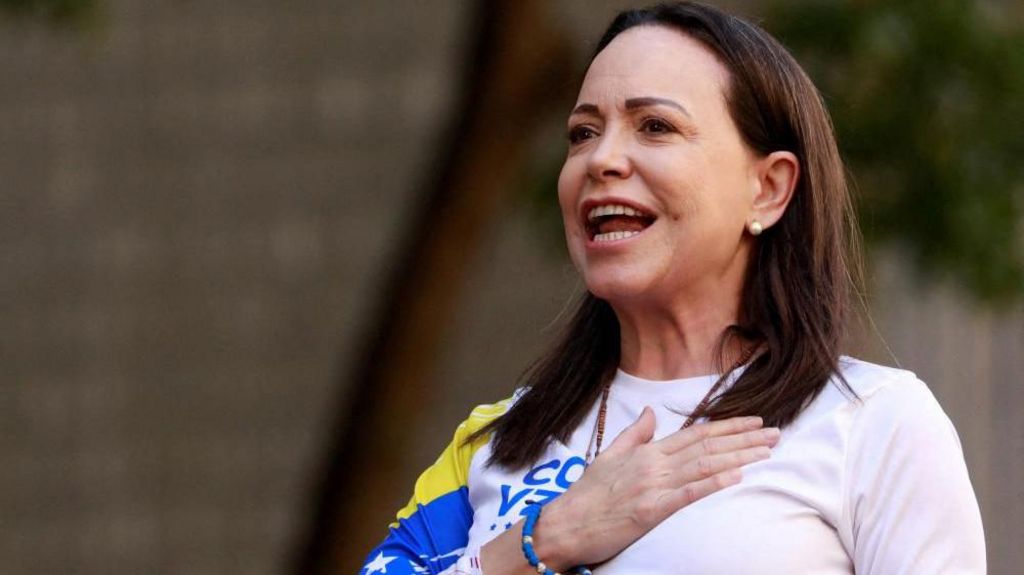
Venezuelan opposition leader María Corina Machado wins Nobel Peace Prize
Venezuelan opposition leader and pro-democracy activist María Coria Machado has been honored with the 2025 Nobel Peace Prize, recognized for her unwavering commitment to democratic rights and her courageous stand against authoritarian rule in Venezuela. The Nobel Committee lauded Machado as “one of the most extraordinary examples of civilian courage in Latin America in recent times,” highlighting her relentless efforts to foster a peaceful transition from dictatorship to democracy. Machado, 58, has faced severe threats to her life and has been forced into hiding for much of the past year, yet she remains a unifying figure in Venezuela’s deeply divided political opposition. Her work has been instrumental in addressing the humanitarian and economic crises plaguing the nation under President Nicolás Maduro’s 12-year rule, widely regarded as illegitimate by the international community. Despite being barred from running in the 2024 presidential election, Machado successfully rallied support for Edmundo González, the opposition candidate who reportedly won by a landslide, though the government-controlled National Electoral Council declared Maduro the victor. In a video message, Machado expressed humility, stating that the award was “the achievement of a whole society.” González praised the recognition as “well-deserved” for Machado and the Venezuelan people’s long struggle for freedom. Nobel Committee chairman Jørgen Watne Frydnes criticized Venezuela’s leadership and warned of global democratic decline, emphasizing the abuse of power, suppression of free media, and the rise of authoritarianism. Frydnes expressed hope that Machado could attend the December award ceremony in Oslo, despite security concerns. The 2025 Nobel Peace Prize saw 338 nominees, with U.S. President Donald Trump among those who missed out, despite his public campaign for the award. Frydnes affirmed that the committee’s decision was based solely on the criteria set by Alfred Nobel, with Machado embodying “hope for the future.”
-
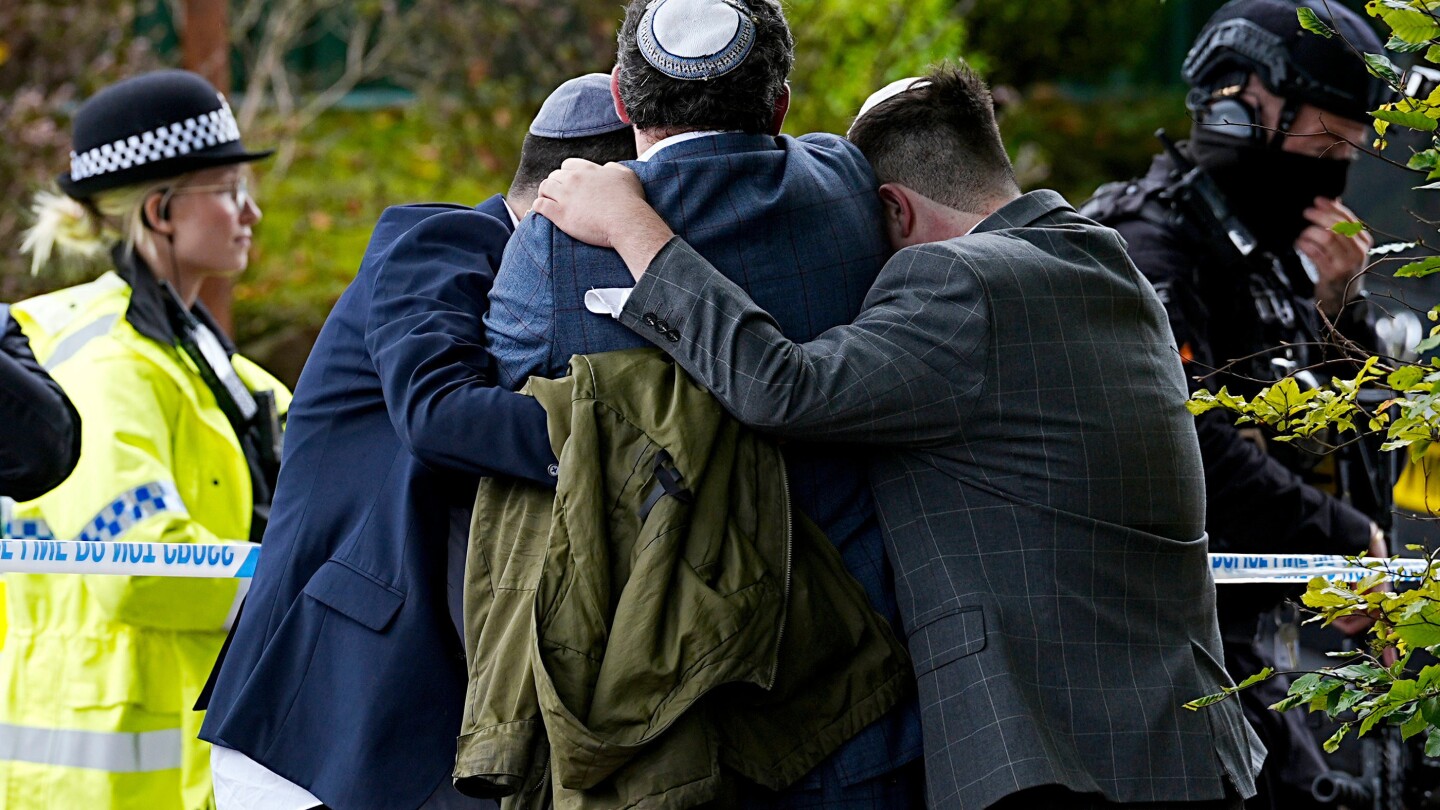
Fear and vigilance rise as attacks on houses of worship intensify worldwide
In recent years, places of worship worldwide have become targets of violent attacks, shattering the sanctity and safety these spaces traditionally provide. From synagogues in England and the U.S. to mosques in New Zealand and Sikh temples in Wisconsin, these incidents have left communities grappling with fear and anxiety. The October 2 attack on a Manchester synagogue, allegedly carried out by an Islamic State sympathizer, resulted in two deaths, followed by a suspected arson attack on a mosque in an English coastal town. These events have intensified concerns among clergy and worshippers globally. Security measures have been heightened, with synagogues in Germany surrounded by barriers and armed police, while U.S. houses of worship employ layered security strategies, including guards, cameras, and access control systems. Despite these efforts, the question remains: Can believers feel safe continuing to worship together? Religious leaders emphasize the need for balanced security measures that do not compromise the welcoming nature of these spaces. In the U.S., the Nonprofit Security Grant Program aids in funding security upgrades, while in Britain, Prime Minister Keir Starmer has pledged increased police presence at synagogues. However, addressing the root causes of hate speech and incitement is equally critical. As attacks on places of worship continue to rise, communities worldwide are calling for both immediate security enhancements and long-term solutions to combat the underlying hatred fueling these acts of violence.
-
Burkina Faso rejects proposal to accept deportees from the US
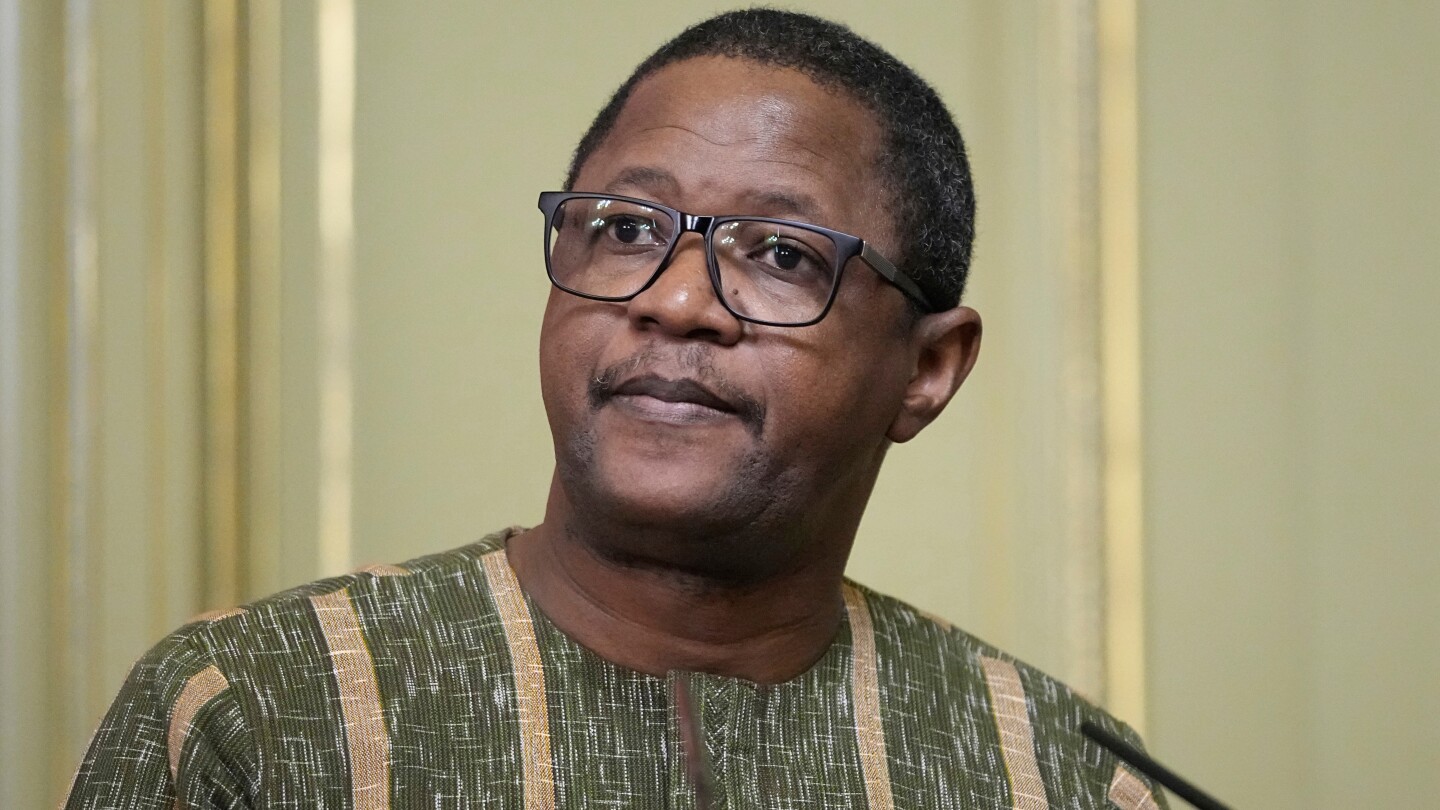
Burkina Faso has firmly declined a proposal from the Trump administration to accept deportees from the United States, labeling the request as ‘indecent’ and inconsistent with the nation’s values. Foreign Minister Karamoko Jean-Marie Traoré announced the decision on national television, emphasizing that the proposal contradicted the vision of dignity upheld by the country’s military leader, Capt. Ibrahim Traoré. The rejection came shortly after the U.S. Embassy in Ouagadougou suspended most visa services for Burkinabe residents, redirecting applications to its embassy in Togo. While the embassy did not provide a reason for the suspension, Traoré suggested it might be a ‘pressure tactic’ linked to the deportation proposal. He reiterated that Burkina Faso is ‘a land of dignity, not deportation.’ The U.S. Embassy and Department of Homeland Security have yet to comment on the matter. This development follows the Trump administration’s broader efforts to establish third-country deportation agreements with several African nations, including Eswatini, South Sudan, Rwanda, and Ghana. Human Rights Watch has reported that financial incentives were offered to some countries to accept deportees, raising concerns about the ethical implications of such deals. Deportees in some of these nations have faced harsh conditions, with lawsuits filed against governments for alleged mistreatment.
-
Suspected plot to attack Belgian PM foiled
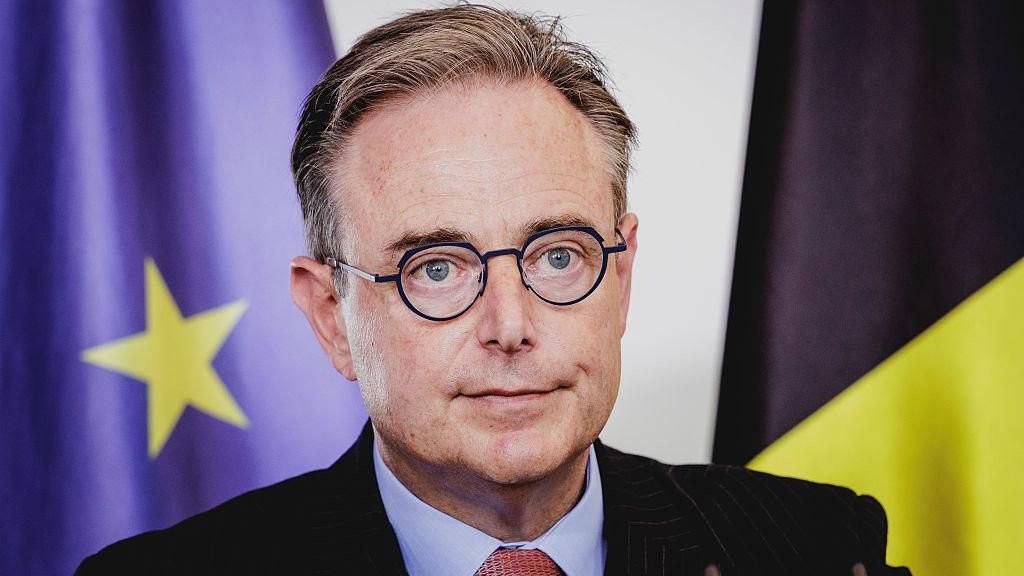
Belgian authorities have thwarted a potentially devastating terrorist plot targeting Prime Minister Bart de Wever and other high-profile politicians. Three individuals, aged between 16 and 22, were arrested in Antwerp on suspicion of planning a jihadist-inspired attack. During searches near the prime minister’s private residence in Deurne, investigators uncovered an improvised explosive device (IED), a bag of steel balls, and a 3D printer, with evidence suggesting the suspects intended to use a drone to deliver an explosive payload. Deputy Prime Minister Maxime Prevot confirmed de Wever was among the intended targets, calling the plot ‘extremely shocking’ and a stark reminder of the persistent terrorist threat. One suspect has been released, while the other two remain in custody and are expected to face court proceedings. Federal prosecutor Ann Fransen revealed that Belgium has seen a significant rise in terrorism investigations this year, with 80 cases already opened, surpassing the total for 2024. This incident follows a 2023 plot against de Wever, which resulted in five convictions earlier this year.
-
Zimbabwe lawmaker and poet dies after his car hits an elephant
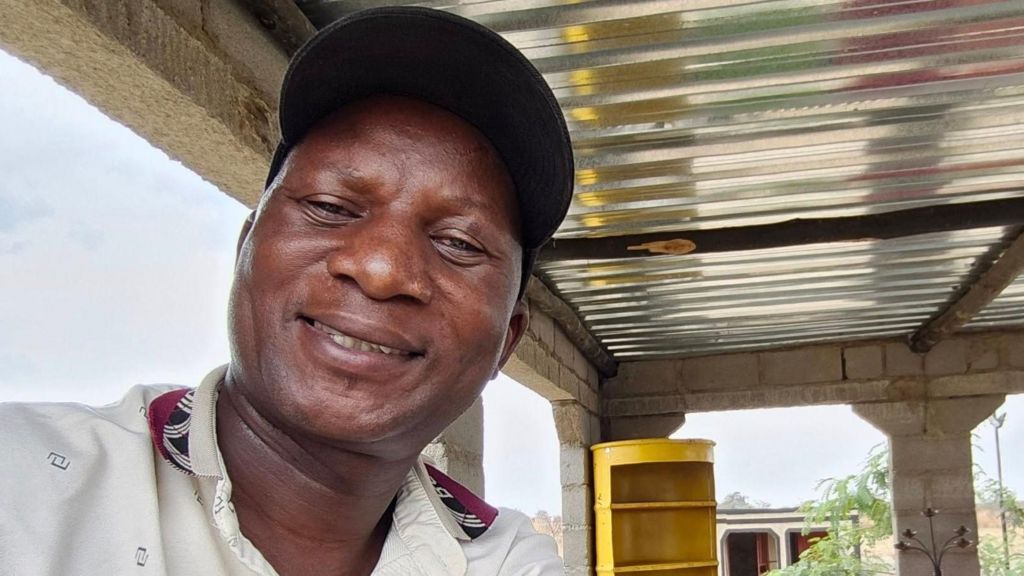
Zimbabwean opposition lawmaker and celebrated poet Desire Moyo tragically lost his life in a fatal accident early Friday morning when the vehicle he was traveling in collided with an elephant. The incident occurred on the Bulawayo-Gweru highway, as reported by the state-owned broadcaster ZBC. Moyo, who was a day shy of his 46th birthday, died instantly, while four fellow Members of Parliament sustained injuries and were hospitalized. Moyo, affectionately known as Moyoxide, was a prominent figure in Zimbabwe’s political and cultural spheres. He represented the Nkulumane Constituency in Bulawayo and was a member of the opposition Citizens Coalition for Change (CCC), led by Nelson Chamisa. He also served on the parliamentary committee for sport, recreation, arts, and culture. Tributes have flooded in for the award-winning poet, educator, and arts administrator, who was widely recognized for his dedication to nurturing Zimbabwe’s creative sector. Fellow lawmaker Caston Matewu described Moyo as ‘one of the hardest working MPs in Parliament,’ while the City of Bulawayo, led by Mayor David Coltart, hailed him as an ‘iconic leader and creative’ who championed the arts both locally and nationally. The Nkulumane Constituency expressed its ‘deep sorrow and profound shock’ over the loss of their representative. The tragic accident has left Zimbabwe mourning the loss of a multifaceted leader whose contributions to politics and the arts will be deeply missed.
-
US to send 200 troops to Israel to monitor Gaza ceasefire
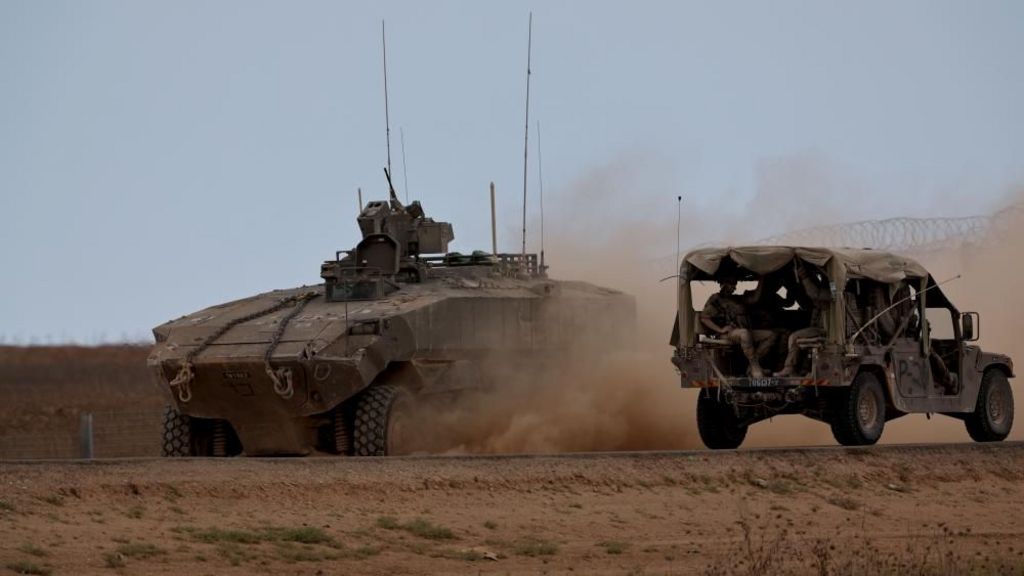
The United States is set to relocate up to 200 troops currently stationed in the Middle East to Israel to assist in monitoring the ceasefire in Gaza, according to US officials. This move is part of a broader initiative to establish a multinational taskforce in Israel, referred to as a civil-military coordination center. The taskforce is expected to include forces from Egypt, Qatar, Turkey, and the UAE. A senior official emphasized that no US troops will enter Gaza, clarifying that their role is to create a Joint Control Center to integrate the multinational force. The Israeli government has approved the initial phase of a Gaza deal with Hamas, which has resulted in a ceasefire and the release of hostages and prisoners. The taskforce, led by US Central Command (Centcom), will oversee the ceasefire agreement’s progress and coordinate humanitarian assistance. The multinational force will communicate ground situations and potential truce violations to both Israel and Hamas through Egypt and Qatar. The force is being established under the leadership of Admiral Brad Cooper, head of Centcom, who participated in indirect talks in Egypt earlier this week. These talks culminated in US President Donald Trump’s announcement that Israel and Hamas had agreed to the first phase of a peace plan he unveiled last week. Trump’s 20-point Gaza plan includes the US collaborating with Arab and international partners to form a temporary International Stabilisation Force for immediate deployment in Gaza, contingent upon the completion of a hostage and prisoner exchange. The conflict began with Hamas’s attacks on Israel on October 7, 2023, which resulted in approximately 1,200 deaths and 251 hostages. Israel’s subsequent military offensive has reportedly killed over 67,000 Palestinians in Gaza, including more than 20,100 children, according to the Hamas-run health ministry, with these figures deemed reliable by the UN and other international bodies.
-
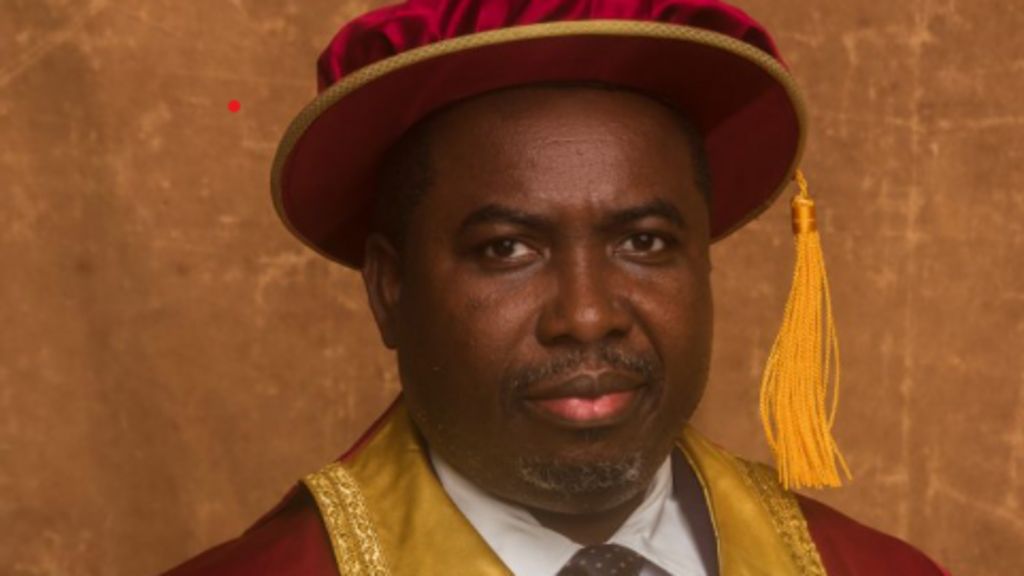
Nigeria names ‘apolitical’ law professor as new electoral chief
In a significant move to address growing concerns over Nigeria’s electoral system, President Bola Tinubu has nominated Joash Ojo Amupitan, a distinguished law professor, as the country’s new electoral chief. The nomination, announced on Thursday by presidential spokesman Bayo Onanuga, awaits confirmation by the senate. If approved, the 58-year-old scholar from Kogi state would become the first native of the north-central region to lead the Independent National Electoral Commission (INEC). Amupitan, currently serving as the deputy vice-chancellor at the University of Jos, brings over three decades of academic and legal expertise to the role. His nomination follows the departure of Professor Mahmood Yakubu and comes at a critical juncture for INEC, which faces mounting demands for greater transparency, technological advancements, and faster election result announcements. Amupitan, recognized as a Senior Advocate of Nigeria (SAN) in 2014, has focused his academic work on public law, corporate governance, and electoral law reform. His appointment is seen as a potential turning point for Nigeria’s electoral process, with hopes that his expertise will restore voter confidence, strengthen the integrity of the voter register, and ensure technology enhances electoral outcomes. Opposition parties, including the African Democratic Congress (ADC), have urged Amupitan to prioritize public trust over political loyalty, while the ruling All Progressives Congress (APC) has endorsed him as the ‘perfect choice’ for the role. If confirmed, Amupitan’s first major task will be overseeing the Anambra governorship election scheduled for next month.
-
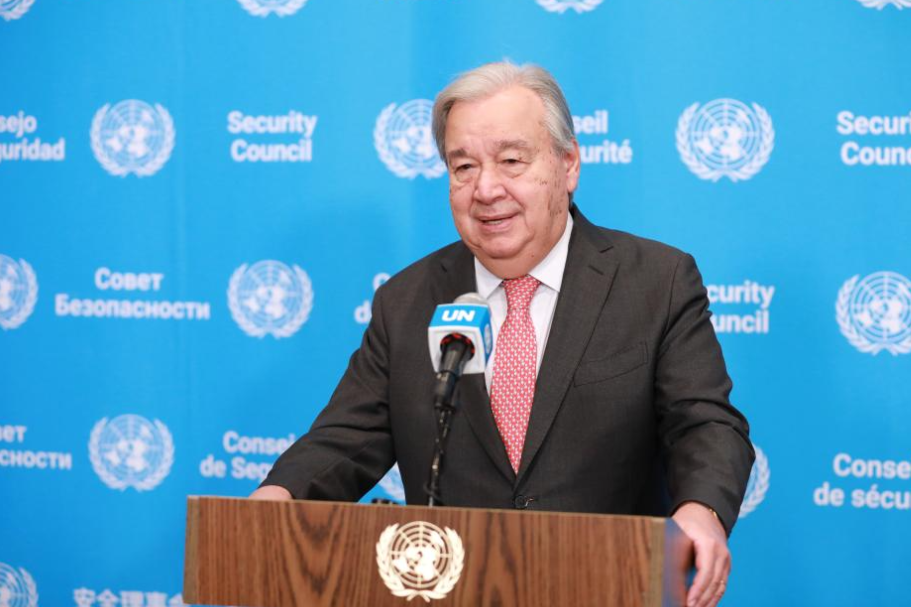
UN ready to scale up humanitarian relief to Gazans following ceasefire deal: Guterres
UN Secretary-General Antonio Guterres announced on Thursday that the United Nations is poised to significantly enhance humanitarian assistance to Gaza in the wake of a newly brokered ceasefire agreement. Speaking to reporters at the UN headquarters in New York, Guterres emphasized the organization’s readiness to mobilize resources immediately. ‘The United Nations will provide its full support. We and our partners are prepared to act now,’ he stated. ‘We have the expertise, distribution networks, and community relationships in place. Supplies are ready, and our teams are on standby. We can scale up food, water, medical, and shelter assistance without delay.’ Guterres underscored that the cessation of hostilities alone is insufficient to ensure lasting progress. ‘We need full, safe, and sustained access for humanitarian workers; the removal of bureaucratic obstacles; and the reconstruction of damaged infrastructure. Additionally, UN Member States must ensure that humanitarian operations are adequately funded to address the immense needs,’ he added. The UN chief highlighted the ceasefire as a pivotal moment for both Israelis and Palestinians, urging all parties to seize this opportunity to forge a credible political path toward peace. ‘This agreement offers a glimmer of relief, which must evolve into the dawn of peace and the beginning of the end of this devastating war,’ Guterres remarked. He called for the recognition of Palestinian self-determination, the end of occupation, and the realization of a two-state solution, emphasizing that such measures are essential for achieving a just and lasting peace in the Middle East. Guterres also praised the diplomatic efforts led by the United States, Qatar, Egypt, and Turkiye in facilitating the ceasefire and hostage release, based on a proposal by former US President Donald Trump. He urged all parties to fully adhere to the agreement’s terms and to embrace the opportunities it presents for lasting stability.