作者: admin

  • Landmark royal commission into antisemitism prompted by Bondi shooting begins

    Landmark royal commission into antisemitism prompted by Bondi shooting begins

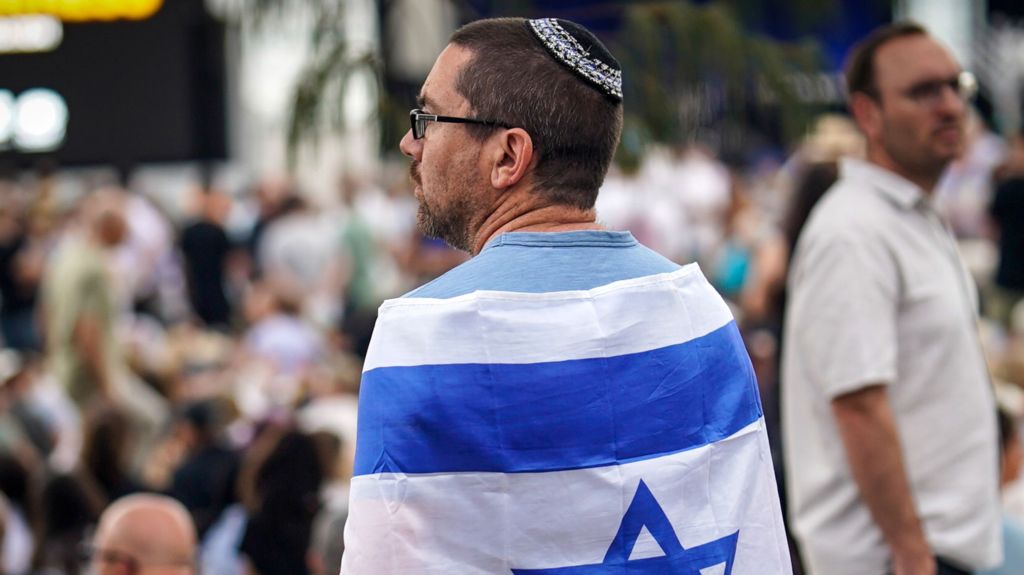
    Australia has initiated a comprehensive federal royal commission to investigate antisemitism and its underlying causes, a direct response to the devastating Bondi Beach mass shooting in December that resulted in 15 fatalities and 40 injuries. This powerful public inquiry, the nation’s most authoritative investigative mechanism, commenced its public hearings this week under the leadership of former High Court Justice Virginia Bell.

    The commission’s mandate extends beyond examining the immediate circumstances of Australia’s deadliest mass shooting in decades. It will conduct a thorough analysis of antisemitism’s prevalence throughout Australian society, identify its primary drivers, and formulate concrete policy recommendations for the government. Justice Bell has committed to expediting the inquiry process while maintaining rigorous investigative standards.

    Prime Minister Anthony Albanese initially resisted establishing a federal commission, expressing concerns about potentially undermining social cohesion and providing a platform for hate speech. However, mounting pressure from prominent Jewish community leaders, victims’ families, and political opposition compelled the government to reverse its position. Consequently, the federal inquiry has absorbed a previously announced review of law enforcement agencies, while a separate New South Wales state inquiry was canceled.

    The commission is expected to deliver an interim report by April’s end, with a comprehensive final report due before the first anniversary of the December 14 attack. While public hearings will feature testimony from intelligence agencies, security experts, and attack survivors, some proceedings may occur privately to avoid prejudicing ongoing criminal cases against the alleged perpetrators.

    In the tragedy’s aftermath, authorities have implemented stricter gun control measures and enhanced powers to restrict protests and combat hate speech. The commission’s work represents Australia’s most significant examination of antisemitism to date, with profound implications for national security policy, social cohesion, and counter-extremism efforts.
  • Iraq’s Maliki defends PM candidacy, seeks to reassure US

    Iraq’s Maliki defends PM candidacy, seeks to reassure US

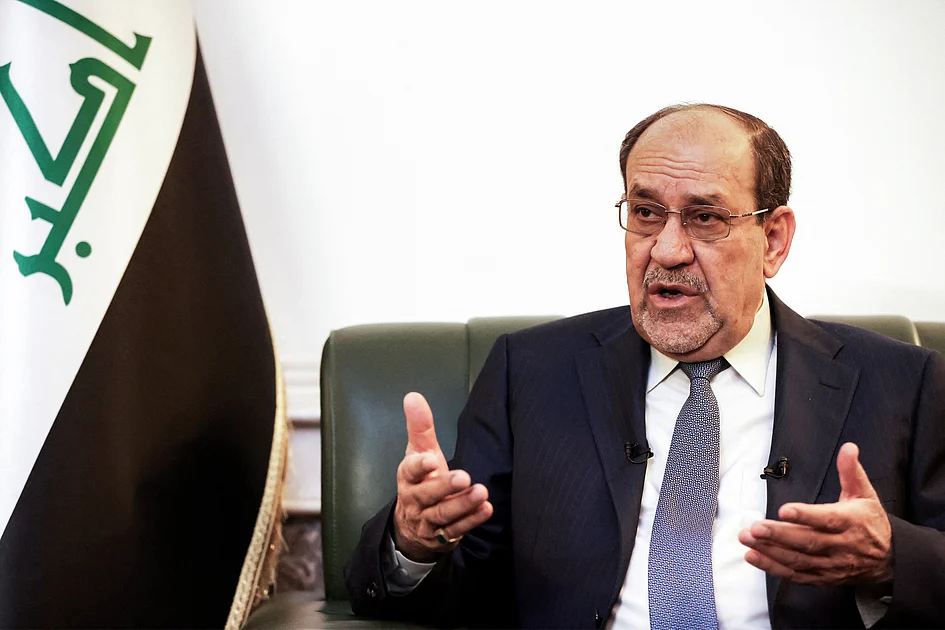
    In a defiant stance against American diplomatic pressure, former Iraqi Prime Minister Nouri Al Maliki has publicly reaffirmed his commitment to pursuing the nation’s top political office. During an exclusive interview with AFP on Monday, the political veteran declared his unwavering determination to remain in the nomination process despite explicit warnings from the United States administration.

    The political landscape in Iraq continues to be shaped by the complex interplay between global powers, particularly the ongoing rivalry between neighboring Iran and the United States. This geopolitical tension has persisted since the 2003 US-led invasion that deposed Saddam Hussein, creating a delicate balancing act for Iraqi leadership.

    The current confrontation escalated last month when President Donald Trump issued an ultimatum stating that US support for Iraq would cease if Maliki—who maintains close ties with Iran—assumes the prime minister role again. This declaration has placed Iraqi leaders, particularly within the Coordination Framework (a ruling coalition of Shia groups with varying connections to Iran that nominated Maliki), in a challenging diplomatic position.

    Maliki, who previously served two terms as prime minister from 2006 to 2014, responded to the American pressure with nationalistic rhetoric. ‘I have absolutely no intention of withdrawing out of respect for my country, its sovereignty, and its will,’ he stated emphatically. ‘No one has the right to say whom we can or cannot vote for.’

    Addressing Washington’s concerns regarding Iran’s influence, Maliki presented a conciliatory tone while maintaining his position. He acknowledged that ‘countries have the right to set conditions in their dealings with Iraq,’ but emphasized that any alteration to his nomination would require action from the Coordination Framework, which continues to endorse his candidacy.

    The former leader sought to reassure international observers by outlining his vision for military consolidation. ‘What America wants is not new. These are our demands,’ Maliki asserted. ‘We want weapons in the hands of the state. We want a centralized military force. We have said it repeatedly: we want one army under one command, directly under state authority.’

    Maliki expressed optimism about reaching agreements with pro-Iran armed factions, noting that ‘there is a good basis for understanding’ that could be achieved without ‘force, war or confrontations.’ He believes these groups ‘do not want to expose Iraq to any danger.’

    Regarding Washington’s demand to exclude Iran-backed armed groups from government participation, Maliki indicated this remains under discussion. He outlined a potential compromise: ‘We want those who participate in the political process and the government to lay down their arms. Those who lay down their arms are welcome to be part of the next government.’

    With regional tensions escalating due to ongoing nuclear negotiations between the US and Iran, Maliki pledged to protect diplomatic missions in Iraq. ‘All countries can be assured that we will prevent any violation against their embassies or officially recognized interests in Iraq,’ he committed, referencing previous attacks on US facilities by Iran-backed groups.

    Maliki defended Iraq’s relationship with Iran as based on mutual respect for sovereignty and shared interests, highlighting practical considerations including their 1,300-kilometer border and Iraq’s dependence on Iranian natural gas imports. He warned that cutting this supply ‘would be a major catastrophe’ for Iraq’s energy infrastructure.

    Despite beginning to enjoy relative stability after decades of conflict, Iraq’s political future remains uncertain, caught between competing international interests and internal divisions that will challenge whoever ultimately assumes leadership.

  • Beijing urges US to rescind tariff measures

    Beijing urges US to rescind tariff measures

    In the wake of a landmark U.S. Supreme Court decision, China has formally called upon the United States to revoke all unilateral tariff measures imposed on its trading partners. The Chinese Ministry of Commerce announced on Monday that it is conducting a comprehensive evaluation of the ruling’s implications and will vigilantly monitor any subsequent ‘alternative measures’ Washington might deploy to sustain high import duties.

    The judicial upheaval occurred on February 20th, 2026, when the Supreme Court struck down a broad swath of tariffs instituted by former President Donald Trump, deeming them an overreach of executive authority. This decision nullified specific tariffs, including those related to fentanyl and so-called ‘reciprocal’ levies on China. Consequently, the composite tariff rate on Chinese goods was poised to drop from 37% to approximately 21.9%, according to analyses by Guosheng Securities.

    However, the trade landscape was swiftly scrambled once more when President Trump responded by invoking Section 122 of the Trade Act of 1974, proclaiming a new 15% ‘global tariff.’ This maneuver effectively pushes the aggregate duty rate on Chinese imports back up to an estimated 28.6%.

    A spokesperson for China’s Commerce Ministry condemned the U.S.’s unilateral actions, stating they breach both international trade norms and U.S. domestic law, ultimately serving no nation’s interests. While reaffirming China’s commitment to cooperative and stable global economic relations, the official underscored Beijing’s readiness to enact firm countermeasures should its legitimate interests be infringed.

    Economic analysts highlight that the core leverage in the protracted Sino-U.S. trade negotiations hinges on each nation’s economic resilience and technological prowess. Luo Zhiheng, Chief Economist at Yuekai Securities, emphasized that fortifying China’s economic fundamentals and bolstering its capacity for independent innovation are paramount to navigating external uncertainties and securing long-term strategic initiative.

    Furthermore, experts like Xiong Yuan from Guosheng Securities point to statutory limitations, noting that Section 122 imposes a strict 150-day time limit, making it an unlikely long-term solution and suggesting a future pivot back to more enduring legal mechanisms like Sections 301 and 232.
    Amid these developments, voices from the business community, such as Sean Stein of the U.S.-China Business Council, advocate for a shift in dialogue beyond tariffs and toward fostering effective economic cooperation, enabling companies from both powerhouse economies to thrive in each other’s markets.

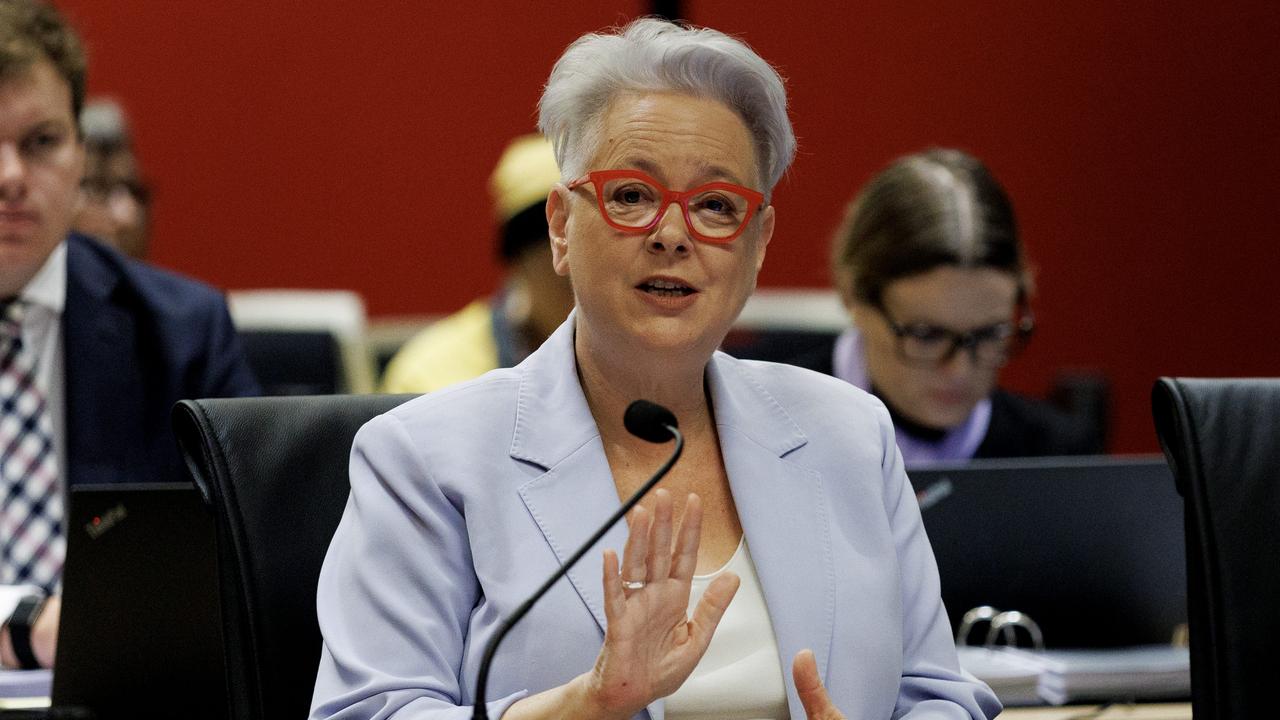
  • NSW Environment Minister Penny Sharpe ‘worried’ AI data centres will drive up energy prices

    NSW Environment Minister Penny Sharpe ‘worried’ AI data centres will drive up energy prices

    A massive pipeline of artificial intelligence data centre projects valued at approximately $100 billion is under consideration in New South Wales, prompting serious concerns from government officials about potential energy price impacts. NSW Environment Minister Penny Sharpe expressed apprehension during a budget estimates hearing that these facilities could significantly drive up electricity costs for households and businesses across the state.

    The government’s Investment Delivery Authority is currently evaluating 26 submissions for new data centre projects that collectively represent unprecedented investment in AI infrastructure. Minister Sharpe acknowledged that increased demand from these energy-intensive facilities could place substantial pressure on wholesale energy prices, potentially adding up to 12% additional demand on the state’s energy sector.

    While recognizing NSW’s attractiveness for technology investment due to its clear renewable energy pathway, Sharpe confirmed the government is simultaneously developing a comprehensive data centre strategy and examining how these facilities might connect to the grid. The complexity of balancing technological advancement with energy affordability has prompted the establishment of a separate parliamentary inquiry—the first of its kind in NSW.

    This cross-party investigation, supported by both the Coalition and the Greens, will examine the multifaceted impacts of data centres on critical infrastructure including water resources, electricity networks, land use, and workforce requirements. Opposition voices have raised alarms about global precedents where data centres have driven up power prices, disrupted housing development, and created community disturbances through noise and heat effects.

    The inquiry represents a critical opportunity for public discussion about managing the AI revolution’s infrastructure demands while protecting public resources and minimizing negative impacts on NSW residents and businesses.

  • Father and son killed by mudslide in Peru as floods affect thousands of homes in southern provinces

    Father and son killed by mudslide in Peru as floods affect thousands of homes in southern provinces

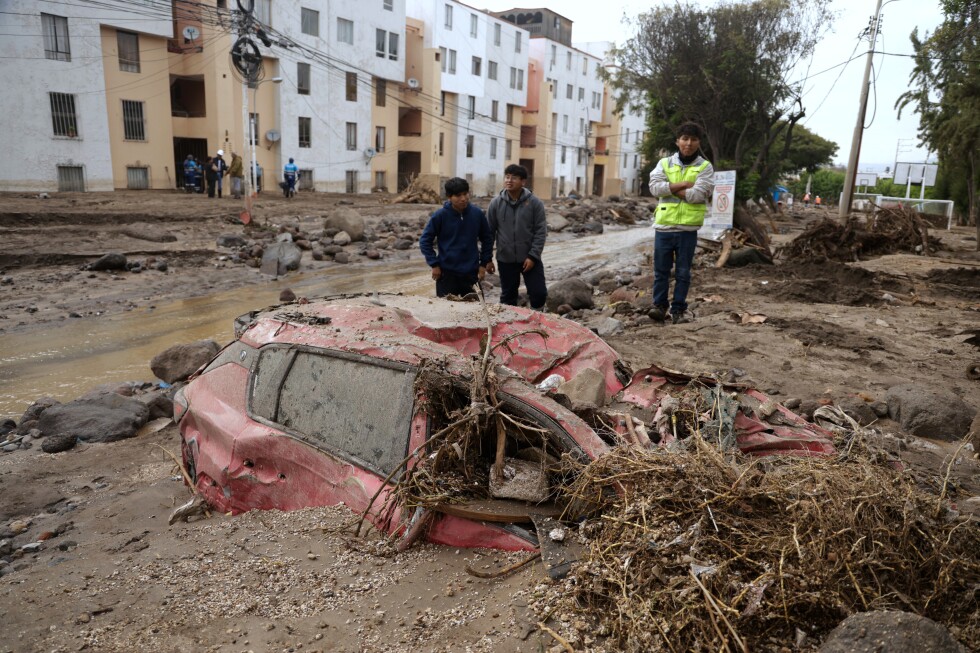
    LIMA, Peru — A devastating landslide triggered by torrential rains in southern Peru has claimed the lives of a father and son, highlighting critical urban planning failures as climate extremes batter the region. The tragedy occurred in Arequipa, where authorities confirmed the victims were swept away in a neighborhood constructed directly atop a historic natural waterway.

    The catastrophic mudslides have impacted approximately 5,500 households, prompting mass evacuations across the region. Experts emphasize that these residential areas dangerously encroach upon ancient drainage paths that have channeled stormwaters for centuries during peak rainfall periods.

    In response to the escalating crisis, Arequipa authorities have urgently petitioned Peru’s interim president to declare a state of emergency. Regional Governor Dr. Rohel Sánchez Sánchez announced the immediate establishment of multiple emergency shelters throughout Arequipa, with the National Institute of Civil Defense and regional government distributing essential supplies including food and tents to displaced residents.

    Meteorologists attribute the extreme weather to the El Niño Costero phenomenon, which has produced weeks of intense rainfall. Official reports indicate warming Pacific waters are expected to slightly intensify this climate pattern through March. This oceanic warming creates elevated evaporation rates, generating extreme precipitation events and significantly increasing river flows throughout vulnerable regions.

  • Why attacking Iran could be riskier than capturing Maduro

    Why attacking Iran could be riskier than capturing Maduro

    Military analysts and regional experts are issuing stark warnings about the profound complexities and potential catastrophic consequences of any U.S. military action against Iran, drawing sharp contrasts with the recent operation in Venezuela. Unlike the swift capture of President Nicolás Maduro in Caracas, which concluded within hours, confronting Iran would engage a nation with extensive military capabilities and a sophisticated network of regional proxy forces capable of sustaining prolonged resistance.

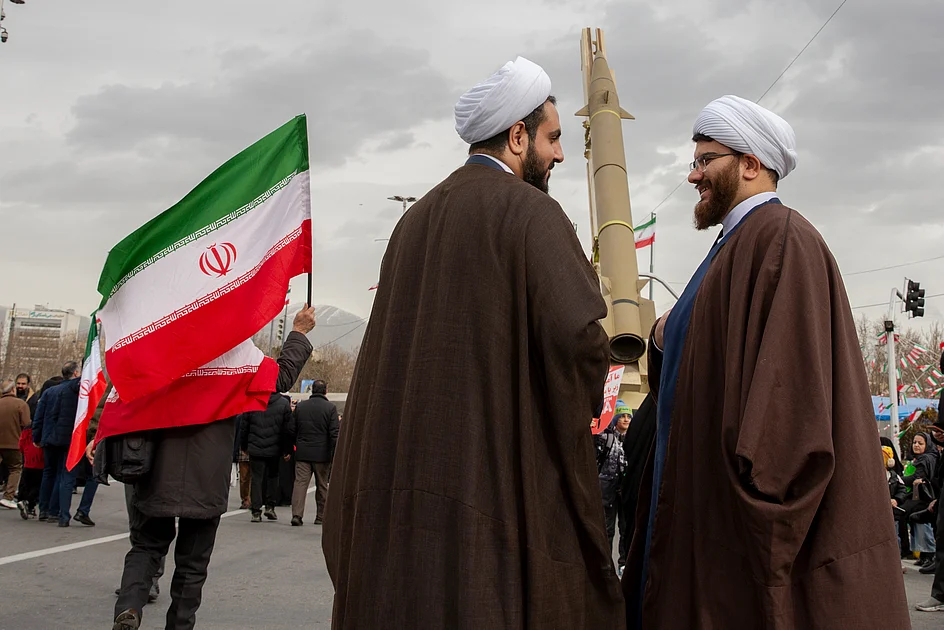
    Iran possesses one of the most substantial and diverse missile arsenals in the Middle East, including medium-range ballistic missiles with a reach exceeding 1,200 miles. This capability places U.S. bases across the region—from western Turkey to Israel and the Arabian Gulf States—within striking distance. Recent demonstrations of military prowess, such as the testing of a new sea-based air defense missile in the Strait of Hormuz, underscore Tehran’s readiness to respond decisively to any aggression.

    Beyond its conventional forces, Iran’s strategic doctrine relies on its ‘Axis of Resistance’—a network of proxy groups including the Houthis in Yemen and Hezbollah in Lebanon. These allied forces could open multiple retaliatory fronts against U.S. interests and allies, potentially escalating a limited strike into a broader regional conflict. Intelligence officials note that Israel’s defense systems, already strained from prolonged engagements, might be overwhelmed by a concentrated Iranian missile barrage.

    The economic implications of such a conflict would be immediate and severe. Iran has repeatedly threatened to close the Strait of Hormuz, a critical chokepoint for global energy transit through which approximately 20% of the world’s oil and liquefied natural gas passes. Any disruption would trigger dramatic spikes in energy prices worldwide, creating economic shockwaves far beyond the conflict zone.

    Political analysts emphasize that Iran’s leadership structure presents another layer of complexity. Unlike Venezuela, where power was concentrated in Maduro, Iran’s theocratic regime is deeply entrenched with multiple power centers and ideological foundations solidified over nearly five decades. This makes any attempt at ‘decapitation’ significantly more challenging than the Venezuela operation.

    As President Trump contemplates military options in an election year, experts caution that there exists no low-cost, clean military solution regarding Iran. The consensus among conflict resolution specialists is that any military engagement would likely result in American casualties and potentially draw the United States into another protracted Middle Eastern conflict with unpredictable outcomes.

  • Kuwait mandates military service for male citizens aged 18

    Kuwait mandates military service for male citizens aged 18

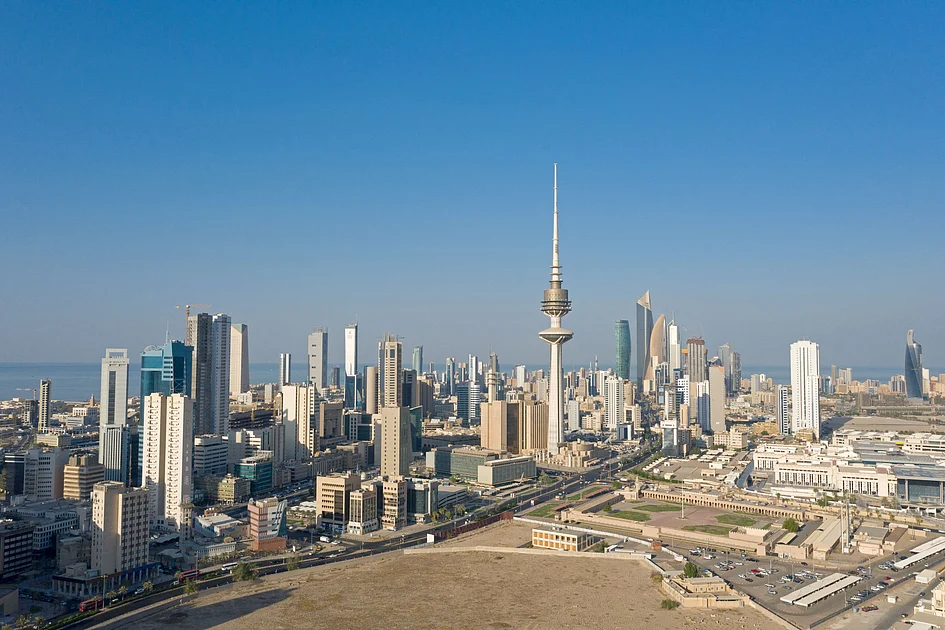
    Kuwait has enacted sweeping legislative reforms making military service compulsory for all male citizens upon reaching 18 years of age. The new mandate, which applies retroactively to individuals born on or after January 1, 2012, represents a significant shift in the nation’s defense policy framework.

    The National Assembly approved substantial amendments to the 2015 National Military Service Law, addressing what officials described as ‘legislative and procedural gaps’ in the original legislation. According to the Kuwait News Agency (KUNA), the revisions aim to streamline administrative processes and clarify previously ambiguous provisions.

    Key modifications include a tripled registration window extension from 60 to 180 days, providing young citizens substantially more time to comply with conscription requirements. The updated statute also introduces familial considerations by exempting only sons from mandatory service obligations.

    Notably, the amendments expand professional exemptions to include Kuwait Oil Company firefighters, granting them parity with their counterparts in the Kuwait Fire Force. Employed conscripts will maintain their full compensation packages—including salaries, allowances, and bonuses—throughout their service period. Additionally, their military tenure will contribute directly to retirement and seniority calculations.

    The National Military Service Authority retains jurisdiction to assign recruits across four critical security sectors: the Kuwait Armed Forces, Ministry of Interior, Kuwait National Guard, and Kuwait Fire Force. This structural flexibility aims to optimize national security resources while accommodating individual skill sets.

    Government sources indicate these reforms address systemic challenges in transaction processing and legal interpretation that emerged under the previous legislative framework. The changes reflect Kuwait’s strategic response to regional security dynamics while modernizing its national service administration.

  • Writer Feng Jicai explains the Chinese Lunar New Year

    Writer Feng Jicai explains the Chinese Lunar New Year

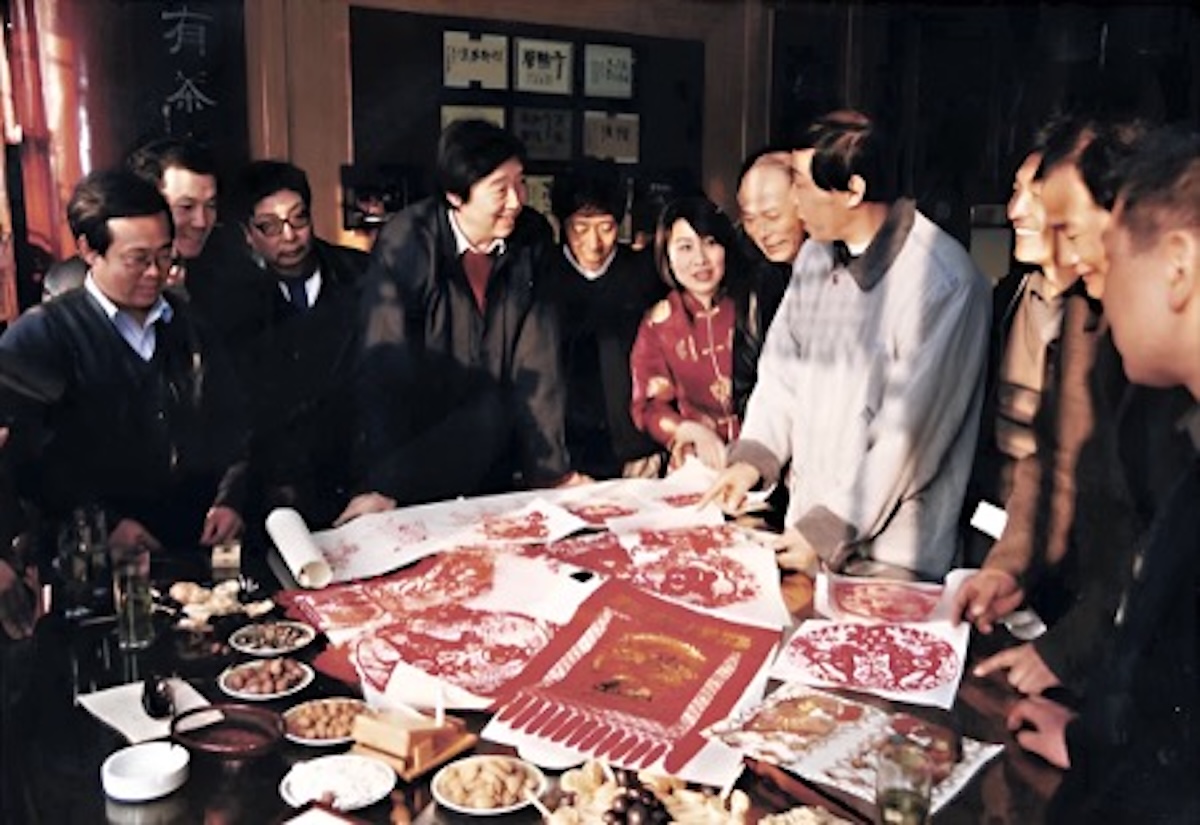
    While Western observers often perceive Chinese Spring Festival through superficial symbols like red lanterns and fireworks, this ancient tradition represents something far more profound—a continuous cultural river flowing through millennia. At the forefront of interpreting this rich heritage stands Feng Jicai, an octogenarian cultural preservationist whose lifelong work bridges China’s past and present.

    Originally emerging as an accomplished writer and painter from Tianjin’s established financial circles, Feng gradually transformed into China’s preeminent cultural guardian. His evolution from artist to preservationist reflects a deep commitment to safeguarding traditions threatened by modernization’s relentless advance. Through the Feng Jicai Institute of Literature and Arts at Tianjin University, where he serves as professor and doctoral supervisor, he has institutionalized cultural protection while maintaining field research well into his eighties.

    Feng’s vision materialized physically with the 2025 opening of the Tianjin University Feng Jicai Museum, occupying 12,000 square meters across two restored heritage buildings. As mainland China’s first museum named after a living polymath—recognized simultaneously as writer, painter, and cultural protector—it houses extraordinary collections including international treasures: Victor Hugo’s correspondence, Leo Tolstoy’s signed works, and Franz Liszt’s handwritten scores. This institution transcends personal archive status, embodying Feng’s philosophy that literature and folk memory constitute society’s shared historical consciousness.

    Feng’s cultural perspective draws from deep historical roots. His wife’s family established Chung Foo Bank in 1916 during global financial restructuring, while ancestor Sun Jianai (1827–1909) served as Qing dynasty imperial tutor and educational reformer. Sun helped establish Peking University’s predecessor, advocating Sino-Western knowledge integration during Europe’s industrialization and America’s Gilded Age.

    This intellectual legacy informs Feng’s focus on ordinary people’s living traditions rather than elite culture. The Spring Festival represents the apex of these traditions—a 3,000-year-old celebration comparable to Western New Year and Christmas combined. Its rituals evolved through dynastic eras: taking shape during the Han period (contemporaneous with Rome), structuring during Tang-Song eras (parallel to medieval Europe), and crystallizing during Ming-Qing periods (alongside Renaissance and Enlightenment).

    Modern celebrations involve intricate customs: spring couplets bearing auspicious phrases, reunion dinners featuring dumplings (symbolizing unity), chicken (homophone for fortune), and fish (representing surplus). Fireworks drive away misfortune, while red envelopes convey protection and goodwill. For Feng, these traditions represent life’s idealization—where “food, color, and ritual are never merely decorative” but elevate ordinary existence into meaningful experience.

    Feng’s decades-long advocacy achieved a milestone in 2024 when UNESCO inscribed Spring Festival on its Intangible Cultural Heritage list. He emphasizes that participation alone conveys core values: family emphasis, elder respect, and harmony pursuit—universal ideals transcending cultural boundaries. Today, global celebrations from London to Sydney form one of humanity’s largest cultural migrations, representing shared aspirations for renewal.

    In an increasingly commercialized world, Feng protects the essential thread connecting culture to lived experience rather than mere display. The Spring Festival’s true power lies not in spectacle but in its timeless reminder to return to family, memory, and hope—a legacy guarded by cultural stewards like Feng Jicai along time’s endless river.

  • ‘We pray for peace’: Indian filmmaker from troubled state who won a Bafta

    ‘We pray for peace’: Indian filmmaker from troubled state who won a Bafta

    Indian cinema has achieved a landmark victory as Lakshmipriya Devi’s debut feature ‘Boong’ secured the Best Children’s & Family Film award at the British Academy Film Awards (BAFTA), marking the first Indian production to win in this prestigious category. The Manipuri-language coming-of-age drama triumphed over major international contenders including Disney’s ‘Zootopia 2’ and the French sci-fi production ‘Arco’.

    The film’s BAFTA success has generated significant attention toward both the artistic achievement and the ongoing humanitarian crisis in Manipur, Devi’s home state in northeastern India. Since May 2023, ethnic conflicts between the Meitei majority and Kuki-Zo communities have resulted in over 260 fatalities and displaced tens of thousands of residents, creating a backdrop of tension that contrasts sharply with the film’s message of hope.

    ‘Boong’ follows the journey of a mischievous young boy, Brojendro ‘Boong’ Singh (portrayed by 12-year-old Gugun Kipgen), who embarks on a quest to find his missing father despite rumors of his death. With assistance from his best friend Raju, the child protagonist navigates complex social landscapes while addressing weighty themes including ethnic tensions, migration patterns, and regional militarization.

    During her acceptance speech delivered alongside Paddington Bear, Devi utilized the global platform to advocate for peace and reconciliation in her troubled homeland. ‘We pray that all internally displaced children, including the child actors in our film, regain their joy, innocence, and dreams,’ she stated before emphasizing humanity’s ‘super power of forgiveness’ as an antidote to conflict.

    The production represents a significant collaboration between regional storytelling and mainstream Indian cinema. Excel Entertainment, the Mumbai-based production company co-founded by Bollywood icon Farhan Akhtar, provided crucial support that enabled the film’s successful festival circuit journey through Toronto, Warsaw, and Melbourne.

    Despite limited theatrical distribution in India—a common challenge for independent regional cinema—the film has received widespread critical acclaim. The Hollywood Reporter praised its ability to convey regional history without exoticization, noting how it ‘forces us to remember that characters are humans before they’re Manipuri, Hindu, or Indian.’

    Political leadership across India has celebrated the achievement, with Prime Minister Narendra Modi calling it ‘a moment of immense joy, especially for Manipur.’ The official social media account of the Manipur government described the film as ‘a tribute to a homeland that remains resilient despite hardship,’ directly referencing Devi’s powerful plea for peace and forgiveness.

  • Ugandan president’s son compares Sudan’s RSF to Hitler following meeting with his father

    Ugandan president’s son compares Sudan’s RSF to Hitler following meeting with his father

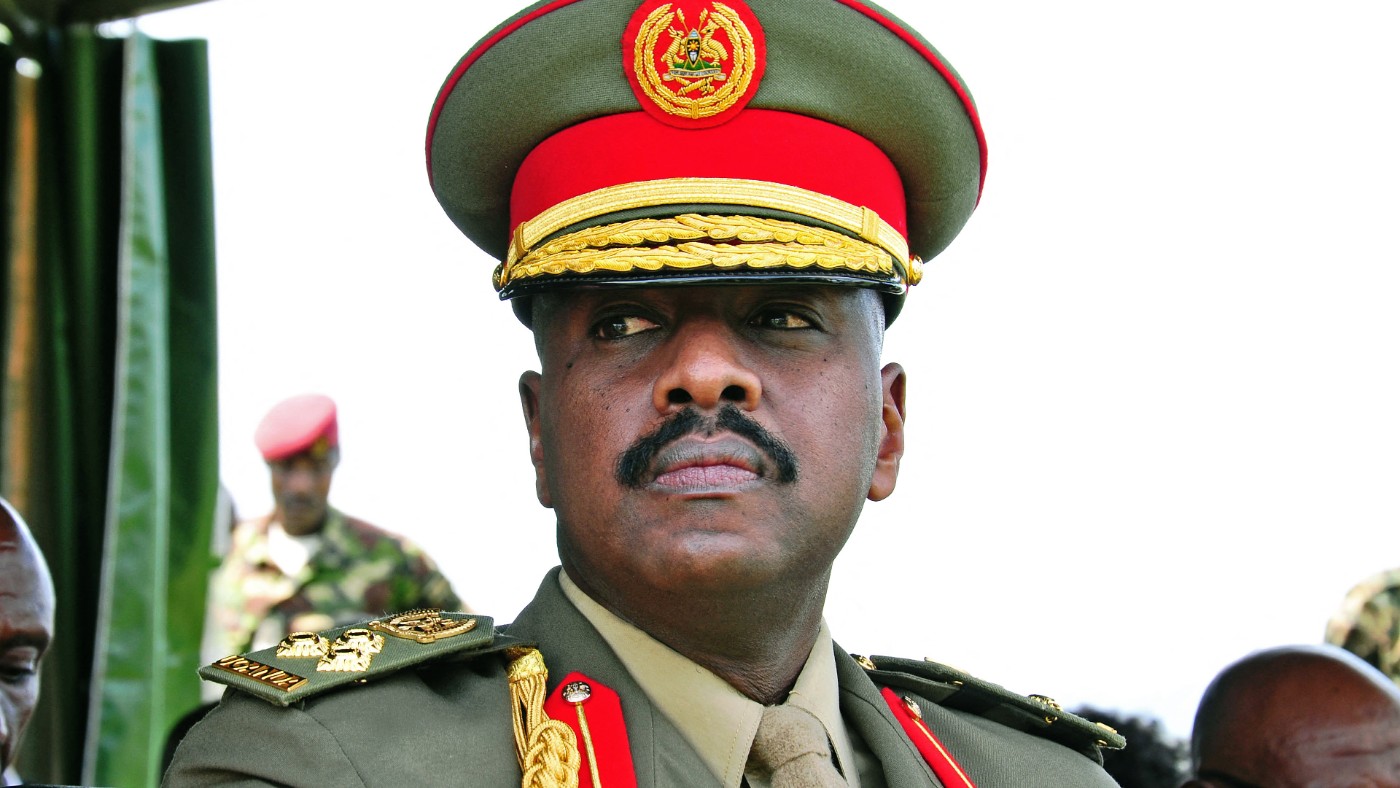
    In a remarkable diplomatic breach, Muhoozi Kainerugaba—son of Ugandan President Yoweri Museveni and commander of the nation’s armed forces—launched a scathing social media attack against Mohamed Hamdan Dagalo, leader of Sudan’s Rapid Support Forces (RSF). The outburst came just days after Dagalo, commonly known as Hemedti, met with President Museveni at his Entebbe residence.

    Kainerugaba took to X (formerly Twitter) during Sunday night hours, labeling Hemedti ‘a criminal’ with ‘the blood of thousands of black people on his hands.’ His posts drew explicit parallels between RSF fighters and Nazi war criminals, stating: ‘RSF feels like heroes for killing innocent black people. Very good. I bet Hitler felt like a hero too for gassing Jews in Auschwitz.’

    The general, widely anticipated to succeed his father as Uganda’s leader, declared that the ‘RSF will have to fight the whole of Black Africa before they win in Sudan,’ adding emphatically that ‘that will NEVER happen.’

    In an abrupt thematic shift, Kainerugaba revealed supernatural instructions to erect a statue honoring Yoni Netanyahu—the Israeli commando leader killed during the 1976 Entebbe raid. He claimed: ‘For the last 4 years, My God Jesus Christ has appeared to me in dreams and visions. He told me to build a statue to Yoni Netanyahu in Entebbe.’

    This religious revelation underscores Uganda’s complex relationship with Israel. Despite President Museveni historically referring to Israel as ‘Palestine’ during memorial events, both he and his son maintain strong ties with Israeli leadership. In 2020, Museveni facilitated a landmark meeting between Israeli Prime Minister Benjamin Netanyahu and Sudanese military leader Abdel Fattah al-Burhan, initiating normalization talks between the nations.

    The controversy deepens with connections to Israeli businessman Barak Orland, described as an arms dealer and long-time Uganda resident. Orland’s company, Bar Aviation, has been implicated in supplying RSF forces via flights from Ugandan airports. Another Orland venture, security firm Yamasec, employs former Israeli military and intelligence personnel.

    Kainerugaba’s inflammatory tweets align with his history of provocative social media behavior, including past threats to invade Kenya and violent rhetoric against political opponents during Uganda’s elections.

    The RSF-Sudanese Armed Forces conflict, ongoing since April 2023, has created the world’s most severe humanitarian crisis. The RSF controls much of western Sudan, including Darfur, where they face genocide allegations against non-Arab communities. While Egypt, Turkey, Saudi Arabia, and Qatar support the official Sudanese military, the RSF enjoys patronage from the United Arab Emirates—a nation increasingly reliant on Ugandan cooperation following its withdrawal from Somali bases.