作者: admin

  • Australian police find human remains in search for grandfather kidnapped by mistake

    Australian police find human remains in search for grandfather kidnapped by mistake

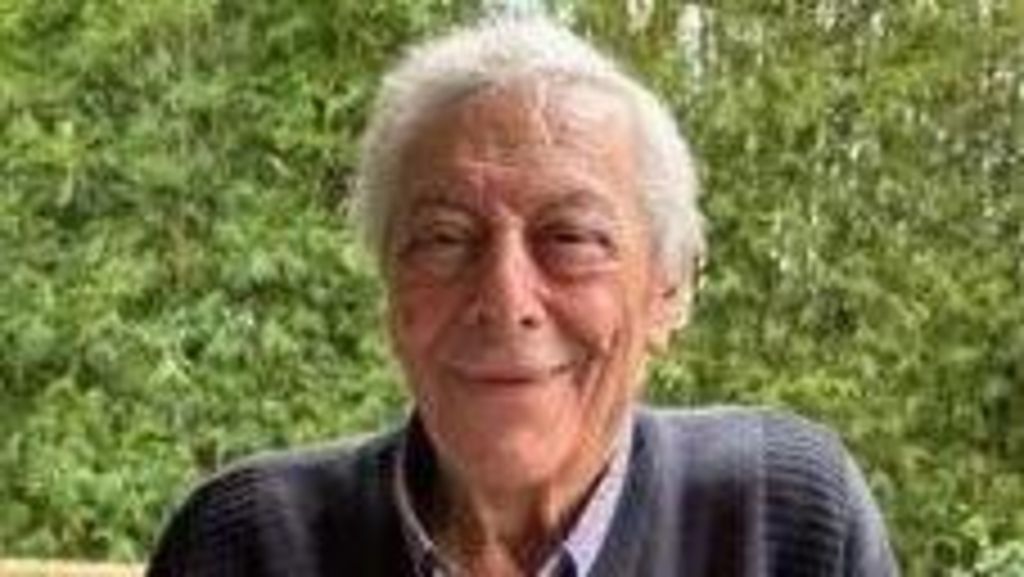
    Australian authorities have confirmed the discovery of human remains in the investigation surrounding the abduction of 85-year-old Sydney widower Chris Baghsarian, who was violently taken from his North Ryde residence in the pre-dawn hours of February 13th. Closed-circuit footage captured the disturbing scene of masked individuals forcibly transporting the elderly man into an SUV.

    New South Wales Police have determined this tragic incident to be a case of mistaken identity, with local media sources indicating the actual target was a relative associated with a prominent organized crime family. The investigation took a grim turn when authorities located a burned vehicle connected to the perpetrators, followed by the discovery of human remains near a Sydney-area golf course on Tuesday.

    Forensic examination revealed a blood-stained carpet within the vehicle’s trunk, further linking the suspects to an abandoned property where Baghsarian was allegedly held captive. Disturbing videos circulating within Sydney’s criminal networks purportedly showed the elderly victim suffering serious injuries following his abduction.

    Police authorities had repeatedly appealed to the kidnappers for Baghsarian’s safe return, emphasizing his age-related health complications and daily medication requirements. Detective Acting Superintendent Andrew Marks stated, ‘They were intending to take somebody, but have taken the wrong person. The fact that these offenders have got it so wrong is concerning.’

    This case highlights a growing trend in Sydney’s criminal landscape, where organized crime networks increasingly subcontract illegal operations, resulting in frequent mistaken identity incidents. Last year, a 23-year-old plumber was fatally shot in his Condell Park driveway in what investigators believe was another case of mistaken targeting.

    NSW Premier Chris Minns had previously suggested the kidnappers could ‘drop Mr. Baghsarian off at a shopping centre or an emergency department’ to ensure his safety. The victim’s family expressed profound distress throughout the ordeal, simply wanting their father and grandfather returned home safely.

  • Despite drop in 2025, Russian oil exports exceed pre-war volumes: report

    Despite drop in 2025, Russian oil exports exceed pre-war volumes: report

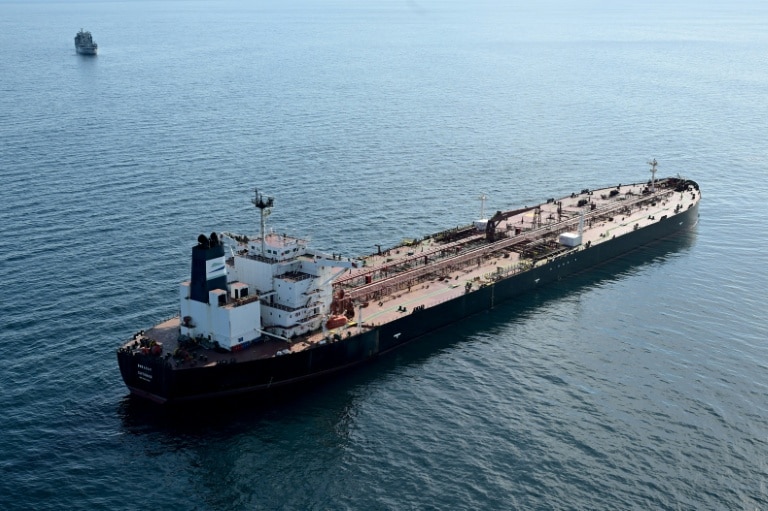
    A comprehensive analysis by Finland’s Centre for Research on Energy and Clean Air (CREA) reveals that Russian crude oil exports have maintained volumes approximately 6% above pre-invasion levels in the fourth year of the Ukraine conflict, despite extensive Western sanctions. This persistent export flow has been facilitated by an elaborate “shadow fleet” consisting of aging tankers with opaque ownership structures, specifically designed to circumvent restrictions imposed by the EU, US, and G7 nations.

    While export volumes remain elevated, Russia’s oil revenues have experienced a significant downturn, dropping 18% to €85.5 billion in the year leading to February 24 compared to the previous year. This financial contraction stems from Moscow’s forced adoption of substantial price discounts to maintain market access. According to CREA analyst Isaac Levi, while enforcement measures have impacted Russian earnings, critical loopholes continue to enable high-volume exports.

    The report identifies several systemic vulnerabilities in current sanction regimes, including false flagging of vessels and re-exportation of refined petroleum products derived from Russian crude to sanctioning nations. Notably, 93% of Russian crude exports now flow to three nations: China, India, and Turkey.

    CREA researchers have called for enhanced enforcement measures, including detaining shadow fleet vessels that pose environmental and security risks to European coastlines. The European Union currently lists 598 vessels suspected of shadow fleet operations, prohibiting their access to EU ports and services. The report additionally highlights continued imports by Hungary and Slovakia, which saw an 11% increase in Russian crude imports during the first ten months of 2025 under EU exemption clauses.

  • Indian, British, Chinese citizens among 19 killed in Nepal bus crash

    Indian, British, Chinese citizens among 19 killed in Nepal bus crash

    A catastrophic bus accident in Nepal’s mountainous Dhading district has resulted in 19 fatalities and 25 injuries, with citizens from multiple nations among the victims. The tragedy occurred in the pre-dawn hours of Monday when the vehicle veered off a treacherous mountain road near Behighat, plummeting approximately 200 meters (650 feet).

    The ill-fated bus was transporting 44 passengers from the popular tourist destination of Pokhara to the capital city of Kathmandu when the accident transpired approximately 80 kilometers west of the capital. According to official police statements, the deceased included citizens from the United Kingdom, China, and India. Among the injured, who are currently receiving medical treatment at Kathmandu hospitals, were a New Zealander and another Chinese national.

    This devastating incident highlights the persistent road safety challenges in Nepal’s difficult mountainous terrain, where inadequate infrastructure and hazardous conditions contribute to frequent accidents. The Nepalese government has promptly responded by initiating a formal investigation into the circumstances surrounding the crash.

    Road transportation accidents remain a critical public safety concern throughout Nepal, with hundreds of fatalities recorded annually. The country’s rugged geography and underdeveloped road network present ongoing challenges for both local commuters and international visitors alike. This particular tragedy underscores the vulnerabilities of road travel in developing nations with complex topographies.

  • India blocks Middle East Eye journalist’s X account

    India blocks Middle East Eye journalist’s X account

    The Indian government has formally blocked the X (formerly Twitter) account of Azad Essa, a US-based South African journalist serving as a senior reporter for Middle East Eye (MEE). The action was communicated via an official email from X Support on February 20th, citing a legal directive from India’s Ministry of Information and Broadcasting under Section 69A of the Information Technology Act, 2000.

    The notification stated that while X is legally compelled to restrict access to Essa’s content within India, his account remains accessible internationally. The platform advised the journalist to seek legal recourse through Indian courts to challenge the blocking order, though it emphasized it could not provide legal counsel.

    Essa, whose reporting extensively covers India-Israel relations, stated he received no specific explanation for the ban. He characterized the move as emblematic of deteriorating press freedoms in India and accused X of complicity in suppressing journalism while publicly championing free speech.

    This incident occurs against a backdrop of escalating tensions between X and the Indian government. Six months prior, the platform expressed concerns about censorship after temporarily blocking Reuters accounts following government requests—a move later denied by Indian authorities. In March 2025, X initiated legal proceedings against the Indian government over proposed policies that would expand officials’ authority to issue content removal requests. By May, these tensions culminated in approximately 8,000 takedown requests from Indian authorities during heightened India-Pakistan tensions.

    The journalist’s blocking coincides with deepening India-Israel relations. Prime Minister Narendra Modi is reportedly planning an upcoming visit to Israel to strengthen bilateral ties, with Israeli Prime Minister Benjamin Netanyahu describing the cooperation as part of a strategic “hexagon of alliances” countering radical elements in the Middle East.

    Essa, author of “Hostile Homelands: The New Alliance Between India and Israel,” reported experiencing sustained harassment from India’s right-wing factions over his coverage of India-Israel relations and Kashmir. He documented coordinated disinformation campaigns and personal threats aimed at discrediting his work.

  • Over 7,000 US flights cancelled; New York closes schools as blizzard slams US Northeast

    Over 7,000 US flights cancelled; New York closes schools as blizzard slams US Northeast

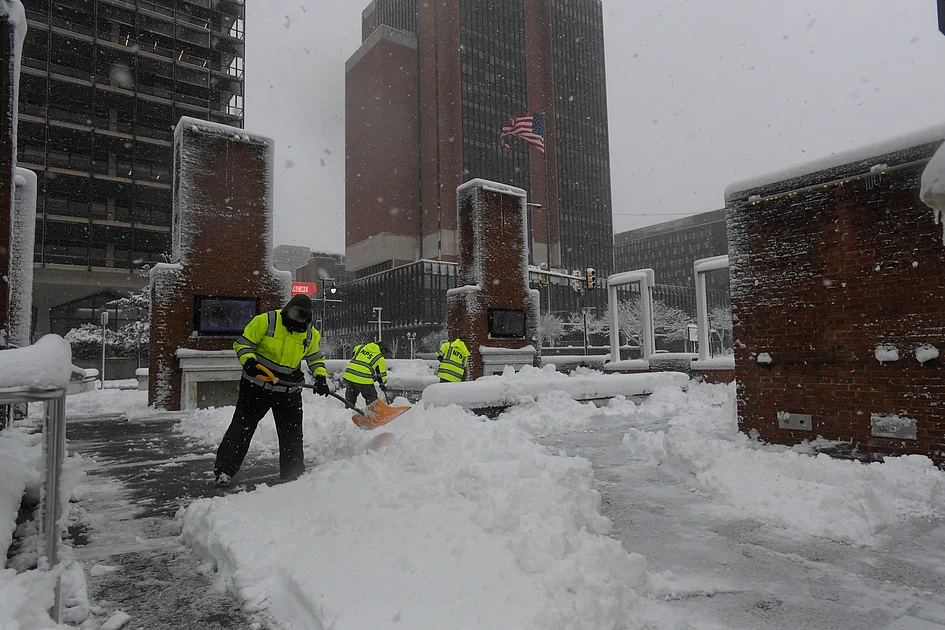
    A catastrophic winter storm has brought the Northeastern United States to a virtual standstill, triggering massive travel disruptions, widespread power outages, and emergency declarations across multiple states. The powerful blizzard, which began its assault on Monday, has dumped over a foot of snow (30cm) throughout the region, with some areas anticipating accumulations reaching two feet.

    The aviation sector has been particularly devastated, with FlightAware.com reporting approximately 5,700 Monday cancellations and an additional 1,600 Tuesday flights preemptively scrapped. The air travel collapse has been most severe at major Northeastern hubs including New York’s John F. Kennedy International, LaGuardia, Boston’s Logan, and Newark Liberty International airports.

    New York City Mayor Zohran Mamdani issued urgent pleas for residents to remain indoors as emergency crews battled to clear impassable roads. ‘I’m urging every New Yorker to please stay home,’ Mamdani emphasized. The city’s public school system joined numerous districts across the region in closing facilities amid the dangerous conditions.

    Meteorologist Bob Oravec from the National Weather Service’s Weather Prediction Center confirmed the storm met official blizzard criteria, characterized by sustained wind gusts reaching 40-60 mph from Delaware through Boston. ‘It’s a pretty big storm and it’s definitely a blizzard,’ Oravec stated, noting that some areas including Eastern Long Island and Nantucket recorded gusts exceeding 60 mph.

    The storm’s impact extended beyond transportation, knocking out power to thousands of homes and businesses while forcing the unprecedented closure of the United Nations headquarters complex in Manhattan. New York Governor Kathy Hochul activated 100 National Guard members to assist in Long Island, New York City and the Lower Hudson Valley—regions expected to bear the brunt of the heavy snow and coastal winds.

    State responses varied across the affected region. Massachusetts Governor Maura Healey declared a state of emergency and ordered non-essential government workers to remain home. Connecticut implemented commercial vehicle bans on limited-access highways, while New Jersey suspended train and bus commuter lines indefinitely. The Rhode Island Public Transit Authority announced complete service suspension through Monday.

    The Department of Homeland Security warned that powerful wind gusts reaching 70 mph created significant risks of falling trees and extended power outages across the Northeast. Despite ongoing funding challenges, FEMA confirmed its disaster-response operations continue uninterrupted with life safety and property protection remaining top priorities.

  • Prime Minister Carney to travel to India, Australia and Japan to diversify Canada trade away from US

    Prime Minister Carney to travel to India, Australia and Japan to diversify Canada trade away from US

    Canadian Prime Minister Mark Carney has embarked on a significant diplomatic tour across India, Australia, and Japan, signaling a strategic pivot toward trade diversification beyond the United States. The Prime Minister’s Office confirmed the itinerary on Monday, highlighting this as Canada’s latest effort to strengthen economic partnerships with key Indo-Pacific nations.

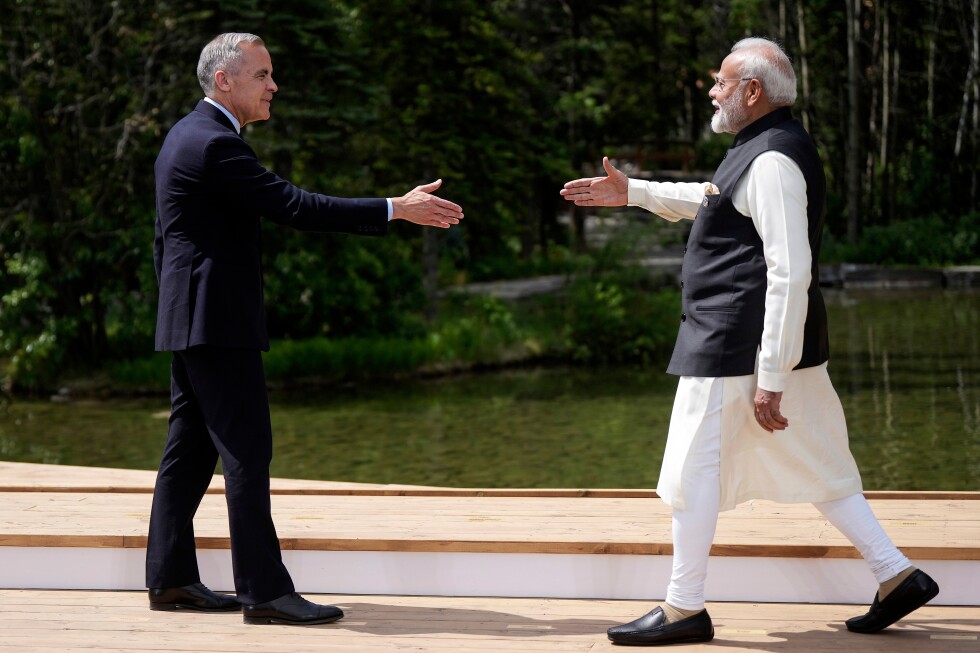
    Carney’s journey begins in Mumbai on Thursday, where he will engage in high-level discussions with Indian Prime Minister Narendra Modi and convene with prominent business leaders. This visit marks a crucial step in revitalizing bilateral relations following two years of diplomatic strain.

    The Australian leg of the tour features a historic address to both houses of Parliament in Canberra—an honor not extended to a Canadian leader in two decades. Carney will also meet with Australian Prime Minister Anthony Albanese to explore collaborative opportunities in defense modernization and artificial intelligence development.

    In Tokyo, the Prime Minister will confer with Japanese counterpart Takaichi Sanae on pressing global issues including clean energy transition, critical mineral security, and sustainable food supply chains.

    ‘Within an increasingly volatile global landscape, Canada remains focused on controllable factors—specifically trade diversification and substantial investment attraction,’ Carney stated regarding the mission.

    This diplomatic offensive responds directly to escalating trade tensions with the United States, where President Donald Trump has repeatedly threatened imposing punitive tariffs—including a potential 100% levy—on Canadian goods. Trump’s recent characterization of Canada as potentially becoming ‘the 51st state’ has further strained relations.

    Carney’s trade diversification strategy aims to double Canada’s non-U.S. exports within the next decade. The Prime Minister recently gained international recognition at the World Economic Forum in Davos for his condemnation of economic coercion by major powers against smaller nations.

    The India visit occurs despite ongoing diplomatic challenges, including Canadian allegations of Indian official involvement in the June 2023 assassination of a Sikh activist near Vancouver. Similar accusations have emerged from United States authorities regarding alleged Indian plots against Sikh separatists on American soil.

  • FedEx sues for Trump tariff refund

    FedEx sues for Trump tariff refund

    In a significant legal challenge with far-reaching implications for international trade, global logistics giant FedEx has launched litigation demanding complete reimbursement of emergency tariffs levied during the Trump administration. The lawsuit emerges following a pivotal Supreme Court decision that invalidated the legal foundation of these import taxes.

    The judicial controversy centers on the International Emergency Economic Powers Act (IEEPA), which former President Donald Trump invoked in April of last year to impose elevated tariffs on imports from numerous countries. Last week’s Supreme Court ruling determined that this 1977 emergency statute does not grant presidential authority to implement such import taxes, thereby creating legal grounds for affected companies to reclaim payments.

    FedEx’s filing with the U.S. Court of International Trade names multiple defendants: U.S. Customs and Border Protection (CBP), its commissioner Rodney Scott, and the United States government itself. The transportation corporation asserts its position as ‘importer of record’ responsible for tariff payments and now seeks redress through judicial channels.

    The company stated: ‘Plaintiffs seek for themselves a full refund from Defendants of all IEEPA duties Plaintiffs have paid to the United States.’ While FedEx’s court documents did not specify the exact monetary value sought, industry analysts estimate the Trump administration collected approximately $130 billion through these contested tariffs.

    This legal action forms part of a broader corporate response to the Supreme Court’s determination. Hundreds of other major enterprises—including retail conglomerate Costco, aluminum producer Alcoa, and food importers like Bumble Bee tuna—have similarly filed claims in recent weeks to secure their eligibility for potential refunds.

    Both former President Trump and Treasury Secretary Scott Bessent have acknowledged that resolution of these refund claims will likely involve protracted legal battles spanning several years. The outcome could establish significant precedents regarding presidential trade authority and corporate recourse mechanisms in international economic policy.

  • An attacker detonates an explosive device in Moscow, killing a police officer and himself

    An attacker detonates an explosive device in Moscow, killing a police officer and himself

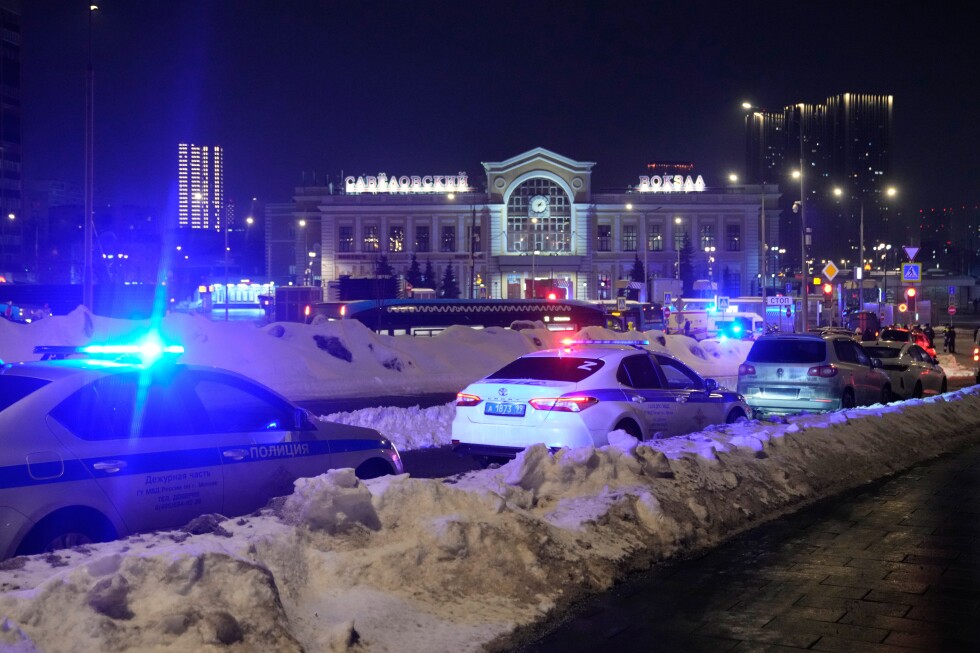
    A lethal suicide bombing struck central Moscow in the early hours of Tuesday, resulting in the death of a police officer and the assailant, with two additional officers wounded. The explosive detonation occurred adjacent to a patrol vehicle near the Savyolovsky Train Station shortly after midnight, as confirmed by the Moscow Interior Ministry branch.

    According to official reports, the unidentified individual approached a traffic police car and activated an explosive device. The immediate blast killed one officer instantly. The two injured law enforcement personnel were promptly transported to a medical facility for treatment. Russia’s top investigative body, the Investigative Committee, has initiated a criminal probe into the incident. Authorities have thus far withheld the assailant’s identity, potential motivations, or any possible affiliations.

    The timing of the assault carries significant symbolic weight, coinciding with the four-year anniversary of President Vladimir Putin’s decisive order to commence military operations in Ukraine. The attack underscores ongoing security challenges within the Russian capital, raising questions about motive and potential connections to broader geopolitical tensions.

  • Royal Commission into Bondi terror attack, anti-Semitism in Australia begins

    Royal Commission into Bondi terror attack, anti-Semitism in Australia begins

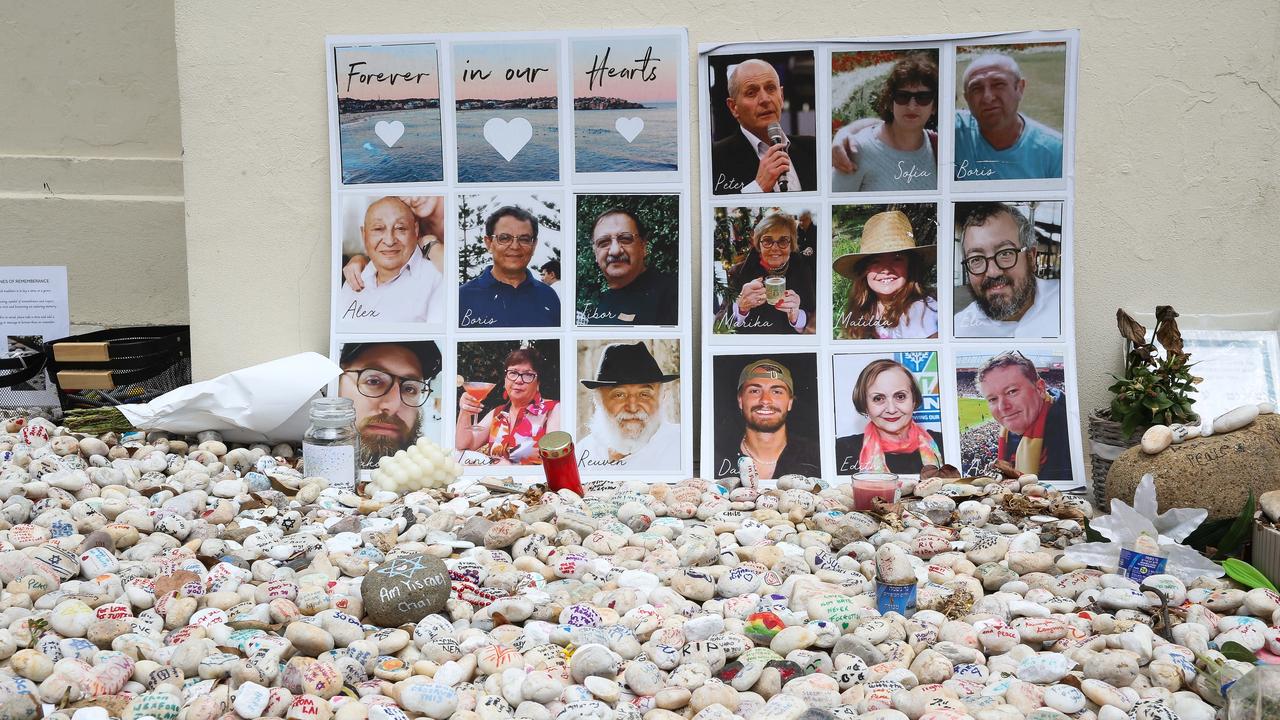
    A comprehensive Royal Commission investigating Australia’s deadliest terrorist incident at Bondi Beach has formally commenced proceedings. Presided over by Commissioner Virginia Bell, a former High Court Justice, the inquiry opened with a traditional Welcome to Country ceremony conducted by Aboriginal Land Council chairman Uncle Allan Murray.

    The Commission, established in response to the December 14 attack that shocked the nation, will operate under an accelerated timeline with Commissioner Bell committing to deliver her final report by the first anniversary of the tragedy. She acknowledged the profound impact on affected communities, stating that while closure might remain elusive for some, the Commission’s work would represent a crucial step in processing the devastating events.

    In a significant procedural decision, Commissioner Bell confirmed the adoption of the International Holocaust Remembrance Alliance (IHRA) definition of anti-Semitism, following recommendations from anti-Semitism envoy Jillian Segal. This definition, currently utilized by numerous countries and organizations worldwide, characterizes anti-Semitism as “a certain perception of Jews, which may be expressed as hatred toward Jews” through both rhetorical and physical manifestations targeting Jewish individuals, property, or religious institutions.

    While acknowledging concerns from critics who argue the definition potentially conflates anti-Semitism with anti-Zionism and could suppress legitimate criticism of Israel, Commissioner Bell maintained that these criticisms often overlook the definition’s contextual requirements. She emphasized her openness to receiving submissions from critics while expressing her current view that the definition itself remains fundamentally sound.

    The Commission’s mandate encompasses four primary areas: examining the nature and prevalence of anti-Semitism within Australian institutions and society; developing recommendations for law enforcement and border control agencies to combat anti-Semitism; investigating the specific circumstances surrounding the Bondi attack; and formulating additional recommendations to enhance social cohesion and counter religiously-motivated extremism.

    Established by Prime Minister Anthony Albanese on January 6 after initial resistance, the wide-reaching probe will require interim reporting by April 30, with all Australian states and territories expected to participate in the process. The inaugural session concluded without testimony or evidence presentation, marking the beginning of what promises to be a rigorous examination of one of Australia’s most traumatic security incidents.

  • Australia to tour South Africa for 3 test matches and 3 one-day internationals

    Australia to tour South Africa for 3 test matches and 3 one-day internationals

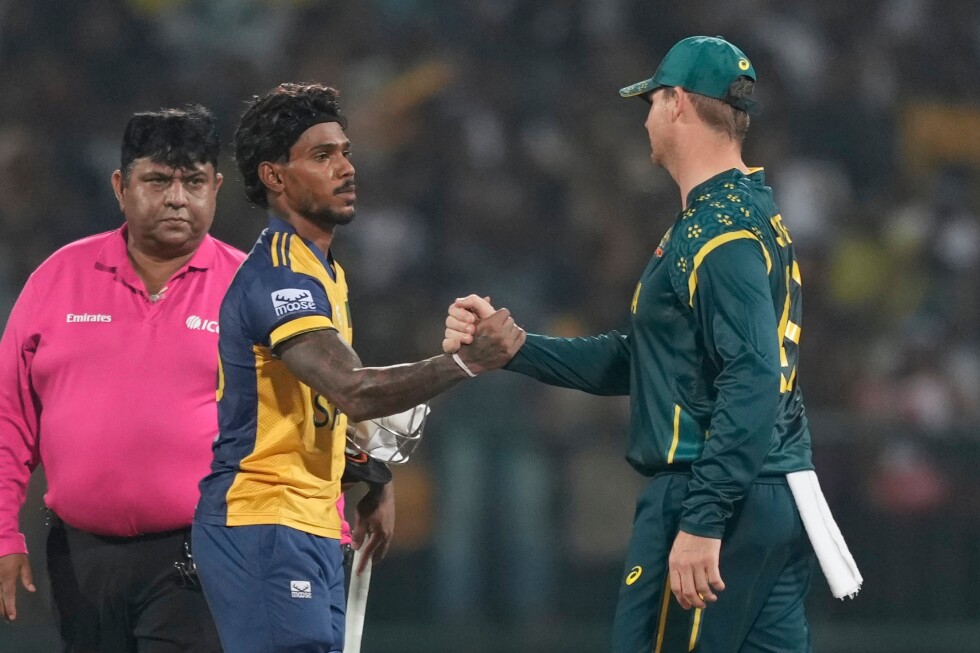
    Cricket Australia has officially unveiled the schedule for a highly anticipated tour of South Africa, marking a significant return to bilateral competition between the two cricketing powerhouses. The tour, set for September and October, will feature a compelling series of three One-Day Internationals (ODIs) followed by a three-match Test series, reigniting a historic rivalry.

    The engagement commences with the ODI leg, opening at Kingsmead in Durban on September 24. The teams will then clash at the Wanderers Stadium in Johannesburg on September 27, concluding the limited-overs segment with a day-night encounter in Potcheffstroom on September 30.

    Following a two-day warm-up match on October 3-4, the focus will shift to the pinnacle of the sport: the Test series. The first Test is scheduled to begin on October 9 at Durban’s iconic venue. The action then moves to Gqeberha (formerly Port Elizabeth) for the second Test starting October 18. The grand finale of the tour will be held at the revered Newlands Cricket Ground in Cape Town from October 27 to 31.

    This Test series carries profound significance, representing the first meeting between the two nations since their epic clash in the World Test Championship (WTC) final at Lord’s in June. On that occasion, South Africa secured a monumental victory to claim their first major international cricket trophy in 37 years, a result that undoubtedly adds a layer of intense competitive spirit and a quest for redemption to the upcoming contests.