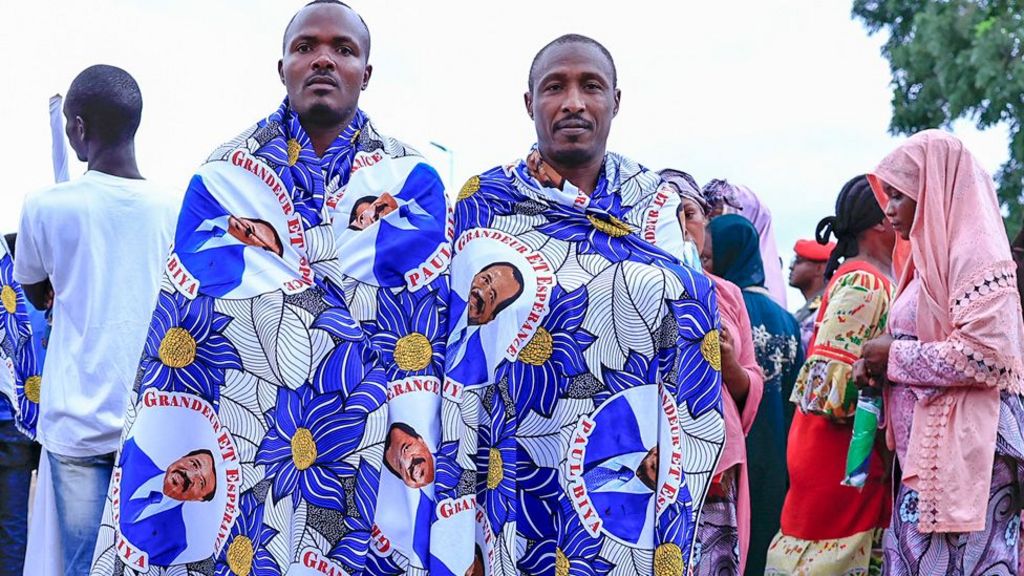
Cameroon’s 92-year-old President Paul Biya, the world’s oldest head of state, is vying for an unprecedented eighth consecutive term in office. Having ruled since 1982, Biya’s potential re-election could extend his tenure to nearly 50 years, making him one of the longest-serving leaders in modern history. Despite widespread calls for his resignation, Biya has remained steadfast, even as critics highlight his minimal campaign presence, including a 10-day private trip to Europe during the election period. His reliance on an AI-generated campaign video further fueled backlash, prompting a rushed return to Cameroon to address supporters in Maroua, where he pledged to prioritize women and youth in his next mandate. However, political analysts argue that Biya’s primary focus has been self-preservation rather than improving citizens’ living conditions, a mindset rooted in a failed coup attempt in 1984. With over 60% of Cameroon’s 30 million population under 25, many young activists, like Marie Flore Mboussi, are calling for ‘new blood,’ citing fatigue with Biya’s prolonged rule. The election unfolds against a backdrop of rising inflation, unemployment, and security challenges, particularly in the English-speaking regions where separatist conflicts have led to election boycotts and violence. The exclusion of prominent opposition leader Maurice Kamto from the race has further marred the electoral process, with critics accusing the government of stifling fair competition. Despite these challenges, Biya remains the favorite, with analysts predicting his victory, albeit with a slim majority. The Constitutional Council has 15 days to announce the results, with the interior minister warning against premature victory declarations. As Cameroon prepares for this pivotal election, the nation grapples with deep-seated political and social divisions, raising questions about the future of its democracy.
作者: admin
-

Surge in Chagos arrivals prompts row over housing costs
The UK government is under increasing pressure to provide support for Chagos Islanders arriving in the country to claim their British citizenship, as local councils struggle to manage the influx. Hillingdon Council, located near Heathrow Airport, has reported that 152 Chagossians arrived this week alone, bringing the total number of arrivals since July 2023 to over 600. The council, led by the Conservative Party, anticipates spending £2 million this year to fulfill its legal obligation to assist homeless British-Chagossians, straining its already limited housing resources and financial stability. Many Chagossians are fleeing Mauritius, where they feel unsafe following the UK’s agreement to transfer sovereignty of the Chagos Islands to Mauritius. Despite the UK government’s assertion that Chagossians should arrange their own housing before traveling, the surge in arrivals has placed significant pressure on local authorities. The Chagos Islands, a British Overseas Territory since 1814, were formally purchased from Mauritius in 1965. However, the recent £101 million annual deal with Mauritius to maintain control of the Diego Garcia military base has sparked outrage among Chagossians, who view the agreement as a betrayal of their rights. Damien Dursonial, a 35-year-old former police constable from Mauritius, arrived at Heathrow with his family this week, seeking safety and recognition as a British citizen. He criticized the government for shifting the burden of housing Chagossians onto local councils, particularly Hillingdon, which has requested exceptional financial support to avoid bankruptcy. The council has also opened a pop-up processing center to manage the influx, but its resources are stretched thin due to existing obligations to asylum seekers. A government spokesperson emphasized that the Chagossians’ arrival is unrelated to the Diego Garcia agreement and reiterated the availability of British citizenship for Chagossians since November 2022. Meanwhile, Chagossians like Vanessa Mandarin Calu advocate for a clear pathway to return to their homeland, which remains a British Overseas Territory.
-
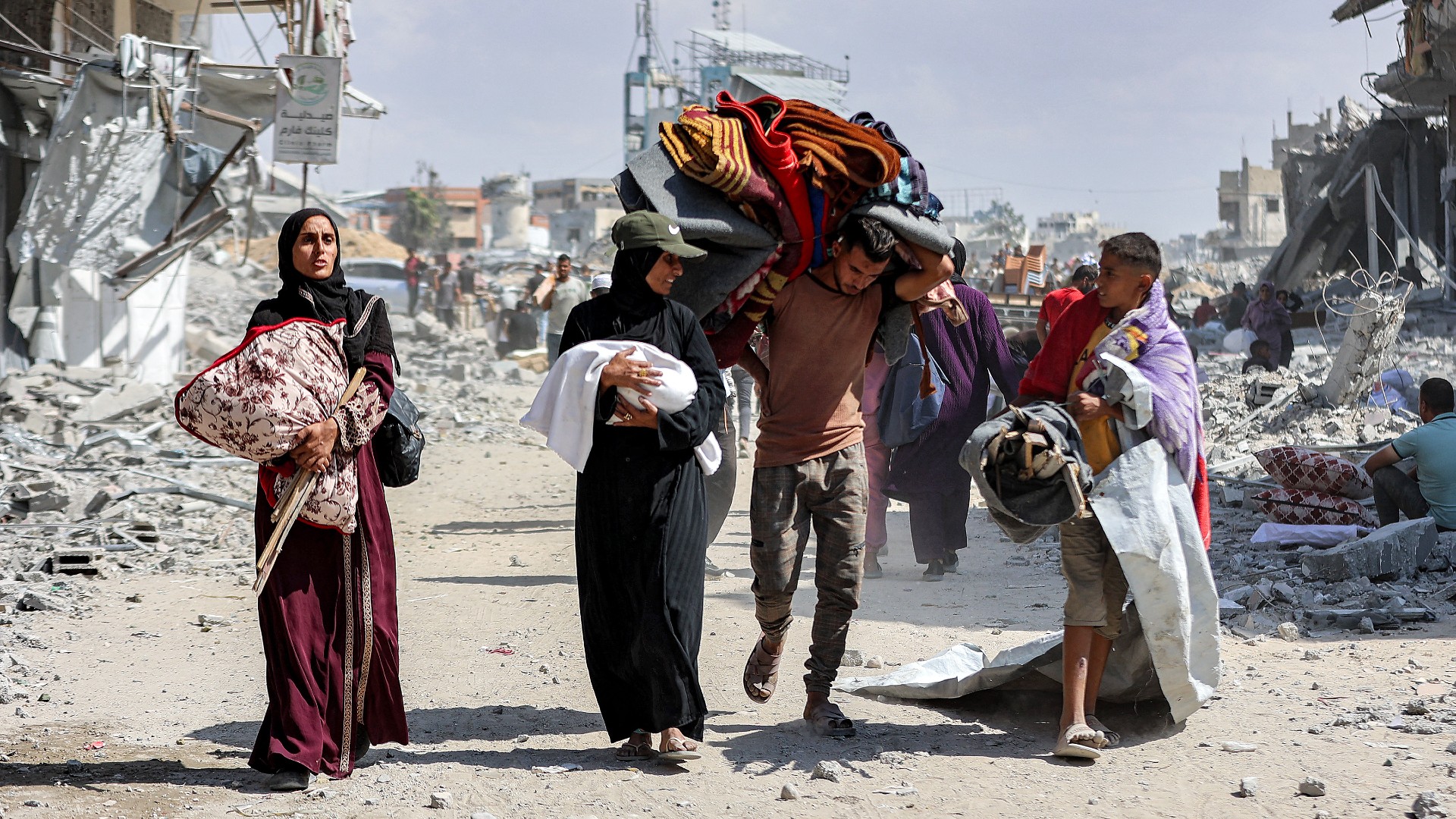
Full text of the agreement signed by Israel and Hamas to ‘end the war’ on Gaza
In a groundbreaking development, Middle East Eye has obtained a copy of the historic agreement signed by Israel, Hamas, and international mediators in Egypt, aimed at bringing an end to the prolonged conflict in Gaza. The document, titled ‘Implementation Steps for President Trump’s Proposal for a Comprehensive End of Gaza War,’ outlines a meticulously crafted six-step plan to achieve lasting peace in the region.
The first step involves U.S. President Donald Trump’s formal announcement declaring the end of the Gaza war, with all parties committing to the necessary measures to ensure its cessation. This was swiftly followed by the Israeli government’s approval of the initial phase, signaling a significant step towards de-escalation.
The second step mandates an immediate halt to all military operations, including aerial and artillery bombardments, upon the Israeli government’s endorsement. Concurrently, the third step prioritizes the urgent delivery of humanitarian aid and relief to the beleaguered Gaza Strip, ensuring that the basic needs of the population are met.
The fourth step details the withdrawal of the Israeli Defense Forces (IDF) to pre-agreed lines, as specified in an attached map, within 24 hours of the Israeli government’s approval. This withdrawal is contingent upon Hamas’s full adherence to the agreement, with the IDF pledging not to re-enter the vacated areas.
The fifth step, to be executed within 72 hours of the IDF’s withdrawal, focuses on the release of all Israeli hostages, both living and deceased, held in Gaza. This phase also includes the establishment of an information-sharing mechanism to ensure the safe and complete exhumation and release of any remaining deceased hostages. In a reciprocal gesture, Israel will release a corresponding number of Palestinian prisoners, with the exchange conducted discreetly through mediators and the International Committee of the Red Cross (ICRC), without public ceremonies or media coverage.
The final step involves the formation of a task force comprising representatives from the United States, Qatar, Egypt, Turkey, and other agreed-upon nations. This task force will oversee the implementation of the agreement, ensuring that both sides adhere to their commitments and coordinate effectively.
This comprehensive agreement, brokered with the involvement of key international players, represents a significant milestone in the quest for peace in the region. It underscores the collective commitment to ending the cycle of violence and fostering a sustainable resolution to the Gaza conflict.
-

Trump wants his foes prosecuted for a crime experts say is hard to prove
In a striking escalation of his political battles, former President Donald Trump has turned to allegations of mortgage fraud to target his political adversaries. Among those implicated are New York Attorney General Letitia James, Federal Reserve Governor Lisa Cook, and Senator Adam Schiff, all of whom are now under scrutiny for alleged misrepresentations in mortgage applications. Trump’s campaign against these figures has raised questions about the intersection of politics and legal accountability. Mortgage fraud, defined as the deliberate misrepresentation of information to secure a loan, is a rare and complex offense. According to data from Cotality, only one in 116 mortgage applications in Q2 2025 were flagged as potentially fraudulent, representing less than 1% of cases. Occupancy fraud, which involves falsely claiming a property as a primary residence, is even less common. Despite Trump’s aggressive push for legal action, experts argue that proving malicious intent in such cases is notoriously difficult. Clifford Rossi, a finance professor at the University of Maryland, noted that errors on mortgage forms can often be unintentional, making it challenging to establish deliberate wrongdoing. The involvement of Federal Housing Finance Agency (FHFA) Director Bill Pulte has further complicated the matter, with critics accusing him of violating ethics rules by publicly advocating for investigations. As the legal battles unfold, the broader implications of Trump’s tactics on the U.S. political landscape remain a subject of intense debate.
-

19 missing after explosion at Tennessee munitions factory
A catastrophic explosion at a military explosives manufacturing facility in Bucksnort, Tennessee, has left 19 individuals missing and multiple casualties, according to Humphreys County Sheriff Chris Davis. The incident occurred on Friday, completely leveling the factory and causing widespread destruction. Aerial footage revealed charred debris, smoldering vehicles, and little remaining of the facility, which is owned by Accurate Energetic Systems. Sheriff Davis, visibly emotional during a media briefing, confirmed that four or five people were hospitalized, with several fatalities reported. He described the scene as “gone,” emphasizing the devastating impact of the blast. The cause of the explosion remains under investigation, with local and federal agencies, including the FBI and ATF, collaborating on a “slow and methodical” inquiry. Accurate Energetic Systems has ceased operations, affecting approximately 75 employees. The company is now focusing on supporting affected families and staff. This is not the first incident at the site; a similar explosion in 2014, involving Rio Ammunition, resulted in one death and three injuries. The community remains in shock as authorities work to determine the cause and ensure safety.
-

Macron reappoints Lecornu as French PM after days of turmoil
In a surprising turn of events, French President Emmanuel Macron has reappointed Sébastien Lecornu as Prime Minister just four days after his dramatic resignation. This decision has injected fresh uncertainty into France’s political landscape, which has been reeling from a week of intense drama and instability. Macron’s announcement came late on Friday, following a high-stakes meeting with key political leaders at the Élysée Palace, excluding representatives from the far-right and far-left factions. Lecornu’s return is particularly unexpected, given his recent statement that he was not ‘chasing the job’ and that his ‘mission is over.’ Despite the uncertainty surrounding his ability to form a government, Lecornu faces an immediate challenge: presenting next year’s budget to parliament by the looming deadline of next Monday. The Élysée Palace confirmed that Macron has tasked Lecornu with forming a government, granting him ‘carte blanche’ to act decisively. In a lengthy statement on X, Lecornu accepted the role ‘out of duty,’ pledging to prioritize the passage of the budget and address the pressing concerns of French citizens.
-
Gaza ceasefire: Obama is criticised for ‘bothsides-ing’ genocide
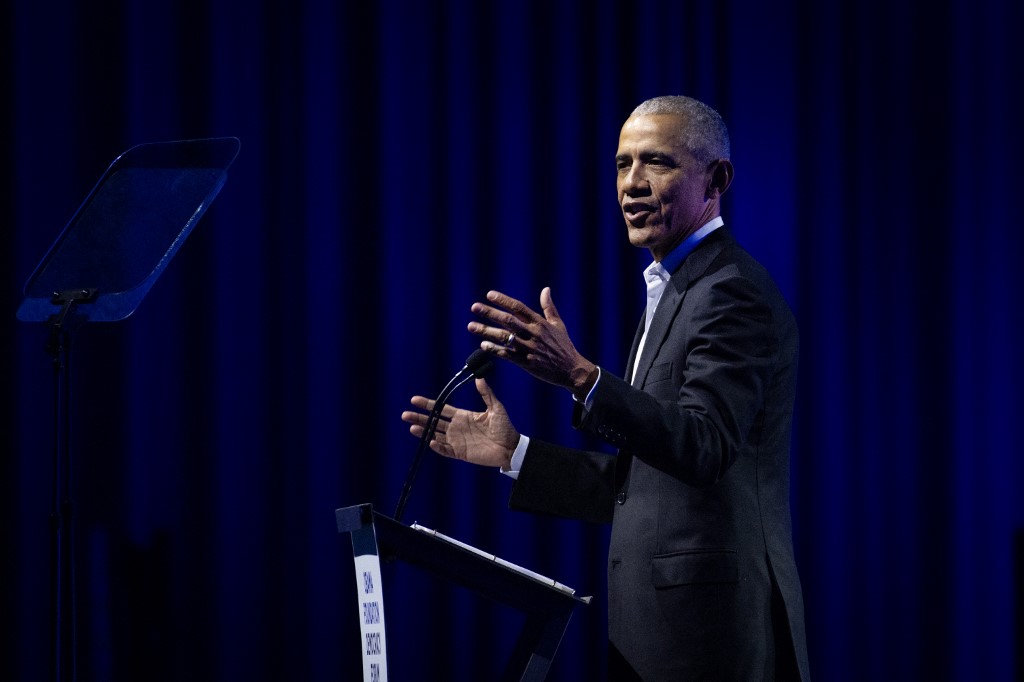
Former U.S. President Barack Obama has come under fire from social media users for his recent post on X (formerly Twitter) regarding the ceasefire agreement between Israel and Hamas. Critics accuse him of dehumanizing Palestinians and employing a ‘bothsides-ing’ approach to what many describe as a genocide. In his post, Obama expressed relief at the prospect of ending the conflict, reuniting hostages with their families, and delivering aid to Gaza. However, his choice of words sparked widespread outrage. Many users highlighted his distinction between ‘Israeli families’ and ‘the people of Gaza,’ arguing that it perpetuates a long-standing pattern of Western rhetoric that diminishes Palestinian humanity. Palestinian-American human rights attorney Noura Erakat emphasized that the people of Gaza are Palestinians who have endured a century-long struggle for survival. Media critic Sana Saeed described Obama’s language as a ‘masterclass in rendering Palestinians faceless and nameless.’ Others criticized his use of the term ‘conflict,’ which they argue misrepresents the situation as a war between equals rather than a genocide. Historian Assal Rad stressed that acknowledging the genocide is essential for accountability and justice. This is not the first time Obama has faced criticism for his stance on Israel and Palestine. In 2023, he supported Israel’s ‘right to defend itself’ while urging attention to Palestinian suffering, a stance some labeled as ‘bothsides-ing.’ The recent ceasefire agreement, signed on Thursday, includes the exchange of captives and aims to begin rebuilding Gaza. However, critics argue that true peace cannot be achieved without justice and accountability for Israel’s actions.
-
UN says 53 civilians killed during 3 days of attacks in and near el-Fasher camp in western Sudan
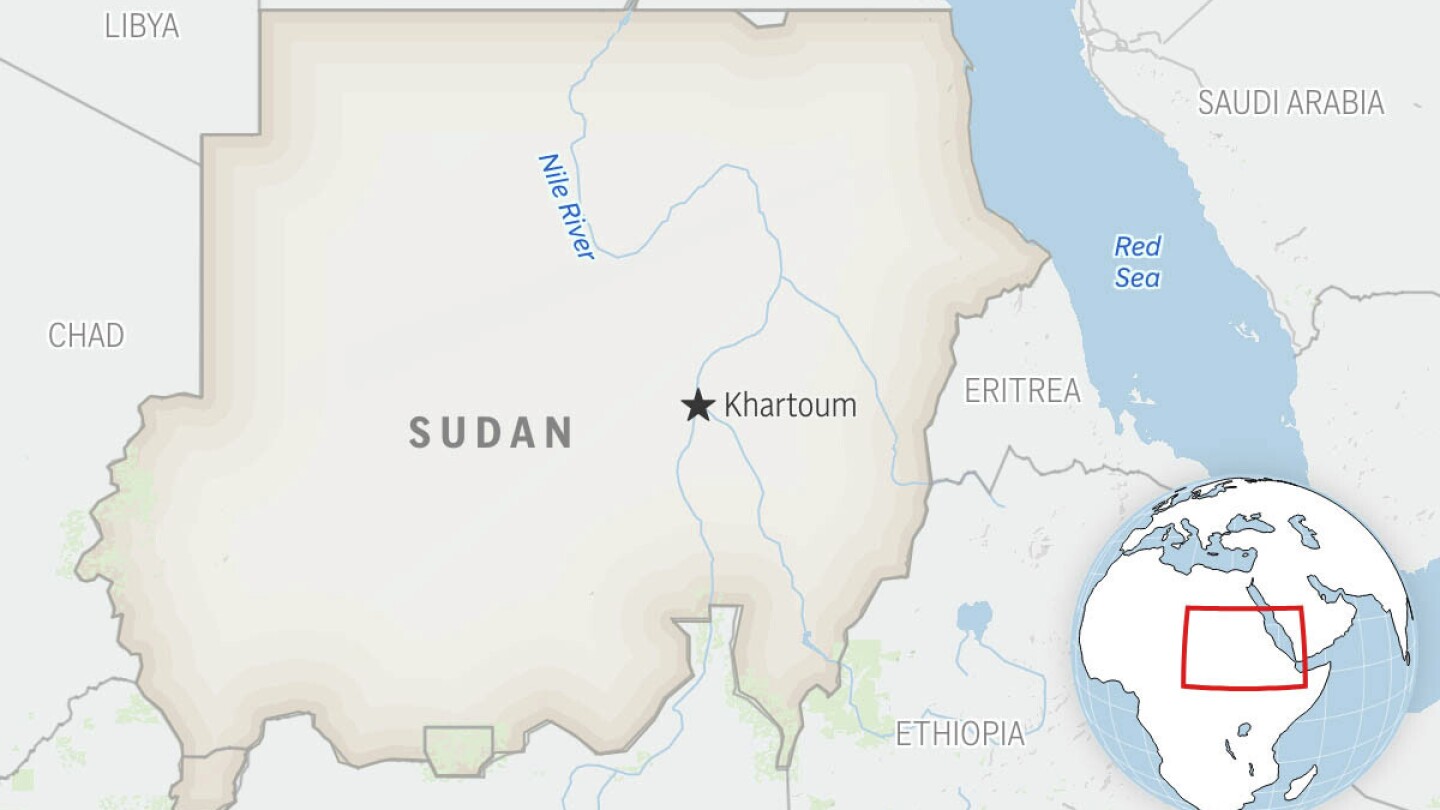
BEIRUT (AP) — A recent surge in violence in western Sudan has resulted in the deaths of at least 53 civilians and left more than 60 injured over a three-day period, according to the United Nations High Commissioner for Human Rights, Volker Türk. The death toll continues to rise as the conflict intensifies. Türk reported that drone and artillery strikes by the paramilitary Rapid Support Forces (RSF) targeted the Abu Shouk and Daraja Oula neighborhoods of el-Fasher, as well as the el-Fasher displaced persons camp, killing 46 people. Among the victims, over a dozen perished in shelling at one of the last functioning hospitals in el-Fasher. A nearby mosque, where civilians had sought refuge, was also struck. Additionally, at least seven individuals were summarily executed during ground raids by the RSF in what appears to be ethnically motivated killings. Both the RSF and the Sudanese military are under investigation by the International Criminal Court for alleged war crimes and crimes against humanity. Türk condemned the ongoing violence, stating, ‘Despite repeated calls, including my own, for specific care to be taken to protect civilians, they continue instead to kill, injure, and displace civilians, and to attack civilian objects, including IDP shelters, hospitals, and mosques, with total disregard for international law. This must end.’ He urged U.N. Member States with direct influence to take immediate action to protect civilians and prevent further atrocities in el-Fasher and across the Darfur region. Sudan has been engulfed in conflict since 2023, when tensions between the RSF and the Sudanese military erupted. Darfur has been particularly hard-hit, with over 40,000 people killed and more than 14 million displaced. Famine has been declared in parts of the country, including Darfur. El-Fasher, the provincial capital of North Darfur, has been under siege for over a year, trapping 260,000 civilians. Hundreds of thousands have fled to Tawila, just outside el-Fasher. Denise Brown, the U.N. humanitarian coordinator in Sudan, described Tawila as ‘one of the epicenters of, frankly, what is clearly a humanitarian catastrophe here.’ She noted that about 600,000 internally displaced persons are in Tawila, mostly fleeing from el-Fasher. The U.N. humanitarian plan is only 25% funded, and local actors in el-Fasher are providing limited basic assistance, which is ‘totally insufficient.’ The U.N. is working to negotiate access to el-Fasher to address the dire situation.
-
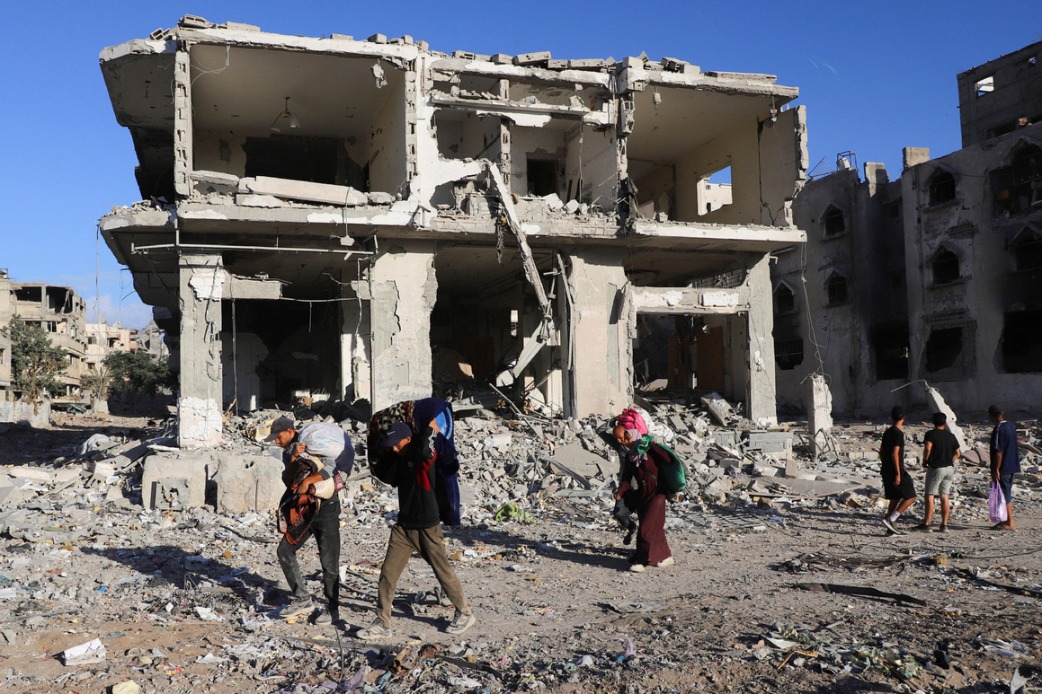
Ceasefire agreement comes into effect in Gaza: sources
A long-awaited ceasefire agreement between Israel and Hamas officially commenced in the Gaza Strip at 12:00 noon local time (0900 GMT) on Friday, October 10, 2025, according to reliable sources. The Israeli military confirmed the implementation of the truce in a concise statement, while local residents reported a noticeable calm across most areas of the coastal enclave following the announcement. This development marks the culmination of weeks of arduous negotiations, facilitated by Egypt and supported by various international stakeholders. The agreement aims to halt the recent escalation of violence that has plagued the region, offering a glimmer of hope for stability and relief to the war-torn population. Eyewitnesses described scenes of cautious optimism as Palestinians navigated the aftermath of the conflict, with many returning to damaged neighborhoods to assess the destruction. The ceasefire represents a critical step toward de-escalation, though its long-term sustainability remains uncertain as both sides cautiously monitor the situation.
-
Trump administration begins mass firings as US shutdown continues
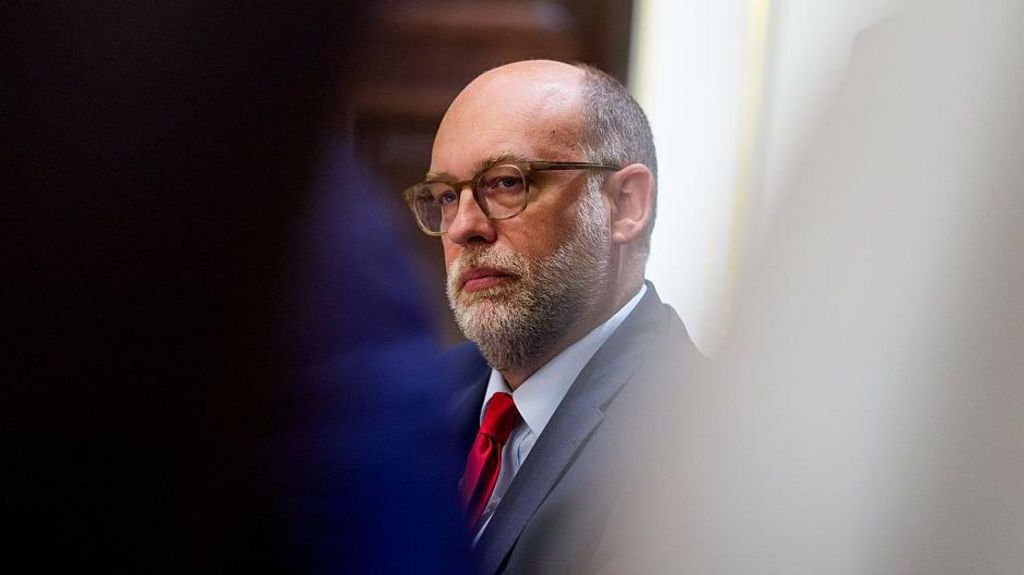
The Trump administration has commenced the process of laying off federal employees as the impasse over the government shutdown persists. Russell Vought, the Director of the Office of Management and Budget (OMB), announced the commencement of these layoffs, referred to as ‘reduction in force’ (RIF), via a post on X. RIF is a legal mechanism that allows the administration to terminate federal workers, a move that had been previously threatened if Democrats pushed for a government shutdown. An OMB spokesperson confirmed that the layoffs have indeed started and described them as ‘substantial,’ although specific figures regarding the number of affected employees were not disclosed. This development underscores the escalating tensions between the Trump administration and congressional Democrats, with federal workers caught in the crossfire of the political standoff.