作者: admin

  • Galadari Brothers

    Galadari Brothers

    The Gulf Cooperation Council (GCC) region is experiencing a fundamental transformation in its food and beverage sector, driven by a new generation of digitally-native consumers who are rewriting the established rules of dining. This paradigm shift represents a dramatic departure from traditional restaurant dynamics that once dominated the regional landscape.

    A Digital Payment Revolution has become the cornerstone of this new dining ecosystem. According to a 2026 Visa report, an astonishing 80% of transactions in the UAE are now cashless, with smartphones replacing wallets as the primary payment method. This transformation spans from luxury establishments to modest kiosks, making seamless digital payment integration an absolute necessity rather than an optional feature for F&B operators.

    The emergence of Hyper-Convenience Culture has fundamentally altered consumption patterns. With internet penetration exceeding 90% across GCC nations, app-based food ordering has evolved from novelty to normalcy. Social media platforms have accelerated this digital migration, creating instant pathways from food discovery to purchase without leaving the application interface. Industry projections indicate online orders will constitute over 40% of total sales in certain food categories within this decade, fueling the rapid expansion of cloud kitchens that operate with significantly reduced overhead costs.

    Demographic forces are amplifying this transformation, with nearly 70% of the GCC population under age 35. This youth-dominated market prioritizes speed, personalization, and value over brand heritage alone. Research indicates approximately three-quarters of consumers have switched brands within the past year, demonstrating that promotional offers and perceived value frequently outweigh longstanding brand loyalty.

    The Visual Economy of dining has emerged as a critical factor, particularly among younger demographics. Food must not only satisfy taste buds but also serve as shareable digital content, with multi-colored desserts and limited-edition formats gaining popularity through platforms like TikTok and Instagram. This visual-centric approach has redirected marketing budgets toward creator partnerships and experiential launches that generate organic social media traction.

    Psychological engagement through Gamified Loyalty Systems represents another strategic shift. Points, badges, tier upgrades, and time-limited challenges have transformed routine purchases into progression journeys, with regional platforms increasingly integrating tiered rewards and digital scoring mechanisms to drive customer retention and gather valuable consumer data.

    This comprehensive transformation necessitates a Strategic Reset for F&B operators. Digital infrastructure has transitioned from optional to essential, promotional agility has become critical in value-driven markets, physical formats must accommodate delivery demands, and marketing strategies require interactive elements. Success in this new landscape will belong to the most adaptive operators who recognize that the region hasn’t merely upgraded its technology—it has fundamentally elevated its expectations of the dining experience.


  • Netanyahu announces Israel-India ‘hexagon of alliances’ against ‘radical axes’

    Netanyahu announces Israel-India ‘hexagon of alliances’ against ‘radical axes’

    Israeli Prime Minister Benjamin Netanyahu has unveiled a strategic international coalition termed the ‘hexagon of alliances,’ with India positioned as a central partner. This alliance framework, explicitly designed to counter radical axes in the region, was announced ahead of Indian Prime Minister Narendra Modi’s landmark visit to Israel.

    Netanyahu articulated the partnership’s foundation on the social media platform X, stating, ‘The bond between Israel and India is a powerful alliance between two global leaders. We are partners in innovation, security, and a shared strategic vision.’ He characterized the coalition as an axis of nations committed to stability and progress, explicitly opposing both ‘the radical Shia axis’ and an ’emerging radical Sunni axis.’ The alliance is reported to include Israel, India, Greece, Cyprus, and other unnamed Arab, African, and Asian states.

    Modi’s visit agenda includes addressing the Israeli parliament, a solemn visit to the Yad Vashem Holocaust memorial, and engagements with the Indian-Jewish community. In response to Netanyahu’s remarks, Modi affirmed the ‘deep bond’ and ‘multi-dimensional nature’ of bilateral relations, emphasizing a foundation of ‘mutual trust, innovation, and a shared aspiration for peace and progress.’

    Concrete collaborative initiatives were outlined, focusing on infrastructure development in Israel’s Negev region. Netanyahu announced the expedited construction of the Tzklag Airport and a new Israeli settlement, citing a ‘tremendous development momentum.’

    This deepening partnership is underpinned by substantial defense and economic ties. India has emerged as the world’s largest purchaser of Israeli weaponry, including drones, missile systems, and surveillance technology, with arms purchases surging 175% between 2015 and 2019. Recent high-level defense meetings have resulted in memoranda of understanding aimed at strengthening long-term cooperation. A September bilateral investment agreement further solidified economic links, which Israeli Finance Minister Bezalel Smotrich claimed would ‘open new doors for investors.’

    This strategic pivot marks a significant evolution in India’s foreign policy. Historically a supporter of the Palestinian cause at the United Nations, India has recently abstained from a UN resolution calling for a Gaza ceasefire. Concurrently, it has strengthened ties with Israel’s regional allies, notably signing a $3 billion liquefied natural gas deal and a defense agreement with the United Arab Emirates.

    The alliance’s formation occurs against a backdrop of intensified pressure on Iran. Following a U.S. tariff announcement on nations engaging with Iran, India seized three Iranian-linked oil tankers in the Arabian Sea. Subsequently, India issued an advisory urging all its nationals to depart Iran, signaling a potential recalibration of its historically close strategic ties with Tehran and highlighting the complex geopolitical realignments shaping the region.

  • White and pink flowers in full bloom in Guangzhou

    White and pink flowers in full bloom in Guangzhou

    The Haizhu Wetland in Guangzhou has undergone a spectacular transformation as thousands of bauhinia trees burst into simultaneous bloom, creating a breathtaking tapestry of white and pink blossoms. This annual natural phenomenon has turned the 3.2-kilometer stretch along the Shiliugang River into an immersive floral experience that attracts visitors from across the region.

    The early spring warmth has triggered a remarkable floral display throughout Guangdong’s capital city, with multiple species including tabebuia chrysantha, bauhinia variegate, and kapok trees contributing to the urban botanical spectacle. The synchronized flowering has created particularly dramatic scenes within the nationally protected Haizhu Wetland park, where delicate petals flutter through the air like natural confetti.

    Visitors can experience this seasonal marvel through multiple perspectives: walking along flower-lined riverbanks where petals cascade like gentle snowfall, or gliding through emerald waters on boats that provide panoramic views of the blossoming banks. The wetland management has capitalized on this natural event by launching a dedicated flower festival running from mid-February through late March, offering structured opportunities to appreciate both the bauhinia displays and complementary floral varieties.

    This ecological event demonstrates Guangzhou’s successful integration of urban development with natural preservation, creating accessible natural attractions within China’s densely populated metropolitan areas. The predictable timing of the bloom—corresponding with seasonal temperature changes—highlights the reliable rhythms of nature even within major urban centers.

  • Kerala to be renamed ‘Keralam’? India’s union cabinet approves name change proposal

    Kerala to be renamed ‘Keralam’? India’s union cabinet approves name change proposal

    In a significant administrative development, India’s Union Cabinet has granted approval for the proposed renaming of the southern state of Kerala to ‘Keralam,’ aligning the official nomenclature with its authentic Malayalam pronunciation. This decision marks a crucial milestone in a longstanding cultural-linguistic movement that has gained substantial political traction.

    The constitutional process, announced by Information and Broadcasting Minister Ashwini Vaishnaw on Tuesday, will now advance to the Kerala State Legislative Assembly for formal consideration. The timing of this development is particularly noteworthy as it precedes the state’s assembly elections scheduled for the first half of 2026.

    According to the established procedural framework, the President of India will formally refer the Kerala (Alteration of Name) Bill, 2026, to the state legislature for consultation as mandated under Article 3 of the Indian Constitution. This legislative mechanism requires the central government to seek state assembly perspectives before proceeding with parliamentary consideration.

    The initiative follows the Kerala Legislative Assembly’s unanimous resolution passed in June 2024, which formally endorsed the name change to better reflect the state’s linguistic heritage. The proposed alteration represents more than mere semantic adjustment—it embodies the preservation of regional cultural identity within India’s federal structure.

    Final implementation will require subsequent presidential recommendation and parliamentary approval through the designated constitutional amendment process. This development underscores the dynamic interplay between linguistic preservation, regional identity, and administrative processes in contemporary Indian governance.

  • US government drops case against Democrats in ‘illegal orders’ video

    US government drops case against Democrats in ‘illegal orders’ video

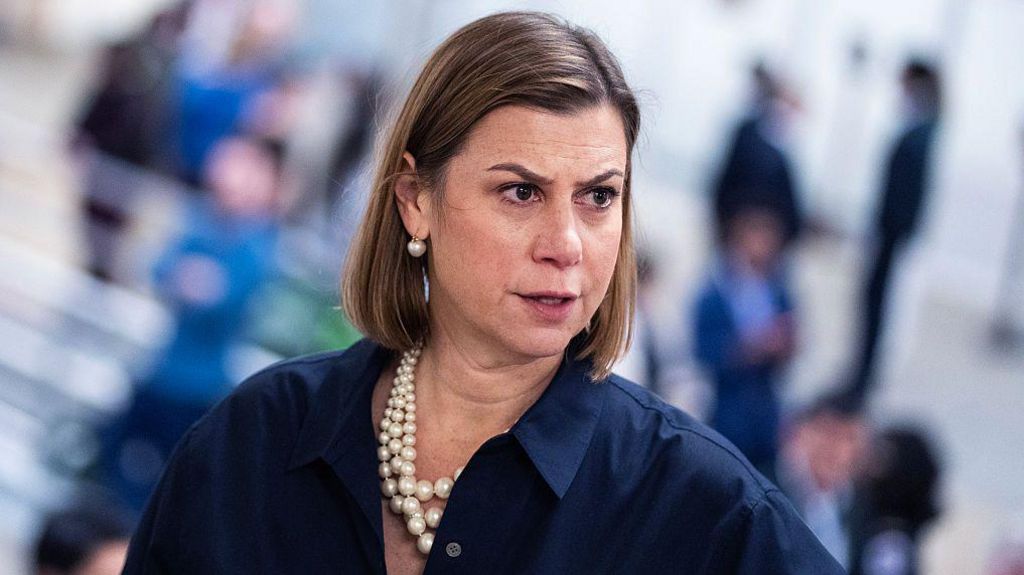
    In a significant legal development, federal prosecutors in Washington have terminated their prosecution against six Democratic lawmakers who produced a video encouraging military personnel to reject unlawful orders. The decision follows the failure of US Attorney Jeanine Pirro’s office to obtain a grand jury indictment against the defendants, all of whom are veterans with military or intelligence backgrounds.

    The controversy originated in November when the legislators released a 90-second video addressing concerns about American military operations targeting alleged narco-trafficking vessels near South American coastlines. These operations have reportedly resulted in over 130 fatalities since September. The video emphasized servicemembers’ obligation under the Uniform Military Code of Justice to refuse commands that violate U.S. or international law.

    Former President Donald Trump initially denounced the lawmakers as ‘traitors’ and suggested their actions warranted capital punishment, though he later clarified he wasn’t specifically threatening execution. Subsequently, Pirro’s office launched an investigation while the Pentagon initiated proceedings to demote Senator Mark Kelly, a former Navy captain and astronaut, which would have reduced his retirement benefits. A judge temporarily blocked this demotion in early February.

    The justice department had attempted to prosecute the group under statutes permitting up to ten years imprisonment for encouraging ‘insubordination, disloyalty, mutiny, or refusal of duty’ within the military. However, the grand jury declined to endorse the indictment. Legal representatives for Senator Elissa Slotkin had warned prosecutors that continuing the case would prompt claims of ‘vindictive and selective prosecution.’

    While the justice department retains the option to pursue charges in another jurisdiction, there were no indications of such action as of Tuesday. Pirro’s office declined to comment on the development. The accused lawmakers and their supporters have characterized the entire episode as an assault on free speech and an attempt to penalize political opponents.

  • Nigeria denies report it paid ‘huge’ ransom to free pupils in mass abduction

    Nigeria denies report it paid ‘huge’ ransom to free pupils in mass abduction

    The Nigerian government has issued a forceful denial of media reports claiming it paid substantial ransom money to Islamist militant group Boko Haram to secure the release of over 200 students and staff members abducted from St. Mary’s Catholic boarding school last November. Information Minister Mohammed Idris characterized the AFP news agency’s report as “completely false and baseless,” asserting that the allegations undermine the professionalism and integrity of the nation’s security forces.

    The controversial report, citing unnamed intelligence sources, suggested Nigeria had paid approximately 40 million naira ($30,000) per captive, with total payments reaching 2 billion naira ($1.5 million). The report further claimed the ransom was delivered via helicopter to Boko Haram’s enclave in Gwoza, Borno state—an assertion Minister Idris dismissed as “fiction.”

    In a separate security development, Police Chief Kayode Egbetokun, a close ally of President Bola Tinubu, has resigned citing “pressing family considerations” one year before his term expiration. His deputy, Tunji Disu, has been appointed acting chief amid escalating security challenges nationwide.

    The school abduction incident represents part of a broader pattern of kidnap-for-ransom operations that have become increasingly prevalent across Nigeria. Security analysts note that while Boko Haram remains most active in northeastern Borno state, splinter factions and criminal networks now operate extensively throughout Nigeria’s northwestern and north central regions.

    The controversy emerges during a period of heightened diplomatic scrutiny from the United States. A recent congressional delegation report presented at the White House recommended sweeping security and trade measures addressing what it described as “long-running persecution of Christians in Nigeria.” The report called for new bilateral security agreements, targeted sanctions, and legal reforms to protect religious freedom—recommendations the Nigerian government has yet to address publicly.

    Nigeria continues to grapple with the legacy of Boko Haram’s 2014 abduction of over 200 schoolgirls from Chibok, which sparked a devastating trend of mass kidnappings. Despite a 2022 law criminalizing ransom payments, enforcement remains challenging as families and intermediaries frequently negotiate with captors to secure loved ones’ release.

  • Ukraine remembers its dead as war enters a fifth year

    Ukraine remembers its dead as war enters a fifth year

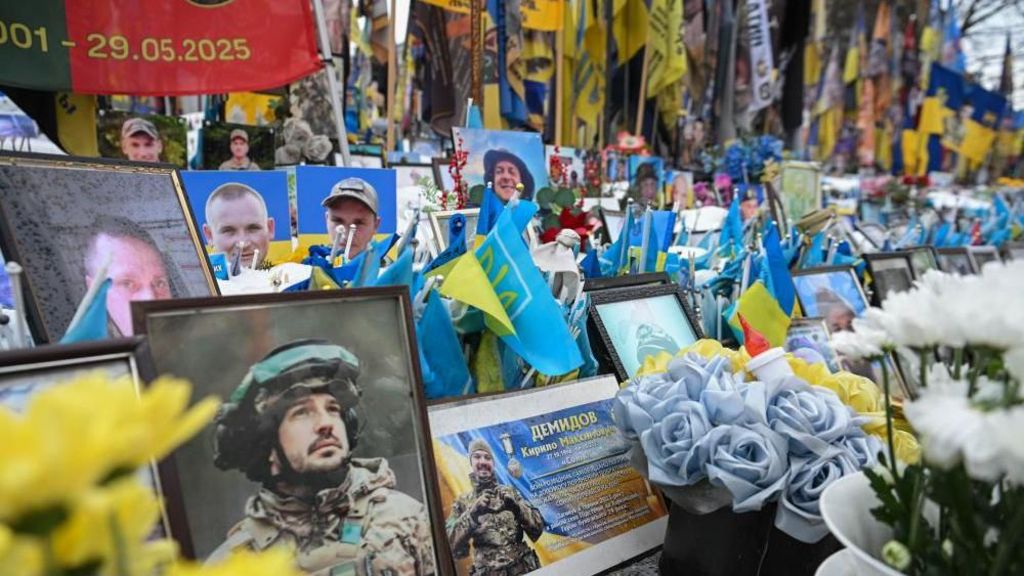
    Ukraine solemnly commemorated the fourth anniversary of Russia’s full-scale invasion this week, honoring the fallen in a conflict with no end in sight. The nation observed a moment of silence at 10:00 local time, bringing Kyiv to a standstill as citizens gathered in Maidan Square and other memorial sites across the country.

    President Volodymyr Zelensky delivered a defiant address from the presidential palace’s subterranean corridors, asserting that “Ukraine never chose this war” while emphasizing the preservation of national sovereignty. “We have defended our independence, we have not lost our statehood,” he declared, acknowledging the staggering human cost while reaffirming Ukraine’s resilience.

    The military situation remains dire as the conflict enters its fifth year. Russian forces currently control approximately 20% of Ukrainian territory, though Moscow has failed to capture the entire Donbas region as initially intended. Kremlin spokesman Dmitry Peskov acknowledged that Russia’s war aims “haven’t been fully achieved yet,” while blaming Western support for Ukraine for escalating the conflict into a “confrontation between Russia and the West.”

    International support was visibly demonstrated as Zelensky hosted European leaders including Finnish President Alexander Stubb, Swedish Prime Minister Ulf Kristersson, and European Commission President Ursula von der Leyen. The so-called “Coalition of the Willing,” led by Britain and France and comprising approximately 35 nations, convened to discuss continued support, with some members expressing willingness to deploy troops to enforce any potential ceasefire.

    UK Prime Minister Keir Starmer, participating via video link, challenged the perception of Russian dominance, noting that Moscow had gained only “0.8% of land in Ukraine at a terrible cost to themselves of half a million losses” over the past year. Conversely, French President Emmanuel Macron expressed skepticism about near-term peace prospects, stating there was “no willingness on the Russian side to have a robust and solid peace.”

    The human toll continues to mount dramatically. BBC investigations have identified over 186,000 Russian soldiers killed, while UK defense estimates suggest total Russian casualties may reach 1.25 million. Ukrainian losses remain contested, with Zelensky acknowledging 55,000 battlefield deaths while other sources suggest the figure could approach 200,000.

    Civilian infrastructure remains under constant threat, with Ukraine urgently requesting additional Patriot interceptor missiles from the US after winter bombardments depleted defensive capabilities. The conflict has displaced millions and created Europe’s largest humanitarian crisis since World War II, with no diplomatic breakthrough appearing imminent despite multiple negotiation attempts.

  • Louvre museum director resigns months after high-profile heist

    Louvre museum director resigns months after high-profile heist

    The director of Paris’s renowned Louvre Museum has stepped down from her position months after a spectacular theft of France’s crown jewels from one of the world’s most visited cultural institutions. Laurence des Cars tendered her resignation to President Emmanuel Macron, who characterized the move as “an act of responsibility” according to French media reports.

    The audacious heist occurred on the morning of October 19 last year when perpetrators utilized a stolen vehicle equipped with a mechanical lift to access the Galerie d’Apollon (Gallery of Apollo) via a balcony overlooking the River Seine. Although authorities have apprehended four primary suspects, the eight invaluable jewelry pieces, valued at approximately €88 million (£76 million, $104 million), remain missing. Among the stolen items was a diamond and emerald necklace originally presented by Emperor Napoleon to his wife.

    During their escape, the thieves dropped Empress Eugenie’s 19th-century diamond-studded crown, resulting in significant damage. Earlier this month, the Louvre released the first images of the damaged crown since the incident, noting it was “nearly intact” and could undergo complete restoration.

    In the aftermath of the robbery, des Cars acknowledged critical vulnerabilities in the museum’s security infrastructure, describing the perimeter CCTV system as both weak and “aging.” The only camera monitoring the exterior wall where the breach occurred was pointed away from the balcony providing access to the jewel gallery.

    Despite hosting over 8.7 million visitors annually, the museum has faced challenges in modernizing its security apparatus. Des Cars, who assumed leadership of the Louvre in 2021, had previously advocated for doubling the number of surveillance cameras to enhance protection.

    A parliamentary investigation into the security lapses is currently underway, with a preliminary report citing “systemic failures” that facilitated the break-in. The full findings are scheduled for release in May. The museum has additionally encountered other operational challenges recently, including a suspected ticket fraud scheme and significant water damage.

  • What to know about the charge that former Prince Andrew and Peter Mandelson could face

    What to know about the charge that former Prince Andrew and Peter Mandelson could face

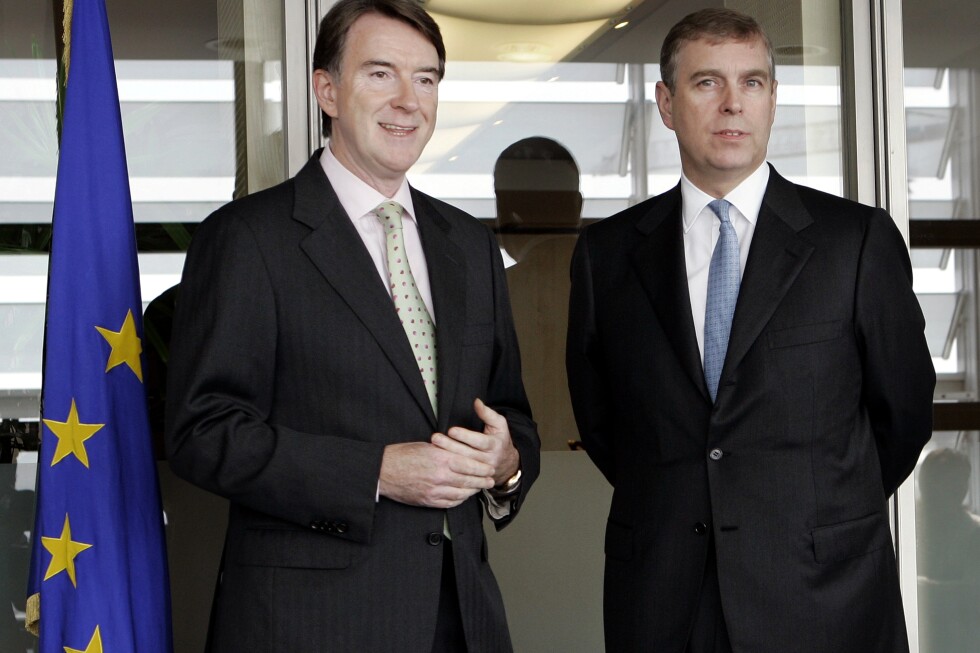
    LONDON — Britain’s centuries-old misconduct in public office statute faces mounting scrutiny as two prominent figures—former Prince Andrew (now Andrew Mountbatten-Windsor) and ex-Business Secretary Peter Mandelson—undergo criminal investigations regarding their associations with convicted sex offender Jeffrey Epstein.

    Both individuals, questioned within days of each other by metropolitan police, are being investigated for allegedly leaking sensitive government information to the financier. Though neither has been formally charged, the high-profile cases have exposed fundamental flaws in the medieval-era legal framework governing public officials’ conduct.

    Recently unsealed U.S. government documents suggest Mountbatten-Windsor, during his tenure as UK’s special trade representative (2001-2011), provided Epstein with confidential trade reports. Mandelson, a veteran Labour Party politician and former ambassador to Washington, allegedly shared internal government documents with Epstein and promised to lobby for reduced banker bonus taxes during his ministerial term approximately 15 years ago.

    The Crown Prosecution Service defines misconduct in public office as “serious willful abuse or neglect of the power or responsibilities of the public office held.” Conviction carries a potential life sentence, yet legal experts emphasize the offense remains notoriously difficult to prove due to its vague terminology and high evidentiary thresholds.

    Particular challenges exist in Mountbatten-Windsor’s case, where prosecutors must first establish whether his unsalaried trade envoy role constituted a “public office.” Additionally, investigators must demonstrate willful misconduct rather than mere negligence, and prove actions were so severe they fundamentally abused public trust.

    The Law Commission, an independent legal body, has repeatedly called for reforming what it describes as “unhelpfully vague” legislation. Critics note the offense has historically targeted mid-level officials like police and prison officers rather than senior politicians or high-ranking officials.

    Both subjects were released following questioning, with legal analysts suggesting charges remain distant. Marcus Johnstone of PCD Solicitors noted: “The threshold is high: conduct must be so far below acceptable standards that it affronts the office’s standing. We remain considerably distant from potential prosecution.”

  • ‘Spurned lover’ who threatened to blow Indian court, arrested in Uttar Pradesh

    ‘Spurned lover’ who threatened to blow Indian court, arrested in Uttar Pradesh

    Indian authorities have apprehended a man who orchestrated an elaborate cyber-enabled extortion scheme targeting judicial facilities in Uttar Pradesh, revealing a disturbing case of personal vengeance disguised as terrorism threats.

    Vishal Ranjan, the accused, was arrested on February 22 from his rented accommodation in Azamgarh district following an intensive digital manhunt conducted by the Uttar Pradesh Anti-Terrorism Squad (ATS). The investigation began after the district judge of Jaunpur received bomb threats via official email channels on February 17.

    The suspect employed sophisticated evasion techniques, utilizing paid VPN services, multiple WiFi connections, and approximately 50 fabricated email accounts across Proton Mail, Gmail, and Outlook platforms. According to investigative reports, Ranjan demanded a ransom of ₹100,000 (approximately $1,200) to be delivered through the Uttar Pradesh Chief Minister’s office, threatening to detonate explosives at the Jaunpur court complex and police lines if his demands were unmet.

    Forensic examination of seized devices—including five mobile phones, a laptop, memory cards, and multiple SIM cards—uncovered draft messages targeting additional infrastructure, notably the Azamgarh bus depot. Investigators confirmed these threats would likely have been executed absent timely intervention.

    The motivation behind this complex scheme emerged as deeply personal rather than ideological. Police revealed Ranjan had developed romantic feelings for a woman whose family had arranged her marriage to a Jaunpur resident. After creating fake social media profiles to post objectionable content in the groom’s name, which resulted in a formal village mediation requiring his apology, Ranjan allegedly devised the bomb threat plot to frame both the prospective groom and other village youths.

    His methodology involved extracting contact information from a local cricket tournament pamphlet that featured attendees of the mediation meeting. Using these details, he created false digital identities to send threatening communications, apparently hoping authorities would apprehend the innocent individuals.

    The case has been registered under multiple legal provisions including India’s new Bharatiya Nyaya Sanhita criminal code and information technology statutes, highlighting the evolving challenges law enforcement faces in addressing digitally-facilitated crimes with traditional anti-terrorism frameworks.