作者: admin

  • China’s railways handle 121m passenger trips during Spring Festival holiday

    China’s railways handle 121m passenger trips during Spring Festival holiday

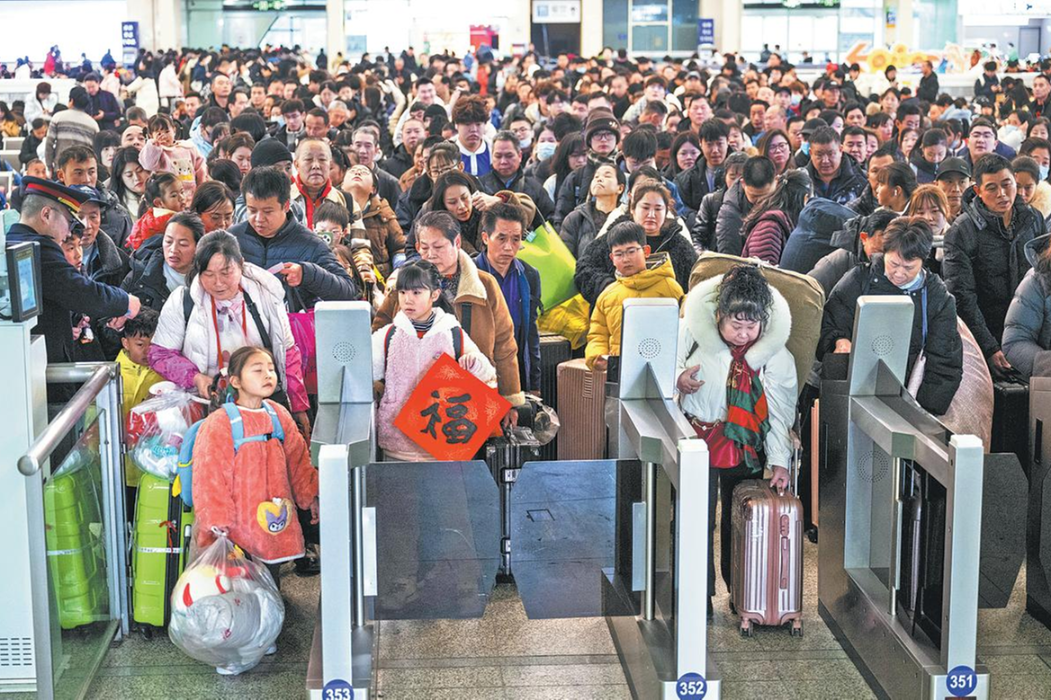
    China’s national railway system demonstrated remarkable operational capacity during the recent Spring Festival holiday, transporting approximately 121 million passenger trips across the nine-day festive period. According to official data released by China State Railway Group, this year’s travel volume represents an impressive 11.5% increase compared to the same period last year, underscoring both robust travel demand and sustained economic vitality.

    The holiday period, which concluded on Monday, witnessed unprecedented passenger flows as family reunions, tourism activities, and return journeys created overlapping travel peaks. Railway operations maintained an average daily passenger volume of 13.41 million trips throughout the celebration period. The transportation system achieved a particularly significant milestone on the final day of the holiday, handling 18.73 million passenger journeys—setting a new historical record for single-day travel volume during China’s Spring Festival travel season.

    Concurrently, railway freight services maintained steady operations with 85.38 million metric tons of cargo transported during the same period, reflecting a 0.5% year-on-year increase. Railway authorities implemented enhanced transportation organization and passenger service measures to ensure safe, orderly, and efficient travel while supporting uninterrupted logistics operations throughout the holiday period.

    The annual Spring Festival travel rush, widely recognized as the world’s largest periodic human migration, continues to serve as a critical indicator of China’s transportation infrastructure capabilities and operational management efficiency. This year’s performance demonstrates the system’s capacity to manage extreme passenger volumes while maintaining service quality and safety standards.
  • Son of Hollywood filmmaker Rob Reiner pleads not guilty to parents’ murder charges

    Son of Hollywood filmmaker Rob Reiner pleads not guilty to parents’ murder charges

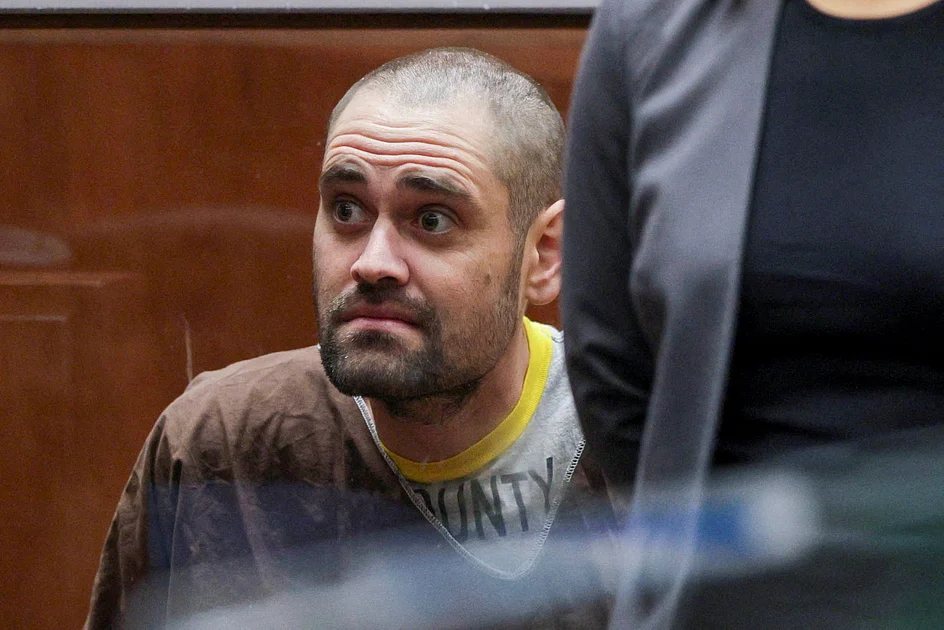
    In a dramatic courtroom proceeding that has captivated Hollywood, Nick Reiner, the 32-year-old son of legendary filmmaker Rob Reiner, entered a formal plea of not guilty to dual charges of first-degree murder in the deaths of his parents. The case involves the brutal December 14 stabbing deaths of Rob Reiner, the acclaimed director behind classics like ‘When Harry Met Sally’ and ‘The Princess Bride’, and his wife Michele Reiner, a respected photographer and producer, at their West Los Angeles estate.

    The arraignment, which had been postponed twice previously due to legal representation changes, saw Reiner appear behind protective glass in brown jail attire, his head shaved and beard trimmed. The defendant spoke minimally during the hearing, only affirming his waiver of the right to a speedy preliminary hearing. Los Angeles County Superior Court Judge Theresa McGonigle scheduled the evidentiary hearing for within 30 days of April 29, where prosecutors will present their case for proceeding to trial.

    Authorities have maintained tight secrecy around investigation details, revealing only that autopsy reports indicated both victims succumbed to ‘multiple sharp force injuries.’ The case has drawn comparisons to other celebrity tragedies, notably the 1994 O.J. Simpson case, given the high-profile nature of the victims and the brutal circumstances of their deaths.

    Complicating the legal proceedings, high-profile defense attorney Alan Jackson unexpectedly withdrew from representation on January 7, forcing the public defender’s office to assign Kimberly Greene as replacement counsel. Reiner remains held without bond since his December arrest, with prosecutors yet to determine whether they will seek the death penalty or life imprisonment without parole should conviction occur.

    The tragedy has exposed deeply personal family struggles, including Nick Reiner’s publicly acknowledged battles with substance abuse and mental health challenges. In 2020, he was placed under court-approved mental health conservatorship permitting involuntary psychiatric treatment, though this arrangement concluded in 2021. His personal struggles previously inspired the film ‘Being Charlie,’ which he co-wrote with his father.

    Notably absent from courtroom proceedings have been Reiner’s siblings—34-year-old brother Jake and 28-year-old sister Romy, who reportedly discovered her father’s body. The siblings previously issued a joint statement expressing their ‘unimaginable pain’ following the ‘horrific and devastating loss of our parents.’

    The case continues to develop as both legal teams prepare for upcoming hearings, with the Hollywood community mourning the loss of a beloved creative force and political activist who had planned to attend an event with former President Barack Obama on the day of the murders.

  • Risk sentiment at a crossroads: What renewed global volatility means for the GCC

    Risk sentiment at a crossroads: What renewed global volatility means for the GCC

    Global financial markets are experiencing a significant defensive rotation as investors navigate heightened geopolitical tensions, AI-driven volatility, and uncertainty surrounding U.S. Federal Reserve policy. This risk-off sentiment has triggered a rare simultaneous strengthening of traditional safe-haven assets—oil, gold, and the U.S. dollar—signaling a broad-based retreat from risk-oriented positions.

    Energy markets are at the forefront of this shift, with crude oil climbing above $65 per barrel amid seasonal demand increases and renewed concerns about potential supply disruptions through the Strait of Hormuz. Precious metals are approaching critical breakout levels, with gold nearing $5,100 and silver testing $80 thresholds, driven by sustained safe-haven demand and strategic buying during short-term dips.

    For Gulf Cooperation Council (GCC) nations, this environment presents both opportunities and challenges. While elevated oil prices typically enhance fiscal surpluses, improve liquidity conditions, and bolster regional investment sentiment—often translating into robust IPO pipelines and capital market activity—the current landscape remains notably complex. Volatility emanating from the global technology cycle, anticipated temporary pauses in Federal Reserve policy, and escalating U.S.-Iran tensions are amplifying uncertainty despite the region’s relatively firm macroeconomic fundamentals.

    Global equity markets reflect this cautious sentiment, with major U.S. indices stalling below record levels amid concerns about potential risk-asset peaks. Meanwhile, the UAE’s MSCI index continues to hover near decade highs, demonstrating regional resilience while suggesting possible short-term consolidation before sustained upward momentum resumes.

    Razan Hilal, Market Analyst at FOREX.com, observes: ‘Markets are navigating a delicate balance. Defensive flows dominate globally, yet regional fundamentals in the GCC remain comparatively stable. This divergence creates both opportunity and short-term volatility risk.’

    The UAE’s currency peg to the U.S. dollar provides additional macroeconomic stability, offering policy predictability and interest rate clarity. anticipated U.S. rate cuts could further ease financial conditions, potentially supporting regional growth, liquidity, and capital markets activity throughout the year.

    Critical structural turning points warrant monitoring, including potential crude breakouts above key resistance levels that could alter global inflation expectations, delay rate-cut timelines, and sustain defensive asset preferences. Conversely, significant reversals in oil prices or breakdowns in the dollar’s long-term uptrend could substantially reshape global and regional liquidity dynamics.

    The GCC remains well-positioned due to fiscal strength, macroeconomic stability, and steady investor interest, though it remains exposed to global crosscurrents. During this period of geopolitical realignment and elevated cross-asset volatility, regional markets continue demonstrating durability while becoming increasingly sensitive to global risk cycles. As Hilal notes, the next major catalyst may originate outside the region—but its impact on GCC economies will be undeniable.

  • 17.8m entries and exits made during Spring Festival holiday

    17.8m entries and exits made during Spring Festival holiday

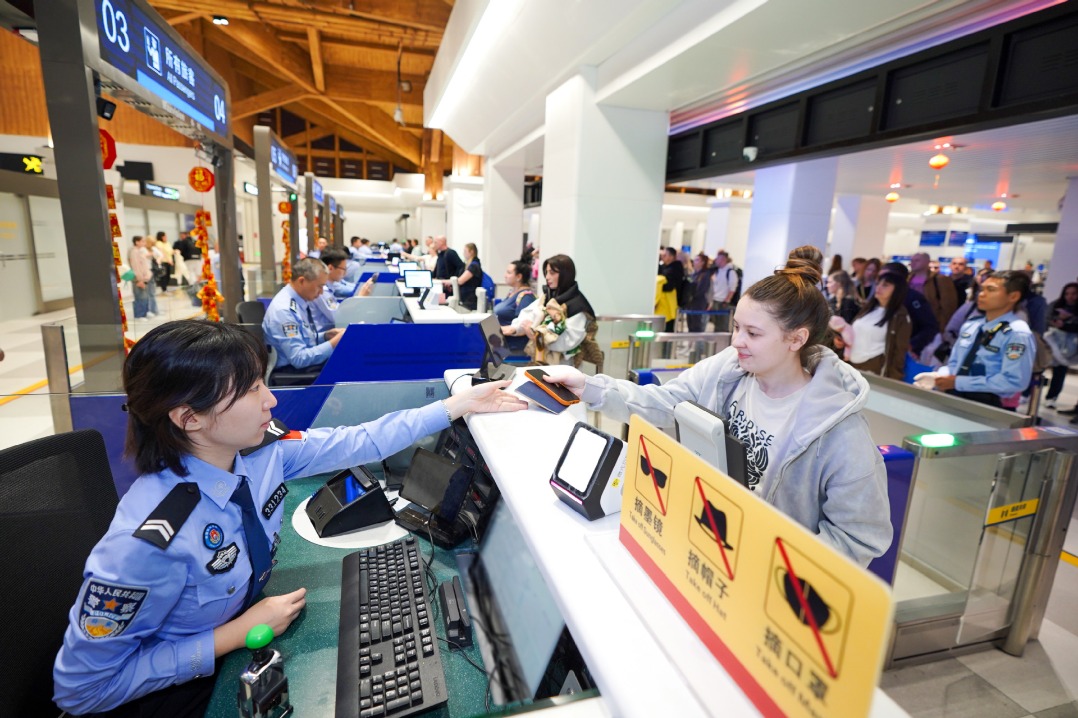
    China witnessed substantial cross-border mobility during the recent Spring Festival holiday, with official data revealing 17.8 million entries and exits recorded at the country’s border checkpoints. The daily average reached approximately 1.98 million movements, reflecting significant recovery in international travel following pandemic restrictions.

    The heightened traffic coincided with extensive celebrations across China, including Macao’s spectacular drone and fireworks display that attracted both domestic and international visitors. Multiple regions reported increased tourism activity, with destinations like Shanxi’s Zhaoyu Ancient City experiencing notable visitor surges during the holiday period.

    Transportation infrastructure, particularly the Hong Kong-Zhuhai-Macao Bridge, handled record traffic volumes as mainland-SARs tourism rebounded strongly. The increased mobility demonstrates China’s ongoing normalization of cross-border travel and cultural exchange following extended COVID-19 related restrictions.

    The data coincides with China’s comprehensive efforts to revitalize tourism and cultural activities, with sci-tech museums alone drawing over 3.5 million visits during the same period. Authorities implemented enhanced border management protocols to ensure smooth processing of the increased passenger flow while maintaining security standards.

  • Mexico deploys 10,000 troops to end violence over drug lord El Mencho’s death

    Mexico deploys 10,000 troops to end violence over drug lord El Mencho’s death

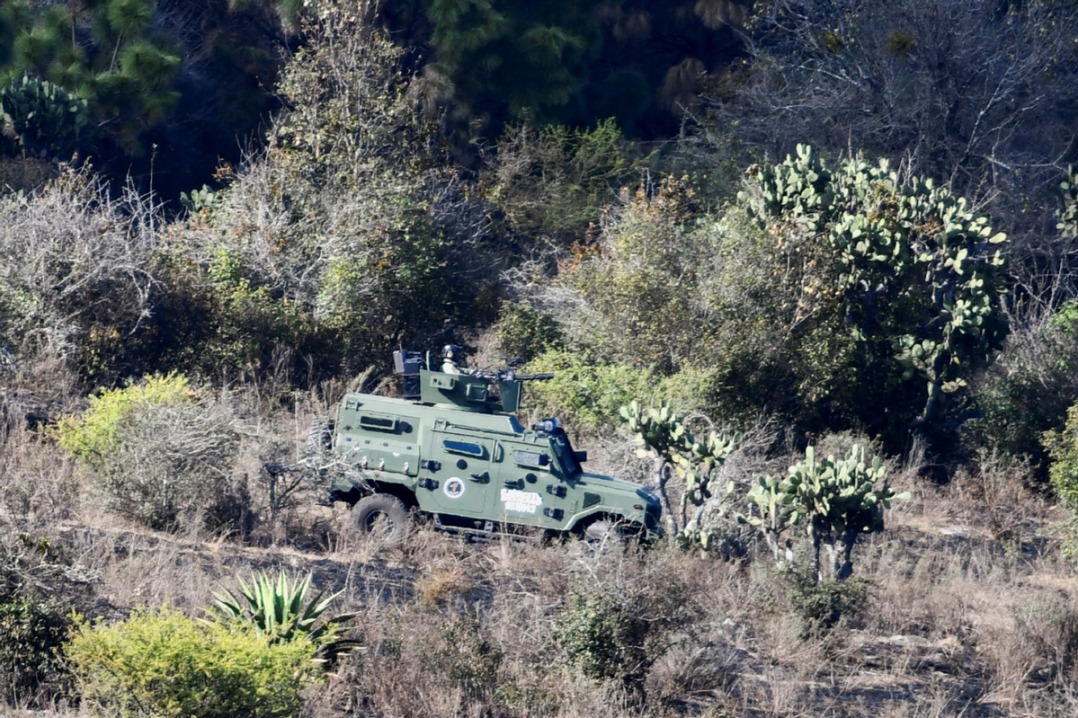
    The Mexican government has mobilized 10,000 security personnel to contain explosive violence that erupted following the confirmed death of Nemesio Oseguera Cervantes, alias ‘El Mencho,’ the nation’s most-wanted cartel leader. The leader of the Jalisco New Generation Cartel (CJNG) was fatally wounded during a military raid in Tapalpa, Jalisco state, on Sunday and died en route to a Mexico City hospital.

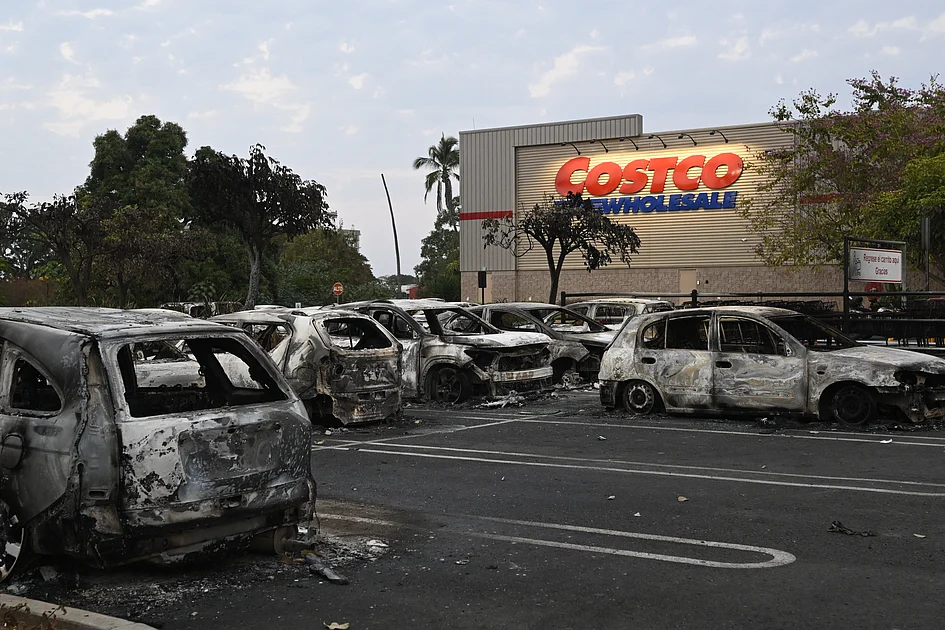
    The announcement of his death triggered immediate and coordinated retaliatory attacks across the country. CJNG operatives erected blockades across major transportation routes in 20 states, set fire to hundreds of vehicles and commercial establishments, and launched a brazen assault on a Jalisco prison that resulted in the escape of at least 23 inmates.

    Official casualty figures from the initial raid and subsequent clashes report at least 27 security force members, 46 suspected cartel members, and one civilian killed. The violence created widespread panic, with residents sheltering indoors, tourists confined to hotels, and most businesses shuttered. Critical shortages emerged as anxious citizens formed long lines at the few remaining open stores, particularly tortillerias, to stockpile supplies.

    The federal government responded by deploying an additional 2,500 troops to reinforce Jalisco, a key host state for the upcoming FIFA World Cup. Despite the heavy military presence, tensions remained extraordinarily high in symbolic locations like Aguillila, Michoacán—El Mencho’s birthplace—where residents reported fresh blockades and columns of black smoke rising from the mountainous region.

    The resort city of Puerto Vallarta, a popular destination for international tourists, was also rocked by violence, prompting travel advisories from the United States, Canada, Britain, and Australia. Dozens of international flights were canceled due to security concerns.

    El Mencho, 59, was the last remaining drug lord operating in the brutal tradition of captured kingpins like ‘El Chapo’ Guzmán. His death, aided by US intelligence according to officials from both nations, creates a dangerous power vacuum within CJNG—one of Mexico’s most powerful and violent criminal enterprises. Experts warn the absence of a clear successor, compounded by the recent US conviction of his son ‘El Menchito,’ could trigger violent internal fragmentation within the organization.

    Mexican Defense Secretary Ricardo Trevilla revealed that intelligence regarding a rendezvous between Oseguera and one of his partners was pivotal in locating the elusive kingpin. The operation resulted in the seizure of a significant arsenal, including rocket launchers capable of downing aircraft, and the death of his top lieutenant, Hugo ‘El Tuli’ H.

  • Ghana drops coup leader’s name from main airport on putsch anniversary

    Ghana drops coup leader’s name from main airport on putsch anniversary

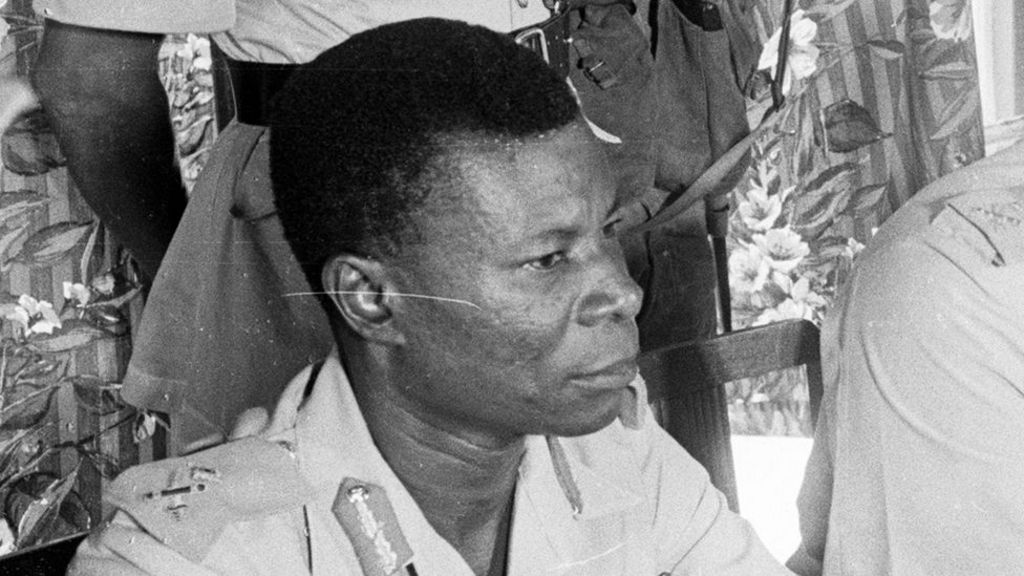
    In a landmark decision marking the 60th anniversary of Ghana’s first coup, the government has officially removed the name of military leader Emmanuel Kwasi Kotoka from the nation’s primary aviation hub. The facility will revert to its original designation as Accra International Airport, shedding the controversial homage to the officer who overthrew founding president Kwame Nkrumah in 1966.

    The transport ministry defended the move as necessary to project a neutral national image that aligns with Ghana’s democratic values, emphasizing that the change reflects the capital city’s identity rather than memorializing a figure associated with unconstitutional power seizure. Minister Joseph Bukari Nikpe stated the renaming aims to present Ghana as a stable democracy focused on unity rather than divisive historical figures.

    However, the decision has ignited intense debate across Ghanaian society. Kotoka’s family and political representatives from his native Volta Region condemn the erasure of his legacy, arguing it diminishes regional representation in national symbols. Minority Leader Alexander Afenyo-Markin characterized the move as a betrayal of eastern Ghana’s contributions to national history.

    Civil society organizations supporting the change maintain that honoring a coup leader fundamentally contradicts constitutional governance principles. This perspective has gained prominence under President John Mahama’s administration, which returned to power through democratic elections in December 2024.

    The controversy extends beyond historical reinterpretation to practical concerns, with critics questioning the allocation of resources to symbolic changes amid pressing issues like unemployment and living standards. Social media platforms have become arenas for vigorous debate about the legal, social, and political implications of recontextualizing historical figures.

    Authorities assure the public that operational aspects—including safety standards and international travel protocols—remain unaffected by the nomenclature adjustment. The government has called for public cooperation to ensure a seamless transition while acknowledging the complex historical narratives surrounding both Nkrumah’s pan-African visionary leadership and Kotoka’s contested legacy.

    Historical context reveals deeper dimensions: Nkrumah’s 1966 ouster occurred amid allegations of authoritarian tendencies, with historians continuing to debate external influences, including possible CIA involvement in destabilizing Ghana’s first president. The airport itself witnessed Kotoka’s death during a failed counter-coup attempt in 1967, adding layers of historical irony to the naming controversy.

    This decision reflects Ghana’s ongoing negotiation with its post-colonial identity, balancing reverence for independence achievements with critical reassessment of subsequent political turmoil that included multiple coups before establishing stable multiparty democracy in 1992.

  • Residents face early traffic, low visibility as monster fog blankets parts of UAE

    Residents face early traffic, low visibility as monster fog blankets parts of UAE

    A severe fog event descended upon the United Arab Emirates early Tuesday morning, significantly disrupting daily life and transportation across several emirates. Dense fog patches, described by residents as a ‘monster’ blanket, engulfed areas including Sharjah, Dubai, and Al Qusais, drastically reducing visibility to as low as 200 meters in some locations.

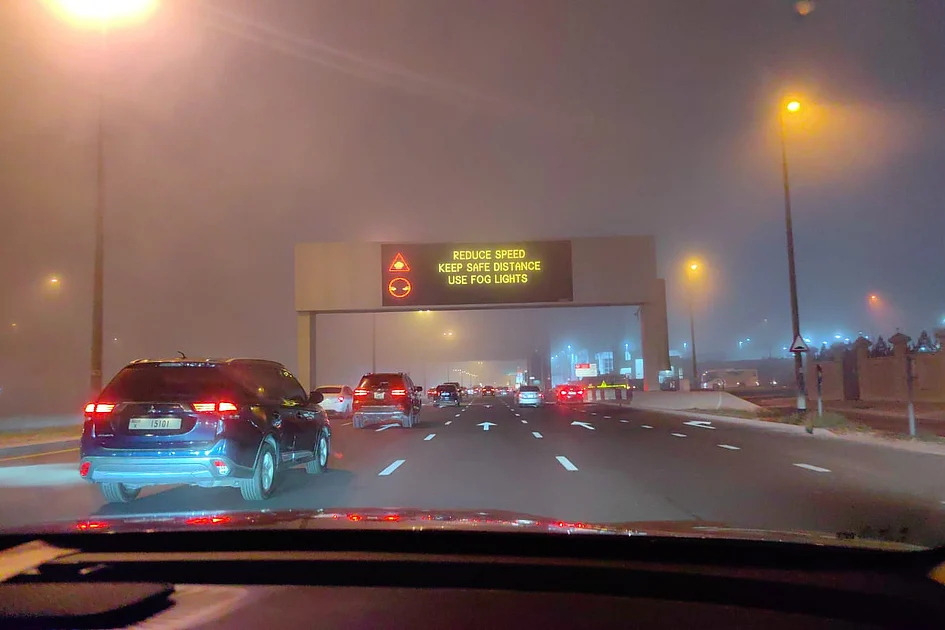
    The meteorological phenomenon triggered an immediate multi-agency response. The UAE’s National Centre of Meteorology (NCM) issued red and yellow weather alerts across most regions, warning of hazardous driving conditions persisting until 10:00 AM. Simultaneously, the Roads and Transport Authority (RTA) activated electronic signboards along major thoroughfares, broadcasting critical safety advisories urging motorists to reduce speed, maintain safe following distances, and utilize fog lights.

    Transportation networks experienced substantial disruptions with traffic congestion building hours earlier than typical patterns. Eyewitnesses reported heavy police presence on major highways including E311, where authorities implemented additional safety measures. Heavy vehicles were temporarily sidelined along Sheikh Mohammed Bin Zayed Road to prevent potential accidents in the low-visibility conditions.

    The fog’s impact extended beyond roadways, affecting school transportation systems with numerous reports of delayed bus arrivals. Residents described surreal conditions where familiar landmarks disappeared within the thick blanket of fog. Long-time Sharjah resident Umm-e-Aiman noted the unusual intensity, stating, ‘The mosque, which is less than 200 metres from my home, was no longer visible.’

    Abu Dhabi Police implemented precautionary speed restrictions, activating an 80 km/h limit on most capital roads through electronic information boards. Motorists expressed cautious approaches to commuting, with Sharjah resident Usman Malik emphasizing, ‘We can arrive 30 minutes late, but in the event of a minor accident, we may lose more than an hour.’ The comprehensive response demonstrated the UAE’s coordinated approach to managing weather-related public safety challenges.

  • Singapore, China deepen financial ties with new capital market initiatives

    Singapore, China deepen financial ties with new capital market initiatives

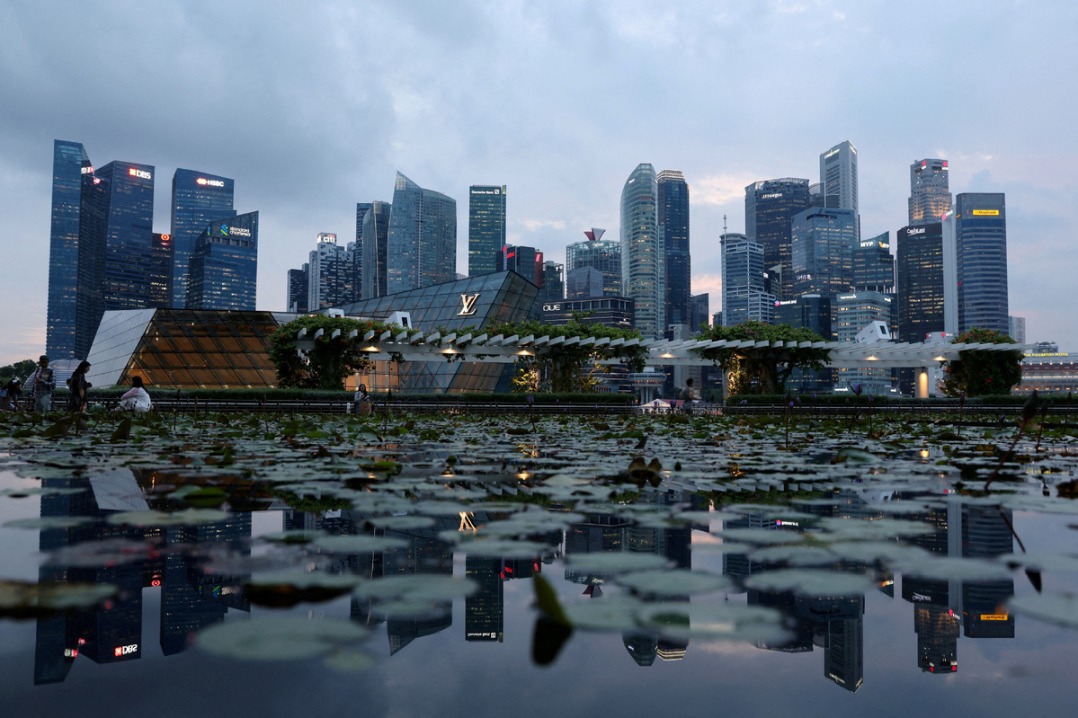
    Singapore and China have embarked on a transformative financial partnership, implementing a series of groundbreaking capital market initiatives designed to strengthen bilateral economic ties. The collaboration, featuring over two dozen agreements signed during December’s 21st Joint Council for Bilateral Cooperation in Chongqing, establishes new pathways for Chinese companies to access international capital through Singapore’s dynamic financial ecosystem.

    Central to this enhanced cooperation is a newly established secondary listing framework that dramatically streamlines bond issuance processes for Shanghai and Shenzhen-listed companies seeking to raise funds in Singapore. This innovative system reduces administrative procedures and documentation requirements, compressing the typical timeline for bond issuance to approximately six to eight weeks—a significant improvement over conventional processes.

    Chia Caihan, Head of Capital Markets for Greater China at Singapore Exchange (SGX), emphasized the strategic importance of these developments: “Streamlining listing processes while maintaining full compliance with Chinese corporate and accounting standards provides Chinese firms with greater certainty and ease when considering Singapore for fundraising activities. This positions them to attract both regional and international investors through our platform.”

    The comprehensive agreement package includes the appointment of DBS Bank as Singapore’s second offshore renminbi clearing bank, alongside over-the-counter bond market arrangements that grant institutional investors direct access to fixed-income products on China’s Interbank Bond Market (CIBM). These measures collectively enhance currency convertibility and reduce transaction costs for Chinese enterprises operating throughout Southeast Asia.

    According to DBS representatives, the new clearing arrangements eliminate the need for intermediate US dollar conversions when exchanging regional currencies like Indonesian rupiah for Chinese yuan, resulting in substantial savings on exchange rate costs for multinational corporations.

    Academic experts highlight the strategic timing of these developments. Dr. Xu Le, Lecturer at the National University of Singapore Business School, describes the initiatives as “a major step forward in capital market connectivity between Singapore and China, representing a milestone in bilateral securities market cooperation.” Meanwhile, Associate Professor Fu Fangjian of Singapore Management University notes that attracting Chinese listings will expand Singapore’s market liquidity while providing international investors convenient access to Asia’s growth narrative.

    The strengthened financial partnership emerges as Chinese companies face increasing regulatory challenges in Western markets, positioning Singapore as a stable offshore hub that offers geopolitical risk mitigation through multi-jurisdictional listings. SGX’s established strengths in ESG frameworks and corporate transparency further enhance the appeal for Chinese firms seeking to align with globally recognized standards while maintaining regulatory compliance.

  • Celebrity doctor Peter Attia steps down from CBS over Epstein links

    Celebrity doctor Peter Attia steps down from CBS over Epstein links

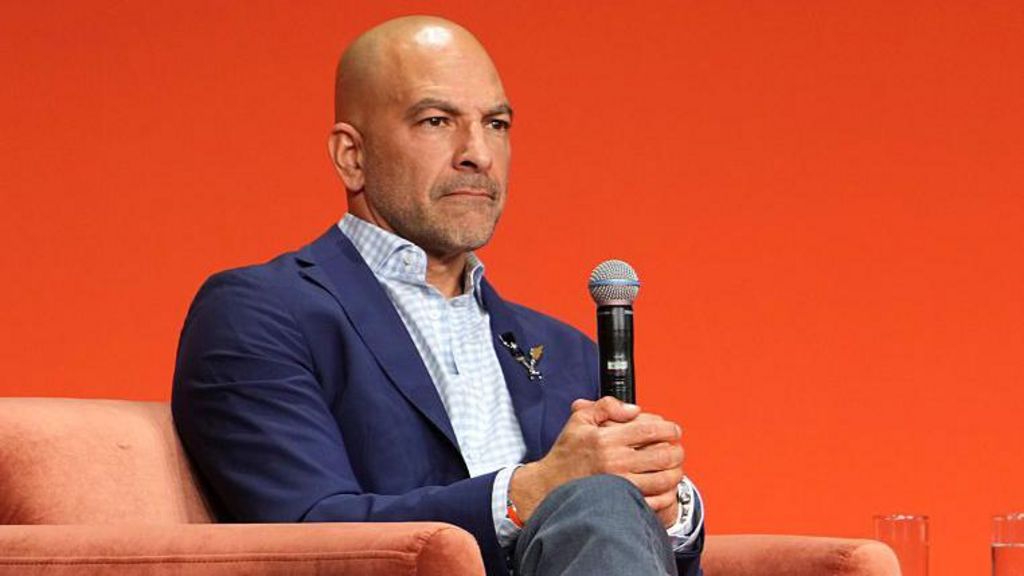
    Prominent anti-aging physician and media personality Dr. Peter Attia has resigned from his recently appointed position as a CBS News contributor following the disclosure of his email correspondence with convicted sex offender Jeffrey Epstein. The communications, released by the US Department of Justice, revealed inappropriate exchanges containing crude remarks about women’s anatomy and personal expressions of missing Epstein’s company.

    A spokesperson for Dr. Attia announced his immediate departure from the network, characterizing his contributor role as ‘newly established and had not yet meaningfully begun.’ The statement emphasized that Attia’s decision to ‘step back’ was intended to prevent becoming ‘a distraction from the important work being done at CBS.’

    The health influencer has issued multiple apologies for the tone and content of his messages while vigorously denying any involvement in Epstein’s criminal activities. In a comprehensive 1,000-word social media statement published days after the documents surfaced, Attia clarified that he had ‘never been on [Epstein’s] plane, never on his island, and never present at any sex parties.’

    According to Attia’s account, his interactions with Epstein were limited to ‘seven or eight’ visits to the financier’s New York residence between 2014 and 2019, during which he claims to have witnessed no illegal activity or encountered any underage individuals. The physician maintained that his communications with Epstein were unrelated to ‘his sexual abuse or exploitation of anyone.’

    Attia was among nineteen new contributors appointed by CBS News editor-in-chief Bari Weiss in January, following the network’s acquisition by Paramount. Weiss, a former New York Times opinion writer known for her critiques of ‘cancel culture,’ was brought in to help reshape the network’s editorial direction under new ownership by David Ellison, son of Trump ally and technology billionaire Larry Ellison.

    The revelation has sparked considerable backlash from portions of Attia’s audience, particularly concerning emails from 2016 containing inappropriate jokes about female anatomy and sexual acts. Epstein, who died in custody in 2019 while awaiting trial on sex trafficking charges, had previously been convicted in 2008 of soliciting a minor as part of a plea deal.

  • Tourists seek shelter from cartel vengeance in Mexico

    Tourists seek shelter from cartel vengeance in Mexico

    A wave of retaliatory violence has engulfed popular Mexican tourist destinations following the death of the nation’s most-wanted drug lord, Nemesio Oseguera Cervantes, known as ‘El Mencho.’ Foreign visitors found themselves barricaded inside hotel rooms as cartel members unleashed a spree of attacks, setting businesses ablaze and creating widespread chaos in response to the kingpin’s demise.

    The crisis erupted after Mexican special forces fatally wounded the leader of the Jalisco New Generation Cartel (CJNG) during a Sunday raid in Tapalpa, Jalisco. The operation, which resulted in El Mencho’s death en route to hospital, claimed the lives of 25 National Guard members and 30 criminal suspects, according to Security Minister García Harfuch. Authorities confiscated an arsenal of weaponry including armored vehicles and rocket launchers.

    International travel faced immediate disruption as major airlines including Delta, American, Alaska, and Air Canada suspended or redirected flights to Puerto Vallarta and Guadalajara airports. Viral footage depicted terrified travelers scrambling for cover at Guadalajara International Airport, abandoning luggage and sheltering behind check-in counters as violence spilled into public spaces.

    The United States government confirmed providing intelligence support for the operation, with White House Press Secretary Karoline Leavitt stating: ‘President Trump has been very clear—the United States will ensure narcoterrorists sending deadly drugs to our homeland are forced to face the wrath of justice they have long deserved.’ The CJNG has been designated a foreign terrorist organization by the Trump administration.

    Mexican President Claudia Sheinbaum praised security forces while urging calm, even as cartel members established over 250 roadblocks, burned vehicles, and engaged in open shootouts. Jalisco Governor Pablos Lemus Navarro activated a statewide ‘code red,’ suspending public transportation and advising residents to remain indoors.

    The Chinese Embassy in Mexico issued security alerts advising Chinese citizens to maintain heightened vigilance and follow local government directives. The diplomatic mission confirmed it was closely monitoring affected areas and urged immediate contact with authorities during emergencies.

    Security experts warned that the decapitation strike would not dismantle the criminal organization. Guadalupe Correa-Cabrera, a professor at George Mason University, noted: ‘The Jalisco Cartel does not have a single, critical leader. Leadership is fragmented—the cells have different leaders and political protection at the local level. Arrests or extraditions don’t destroy the organization; family members or successors usually step in.’

    The violence has shattered the perceived safety of Mexico’s tourist havens. Jim Beck, a Minnesota resident with two decades of travel experience in Puerto Vallarta, described watching twenty local businesses burn from his hotel rooftop: ‘Today, everybody was running down the streets in panic and terror as cars were blowing up all over the place. It’s just been so sad.’