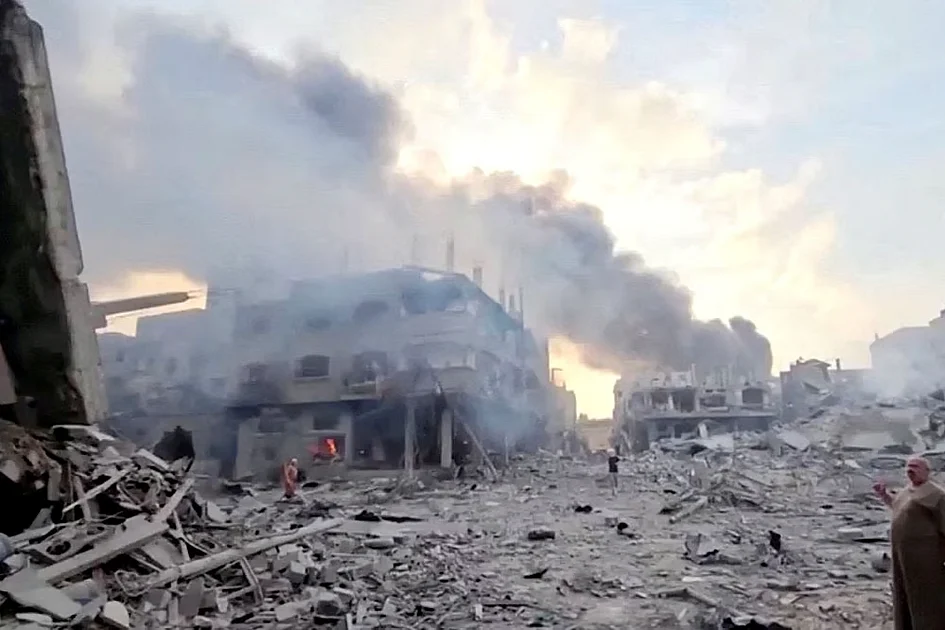
In a dramatic escalation of tensions, Hamas has tightened its control over Gaza, launching a severe crackdown on alleged collaborators and outlaws. The group released a video on its official channel depicting the street execution of eight blindfolded and kneeling suspects, branding them as traitors. This comes as US President Donald Trump vowed to disarm Hamas, emphasizing a swift and potentially violent approach if the group fails to comply. The executions occurred amidst ongoing armed clashes between Hamas security units and Palestinian clans, even as a US-brokered truce with Israel entered its fifth day. Meanwhile, Israeli forces withdrew from Gaza City, and Hamas’s black-masked police resumed patrols, aiming to restore order. Trump’s 20-point plan, endorsed by world powers, calls for Gaza’s demilitarization and excludes Hamas from any future leadership role. For many Palestinians, the presence of Hamas forces has brought a sense of security after the recent conflict. However, Israeli families continue to demand the return of the remains of deceased hostages still held in Gaza. The military has identified some of the returned bodies, including Israeli nationals and a Nepalese student, as families seek closure. In Tel Aviv, celebrations for the release of living hostages were tempered by concerns over the unresolved fate of the deceased.
作者: admin
-
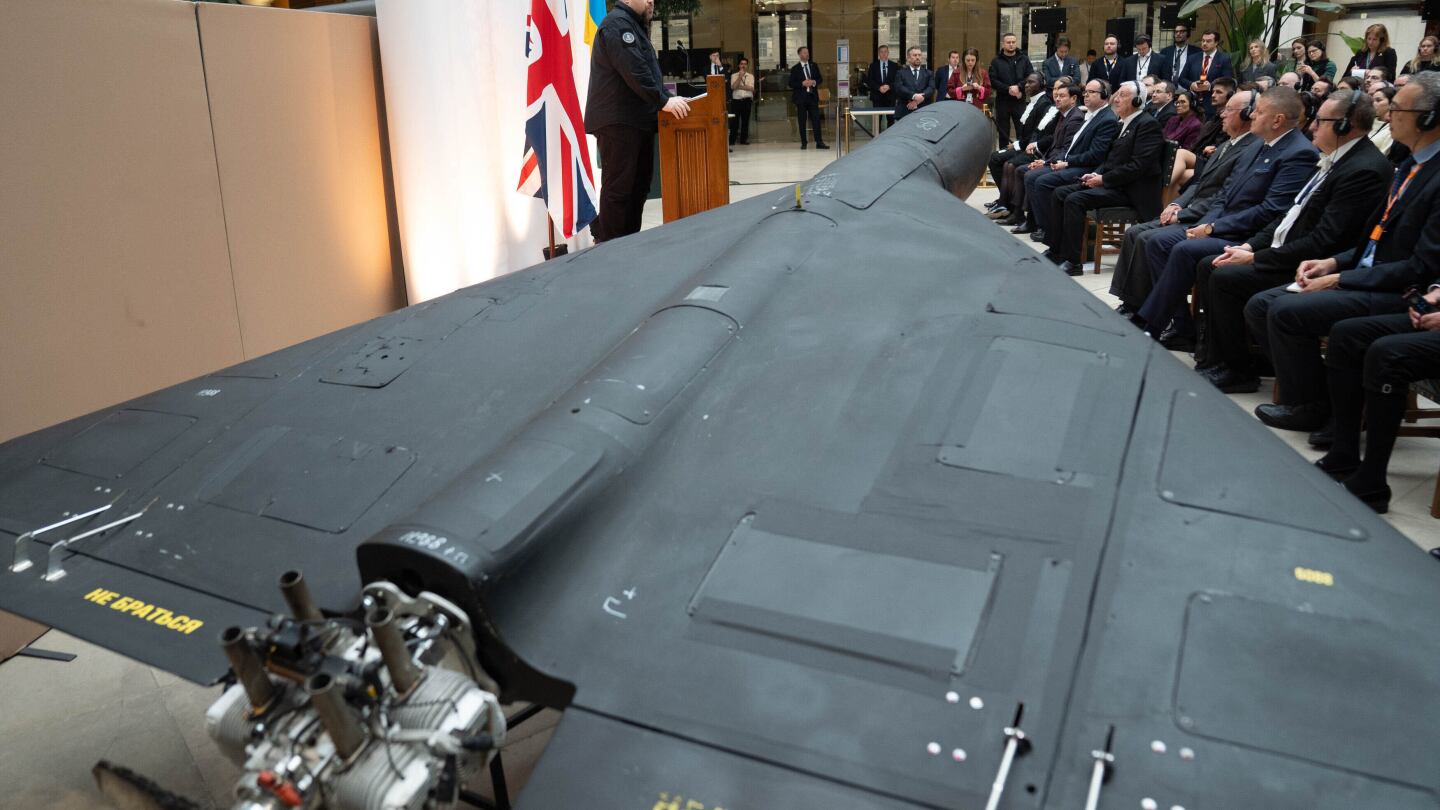
Ukrainian officials meet with US weapons manufacturers before Trump-Zelenskyy talks
In a significant diplomatic and strategic move, a high-level Ukrainian delegation has engaged with leading U.S. defense contractors during a visit to the United States. The delegation, led by Andrii Yermak, head of the Ukrainian president’s office, and Prime Minister Yuliia Svyrydenko, met with representatives from Lockheed Martin and Raytheon. While specifics of the discussions remain undisclosed, Yermak emphasized the growing collaboration between Ukraine and these defense giants as Kyiv seeks advanced weaponry to counter Russia’s ongoing aggression, which began on February 24, 2022. Mykhailo Podolyak, a senior adviser to Yermak, revealed that Ukraine is particularly interested in acquiring cruise missiles, air defense systems, and joint drone production agreements. Raytheon’s Patriot air defense systems and Tomahawk cruise missiles are of particular interest, as they could enable Ukraine to strike deep into Russian territory, including Moscow, with precision and significant impact. Lockheed Martin’s advanced weapon systems also hold strategic value for Ukraine’s defense efforts. The visit precedes Ukrainian President Volodymyr Zelenskyy’s anticipated meeting with U.S. President Donald Trump at the White House, where Zelenskyy is expected to seek approval for the procurement of Tomahawk missiles. However, Washington has expressed reservations, fearing such a move could escalate the conflict and strain U.S.-Russia relations. Trump has warned Russia that the U.S. may supply Tomahawks if Moscow does not soon end its war in Ukraine, potentially using this as leverage to pressure Russian President Vladimir Putin. U.S. Defense Secretary Pete Hegseth reiterated the U.S. commitment to supporting Ukraine, stating that if peace efforts fail, the U.S. and its allies will impose significant costs on Russia. Meanwhile, Russian Foreign Minister Sergey Lavrov cautioned that supplying Tomahawks to Ukraine would severely damage U.S.-Russia relations. In parallel, Ukraine and the U.S. are finalizing the U.S.-Ukraine Reinvestment Fund, which grants American access to Ukraine’s mineral resources, with potential projects in critical minerals, energy, and infrastructure sectors taking shape. Amid these developments, both nations continue to target each other’s energy assets, with Ukraine striking a Russian oil terminal in Crimea and Russia attacking Ukrainian power infrastructure, causing blackouts in multiple regions.
-

Tributes pour in for former Kenyan prime minister Raila Odinga, who has died at 80
NAIROBI, Kenya — The political landscape of Kenya and the broader African continent is in mourning following the passing of Raila Odinga, a former prime minister and a towering figure in Kenyan politics. Odinga, affectionately known as ‘Baba’ by his supporters, died on Wednesday in India after suffering a heart attack. He was 80 years old. Despite never ascending to the presidency, Odinga’s influence on Kenyan politics was profound, having contested the presidency five times over three decades. His legacy as a champion of democracy, good governance, and people-centered development has left an indelible mark on Kenya and beyond. Tributes have poured in from across the globe, highlighting his unwavering commitment to justice, pluralism, and democratic reform. African Union Commission Chairperson Mahmoud Ali Youssouf described Odinga as a ‘towering figure’ who inspired generations of leaders. Indian Prime Minister Narendra Modi recalled Odinga’s special affection for India and his efforts to strengthen bilateral ties. Former Kenyan President Uhuru Kenyatta, who supported Odinga in the 2022 election, hailed him as a ‘father to the nation’ and a ‘steadfast champion for the people.’ Tanzanian President Samia Suluhu and Somali President Hassan Sheikh Mohamud also expressed their condolences, emphasizing Odinga’s regional and continental impact. South African President Cyril Ramaphosa noted Odinga’s role in advancing peace and development in Africa, particularly through his work with the African Union. Kalonzo Musyoka, a former vice president of Kenya, reflected on Odinga’s resilience and sacrifices in the struggle for multiparty democracy. Odinga’s legacy is one of courage, resilience, and an unwavering belief in the power of dialogue and democratic institutions. His passing marks the end of an era for Kenyan politics, but his influence will continue to shape the nation’s future.
-

One dead after vehicle explodes outside Ecuador shopping mall
A deadly explosion rocked the bustling city of Guayaquil, Ecuador, on Tuesday evening, claiming at least one life and injuring several others. The incident occurred when a pick-up truck packed with explosives detonated outside Mall del Sol, a prominent shopping center in the northern part of the port city. Witnesses reported seeing the vehicle engulfed in flames before it exploded, scattering debris and causing widespread panic. Among the victims was a taxi driver parked nearby, who tragically lost his life. Ecuador’s Interior Minister, John Reimberg, confirmed that police discovered multiple explosive devices within the remains of the truck. Authorities also conducted a controlled detonation of a second vehicle found to contain explosives in the vicinity. Reimberg attributed the attack to criminal gangs, stating on social media platform X that the devices were ‘professionally manufactured by criminal groups aiming to sow chaos.’ The blast follows a recent incident where police defused a gas cylinder rigged with explosives outside Litoral prison, a facility notorious for housing powerful drug-trafficking gangs. Guayaquil Mayor Aquiles Álvarez linked the explosion to previous attempted attacks, suggesting that the perpetrators aimed to pressure authorities into releasing jailed gang members. President Daniel Noboa’s government has declared Ecuador in a state of ‘internal armed conflict’ and designated several gangs as terrorist organizations. The incident underscores the escalating violence fueled by drug trafficking, which has contributed to Ecuador’s soaring crime rates.
-
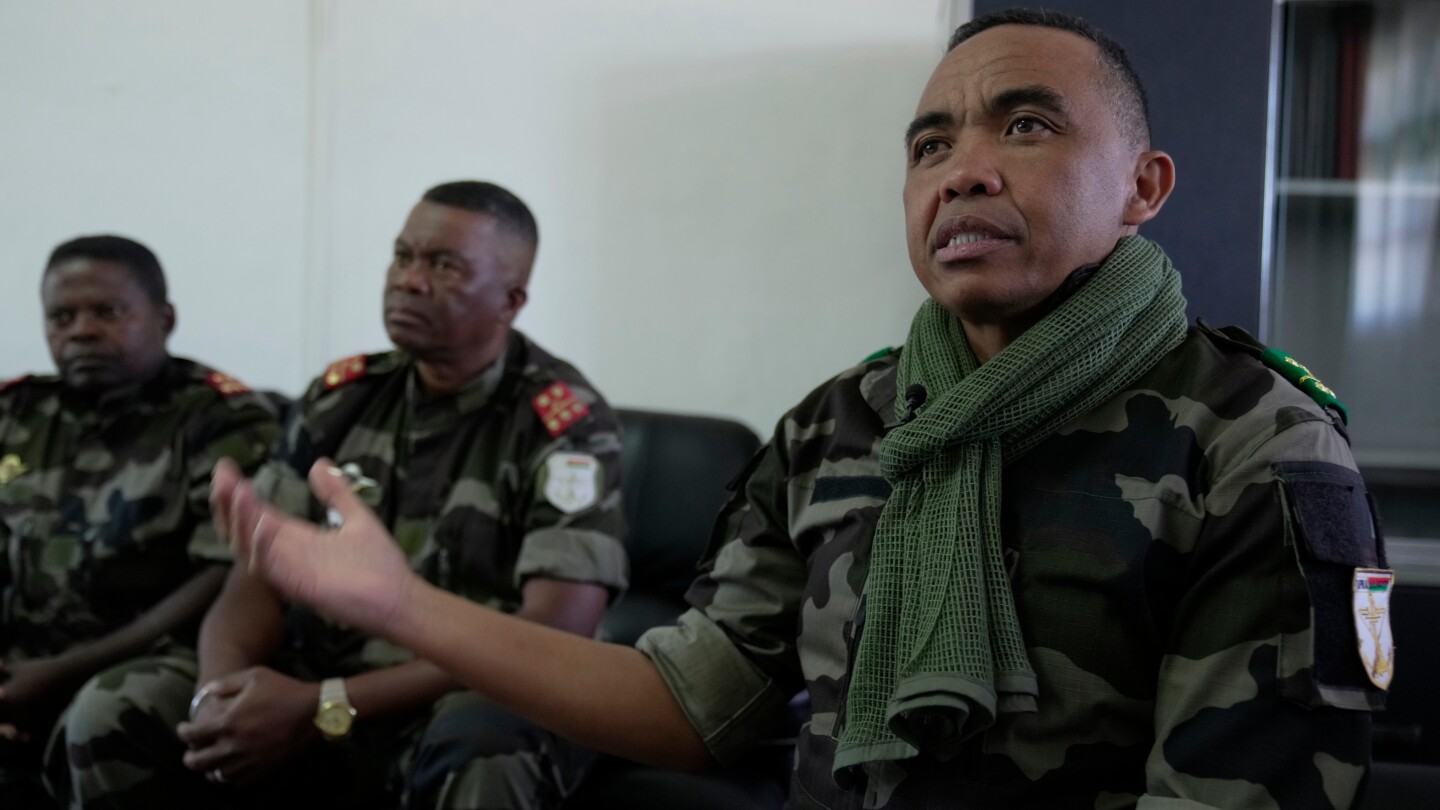
Leader of Madagascar’s military coup tells AP he is ‘taking the position of president’
In a dramatic turn of events, Madagascar’s military has assumed control of the African island nation following weeks of youth-led protests against President Andry Rajoelina’s government. Colonel Michael Randrianirina, the leader of the coup, declared in an exclusive interview with The Associated Press that he is “taking the position of president” and expects to be officially sworn in within days. The military plans to govern for up to two years before holding elections, aiming to stabilize the country amid widespread discontent. Randrianirina emphasized that the takeover was necessary to address the nation’s crises, citing the absence of leadership after Rajoelina fled the country fearing for his life. The coup leader claimed legitimacy through an order from Madagascar’s High Constitutional Court, though this has been disputed by Rajoelina’s office, which alleges judicial coercion. The African Union swiftly suspended Madagascar’s membership, condemning the unconstitutional change of power. Meanwhile, United Nations Secretary-General António Guterres expressed deep concern and urged stakeholders to work toward a peaceful resolution. The protests, led by youth groups known as “Gen Z Madagascar,” highlighted grievances over chronic water and electricity shortages, limited access to education, government corruption, and widespread poverty. While some demonstrators welcomed the military’s intervention, analysts warn that a military-led resolution undermines the civil society uprising. Madagascar, a nation of 30 million people and the world’s leading vanilla producer, has a history of political instability since gaining independence from France in 1960. The current crisis underscores the challenges of governance in a country grappling with systemic issues and a disillusioned youth population.
-
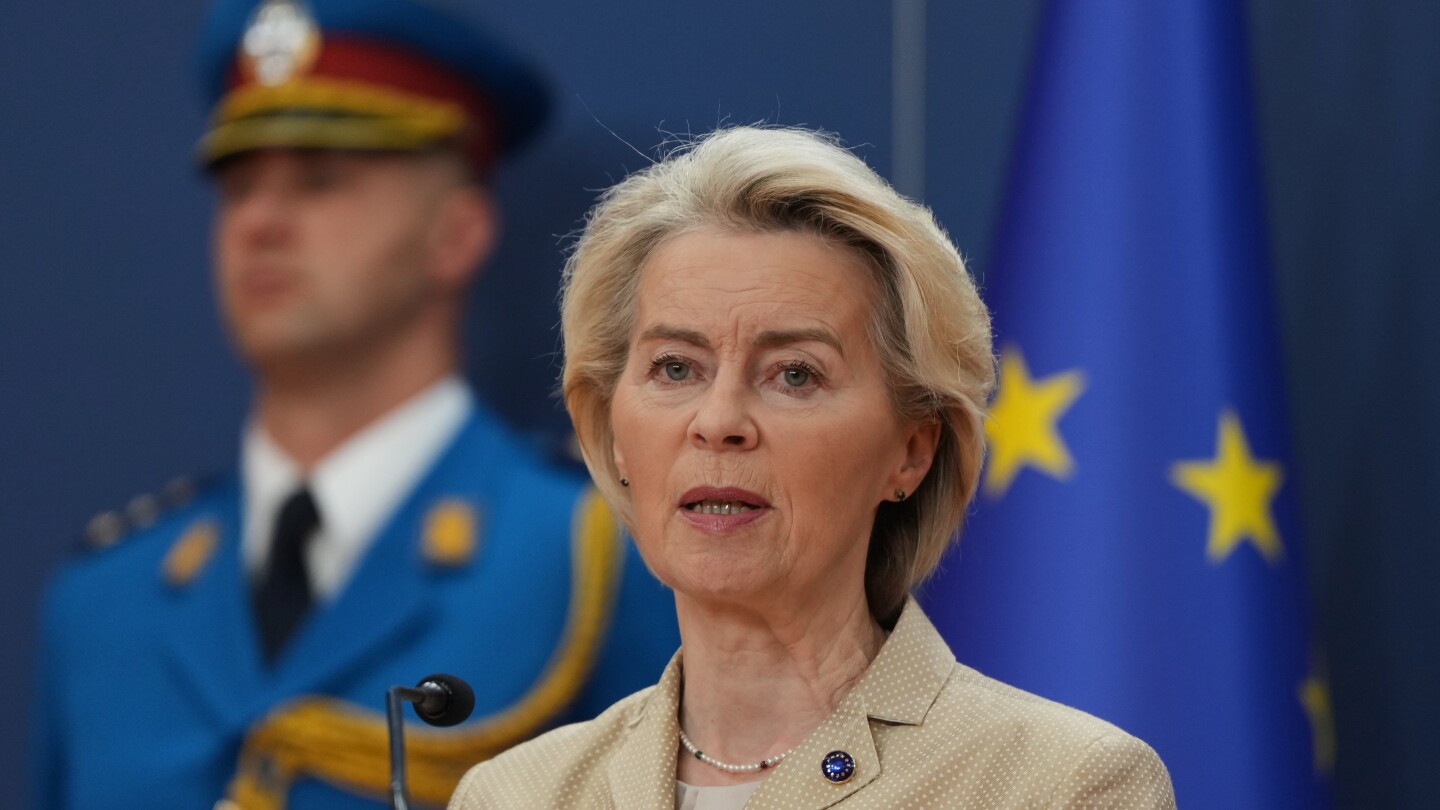
EU chief tells Serbia to act on reforms and implement Russia sanctions
BELGRADE, Serbia — European Commission President Ursula von der Leyen delivered a pointed message to Serbia’s populist leader, Aleksandar Vucic, during her visit to Belgrade on Wednesday. She emphasized the need for Serbia to take tangible actions toward its proclaimed goal of joining the European Union, including implementing sanctions against Russia and advancing democratic reforms. Von der Leyen’s remarks came amid growing concerns over Vucic’s increasingly authoritarian rule and his government’s crackdown on anti-government protests. Serbia remains the only European nation that has not imposed sanctions on Moscow following its invasion of Ukraine, despite its formal commitment to EU membership. Von der Leyen stressed the importance of aligning with EU foreign policy, particularly on sanctions, and urged Serbia to prioritize reforms in the rule of law, electoral framework, and media freedom. She also highlighted the EU’s stance on freedom and diplomacy, stating, “We stand for freedom instead of oppression, partnership instead of submission, and diplomacy instead of aggression.” Vucic, however, defended his government’s response to protests, claiming police used “minimum force” despite reports of excessive violence. Serbia’s historical ties with Russia and its reliance on Russian energy complicate its EU aspirations. The EU has intensified efforts to integrate Western Balkan nations, including Serbia, into its fold since Russia’s invasion of Ukraine, offering financial incentives and market access in exchange for reforms. Von der Leyen’s visit is part of a broader tour of the region, which includes Albania, Bosnia, North Macedonia, Kosovo, and Montenegro, all at various stages of the EU accession process.
-
Pakistan end South Africa’s 10-Test winning run
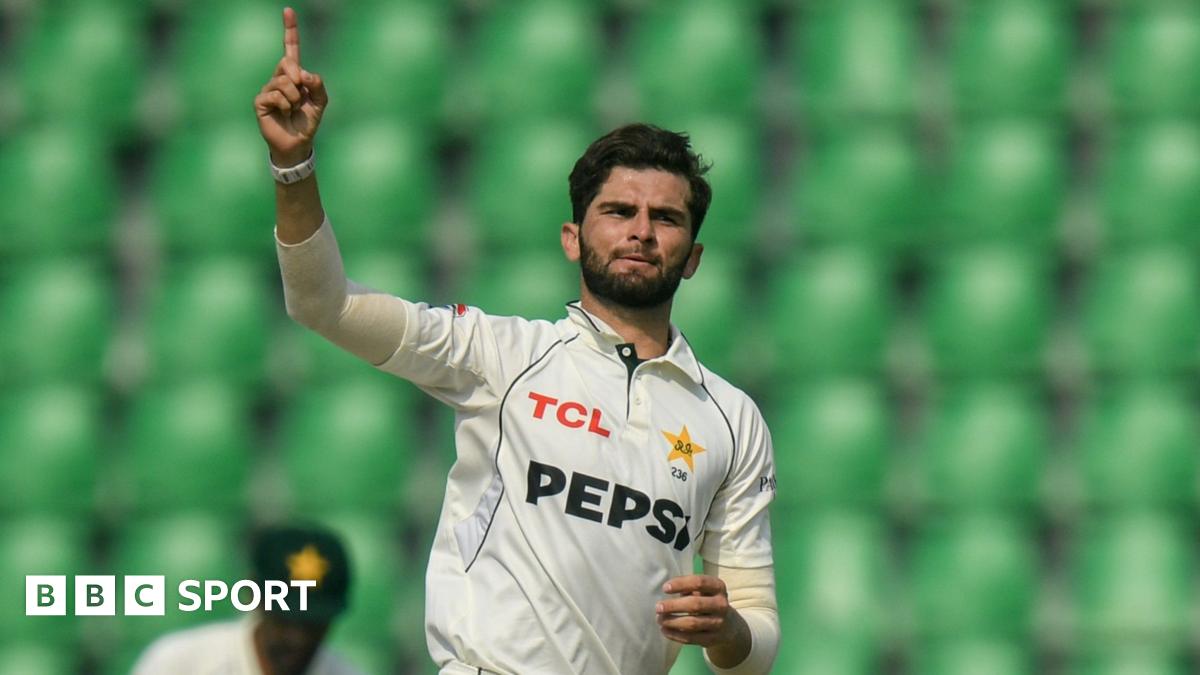
In a thrilling first Test match held in Lahore, Pakistan brought an end to South Africa’s remarkable 10-match winning streak in Test cricket with a commanding 93-run victory. The Proteas, who had recently triumphed over Australia in the World Test Championship final in June, were bowled out for 183 while chasing a target of 277. The match, which marked the opening fixture of the 2025-27 Test Championship cycle, saw Pakistan climb to second place in the standings, trailing only Australia. South Africa’s pursuit began on a shaky note as they resumed their innings at 51-2. The early dismissal of Tony de Zorzi, who had scored a century in the first innings, by Shaheen Afridi set the tone for Pakistan’s dominance. Left-arm spinner Noman Ali, who claimed 10 wickets in the match, played a pivotal role by dismissing key batsmen Tristan Stubbs and Dewald Brevis, who managed a brisk 54. Off-spinner Sajid Khan also capitalized on the turning pitch to remove opener Ryan Rickelton after a resilient 45. Shaheen Afridi returned in the afternoon session to dismantle the tail with a masterful display of reverse swing, sealing the win by bowling out Kyle Verreynne, Prenelan Subrayen, and Kagiso Rabada. Pakistan’s victory was anchored by crucial contributions from opener Imam-ul-Haq and number seven Salman Agha, both scoring 93 runs to propel the team to a total of 378. The spinners, Noman and Sajid, exploited the home conditions effectively, reminiscent of their success against England last year. The second and final Test of the series is scheduled to begin on 20 October.
-
Syria’s interim leader arrives on his first visit to Russia, set to meet with Putin
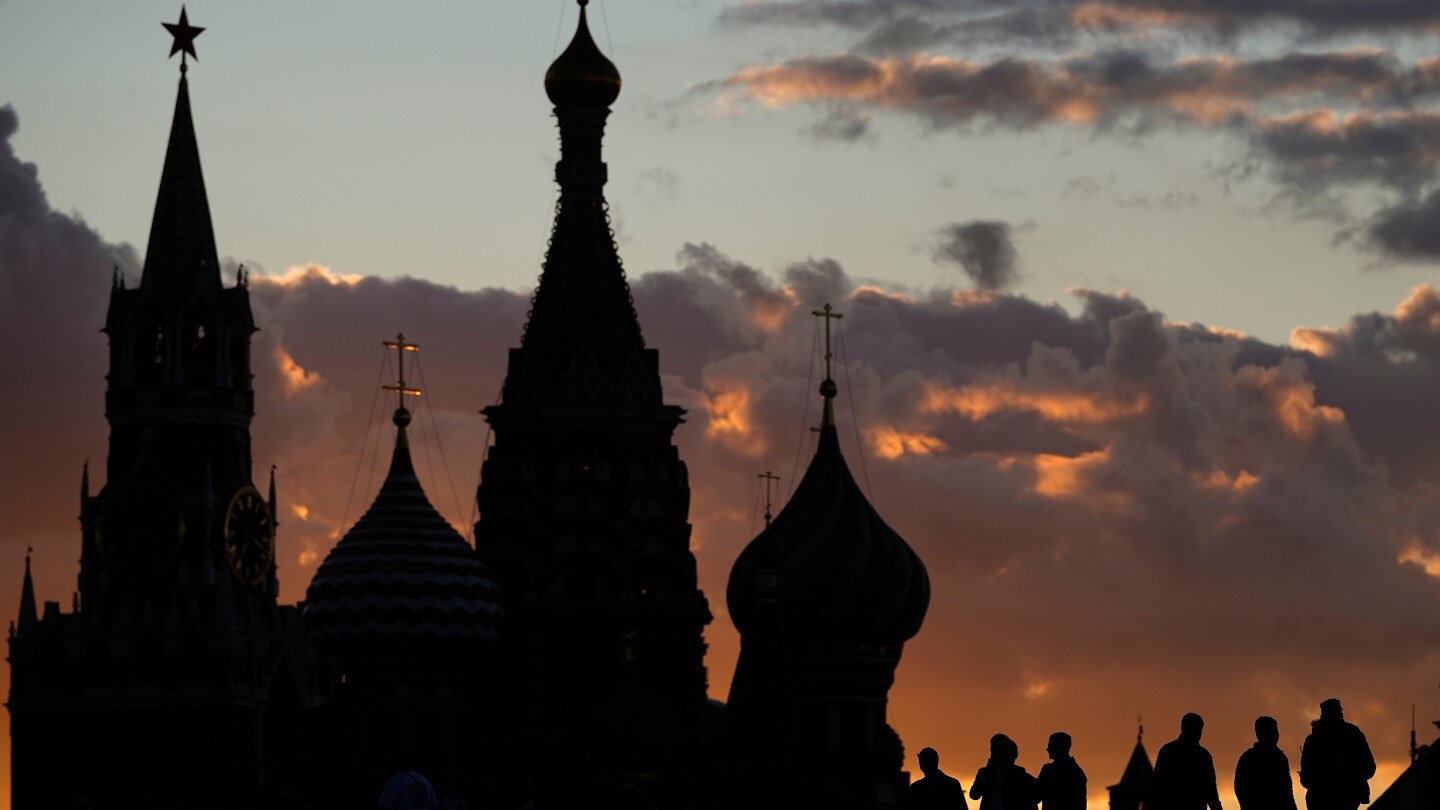
In a significant diplomatic move, Syria’s interim leader, Ahmad al-Sharaa, arrived in Moscow on Wednesday for his first official visit to Russia. This marks a pivotal moment in the evolving relationship between the two nations, following the ousting of former Syrian President Bashar Assad last year. Al-Sharaa, who spearheaded the rebel offensive that led to Assad’s removal, is scheduled to meet with Russian President Vladimir Putin at the Kremlin. The discussions are expected to focus on enhancing bilateral ties in trade, economic cooperation, and humanitarian efforts, as well as addressing recent developments in the Middle East. The meeting underscores Moscow’s strategic intent to establish a working relationship with Syria’s new leadership while maintaining its military presence in the region. Despite Russia’s historical support for Assad, which included a decisive military intervention a decade ago, Moscow has refrained from opposing the rebel forces. Instead, it granted asylum to Assad after his swift departure from Syria. Russian Foreign Minister Sergey Lavrov clarified that this decision was based on humanitarian concerns, dismissing rumors of Assad’s alleged poisoning. The new Syrian administration, despite its past opposition to Assad, has adopted a pragmatic stance toward Russia, recognizing the importance of Moscow’s strategic interests in Syria. Russia continues to operate from its air and naval bases along the Syrian coast and has reportedly supplied oil to the war-torn nation. This visit follows a series of diplomatic exchanges, including a Russian delegation’s trip to Damascus in January and a July visit by Syria’s Foreign Minister to Moscow. In a recent interview, al-Sharaa emphasized Syria’s reliance on Russia for energy and food supplies, highlighting the enduring ties between the two countries.
-
Egypt shuts down Grand Egyptian Museum in preparation for official opening
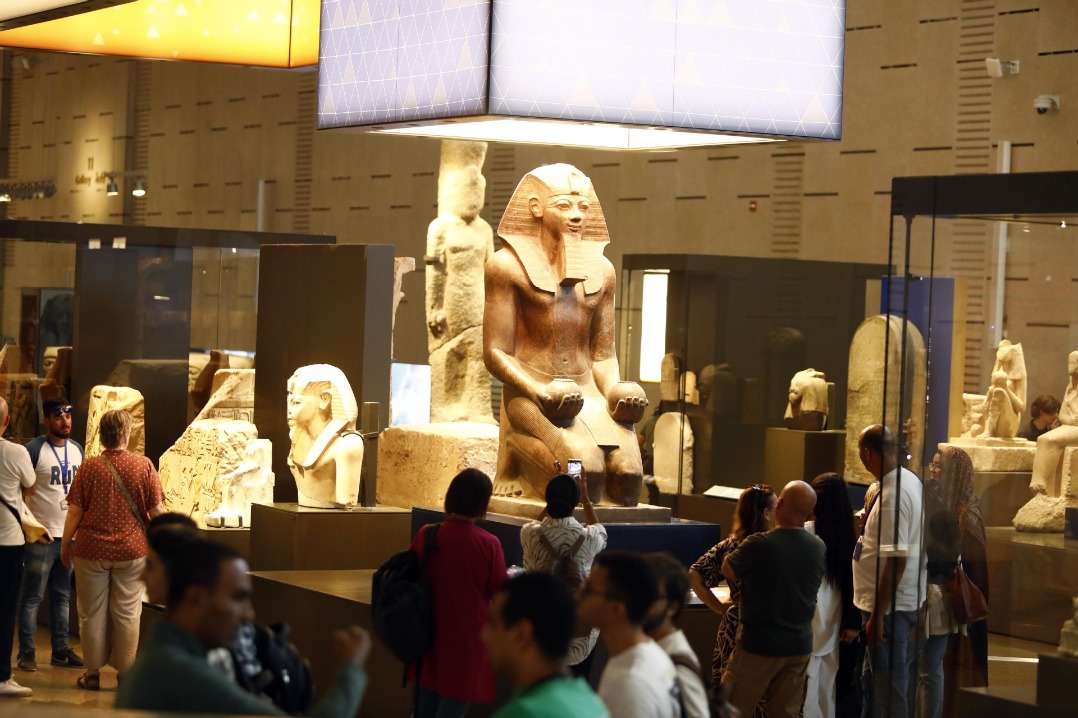
The Grand Egyptian Museum (GEM), a monumental cultural landmark near the Giza pyramids, has announced a temporary closure from October 15 to November 3, 2025, in preparation for its highly anticipated official inauguration. The museum, which has been in a soft-opening phase for nearly a year, will host a grand ceremony on November 1, with public access resuming on November 4. During its trial phase, the GEM showcased 12 galleries featuring thousands of artifacts, including the Grand Staircase adorned with statues and relics from various eras of ancient Egyptian history. Notably, the Tutankhamun Hall, housing the complete collection of the young pharaoh’s treasures—including his golden mask, coffins, and over 5,000 other artifacts—was preserved as the centerpiece for the official opening. Spanning nearly 500,000 square meters, the GEM is recognized as the world’s largest archaeological museum dedicated to a single civilization, according to Egypt’s Ministry of Tourism and Antiquities. This closure marks the final step in preparing for a historic event that promises to celebrate Egypt’s rich heritage on a global stage.
-
A bitter harvest for California vintners
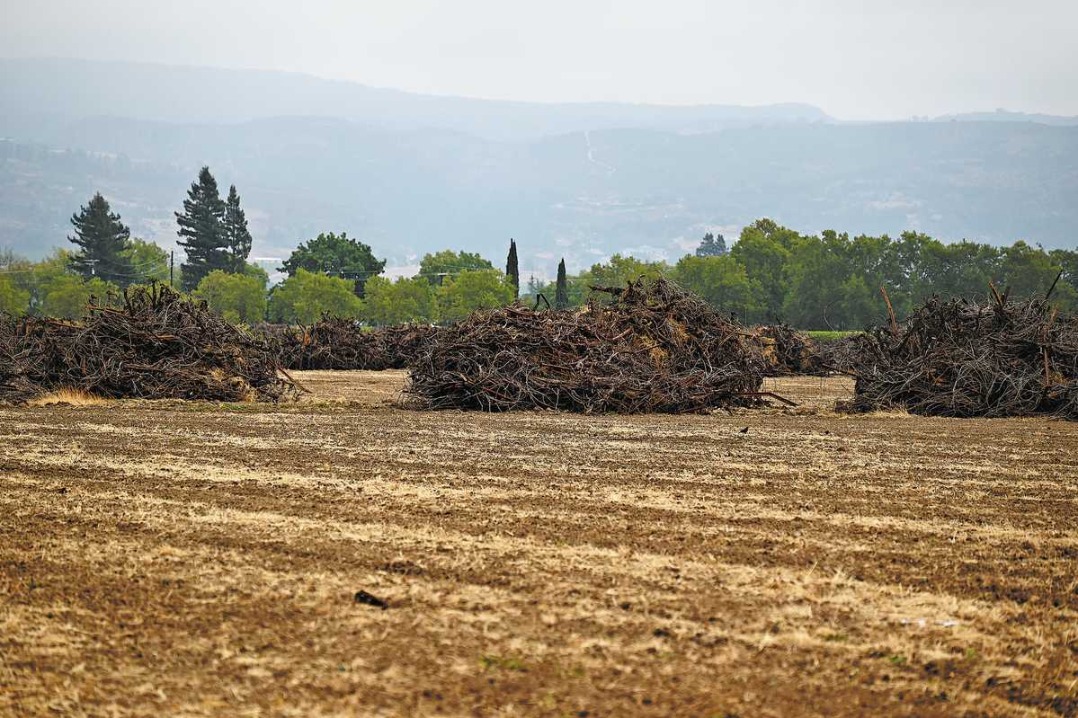
California’s wine industry, a cornerstone of the state’s agricultural economy, is grappling with one of its most challenging harvest seasons in decades. Vineyards across the Central Valley and Napa Valley are witnessing rows of unpicked grapes withering under the autumn sun, while bulldozers tear through once-thriving vineyards. This stark reality reflects the mounting pressures of oversupply, rising costs, and retaliatory tariffs that have left many growers in dire straits. Stuart Spencer, executive director of the Lodi Winegrape Commission, described the situation as a ‘crisis,’ with independent growers bearing the brunt of the fallout. Nearly 80% of California’s wine grapes are cultivated by independent farmers, many of whom are now abandoning their vineyards rather than face financial ruin. Jeff Bitter, president of Allied Grape Growers, echoed this sentiment, stating that the current crisis is the worst he has seen in his 30 years in the industry. The oversupply of wine, weakening consumer demand, and escalating costs due to inflation and labor shortages have compounded the industry’s woes. However, tariffs and trade policies have exacerbated these challenges, particularly in key export markets like Canada and China. Earlier this year, Canada imposed a 25% tariff on US wine in response to US tariffs on Canadian steel and aluminum, effectively shutting California producers out of their largest export market. While the retaliatory tariff was lifted in September, American wines have yet to return to Canadian shelves. Additionally, tariffs on imports such as glass bottles, corks, and packaging materials have driven up production costs, further squeezing wineries’ margins. Scott Meadows, CEO of Maxville Winery in Napa Valley, highlighted the long-term impact of these tariffs, noting that even essential equipment repairs have become prohibitively expensive. The industry’s struggles underscore the need for stable trade policies and a concerted effort to rebuild export markets, particularly in Asia, where trade tensions have hindered growth. As California’s wine growers navigate this turbulent period, the future of an industry that has long defined the state’s agricultural and cultural identity hangs in the balance.