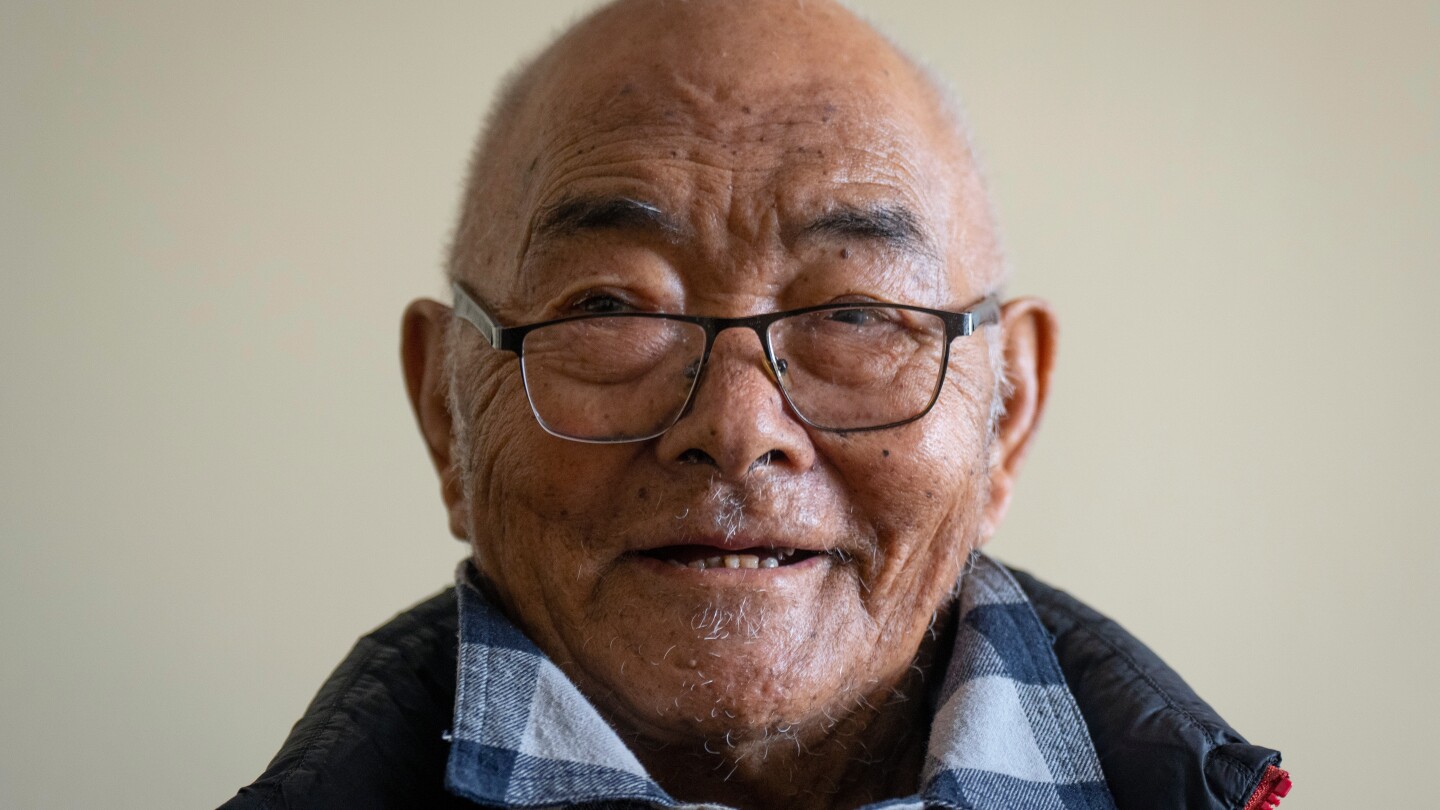
Kanchha Sherpa, the sole surviving member of the historic 1953 expedition that first summited Mount Everest, passed away peacefully at his home in Kapan, Kathmandu, on Thursday. He was 92 years old. The Nepal Mountaineering Association confirmed his death, with President Phur Gelje Sherpa describing it as the end of a significant chapter in mountaineering history. Kanchha had been unwell for some time before his passing. His last rites are scheduled for Monday. Born in 1933 in Namche Bazar, the gateway to Everest, Kanchha began his mountaineering career at 19 and remained active in the field until he was 50. He was one of three Sherpas who reached the final camp before Edmund Hillary and Tenzing Norgay made their historic ascent to the 8,849-meter peak on May 29, 1953. In a March 2024 interview with The Associated Press, Kanchha expressed concerns about overcrowding and environmental degradation on Everest, urging climbers to respect the mountain, which Sherpas revere as Qomolangma, or the goddess mother of the world. He is survived by his wife, four sons, two daughters, and grandchildren.
作者: admin
-
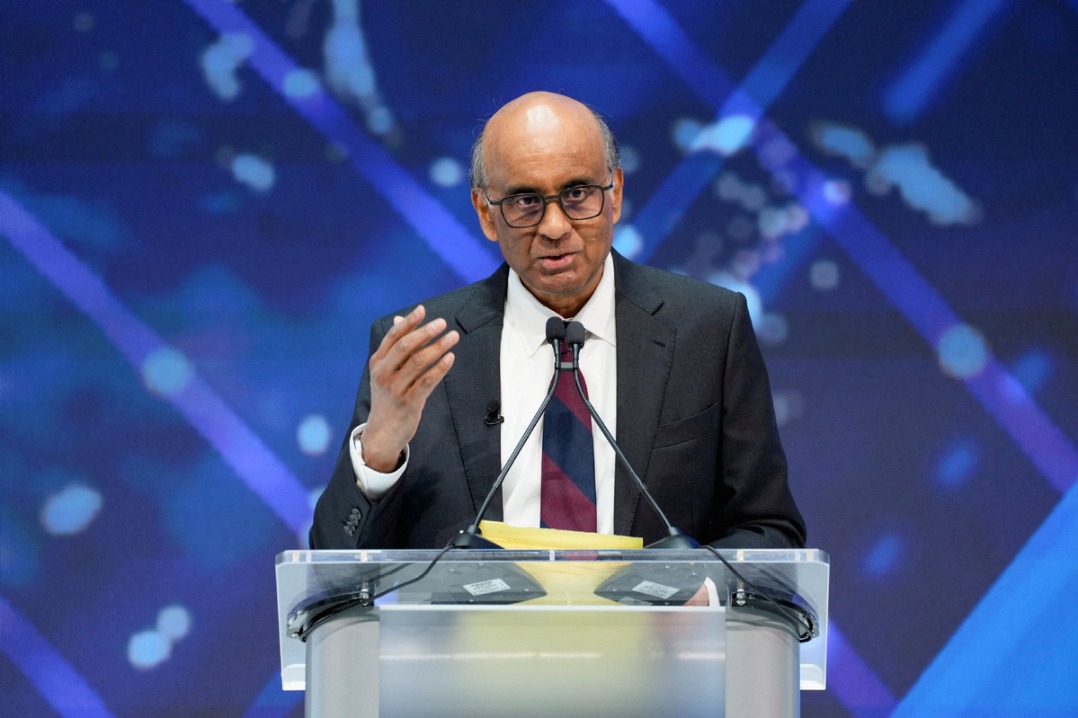
Pragmatic vision urged for US–China ties
Singaporean President Tharman Shanmugaratnam has called for a pragmatic approach to managing US-China relations, emphasizing the potential for global progress through effective interaction between the world’s two largest economies. Speaking at the IMF/World Bank Annual Meetings in Washington on October 15, 2025, Tharman highlighted the need to transform competition into a shared space of innovation and mutual benefit. Drawing an analogy from ecology, he described the US-China relationship as an ‘ecotone’—a dynamic interface where different systems interact, adapt, and create new opportunities. Tharman warned against the dangers of decoupling, which could lead to bifurcation in technology, supply chains, and AI ecosystems, resulting in a ‘more profoundly dangerous’ world. Instead, he urged both nations to manage interdependence through trade, investment, and technological collaboration, particularly in areas like health, AI, and climate technologies. He also called on smaller nations to play intermediary roles in stabilizing relations and fostering innovation. Tharman stressed the importance of long-term thinking, urging policymakers to look beyond short-term tensions. He concluded with a call for renewed multilateralism and moral leadership, emphasizing that history shows breakthroughs are possible even in times of crisis. His remarks resonated with IMF Managing Director Kristalina Georgieva’s emphasis on ‘enlightened self-interest’ as a driver of international cooperation. US Treasury Secretary Scott Bessent also reiterated the US’s commitment to ‘de-risk’ rather than decouple from China.
-
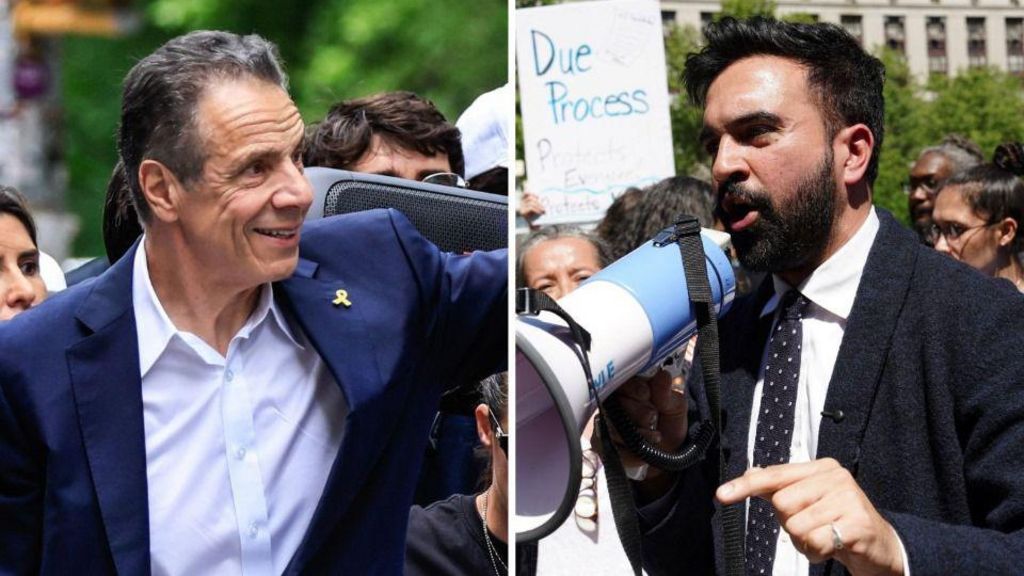
Zohran Mamdani and Andrew Cuomo to meet for first New York mayoral debate
The race for New York City’s next mayor has captured national attention, with three distinct candidates set to face off in a live televised debate at Rockefeller Plaza on Thursday. The contenders represent a wide spectrum of political ideologies, making this election one of the most unpredictable in recent history. Zohran Mamdani, a 33-year-old Democratic socialist and state assemblyman, has emerged as the frontrunner, shocking his party by winning the Democratic primary by a significant margin in June. His progressive platform, which includes free bus service and city-owned grocery stores, has resonated with young voters and garnered endorsements from prominent figures like Senator Bernie Sanders and Representative Alexandria Ocasio-Cortez. However, his candidacy has also sparked controversy, with former President Donald Trump labeling him a ‘communist’ and threatening to withhold federal funding if he is elected. Andrew Cuomo, the former New York governor who resigned in 2021 amid a sexual harassment scandal, is running as an independent. Despite his years of experience and legislative achievements, including marriage equality and gun control, Cuomo faces skepticism from voters disillusioned with the political establishment. Curtis Sliwa, the Republican candidate and founder of the Guardian Angels, remains a wildcard in the race. Known for his crime-fighting efforts and signature red beret, Sliwa could influence the outcome by drawing voters who are wary of Mamdani’s progressive policies. The debate is expected to focus on critical issues such as affordable housing and the city’s $4 billion budget deficit. As New Yorkers prepare to cast their votes in early November, the election represents a pivotal moment for the city’s future, with each candidate offering a vastly different vision for its direction.
-

Labuschagne hits another ton to push for Ashes recall
Marnus Labuschagne has reignited his cricketing career with a remarkable fourth century in just five innings, strengthening his case for a return to Australia’s Ashes squad. The 31-year-old batsman delivered a commanding 159 on the second day of Queensland’s Sheffield Shield match against South Australia. This performance follows his impressive scores of 130 and 105 in Australia’s domestic 50-over competition and a 160 in the previous round of red-ball matches. Labuschagne, who boasts 11 centuries in 58 Tests, was notably omitted from Australia’s three-Test series against the West Indies earlier this summer due to a slump in form. His last Test century dates back to the fourth Test of the 2023 Ashes, with an average of 24.74 over 30 subsequent innings. Despite his resurgence, Labuschagne’s return alone may not address all the batting concerns for Australia’s first Test against England in Perth on November 21. In his most recent Test, the World Test Championship final loss to South Africa, he scored 17 and 22 after being promoted to open. Currently batting at number three for Queensland, his traditional position, Australia still faces a dilemma in finding a reliable opener. Youngster Sam Konstas, who managed only 50 runs across six innings in the West Indies, has struggled in domestic cricket this season. Meanwhile, uncapped opener Jake Weatherald made a strong case with a 99-ball 94 in a low-scoring match against Western Australia. If Labuschagne were to open, it could allow Cameron Green to bat at number three, retaining all-rounder Beau Webster in the middle order, though Green has only one fifty in eight innings in that position. Webster is currently sidelined with an ankle injury, while Green is part of Australia’s squad for the upcoming three-match ODI series against India. The Ashes series between Australia and England is set to run from November 21, 2025, to January 7, 2026, with comprehensive coverage available on BBC Sounds, BBC Radio 5 Sports Extra, and the BBC Sport website and app.
-
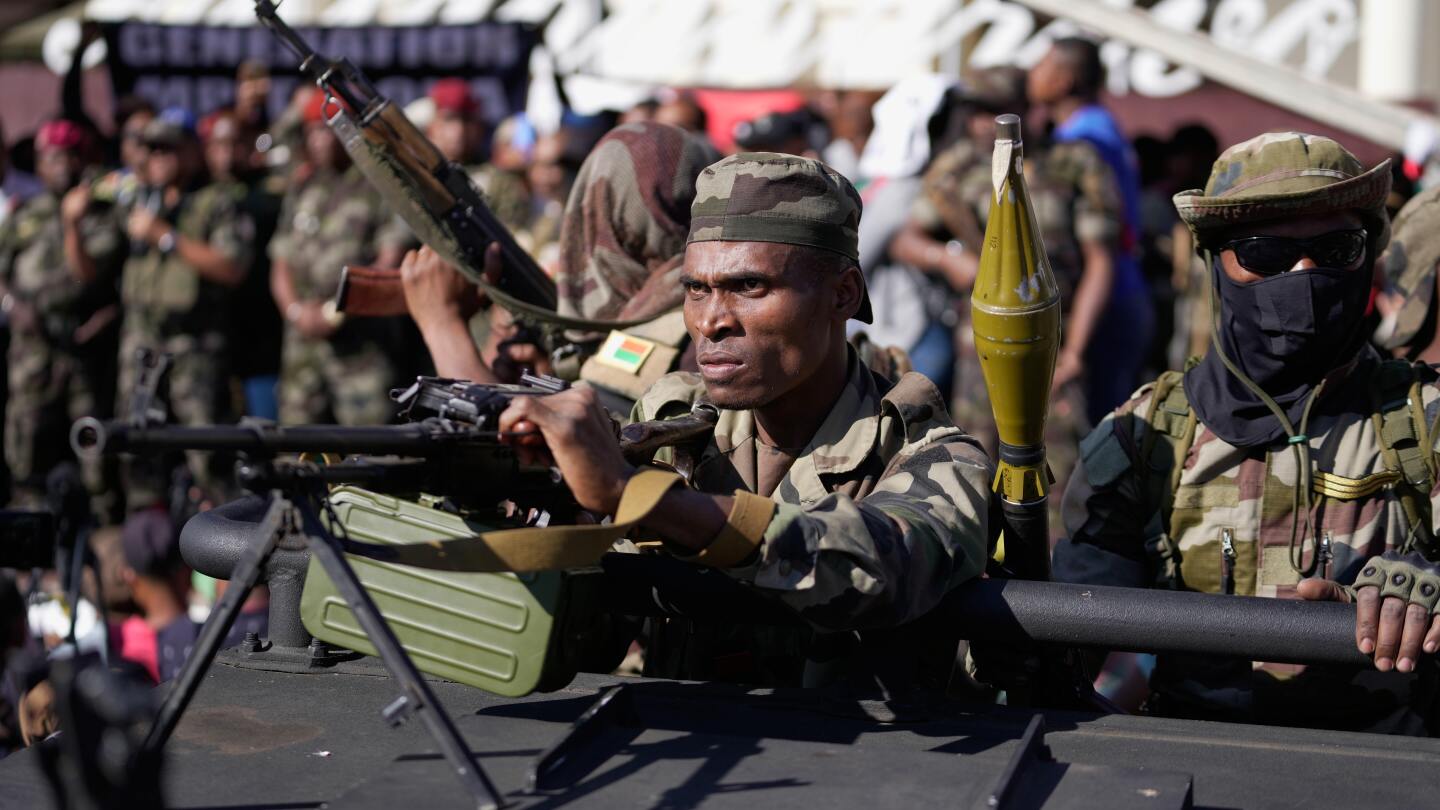
A timeline of all the major events in Madagascar’s military coup
ANTANANARIVO, Madagascar — The Indian Ocean island nation of Madagascar has witnessed a dramatic shift in power as the military staged a coup, ousting President Andry Rajoelina, who has since fled the country. This political upheaval marks a significant chapter in the history of the former French colony off Africa’s east coast. Below is a detailed timeline of the events leading to the military takeover:
**September 25: Youth Protests Erupt**
Thousands of young Madagascans, frustrated by chronic water and power shortages, took to the streets to protest against the government. Security forces responded with tear gas and rubber bullets, escalating tensions. The movement, dubbed ‘Gen Z Madagascar,’ gained momentum online, with their Facebook page amassing over 100,000 followers. Nighttime curfews were imposed in the capital, Antananarivo, and other major cities.**September 29: President Dissolves Government**
In an attempt to quell the unrest, President Rajoelina dismissed his prime minister and the entire Cabinet, claiming to address the grievances of the youth. However, the protests expanded, fueled by broader concerns such as the rising cost of living, unemployment, and allegations of corruption and nepotism. The United Nations reported at least 22 fatalities during the initial protests, attributing the violence to the security forces’ harsh crackdown on what began as peaceful demonstrations.**October 8: President’s Offer Rejected**
Rajoelina called for dialogue, inviting youth protesters and civic groups to talks. However, the protesters rejected the offer, vowing to continue their demonstrations and refusing to engage with a government they accused of killing its own citizens.**October 11: Military Rebellion**
The crisis reached a turning point when an elite military unit rebelled against Rajoelina, joining the protesters. Led by Colonel Michael Randrianirina, the soldiers marched with demonstrators to a key square in Antananarivo, historically significant for past uprisings. Randrianirina declared his unit’s refusal to suppress the protests and called for Rajoelina’s resignation, earning cheers from the crowd. Rajoelina’s whereabouts remained unknown.**October 12: Coup Leader Asserts Authority**
Randrianirina began consolidating power, claiming control over Madagascar’s armed forces and appointing a new military general. The defense minister’s acceptance of this move signaled Randrianirina’s growing authority. Rajoelina broke his silence, denouncing the military’s actions as an ‘illegal attempt to seize power,’ but his location remained undisclosed.**October 13: President Speaks from Hiding**
Rajoelina addressed the nation via social media, revealing he had fled Madagascar after learning of an assassination plot. He asserted his legitimacy as the country’s leader and called for constitutional adherence but provided no details about his location.**October 14: Military Announces Takeover**
Rajoelina attempted to dissolve parliament to prevent his impeachment, but lawmakers ignored his decree and voted overwhelmingly to remove him from office. Shortly after, Randrianirina, flanked by soldiers, announced the military’s assumption of power. He declared that a military council would govern the country for at least 18 months before new elections.**October 15: Randrianirina to Assume Presidency**
Randrianirina confirmed he would assume the presidency and planned to take the oath of office at the country’s highest court. This move solidifies the military’s control over Madagascar, marking a new era in the nation’s political landscape. -
Death of kidnapped South Korean student spurs talks with Cambodia to tackle online scams
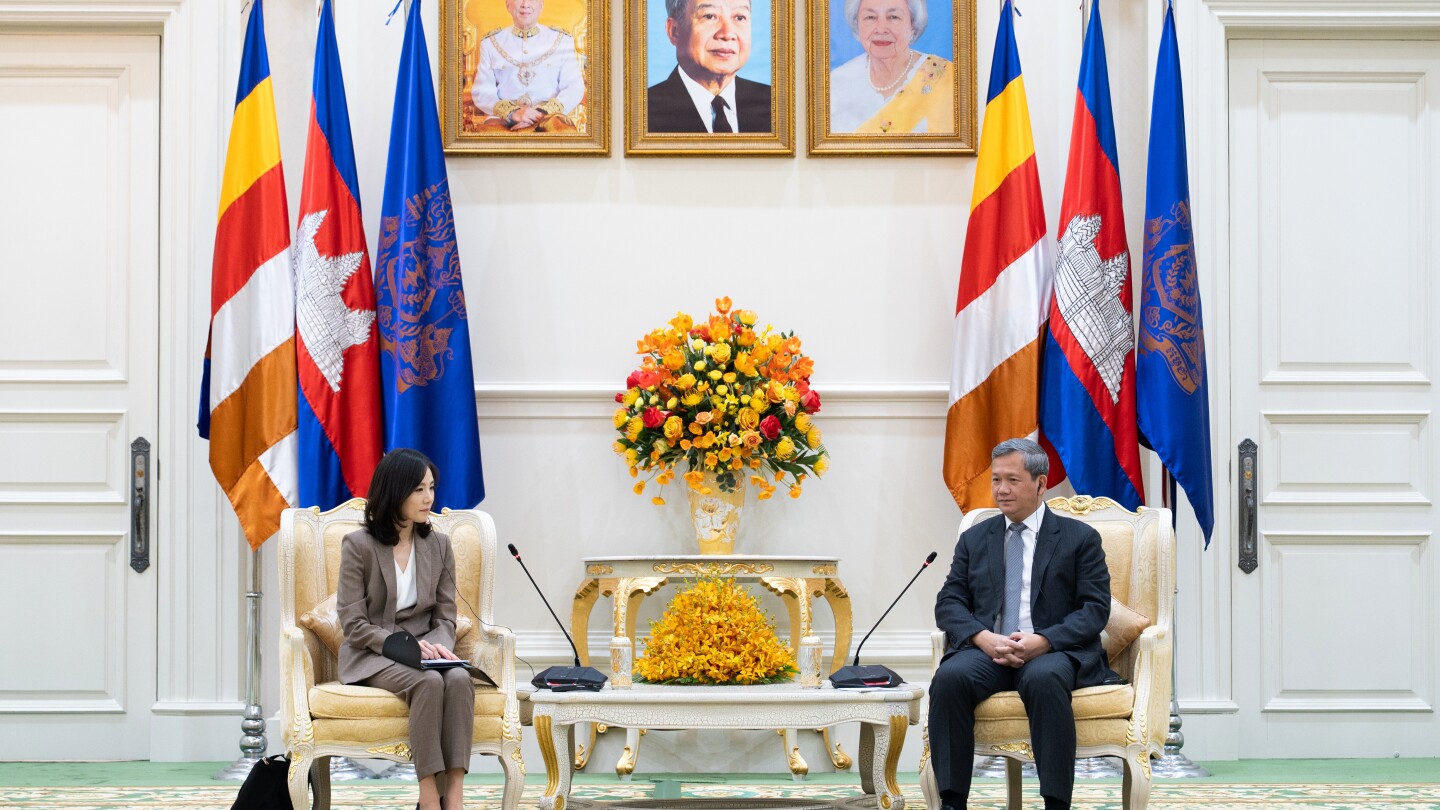
In a significant move to address the growing issue of online scams, South Korean and Cambodian officials convened in Phnom Penh on Thursday to discuss coordinated measures. This meeting follows the tragic death of Park Min-ho, a 22-year-old South Korean student who was reportedly trafficked and forced to work in a scam center in Cambodia. Park’s body was discovered in August in Cambodia’s Kampot province, with authorities attributing his death to cardiac arrest after enduring torture and beatings.
The South Korean delegation, led by National Security Director Wi Sung-lac, met with Cambodian Prime Minister Hun Manet to address the repatriation of South Korean nationals involved in online scams and the return of Park’s remains. Wi emphasized the urgency of resolving these issues, noting that disputes over autopsy procedures had delayed the repatriation process. However, an agreement was reached, and the results of the talks were expected to be announced later on Thursday.
Cambodia’s online scam industry has drawn international attention, with an estimated 200,000 people, including around 1,000 South Koreans, working in scam centers across the country. Many victims are lured with promises of high-paying jobs, only to be forced into illegal activities. In the first eight months of 2023 alone, 330 South Koreans were reported detained in Cambodia, with 80% of these cases resolved.
During the talks, both nations pledged to strengthen collaboration in combating transnational crimes, particularly online scams. Hun Manet emphasized that Cambodia and South Korea would work bilaterally to address the issue without third-party involvement. South Korea, meanwhile, is seeking the early repatriation of 60 nationals recently arrested in Cambodia on suspicion of scam involvement. Once repatriated, they will face investigations and potential legal consequences.
In response to the crisis, South Korea has implemented a travel ban for specific areas in Cambodia, including Bokor Mountain in Kampot province, where Park was found dead, as well as border towns Bavet and Poipet. The United Nations has highlighted Southeast Asia, particularly the Mekong Region, as a global hub for scams and illegal online gaming, with criminal gangs earning billions annually through fraudulent schemes.
Jeremy Douglas, Chief of Staff for the United Nations Office on Drugs and Crime, stressed the need for regional cooperation to tackle the issue, stating that the situation cannot be ignored. As both nations work towards a solution, the tragic case of Park Min-ho underscores the urgent need for international collaboration to combat human trafficking and online scams.
-
Convicted ex-president Kabila rallies opposition to ‘save’ DR Congo from crisis
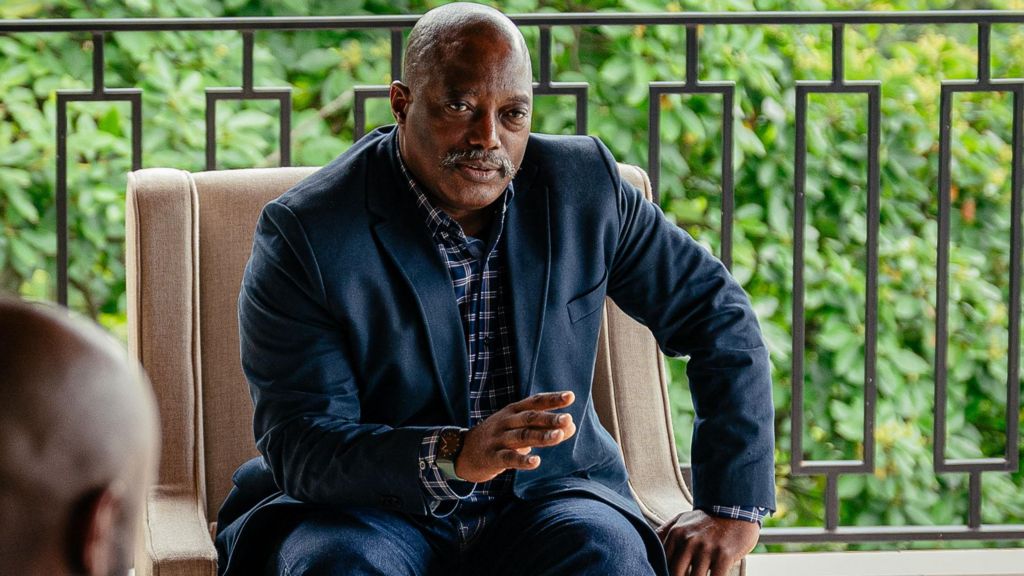
Former Democratic Republic of Congo (DRC) President Joseph Kabila has unveiled a new initiative aimed at rescuing his nation from what he describes as a deepening crisis under President Félix Tshisekedi’s administration. This announcement followed a two-day meeting in Nairobi, Kenya, where Kabila convened with other opposition leaders to strategize against what they termed the “dictatorship” of Tshisekedi. The gathering, attended by prominent figures including former Prime Minister Augustin Matata Ponyo, resulted in a 14-point declaration signed by leaders of 12 opposition groups, urging Congolese citizens to unite and take action to restore dignity and democracy. The declaration criticized the government’s rejection of inclusive dialogue, poor economic governance, and the arbitrary detention of political opponents. Kabila, who was recently sentenced to death in absentia for war crimes and treason, dismissed the charges as politically motivated. His appearance in Nairobi marked the first public sighting since May, when he was reportedly in the M23 rebel-held city of Goma. The meeting coincided with the DRC government’s signing of a ceasefire monitoring agreement with the M23 rebels in Doha, highlighting the ongoing instability in the region. The Congolese government dismissed the Nairobi meeting as insignificant, labeling it a gathering of ‘fugitives and convicts.’ Meanwhile, Kabila and his allies vowed to launch a diplomatic offensive to alert the international community to the crisis in DRC, emphasizing the need for urgent intervention to address the country’s political and economic challenges.
-

Dubai’s new trackless tram to be connected to Metro, will ease road congestion
Dubai is poised to introduce a groundbreaking trackless tram system, designed to alleviate road congestion and enhance the city’s public transportation network. The project, spearheaded by Dubai’s Roads and Transport Authority (RTA), is expected to be fully operational by the first quarter of 2026. This innovative system will integrate seamlessly with the existing Dubai Metro, marking a significant step towards Dubai’s ambitious goal of making 25% of its transportation smart and driverless by 2030. Dawood Alrais, Director of Rail Maintenance at RTA’s Rail Agency, emphasized the system’s potential to support the city’s growing population and reduce environmental impact. Unlike traditional trams, the trackless variant operates on rubber tires and utilizes advanced navigation technologies such as optical sensors, GPS, and LiDAR to follow virtual tracks. This eliminates the need for fixed rails, reducing both construction costs and environmental footprint. Each tram, capable of carrying up to 300 passengers across three carriages, will operate on dedicated lanes to ensure safety and efficiency. With a top speed of 70 km/h and a range of 100 km per charge, the trackless trams promise faster and more flexible travel compared to conventional trams. Initially planned for eight locations, the project may expand to additional areas, further enhancing Dubai’s public transport infrastructure.
-
Embattled French PM Sébastien Lecornu survives no-confidence vote in Parliament
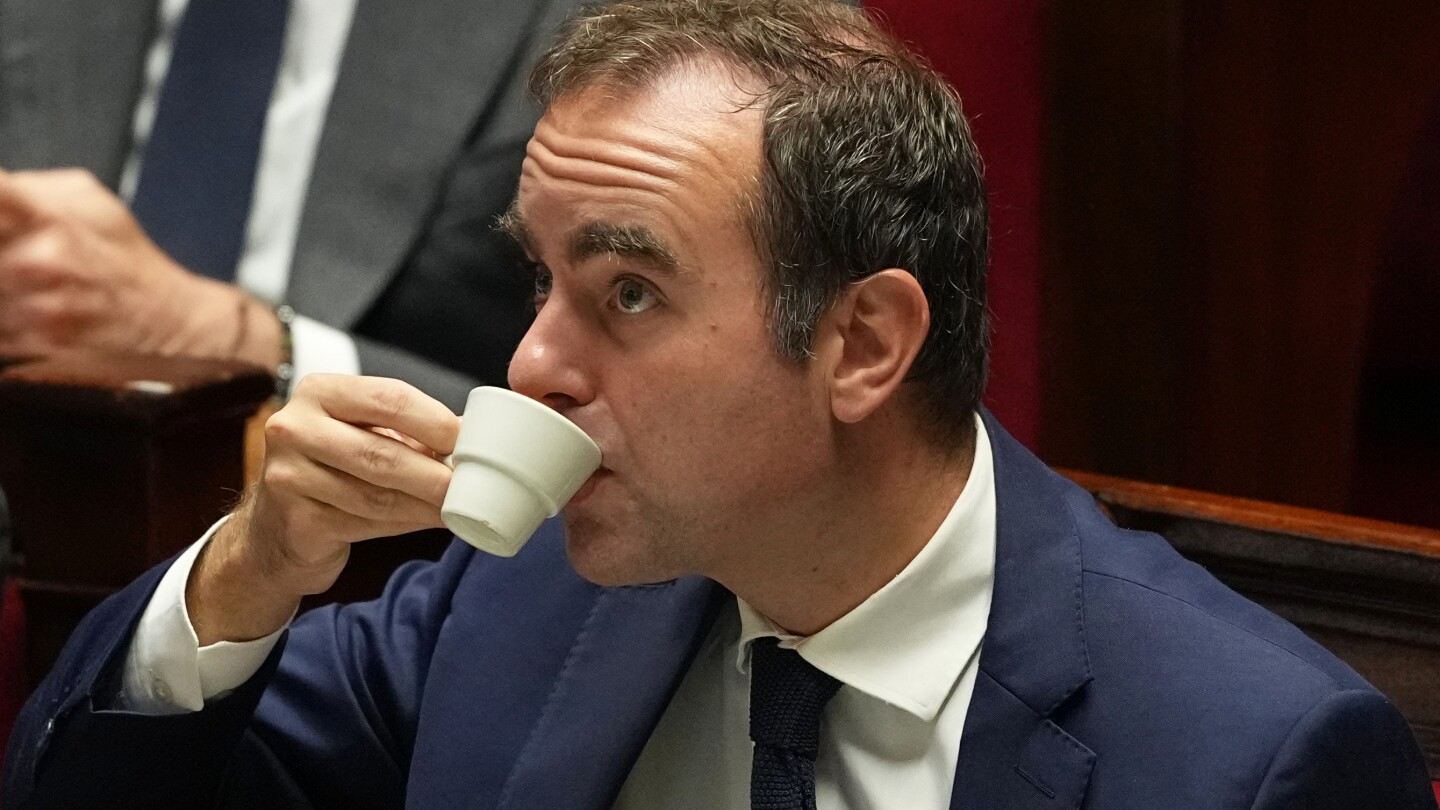
In a critical political showdown, French Prime Minister Sébastien Lecornu narrowly survived a no-confidence vote on Thursday, averting the collapse of his fragile government and preventing further political instability in France. The National Assembly’s decision allows Lecornu to focus on the daunting task of passing the 2026 budget for the European Union’s second-largest economy through a deeply divided Parliament. The vote also spared President Emmanuel Macron from the risky prospect of dissolving the National Assembly and calling snap elections, a move he had hinted at if Lecornu’s government fell. Two no-confidence motions were filed by Macron’s staunch opponents: the hard-left France Unbowed party and Marine Le Pen’s far-right National Rally. The first motion, led by France Unbowed, failed with 271 votes, falling short of the 289 required for a majority. The second motion, initiated by Le Pen, is also expected to fail, as left-wing lawmakers are unlikely to support it. Despite his survival, Lecornu remains in a precarious position. To secure votes, he offered to suspend the highly contentious pension reform, which raises the retirement age from 62 to 64. This concession swayed some opposition lawmakers to withhold support for his ouster, at least temporarily. However, future no-confidence motions could gain traction if budget negotiations—expected to be fraught with conflict—fail to meet opposition demands. Lecornu has pledged not to use constitutional powers to bypass Parliament, a tactic employed by Macron’s government to enforce the pension reform despite widespread protests. Achieving consensus on tax hikes, spending cuts, and other measures to address France’s soaring deficit and debt will prove exceptionally challenging.
-
Russian barrage causes blackouts in Ukraine as Zelenskyy seeks Trump’s help
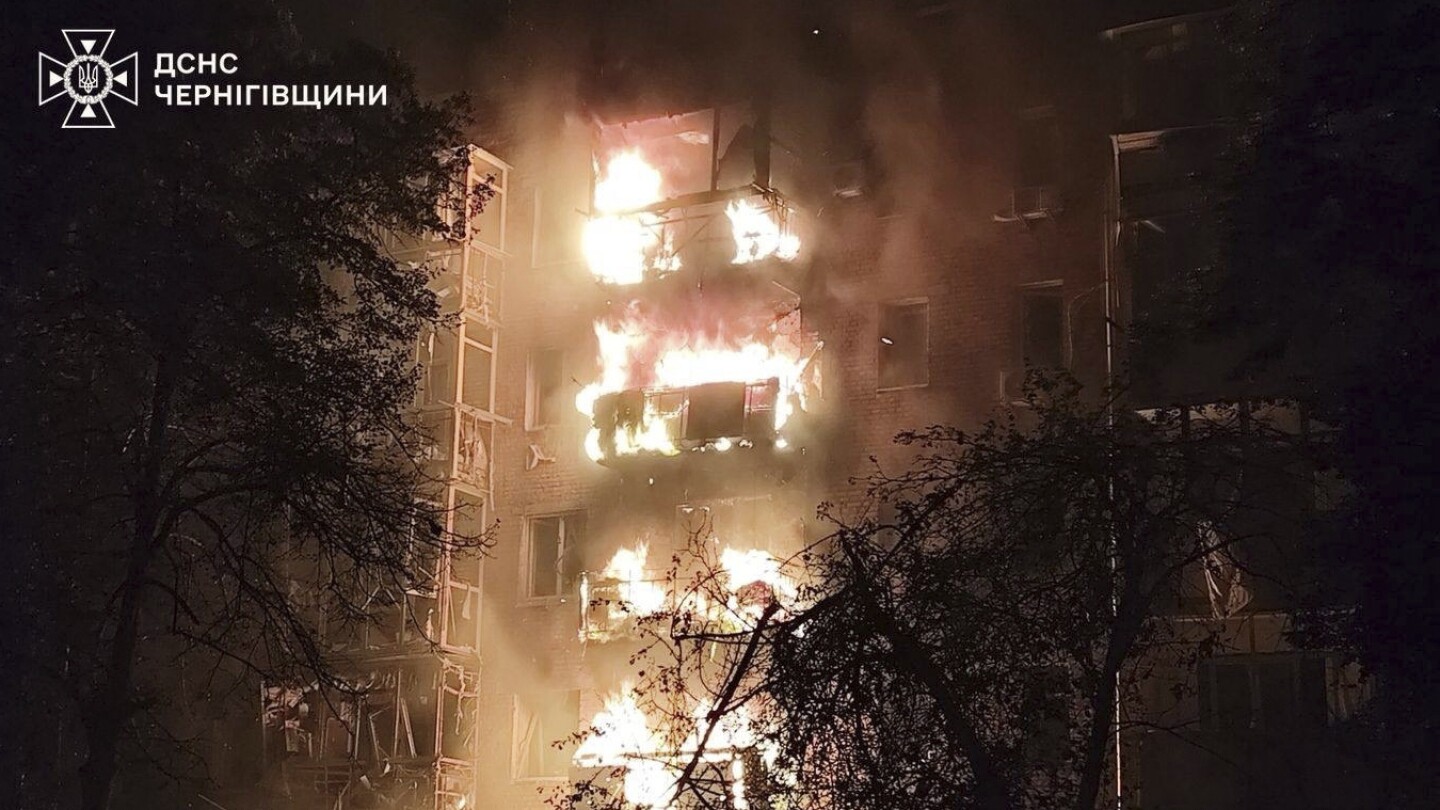
In a significant escalation of hostilities, Russia launched a massive assault on Ukraine’s energy infrastructure, deploying hundreds of drones and dozens of missiles in a targeted bombardment. Ukrainian authorities reported widespread blackouts across eight regions, including the capital, Kyiv. The attacks forced DTEK, Ukraine’s largest private energy company, to halt natural gas extraction in the central Poltava region. Ukrainian President Volodymyr Zelenskyy condemned the strikes, accusing Russia of using cluster munitions and repeatedly targeting emergency repair crews. He emphasized that Russia’s strategy of attacking energy facilities aims to cripple Ukraine’s resilience as winter approaches. Zelenskyy is scheduled to meet with U.S. President Donald Trump to request advanced air defense systems and long-range missiles to counter the ongoing aerial assaults. The Ukrainian power grid has been a primary target since Russia’s invasion over three years ago, with attacks intensifying as colder months near. Despite Ukraine’s resistance, the country’s vast territory makes it challenging to defend against aerial attacks. Zelenskyy’s visit to the U.S. also seeks to secure tougher international economic sanctions on Moscow and joint drone production agreements. Meanwhile, U.S. Defense Secretary Pete Hegseth warned that Washington will impose costs on Russia if it continues its aggression. Trump, frustrated by the prolonged conflict, has expressed impatience with Russian President Vladimir Putin, whom he views as the main obstacle to peace. The U.S. has hesitated to provide long-range missiles, fearing escalation, but Trump’s administration is exploring ways to increase pressure on Russia to end the war.