作者: admin

  • Russian tanker heads to Cuba despite US oil blockade

    Russian tanker heads to Cuba despite US oil blockade

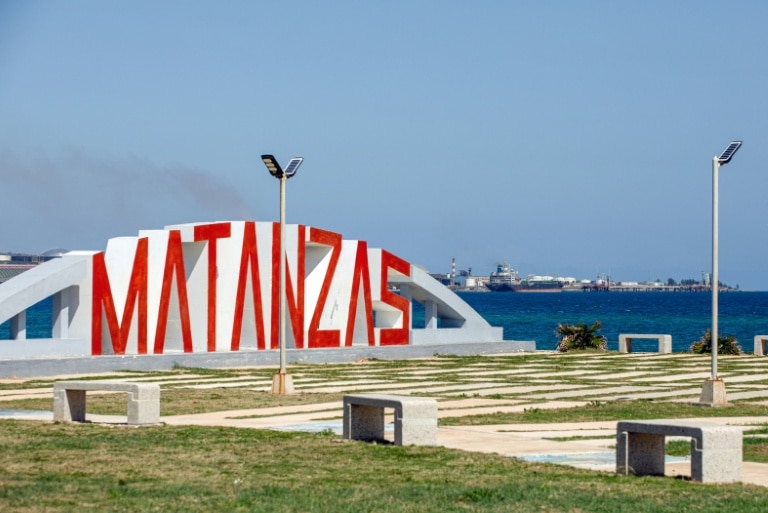
    A Russian-flagged oil tanker, the Anatoly Kolodkin, is poised to dock in Cuba on Tuesday, marking a direct challenge to U.S. sanctions and its de facto fuel blockade of the island nation. Despite being under U.S. sanctions, the vessel is transporting 730,000 barrels of crude oil to the port of Matanzas, offering a temporary reprieve for Cuba’s severe energy crisis.

    According to data from maritime tracker MarineTraffic, the tanker was navigating off Cuba’s eastern coast on Sunday. Its arrival will constitute the first major oil shipment to reach Cuba since January, following the loss of its primary oil supplier, Venezuela, after the U.S. captured socialist leader Nicolas Maduro.

    The situation has escalated into a geopolitical standoff. U.S. President Donald Trump has repeatedly threatened action against Cuba, stating at a recent Miami forum that ‘Cuba is next’ and previously musing about imposing tariffs on nations supplying oil to the island. However, expert analysis suggests the window for U.S. interception has closed. Jorge Pinon, a Cuba energy specialist at the University of Texas at Austin, noted that once the vessel enters Cuban territorial waters, stopping it becomes ‘almost impossible’ for the U.S. government. This assessment appears validated by reports from The New York Times, citing a U.S. official, that the Coast Guard is permitting the passage.

    The delivery arrives amid a dire situation in Cuba. President Miguel Diaz-Canel has enacted strict fuel rationing and emergency measures to conserve energy. The population of 9.6 million faces daily power outages, soaring fuel prices, crippled public transport, and a series of nationwide blackouts in 2024 that have sparked rare public protests. The country’s fragile economy is further strained by suspended airline flights.

    The Anatoly Kolodkin, which departed the Russian port of Primorsk on March 8, was initially escorted by a Russian navy ship through the English Channel before proceeding alone across the Atlantic. Meanwhile, a separate vessel, the Hong Kong-flagged Sea Horse, which was suspected of carrying Russian diesel to Cuba, diverted to Venezuela instead.

    While the crude delivery is critical, it is not an immediate solution. Pinon estimates it will take 15-20 days to process the oil and another 5-10 days to distribute the refined products. The most pressing need is diesel, which this shipment could potentially be converted into approximately 250,000 barrels of—enough to meet national demand for just 12.5 days. The Cuban government now faces a difficult allocation decision: whether to prioritize diesel for backup power generators to reduce blackouts or for the transportation sector to keep essential economic functions operational.

  • ‘It actually isn’t a hip drop’: Ivan Cleary rules out judiciary return as Panthers accept one-match ban for premiership star

    ‘It actually isn’t a hip drop’: Ivan Cleary rules out judiciary return as Panthers accept one-match ban for premiership star

    Penrith Panthers coach Ivan Cleary has confirmed the club will not contest Mitch Kenny’s one-match suspension, despite maintaining strong objections to the dangerous contact classification. The decision comes after Kenny’s sin-bin offense during Saturday’s match against Parramatta Eels, which resulted in a syndesmosis injury for fullback Isaiah Iongi.

    Cleary expressed significant frustration with the NRL’s judicial process, particularly regarding the interpretation of hip-drop tackles. “It actually isn’t a hip drop, it’s dangerous contact,” Cleary stated, highlighting what he perceives as inconsistent application of rules. “What once was a hip drop or still is a hip drop is now dangerous contact. That’s been brought into that context.”

    The controversy emerges just one week after Dragons forward Ryan Couchman received a four-match suspension for a hip-drop tackle that ended Eels star J’maine Hopgood’s season with an ACL injury. Cleary suggested that injury outcomes disproportionately influence disciplinary decisions, remarking, “if there’s a body, someone killed him.”

    With Kenny serving his suspension during Friday’s crucial match against Melbourne Storm, off-season recruit Freddy Lussick is poised to make his debut at hooker. Cleary praised Lussick’s pre-season performance, describing him as “one of the fittest guys I’ve ever seen” who “turned up with a great attitude” and “made every post a winner every day.”

    The Panthers face a formidable challenge against the Storm, who are seeking redemption after consecutive losses despite commanding second-half leads. Cleary specifically identified Storm fullback Sua Fa’alogo as a significant threat, noting his “electric” playing style and “incredible ability to beat people.” However, with Penrith having conceded only 30 points through four rounds, the team remains confident in their defensive capabilities.

    Cleary’s decision to avoid judiciary proceedings follows his successful defense of son Nathan earlier this year, indicating strategic consideration of the NRL’s current disciplinary climate.

  • Doué scores 2 goals and France downs Colombia 3-1 in World Cup tune-up

    Doué scores 2 goals and France downs Colombia 3-1 in World Cup tune-up

    In a commanding pre-World Cup exhibition match, France demonstrated their championship pedigree with a decisive 3-1 victory over Colombia on Sunday. The fixture, held at the Northwest Stadium in Landover, Maryland—home to the NFL’s Washington Commanders—drew an impressive attendance of 60,734 spectators.

    Emerging talent Désiré Doué emerged as the standout performer, netting a remarkable brace. He opened the scoring in the 29th minute before sealing the French triumph with his second goal in the 56th minute, courtesy of an assist from Marcus Thuram. Thuram himself found the net just before halftime, capitalizing on a precise cross from Maghnes Akliouche.

    Colombia managed a consolation goal in the 77th minute through Jáminton Campaz, but were ultimately outclassed by the reigning World Cup champions. The match also featured a notable 78th-minute appearance by global superstar Kylian Mbappé, who entered as a substitute while carefully managing his return from a recent knee injury sustained with his club team, Real Madrid. Mbappé remains poised to equal Olivier Giroud’s all-time French scoring record of 57 goals.

    This victory extends France’s unbeaten streak since June 2023, solidifying their status as one of the tournament favorites. Currently ranked second in FIFA’s world rankings, Les Bleus will commence their World Cup campaign against Senegal in East Rutherford, New Jersey on June 16. Colombia, ranked 13th globally and coming off a previous loss to Croatia, will open against Uzbekistan in Mexico City on June 17.

  • Renoir, Cézanne and Matisse paintings stolen in Italian job

    Renoir, Cézanne and Matisse paintings stolen in Italian job

    In a meticulously executed operation, armed thieves have stolen three invaluable paintings from the Magnani Rocca Foundation near Parma, Italy, marking one of the country’s most significant art thefts in recent years. The brazen robbery occurred on March 22nd when four masked individuals forced entry through the main door of the Villa dei Capolavori museum.

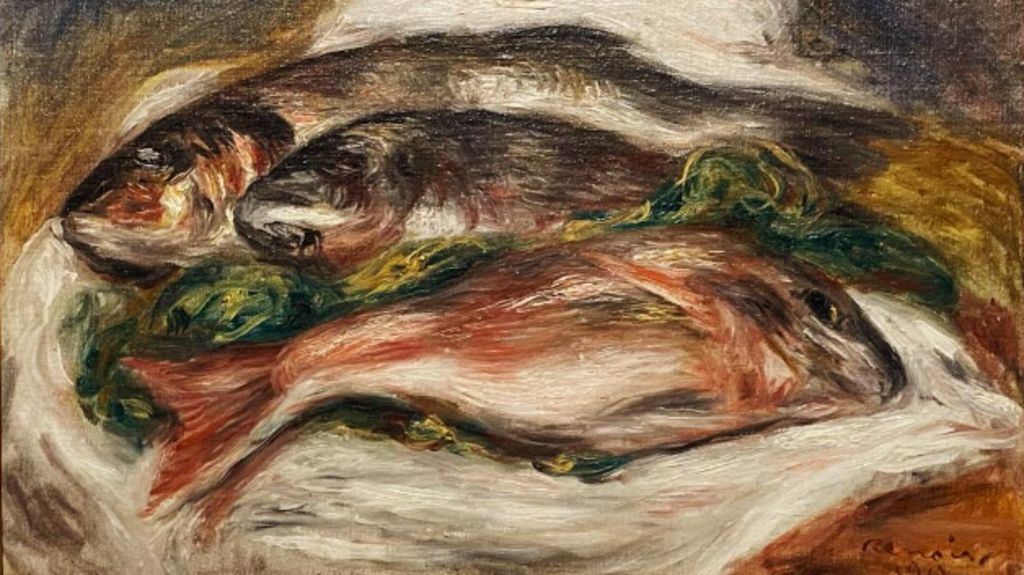
    The stolen artworks include Pierre-Auguste Renoir’s ‘Les Poissons’ (valued at approximately €6 million), Paul Cézanne’s ‘Still Life with Cherries,’ and Henri Matisse’s ‘Odalisque on the Terrace.’ The combined estimated value of the stolen masterpieces reaches €9 million (£7.8 million).

    According to Italian media reports, the entire operation was completed within a remarkably efficient three-minute timeframe. The thieves specifically targeted the French Room on the building’s first floor before making their escape by climbing over a perimeter fence. Museum officials described the perpetrators as ‘structured and organised,’ noting that additional artworks would likely have been stolen had the alarm system not been triggered, prompting immediate police response.

    The Magnani Rocca Foundation, established in 1984 following the death of art collector Luigi Magnani, houses an impressive private collection in his former family residence. The stolen Renoir painting, created around 1917, represents the artist’s Impressionist period. Cézanne’s watercolor still-life, completed circa 1890, is particularly rare as the artist predominantly worked in this medium during his final years. Matisse’s 1922 work depicts two figures—one reclining in sunlight while another holds a violin.

    Italy’s Carabinieri and the Cultural Heritage Protection Unit of Bologna have launched a comprehensive investigation into the theft. The incident follows last October’s daylight jewel robbery at the Louvre in Paris, highlighting ongoing security challenges facing European cultural institutions. News of the heist was deliberately withheld from public disclosure until Sunday to facilitate initial investigative efforts.

  • Educated and employed but still struggling: India’s middle class under strain

    Educated and employed but still struggling: India’s middle class under strain

    In a dimly lit control center in Navi Mumbai, a team of 100 operators manages an automated network overseeing 30,000 ATMs throughout India. This sophisticated operation, utilizing advanced cameras, sensors, and robotic systems, has effectively replaced the need for 60,000 human security guards. This facility serves as a microcosm of a much broader transformation sweeping across the nation, where automation is systematically restructuring—and frequently eliminating—the traditional employment opportunities that historically supported India’s middle class.

    The stability of middle-class incomes is increasingly compromised, compelling many to pursue riskier financial ventures to maintain their standard of living. Consider the case of VS, a 27-year-old technology graduate from rural Rajasthan who earns approximately $151 monthly as an independent sales representative. Last year, he incurred devastating losses of 1.3 million rupees—nearly his family’s entire savings—through Futures and Options trading. He represents one of nine million Indians collectively losing over $12 billion annually in similar ventures, an amount equivalent to India’s complete federal education budget.

    These individuals are not conventional gamblers but educated, ambitious professionals with limited avenues for their aspirations. Another illustrative example is Rahul Singh, a food delivery application agent, who resorted to borrowing funds not merely for home improvements but for essential costs including rent, medical expenses, and unexpected emergencies crucial for survival.

    While VS and Singh originate from different strata of India’s extensive middle class, their financial plights demonstrate remarkable similarities. These narratives transcend individual circumstances, revealing systemic pressures affecting approximately 40 million income taxpayers earning between 500,000 and 10 million rupees annually—the productive backbone of India’s economy.

    Multiple converging factors are driving this crisis. White-collar employment generation has experienced a dramatic decline from 11% growth pre-2020 to merely 1% today according to the Naukri Jobspeak Index. Although automation began eroding middle-skill occupations since the early 2000s, artificial intelligence has exponentially accelerated this disruption. India’s massive IT services sector, employing eight million professionals and serving as the nation’s largest graduate employer, is actively reducing its workforce. Government estimates project AI could eliminate nearly three million technology and customer service positions by 2031.

    Corporate executives openly discuss utilizing AI to reduce salary expenditures by approximately one-third. At a major private banking institution, a solitary AI application now manages 95% of customer inquiries that previously required a 3,000-member call center team. Meanwhile, eight million new graduates enter the job market annually, creating an unsustainable employment imbalance.

    The consequences are increasingly visible at premier institutions like IIT Bombay, where recent graduates are accepting reduced compensation compared to predecessors. Nationally, 8,000 of 21,500 IIT graduates remain unemployed, transforming India’s most prestigious degree from a guaranteed prosperity token into an uncertain gamble.

    For those securing employment, middle-class economics have fundamentally deteriorated. Over the past decade, average middle-class incomes have increased by approximately 50,000 rupees annually—equivalent to a quality smartphone’s cost. While seemingly progressive in isolation, this incremental growth represents gradual erosion when contrasted with actual living expenses.

    Recent analyses indicate consistent annual price increases: vegetarian thali meals (11%), entry-level vehicles (7-8%), and healthcare costs (14%). Comprehensive estimates based on typical middle-class expenditure patterns across housing (10-13%), nutrition (7-9%), medical care (14%), and education (8-10%) suggest genuine living costs double approximately every eight years, indicating effective inflation around 9% for this demographic. A family comfortably living on 1 million rupees in 2016 would now require nearly 2 million annually, while salaries remain largely stagnant.

    The widening chasm between earnings and expenses is increasingly bridged through borrowing. India’s non-housing household debt relative to income currently surpasses both the United States and China. Nearly 50% of Indian families have acquired personal loans, with 67% of borrowers obtaining their first loan before age 30. For indebted households, nearly 40% of yearly income services debt obligations.

    This borrowing predominantly finances consumption and survival—vacations, electronic devices, educational costs, and medical bills—rather than productive investment. Between 5-10% of retail borrowers are ensnared in debt traps, acquiring new loans to service existing obligations without viable escape strategies.

    At Pune’s Hinjewadi technology park, educated engineers with substantial debt queue for data entry positions offering 18,000 rupees monthly, illustrating the compression’s ground-level reality. The repercussions extend throughout the economy: FMCG volume growth has plummeted from 11% to 3%, automobile sales remain stagnant, and consumer durable growth has collapsed from 11% to 1-2%.

    Corporate leadership at India’s major consumer enterprises increasingly recognizes that reduced spending reflects financial incapacity rather than lifestyle choices. This consumption contraction carries significant macroeconomic implications, as consumer spending constitutes 60% of India’s GDP. The nation’s post-1991 growth model, built upon middle-class spending generating demand, creating employment, and fostering further expenditure—a virtuous cycle three decades in development—has fractured.

    A profound paradox emerges: India now produces over eight million graduates yearly, yet educational attainment actively diminishes employment prospects. Graduate unemployment stands at 29.1%, nine times higher than for those without formal education. The defining middle-class aspiration of education has ceased delivering its promised returns.

    Politically, this demographic lacks effective representation. With 40 million taxpayers among 970 million voters, the middle class bears the state’s fiscal burden yet remains too dispersed to command political attention. Politicians prioritize impoverished voters for electoral support and wealthy elites for campaign financing, while the middle class subsidizes both without reciprocal benefits.

    The middle class constructed post-reform India’s economic framework. Whether contemporary India can sustain its middle class constitutes the defining economic question of this decade.

  • Where brands debut: First in Shanghai kicks off

    Where brands debut: First in Shanghai kicks off

    Shanghai has officially inaugurated its landmark ‘First in Shanghai’ event series, positioning itself as China’s premier destination for product debuts. The grand launch ceremony, held on March 28 at the historic Zhangyuan compound, marked the beginning of the 2026 National Premium Products Debut Season, showcasing an impressive convergence of 90 distinguished domestic and international brands.

    The event represents Shanghai’s strategic initiative to establish itself as a global nexus for product introductions and brand innovation. By creating a dedicated platform for both Chinese and overseas companies to unveil their latest offerings, the city reinforces its status as a critical gateway to the Chinese consumer market and a trendsetter in the global retail landscape.

    This comprehensive brand showcase, now open to public attendance, offers consumers unprecedented access to cutting-edge products while providing brands with valuable exposure in one of the world’s most dynamic markets. The selection of Zhangyuan as the venue—a beautifully restored historical shikumen neighborhood—creates a unique juxtaposition of Shanghai’s rich cultural heritage with its forward-looking commercial ambitions.

    The ‘First in Shanghai’ initiative forms part of broader efforts to stimulate consumer spending, foster brand innovation, and strengthen Shanghai’s position in the global retail ecosystem. Industry observers note that successful product launches in Shanghai often predict broader market trends across China and increasingly influence global consumer preferences.

  • Hungary’s anxious rural voters will decide Orban’s fate

    Hungary’s anxious rural voters will decide Orban’s fate

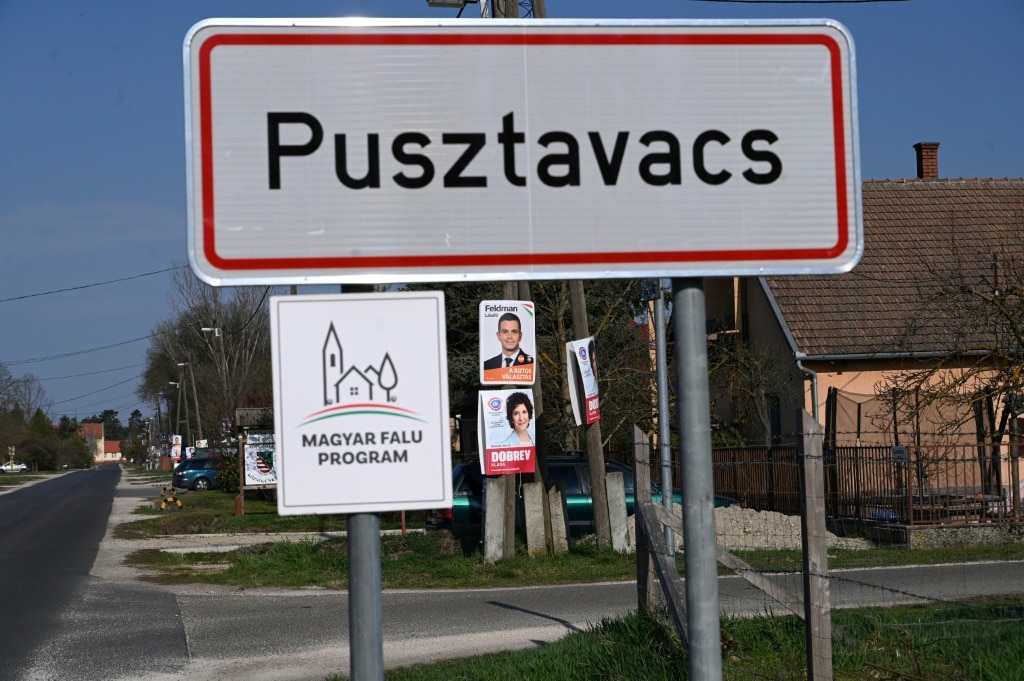
    In the Hungarian countryside, where half the nation’s 9.5 million residents reside, a profound political transformation is underway ahead of the pivotal April 12 parliamentary elections. For decades, rural communities like the village of Pusztavacs served as unwavering strongholds for Prime Minister Viktor Orbán’s Fidesz party. Now, economic stagnation, corruption allegations, and the emergence of charismatic opponent Péter Magyar have triggered what analysts describe as a rural ‘political awakening’ that could end Orbán’s 14-year reign.

    The political landscape reveals deep voter ambivalence. While some residents credit Orbán’s government with infrastructure improvements and family support programs, others express growing discontent over economic conditions and fears about Hungary’s involvement in neighboring Ukraine’s conflict. Orbán’s campaign has strategically amplified these security concerns, flooding government-friendly media with warnings that opposition parties would drag Hungary into war—a claim both the EU and Magyar’s Tisza party vehemently deny.

    Magyar’s anti-corruption message and nationalist-conservative positioning have resonated unexpectedly in traditional Fidesz territories. His Tisza party currently leads opinion polls, with sociologists noting his effective adoption of conservative values that appeal to rural constituencies. Electoral analysts emphasize that victory requires conquering rural districts, comparing Magyar’s challenge to a ‘Himalayan expedition’ where urban support constitutes merely the base camp.

    Personal stories highlight this political shift. A middle-aged reserve soldier in Pusztavacs who previously supported Fidesz now regrets his vote, while pensioner László Budavari plans to support Tisza because his three daughters threaten emigration if Orbán wins a fifth term. Yet Orbán retains loyalists like 86-year-old Mária Balogh, who believes the prime minister ‘provides rather than takes away’ despite courts ruling her fears about pension taxes under Magyar as groundless.

    This electoral battle ultimately represents a fundamental choice between continuity and change, with Hungary’s rural voters positioned as the decisive arbiters of the nation’s political future.

  • Italy investigates Sephora and Benefit over marketing skincare to children

    Italy investigates Sephora and Benefit over marketing skincare to children

    Italian regulatory authorities have initiated a formal investigation into luxury conglomerate LVMH’s beauty subsidiaries, Benefit Cosmetics and Sephora, over allegations of employing potentially deceptive marketing tactics directed at young children. The Italian Competition Authority (AGCM) is examining what it describes as a “particularly insidious” strategy involving youthful social media influencers to promote anti-aging skincare products to children under 10 years old.

    The investigation centers on concerns that these marketing practices may be contributing to ‘cosmeticorexia’—a growing phenomenon characterized by unhealthy preoccupation with skincare among minors. AGCM officials, accompanied by Italy’s financial police, conducted surprise inspections at LVMH and Sephora’s Italian corporate headquarters as part of the ongoing probe.

    According to regulatory filings, the companies allegedly employed “covert marketing strategies” utilizing micro-influencers with smaller but highly engaged followings to encourage the purchase of products not intended for children. The investigation specifically examines whether adequate safety warnings were “omitted or presented in a misleading manner” on products marketed through these channels.

    This scrutiny comes amid the viral ‘Sephora kids’ social media trend, where children showcase elaborate skincare routines and product hauls across platforms like TikTok and Instagram, where Sephora maintains substantial followings exceeding 25 million combined users.

    Medical experts, including the British Association of Dermatologists, have raised concerns about children using adult skincare products, noting risks of skin irritation, allergic reactions, and potential long-term damage. LVMH has issued a statement committing to “fully co-operate” with authorities while maintaining compliance with Italian regulations.

  • Israel blocks top Catholic leaders from Palm Sunday Mass at Holy Sepulchre

    Israel blocks top Catholic leaders from Palm Sunday Mass at Holy Sepulchre

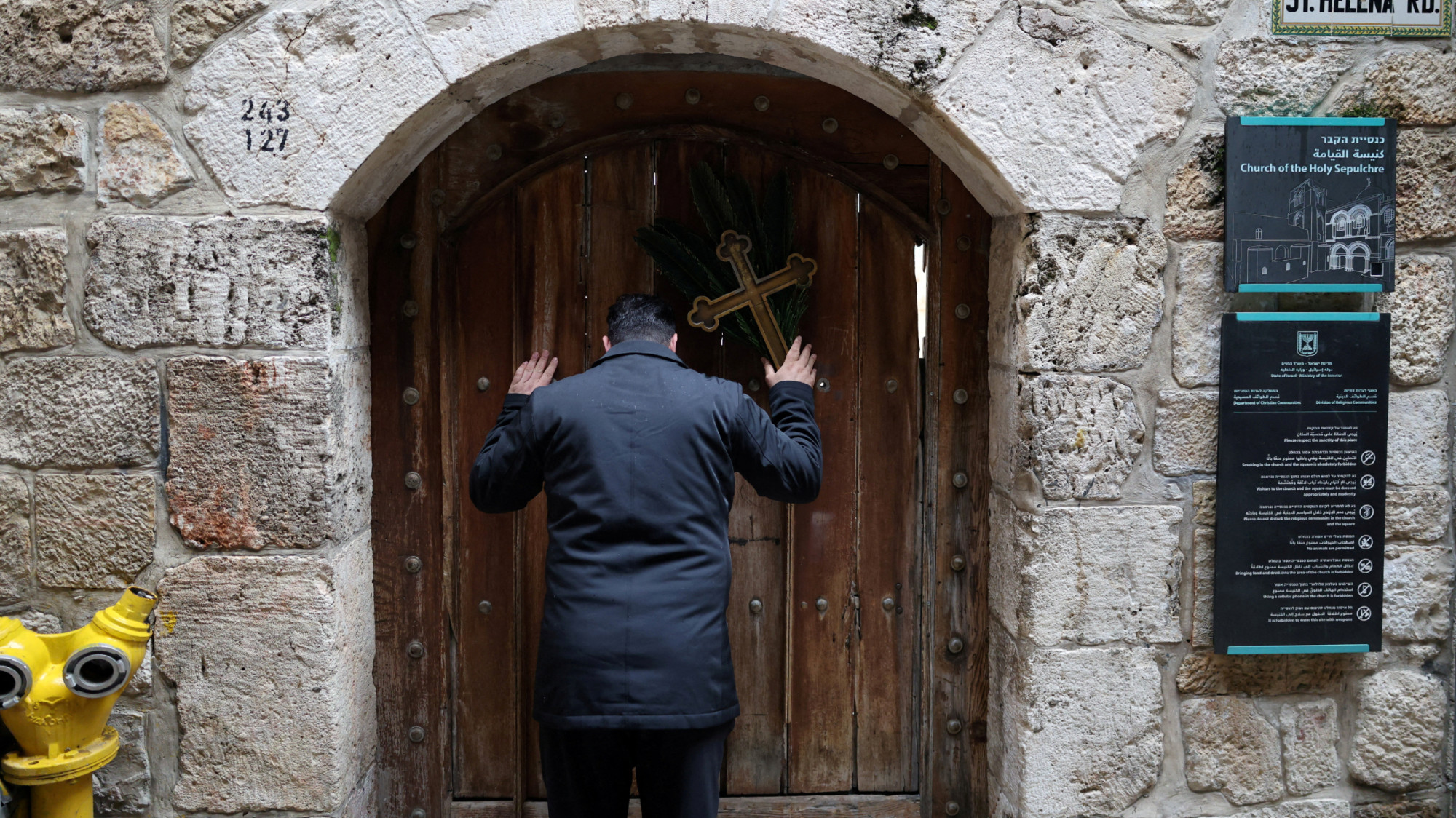
    In an extraordinary development that has drawn international condemnation, Israeli security forces prevented two senior Catholic officials from reaching Jerusalem’s Church of the Holy Sepulchre to conduct Palm Sunday services. Cardinal Pierbattista Pizzaballa, the Latin Patriarch of Jerusalem, and Father Francesco Ielpo, Custos of the Holy Land, were intercepted while attempting to access the sacred site through private means without ceremonial procession or public gathering.

    The Latin Patriarchate of Jerusalem and the Custody of the Holy Land jointly declared this incident represents the first occasion in centuries that Catholic leadership has been barred from celebrating Palm Sunday Mass at Christianity’s holiest site. Church authorities characterized the prevention as ‘a grave precedent that disregards the sensibilities of billions of faithful worldwide’ during Christianity’s most sacred week.

    The diplomatic repercussions emerged swiftly as the Italian government summoned Israel’s ambassador to Rome. Prime Minister Giorgia Meloni explicitly condemned the action as ‘an offence to the faithful’ globally.

    Israeli authorities have maintained heightened security restrictions around religious sites throughout East Jerusalem’s Old City since initiating military operations against Iran last month, closing both Al-Aqsa Mosque and Christian churches. While police cite legitimate safety concerns, Palestinian representatives reject these justifications as pretexts for consolidating control over occupied territories.

    Church officials emphasized their compliance with all security protocols for over a month, including canceling public gatherings and prohibiting attendance during Easter observances. They condemned the blocking of their highest-ranking representatives as ‘manifestly unreasonable and grossly disproportionate,’ arguing the decision appeared ‘tainted by improper considerations’ that represent ‘an extreme departure from basic principles of reasonableness, freedom of worship, and respect for the Status Quo.’

    The Status Quo refers to internationally recognized arrangements that have historically guaranteed Christian authority over churches and Muslim administration of Al-Aqsa Mosque. Critics note Israel has systematically violated these agreements for decades to advance Jewish presence throughout Jerusalem.

  • Iran warns retaliation amid fresh wave of attacks

    Iran warns retaliation amid fresh wave of attacks

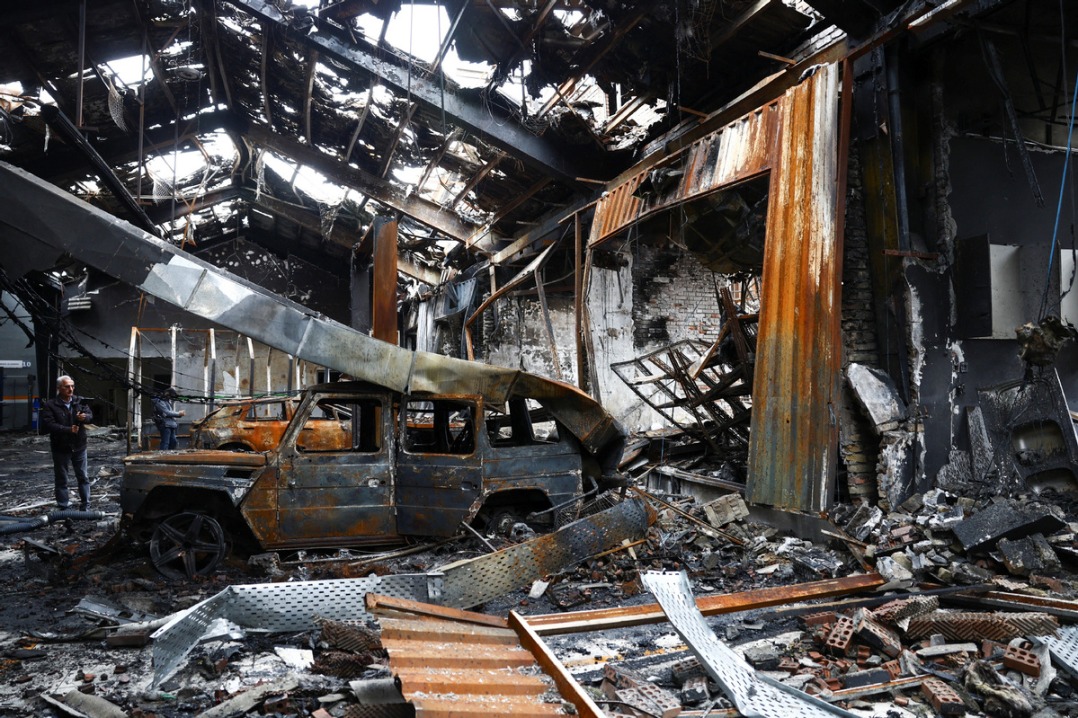
    Tehran has issued a stark warning of retaliation amid a dangerous escalation in Middle Eastern hostilities, following a new wave of strikes targeting Iranian infrastructure. Iranian President Masoud Pezeshkian declared on social media platform X that while Iran “does not carry out preemptive attacks,” it would respond forcefully if its economic centers or infrastructure were targeted.

    The Islamic Revolutionary Guard Corps (IRGC) delivered a specific ultimatum through Iran’s Tasnim News agency, threatening to target US and Israeli universities across the Middle East unless the United States formally condemns the bombing of Iran’s University of Science and Technology by Monday noon Tehran time. The IRGC advised all personnel and residents near these institutions to maintain a distance of at least one kilometer for their safety.

    This escalation coincides with the arrival of approximately 3,500 US troops in the region, as confirmed by US Central Command. Simultaneously, a Washington Post report revealed that the Pentagon is preparing options for limited ground operations in Iran, though stopping short of full-scale invasion plans.

    Iranian Parliament Speaker Mohammad Bagher Ghalibaf accused the US of duplicity, claiming that while publicly sending negotiation messages, Washington is secretly planning ground attacks. He noted that current US objectives appear focused on reopening strategic waterways rather than regime change.

    Regional defense systems were activated across the Gulf as the United Arab Emirates reported intercepting missiles and drones, with similar alerts sounding in Kuwait and Bahrain. Saudi Arabia confirmed intercepting ten drones.

    Amid the tensions, diplomatic efforts gained momentum as Egyptian and Turkish foreign ministers arrived in Islamabad for de-escalation talks. In a significant confidence-building measure, Iran agreed to permit 20 additional Pakistani-flagged vessels to transit the Strait of Hormuz, with two ships crossing daily—a move praised by Pakistani officials as “a harbinger of peace.”

    Regional analysts caution that while diplomatic engagement provides a necessary off-ramp, the fundamental drivers of escalation remain largely unaffected by regional mediation efforts, with military postures continuing to shape the crisis trajectory.