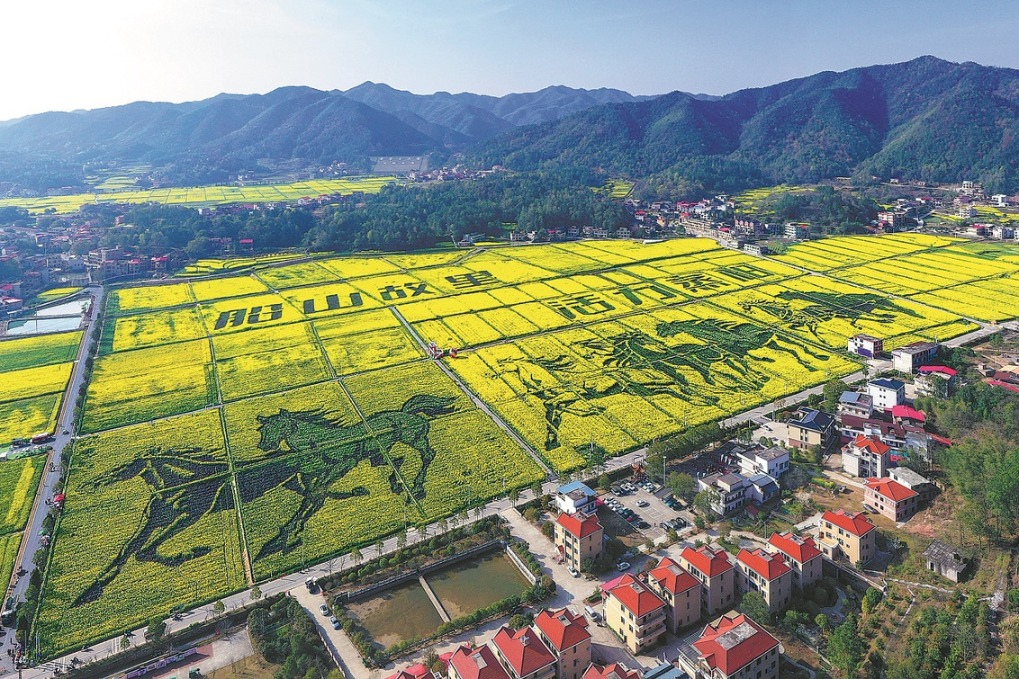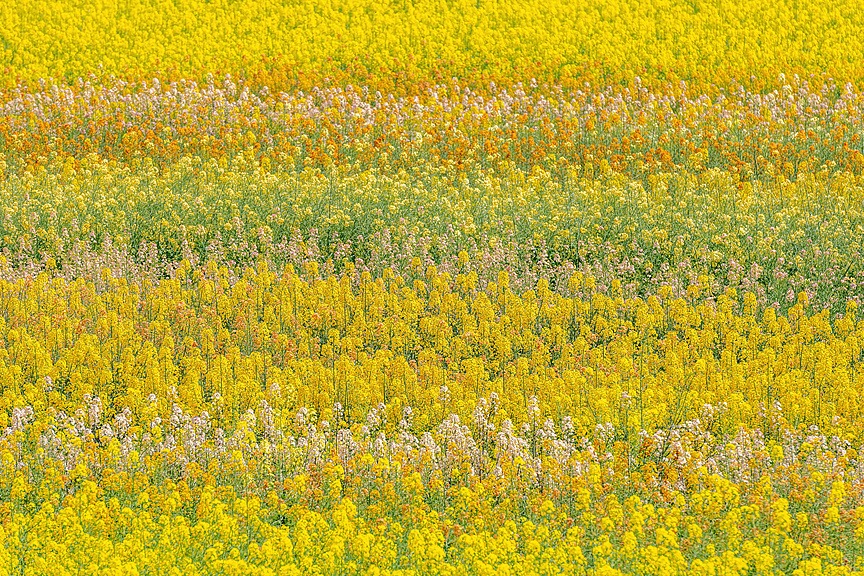
A novel social media movement dubbed ‘ColorWalk’ is captivating millions of young Chinese users, offering a therapeutic escape from daily pressures through the simple act of color-themed exploration. The trend has exploded across platforms including Douyin and Xiaohongshu, generating massive engagement as participants seek beauty in their immediate surroundings.
The practice involves selecting a specific color theme before venturing outdoors, then documenting all matching hues encountered during leisurely walks or daily commutes. This intentional focus transforms ordinary environments into vibrant canvases, encouraging participants to rediscover overlooked details in their urban landscapes.
Yang Zheng, a 29-year-old publishing professional from Qingdao, exemplifies the trend’s appeal. After discovering ColorWalk on Douyin, she established a WeChat sharing group that rapidly attracted approximately 45 predominantly Gen-Z members. The collective now designates daily color themes and exchanges photographic discoveries, creating a supportive community around mindful observation.
According to psychological experts, ColorWalk represents a practical application of grounding techniques—a therapeutic method with dual objectives: actively redirecting attention and establishing manageable goals. Xu Gaoyang, a psychotherapist at Beijing Anding Hospital of Capital Medical University, compares the approach to stabilizing an aircraft during turbulence. ‘By anchoring attention to external environmental elements—in this case specific colors—we rapidly reconnect with the present moment, fostering stability and calm,’ he explains.
The activity produces measurable physiological effects, with different colors triggering distinct nervous system responses. Cool tones like blue and green activate the parasympathetic nervous system, reducing heart rate and promoting relaxation, while warmer hues like red and orange stimulate the sympathetic nervous system, enhancing energy and alertness.
University student Hu, 19, from Anhui province, finds ColorWalk naturally complements his passion for life documentation. ‘It enables me to record my days more meaningfully,’ he notes, emphasizing how the practice reveals previously unnoticed elements—a red fire hydrant suddenly becomes significant during a ‘red’-themed walk, transforming mundane surroundings into sources of wonder.
Academics interpret ColorWalk’s popularity as a response to contemporary ‘purpose fatigue,’ where young people overwhelmed by achievement-oriented pressures create undemanding yet purposeful activities. Wang Wenda, Director of Psychological Health Education at Xinhua College of Ningxia University, observes that these minor accomplishments activate the brain’s reward system, alleviating feelings of powerlessness while enhancing self-efficacy through achievable positive experiences.
This low-cost, accessible trend represents a broader cultural shift among Chinese youth seeking agency within competitive environments. As Wang concludes: ‘You needn’t await perfect circumstances to feel good. Small actions can generate pleasure, relaxation, and control—allowing people to carve personal sanctuaries amid uncertainty.’