作者: admin

  • ‘Fear is everywhere’: BBC reports from Mexican city turned into war zone by drug cartel feud

    ‘Fear is everywhere’: BBC reports from Mexican city turned into war zone by drug cartel feud

    The recent death of Nemesio Oseguera Cervantes, alias “El Mencho,” Mexico’s most-wanted drug lord, has exposed a dangerous paradox in the nation’s war against cartels. While Mexican special forces are being praised for this tactical victory, the elimination of powerful cartel leaders often triggers devastating internal power struggles that escalate violence in affected regions.

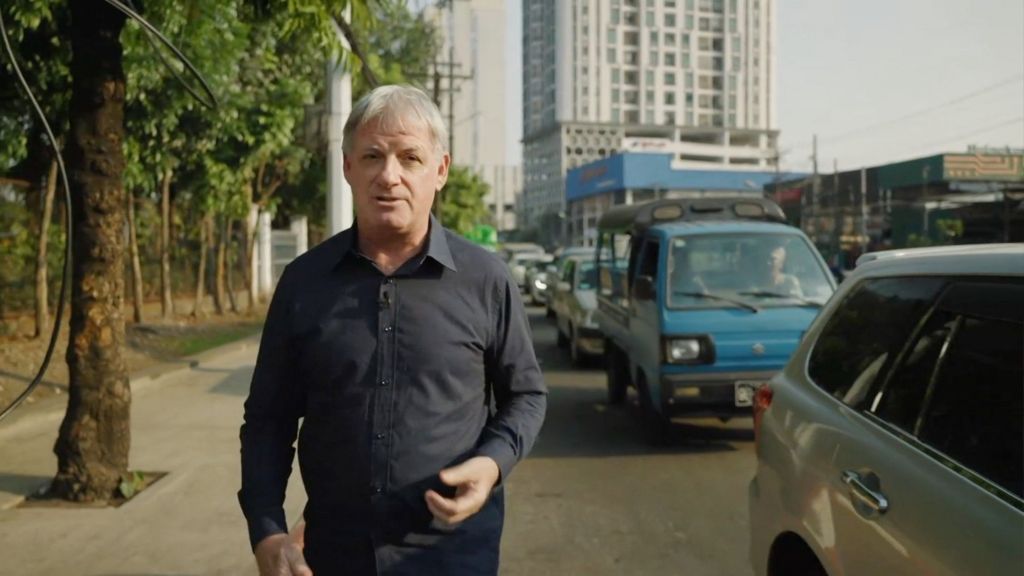
    In Culiacán, the capital of Sinaloa state, paramedics Héctor Torres and Julio César Vega navigate a city gripped by constant fear. Their emergency call volume has surged by over 70% in the past year as they respond to shooting after shooting, most ending with another corpse and grieving relatives. The medics operate in full body armor—14kg of Kevlar and armor plate—recognizing that tending to victims might make them targets themselves.

    The current violence stems from a schism within the Sinaloa cartel, once a unified criminal empire now fractured into warring factions. This internal conflict began when the son of one leader betrayed another, creating a deadly feud that has transformed the region into a battleground. The situation worsened after the removal of cartel leader Ismael “El Mayo” Zambada, now imprisoned in the United States.

    The brutality extends beyond targeted killings to include horrific acts of intimidation. Victims are frequently tortured, mutilated, and displayed publicly with threatening messages between factions. Schools, hospitals, and even funerals have been attacked, demonstrating that no place remains safe in this escalating conflict.

    The human toll extends beyond the immediate violence to a growing crisis of disappearances. Reynalda Pulido leads Mothers Fighting Back, a group searching for missing loved ones. These women probe fields with metal rods, smelling the earth for the distinctive odor of decomposition, hoping to find closure regarding their disappeared family members.

    At the root of this misery lies the fentanyl trade. In a cartel-operated laboratory, a producer known as “Román” demonstrates how the organization packages kilograms of the deadly opioid worth up to $29,000 each for shipment to American cities. He expresses no remorse for his role in a trade that has cost tens of thousands of lives, arguing that consumer demand justifies continued production.

    The Mexican government claims progress in combating drug trafficking, citing a 50% reduction in fentanyl supplies to the U.S. and deploying thousands of troops to Sinaloa. Yet paramedics Torres and Vega recently experienced a rare moment of hope when they successfully treated two shooting victims—the first survivors they had encountered since November—highlighting both the brutality of the conflict and the resilience of those fighting to save lives amidst the carnage.

  • Swiss bar fire victims to get solidarity payout

    Swiss bar fire victims to get solidarity payout

    The Swiss federal government has unveiled a comprehensive emergency relief package for victims of the devastating New Year’s Eve fire at Le Constellation bar in the luxury ski resort of Crans-Montana. Federal President Guy Parmelin and Finance Minister Beat Jans announced immediate solidarity payments of 50,000 Swiss francs ($65,000) to each of the 115 injured survivors and families of the 41 deceased victims.

    This federal assistance supplements the 10,000 francs already offered by the Valais regional government and forms part of a broader support framework that includes up to 20 million francs in additional funding. The government has committed to facilitating negotiations between victims, officials, and insurance providers to reach equitable compensation agreements.

    Investigative findings indicate the tragedy originated when sparklers attached to champagne bottles ignited highly flammable soundproof foam lining the basement ceiling. The underground area was reportedly filled beyond capacity with celebrants when the blaze erupted.

    The human toll reflects a particularly youthful demographic among the victims, with eight children under age 16 perishing in the incident. Medical facilities continue to treat 58 patients for severe burn injuries, with many families still grappling with the sudden loss.

    Official scrutiny has revealed significant safety oversights, with authorities acknowledging the establishment had not undergone mandatory safety inspections for five years. Criminal proceedings have been initiated against bar owners Jacques and Jessica Moretti on charges of negligent manslaughter, negligent bodily harm, and negligent arson. Additional charges have been brought against the municipality’s head of public safety and a former fire safety inspector.

    President Parmelin emphasized the government’s commitment to transparency, stating: “The Federal Council shares with the victims and their families the desire for truth and justice. We, too, want to know what happened, why, and how it could have been prevented.” The compensation initiative aims to provide rapid, non-bureaucratic assistance while broader accountability measures progress through Switzerland’s legal system.

  • Citing AP investigation, new bill seeks to prohibit DHS from using full-body restraints

    Citing AP investigation, new bill seeks to prohibit DHS from using full-body restraints

    A groundbreaking legislative initiative has emerged in the U.S. House of Representatives seeking to prohibit the Department of Homeland Security from utilizing the controversial WRAP restraint system. The Full-Body Restraint Prohibition Act, introduced by Illinois Democratic Representative Delia Ramirez on Wednesday, would permanently ban future acquisitions of the device while establishing stringent oversight and reporting protocols.

    The legislative action follows an extensive Associated Press investigation that documented multiple instances of U.S. Immigration and Customs Enforcement deploying the WRAP apparatus during deportation flights since 2020. According to the findings, individuals were frequently restrained in the device for extended periods, sometimes spanning several hours.

    Representative Ramirez condemned the practice, stating that the WRAP “fuels destruction in our communities and human suffering” and characterizing the legislation as a critical step toward ending “the pain and violence caused by DHS.”

    The California-manufactured device, produced by Safe Restraints Inc., has become the subject of numerous federal lawsuits alleging that improper application constitutes punishment and torture. Advocacy groups have raised alarms about ICE’s failure to document WRAP usage in accordance with federal force reporting requirements, creating significant transparency gaps regarding the true scope of implementation.

    Beyond immigration enforcement contexts, the AP investigation identified twelve fatal incidents over the past decade where autopsies determined WRAP usage by local law enforcement agencies contributed to prisoner deaths. This pattern has drawn concern from DHS’s own civil rights division, which voiced internal reservations about the device in a 2023 report.

    Financial records reveal DHS has allocated $268,523 to Safe Restraints Inc. since initial purchases began during the Obama administration in late 2015, with contracts extending through June 2025. Notably, approximately 91% of this expenditure occurred during the two Trump administrations.

    Safe Restraints CEO Charles Hammond defended the product as a “safer, more humane, pain-free alternative to other restraint methods,” warning that elimination would force a return to “alternative restraints and tactics proven to cause pain, injury and even fatalities.” The company developed a modified version specifically for ICE with adaptations for prolonged use during flights and extended transportation.

    However, the AP investigation found ICE personnel routinely deploy the WRAP under circumstances far exceeding manufacturer guidelines. Multiple detainees reported being restrained in the device after already being shackled, often as intimidation or punishment for requesting legal counsel or expressing deportation fears.

    The mounting evidence has prompted significant political response, with eleven Democratic U.S. senators dispatching a formal letter to immigration officials citing “serious human rights concerns” following the AP’s October investigation. DHS has declined repeated requests for comment regarding WRAP usage practices and the newly proposed legislation.

  • Spain declassifies files on 1981 attempted coup in effort to dispel conspiracy theories

    Spain declassifies files on 1981 attempted coup in effort to dispel conspiracy theories

    In a significant move toward historical transparency, the Spanish government has declassified and released 153 previously secret files related to the failed military coup of February 23rd, 1981—a pivotal event that threatened the nation’s nascent democracy. The long-awaited documents, which caused such public anticipation that they temporarily crashed the government’s webpage upon release, include police reports, judicial investigations, transcripts of official conversations, and reactions from foreign governments.

    The attempted coup, occurring just six years after the death of dictator Francisco Franco, saw armed Civil Guard officers storm the parliament building during a swearing-in ceremony, taking lawmakers hostage in an effort to restore authoritarian rule. Their failure is widely attributed to King Juan Carlos I, who delivered a decisive televised address denouncing the rebellion and ordering military forces to remain in their barracks. This action cemented his reputation as the guardian of Spanish democracy for decades.

    However, the newly released archives appear to contain no definitive evidence supporting persistent conspiracy theories that the king had prior knowledge of or involvement in the plot. Instead, they reveal several previously undisclosed operational details: six members of the intelligence services were implicated in the scheme, and security forces estimated that a potential raid on the occupied parliament could have resulted in 80 to 110 fatalities.

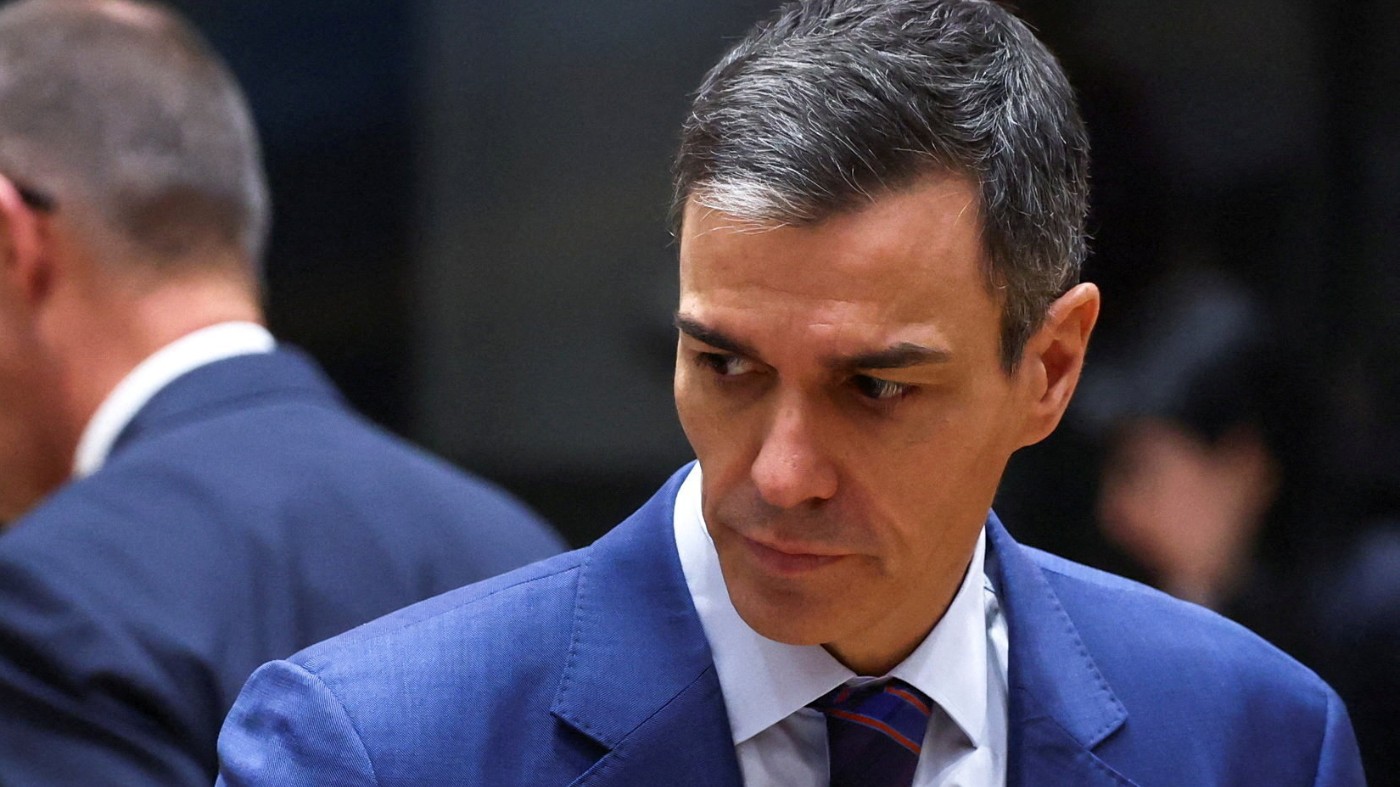
    The document release also includes international messages of support received after the coup’s failure, notably a communication from Britain’s Queen Elizabeth II expressing relief at the “final result.” The current administration under Prime Minister Pedro Sánchez characterized the decades-long classification as a “historical anomaly” and stated that transparency would help dispel false narratives while posing no risk to individuals involved.

  • Iran rejects US claims on missile programme as ‘big lies’

    Iran rejects US claims on missile programme as ‘big lies’

    Iran’s Foreign Ministry has vehemently rejected recent United States claims regarding its military capabilities and domestic unrest, characterizing the allegations as deliberate falsehoods. Ministry spokesman Esmaeil Baqaei utilized social media platform X to formally denounce what he termed ‘big lies’ perpetuated by American leadership.

    The strong rebuttal came in direct response to statements made by President Donald Trump during his State of the Union address, where he asserted that Tehran was actively developing long-range missile systems capable of reaching American territory. Trump additionally reiterated his administration’s firm stance against Iranian nuclear weapons development, accusing Iranian leaders of pursuing ‘sinister nuclear ambitions.’

    Contrary to these claims, Iranian officials maintain that their nuclear program remains exclusively peaceful in nature. Foreign Minister Abbas Araghchi previously clarified in an Al Jazeera interview that while Iran lacks the technical capability to target the United States directly, it would respond to any American military aggression by striking US bases throughout the Middle East region.

    A significant point of contention emerged regarding casualty figures during January’s civil unrest. Trump alleged that Iranian authorities had killed approximately 32,000 protesters, while Iranian officials acknowledge approximately 3,000 fatalities, attributing these to what they describe as US and Israel-fueled ‘terrorist acts.’ Independent verification from the US-based Human Rights Activists News Agency documents over 7,000 deaths, with warnings that the actual toll may substantially exceed this figure.

    The escalating war of words occurs amidst heightened regional tensions, with Iran maintaining military alertness against potential US or Israeli operations. This exchange represents the latest chapter in the ongoing diplomatic confrontation between Tehran and Washington, with both nations presenting starkly contradictory narratives regarding Iran’s military programs and internal affairs.

  • Watch: Moment a sinkhole in Omaha traps cars and drivers

    Watch: Moment a sinkhole in Omaha traps cars and drivers

    A sudden pavement collapse in Omaha, Nebraska, transformed an ordinary day into a scene of civic heroism as bystanders orchestrated a rapid rescue operation. The incident occurred when a massive sinkhole materialized without warning, ensnaring multiple vehicles and trapping drivers in a potentially dangerous situation.

    Eyewitness accounts and police reports confirm that several civilians immediately sprang into action upon witnessing the emergency. Demonstrating remarkable presence of mind, these individuals approached the unstable crater to assist motorists from their imperiled vehicles while simultaneously coordinating traffic control around the hazardous area.

    The collaborative effort resulted in the successful extraction of all drivers without serious injuries, showcasing community responsiveness in crisis situations. Local authorities have cordoned off the affected area as infrastructure teams work to determine the underlying cause of the subsurface collapse, which preliminary investigations suggest may relate to aging utility tunnels or water main complications beneath the road surface.

    This event highlights both the vulnerabilities of urban infrastructure and the capacity for ordinary citizens to provide extraordinary assistance during public emergencies. The Omaha Police Department has acknowledged the crucial role these quick-thinking witnesses played in preventing potential tragedy through their selfless intervention.

  • UN sanctions paramilitary leaders over Sudan atrocities

    UN sanctions paramilitary leaders over Sudan atrocities

    The United Nations Security Council has levied targeted sanctions against four high-ranking commanders of Sudan’s paramilitary Rapid Support Forces (RSF) for their direct involvement in atrocities committed during the capture of el-Fasher. Among those designated are Abdul Rahim Hamdan Dagalo (brother of RSF chief Mohamed ‘Hemedti’ Dagalo) and Brigadier General Al-Fateh Abdullah Idris, infamously dubbed the ‘Butcher of el-Fasher.’ The list also includes deputy commander Gedo Hamdan Ahmed and field commander Tijani Ibrahim.

    This decisive action follows a damning UN fact-finding mission report that characterized the RSF’s violent October takeover of the city as bearing the ‘hallmarks of a genocide.’ The operation, which ended an 18-month siege on the capital of North Darfur, was described as ‘three days of horror’ marked by summary executions, systematic sexual violence, and mass detentions primarily targeting the ethnic Zaghawa population.

    The UN cited extensive evidence, including graphic videos posted by Idris himself, showing him executing civilians and boasting of killing over 2,000 people. Dagalo was identified as having overseen operations on the day of the capture, during which his forces conducted mass killings and ethnically targeted executions.

    This marks the fourth international sanction designation for Dagalo, following similar actions by the United States, United Kingdom, and European Union. While war crimes investigators from The Sentry organization welcome the coordinated targeting of officials, they emphasize that far more comprehensive measures are needed to impose real financial consequences on the RSF and its support networks.

    The conflict in Sudan, escalating since April 2023 between the RSF and national army, has created what the UN describes as a ‘war of atrocities,’ resulting in tens of thousands of deaths and triggering the world’s most severe hunger and displacement crisis. According to the UN refugee agency, over 70,000 people have fled el-Fasher since its capture, with many civilians remaining trapped, missing, or detained by RSF forces within the city.

    The specific sanctions imposed were not detailed in the announcement, though the UN Security Council holds authority to implement measures including asset freezes and travel bans.

  • Man charged in connection with death of Kerry farmer Michael Gaine

    Man charged in connection with death of Kerry farmer Michael Gaine

    Irish authorities have made a significant breakthrough in the eight-month investigation into the disappearance and murder of County Kerry farmer Michael Gaine, with formal charges now filed against a suspect. The 56-year-old agriculturalist, who maintained sheep and cattle in the remote Carrig East area near Kenmare, vanished without trace on March 21, 2025, after last being seen in the County Kerry town the previous day.

    The case underwent a dramatic evolution from missing persons investigation to homicide inquiry when human remains discovered on Gaine’s property in May 2025 were conclusively identified as belonging to the missing farmer. The grim discovery followed an extensive eight-week search operation that mobilized hundreds of local volunteers who scoured the victim’s farmlands and surrounding water bodies including lakes, streams, and rivers throughout the picturesque Ring of Kerry region near the Molls Gap beauty spot.

    Law enforcement officials have confirmed that a male suspect in his 50s has been formally charged in connection with Gaine’s disappearance and murder. The accused is scheduled to appear before Tralee District Court for a preliminary hearing on Wednesday afternoon, marking a pivotal development in a case that has gripped the rural Irish community for nearly three-quarters of a year. The judicial proceedings will determine the next steps in a prosecution that could bring resolution to one of County Kerry’s most troubling criminal investigations in recent memory.

  • France appoints new Louvre chief after jewellery heist

    France appoints new Louvre chief after jewellery heist

    In a decisive move to address mounting institutional challenges, France has appointed Christophe Leribault, current president of the Palace of Versailles, as the new director of the Louvre Museum following the resignation of Laurence des Cars. The leadership transition comes after a series of crises that have plagued the world’s most-visited museum, including a spectacular $100 million jewelry heist of French crown jewels in October 2025 that remains unsolved.

    The culture ministry has tasked Leribault with restoring “a climate of trust” and steering major modernization projects, particularly addressing critical security vulnerabilities. The 62-year-old art historian and specialist in 18th-century art assumes control of an institution grappling with multiple operational challenges beyond the high-profile theft. These include a sophisticated ticket fraud scheme costing approximately €10 million, repeated strike actions forcing four museum closures since December, structural maintenance issues, and water damage incidents.

    Des Cars, the first woman to lead the Louvre in its history, submitted her resignation to President Emmanuel Macron on Tuesday after three years of leadership. Her departure became “inevitable” according to French media, following the compounded pressures of the robbery and ongoing labor disputes. In statements to Le Figaro, des Cars acknowledged the “media and political storm of unprecedented proportions” that followed the October heist, noting that while proud of her accomplishments, “the conditions for moving forward are no longer in place.

    Leribault brings considerable experience from his tenure at Versailles and previous directorship of prestigious Paris institutions including the Petit Palais and Musee d’Orsay. His appointment has received cautious optimism from museum staff representatives, with union leaders noting his successful dialogue with employees at Versailles and expressing hope for improved labor relations. The new director faces the formidable challenge of balancing security enhancements with the museum’s public accessibility mission while maintaining its status as a cultural crown jewel attracting nine million annual visitors.

    The investigation into the jewelry robbery continues with four suspects in custody, though the eight stolen items remain unrecovered. Parliamentary inquiries have revealed concerning institutional control issues, with one lawmaker describing the Louvre as having become a “state within a state” beyond proper governmental oversight.

  • Trump keeps world waiting on his plans for Iran after State of the Union

    Trump keeps world waiting on his plans for Iran after State of the Union

    Amidst the largest U.S. military deployment to the Middle East since the 2003 Iraq invasion, President Donald Trump has signaled a preference for diplomatic engagement with Iran rather than military confrontation. During his historic State of the Union address, Trump notably avoided making a comprehensive case for potential military action, instead emphasizing his openness to negotiation while maintaining consistent demands for Iranian nuclear transparency.

    The diplomatic landscape is reaching a critical juncture as envoys prepare for the third round of negotiations this month in Geneva. Trump’s top envoy Steve Witkoff and son-in-law Jared Kushner are expected to engage in talks that could determine whether the two nations can bridge their significant differences. A diplomat familiar with the process warned that failure to secure an acceptable agreement text from Tehran could prompt military action shortly after the negotiations.

    Central to the discussions remains Trump’s insistence that Iran explicitly declare it will never pursue nuclear weapons—a demand that appears partially met by Iranian Foreign Minister Abbas Araghchi’s recent statement on social media that “Iran will under no circumstances ever develop a nuclear weapon.” However, verification mechanisms and Iran’s ballistic missile program continue to present substantial obstacles.

    The current negotiations differ significantly from previous rounds, with International Atomic Energy Agency head Rafael Grossi playing an expanded role in technical discussions. Iran has offered new proposals including diluting its highly enriched uranium, which at 60% purity approaches weapons-grade concentration. The involvement of Ali Larijani, secretary of Iran’s Supreme National Security Council and senior adviser to Supreme Leader Ayatollah Ali Khamenei, signals the seriousness of Tehran’s engagement.

    Complicating the diplomatic calculus are Trump’s controversial claims about Iranian domestic unrest, including an unsubstantiated assertion that authorities killed approximately 32,000 protesters—a figure dramatically higher than the 3,100 acknowledged by Tehran and the 7,000 documented by HRANA activists. Iranian officials immediately denounced these statements as “big lies.”

    Analysts note that both nations face unprecedented pressures: the Islamic Republic confronts severe economic sanctions and internal legitimacy challenges, while the Trump administration balances its anti-interventionist base against concerns about Iran’s regional ambitions and nuclear capabilities. As the clock counts down toward decisive negotiations, the world watches to see whether diplomacy can prevail over military escalation in one of the world’s most volatile regions.